All 14 Men Who Were Actually President Before George Washington
Ask most Americans who the first president was, and they’ll confidently say George Washington. They’re wrong-sort of. Before Washington took the oath of office in 1789, fourteen men held the title “President of the United States in Congress Assembled.” Some sources claim only eight, counting those who served after the Articles of Confederation took effect in 1781. But six others presided over the Continental Congress during the Revolution itself, guiding the colonies through independence and war.
Here’s the catch: these weren’t presidents like we think of today. They had no executive power, no veto, no Cabinet. They were essentially meeting moderators-glorified chairmen who handled correspondence and signed documents. The position was so toothless that delegates actually lost influence when elected to it. Still, these forgotten founders shaped a nation, and their stories deserve to be told.
Peyton Randolph
September 5, 1774 – October 22, 1774 and May 10, 1775 – May 24, 1775
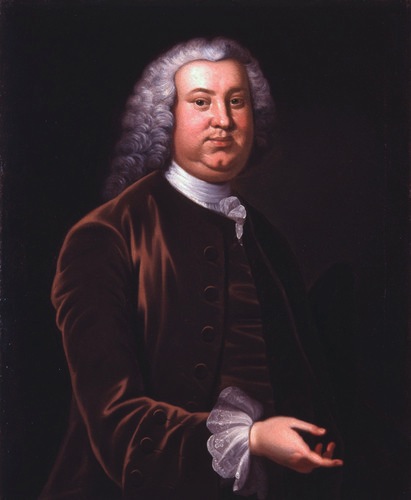
Peyton Randolph was the first American president-just not the kind we remember. When delegates from twelve colonies gathered in Philadelphia for the First Continental Congress in September 1774, they unanimously elected Randolph to preside. It was an obvious choice: he was Speaker of Virginia’s House of Burgesses, president of Virginia’s revolutionary conventions, and a member of one of the colony’s most powerful families.
Randolph was Thomas Jefferson’s first cousin once removed and related to future Chief Justice John Marshall and Confederate General Robert E. Lee. He commanded respect across colonial lines at a moment when unity was everything.
His health betrayed him twice. Illness cut short his first term, and when he returned for the Second Continental Congress in May 1775, he lasted only fourteen days before returning to Virginia to handle legislative business. He never made it back. On October 22, 1775-exactly one year after his first presidency ended-Randolph suffered a massive stroke while dining with Thomas Jefferson in Philadelphia. He died that evening at fifty-four.
The Continental Congress honored him by naming a naval frigate the USS Randolph. Counties in North Carolina, Indiana, and a town in Massachusetts still bear his name. The first president is remembered, even if most Americans don’t know who he was.
Henry Middleton
October 22, 1774 – October 26, 1774
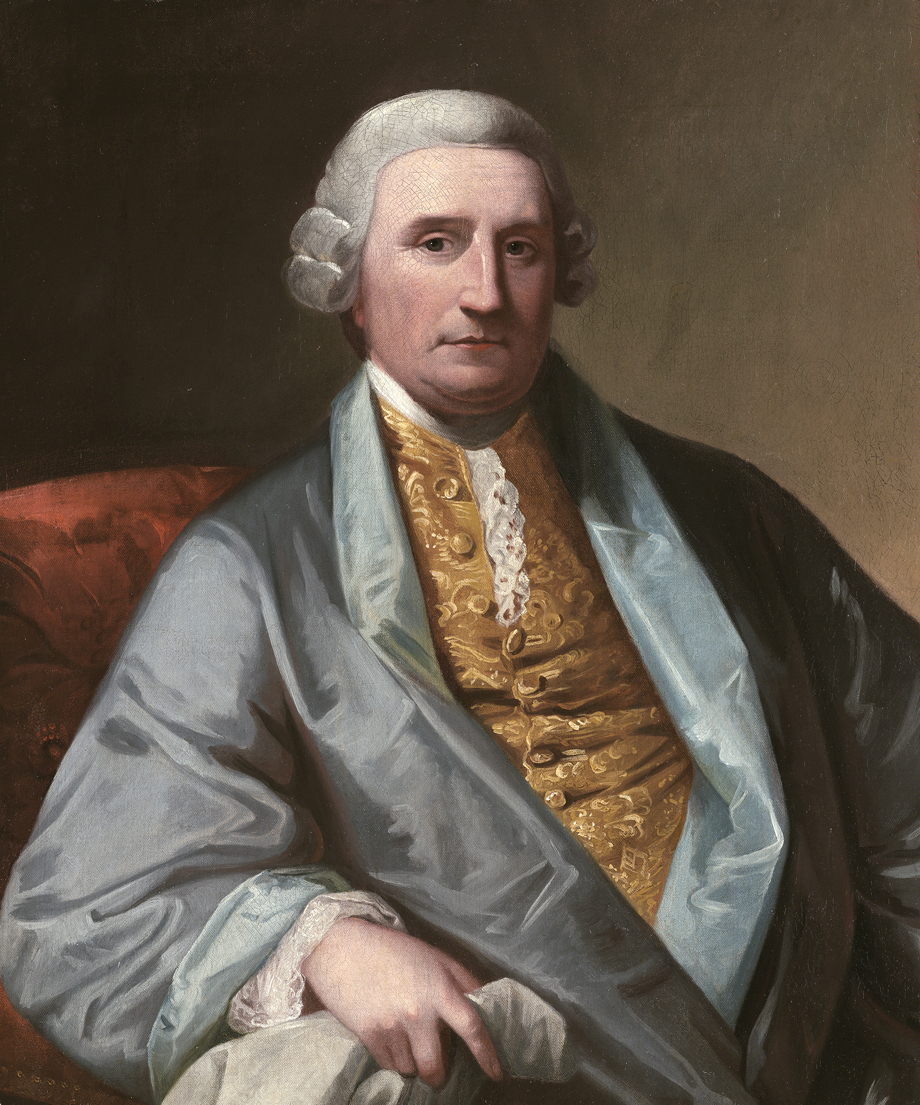
Henry Middleton served the shortest presidency in congressional history: four days. When Peyton Randolph fell ill near the end of the First Continental Congress, Middleton stepped in as a caretaker, presiding over the final sessions before adjournment.
A wealthy South Carolina planter, Middleton had served as Speaker of the Commons House of Assembly. His brief presidency was essentially a formality-Congress was wrapping up its business, and someone needed to hold the gavel. When the Second Continental Congress convened the following May, Peyton Randolph returned to the chair, and Middleton resumed his role as a regular delegate.
His legacy lived on through his son. Arthur Middleton signed the Declaration of Independence in 1776, joining the cause his father had helped organize. The Middleton plantation, known as Middleton Place, still stands outside Charleston and is now a National Historic Landmark.
Henry Middleton himself remained committed to independence despite his brief presidential tenure. He died in 1784, having witnessed the birth of the nation he helped bring into being-even if his contribution lasted less than a week.
John Hancock
May 24, 1775 – October 29, 1777 (also elected Nov 23, 1785 – Jun 5, 1786, but never served)
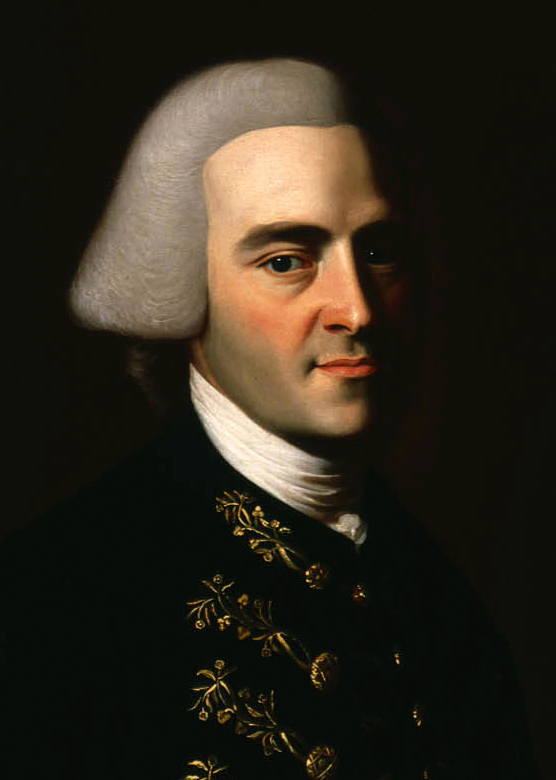
John Hancock’s signature needs no introduction. His flamboyant autograph on the Declaration of Independence became so iconic that “John Hancock” entered American slang as a synonym for any signature. But the man behind the flourish served longer as president of Congress than anyone else-over two years during the most critical period of the Revolution.
Hancock presided over the vote for independence and the adoption of the Declaration. He and Samuel Adams were the two men King George III most wanted captured. A wealthy merchant who inherited his uncle’s trading empire, Hancock used his fortune to fund the Patriot cause and his political ambitions.
His first term ended awkwardly. Hancock believed he was taking a leave of absence in October 1777, but Congress elected Henry Laurens to replace him. When Hancock returned, he discovered he was no longer president.
Congress elected him to a second term in November 1785, but Hancock never showed up. He cited poor health, though he may simply have been uninterested in the now-powerless position. Two different chairmen performed his duties while he stayed home in Massachusetts. He finally resigned in June 1786 without ever taking his seat.
Henry Laurens
November 1, 1777 – December 9, 1778
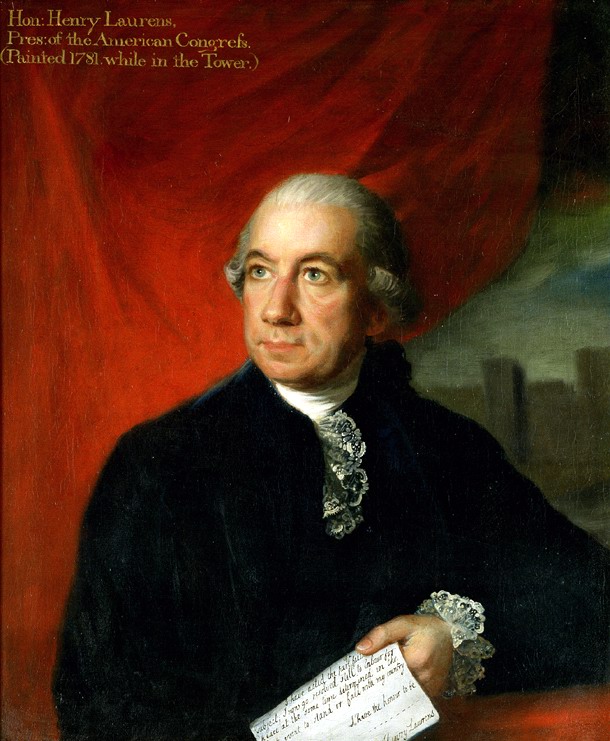
Henry Laurens made his fortune in human misery. As a partner in Austin and Laurens, he ran the largest slave-trading operation in North America, overseeing the sale of more than 8,000 enslaved Africans in the 1750s alone. That blood money funded his political career and made him one of South Carolina’s wealthiest planters.
As president of Congress, Laurens presided over passage of the Articles of Confederation. But his most dramatic chapter came afterward. In 1780, while sailing to the Dutch Republic as American minister, British forces captured his ship. Papers he threw overboard were recovered, revealing a secret American-Dutch treaty. Britain declared war on the Netherlands, and Laurens became the only American ever imprisoned in the Tower of London.
He spent over a year in the Tower before being exchanged for General Cornwallis himself-the commander who had surrendered at Yorktown. Laurens then helped negotiate the Treaty of Paris.
His son John served as Washington’s aide-de-camp and urged his father to free the family’s 260 slaves. The elder Laurens remained conflicted but never did so. John was killed in 1782, one of the Revolution’s last casualties, his dream of emancipation dying with him.
John Jay
December 10, 1778 – September 28, 1779
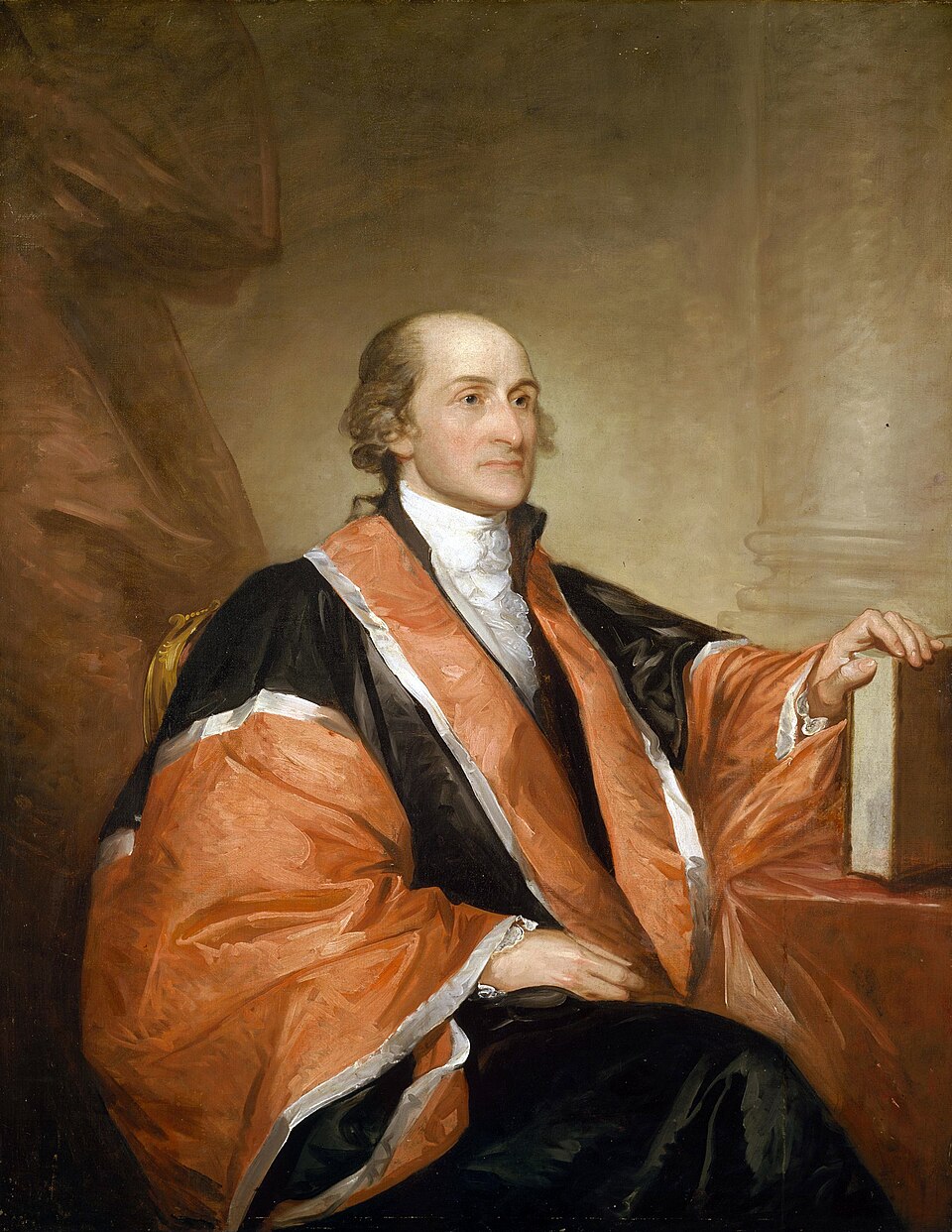
John Jay’s presidency of Congress was just a warm-up. He would later become the first Chief Justice of the United States, negotiate the treaty that ended the Revolutionary War, and serve as governor of New York. His ten months presiding over Congress barely register in a career that shaped the nation’s foundations.
Jay was among the most connected of the founders. Descended from wealthy Huguenot merchants, he married into the politically powerful Livingston family and counted Alexander Hamilton and James Madison as collaborators on The Federalist Papers. He authored five of its eighty-five essays defending the Constitution.
During his congressional presidency, Jay worked to maintain unity among the fractious colonies while the war raged. He left in 1779 to serve as minister to Spain, successfully persuading the Spanish crown to fund the American cause. Later, he negotiated both the Treaty of Paris ending the war and the controversial Jay Treaty with Britain in 1794.
Jay was an early advocate for gradual emancipation, though he owned slaves himself until 1800. As governor of New York, he signed legislation providing for slavery’s eventual abolition in the state. He died in 1829 at eighty-three, the longest-lived of all the congressional presidents.
Samuel Huntington
September 28, 1779 – July 10, 1781
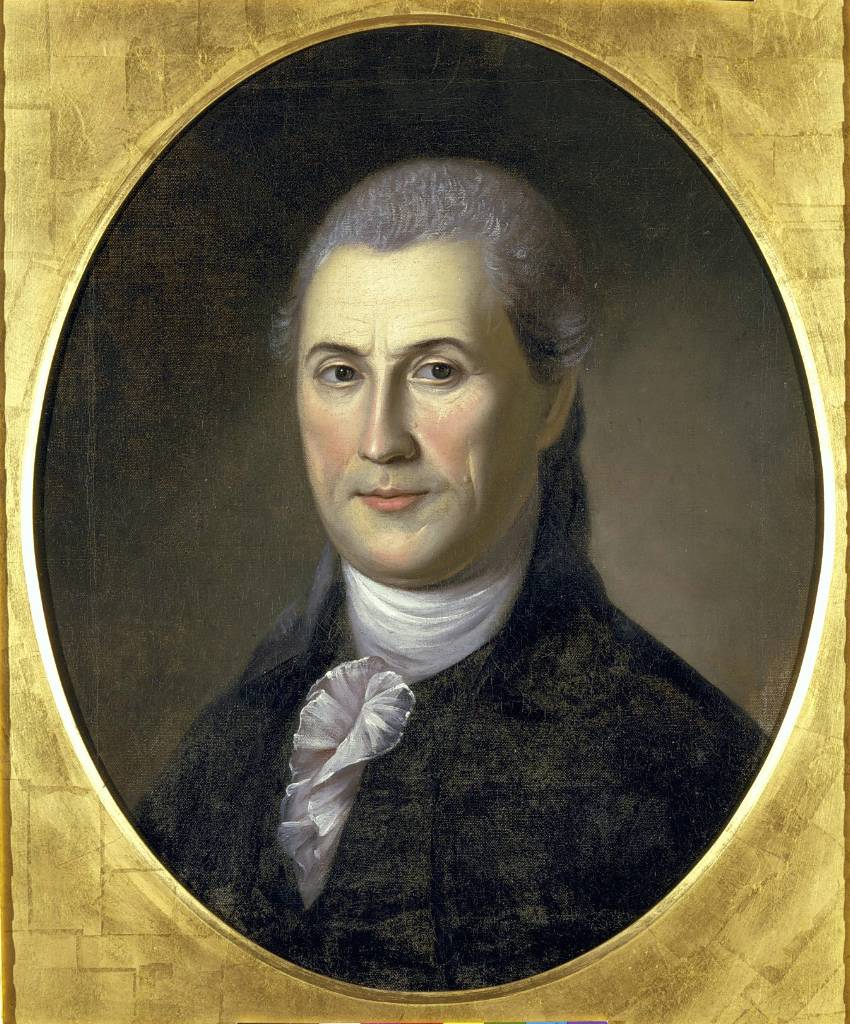
Samuel Huntington was president when America officially became the United States. On March 1, 1781, Maryland finally ratified the Articles of Confederation, and the Continental Congress transformed into the Congress of the Confederation. Huntington presided over this transition, making him, by some interpretations, the first “President of the United States in Congress Assembled.”
His rise was improbable. Born the fourth of ten children to a farming family, Huntington had almost no formal education. He apprenticed to a barrel-maker at sixteen, teaching himself law from borrowed books in his spare time. By sheer determination, he became one of Connecticut’s most respected judges.
Huntington signed both the Declaration of Independence and the Articles of Confederation-one of the few founders to ink both documents. Poor health forced his resignation in July 1781, but his career continued. He served as Connecticut’s governor from 1786 until his death in 1796, becoming the first U.S. governor to die in office. Even more remarkably, he received two electoral votes in the first presidential election of 1788-1789.
The self-taught cooper’s apprentice had become a contender for president of the new nation he helped create.
Thomas McKean
July 10, 1781 – November 5, 1781
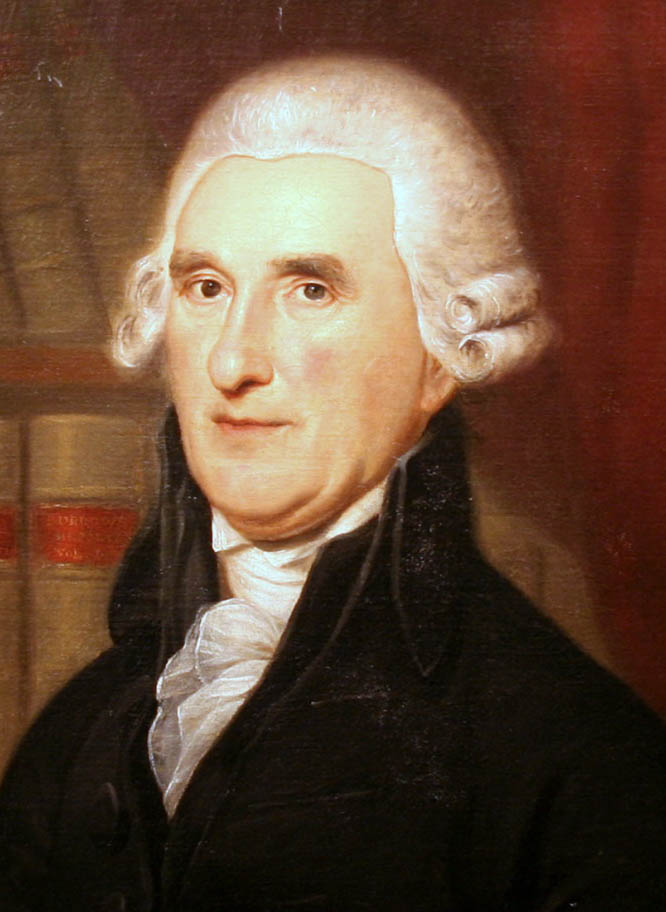
Thomas McKean was the first president elected after the Articles of Confederation took effect-and he was already juggling another job. While presiding over Congress, McKean simultaneously served as Chief Justice of Pennsylvania, prompting critics to complain he’d grown too powerful. The irony: the congressional presidency had almost no power at all.
McKean’s most dramatic moment came before his presidency. On the eve of the independence vote in July 1776, the Delaware delegation was deadlocked. One delegate supported independence, one opposed it. McKean sent an urgent rider to summon Caesar Rodney, who galloped through the night from Dover, arriving just in time to break the tie. Independence passed.
At the Stamp Act Congress in 1765, McKean proposed that each colony receive one vote regardless of size or population-a principle that influenced the structure of the U.S. Senate. He also nearly fought a duel with Congress president Timothy Ruggles after publicly challenging his refusal to sign the memorial of rights and grievances. Ruggles fled at dawn to avoid the confrontation.
McKean resigned as president in October 1781 after learning of the British surrender at Yorktown, staying just long enough for Congress to elect John Hanson as his successor.
John Hanson
November 5, 1781 – November 4, 1782
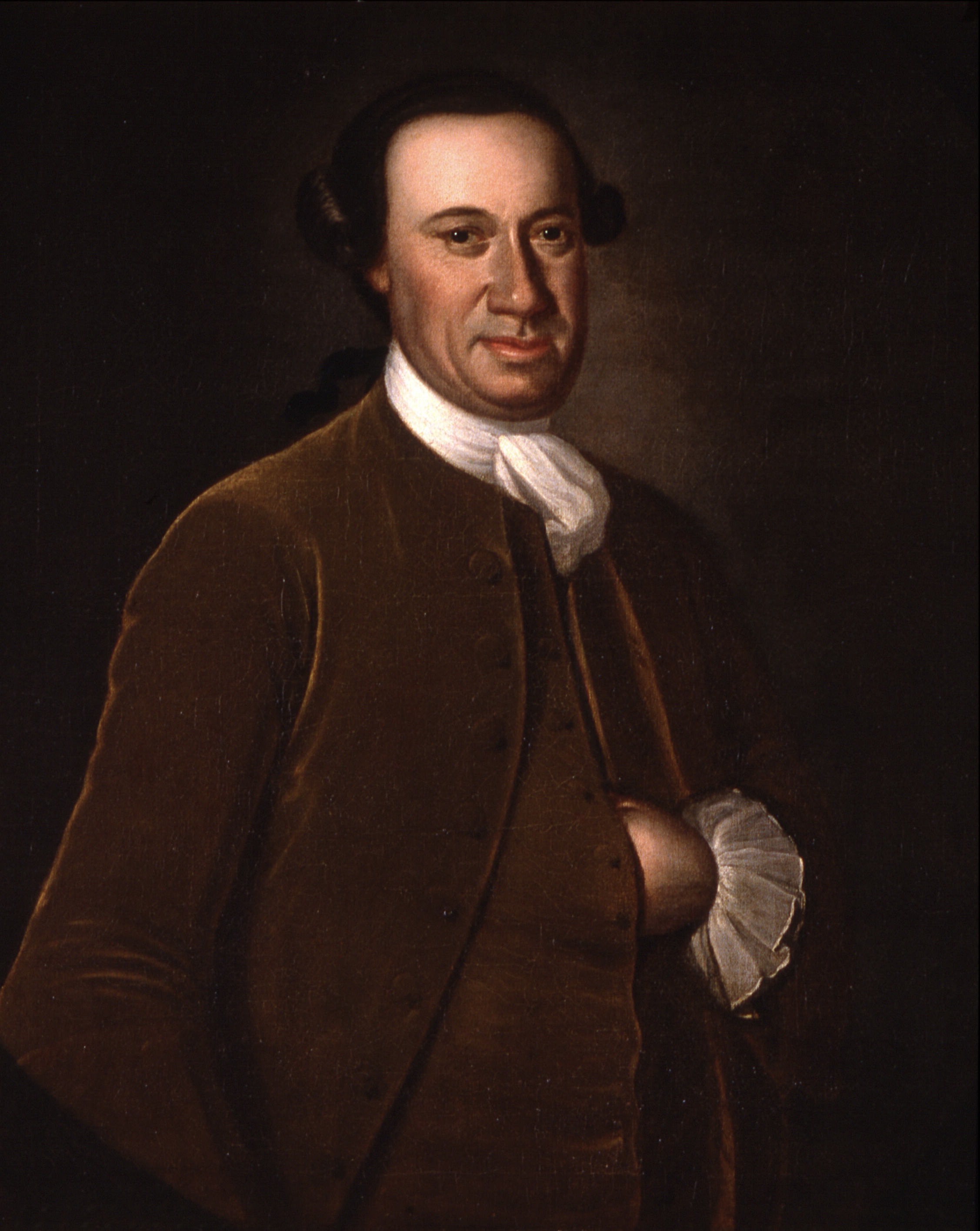
John Hanson is the subject of one of history’s most persistent myths: that he, not George Washington, was the true first president of the United States. This claim has circulated for over a century, boosted by his descendants’ campaign to place his statue in the U.S. Capitol’s Statuary Hall. It’s also completely wrong.
What is true: Hanson was the first president to serve a full one-year term as required by the Articles of Confederation. The men before him served under different rules or incomplete terms. But the presidency of Congress bore no resemblance to the constitutional presidency. Hanson moderated debates and signed papers. Washington commanded armies and shaped foreign policy.
Hanson nearly quit after one week. The job was thankless, his health was poor, and his family needed him. But Congress couldn’t muster enough delegates to elect a replacement, so he stayed out of duty. During his term, he approved the Great Seal of the United States-the same one still used today-and officially received Washington after the victory at Yorktown.
Hanson died just a year after leaving office, in November 1783. His contributions were real, but “first president” isn’t one of them.
Elias Boudinot
November 4, 1782 – November 3, 1783
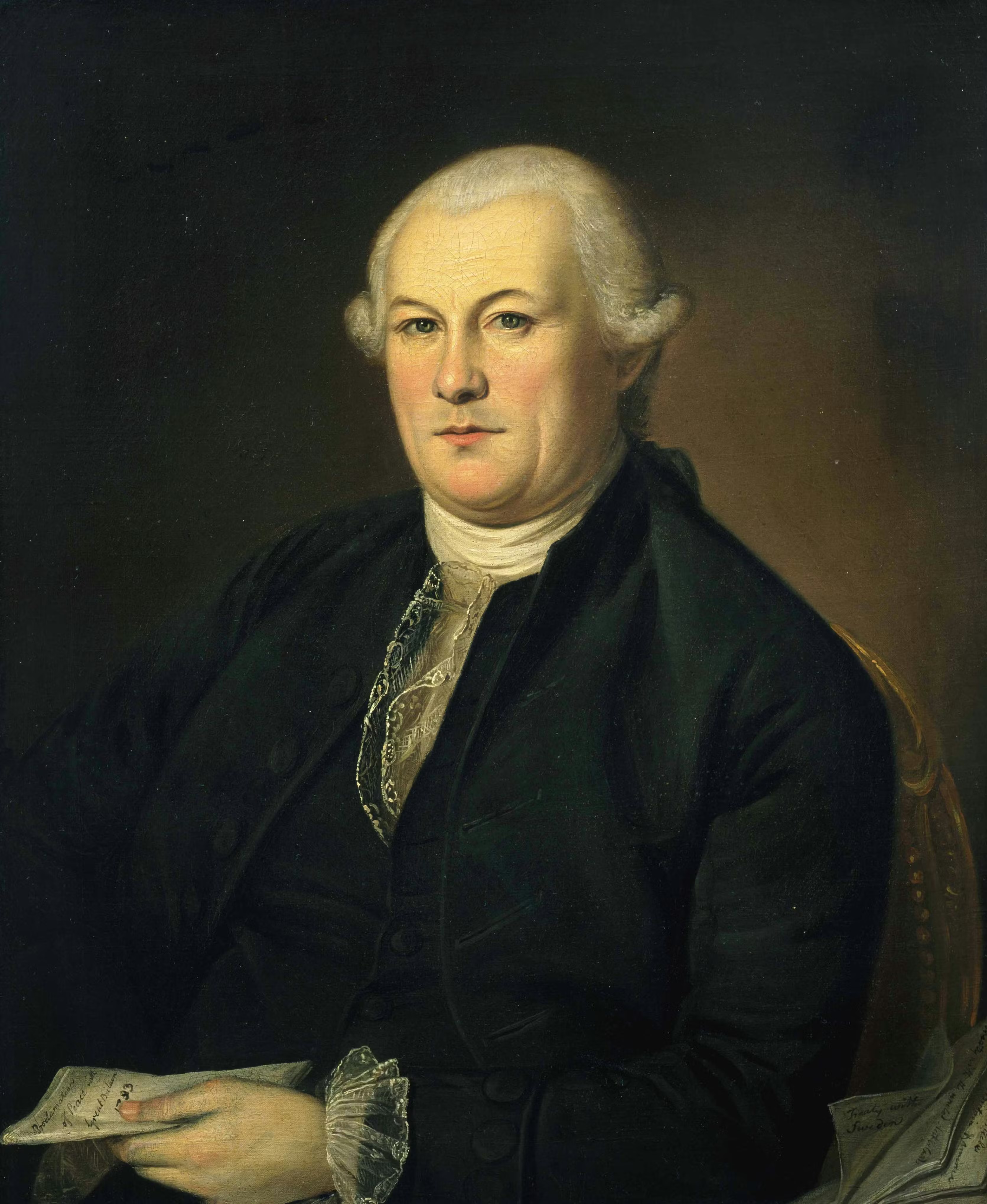
Elias Boudinot ended the Revolutionary War. As president of Congress, he signed the Treaty of Paris in 1783, officially securing American independence from Britain. It was the crowning achievement of a remarkable career built on service to others.
During the war, George Washington personally asked Boudinot to serve as commissary general for prisoners. For two years, Boudinot managed enemy captives while also advocating for American soldiers held in brutal British prison ships. He frequently used his own money to supply desperate prisoners when Continental funds ran dry.
Boudinot was also ahead of his time. A devout Presbyterian, he spoke out against slavery both in Congress and as a private citizen. He championed women’s political participation, leading a Federalist campaign in New Jersey encouraging women to become active in elections. In 1782, he proclaimed a national day of “Solemn Thanksgiving” on behalf of Congress-a precursor to our modern holiday.
After Congress, Boudinot served three terms in the House of Representatives before Washington appointed him director of the U.S. Mint, where he served under three presidents. In 1816, he helped found the American Bible Society and served as its first president until his death in 1821.
Thomas Mifflin
November 3, 1783 – June 3, 1784
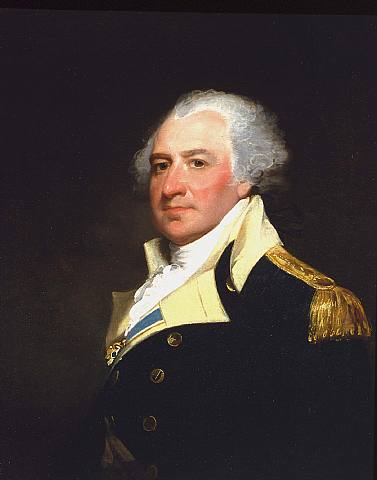
Thomas Mifflin witnessed one of the most powerful moments in American history: George Washington voluntarily surrendering power. On December 23, 1783, Washington appeared before Congress to resign his commission as commander of the Continental Army. Mifflin, as president, accepted it.
This wasn’t theater-it was revolutionary. Throughout history, victorious generals seized power. Washington gave it back. The exchange between the two men demonstrated that in America, military leaders would defer to civilian authority. Mifflin’s role was largely ceremonial, but he represented the principle Washington was affirming.
Mifflin’s own military career was complicated. He’d served as Washington’s aide-de-camp and quartermaster general but later joined the Conway Cabal, a shadowy effort to replace Washington with General Horatio Gates. The conspiracy failed, and Mifflin’s relationship with Washington never fully recovered.
His presidential challenge was more mundane: convincing states to send enough delegates to ratify the Treaty of Paris. For weeks, he couldn’t achieve a quorum while peace with Britain hung in the balance. He later served as Pennsylvania’s first governor under the new state constitution, the only person to hold both positions. His successor as governor? Thomas McKean, who had preceded him as president of Congress.
Richard Henry Lee
November 30, 1784 – November 4, 1785
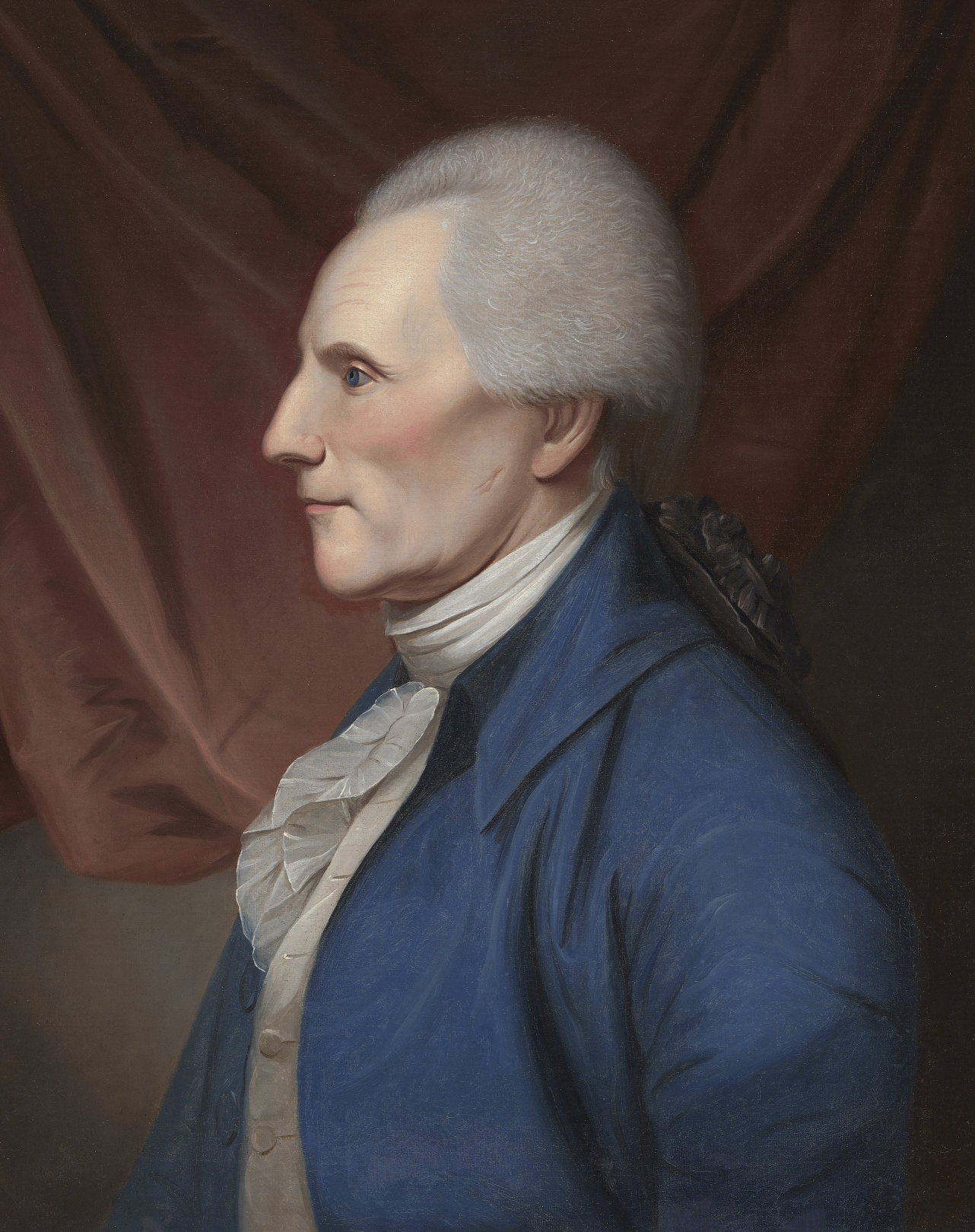
Richard Henry Lee spoke the words that created a nation. On June 7, 1776, he rose in the Continental Congress and moved “that these United Colonies are, and of right ought to be, free and independent States.” That resolution led directly to the Declaration of Independence.
Yet by the time Lee became president of Congress eight years later, the position had become so meaningless that he didn’t even bother attending for six weeks. He simply instructed Secretary Charles Thomson to forward any papers requiring his signature. The man who had ignited independence was now rubber-stamping documents from home.
Lee came from Virginia aristocracy and served in the House of Burgesses alongside Patrick Henry. Despite his revolutionary credentials, he later opposed the Constitution, fearing it concentrated too much power in the federal government. He only supported ratification after the promise of a Bill of Rights. Virginia sent him to the first U.S. Senate, but poor health forced his resignation in 1792.
Two of Lee’s brothers also signed the Declaration of Independence-Francis Lightfoot Lee and possibly William Lee-making the Lees the only family with multiple signers.
Nathaniel Gorham
June 6, 1786 – February 2, 1787
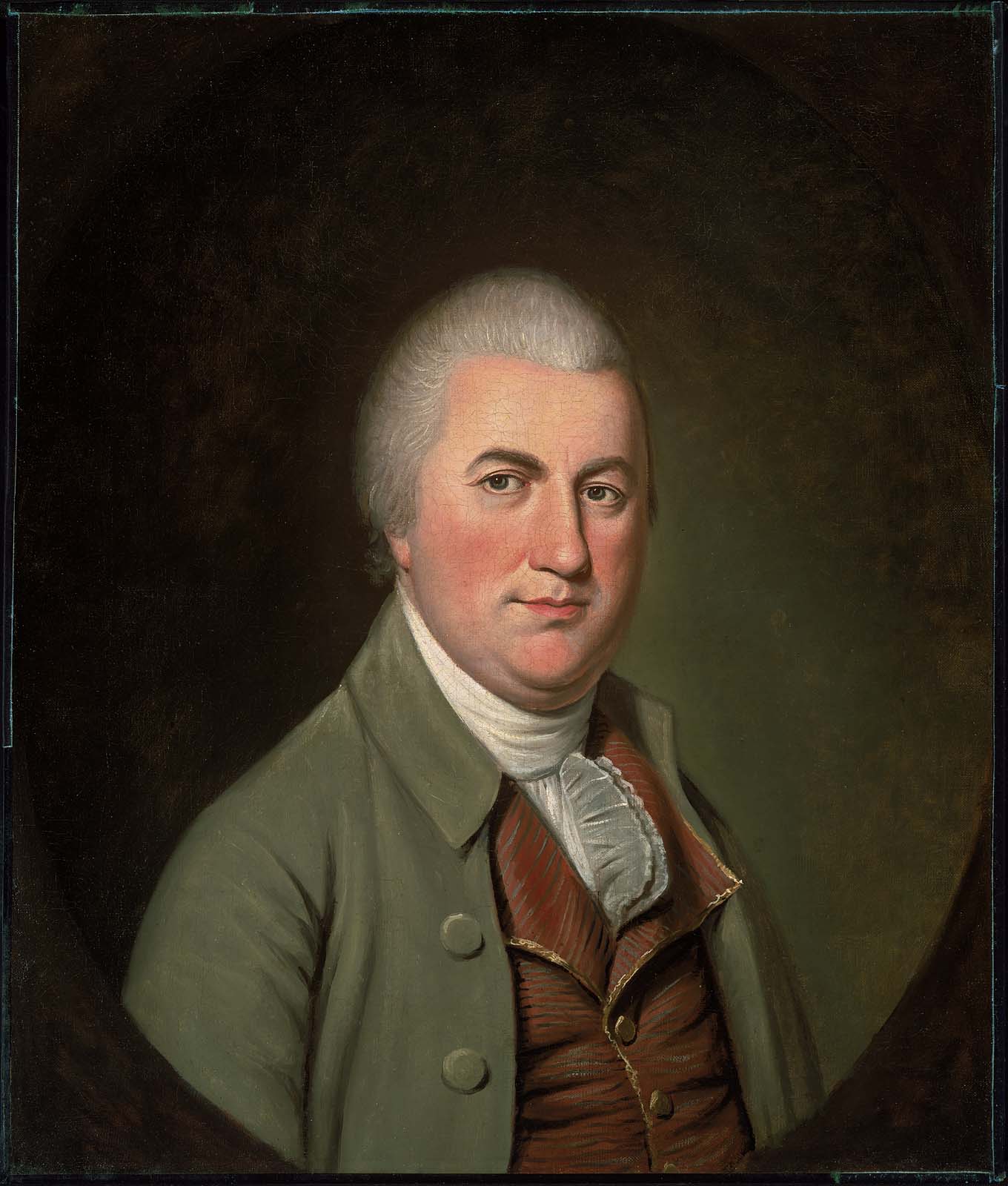
Nathaniel Gorham was already doing the president’s job before he officially got it. When John Hancock was elected president in late 1785 but refused to show up (citing poor health, though likely disinterest), Gorham served as “chairman” and handled the duties anyway. When Hancock finally resigned in 1786, Congress simply made Gorham’s role official.
A self-made Boston merchant with minimal formal education, Gorham had apprenticed with a New London trader as a teenager. He served on the Massachusetts Board of War during the Revolution and helped organize the colony’s defenses. At the Constitutional Convention of 1787, he chaired the Committee of the Whole and signed the Constitution on behalf of Massachusetts.
But Gorham’s later years ended in ruin. He and a partner purchased six million acres in western New York, betting that land values would soar. They didn’t. When the speculation collapsed, Gorham lost everything. He died in 1796, bankrupt and obscure, just nine years after helping forge a new nation. The Charles River Bridge he incorporated in 1785 would later become a landmark Supreme Court case-but Gorham wasn’t alive to see it.
Arthur St. Clair
February 2, 1787 – November 4, 1787
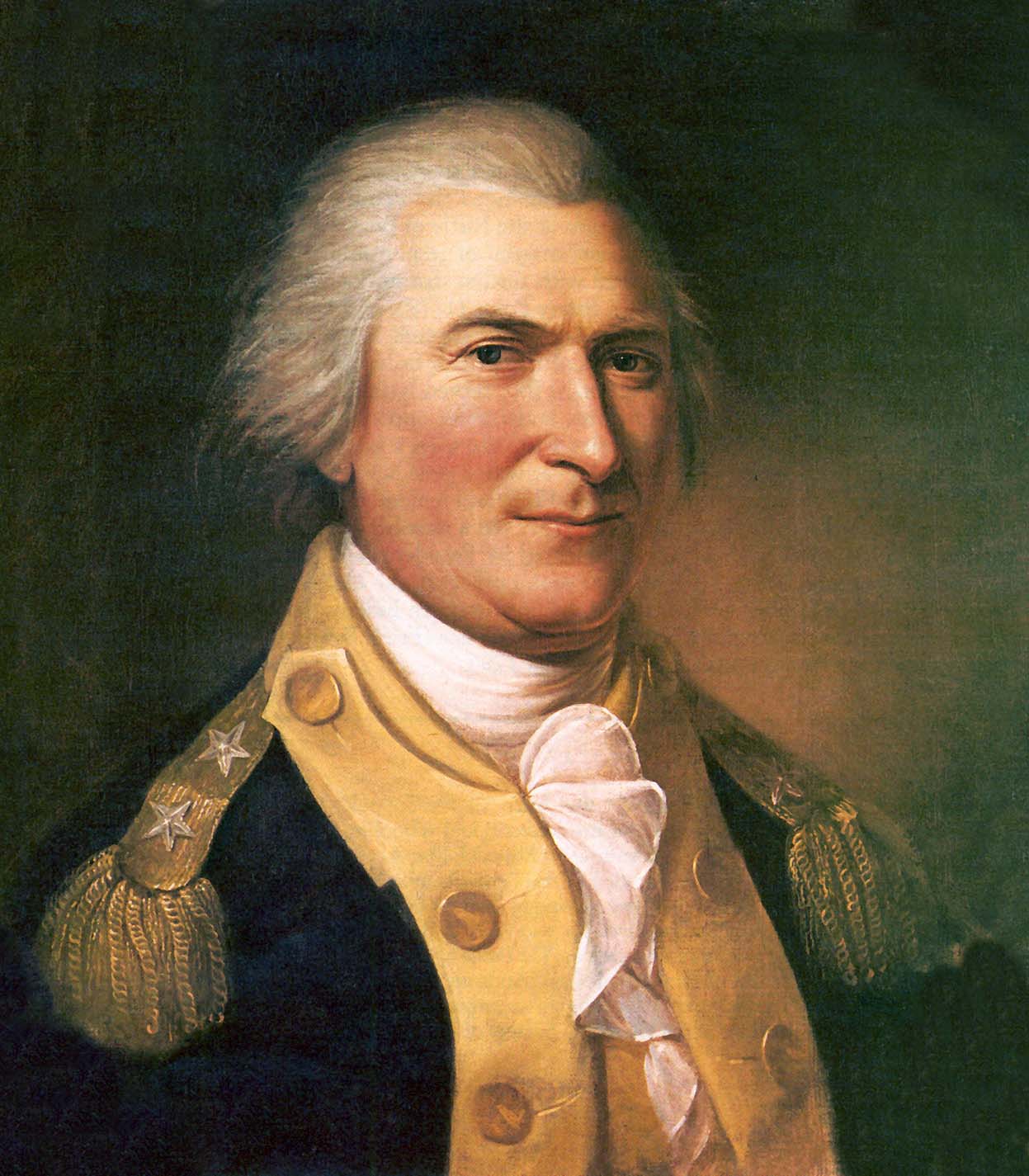
Arthur St. Clair’s presidency produced one of the most consequential laws in American history: the Northwest Ordinance. This landmark legislation banned slavery in the Northwest Territory and created the template for how new states would join the union. For that alone, St. Clair deserves remembrance.
The rest of his story is a tragedy of military catastrophe. Born in Scotland, St. Clair served under General Wolfe at Quebec before settling in Pennsylvania. During the Revolution, he rose to major general but destroyed his reputation by retreating from Fort Ticonderoga in 1777 without a fight. A court-martial cleared him, but he never commanded troops again during the war.
Then came 1791. Appointed to lead an army against a Native American confederation in Ohio, St. Clair marched his poorly trained force into disaster. Warriors led by Little Turtle and Blue Jacket annihilated his army-637 soldiers killed, the worst defeat Native Americans ever inflicted on the United States military. St. Clair was removed as governor of the Northwest Territory he’d helped create. He died in poverty in 1818, his victories forgotten and his failures defining his legacy.
Cyrus Griffin
January 22, 1788 – November 2, 1788
Cyrus Griffin holds a melancholy distinction: he was the last president of the Continental Congress, presiding over a government that had already become irrelevant. By the time Griffin took office, the states were busy debating the new Constitution, and Congress had devolved into a caretaker operation. When only two delegates showed up for the next session, Griffin simply resigned and walked away.
His path to this anticlimactic end was far more romantic. Educated at the University of Edinburgh and London’s Middle Temple, Griffin fell for Christina Stewart, daughter of a Scottish earl. Her Catholic father forbade the marriage to the Protestant American, so they eloped in 1770. Griffin later served as a judge on the Court of Appeals in Cases of Capture, helping establish precedents for the federal court system.
After Congress dissolved, George Washington appointed Griffin as the first federal judge of Virginia’s district court-a position he held until his death in 1810. He’s buried at Bruton Parish Church in Williamsburg, his congressional presidency largely forgotten by history.