Every Horcrux Voldemort Created (and How Each Was Destroyed)
Of all the Dark Magic in the wizarding world, none is more terrifying than the Horcrux – an object infused with a fragment of a wizard’s soul, granting its creator a twisted form of immortality. Lord Voldemort didn’t settle for one. He tore his soul into seven intentional pieces, hiding them in objects he considered worthy of the honor. An eighth fragment was created accidentally, lodging itself in the one person Voldemort could never truly destroy. To learn more about Voldemort’s most loyal followers, see our complete list of every confirmed Death Eater in Harry Potter.
The hunt for these Horcruxes became the defining mission of Harry Potter’s final years at Hogwarts and beyond. Dumbledore spent decades piecing together the puzzle, and it ultimately fell to Harry, Ron, Hermione, and their allies to track down and destroy every last piece of Voldemort’s fractured soul. Here’s every Horcrux, how it was made, and how it met its end.
- Total Horcruxes: 7 (6 intentional objects/beings + 1 accidental)
- Soul pieces: Voldemort’s soul was split into 8 fragments, with 7 placed into Horcruxes, with the final piece remaining in his body
- First Horcrux created: Tom Riddle’s Diary (1943)
- Last Horcrux destroyed: Nagini (May 2, 1998, Battle of Hogwarts)
- Murder required: Each Horcrux required a murder to fracture the soul
- Discovery: Dumbledore was the first to deduce Voldemort had created multiple Horcruxes
Tom Riddle’s Diary
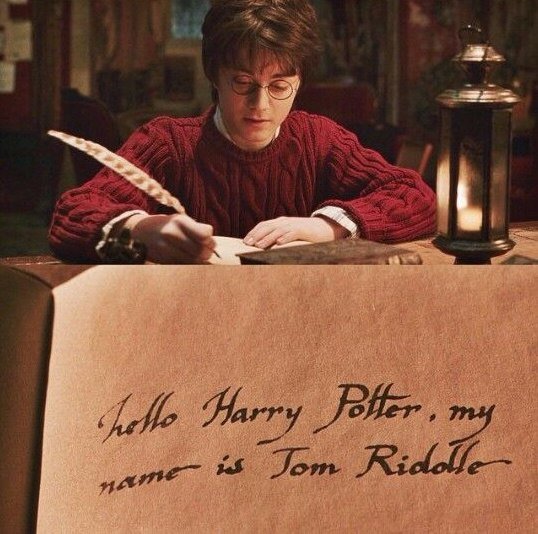
The diary was Voldemort’s first Horcrux, created in 1943 when Tom Riddle was just sixteen years old. He used the murder of Moaning Myrtle – killed by the Basilisk he unleashed from the Chamber of Secrets – to fracture his soul and bind a piece of it into his own diary. The diary was more than a simple soul container; it was designed to be a weapon, capable of possessing anyone who wrote in it and reopening the Chamber of Secrets.
Voldemort entrusted the diary to Lucius Malfoy, who slipped it into Ginny Weasley’s cauldron at Flourish and Blotts before her first year at Hogwarts. Through the diary, the memory of Tom Riddle possessed Ginny and used her to open the Chamber once again. Harry Potter destroyed the diary in the Chamber of Secrets by stabbing it with a Basilisk fang, which contained venom potent enough to damage a Horcrux beyond magical repair. This occurred in Harry Potter and the Chamber of Secrets, Chapter 17: “The Heir of Slytherin.” At the time, neither Harry nor Dumbledore fully understood what the diary truly was.
Marvolo Gaunt’s Ring
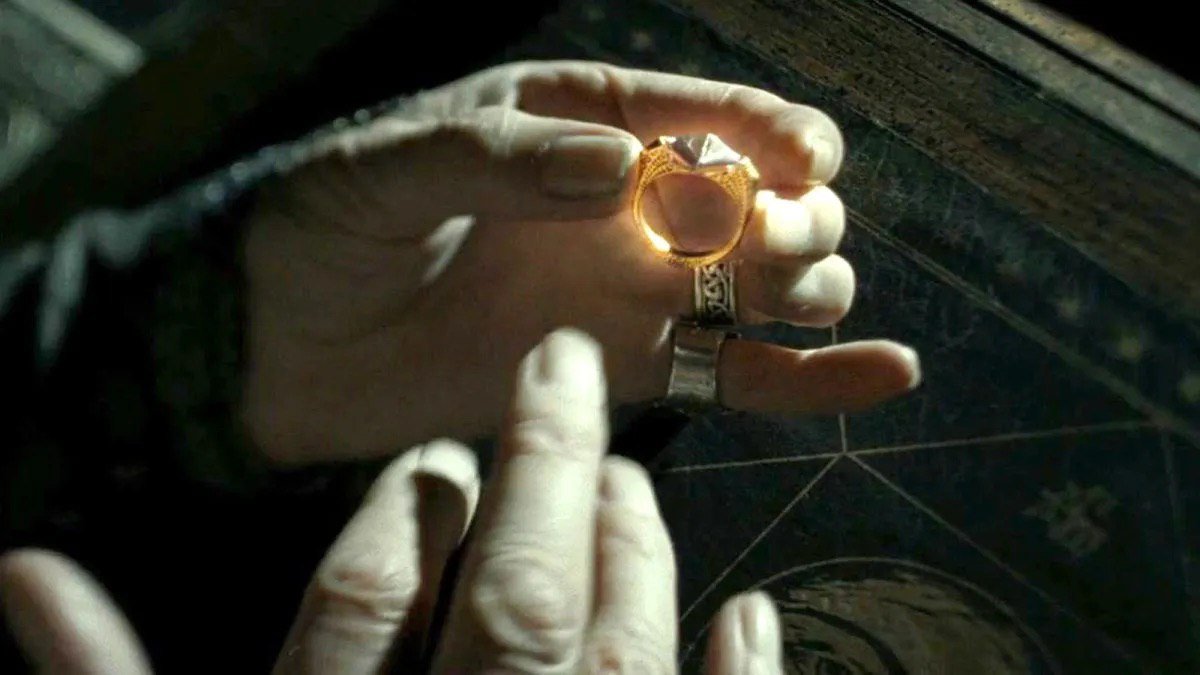
Marvolo Gaunt’s ring was the second Horcrux Voldemort created, likely in the summer of 1943, using the murder of his own father, Tom Riddle Sr., and his paternal grandparents in Little Hangleton. The ring was a family heirloom of the Gaunt family – direct descendants of Salazar Slytherin – and featured a black stone engraved with the Peverell coat of arms, which was actually the symbol of the Deathly Hallows. The stone was, in fact, the Resurrection Stone, though Voldemort never recognized its true nature.
Voldemort hid the ring in the ruins of the Gaunt family shack, protected by powerful curses. Albus Dumbledore located and destroyed the ring with the Sword of Gryffindor during the summer before Harry’s sixth year at Hogwarts. However, Dumbledore was tempted to use the Resurrection Stone and put the ring on before destroying it, triggering a lethal curse that blackened his hand and gave him roughly one year to live. The ring’s destruction is revealed in Harry Potter and the Half-Blood Prince, Chapter 23: “Horcruxes.”
Salazar Slytherin’s Locket
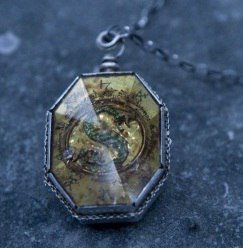
Slytherin’s locket was created as a Horcrux around 1946, using the murder of a Muggle tramp. The locket was an heirloom of Salazar Slytherin, passed down through the Gaunt family. Voldemort’s mother, Merope Gaunt, had sold it to Borgin and Burkes in desperation, and the young Tom Riddle later murdered its buyer, Hepzibah Smith, to steal it back – along with Hufflepuff’s cup.
Voldemort hid the locket in a cave by the sea where he had terrorized other orphans as a child, protecting it with a basin of potion that had to be drunk. Regulus Black, a young Death Eater who turned against Voldemort, discovered the Horcrux and sacrificed himself retrieving it with the help of his house-elf, Kreacher. The real locket eventually passed through Mundungus Fletcher to Dolores Umbridge. Harry, Ron, and Hermione infiltrated the Ministry of Magic to recover it. Ron Weasley destroyed the locket with the Sword of Gryffindor in Harry Potter and the Deathly Hallows, Chapter 19: “The Silver Doe.”
Helga Hufflepuff’s Cup
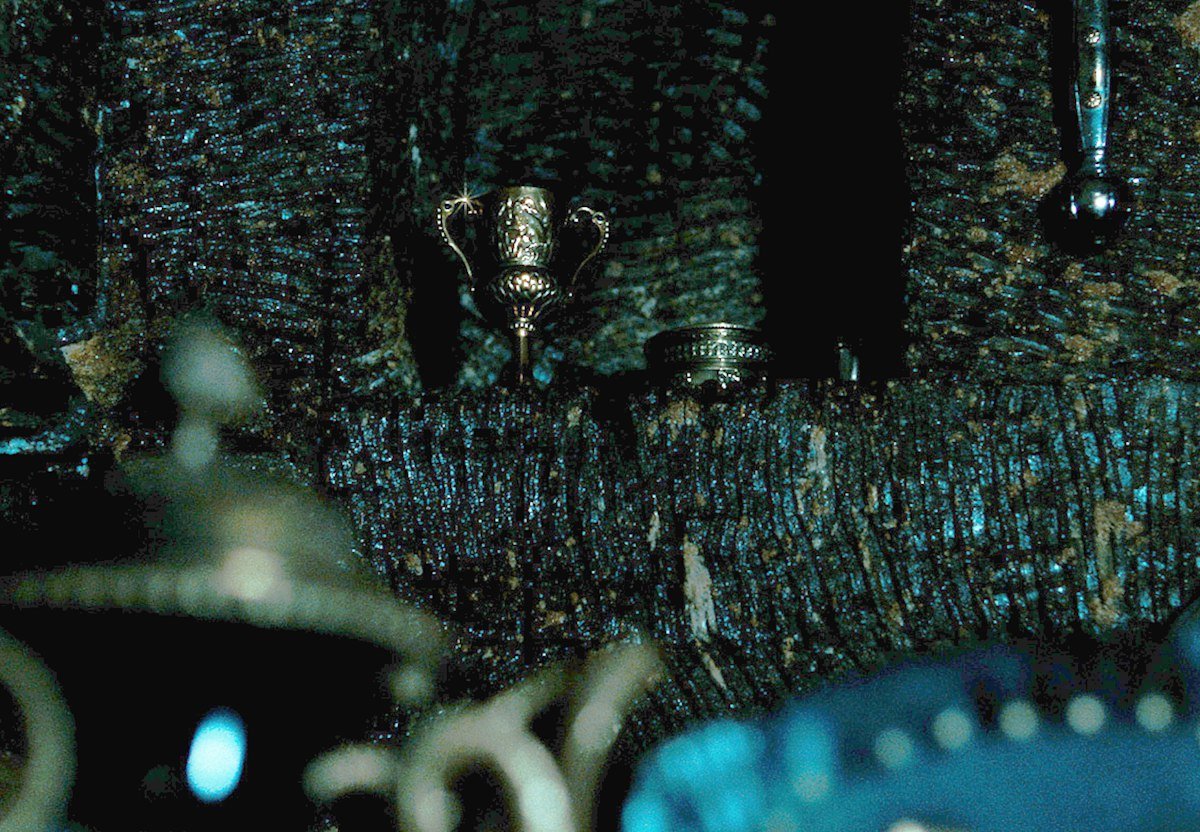
Hufflepuff’s cup became a Horcrux around the same time as the locket, created through the murder of Hepzibah Smith, a wealthy elderly witch and descendant of Helga Hufflepuff who had shown the cup to the young Tom Riddle while he worked at Borgin and Burkes. Voldemort framed Hepzibah’s house-elf, Hokey, for the murder and stole both the cup and Slytherin’s locket.
Voldemort entrusted the cup to Bellatrix Lestrange, who stored it in her vault at Gringotts Wizarding Bank – one of the most secure locations in the wizarding world. Harry, Ron, and Hermione broke into Gringotts using Polyjuice Potion, with Hermione disguised as Bellatrix. They escaped on a dragon after retrieving the cup. Hermione Granger destroyed the cup using a Basilisk fang retrieved from the Chamber of Secrets during the Battle of Hogwarts. This occurs in Harry Potter and the Deathly Hallows, Chapter 31: “The Battle of Hogwarts.”
Rowena Ravenclaw’s Diadem
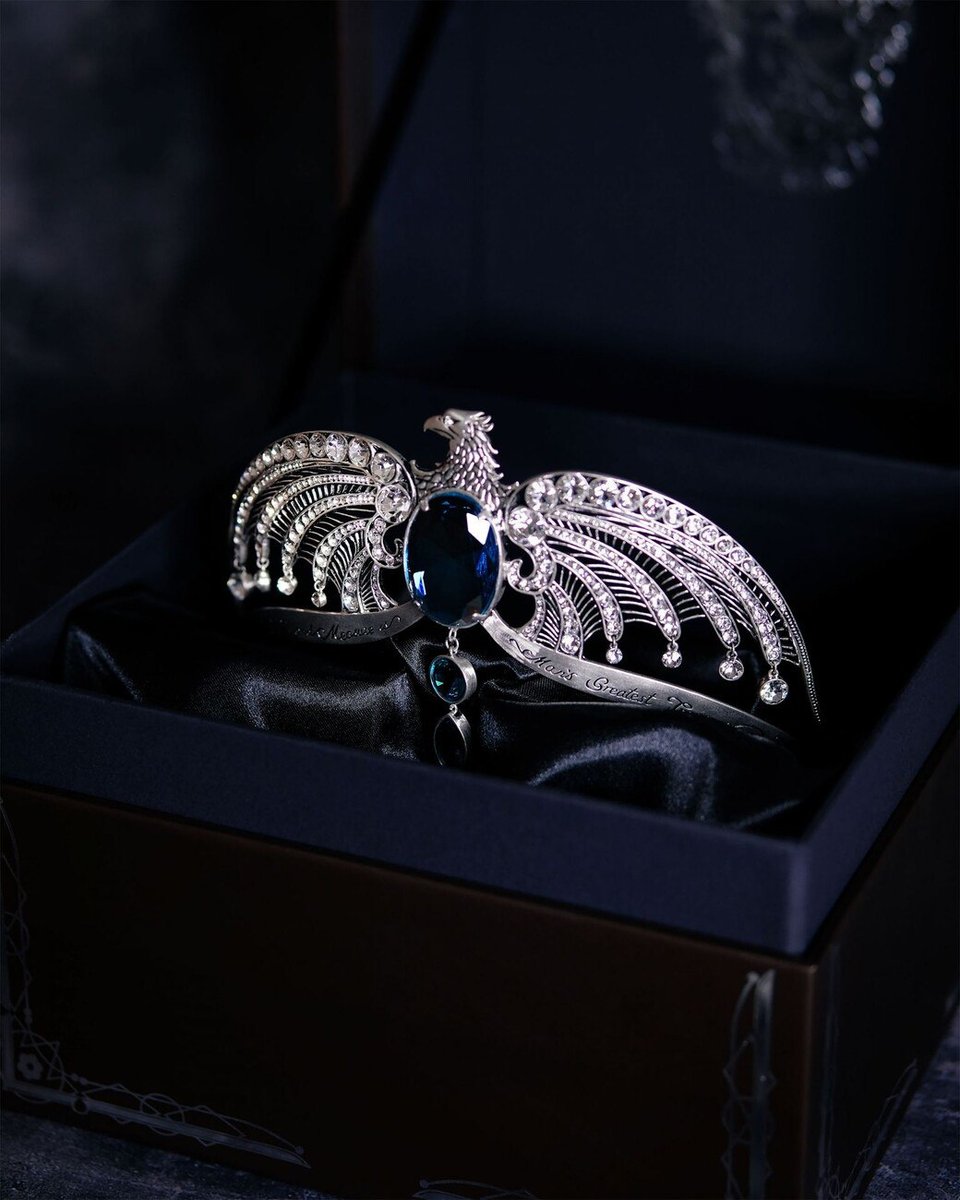
Ravenclaw’s diadem – a tiara said to enhance the wisdom of the wearer – had been lost for centuries when Voldemort tracked it down. He charmed the location out of Helena Ravenclaw (the Grey Lady), Rowena’s daughter, who had stolen it from her mother. Voldemort used the murder of an Albanian peasant to turn the diadem into a Horcrux, likely in the late 1940s.
When Voldemort returned to Hogwarts to request a teaching position from Dumbledore, he secretly hid the diadem in the Room of Requirement – specifically the room’s “Room of Hidden Things” configuration, where generations of students had stashed contraband. This made it nearly impossible to find among mountains of discarded objects. During the Battle of Hogwarts, Harry located the diadem after speaking with Helena Ravenclaw’s ghost. It was destroyed by Vincent Crabbe’s uncontrolled Fiendfyre spell in the Room of Requirement – one of the few substances powerful enough to destroy a Horcrux. This occurs in Harry Potter and the Deathly Hallows, Chapter 31: “The Battle of Hogwarts.”
Harry Potter (Accidental Horcrux)
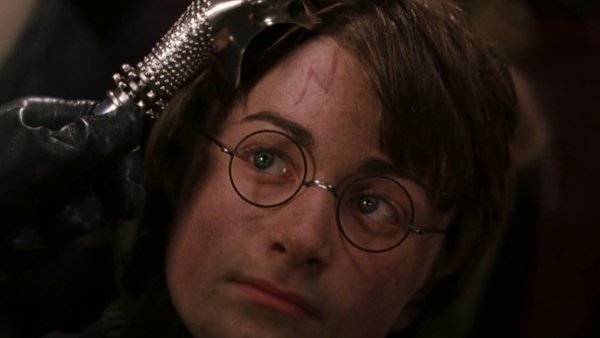
Harry Potter became an unintentional Horcrux on October 31, 1981, the night Voldemort murdered his parents in Godric’s Hollow. When Voldemort cast the Killing Curse at the infant Harry, Lily Potter’s sacrificial protection caused the curse to rebound. The rebounding curse destroyed Voldemort’s body, and – because his soul was already so unstable from creating six previous Horcruxes – a fragment of his soul latched onto the only living thing in the room: Harry himself.
This soul fragment gave Harry many of his distinctive abilities, including his ability to speak Parseltongue and his mental connection with Voldemort. Dumbledore suspected the truth for years but only confirmed it near the end of his life. The Horcrux within Harry was destroyed when Voldemort himself cast the Killing Curse at Harry in the Forbidden Forest during the Battle of Hogwarts. The curse destroyed the soul fragment while Harry survived, protected once again by sacrificial magic – this time because Voldemort had used Harry’s blood to regenerate his body in Goblet of Fire, tethering Harry to life. This pivotal moment occurs in Harry Potter and the Deathly Hallows, Chapter 34: “The Forest Again” and Chapter 35: “King’s Cross.”
Nagini
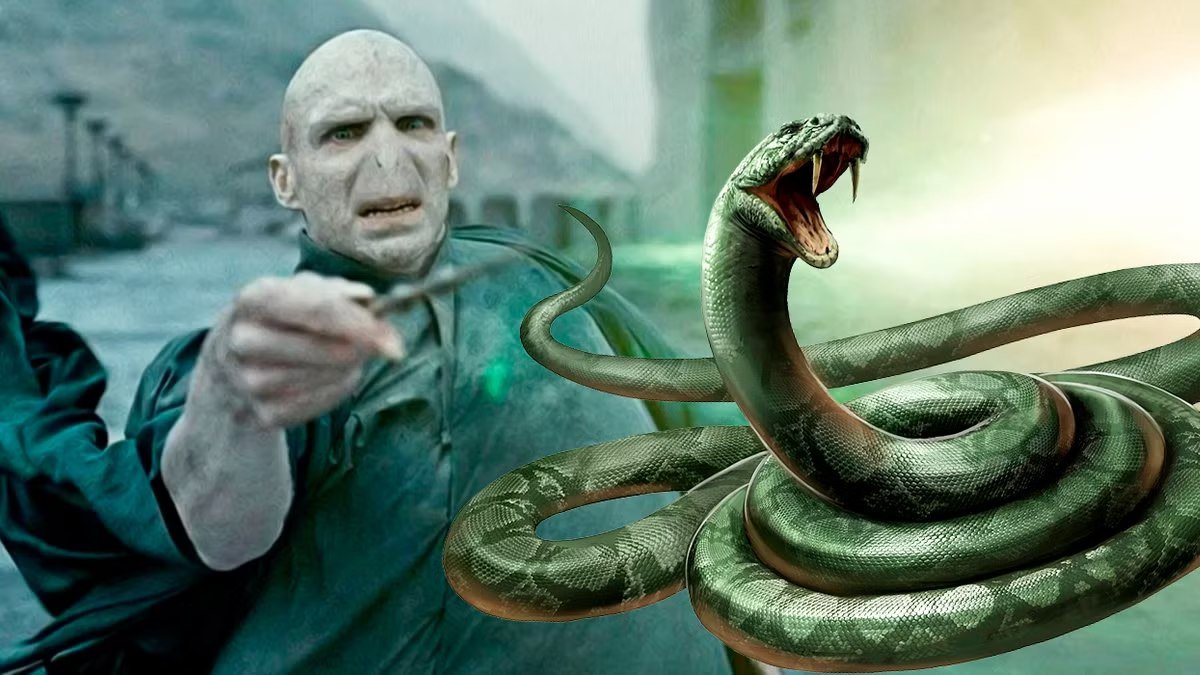
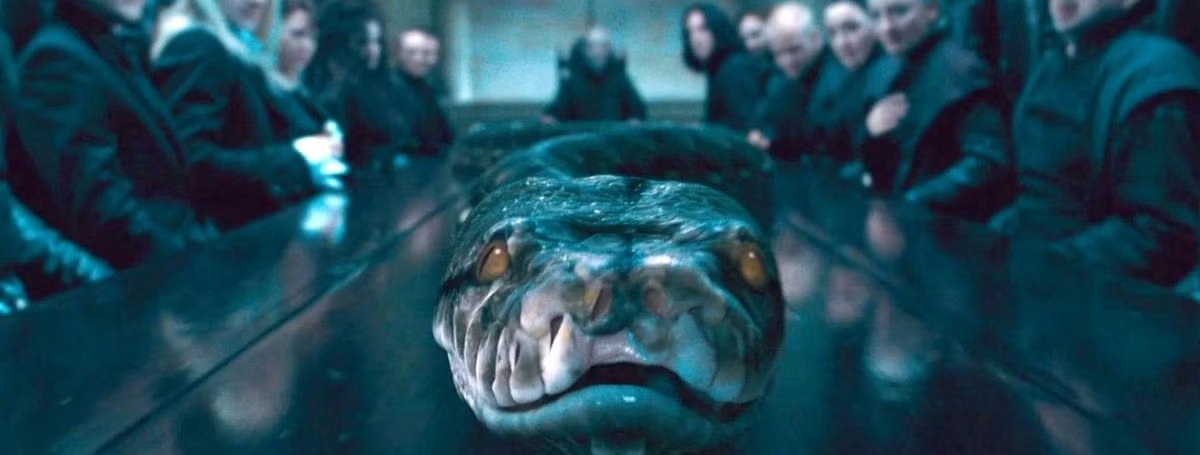
Nagini, Voldemort’s massive snake and constant companion, was the sixth intentional Horcrux – and the last one Voldemort created deliberately. She was likely turned into a Horcrux using the murder of Bertha Jorkins around 1994, making her one of the later Horcruxes. Nagini was unique among the Horcruxes as the only living vessel Voldemort chose intentionally, reflecting his deep connection with serpents and his identity as the Heir of Slytherin.
Voldemort kept Nagini close at all times, and by the time of the Battle of Hogwarts, he had placed her within a protective magical cage. Dumbledore and Harry both knew she would need to be the last Horcrux destroyed before Voldemort himself could be killed. Neville Longbottom destroyed Nagini with the Sword of Gryffindor during the Battle of Hogwarts. In a moment of extraordinary bravery, Neville pulled the sword from the Sorting Hat – just as Harry had in the Chamber of Secrets – and beheaded the snake in a single stroke. This happens in Harry Potter and the Deathly Hallows, Chapter 36: “The Flaw in the Plan.”
- Rowling, J.K. Harry Potter and the Chamber of Secrets. Bloomsbury, 1998.
- Rowling, J.K. Harry Potter and the Goblet of Fire. Bloomsbury, 2000.
- Rowling, J.K. Harry Potter and the Half-Blood Prince. Bloomsbury, 2005.
- Rowling, J.K. Harry Potter and the Deathly Hallows. Bloomsbury, 2007.
- “Horcrux.” Harry Potter Wiki, harrypotter.fandom.com/wiki/Horcrux.
- “Magical objects in Harry Potter.” Wikipedia, en.wikipedia.org/wiki/Horcrux.