Every MLB Perfect Game in History
On June 2, 2010, Detroit Tigers pitcher Armando Galarraga retired 26 consecutive Cleveland Indians batters. He needed one more out. Jason Donald hit a routine ground ball to first baseman Miguel Cabrera, who flipped to Galarraga covering the bag. The throw beat Donald by a full step. First base umpire Jim Joyce called him safe. Joyce, who later admitted the mistake through tears and called it “the biggest call of my career, and I kicked it,” robbed Galarraga of what everyone watching knew was a perfect game. MLB Commissioner Bud Selig declined to reverse the call. The box score still reads: one-hitter.
That near-miss tells you everything about how rare and precarious a perfect game really is. Twenty-seven batters, twenty-seven outs, no walks, no errors, no hit batsmen, no anything. In more than 230,000 major league games played since 1876, it has happened exactly 24 times. You are statistically more likely to be struck by lightning twice in the same year than to witness one in person.
What follows is every single one of those 24 games – from a pair thrown five days apart in 1880, when pitchers still threw underhand from 45 feet away, to a 2023 afternoon in Oakland when a pitcher coming off one of the worst starts of his career suddenly became unhittable.
- Total perfect games in MLB history: 24
- Year range: 1880 to 2023
- Only postseason perfect game: Don Larsen (1956 World Series)
- Most recent: Domingo German (June 28, 2023)
- Most strikeouts in a perfect game: 14, by Sandy Koufax (1965) and Matt Cain (2012)
- Only year with three perfect games: 2012 (Humber, Cain, Hernandez)
- Hall of Famers on this list: 8 (Ward, Young, Joss, Bunning, Koufax, Hunter, Johnson, Halladay)
Lee Richmond
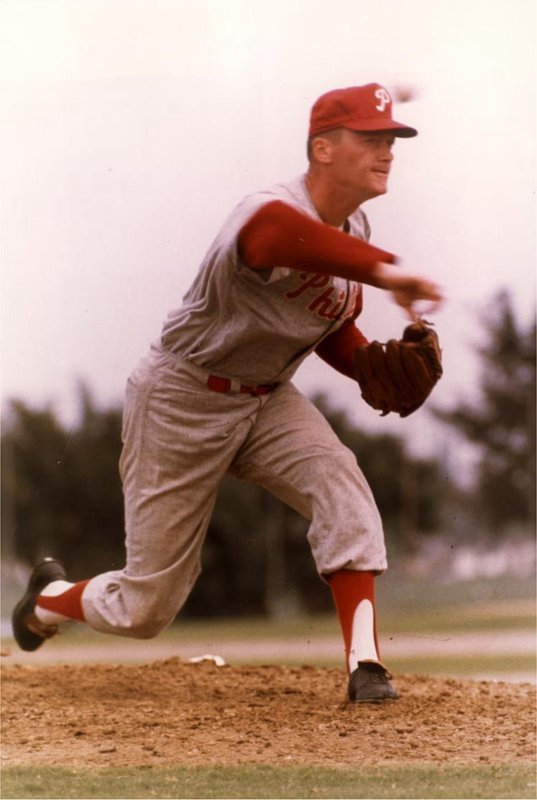
The very first perfect game in baseball history was thrown by a man who had graduated from Brown University three days earlier. Lee Richmond, all of 23 years old, took the mound for the Worcester Ruby Legs on June 12, 1880, and proceeded to set down all 27 Cleveland Blues batters in order. He struck out just five, which was unremarkable given that the rules of 1880 barely resembled the sport we know today: pitchers threw underhand from 45 feet, batters could request high or low pitches, and it took eight balls to draw a walk. Three outs came on “foul bounds,” meaning balls caught after one bounce in foul territory – a rule that has mercifully not survived. A rain delay interrupted the seventh inning for seven minutes, which in 1880 probably felt like an eternity given that most games wrapped up in under 90 minutes. A local newspaper described it simply as “the most wonderful game on record.” Richmond pitched full-time for only three more seasons and finished his career with a losing record. The game’s significance grew over time, though Richmond himself likely never grasped how singular his afternoon had been.
John Montgomery Ward
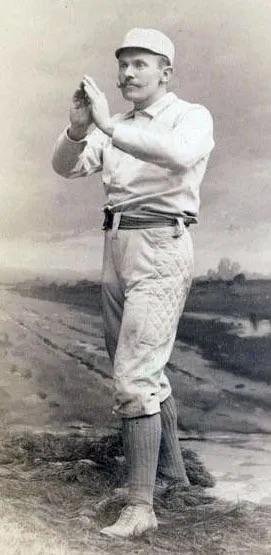
Five days. That is the gap between the first perfect game in baseball history and the second, a stretch of time so short it almost seems like the universe was showing off. John Montgomery Ward of the Providence Grays blanked the Buffalo Bisons 5-0 on June 17, 1880, and at 20 years and 105 days old, he remains the youngest pitcher to ever throw one. The circumstances were odd even by 19th-century standards: Buffalo was technically the “home” team despite the game being played at Providence’s Messer Street Grounds, decided by a pregame coin toss. Ward’s arm gave out five years later, so he simply became an excellent position player instead. Then he became a lawyer. Then a union organizer who helped reshape the business of professional baseball. The Hall of Fame eventually inducted him, and rightly so, though one suspects that Ward himself would have considered the perfect game a relatively minor chapter in an extraordinarily full life. No one would throw another for 24 years.
Cy Young
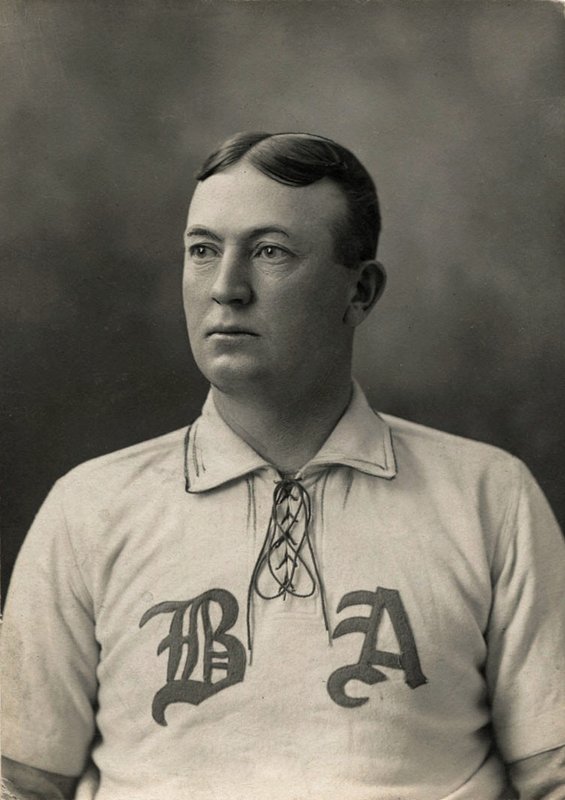
The man who holds the all-time record for career wins – 511, a number so absurd it will never be approached – was 37 years old when he threw his perfect game. Already ancient by the standards of any baseball era. On May 5, 1904, Young’s Boston Americans shut out the Philadelphia Athletics 3-0 in a game that lasted one hour and 25 minutes, which is roughly the time it takes a modern pitcher to get through five innings. He struck out eight and didn’t allow a single baserunner, which was actually part of a larger streak of 24 consecutive hitless innings that still stands as a record. The Athletics, it should be noted, were not some collection of minor league castoffs – they would win the American League pennant four months later. Young would go on to pitch until age 44, accumulating 7,356 innings over his career (also the all-time record), and the annual award given to each league’s best pitcher now bears his name. The perfect game was, for Young, essentially a Tuesday.
Addie Joss
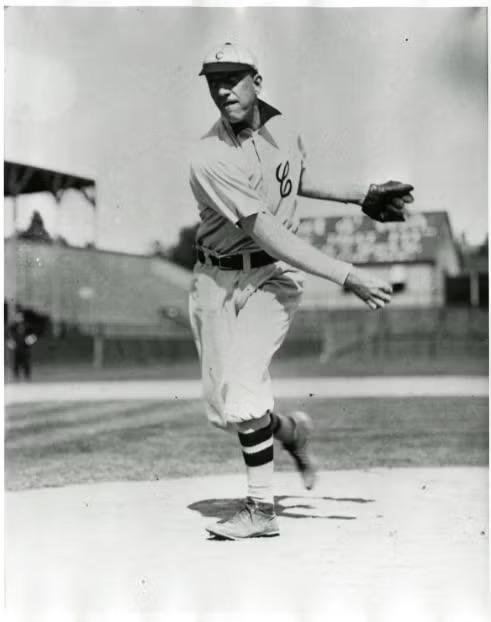
Seventy-four pitches. That is all Addie Joss needed to record 27 outs on October 2, 1908 – fewer than three per batter, a level of efficiency that borders on the absurd. The game took just an hour and 32 minutes. But the pitch count alone does not capture what made this the most pressure-soaked regular-season perfect game ever thrown. Cleveland’s Naps were locked in a three-way pennant race with Detroit and Chicago, and only four games remained on the schedule. The opposing pitcher, Ed Walsh of the White Sox, struck out 15 batters and gave up just four hits. He was nearly as dominant as Joss. The game’s lone run was unearned, scoring on a botched pickoff play and a wild pitch. Cleveland still lost the pennant to Detroit by half a game. Joss, who carried a career 1.89 ERA (the second lowest in history), never got another chance. He died of tubercular meningitis in April 1911, at the age of 31. The Hall of Fame waived its minimum innings requirement to induct him in 1978.
Charlie Robertson
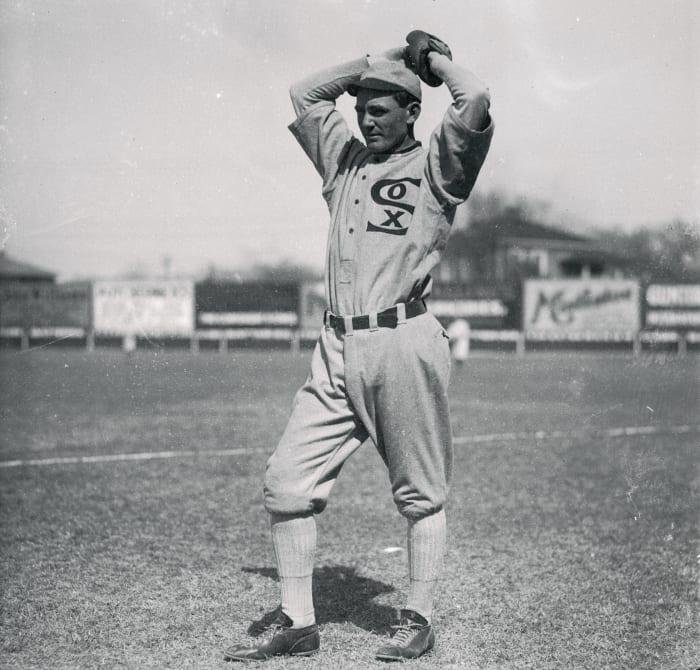
It was only his fourth career start. Charlie Robertson of the Chicago White Sox walked into Navin Field on April 30, 1922, and threw a perfect game against a Detroit Tigers lineup managed by Ty Cobb that carried a collective .373 on-base percentage – statistically the most improbable perfect game ever recorded. Cobb, never one to accept defeat gracefully, accused Robertson of doctoring the ball with grease or oil. The umpires inspected the ball, examined Robertson’s glove, even checked his uniform, and found nothing. Six strikeouts, 90 pitches, and a 2-0 victory that would stand as the defining moment of an otherwise forgettable career. Robertson finished with a 49-80 lifetime record, giving him the lowest winning percentage of any pitcher on this list. The 34-year gap between his perfect game and the next one, Don Larsen’s in 1956, remains the longest drought between perfect games in baseball history.
Don Larsen
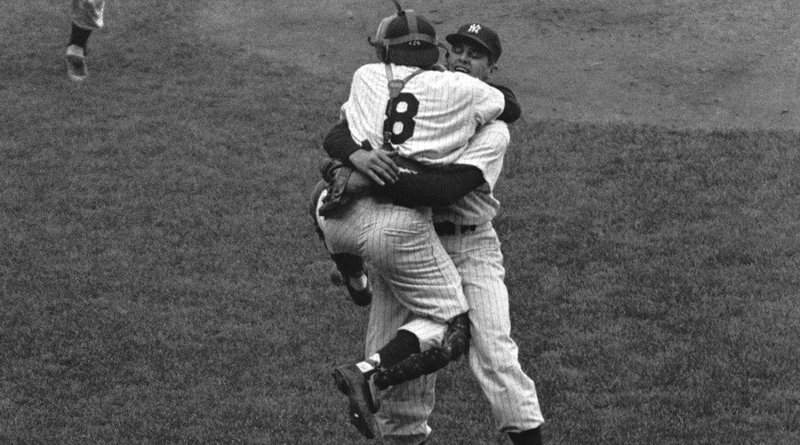
The only perfect game ever thrown in the postseason came from a pitcher who did not know he was starting until a few hours before game time. Don Larsen, 27 years old and coming off a Game 2 performance in which he lasted fewer than two innings, took the mound for Game 5 of the 1956 World Series and retired all 27 Brooklyn Dodgers he faced. The Dodgers, mind you, had the highest winning percentage of any team ever to lose a perfect game. Only one batter, Pee Wee Reese in the first inning, even worked a three-ball count. Larsen used a no-windup delivery he had adopted mid-season on a whim, and he struck out seven in 97 pitches while 64,519 people watched from the seats at Yankee Stadium. Yogi Berra’s leap into Larsen’s arms after the final out remains one of the most iconic photographs in sports history. Larsen finished his career 81-91 and never made an All-Star team. He and David Wells, who would throw the next Yankee Stadium perfect game 42 years later, attended the same high school in San Diego.
Jim Bunning
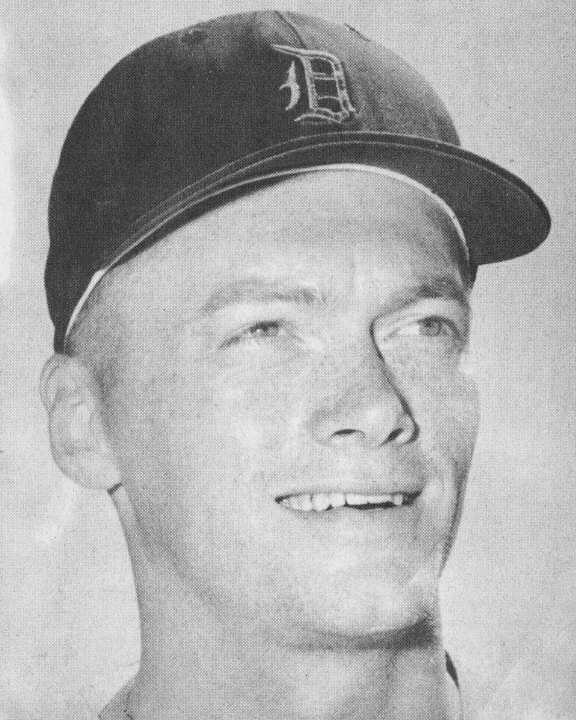
Jim Bunning threw his perfect game on Father’s Day, 1964 – a detail so perfectly scripted that no novelist would dare use it. It was the first perfect game in the National League in 84 years, since Ward’s in 1880, and Bunning spent the entire afternoon deliberately violating one of baseball’s most sacred superstitions: he talked about the perfect game as it was happening. Loudly. To anyone who would listen. His theory was that the tension of silence was worse than the jinx, so he chattered constantly to keep his teammates loose. It worked. Ten strikeouts, 90 pitches, 6-0 over the Mets at Shea Stadium in the first game of a doubleheader. Bunning went on to win 224 games and earn a spot in the Hall of Fame, but his post-baseball career was arguably even more remarkable: he served as a United States Senator from Kentucky for two terms. He remains the only perfect game pitcher who also held a seat in Congress, which is exactly the kind of obscure distinction a list like this was made for.
Sandy Koufax
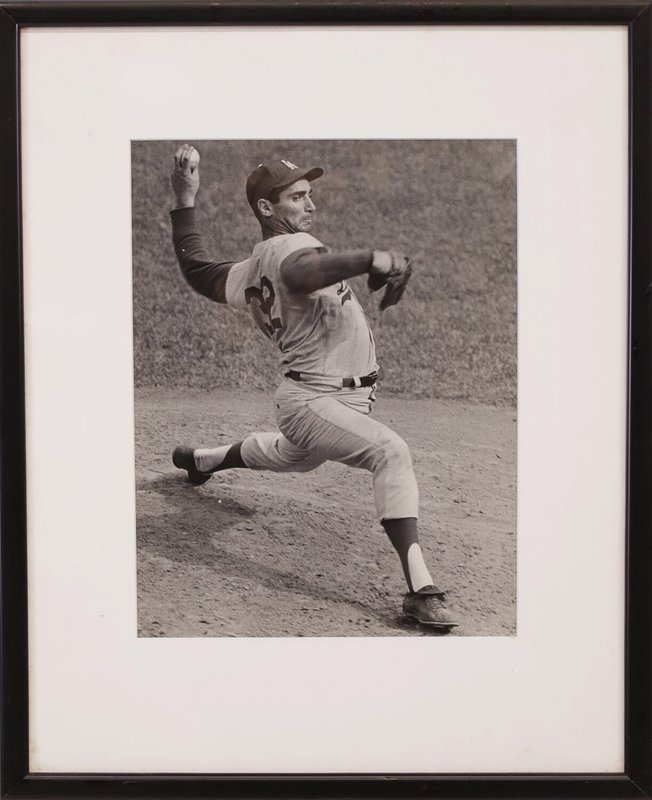
Fourteen strikeouts. One hit allowed by both teams combined. The Cubs’ Bob Hendley threw one of the finest games a losing pitcher will ever throw – he surrendered a single bloop double to Lou Johnson in the seventh inning and nothing else – and it was not remotely enough. Sandy Koufax’s September 9, 1965 masterpiece at Dodger Stadium was the first perfect game pitched at night and the fourth of his four no-hitters in four consecutive seasons, a streak of dominance that remains unmatched. Only two total baserunners reached in the entire game across both lineups. Koufax’s 14 strikeouts tied a record that stood until Matt Cain matched it in 2012. The final score was 1-0, meaning that one swing of one bat over nine innings separated a perfect game from a scoreless tie. Koufax won the Cy Young Award that same season, retired at 30 because of crippling arthritis in his pitching elbow, and entered the Hall of Fame at 36. His career lasted only 12 years, which somehow makes the whole thing more impressive rather than less.
Catfish Hunter
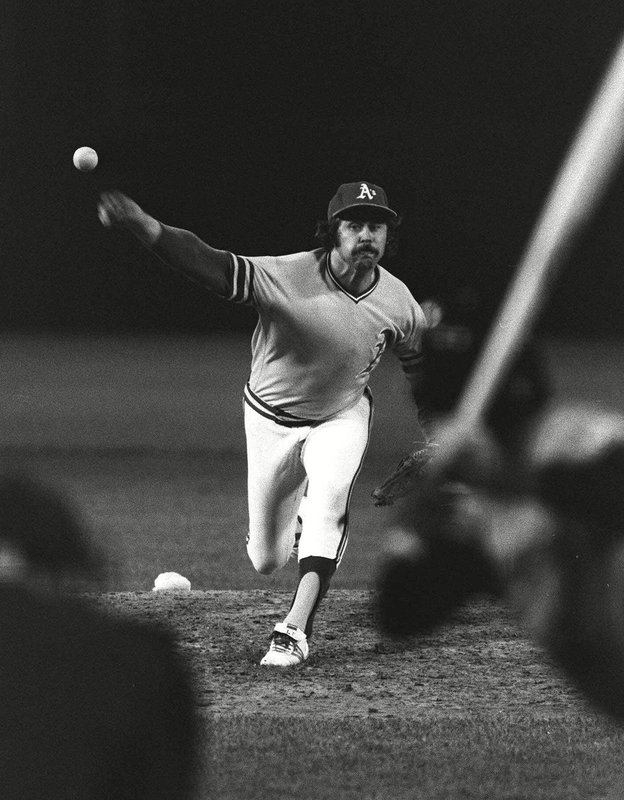
Most pitchers who throw perfect games contribute nothing at the plate. Catfish Hunter went 3-for-4 with a double and three RBIs, including a bunt single for the game’s first run in the seventh inning. It remains the best offensive performance by any perfect game pitcher, before or since. Hunter was just 22 years and 30 days old on May 8, 1968 – the youngest modern-era pitcher to accomplish the feat – and the Oakland Athletics were only 25 games into their existence in Oakland, having just relocated from Kansas City. He struck out 11 Twins in 107 pitches and cruised to a 4-0 win. Hunter’s career reads like a greatest-hits album: five World Series championships, eight All-Star selections, a Cy Young Award in 1974, and induction into the Hall of Fame in 1987. He was one of baseball’s first big-money free agents, signing a then-record contract with the Yankees in 1975, and he brought a country charm to the game that made him a fan favorite everywhere he played.
Len Barker
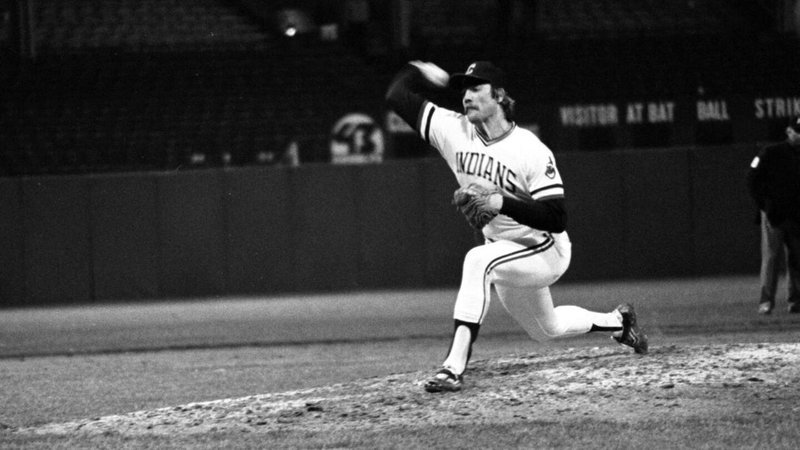
Danny Ainge, who would go on to play 14 seasons in the NBA and become a prominent basketball executive, was sitting in the Toronto Blue Jays dugout on May 15, 1981, watching Len Barker of the Cleveland Indians make him and every other batter in the lineup look helpless. Barker’s perfect game was the first to feature designated hitters on both sides, a sign of baseball’s evolution, and he did not reach a three-ball count on a single batter for all nine innings. Every one of his 11 strikeouts was swinging – not one called third strike in the bunch. Alfredo Griffin, the Blue Jays shortstop who went 0-for-3 that evening, would later find himself on the losing end of two more perfect games (Browning’s and Martinez’s), a distinction so unfortunate it almost demands sympathy. Barker threw 103 pitches and retired all 27 batters in a 3-0 win. His career was otherwise unremarkable – a 74-76 record with one All-Star selection – but for one night in Cleveland, he was the most dominant pitcher on the planet.
Mike Witt
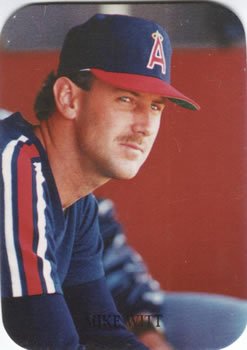
On the last day of the 1984 season, with absolutely nothing on the line for either team, Mike Witt of the California Angels threw a perfect game against the Texas Rangers at Arlington Stadium. The meaningless context makes it almost more impressive – Witt had no pennant pressure, no October stage, just 27 outs to get on a random Sunday afternoon in September, and he got every one of them. Reggie Jackson, who had been on the winning side of Catfish Hunter’s perfect game 16 years earlier, drove in the game’s only run on a seventh-inning fielder’s choice. Witt needed just 94 pitches and struck out 10 in a 1-0 win. He was 24 years old and looked like the next great power pitcher in the American League. It did not quite work out that way – he finished 117-116 for his career – but that afternoon in Arlington was about as clean as a game of baseball can possibly be.
Tom Browning
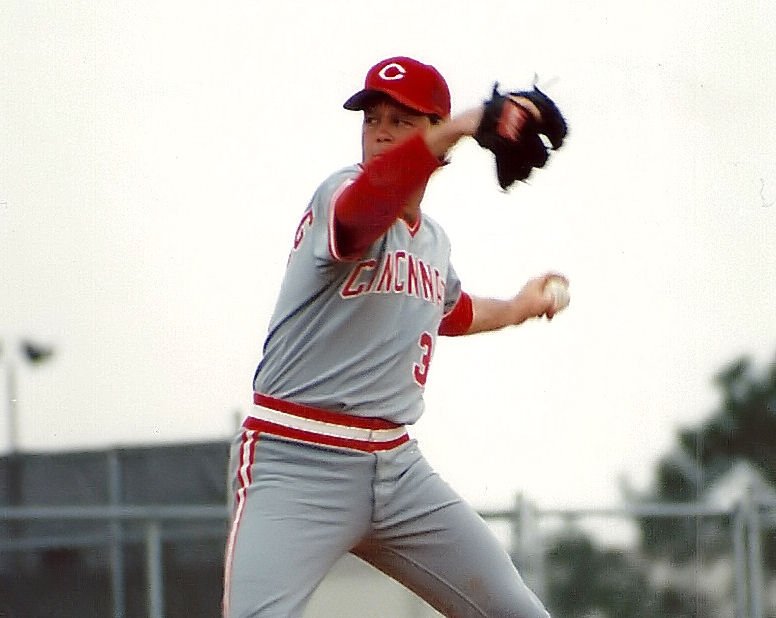
The game did not even start until roughly 10 PM, thanks to a two-hour, 27-minute rain delay, which meant Tom Browning threw his perfect game in the middle of the night. The Cincinnati Reds beat the Los Angeles Dodgers 1-0 on September 16, 1988, and the Dodgers were not just any team – they went on to win the World Series that October. Browning struck out seven in 100 pitches and sent every batter back to the dugout without reaching base. Paul O’Neill, a young outfielder playing for the Reds that night, would later find himself on the winning side of two more perfect games (Wells’s and Cone’s with the Yankees), making him the only player to be part of three. In one of baseball’s cruelest near-misses, Browning came within three outs of doing it again the following July 4th against the Phillies, retiring the first 24 batters before surrendering a leadoff double in the ninth. Two perfect games in ten months would have been unprecedented. Instead, he got one, and one was enough to make history.
Dennis Martinez
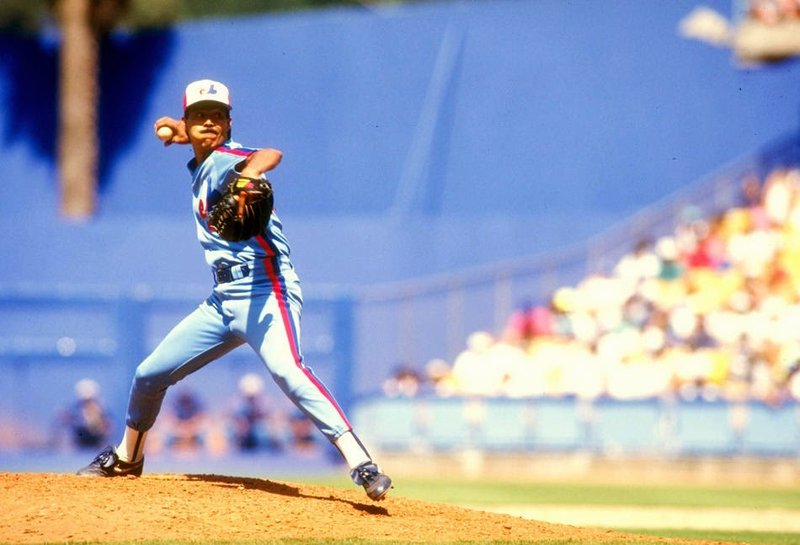
The first pitcher born outside the United States to throw a perfect game was from Granada, Nicaragua, and his teammates called him El Presidente. Dennis Martinez blanked the Los Angeles Dodgers 2-0 at Dodger Stadium on July 28, 1991, needing only 95 pitches and striking out five. The game itself featured an unusual subplot: opposing pitcher Mike Morgan was also perfect through five innings, the latest an opposing starter has ever remained perfect during a perfect game. Two days earlier, Expos pitcher Mark Gardner had no-hit the Dodgers for nine innings and lost it in the tenth, meaning the Dodgers were essentially no-hit twice in the same week by the same team. Martinez’s catcher, Ron Hassey, had also caught Len Barker’s perfect game a decade earlier, making him the only catcher in history to be behind the plate for two. Martinez won 245 games over a 23-year career, which is a staggering total for a pitcher most casual fans struggle to place.
Kenny Rogers
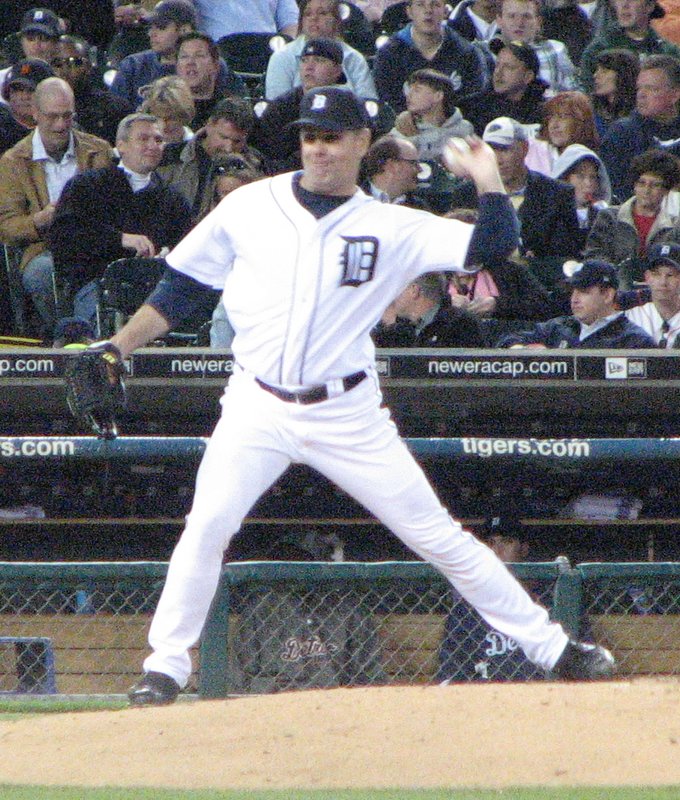
Everything nearly fell apart in the ninth inning. Rex Hudler led off with a screaming line drive to center field, and Rusty Greer sprinted to his left and dove – fully horizontal, face-first – to make the catch that kept Kenny Rogers’s perfect game alive. Rogers then retired the next two batters to complete a 4-0 win over the California Angels on July 28, 1994, at The Ballpark in Arlington. The home plate umpire was Ed Bean, a minor league call-up working only his 29th major league game and seventh behind the plate. The Rangers and Angels became the only two teams to have thrown perfect games against each other, since Mike Witt had done it to the Rangers exactly a decade earlier. Rogers needed 98 pitches and struck out eight in front of 46,581 fans. He went on to win 219 career games, which is a very solid career by any measure, but that one diving catch by Greer is what people remember most.
David Wells
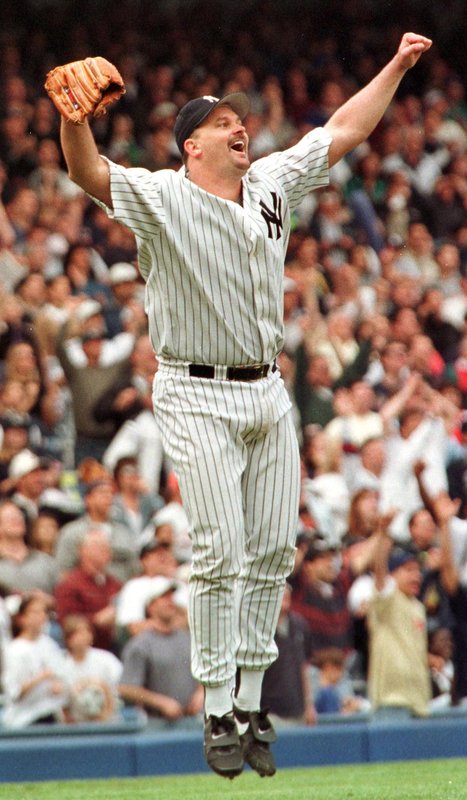
David Wells claimed he was “half-drunk” with a “raging, skull-rattling hangover” when he took the mound at Yankee Stadium on May 17, 1998. He has since walked back the claim somewhat, though nobody who knew Wells found it especially difficult to believe. Drunk or sober, he retired all 27 Minnesota Twins batters, struck out 11, and threw 120 pitches in a 4-0 win. Wells and Don Larsen, the last man to throw a perfect game at Yankee Stadium, both attended Point Loma High School in San Diego – a coincidence so bizarre that it sounds made up but is entirely, verifiably true. The 1998 Yankees won 114 regular-season games and are widely considered one of the greatest teams ever assembled, which makes Wells’s perfect game feel almost inevitable in retrospect. He was a large, opinionated, unapologetically fun-loving man who pitched 239 career wins, and if you had to pick one pitcher on this list most likely to show up hungover and throw a perfect game, there is no debate.
David Cone
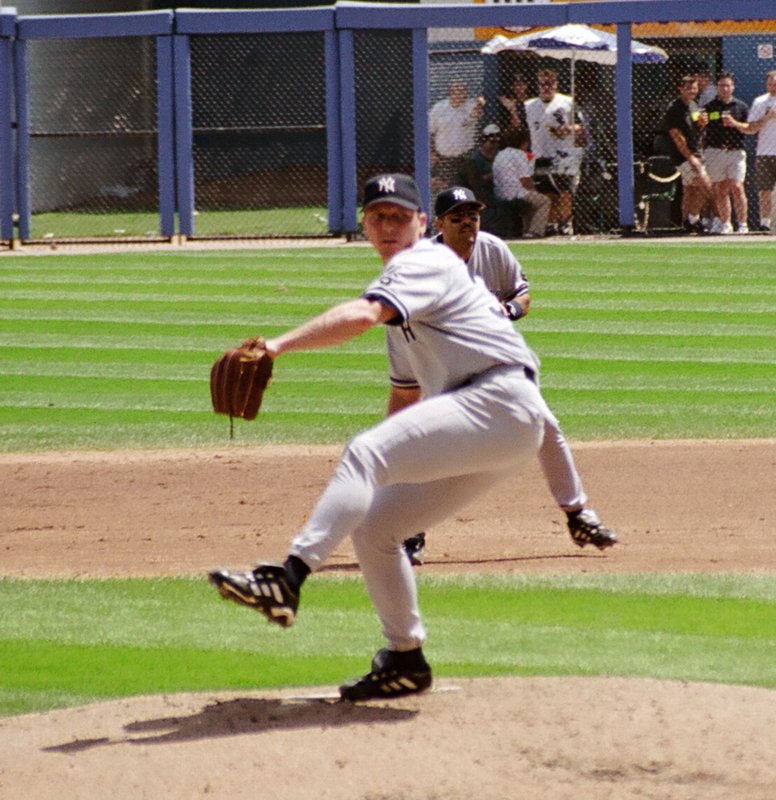
It was Yogi Berra Day at Yankee Stadium, and Don Larsen had thrown the ceremonial first pitch to Berra – his catcher from the 1956 World Series perfect game. The baseball gods apparently appreciated the gesture, because David Cone then went out and threw a perfect game of his own. He beat the Montreal Expos 6-0 on July 18, 1999, on just 88 pitches, one of the most efficient perfect games in modern history. Not a single Expo worked even a three-ball count. A 33-minute rain delay interrupted the proceedings but did nothing to break Cone’s rhythm. This was the second consecutive perfect game thrown at Yankee Stadium (Wells had thrown his 14 months earlier), and it remains the only regular-season interleague perfect game. Cone struck out 10 and made it look almost routine, which it emphatically was not. He won a Cy Young Award in 1994, five World Series rings over his career, and once struck out 19 batters in a single game. The perfect game was simply one more line on a very full resume.
Randy Johnson
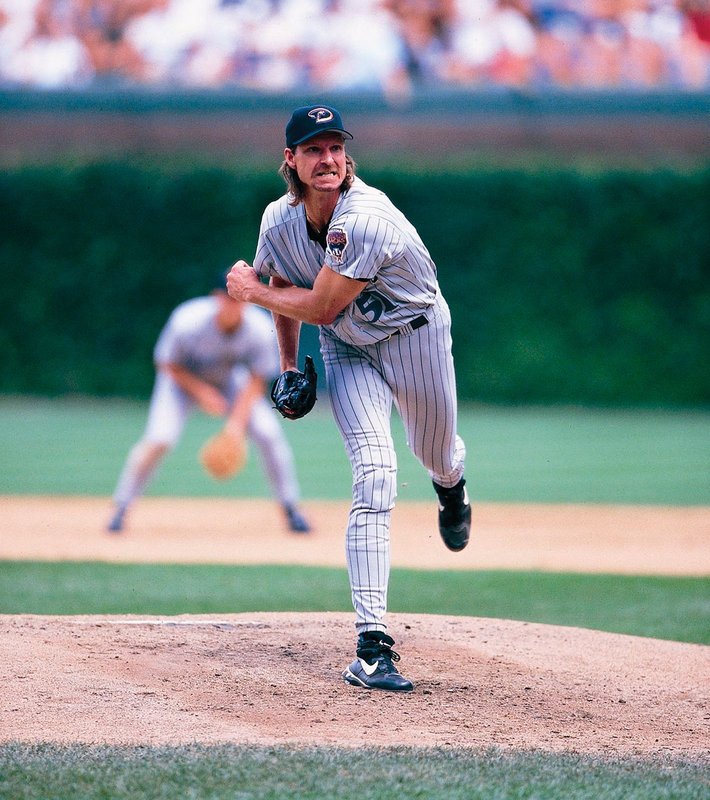
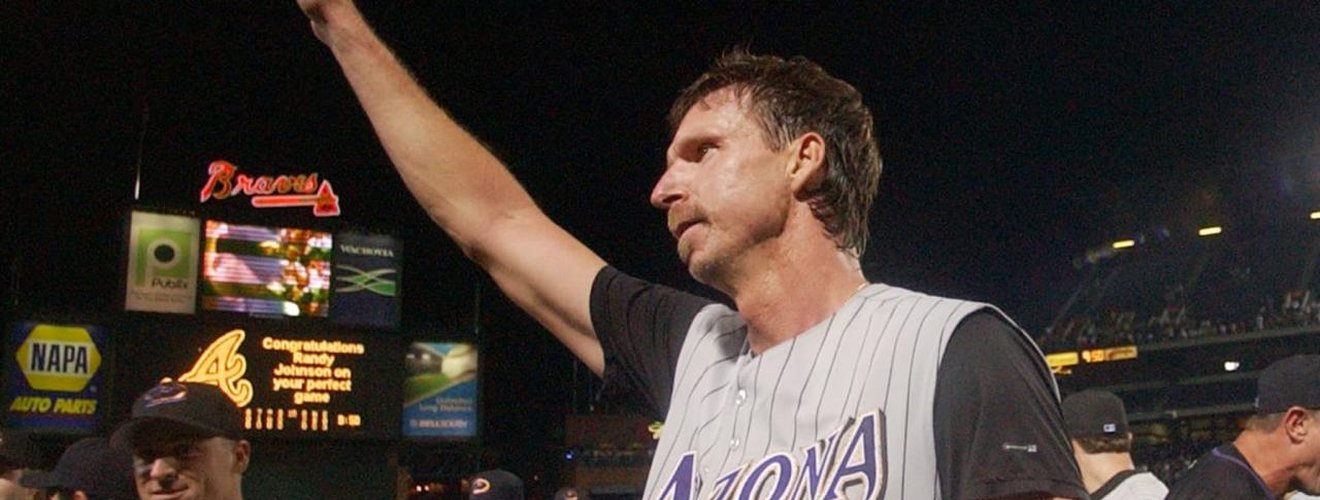
At 40 years, 251 days old and six feet ten inches tall, Randy Johnson was both the oldest and the tallest pitcher to ever throw a perfect game. He beat Cy Young’s age record by three and a half years on May 18, 2004, retiring all 27 Atlanta Braves batters in a 2-0 win at Turner Field. The Braves were not an easy lineup – they carried the second-highest on-base percentage and tied for the second-highest winning percentage of any team to lose a perfect game. Johnson’s own Diamondbacks, meanwhile, were terrible, finishing the season at .315 – the worst record of any team to benefit from one. He struck out 13 in 117 pitches, throwing fastballs that still touched the upper 90s from a release point that made left-handed batters question their career choices. Johnson won five Cy Young Awards, struck out 4,875 batters (second only to Nolan Ryan), and entered the Hall of Fame in 2015. The perfect game, for a man of his accomplishments, was almost redundant. Almost.
Mark Buehrle
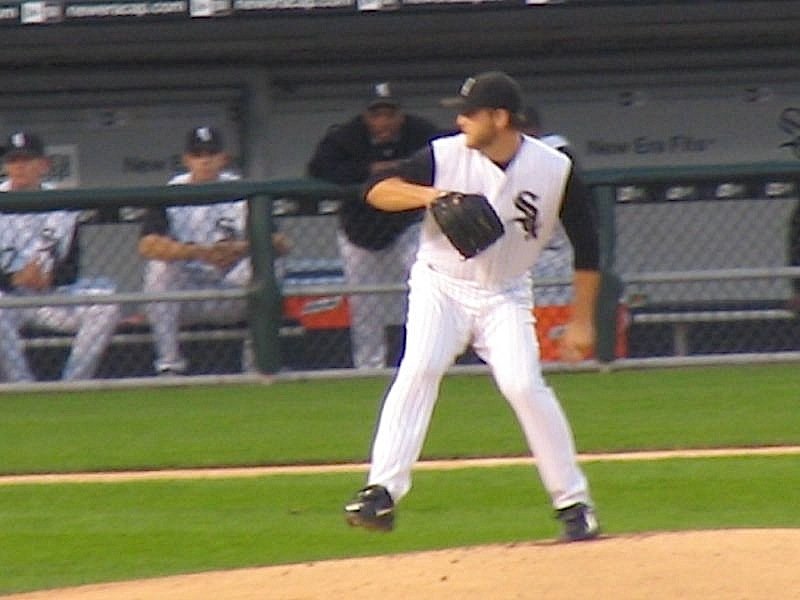
DeWayne Wise had just entered the game as a defensive replacement in center field – his first action of the night – when Gabe Kapler launched a deep fly ball toward the left-center field wall in the ninth inning. Wise sprinted back, climbed the wall, and made a catch so spectacular that it belongs in a movie rather than a baseball game. Without it, Mark Buehrle’s July 23, 2009 perfect game against the Tampa Bay Rays ceases to exist. The rest of the evening had its own share of firsts: it was the first perfect game where the pitcher and catcher (Ramon Castro) had never started a game together, and it featured the first grand slam in perfect game history, courtesy of Josh Fields in the second inning. Buehrle struck out just six batters in 116 pitches but induced weak contact all night in a 5-0 win. Five days later, he extended his streak of consecutive batters retired to 45, which was then a major league record. Buehrle won 214 career games and four Gold Gloves, and he remains one of the strongest candidates not yet in the Hall of Fame.
Dallas Braden
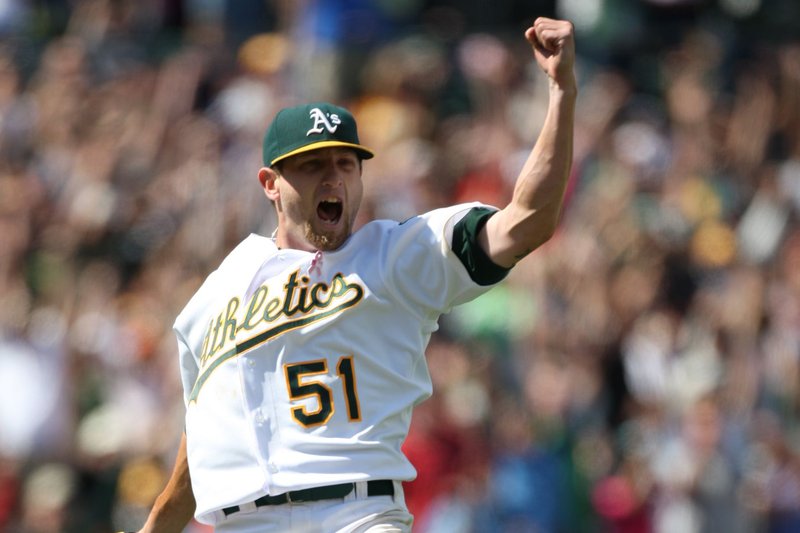
His mother died of cancer when Dallas Braden was in high school. His grandmother, Peggy Lindsey, raised him. On May 9, 2010 – Mother’s Day – Braden threw a perfect game for the Oakland Athletics against the Tampa Bay Rays and then celebrated on the field with Lindsey while the small crowd of 12,288 went absolutely berserk. It was the first complete game of his entire career. The Rays, who had the best record in the majors at the time at 22-8, were the second consecutive team to lose a perfect game (Buehrle had beaten them the previous July). Braden struck out six in 109 pitches and won 4-0 at the same Oakland Coliseum where Catfish Hunter had thrown his perfect game 42 years earlier. A shoulder injury ended Braden’s career after just five seasons and a 26-36 record. The perfect game was, by a wide margin, the best day of his professional life, and the emotional weight of the occasion made it something considerably larger than a baseball game.
Roy Halladay
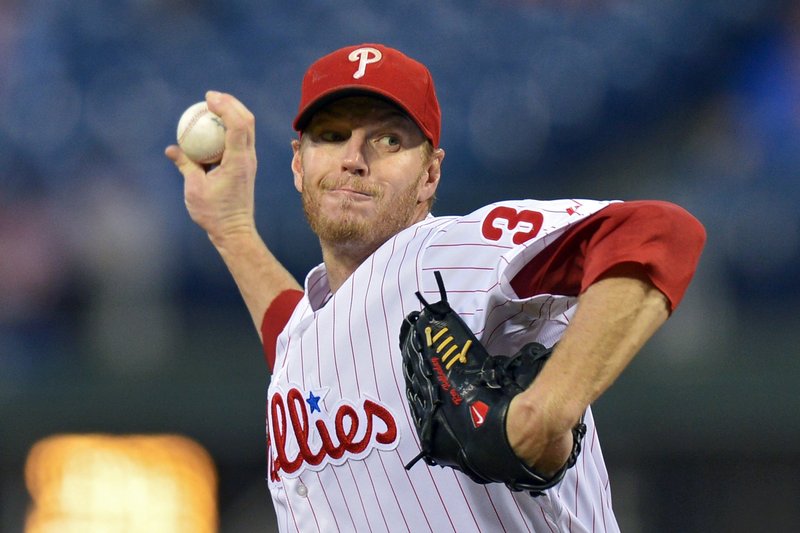
Twenty days after Dallas Braden’s Mother’s Day miracle, Roy Halladay threw the second perfect game of 2010 and created the first time three perfect games had occurred within a single calendar year (counting Buehrle’s from July 2009). Halladay blanked the Florida Marlins 1-0 on May 29 at Sun Life Stadium, striking out 11 in 115 pitches. Later that October, he threw a no-hitter in the National League Division Series against the Cincinnati Reds, making him the only pitcher to throw a perfect game and a postseason no-hitter in the same year. He also won the Cy Young Award that season, joining Sandy Koufax as the only pitchers to throw a perfect game and claim the Cy Young in the same campaign. Halladay won 203 games and two Cy Young Awards over a career that saw him dominate for more than a decade. He died in a plane crash in November 2017, at the age of 40. The Hall of Fame inducted him posthumously in 2019. Seven batters worked three-ball counts against him that day in Florida, which is the most of any perfect game – a reminder that even perfection can involve a great deal of stress.
Philip Humber
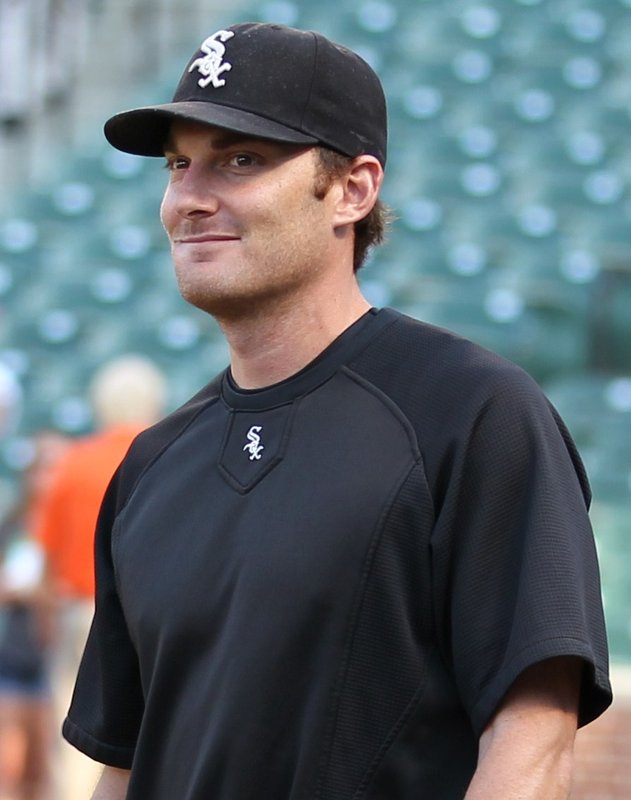
The final out of Philip Humber’s perfect game on April 21, 2012, remains one of the most disputed calls on this list. With a full count on Brendan Ryan, Humber threw a slider that caught the outside corner – or did not, depending on your perspective. The home plate umpire called strike three, but Ryan checked his swing, and catcher A.J. Pierzynski dropped the ball. Pierzynski threw to first for the out as Ryan protested furiously. The call stood. Humber’s White Sox beat the Seattle Mariners 4-0 at Safeco Field, and it was the only complete game of Humber’s entire major league career. That bears repeating: the man never completed another game. He struck out nine in 96 pitches, and his MLB career effectively ended the following season with a lifetime record of 16-23. The perfect game was less a peak than an anomaly, a single afternoon when everything aligned for a pitcher who otherwise struggled to stay in the big leagues.
Matt Cain
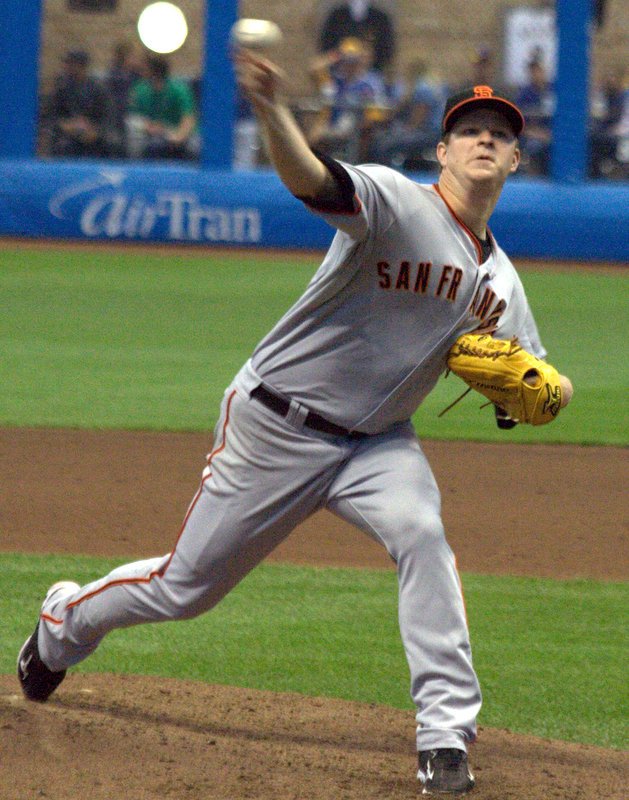
Matt Cain threw 125 pitches on June 13, 2012 – more than any other perfect game pitcher in history – and struck out 14 batters, tying Sandy Koufax’s record from 47 years earlier. The San Francisco Giants provided the most run support a perfect game has ever received, scoring 10 runs against the Houston Astros in a blowout that turned the late innings into a formality. Or it should have been a formality, except that every pitch still mattered, every at-bat still carried the weight of potential history. Buster Posey caught the game, and the Giants won 10-0 at AT&T Park. It was the second of three perfect games thrown in 2012 – the only year in baseball history to produce three – sandwiched between Humber’s in April and Hernandez’s in August. Cain made three All-Star teams and pitched for two World Series championship Giants squads, but his career record of 104-118 does not capture how good he was at his best. That night in San Francisco was his best.
Felix Hernandez
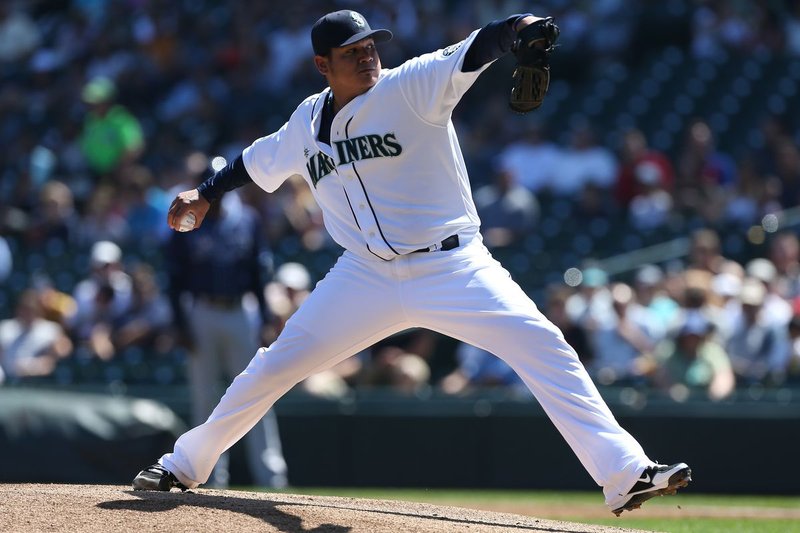
They called him King Felix, and on August 15, 2012, the nickname felt less like a marketing exercise and more like a statement of fact. Felix Hernandez struck out 12 Tampa Bay Rays in 113 pitches at Safeco Field, completing the third perfect game of 2012 and making it the only year in baseball history to produce three. The Rays, remarkably, had now lost three perfect games in fewer than three and a half years – to Buehrle, Braden, and Hernandez – which is the kind of streak that makes you wonder if the franchise was simply cursed. Hernandez won 1-0, because the Mariners’ offense rarely gave him much to work with, which was a recurring theme of his career in Seattle. He had won the Cy Young Award in 2010 with a 13-12 record, which tells you everything about the run support situation. Hernandez spent 15 years with the Mariners and finished with a 169-136 career record, and the perfect game stands as the single brightest moment in a career full of brilliance that deserved more team success around it.
Domingo German
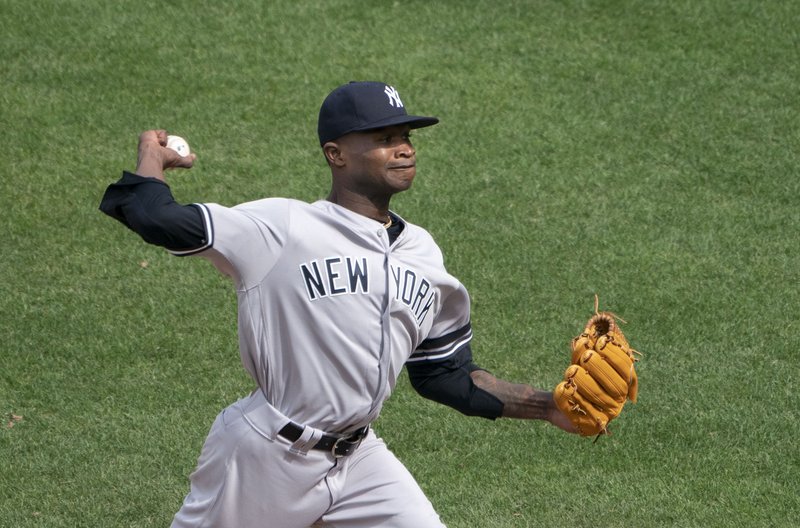
One start before his perfect game, Domingo German allowed 10 runs in three and a third innings. One start later, on June 28, 2023, he retired all 27 Oakland Athletics batters in order, struck out nine, threw 99 pitches, and won 11-0 at the Oakland Coliseum. The swing from catastrophe to perfection is the most extreme on this list by a considerable margin. David Cone and Dallas Braden were both in attendance as television analysts, which meant two perfect game pitchers got to watch a third accomplish what they had done. German’s was the most recent perfect game, and also one of the most complicated: he had served an 81-game suspension in 2019-2020 under MLB’s domestic violence policy, a fact that made the celebration uncomfortable for many. He pitched in Korea in 2024 and carries a career record of 26-21. The perfect game was the fourth thrown by a Yankees pitcher (after Larsen, Wells, and Cone), giving New York more than any other franchise. Whether German’s name belongs alongside those three is a question baseball has not quite figured out how to answer.
- Baseball Almanac – Perfect Games (baseball-almanac.com/pitching/piperf.shtml)
- Baseball Reference – No-Hitters and Perfect Games (baseball-reference.com/friv/no-hitters-and-perfect-games.shtml)
- Society for American Baseball Research (SABR) – Individual Game Articles
- MLB Official Records