
Every Nuclear Weapon That Has Been Lost and Never Recovered
Somewhere on the floor of the Atlantic Ocean, about 400 miles southwest of the Azores, a U.S. Navy submarine sits in roughly two miles of water with a pair of nuclear torpedoes still aboard. A few hundred miles northeast of Bermuda, a Soviet ballistic missile sub rests even deeper, carrying an estimated 34 nuclear warheads across 16 missiles. Off the coast of Savannah, Georgia, a hydrogen bomb lies under the mud of a tidal sound where people go boating on weekends.
These are not hypotheticals. They are items on a list that the U.S. Department of Defense and the Soviet/Russian military have, with varying degrees of reluctance, confirmed over the decades. The Pentagon’s official term for an accident involving a nuclear weapon is a “Broken Arrow,” and between 1950 and 1980 alone, it acknowledges 32 of them. Not all resulted in permanent losses, but more did than most people would find comfortable.
This list documents every confirmed, publicly verified instance of a nuclear weapon lost and never recovered. Only two nations – the United States and the Soviet Union – have disclosed such losses. No other nuclear state, not the United Kingdom, France, China, India, Pakistan, Israel, or North Korea, has ever publicly acknowledged losing a weapon. Given the secrecy that surrounds nuclear arsenals worldwide, the true global count could be higher. But what follows covers every verified case on the public record: ten incidents, spanning three decades, with an estimated 50-plus nuclear warheads still sitting on the world’s ocean floors.
Total incidents: 10 confirmed, unrecovered losses
Countries involved: United States (6), Soviet Union (4)
Estimated warheads unrecovered: 50+
Time span: 1956 – 1989
Deepest loss: ~16,500 feet (K-129, North Pacific)
Shallowest loss: Wassaw Sound, Georgia – possibly under 15 feet of silt
B-47 Disappearance Over the Mediterranean

On March 10, 1956, a B-47 Stratojet carrying two nuclear weapon capsules – the fissile plutonium and uranium cores that make a nuclear bomb a nuclear bomb – descended into a cloud bank over the Mediterranean Sea and simply ceased to exist. No wreckage. No oil slick. No emergency transmission. The aircraft, its three crew members, and both nuclear cores vanished as completely as if someone had switched them off.
The bomber had left MacDill Air Force Base in Florida bound for Morocco, a non-stop transatlantic flight requiring two mid-air refuelings. The first went fine. For the second, the pilot dropped to 14,000 feet through dense cloud cover to meet a KC-97 tanker southwest of Algeria. The tanker waited. The B-47 never appeared. A French news agency reported an explosion northeast of the Moroccan border, but search teams found nothing to confirm it. Captain Robert Hodgin, Captain Gordon Insley, and Second Lieutenant Ronald Kurtz were declared dead. The two nuclear capsules, each containing enough fissile material to form the heart of a weapon capable of leveling a city, remain somewhere in the Mediterranean – location unknown, depth unknown, condition unknown.
C-124 Globemaster Jettison
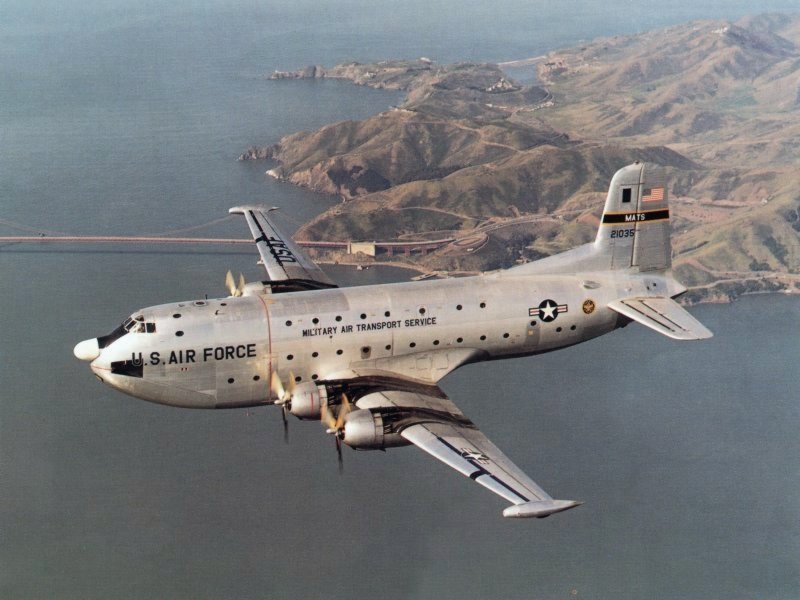
The crew of a C-124 Globemaster cargo plane faced a straightforward problem on July 28, 1957: two of their engines had quit over the Atlantic, the aircraft was losing altitude, and they were carrying three nuclear bombs. The math was simple – the plane was too heavy to stay airborne with half its engines gone. Two of the three weapons went out the door, the first from 4,500 feet, the second from 2,500 feet. Neither exploded. The C-124 limped to a landing near Atlantic City with the remaining bomb and a nuclear capsule still aboard.
Importantly, neither jettisoned weapon had its nuclear core installed. These were bomb casings loaded with conventional high explosives and uranium tamper components, not complete nuclear weapons. A nuclear detonation was physically impossible. But the assemblies themselves – containing high explosives and uranium – sank immediately and were never found. The Air Force searched the waters off the New Jersey and Delaware coast and came up empty. Somewhere on the Atlantic continental shelf, two incomplete nuclear bombs rest in the sediment, which is the kind of thing you’d prefer not to learn about before a beach vacation.
Tybee Island Bomb
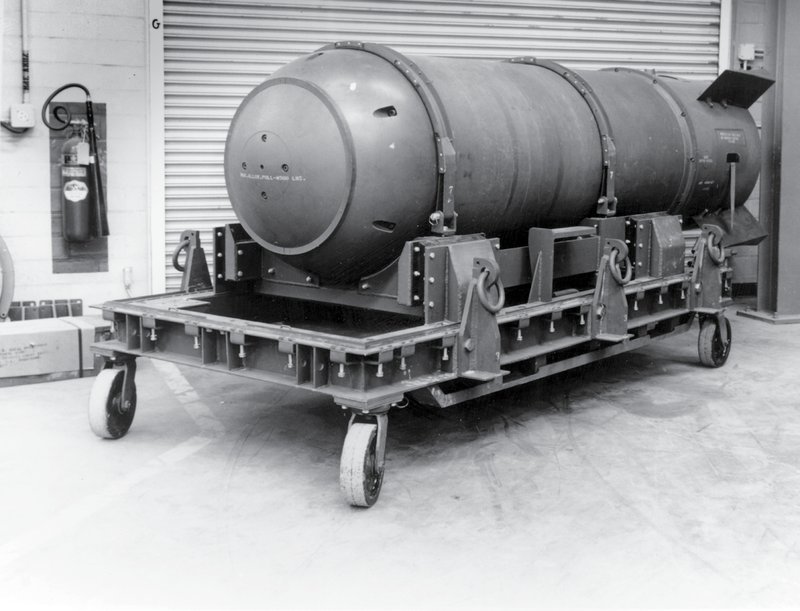
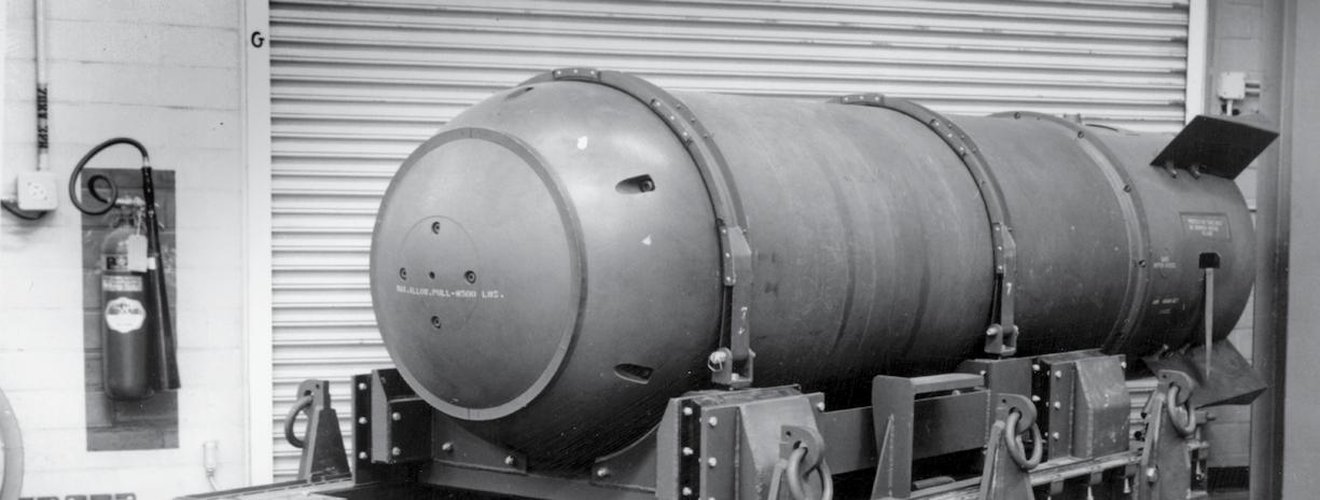
A 7,600-pound hydrogen bomb has been sitting in the shallow tidal waters off Savannah, Georgia, since 1958, and nobody can find it. The Mark 15 thermonuclear weapon – containing 400 pounds of conventional explosive and highly enriched uranium – dropped into Wassaw Sound on February 5 of that year, after a midair collision between a B-47 bomber and an F-86 fighter jet during a nighttime training exercise at 38,000 feet.
Colonel Howard Richardson managed to wrestle his crippled B-47 out of a dive at 20,000 feet, but couldn’t safely land with a hydrogen bomb in the bay. He jettisoned it at 7,200 feet over water. No explosion on impact. The Air Force sent a hundred Navy personnel with sonar and cable sweeps to find it. They searched for two months and gave up. A 2001 Department of Energy survey concluded the bomb likely lies under 5 to 15 feet of silt. What makes this one particularly interesting is the disagreement over what, exactly, is down there. The Air Force insists the weapon had no nuclear capsule installed. But in 1966, Assistant Secretary of Defense W.J. Howard told Congress it was “a complete weapon, a bomb with a nuclear capsule.” The bomb was officially declared “irretrievably lost,” a phrase that inspires less confidence than the government probably intended.
Philippine Sea A-4 Skyhawk
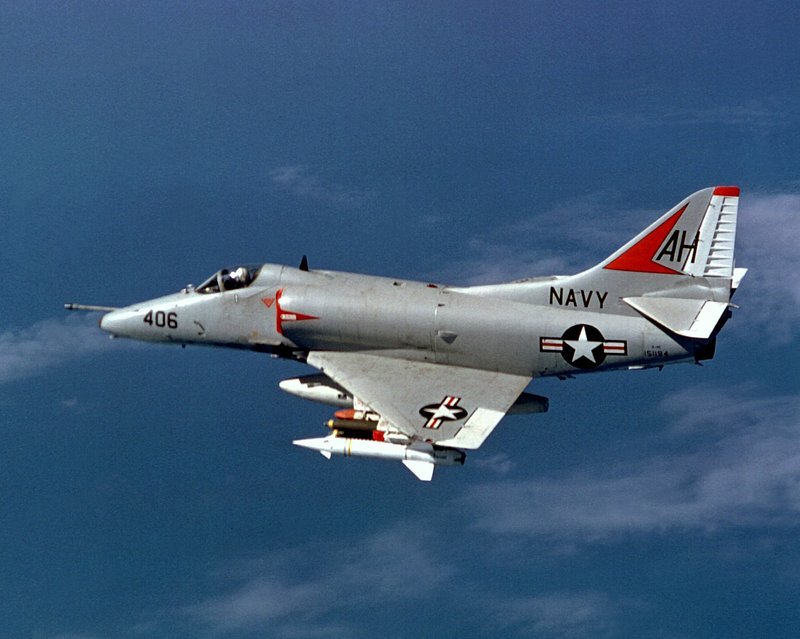
A one-megaton hydrogen bomb rolled off the side of an aircraft carrier in 1965 because someone pushed the plane carrying it a little too far backward. That is the entire cause of what is widely considered the only confirmed loss of a fully armed, complete American nuclear weapon.
On December 5, a Douglas A-4E Skyhawk from Attack Squadron 56 was being wheeled from the hangar bay to the number two elevator aboard the USS Ticonderoga. The aircraft, loaded with a B43 thermonuclear bomb powerful enough to destroy everything within a four-mile radius, slid off the elevator and into the Philippine Sea. Lieutenant Douglas Webster went down with the plane. The Skyhawk, the pilot, and the weapon sank to approximately 16,000 feet, roughly three miles of Pacific Ocean, 68 miles from a Japanese island. The Navy kept the incident secret for 16 years, and the weapon’s proximity to Japan stayed classified for another eight after that. No recovery was ever attempted. Webster’s remains, the aircraft, and a hydrogen bomb 70 times more powerful than the one dropped on Hiroshima sit on the ocean floor to this day.
Thule Air Base Crash
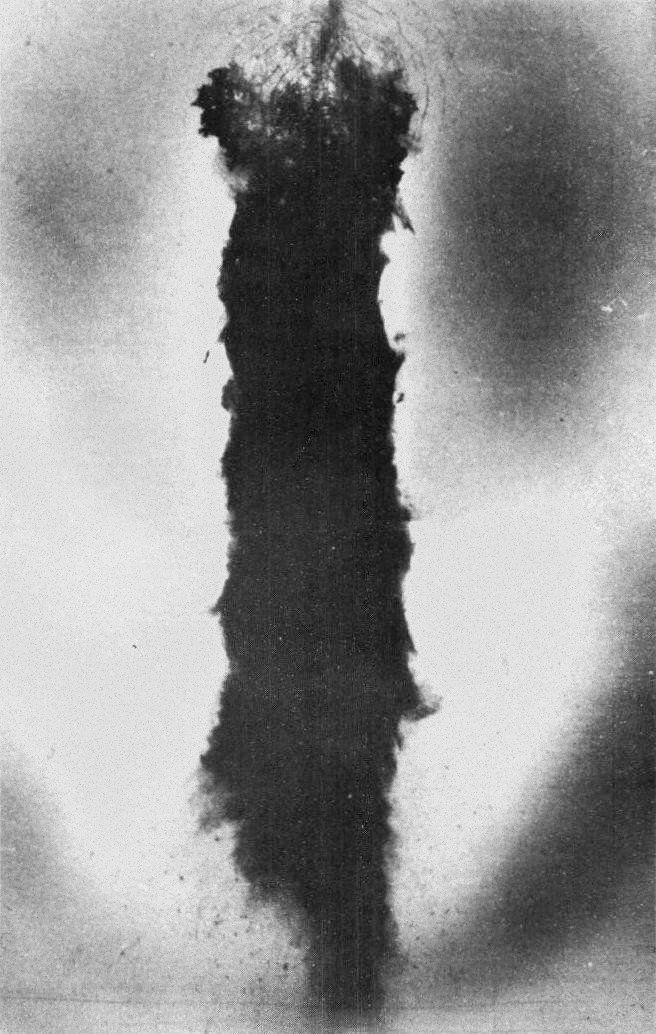
When a B-52 carrying four hydrogen bombs crashes onto sea ice and the conventional explosives in all four weapons detonate, scattering plutonium and tritium across miles of frozen Arctic wasteland, you would think the most alarming part of the story is the crash itself. It isn’t. The most alarming part is that when the cleanup crew finished picking up every fragment they could find, one of the four weapons was missing a piece – specifically, its thermonuclear secondary, the component that turns an atomic explosion into a vastly more powerful hydrogen bomb detonation.
The January 21, 1968 crash happened because of a cabin fire aboard “HOBO 28,” a B-52G on a Cold War airborne nuclear alert patrol. Six of seven crew members ejected safely over North Star Bay near Thule Air Base in Greenland. The massive cleanup operation, codenamed “Project Crested Ice,” recovered weapon fragments and contaminated ice for months. But the accounting didn’t add up. The secondary stage of one B28 thermonuclear bomb was never found. It likely punched through the ice and sank to the bottom of the bay. The incident was serious enough to permanently end the Chrome Dome airborne alert program – which, until that point, had kept nuclear-armed bombers in the air 24 hours a day.
USS Scorpion
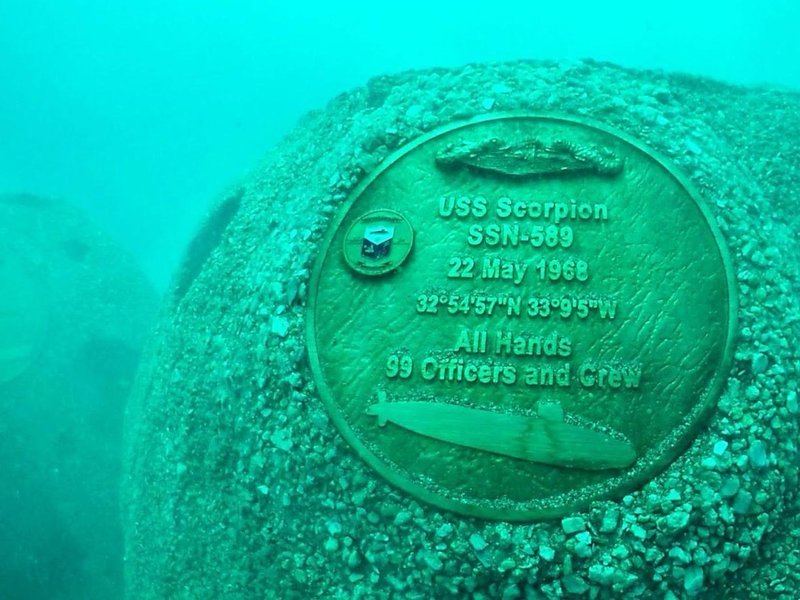
Ninety-nine men went to sea aboard the USS Scorpion on February 15, 1968. None of them came back. The Skipjack-class nuclear attack submarine was returning to Norfolk, Virginia, from a Mediterranean deployment when she vanished in the Atlantic about 400 miles southwest of the Azores. The hull imploded after exceeding crush depth at roughly 9,800 feet – a depth at which the ocean exerts pressure of about 4,400 pounds per square inch, or approximately the weight of a pickup truck concentrated on an area the size of a postage stamp.
The Navy found the wreckage five months later using the deep-submergence vessel Trieste. The official cause of the sinking remains “inconclusive” after more than half a century, with theories ranging from torpedo malfunction to mechanical failure to hull integrity problems. Aboard the wreck sit two Mark 45 ASTOR nuclear torpedoes and the submarine’s S5W nuclear reactor. The Navy periodically sends remote vehicles down to check for radioactive contamination but has never attempted to recover the weapons. The Scorpion and her crew remain on patrol, in a sense, in perpetuity.
Soviet Submarine K-129
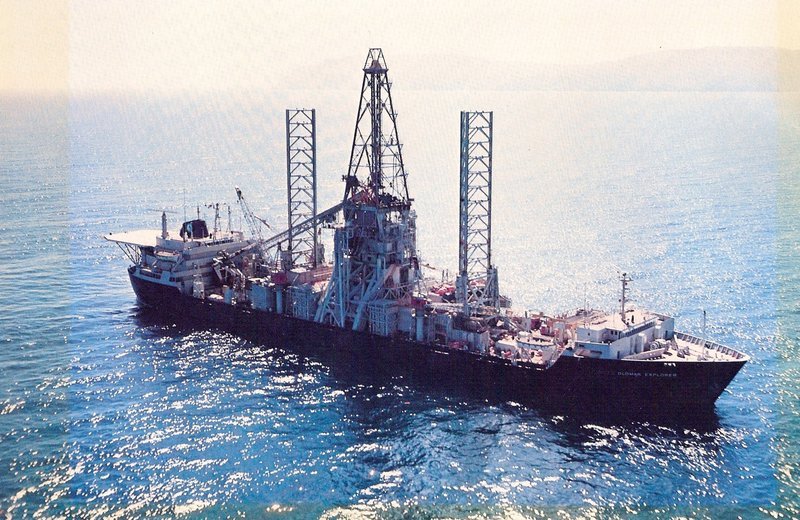
The CIA built an entire ship to steal this submarine, and they still couldn’t get the nuclear weapons out. K-129, a Soviet Golf II-class ballistic missile boat carrying three one-megaton nuclear warheads and two nuclear torpedoes, disappeared in the North Pacific on March 8, 1968. The Soviets searched for months in the wrong place. The Americans, whose underwater listening network had picked up the sounds of her destruction, knew exactly where she was – three miles down, roughly 1,560 miles northwest of Hawaii.
What followed was one of the most audacious intelligence operations of the Cold War. In 1974, the CIA used the billionaire Howard Hughes as a cover story, announcing that the specially constructed ship Hughes Glomar Explorer was mining manganese nodules from the deep ocean floor. In reality, it was attempting to raise a Soviet submarine from 16,500 feet. The forward section came up, yielding six crew bodies and reportedly one nuclear torpedo. Then the hull broke apart. The missile compartment and its three nuclear ballistic missiles fell back to the seabed. All 98 Soviet crew members perished. The warheads remain on the Pacific floor, along with the story of the most expensive fishing expedition in history.
Soviet Submarine K-8
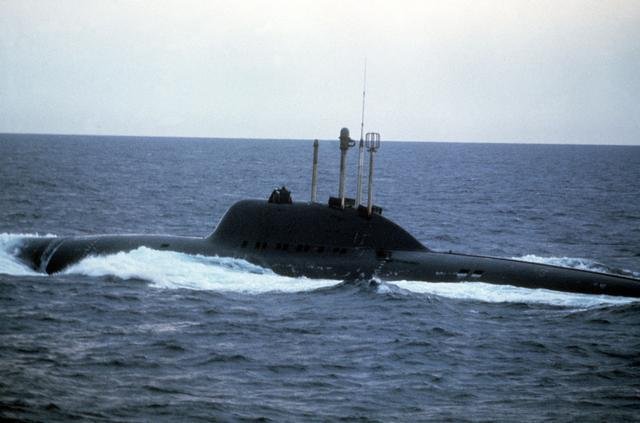
Fifty-two men voluntarily re-boarded a crippled nuclear submarine that had already killed eight of their crewmates, and then rode it to the bottom of the ocean. That is the short version of what happened to K-8, a November-class attack submarine of the Soviet Northern Fleet, in April 1970.
The trouble started on April 8 during a major naval exercise in the Bay of Biscay, when simultaneous fires erupted in two compartments at a depth of 400 feet. Both nuclear reactors were shut down. The crew surfaced and most abandoned ship. But when a towing vessel arrived, Captain Vsevolod Bessonov and 51 volunteers climbed back aboard for the tow home. For the next 80 hours, they fought carbon monoxide poisoning, progressive flooding, and Atlantic storms. On April 12, K-8 sank with all 52 men still inside, making it the first Soviet nuclear submarine ever lost. The boat came to rest at 15,350 feet on the floor of the Bay of Biscay carrying four nuclear torpedoes and two nuclear reactors. She was the first. She would not be the last.
Soviet Submarine K-219
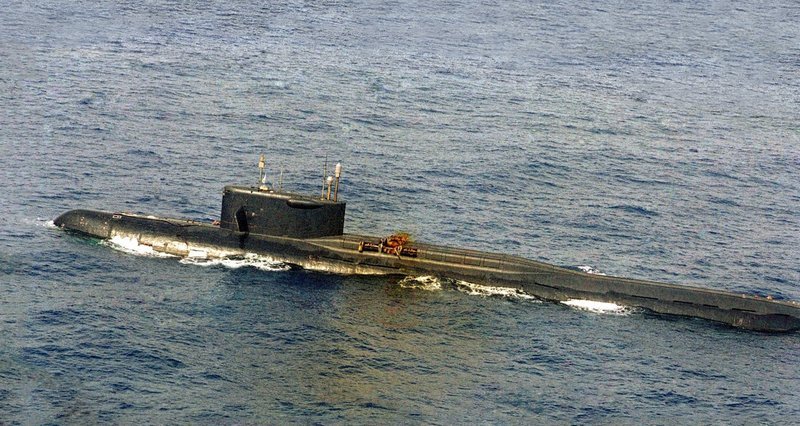
A 20-year-old enlisted sailor named Sergei Preminin manually shut down two nuclear reactors aboard a sinking submarine in 1986 and could not get the hatch open afterward. He died preventing a meltdown that would have scattered radioactive material across the Atlantic seabed. He was awarded the Order of the Red Star posthumously, which is the kind of recognition that underscores how inadequate recognition can sometimes be.
K-219 was a Yankee I-class ballistic missile submarine carrying roughly 34 nuclear warheads spread across 16 missiles when a seal failed in one of her missile tubes on October 3, 1986. Seawater hit the liquid rocket fuel and the resulting chemical reaction produced an explosion and clouds of toxic gas. The crew evacuated to a nearby Soviet merchant ship over three days while the submarine slowly flooded. Six men died, including Preminin. K-219 sank under tow on October 6 into roughly 18,000 feet of Atlantic water northeast of Bermuda – with her full complement of nuclear ballistic missiles still aboard. That makes her, by warhead count, the single largest deposit of nuclear weapons on the ocean floor anywhere in the world.
Soviet Submarine K-278 Komsomolets
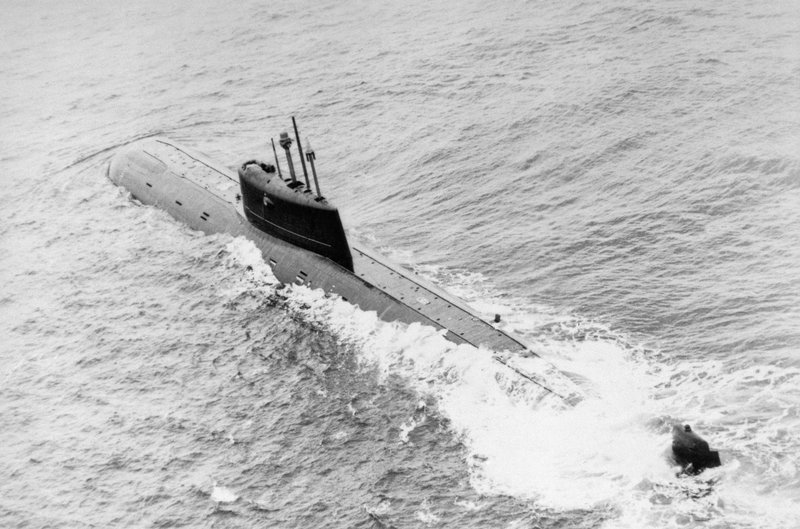
In 2019, a Norwegian-Russian research team lowered a sampling device into a ventilation duct on the wreck of K-278 Komsomolets and measured radiation levels 800,000 times above normal background. The readings dropped to normal within a few meters of the hull, but the finding confirmed what scientists had worried about for three decades: the weapons are leaking.
K-278 was a remarkable ship before she became a remarkable problem. Built with a titanium hull, she held the Soviet depth record of 1,020 meters, more than three times the operating depth of most submarines. On April 7, 1989, a fire broke out in the aft compartment during her third operational patrol in the Barents Sea. The crew surfaced and fought the blaze for five hours before the submarine sank, taking 42 of 69 crew members with her – most killed by smoke inhalation or hypothermia in the frigid Arctic water. She came to rest at about 5,600 feet with two nuclear-tipped torpedoes and a nuclear reactor. At that depth, and in water cold enough to slow but not stop corrosion, K-278 poses a long-term contamination risk to the rich fishing grounds of the Norwegian and Barents Seas. Discussions about raising her or sealing the wreck have continued for years. So far, that is all they have done – discussed it.
U.S. Department of Defense, “Narrative Summaries of Accidents Involving U.S. Nuclear Weapons 1950-1980.” Official declassified document covering all 32 acknowledged Broken Arrow incidents.
International Atomic Energy Agency, Inventory of Accidents and Losses at Sea Involving Radioactive Material (IAEA, 2001).
Polmar, Norman & Moore, J.K., Cold War Submarines: The Design and Construction of U.S. and Soviet Submarines (Potomac Books, 2004).
Sontag, Sherry & Drew, Christopher, Blind Man’s Bluff: The Untold Story of American Submarine Espionage (PublicAffairs, 1998).
Gregory, Shaun, The Hidden Cost of Deterrence: Nuclear Weapons Accidents (Brassey’s, 1990).
Oskins, James C. & Maggelet, Michael H., Broken Arrow: The Declassified History of U.S. Nuclear Weapons Accidents (2007).
Huchthausen, Kurdin & White, Hostile Waters (1997).
Sagan, Scott, The Limits of Safety: Organizations, Accidents, and Nuclear Weapons (Princeton University Press, 1993).
U.S. Department of Energy, 2001 Tybee Island Hydrographic Survey.
Norwegian Radiation and Nuclear Safety Authority (DSA), 2019 Komsomolets expedition reports.
CIA declassified Project Azorian documents (released 2010).
Congressional testimony of Assistant Secretary of Defense W.J. Howard, 1966.
Peterson & Clarke, An Introduction to Los Alamos National Laboratory (LANL, 2022), OSTI 1891826.
The Washington Post, “U.S. Confirms ’65 Loss of H-Bomb Near Japanese Islands” (May 9, 1989).