Every Person Who Has Reached the Bottom of the Mariana Trench
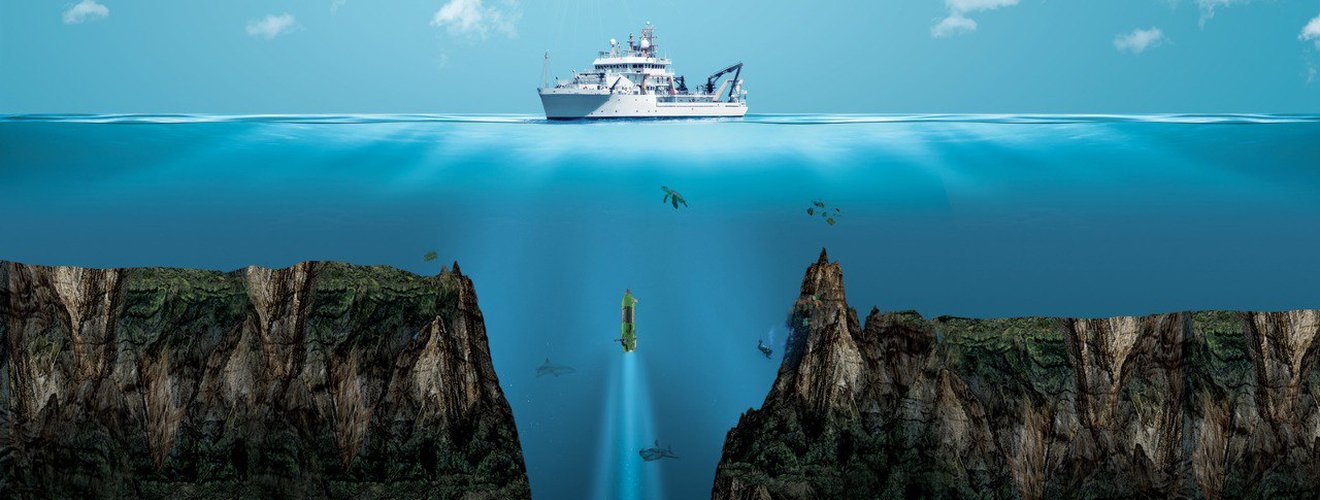
Twelve people have walked on the Moon. Only 27 have touched the bottom of the Mariana Trench. The deepest known point on Earth’s seabed, a slot in the ocean floor called Challenger Deep, sits roughly 10,935 meters (35,876 feet) below the surface of the western Pacific. To put that in terms your body might understand: if you dropped Mount Everest into the trench, its peak would still be submerged under more than a mile of water. The pressure down there runs to about 1,086 bars, or roughly the equivalent of 50 jumbo jets stacked on top of a single person.
For 52 years after the first two men reached the bottom in 1960, nobody went back. The technology existed on paper, but the engineering was murderous, the funding scarce, and the scientific payoff hard to sell to committees who preferred pointing telescopes upward. Then, slowly, a handful of purpose-built submersibles began making the trip, and the roster of humans who have seen the deepest place on Earth started to grow. It remains, by a wide margin, the most exclusive destination on the planet.
Here is every confirmed person who has descended to Challenger Deep.
Depth: ~10,935 m / ~35,876 ft
Location: Mariana Trench, western Pacific Ocean
Total confirmed visitors: 27
Vessels used: 4 – Trieste (1960), Deepsea Challenger (2012), Limiting Factor (2019-2022), Fendouzhe (2020)
Women who have made the descent: 4
Longest gap between dives: 52 years (1960-2012)
James Cameron
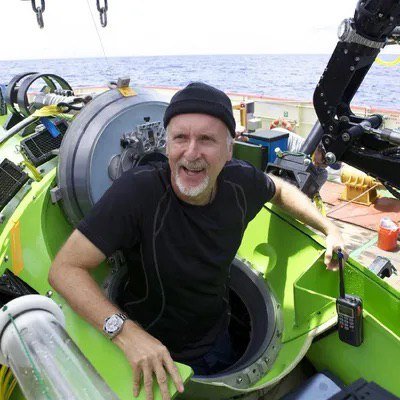
The director of Titanic was not content to merely film a shipwreck from a submersible. On March 26, 2012, James Cameron climbed into the Deepsea Challenger, a lime-green vertical torpedo custom-built by Australian engineer Ron Allum, and dropped to 10,908 meters in the Eastern Pool of Challenger Deep. He went alone. It was the first solo dive to the bottom of the ocean, and only the second crewed descent in history, arriving 52 years after Piccard and Walsh and seven years before anyone else followed.
The submersible was designed around a single pilot in an upright position, wedged into a cockpit so small Cameron’s knees pressed against the steel sphere’s walls. He spent about three hours on the bottom, collecting samples and filming with an array of 3D cameras, though a hydraulic leak cut the visit shorter than planned. The footage eventually appeared in a National Geographic documentary rather than a Hollywood blockbuster, which may be the only time Cameron chose the smaller screen on purpose.
Larry Connor
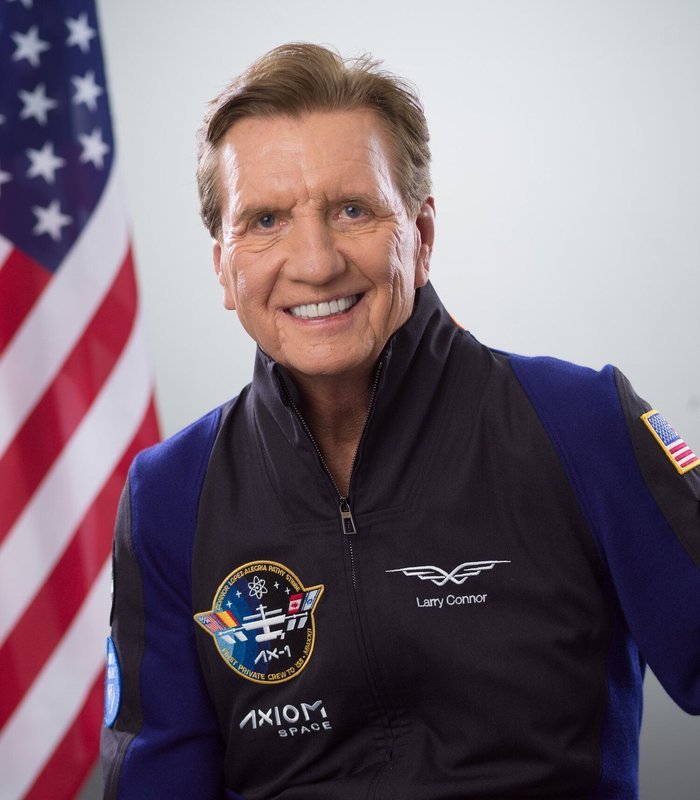
An Ohio real estate entrepreneur who treats extreme environments the way some people treat golf courses, Larry Connor descended to Challenger Deep on April 15, 2021, with Patrick Lahey piloting the Limiting Factor. Connor had already been to space aboard the International Space Station and made deep dives to the Titanic wreck, and he would later sponsor continued scientific expeditions to both Challenger Deep and the nearby Sirena Deep.
His involvement was less about personal records and more about bankrolling the kind of repeated scientific access that government agencies had never managed to fund. The dive itself reached over 10,900 meters, putting Connor among a growing cohort of private citizens whose checkbooks were doing more for deep-ocean science than most national research budgets.
Michael Dubno
Before reaching the bottom of the ocean on March 3, 2021, Michael Dubno helped build the automated trading systems at Goldman Sachs that could execute millions of transactions faster than a human can blink. The jump from Wall Street to Challenger Deep is less strange than it sounds: both environments reward people who can stay calm while enormous pressure bears down on them, though only one involves literal crushing force at 1,086 bars.
Dubno descended to the northern edge of the Eastern Pool aboard the Limiting Factor with Victor Vescovo piloting. An inventor and tech entrepreneur by disposition, he reportedly treated the dive as a chance to observe an environment that most of his peers in finance would never see outside of a documentary. He reached approximately 10,925 meters, roughly the height of 27 Empire State Buildings stacked end to end, pointed downward into permanent darkness.
Richard Garriott
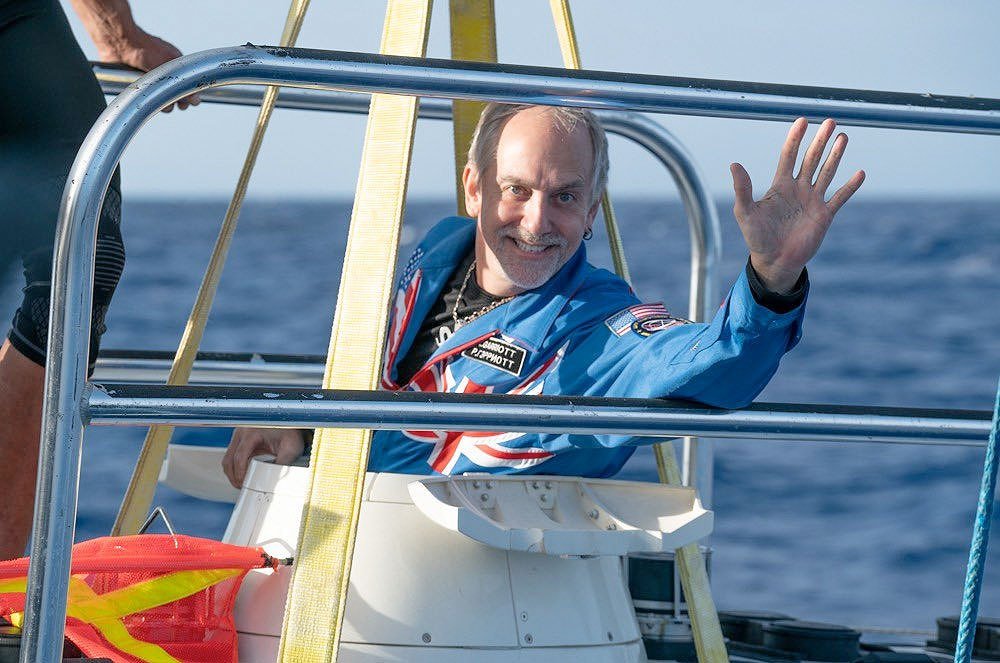
Richard Garriott has visited space, stood at both the North and South Poles, and descended to Challenger Deep, making him the first person in history to check off all four extremes of Earthly (and slightly beyond Earthly) exploration. He accomplished this particular leg on March 1, 2021, riding the Limiting Factor to roughly 10,925 meters with Vescovo at the controls.
Garriott made his fortune creating the Ultima video game series, which essentially invented the modern role-playing game genre. He paid his own way to the International Space Station in 2008, where his father Owen had worked as a NASA astronaut decades earlier. By the time he reached Challenger Deep, he was incoming president of The Explorers Club, an organization that has been certifying human accomplishments in remote places since 1904. Few members have had a resume quite like his.
Hamish Harding
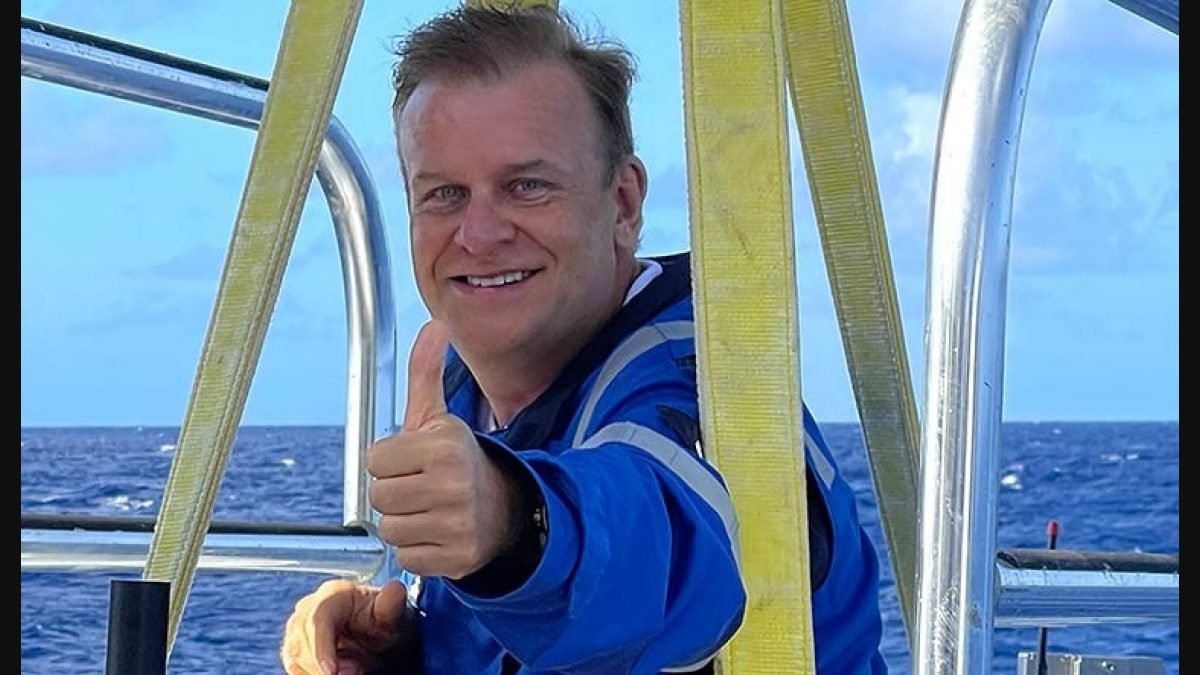
On March 5, 2021, British businessman Hamish Harding set two records at Challenger Deep that still stand: the longest time spent at the bottom (4 hours and 15 minutes) and the longest traverse across the seafloor (4,637 meters, or nearly three miles of driving along the deepest point on Earth). He made the descent aboard the Limiting Factor with Vescovo piloting, reaching approximately 10,925 meters.
Harding was a man who seemed incapable of saying no to an extreme destination. After Challenger Deep, he flew to space with Victor Vescovo on Blue Origin’s NS-21 mission in 2022, making the pair possibly the only two humans to have shared both a submersible at the ocean’s deepest point and a rocket capsule above the atmosphere. In June 2023, Harding was among the five people killed when the OceanGate Titan submersible imploded during a descent to the Titanic wreck. He was 58.
Jim Kitchen
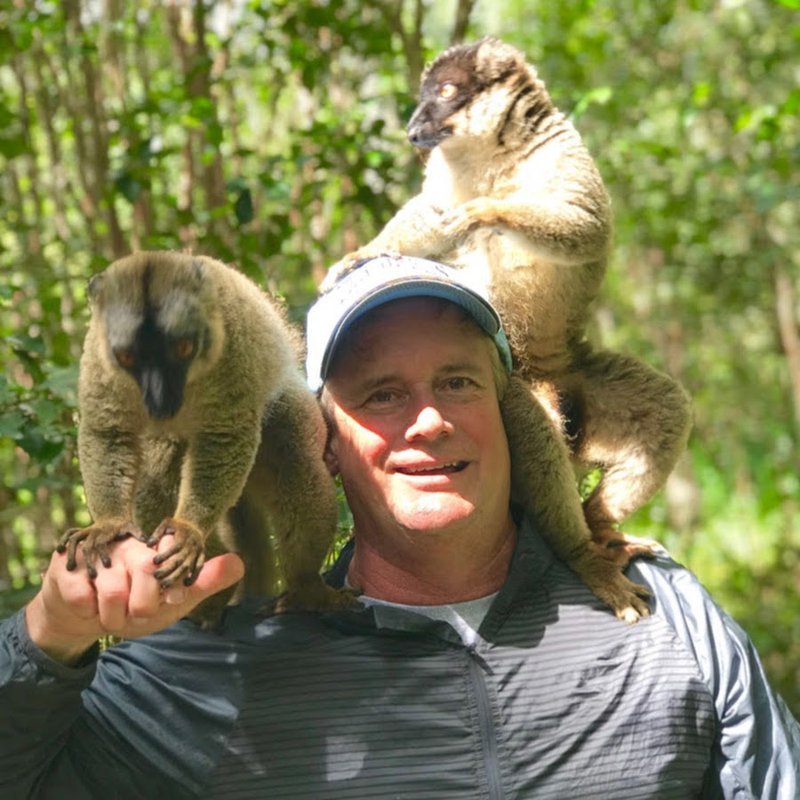
A University of North Carolina professor who had recently returned from outer space, Jim Kitchen descended to Challenger Deep on July 5, 2022, with Tim Macdonald piloting the Limiting Factor. He reached approximately 10,925 meters in the Eastern Pool, placing him in the vanishingly small club of people who have seen both the curvature of the Earth from above and the absolute bottom of it from below.
Kitchen’s trajectory from academia to the extremes of human exploration happened in remarkably quick succession. The gap between his spaceflight and his ocean-floor visit was measured in months rather than years, a pace of bucket-list completion that most adventure travelers would find slightly unreasonable.
Patrick Lahey
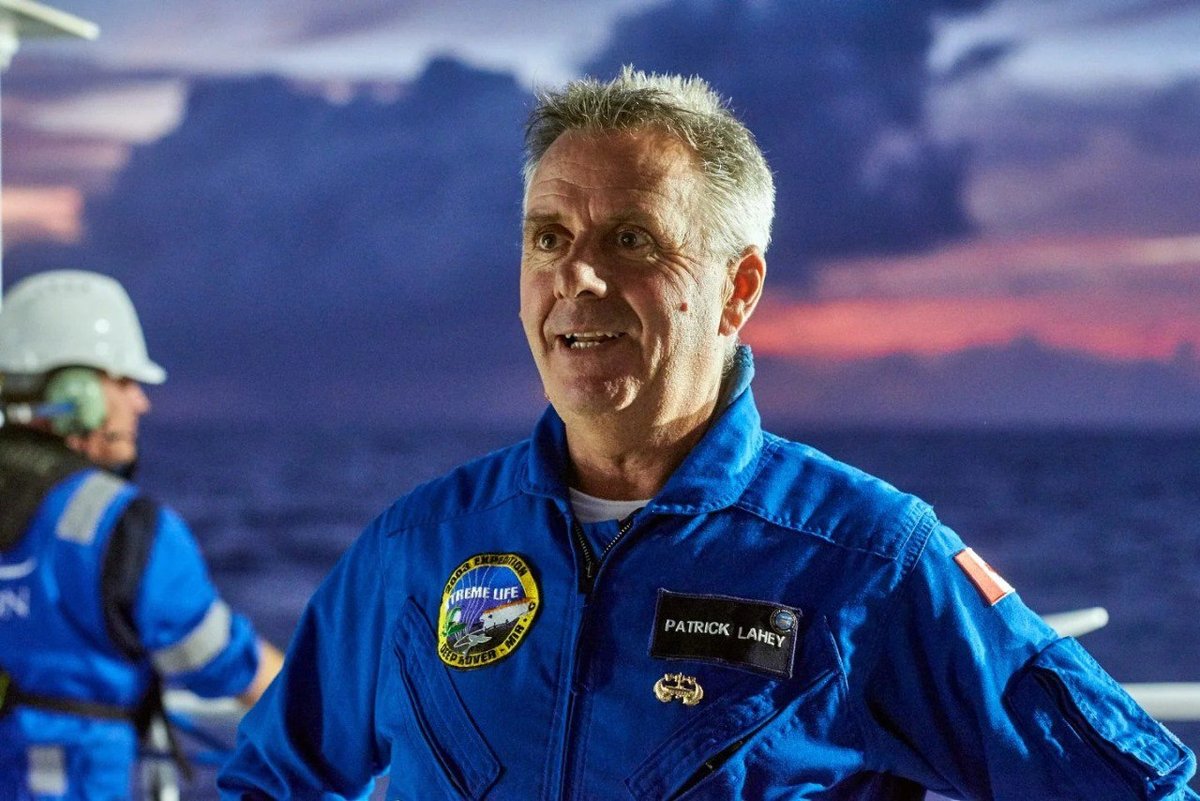
As president of Triton Submarines, the company that built the Limiting Factor, Patrick Lahey had the unusual distinction of riding his own product to the deepest point on Earth. He first descended on May 1, 2019, reaching roughly 10,925 meters in the Eastern Pool alongside Jonathan Struwe, and he returned multiple times afterward as pilot for other passengers.
That first dive also happened to be the deepest marine salvage operation ever conducted. The team recovered a piece of debris from the ocean floor, proving that the Limiting Factor could do real work at full ocean depth, not just survive the trip. Lahey, a Canadian who had spent decades in the submersible industry, became the second person to make repeat dives to Challenger Deep after Vescovo. Building the machine is one thing. Trusting it enough to keep climbing back inside is another.
Ying-Tsong Lin
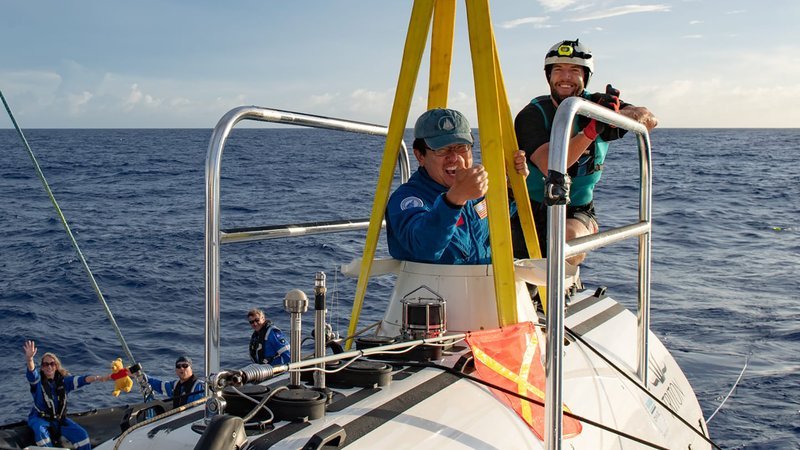
The first Asian person to reach Challenger Deep was not aboard China’s purpose-built Fendouzhe but rather the American-operated Limiting Factor. Ying-Tsong Lin, a Taiwanese-American researcher at the Woods Hole Oceanographic Institution, descended to the Central Pool on June 22, 2020, with Vescovo piloting. He reached over 10,900 meters.
Lin’s specialty is underwater acoustics, which made Challenger Deep a particularly valuable destination for his research. Sound behaves strangely at extreme depths, bending and stretching in ways that can reveal the structure of the ocean itself. For most researchers in his field, the data comes from instruments dropped remotely. Lin got to ride down with them, collecting observations from a place where the water column above weighs roughly 16,000 pounds per square inch on every surface it touches.
Tim Macdonald
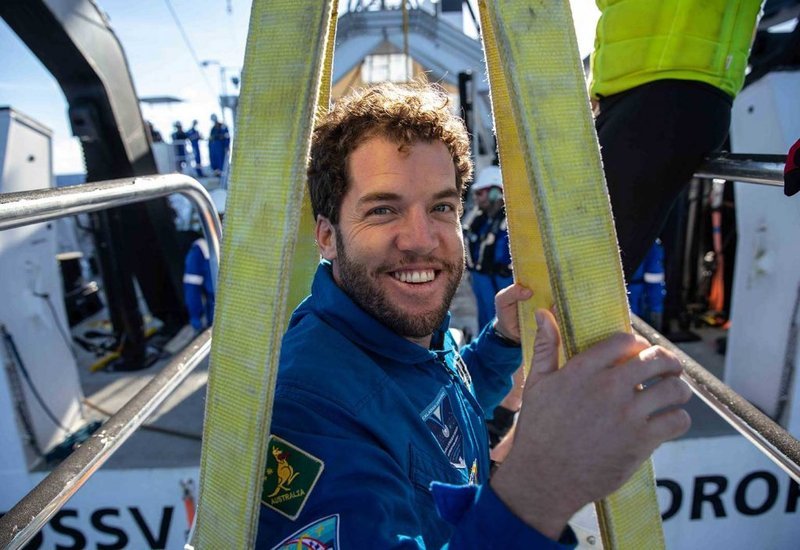
The first Australian to reach Challenger Deep got there on April 8, 2021, piloting the Limiting Factor to approximately 10,916 meters in the Western Pool. Tim Macdonald made the descent alongside New Zealander Rob McCallum in what the pair dubbed the “ANZAC Dive,” a nod to the Australian and New Zealand Army Corps whose joint military history dates back to World War I. It was a somewhat gentler mission than Gallipoli.
Macdonald went on to pilot additional Challenger Deep dives for other passengers, becoming one of only a handful of people certified to operate a submersible at full ocean depth. His role shifted from historic first-timer to working pilot, ferrying scientists, entrepreneurs, and explorers to a place that most submersible operators will never see.
Rob McCallum
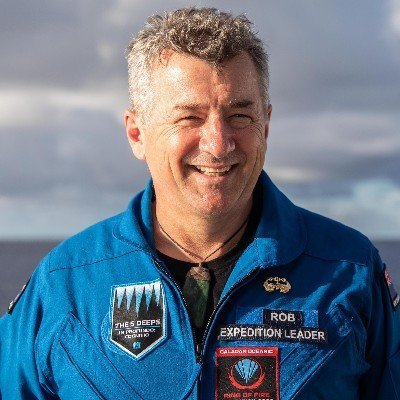
If you want to go somewhere genuinely difficult to reach on Earth, there is a reasonable chance Rob McCallum has already organized an expedition there. The New Zealander built his career in deep-ocean logistics and expedition leadership, coordinating the kind of trips that require contingency plans for contingency plans. On April 8, 2021, he became the first New Zealander to reach Challenger Deep, descending to the Western Pool at roughly 10,916 meters with Macdonald piloting.
McCallum was a passenger on the ANZAC Dive, but his contribution to deep-ocean exploration extends well beyond a single descent. He helped coordinate multiple Challenger Deep expeditions for Caladan Oceanic, turning what had been a once-in-a-generation stunt into something approaching routine access. Routine, that is, for a destination that still sits seven miles below the nearest breathable air.
Aaron Charles Newman
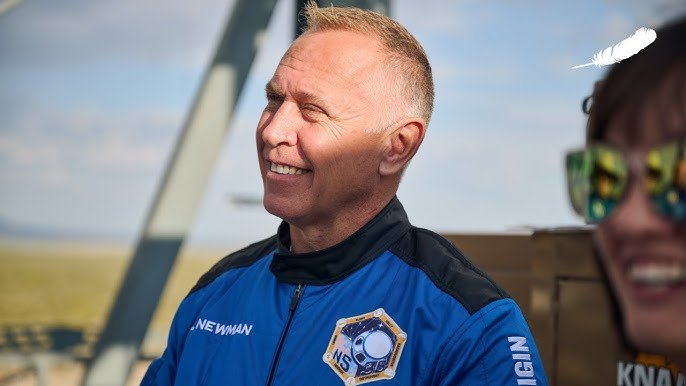
On July 3, 2022, Aaron Charles Newman descended to the Central Pool of Challenger Deep aboard the Limiting Factor, with Vescovo piloting. He reached over 10,900 meters, joining the growing roster of private citizens who made the trip during the submersible’s remarkably productive three-year operational window at full ocean depth.
Newman’s dive came during the Limiting Factor’s final season of Challenger Deep operations before the vessel was sold to Gabe Newell’s Inkfish research organization later that year. The Central Pool is the least-visited of Challenger Deep’s three basins, making Newman one of only a few people to have seen that particular stretch of seafloor in person.
Vanessa O’Brien
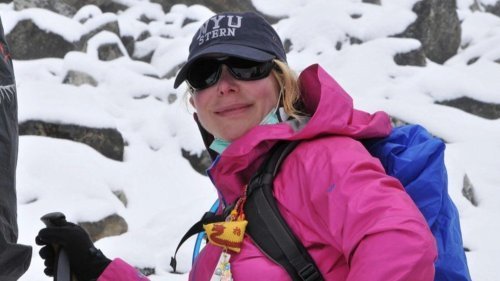
Three days after Kathryn Sullivan became the first woman to reach Challenger Deep, Vanessa O’Brien became the second. On June 12, 2020, the British-American explorer descended to approximately 10,925 meters aboard the Limiting Factor with Vescovo piloting. That dive made her the first woman in history to have reached both the highest point on Earth (the summit of Everest) and the lowest (Challenger Deep), a vertical range of roughly 19,800 meters that Guinness duly certified as a world record.
O’Brien’s path to extreme exploration started relatively late. She began mountaineering in her forties after a career in finance, then systematically worked through the Seven Summits and both poles before turning her attention downward. The ocean floor, she discovered, is quieter than any mountaintop but considerably harder to leave in a hurry.
Jacques Piccard
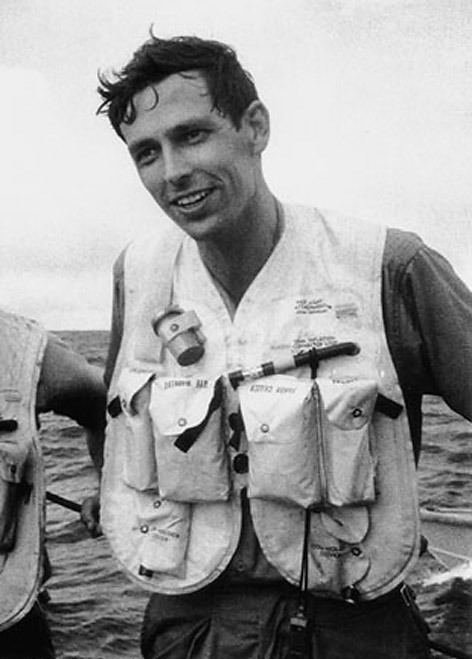
On January 23, 1960, Swiss oceanographer Jacques Piccard and U.S. Navy Lieutenant Don Walsh squeezed into the cramped gondola of the bathyscaphe Trieste and sank for nearly five hours to the bottom of Challenger Deep. They reached approximately 10,916 meters, a depth no human had come close to before, and they saw something that changed the conversation about deep-ocean life forever: a flatfish, calmly swimming across the sediment at a pressure that should, by most assumptions of the time, have made complex life impossible.
Piccard came by his appetite for extreme environments honestly. His father Auguste designed the bathyscaphe itself, and had previously set altitude records in a stratospheric balloon. The family business, apparently, was vertical travel. Jacques spent only about 20 minutes on the bottom before concerns about a cracked viewport prompted the ascent, but those 20 minutes opened a world that would remain unvisited by humans for the next 52 years.
John Ramsay
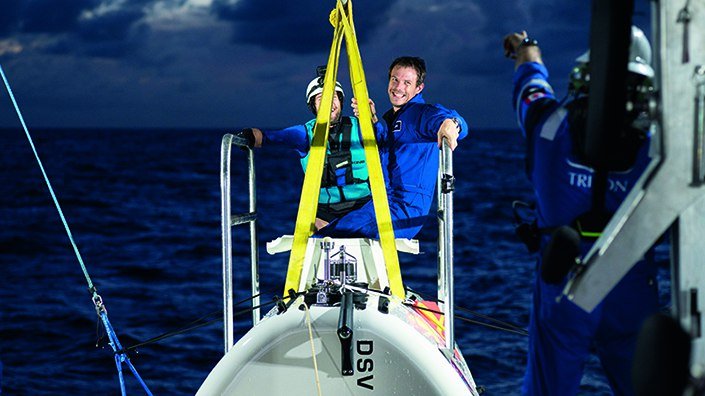
John Ramsay designed the Limiting Factor, then rode it to the bottom of the ocean to see if it worked. On May 5, 2019, the British engineer descended to the Central Pool of Challenger Deep at over 10,900 meters with Patrick Lahey piloting the submersible he had drawn up on paper at Triton Submarines. Few engineers get to field-test their creations at 1,086 bars of pressure with themselves inside.
The Limiting Factor was built to be the first commercially certified submersible rated for full ocean depth and unlimited repeat dives. That certification meant Ramsay’s design had to satisfy not just the laws of physics but also the bureaucratic requirements of DNV GL, the classification society that signs off on pressure vessels. Ramsay managed both. His submersible went on to make more Challenger Deep dives than every other crewed vessel in history combined.
John Rost
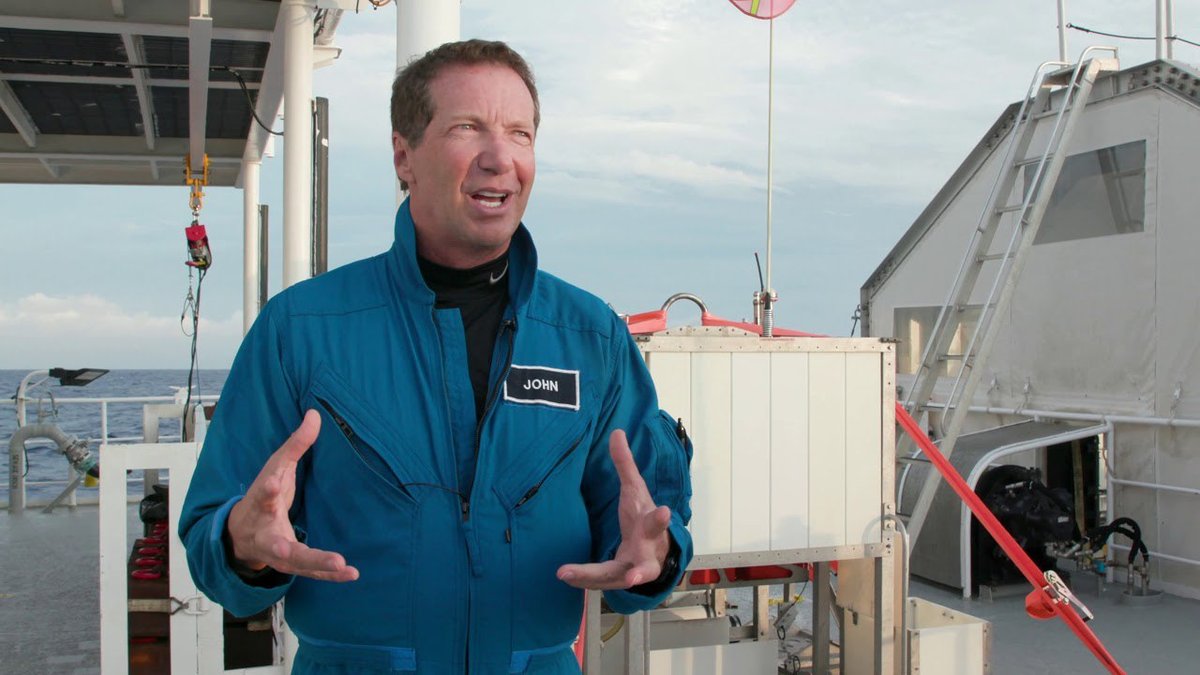
When John Rost reached the Eastern Pool of Challenger Deep on June 14, 2020, he stayed for 4.2 hours, setting a record for the longest time any human had spent at the deepest point on Earth. The record stood until Hamish Harding edged past it nine months later, but Rost’s visit was still measured in terms that would make most submersible operators nervous. At those depths, every additional minute means trusting your life support, your hull integrity, and your battery reserves a little longer than anyone has before.
Rost descended aboard the Limiting Factor with Vescovo piloting, reaching approximately 10,925 meters. His extended stay on the bottom was not an accident but a deliberate test of how long productive work could be conducted at full ocean depth, pushing the operational envelope of the submersible beyond what any previous dive had attempted.
Jonathan Struwe
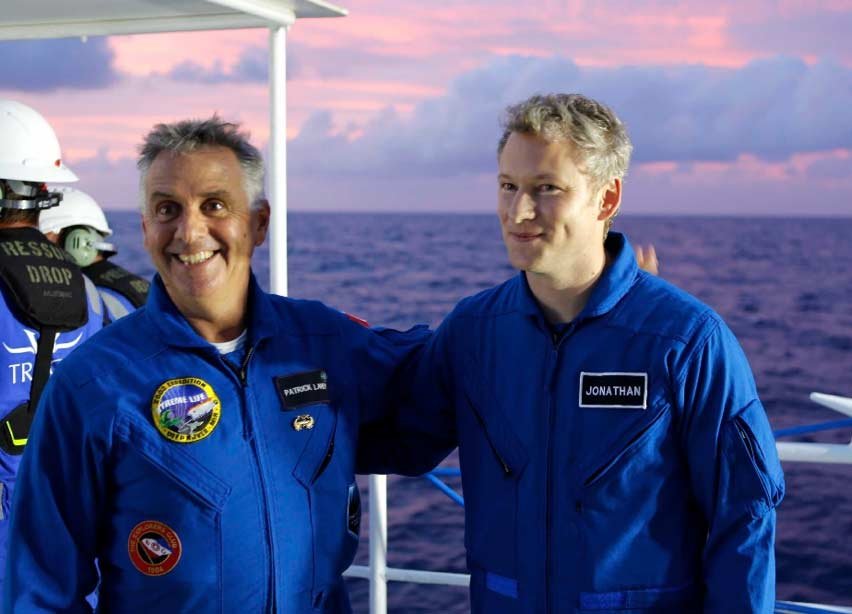
German expedition team member Jonathan Struwe descended to Challenger Deep on May 1, 2019, alongside Patrick Lahey in the Limiting Factor. They reached approximately 10,925 meters in the Eastern Pool during what doubled as the deepest marine recovery operation ever conducted, pulling debris from the seafloor nearly seven miles below the surface.
Struwe’s dive came just days after Vescovo’s record-setting solo descent, making him one of the earliest passengers aboard the Limiting Factor during its inaugural Challenger Deep season. At the time, the submersible had only a handful of full-depth dives under its belt, which meant Struwe was placing his trust in a vessel that was still, by any reasonable standard, brand new. The Eastern Pool rewarded that trust with a view of terrain that only three humans had ever seen before him.
Kathryn D. Sullivan
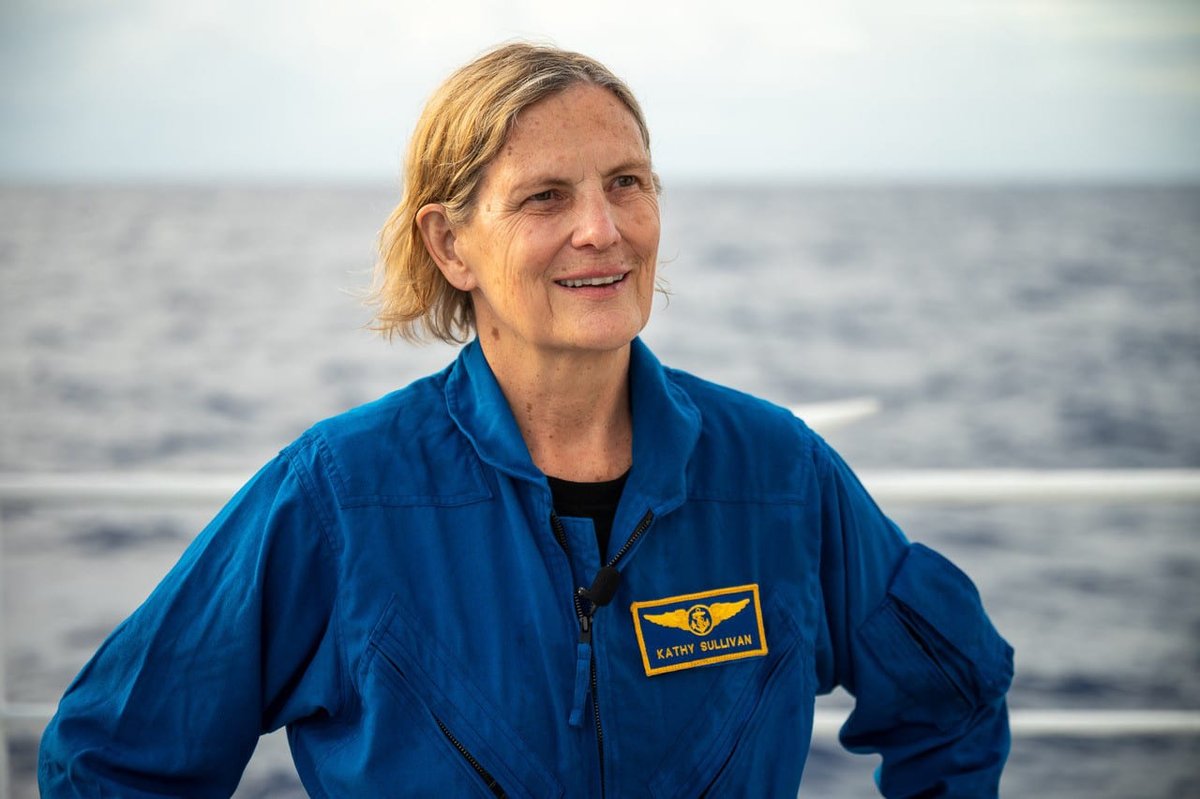
In 1984, Kathryn Sullivan became the first American woman to walk in space. In 2020, she became the first woman to reach the bottom of Challenger Deep. That makes her the only human being who has both floated above Earth’s atmosphere and sat on its deepest seafloor, a vertical range of experience that no one else on the planet can claim.
Sullivan descended on June 7, 2020, aboard the Limiting Factor with Vescovo piloting, reaching approximately 10,925 meters. A former NASA astronaut and former administrator of NOAA, she brought a career’s worth of perspective on Earth systems to a place most Earth scientists will never visit. After surfacing, she and Vescovo placed a phone call to the International Space Station, briefly connecting the deepest point on Earth with the highest permanent human outpost above it. The distance between the two ends of that call was roughly 408 kilometers, give or take an ocean.
Dylan Taylor
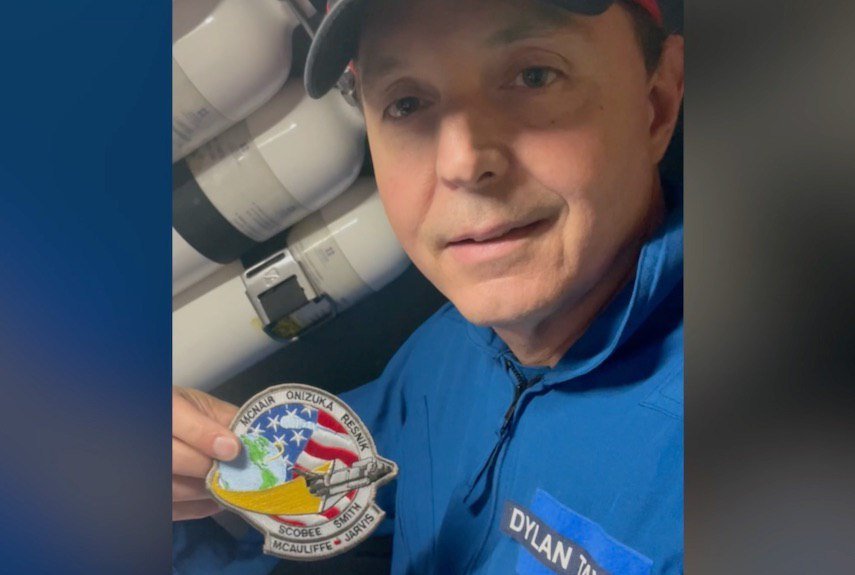
The chairman and CEO of Voyager Space, one of the largest private space companies in the world, Dylan Taylor descended to Challenger Deep on July 7, 2022. He reached approximately 10,925 meters in the Eastern Pool aboard the Limiting Factor, with Vescovo piloting. For a man whose day job involves getting hardware into orbit, going in the opposite direction was a deliberate inversion.
Taylor is one of several space-industry figures who made the trip to Challenger Deep during the Limiting Factor’s operational years, drawn by the same logic that has always linked ocean exploration with space exploration: both environments are lethal, lightless, and require engineering tolerances that leave almost no margin for error. His dive came during the submersible’s final Challenger Deep season before it changed hands.
Victor Vescovo
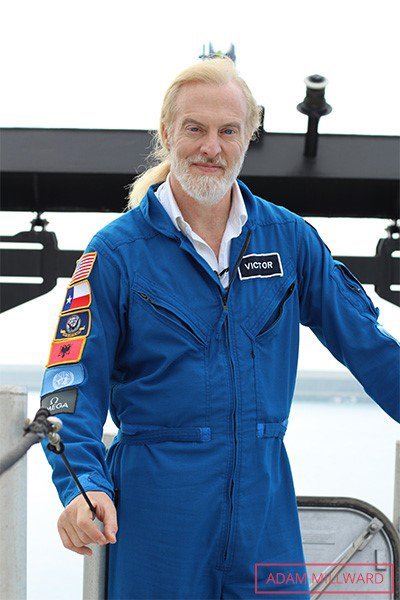
Victor Vescovo has been to Challenger Deep more than anyone else alive. His first dive, on April 28, 2019, set the crewed depth record at 10,928 meters, and he went on to make at least 15 total descents across all three pools of Challenger Deep – Eastern, Western, and Central. He is the first person to have reached the deepest point in all five of Earth’s oceans (the Five Deeps Expedition), and the first to have summited Everest and descended to Challenger Deep.
A retired U.S. Navy Commander and private equity investor, Vescovo funded the construction of the Limiting Factor through his company Caladan Oceanic, then piloted most of the dives himself. He essentially created the modern era of Challenger Deep exploration by building a submersible that could make the trip repeatedly and reliably, then offering seats to scientists, explorers, and paying passengers. Before Vescovo, three people had been to the bottom of the Mariana Trench. After him, the number is 27 and counting.
Don Walsh
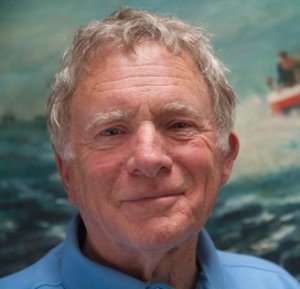
Don Walsh was 28 years old and a U.S. Navy Lieutenant when he co-piloted the bathyscaphe Trieste to the bottom of Challenger Deep on January 23, 1960. He and Jacques Piccard reached approximately 10,916 meters, and then nobody went back for 52 years. Walsh spent more than half a century as one of only two living humans who had seen the deepest place on Earth, a distinction so rare it barely had a category.
The Trieste was not a nimble machine. It was essentially a steel gondola bolted beneath a massive float filled with gasoline for buoyancy, and it sank to the bottom under the weight of nine tons of iron shot that would later be released for the ascent. Walsh and Piccard had no ability to move laterally on the seafloor. They dropped straight down, looked around for 20 minutes, and came straight back up. Walsh lived to see the next generation of deep-ocean explorers finally follow his path, passing away in 2023 at the age of 92.
Kelly Walsh
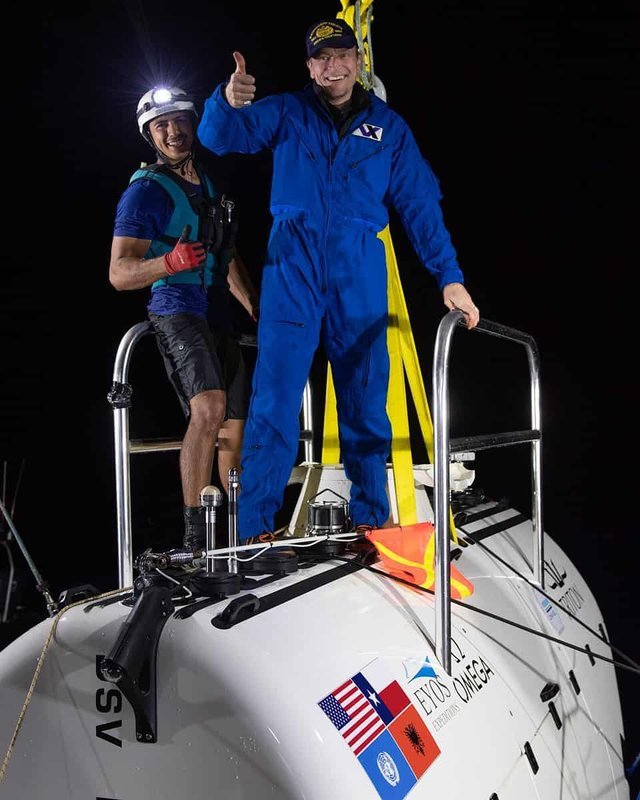
Sixty years after his father Don Walsh rode the Trieste to the bottom of the Mariana Trench, Kelly Walsh climbed into the Limiting Factor and went to the same spot. On June 20, 2020, he descended to the Western Pool of Challenger Deep at approximately 10,916 meters, with Vescovo piloting. The Walshes became the first father-son pair to reach the deepest point on Earth, separated by six decades of technological advancement and one very patient family.
The younger Walsh descended to the same Western Pool where his father had landed in 1960, a deliberate choice that gave the dive a symmetry his father appreciated. The difference in experience was stark: where Don Walsh spent 20 minutes in a steel ball with no visibility and a cracked window, Kelly Walsh had panoramic viewports, LED lighting, and hours of operational time on the bottom. Progress, measured in fathoms.
Wang Zhiqiang
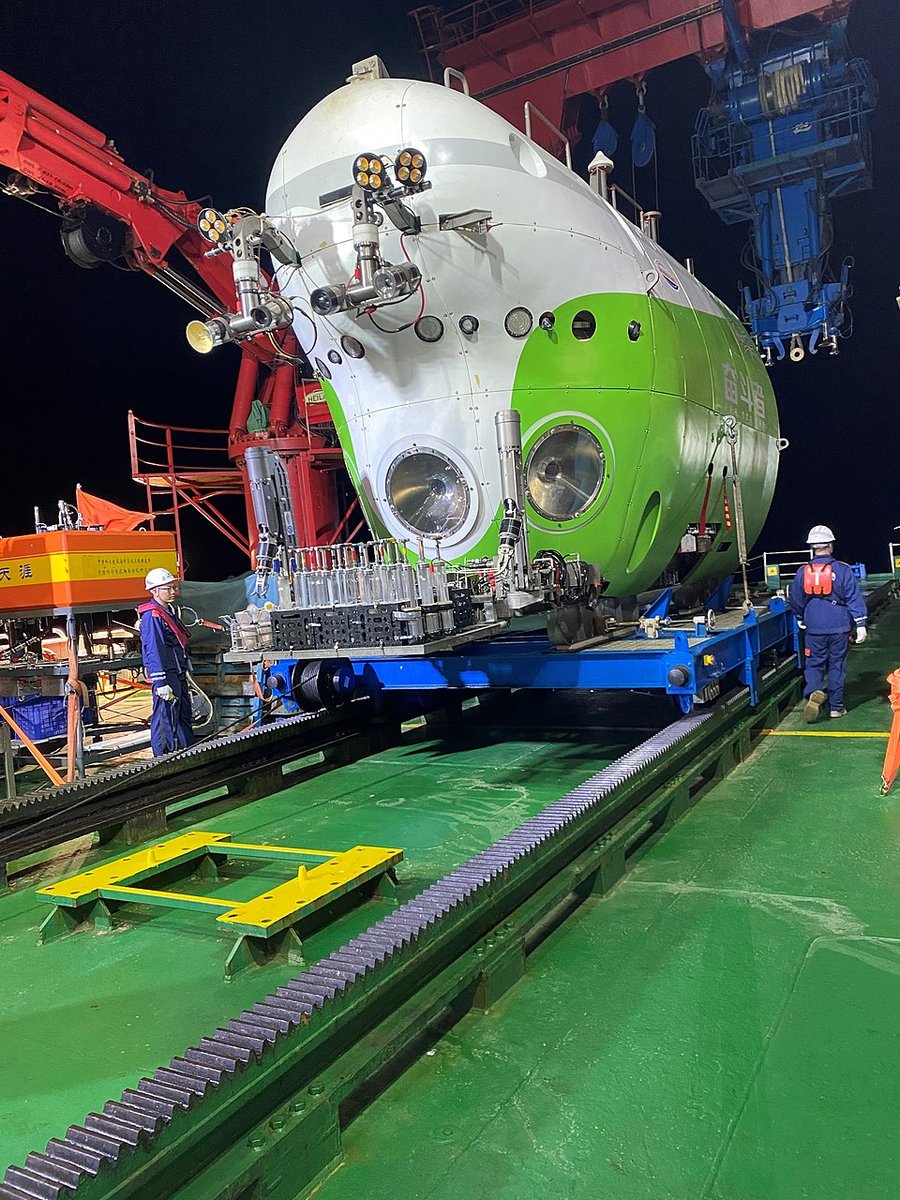
Wang Zhiqiang was one of three crew members aboard China’s Fendouzhe (translated as “Striver”) when it reached Challenger Deep on November 10, 2020. The submersible touched down at 10,909 meters in the Eastern Pool, and the entire descent was livestreamed to a Chinese television audience, making it perhaps the most publicly witnessed arrival at the deepest point on Earth.
The Fendouzhe was China’s second deep-rated research submersible, following the Jiaolong, which had reached 7,062 meters in 2012. The jump from seven to nearly eleven kilometers of depth is not merely incremental; it requires rethinking almost every component from hull geometry to battery chemistry. Wang, along with crewmates Zhang Wei and Zhao Yang, represented the first citizens of the People’s Republic of China to reach Challenger Deep.
Jim Wigginton
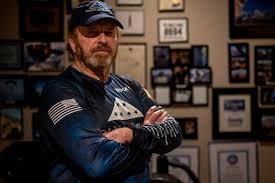
When Jim Wigginton reached Challenger Deep on June 26, 2020, he was the oldest person to have made the descent. He rode the Limiting Factor to approximately 10,925 meters in the Eastern Pool with Vescovo piloting, adding another entry to what was becoming a busy month at the bottom of the ocean. June 2020 saw five separate crewed dives to Challenger Deep, more than the entire previous sixty years combined.
Wigginton’s age record reflected something broader about the Challenger Deep passenger list: the Limiting Factor made the dive accessible to people who were not military test pilots or professional submariners but rather civilians with the means and the nerve to spend several hours inside a titanium sphere at a depth where the water pressure would instantly kill an unprotected human.
Dawn Wright
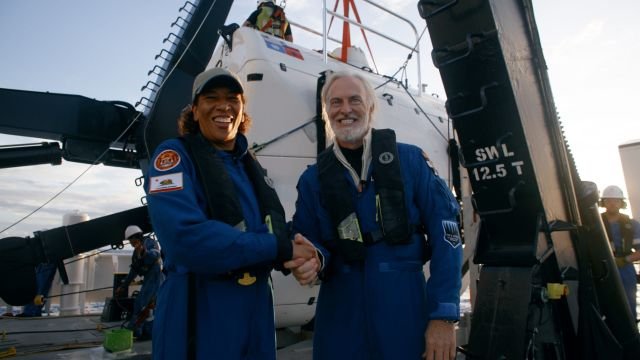
On July 12, 2022, marine geologist Dawn Wright became the first Black person to reach Challenger Deep, descending to approximately 10,916 meters in the Western Pool aboard the Limiting Factor with Vescovo piloting. Nicknamed “Deep-Sea Dawn” by colleagues long before she made the trip herself, Wright had spent decades studying the ocean floor from the surface. Now she was sitting on it.
Wright serves as chief scientist at the Environmental Systems Research Institute (Esri), the world’s largest geographic information systems company, and she brought a specific mission to the bottom: collecting the first high-resolution mapping data from Challenger Deep using side-scan sonar. Previous dives had photographed and sampled the seafloor, but Wright’s data would produce the most detailed topographic maps ever made of the deepest terrain on Earth. She came home with something more valuable than photographs – she came home with the shape of the place.
Nicole Yamase

Challenger Deep sits within the territorial waters of the Federated States of Micronesia, but no citizen of that nation had ever visited it until Nicole Yamase descended on March 11, 2021. She reached approximately 10,916 meters in the Western Pool aboard the Limiting Factor, with Vescovo piloting, becoming the first Pacific Islander to touch the bottom of the trench that lies in her country’s own backyard.
Yamase was a PhD candidate in marine botany at the University of Hawaii at the time of her dive. The deepest point in the ocean falls within Micronesian jurisdiction more or less by geographic accident, but Yamase’s descent gave it a human connection that paperwork alone never could. She carried with her a Micronesian flag and a sense of purpose that had less to do with setting records than with asserting that the people who live closest to a natural wonder should get to see it firsthand.
Zhang Wei
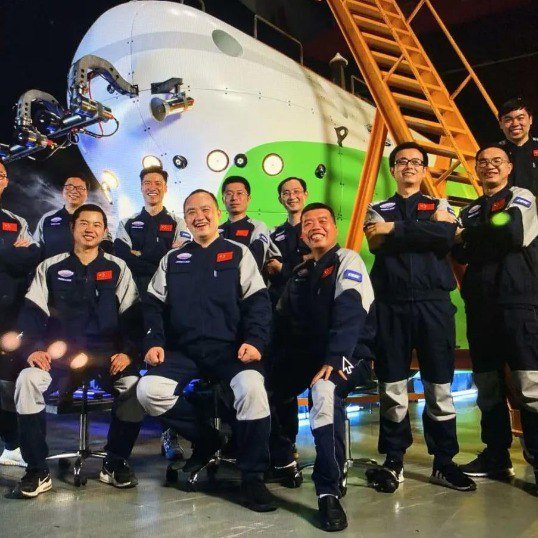
Zhang Wei piloted China’s Fendouzhe to 10,909 meters on November 10, 2020, reaching the Eastern Pool of Challenger Deep with crewmates Zhao Yang and Wang Zhiqiang. It was the first time a Chinese submersible had reached full ocean depth, and the first time any submersible had carried three people to Challenger Deep simultaneously. Every previous crewed descent had carried one or two.
The Fendouzhe program represented a national investment in deep-ocean capability that moved from concept to Challenger Deep in roughly a decade. Zhang, as pilot, bore the sharpest responsibility during the descent: managing a vehicle at pressures that would compress the hull by measurable millimeters while keeping three humans alive and the instruments running. China became the third nation, after the United States and (through Piccard) Switzerland, to put its citizens on the floor of the deepest ocean.
Zhao Yang
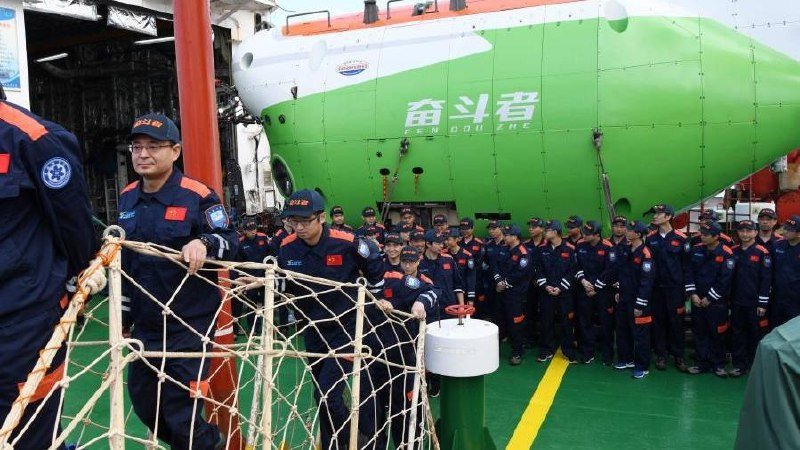
Zhao Yang rode alongside pilot Zhang Wei and crewmate Wang Zhiqiang aboard the Fendouzhe on its November 10, 2020 descent to Challenger Deep. The three-person crew reached 10,909 meters in the Eastern Pool, and their arrival was broadcast live to a Chinese audience watching from roughly 36,000 feet of vertical distance above them.
The livestream was a deliberate choice by China’s research program, turning what had traditionally been an isolated, almost secretive endeavor into a public event. When Piccard and Walsh reached the bottom in 1960, the world learned about it after the fact. When Cameron went solo in 2012, he brought cameras but the footage came later. The Fendouzhe crew shared their arrival in real time, letting viewers experience, however vicariously, what it looks like when three people land on the deepest square meter of solid ground the planet has to offer.
Caladan Oceanic – Official expedition pages, facts and figures, and dive descriptions (caladanoceanic.com)
ROV Planet – “Victor Vescovo and Passengers Accomplish Additional Dives to Challenger Deep,” March 24, 2021 (rovplanet.com)
CBS News – “Dawn Wright becomes first Black person to reach the deepest known spot on Earth,” September 22, 2022
Triton Submarines – Technical specifications, dive logs, and passenger confirmations (tritonsubs.com)
DeeperBlue.com – “‘The ANZAC Dive’: Australian, New Zealander Dive To Challenger Deep,” April 2021
Forbes – Jim Clash reporting on Challenger Deep divers, multiple articles 2020-2022
BBC News – Coverage of Sullivan, Kelly Walsh, and other Challenger Deep dives, 2020-2021
Guinness World Records – Official records for Vescovo, Harding, and O’Brien
Interesting Engineering / Live Science – English-language reporting on China’s Fendouzhe reaching Challenger Deep, November 2020
Cincinnati.com – “Larry Connor’s Challenger Deep dive,” May 2, 2021
Polmar, Norman and Mathers, Lee J. – Opening the Great Depths: The Bathyscaph Trieste and Pioneers of Undersea Exploration, Naval Institute Press, 2021
collectspace.com – “Astronaut-explorer sets records on dive to deepest point on Earth,” March 3, 2021