Every Player on the 1980 Miracle on Ice U.S. Olympic Hockey Roster
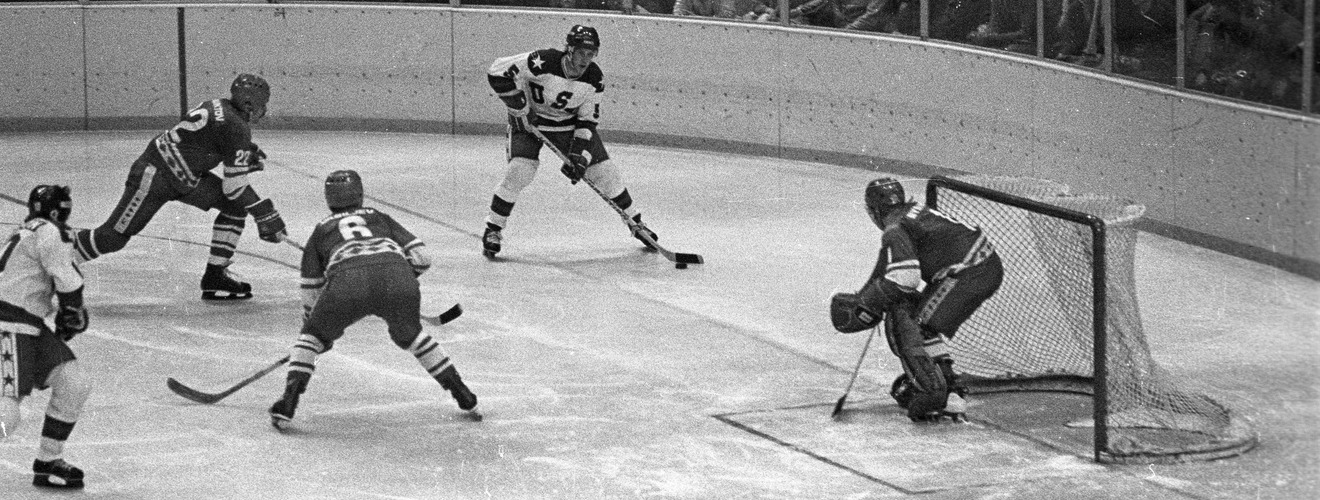
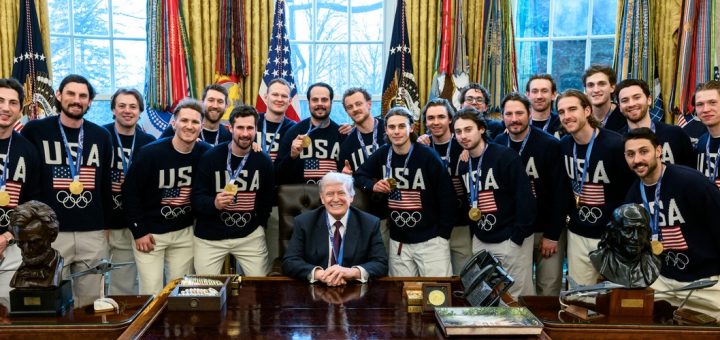
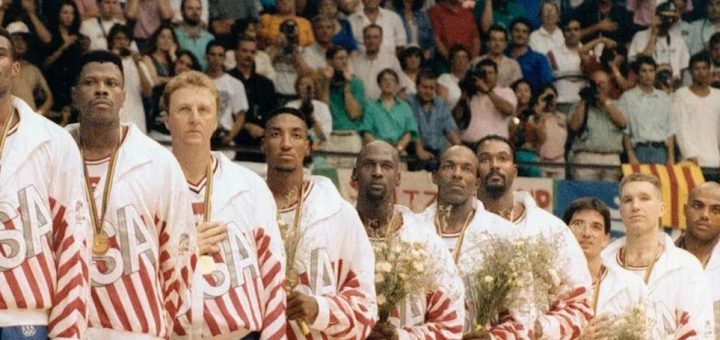
On February 22, 1980, a group of American college players accomplished what remains the most celebrated upset in sports history. The United States men’s Olympic hockey team, assembled by head coach Herb Brooks from a pool of amateur and collegiate players, defeated the four-time defending Olympic champion Soviet Union 4-3 in the medal round of the 1980 Winter Olympics at Lake Placid, New York. Two days later, the Americans defeated Finland 4-2 to clinch the gold medal. The Soviet team had dominated international hockey for over a decade, winning gold at the 1964, 1968, 1972, and 1976 Winter Games. The U.S. squad was the youngest team in the tournament, with an average age of just 22. ABC broadcaster Al Michaels’ call of the final seconds – “Do you believe in miracles? YES!” – became one of the most iconic moments in American sports broadcasting. In 1999, Sports Illustrated named the Miracle on Ice the top sports moment of the 20th century. The International Ice Hockey Federation named it the greatest international hockey story of the past 100 years in 2008. Forty-six years later, the 2026 U.S. men’s Olympic hockey team won the nation’s first men’s gold since this 1980 squad, while the 2026 U.S. women’s team also captured gold at the Milan-Cortina Games. Here is every player and coach who made the original miracle happen. For another iconic U.S. Olympic team, see the 1992 Dream Team basketball roster.
- Event: 1980 Winter Olympics, Lake Placid, New York
- Dates: February 12-24, 1980
- Result: Gold Medal (defeated Soviet Union 4-3 in semifinal; defeated Finland 4-2 in gold medal game)
- Head Coach: Herb Brooks
- Roster Size: 20 players (2 goaltenders, 6 defensemen, 12 forwards)
- Average Age: 22 years old
- Team Record: 6 wins, 0 losses, 1 tie
- Venue: Olympic Fieldhouse (now Herb Brooks Arena)
- Named by Sports Illustrated: Greatest Sports Moment of the 20th Century (1999)
Herb Brooks
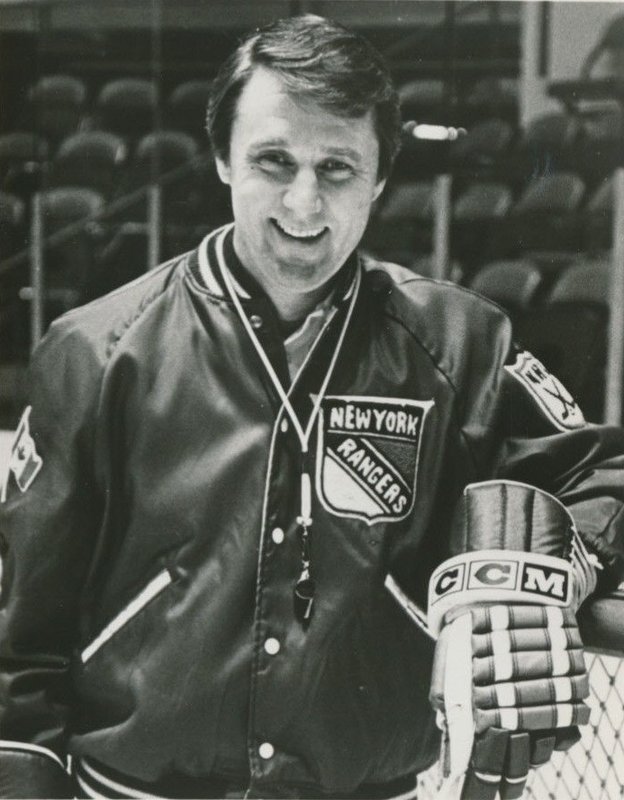
Herbert Paul Brooks was born on August 5, 1937, in Saint Paul, Minnesota. He was 42 years old when he coached the 1980 Olympic team. Brooks had been the last player cut from the 1960 U.S. Olympic hockey team that won gold at Squaw Valley – an experience that drove him for the rest of his career. He played for the U.S. national team eight times between 1960 and 1970, including the 1964 and 1968 Olympic squads.
Brooks became head coach at the University of Minnesota in 1972 and led the Golden Gophers to three NCAA championships in 1974, 1976, and 1979. He drew heavily from his Minnesota rosters when assembling the 1980 Olympic team but also recruited players from rival programs – a deliberate strategy to build chemistry through competition. His coaching philosophy blended European-style puck possession with North American physicality, a hybrid approach that proved revolutionary.
After Lake Placid, Brooks coached HC Davos in Switzerland before moving to the NHL with the New York Rangers (1981-85), Minnesota North Stars (1987-88), New Jersey Devils (1992-93), and Pittsburgh Penguins (1999-2000). He returned to coach Team USA at the 2002 Winter Olympics in Salt Lake City, where the Americans won a silver medal. Brooks was inducted into the United States Hockey Hall of Fame in 1990, the IIHF Hall of Fame in 1999, and the Hockey Hall of Fame posthumously in 2006. He died in a single-car accident near Forest Lake, Minnesota, on August 11, 2003, at age 66.
Jim Craig
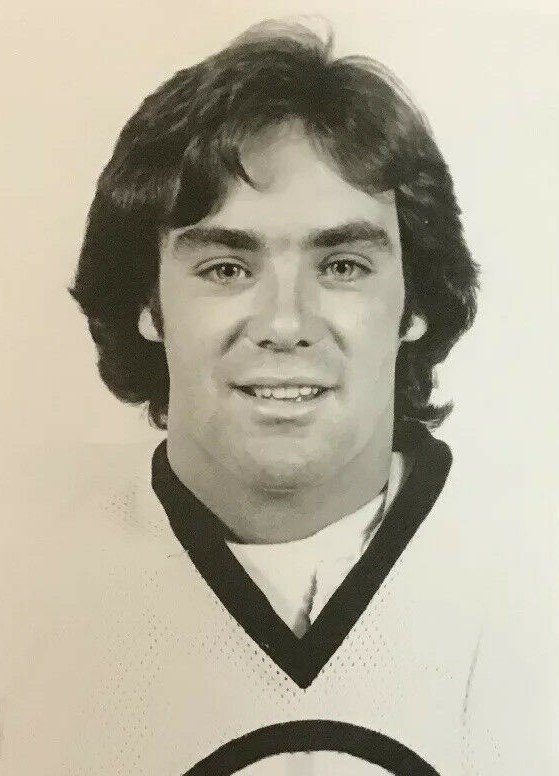
James Downey Craig was born on May 31, 1957, in Easton, Massachusetts, making him 22 years old at the time of the 1980 Olympics. He played college hockey at Boston University, where he helped the Terriers win the 1978 NCAA Division I championship. Craig was drafted 72nd overall by the Atlanta Flames in the 1977 NHL Entry Draft.
Craig’s performance in Lake Placid defined the tournament. In the semifinal against the Soviet Union, he stopped 36 of 39 shots in a 4-3 American victory. He then anchored the 4-2 win over Finland that secured the gold medal. The image of Craig draped in an American flag, searching the crowd for his father after the final game, became one of the most enduring photographs in Olympic history.
After the Olympics, Craig played professionally in the NHL for the Atlanta Flames, Boston Bruins, and Minnesota North Stars between 1980 and 1984, appearing in 30 career NHL games. His professional career never matched his Olympic glory. Craig was inducted into the IIHF Hall of Fame in 1999. He went on to become a motivational speaker and marketing strategist, founding Gold Medal Strategies, a promotions and marketing firm based in the Boston area. Craig continues to make public appearances and corporate speaking engagements.
Steve Janaszak
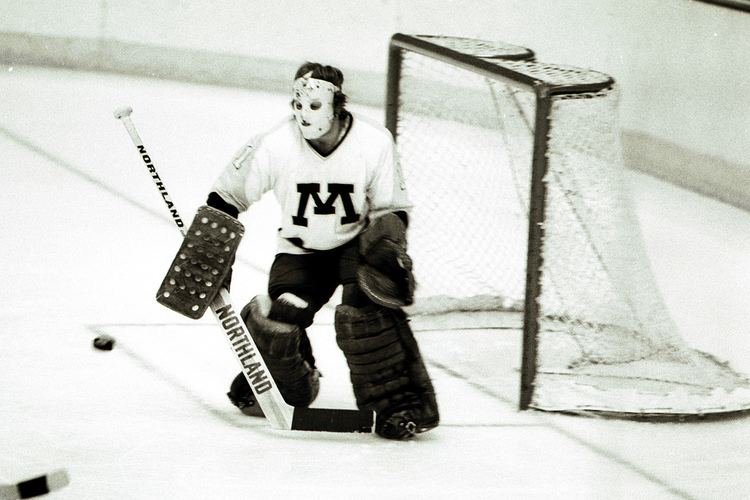
Steven James Janaszak was born on January 7, 1957, in Saint Paul, Minnesota. He was 23 years old at the 1980 Olympics. Janaszak attended Hill-Murray School in Saint Paul before playing at the University of Minnesota, where he was named Most Valuable Player of the 1979 NCAA championship tournament as the Gophers won the national title under Herb Brooks.
Janaszak served as Jim Craig’s backup throughout the entire Olympic tournament and holds the unique distinction of being the only member of the 1980 team who did not appear in any of the seven games played at Lake Placid. Despite never seeing game action, his presence on the roster was critical – he participated in every practice and maintained readiness as Craig’s insurance policy.
After the Olympics, Janaszak went undrafted but signed a free agent contract with the Minnesota North Stars. He appeared in just three total NHL games split between the North Stars and the Colorado Rockies before retiring from professional hockey after the 1982-83 season. Janaszak transitioned into a career in business and finance after leaving the ice.
Bill Baker
William Robert Baker was born on November 29, 1956, in Grand Rapids, Minnesota. He was 23 years old at the 1980 Olympics. Baker attended the University of Minnesota, where he served as team captain during the 1978-79 season and was originally drafted 54th overall by the Montreal Canadiens in the 1976 NHL Entry Draft.
Baker delivered one of the most critical goals of the entire Olympic tournament. In the opening game against Sweden, with the United States trailing 2-1, Baker scored the tying goal with 27 seconds remaining in the third period to salvage a 2-2 draw. That single point proved essential – without it, the Americans would not have advanced to the medal round. His jersey from the tournament is displayed at the Smithsonian Institution in Washington, D.C., along with a team-signed stick.
After the Olympics, Baker joined the Montreal Canadiens and later played for the Colorado Rockies, St. Louis Blues, and New York Rangers, appearing in 143 NHL regular season games between 1980 and 1983. After his playing career, Baker became an oral surgeon in Minnesota. He practiced dentistry for decades in the Brainerd, Minnesota area.
Dave Christian
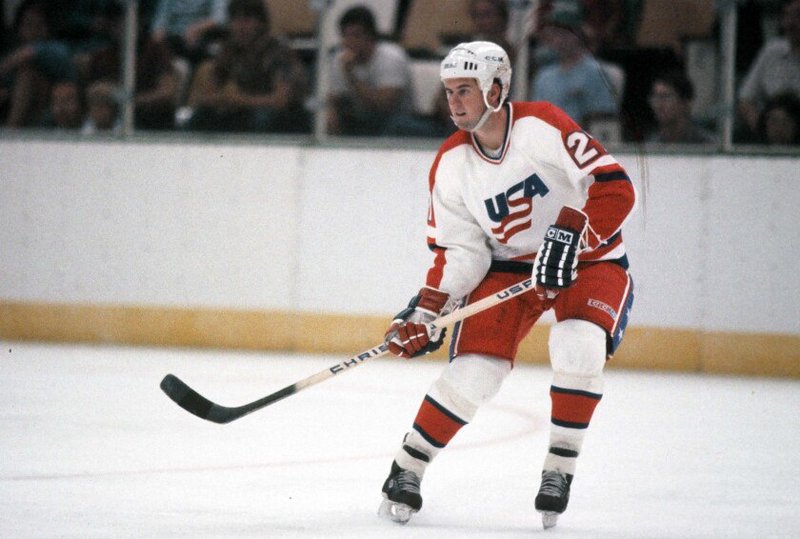
David William Christian was born on May 12, 1959, in Warroad, Minnesota. He was 20 years old at the 1980 Olympics. Christian came from one of America’s most prominent hockey families – his father Bill Christian and uncle Roger Christian were members of the gold medal-winning 1960 U.S. Olympic hockey team. He attended the University of North Dakota, where he played for the Fighting Sioux and appeared in the 1979 NCAA championship game.
Christian was one of the most versatile players on the 1980 roster, capable of playing both forward and defense. He was drafted 40th overall by the Winnipeg Jets in the 1979 NHL Entry Draft. During the Olympic tournament, he recorded assists in several key games, including the victories over Czechoslovakia, Norway, and the gold medal game against Finland.
After the Olympics, Christian joined the Winnipeg Jets and scored 70 or more points in each of his first two NHL seasons. He set a record for the fastest goal by a player in his first NHL game – just seven seconds into his first shift. His 15-season NHL career included stints with the Jets, Washington Capitals, Chicago Blackhawks, Boston Bruins, and St. Louis Blues. He appeared in 1,009 NHL regular season games and recorded 340 goals and 433 assists. Christian also represented the United States at the 1981, 1984, and 1991 Canada Cup tournaments. He retired from professional hockey in 1994.
Ken Morrow
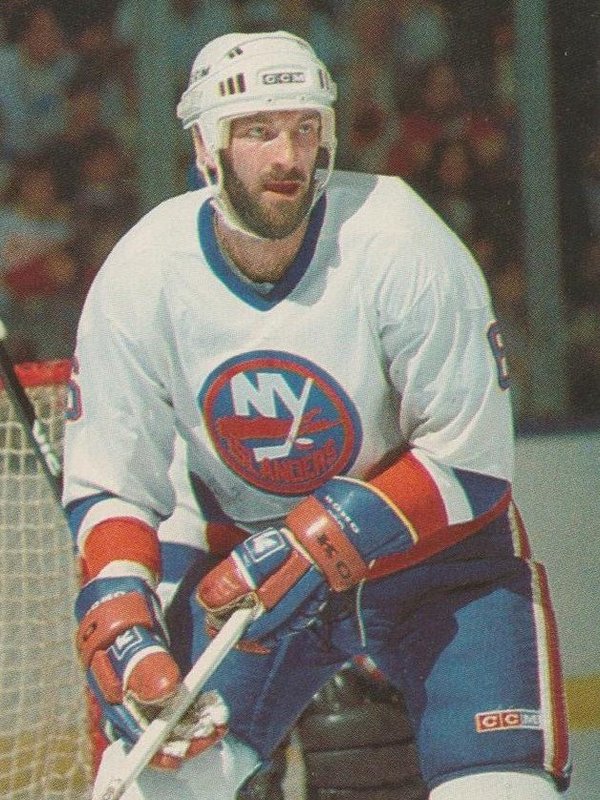
Kenneth Arlington Morrow was born on October 17, 1956, in Flint, Michigan. He was 23 years old at the 1980 Olympics. Morrow attended Bowling Green State University in Ohio, where he was named the Central Collegiate Hockey Association Player of the Year in 1979. He was drafted 68th overall by the New York Islanders in the 1976 NHL Entry Draft.
Morrow made history immediately after Lake Placid. He joined the New York Islanders directly following the Olympics and helped them win the 1980 Stanley Cup, becoming the first player in history to win an Olympic gold medal and a Stanley Cup championship in the same year. He went on to win four consecutive Stanley Cups with the Islanders in 1980, 1981, 1982, and 1983, despite playing through constant knee problems that required arthroscopic surgeries during the 1980 and 1983 playoffs. Morrow appeared in 550 NHL regular season games over his nine-year career before knee injuries forced his retirement in 1989.
After his playing career, Morrow was inducted into the United States Hockey Hall of Fame in 1995. He has served as the New York Islanders’ director of pro scouting since 1993, a role he continues to hold.
Mike Ramsey
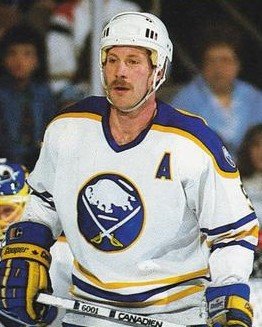
Michael Allen Ramsey was born on December 3, 1960, in Minneapolis, Minnesota. At 19 years old, he was the youngest player on the 1980 Olympic roster. Ramsey attended Roosevelt High School in Minneapolis and was considered the top high school defenseman in Minnesota as a senior in 1977-78. He played at the University of Minnesota under Herb Brooks and participated in the 1979 World Junior Ice Hockey Championships before making the Olympic team.
Ramsey was drafted 11th overall by the Buffalo Sabres in the 1979 NHL Entry Draft – the highest draft pick of any player on the 1980 Olympic roster. He joined the Sabres after the Olympics and became a cornerstone of their defense for 14 seasons. He appeared in 1,070 NHL regular season games with the Sabres, Pittsburgh Penguins, and Detroit Red Wings between 1980 and 1997.
After retiring as a player, Ramsey moved into coaching. He served as an assistant coach for the Minnesota Wild, Buffalo Sabres, and other NHL organizations. He has remained connected to professional hockey in various coaching and development roles throughout his post-playing career.
Jack O’Callahan
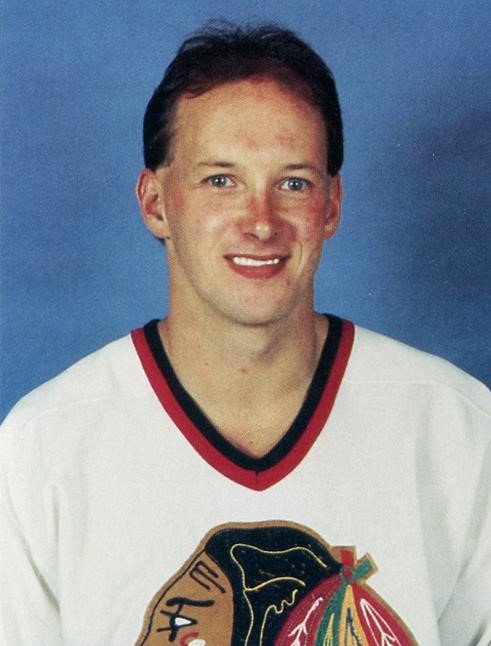
John J. “Jack” O’Callahan was born on July 24, 1957, in Charlestown, Massachusetts. He was 22 years old at the 1980 Olympics. O’Callahan graduated from Boston Latin School in 1975 and attended Boston University, where he was a two-time team captain, two-time team MVP, and earned All-America honors. He was also named NCAA Tournament MVP and helped BU win the 1978 national championship.
O’Callahan’s Olympic journey nearly ended before the Games began. Three days before the opening ceremony, he injured his left knee in an exhibition game against the Soviet Union. He missed the opening game against Sweden but returned for the Miracle on Ice game against the Soviets in the medal round, gutting through the injury. He was drafted 96th overall by the Chicago Blackhawks in the 1977 NHL Entry Draft.
After the Olympics, O’Callahan spent two seasons in the AHL with the New Brunswick Hawks before making the Blackhawks roster in 1982. He played 390 NHL regular season games with Chicago (1982-87) and the New Jersey Devils (1987-89). After retirement, O’Callahan moved into financial services on the Chicago Mercantile Exchange and co-founded Beanpot Financial Services with former NHL player Jack Hughes.
Bob Suter
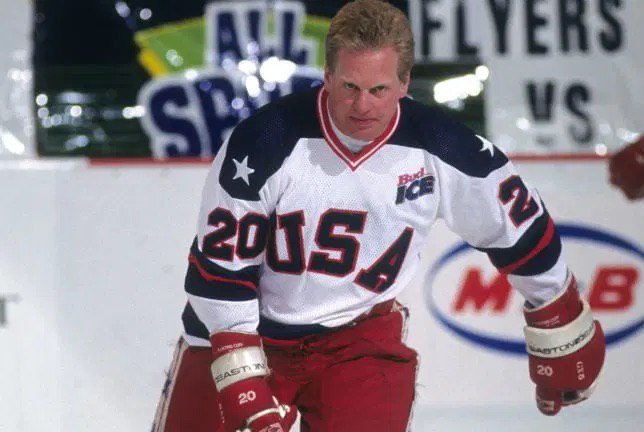
Robert Allen Suter was born on May 16, 1957, in Madison, Wisconsin. He was 22 years old at the 1980 Olympics. Suter attended Madison East High School and played college hockey at the University of Wisconsin-Madison, where he was a member of the 1977 NCAA championship team. He set several Badger records for penalty minutes, reflecting his physical style of play.
Suter was drafted 120th overall by the Los Angeles Kings in the 1977 NHL Entry Draft. After the Olympics, he rejected the Kings’ contract offer, citing dissatisfaction with the terms. Instead of pursuing an NHL career, Suter played in the minor leagues with the Tulsa Oilers and Nashville South Stars in the Central Hockey League. His professional playing career lasted only two additional seasons after the Olympics.
After retiring from playing, Suter opened Suter’s Gold Medal Sports, a hockey equipment store in Middleton, Wisconsin, that became a landmark for youth hockey in the Madison area. He became a prominent figure in Wisconsin’s youth hockey development community. Suter was the father of NHL defenseman Ryan Suter, who played for the Nashville Predators, Minnesota Wild, Dallas Stars, and St. Louis Blues, and the brother of NHL player Gary Suter. Bob Suter died of a heart attack on September 9, 2014, at age 57 in Middleton, Wisconsin.
Mike Eruzione
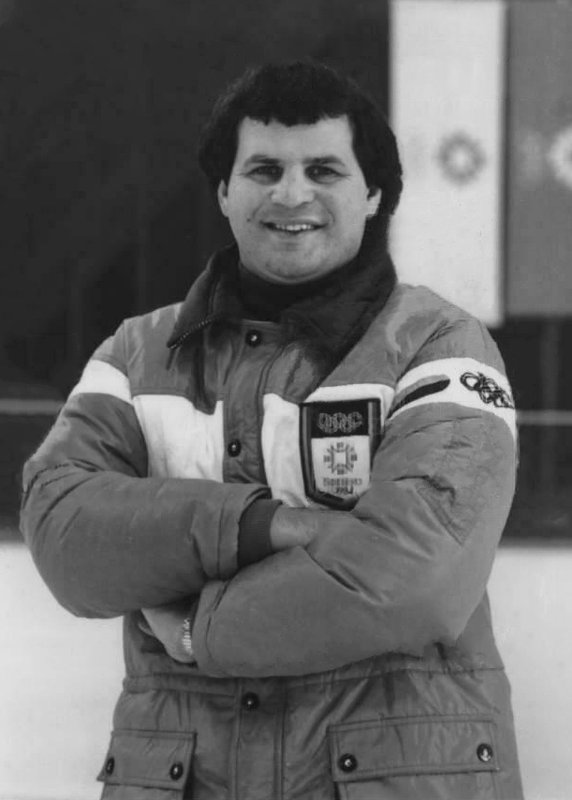
Michael Anthony Eruzione was born on October 25, 1954, in Winthrop, Massachusetts. At 25, he was the oldest forward on the 1980 roster and served as team captain. Eruzione attended Boston University, where he averaged over 20 goals per season across four years. He then played two seasons with the Toledo Goaldiggers of the International Hockey League, earning Rookie of the Year honors in 1978.
Eruzione scored the most famous goal in American sports history. At 10:00 of the third period against the Soviet Union, he beat goaltender Vladimir Myshkin with a wrist shot from the left circle to give the United States a 4-3 lead – the final score. Despite never being drafted by an NHL team, Eruzione received professional contract offers after the Olympics, including from the New York Rangers. He declined them all, stating he had already reached the pinnacle of achievement.
After retiring from competition, Eruzione became a television broadcaster, covering NHL games for USA Network and Fox and working as a commentator at five Winter Olympic Games for ABC and CBS. He returned to Boston University as an assistant hockey coach for three seasons and currently serves as the university’s Director of Special Outreach. In 2002, Eruzione reunited with his 1980 teammates to light the Olympic cauldron at the Salt Lake City Winter Games.
Mark Johnson
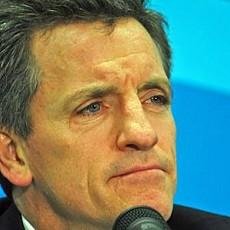
Mark Einar Johnson was born on September 22, 1957, in Minneapolis, Minnesota. He was 22 years old at the 1980 Olympics. Johnson’s hockey pedigree was exceptional – his father, Bob Johnson, was the legendary head coach at the University of Wisconsin, where Mark played for three seasons. He helped the Badgers win the 1977 NCAA championship as a freshman and became the school’s all-time leading goal scorer. He was drafted 66th overall by the Pittsburgh Penguins in the 1977 NHL Entry Draft.
Johnson was the leading scorer on the 1980 Olympic team with 11 points (5 goals, 6 assists) across seven games. Against the Soviet Union, he scored two of the Americans’ four goals – including a critical equalizer with one second left in the first period that prompted Soviet coach Viktor Tikhonov to pull legendary goaltender Vladislav Tretiak, a decision widely regarded as a pivotal turning point. Johnson scored again in the third period to tie the game 3-3.
After the Olympics, Johnson played 669 NHL regular season games over 11 seasons with the Pittsburgh Penguins, Minnesota North Stars, Hartford Whalers, St. Louis Blues, and New Jersey Devils. He then became head coach of the University of Wisconsin women’s ice hockey team in 2002 and has led the Badgers to eight NCAA national championships (2006, 2007, 2009, 2011, 2019, 2021, 2023, 2025). Johnson was inducted into the IIHF Hall of Fame in 1999 and the United States Hockey Hall of Fame in 2004.
Rob McClanahan
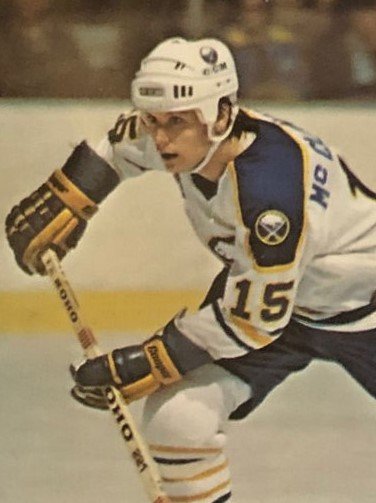
Robert Bruce McClanahan was born on January 9, 1958, in Saint Paul, Minnesota. He was 22 years old at the 1980 Olympics. McClanahan attended Mounds View High School and played three seasons at the University of Minnesota, winning the 1979 NCAA championship. He was drafted 49th overall by the Buffalo Sabres in the 1978 NHL Entry Draft.
McClanahan scored five goals in seven Olympic games, including the winning goal in the gold medal game against Finland. During the opening game against Sweden, he sustained a severe thigh bruise that nearly sidelined him for the tournament. A confrontation with coach Herb Brooks during the intermission – later dramatized in the 2004 film “Miracle” – motivated McClanahan to return to the ice and play through the injury.
After the Olympics, McClanahan played 224 NHL regular season games with the Buffalo Sabres, Hartford Whalers, and New York Rangers between 1980 and 1983. Chronic injuries shortened his professional career. Following his retirement from hockey, McClanahan moved into the financial services industry and worked in investment management in the Minneapolis-Saint Paul metropolitan area.
Neal Broten
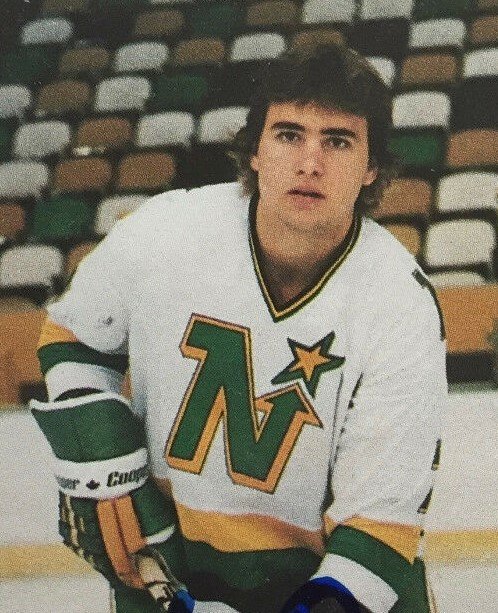
Neal LaMoy Broten was born on November 29, 1959, in Roseau, Minnesota. He was 20 years old at the 1980 Olympics. Broten attended Roseau High School, a perennial hockey power in Minnesota, and appeared in the state tournament in three consecutive years (1977-79). As a freshman at the University of Minnesota playing under Herb Brooks, he scored the game-winning goal in the 1979 NCAA championship.
Broten went on to have the most accomplished NHL career of any player on the 1980 roster. He was drafted 42nd overall by the Minnesota North Stars in the 1979 NHL Entry Draft and won the inaugural Hobey Baker Award in 1981 as the top player in U.S. college hockey. Broten appeared in 1,099 NHL regular season games over 17 seasons with the Minnesota North Stars, Dallas Stars, New Jersey Devils, and Los Angeles Kings. He is one of only two American players – along with teammate Ken Morrow – to have won both an Olympic gold medal and the Stanley Cup, earning his Cup ring with the New Jersey Devils in 1995.
Broten was inducted into the United States Hockey Hall of Fame in 2000. His brothers Aaron and Paul also played in the NHL. Broten lives in Minnesota, where he has remained connected to the hockey community.
Mark Pavelich
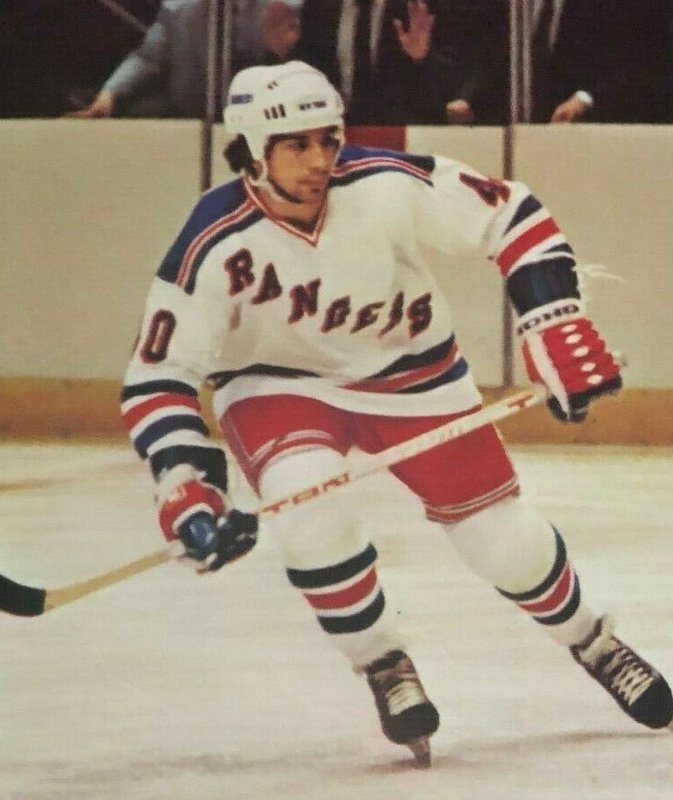
Mark Thomas Pavelich was born on February 28, 1958, in Eveleth, Minnesota. He was 21 years old at the 1980 Olympics. Pavelich grew up on Minnesota’s hockey-rich Iron Range and attended the University of Minnesota Duluth for three seasons from 1977 to 1979. Unlike most of his teammates, Pavelich went undrafted by the NHL.
During the Miracle on Ice game against the Soviet Union, Pavelich recorded two assists, including the pass that set up Mike Eruzione’s game-winning goal. He was one of the most creative playmakers on the roster.
After the Olympics, Pavelich played a season for HC Lugano in Switzerland before being recruited to the New York Rangers by former U.S. Olympic coaches Herb Brooks and Craig Patrick. He recorded 76 points as a rookie with the Rangers – still a franchise record for a first-year player. He appeared in 355 NHL regular season games with the Rangers, Minnesota North Stars, and San Jose Sharks between 1981 and 1992.
Pavelich struggled significantly after retirement. He retreated to a reclusive life in rural Minnesota. In 2019, he was arrested and charged with assault. He was found incompetent to stand trial and committed to a state treatment facility. Pavelich was found dead at a residential treatment center in Sauk Centre, Minnesota, on March 4, 2021, at age 63.
Buzz Schneider
William Conrad “Buzz” Schneider was born on September 14, 1954, in Grand Rapids, Minnesota. At 25, he was the oldest player on the 1980 Olympic roster and the only team member with prior Olympic experience, having played for the U.S. at the 1976 Winter Games in Innsbruck. He grew up in Babbitt, Minnesota, and attended the University of Minnesota, where he won the 1974 NCAA championship under Herb Brooks. He was drafted 98th overall by the Pittsburgh Penguins in the 1974 NHL Amateur Draft.
Schneider was a consistent offensive contributor throughout the 1980 tournament. He scored five goals in seven games, including two goals in the 7-3 upset of Czechoslovakia and a goal against the Soviet Union. His Olympic experience and veteran presence gave the young American team a stabilizing influence.
Despite his Olympic success, Schneider never played in the NHL. His professional career included stints in the AHL, WHA, CHL, and a season with SC Bern in Switzerland. After retiring from hockey, Schneider returned to Minnesota. His nickname “Buzz” originated from his Croatian grandmother, who called him a Croatian word for “brother” that sounded like “buzz.”
Dave Silk
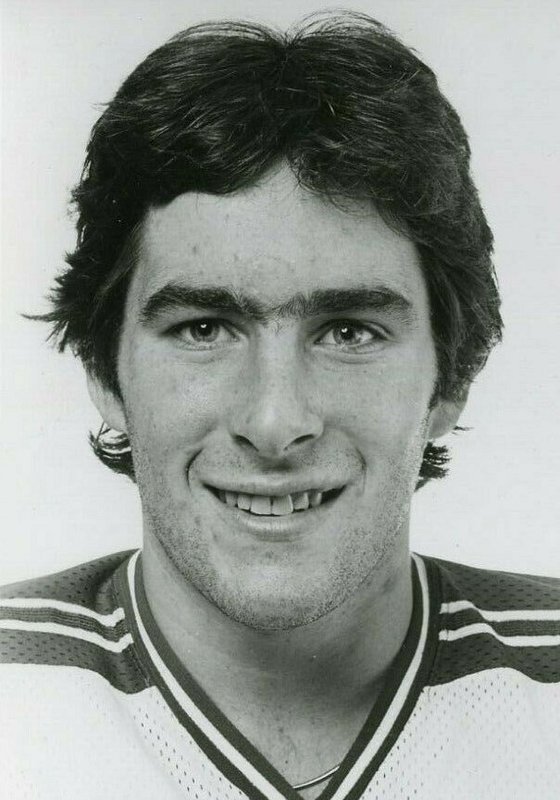
David Mark Silk was born on January 1, 1958, in Scituate, Massachusetts. He was 22 years old at the 1980 Olympics. Silk attended Thayer Academy in Braintree, Massachusetts, before playing at Boston University, where he was teammates with Mike Eruzione, Jim Craig, and Jack O’Callahan. He won the 1978 NCAA championship with BU and was named New England Rookie of the Year in 1976-77. Silk was drafted 59th overall by the New York Rangers in the 1978 NHL Entry Draft.
In the Olympic tournament, Silk scored several key goals, including the game-tying goal against Sweden in the opening match (Dave Silk scored at 39:32 of the second period) and a goal in the 5-1 victory over Norway. He was a cousin of former NHL player and broadcaster Mike Milbury.
After the Olympics, Silk signed with the New York Rangers and played in the NHL for 13 seasons across four teams – the Rangers, Boston Bruins, Detroit Red Wings, and Winnipeg Jets – appearing in 249 NHL regular season games. He also played in Germany’s Eishockey-Bundesliga for Mannheimer ERC and BSC Preussen. After his playing career, Silk went into coaching. He served as head coach at Boston University and has been involved in hockey development programs.
Steve Christoff
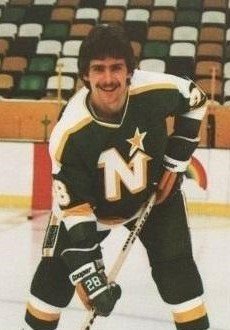
Steven Mark Christoff was born on January 23, 1958, in Springfield, Illinois, but grew up in Richfield, Minnesota. He was 22 years old at the 1980 Olympics. Christoff graduated from Richfield High School, where he was a two-time team MVP and was selected to the Minnesota High School All-State First Team. He played three seasons at the University of Minnesota, leading the team in scoring in both his second and third years and helping the Gophers win the 1979 NCAA championship. He was drafted 24th overall by the Minnesota North Stars in the 1978 NHL Entry Draft – the second-highest draft pick on the 1980 Olympic team behind Mike Ramsey.
During the Olympic tournament, Christoff contributed as a reliable center on one of the team’s forward lines. He played in all seven games.
After the Olympics, Christoff played 248 NHL regular season games with the Minnesota North Stars, Calgary Flames, and Los Angeles Kings between 1980 and 1984. His professional career was relatively brief. Christoff settled in the Minneapolis metropolitan area after retirement and went into business. He has remained in the Minnesota hockey community.
John Harrington
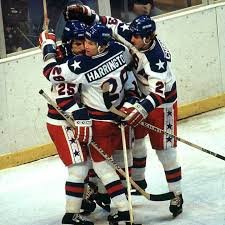
John “Bah” Harrington was born on May 24, 1957, in Virginia, Minnesota. He was 22 years old at the 1980 Olympics. Harrington grew up on Minnesota’s Iron Range and attended Virginia High School. He walked on to the hockey team at the University of Minnesota Duluth after assistant coach Mike Sertich encouraged him to try out, and he lettered for four seasons from 1975 to 1979.
Harrington played a crucial role in the Miracle on Ice game, recording an assist on Mike Eruzione’s game-winning goal against the Soviet Union. He also contributed a goal and an assist in the 7-3 victory over Czechoslovakia, playing alongside linemates Buzz Schneider and Mark Pavelich on the team’s checking line – a trio of Iron Range natives.
Undrafted by the NHL, Harrington had a tryout with the Buffalo Sabres after the Olympics and was assigned to the Rochester Americans of the AHL. He also played in the CHL and a season with HC Lugano in Switzerland before retiring from professional hockey in 1984. Harrington went into coaching, eventually serving nine seasons as head coach of the Minnesota State Mavericks women’s ice hockey team in the WCHA from 2015 to 2024. He also served as head coach of the IHL’s Denver Grizzlies and the USHL’s Omaha Lancers.
Eric Strobel
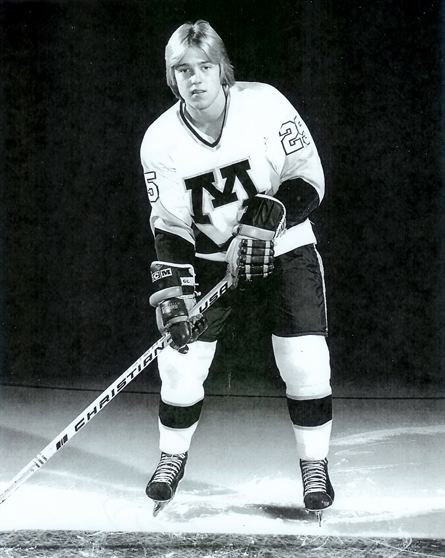
Eric Martin Strobel was born on June 5, 1958, in Rochester, Minnesota. He was 21 years old at the 1980 Olympics. Strobel attended Mayo High School in Rochester, where he earned all-conference honors three consecutive years. He played at the University of Minnesota, winning the 1979 NCAA championship, and represented Team USA at the 1979 Ice Hockey World Championships in Moscow. His father, Art Strobel, had played for the New York Rangers.
Strobel was drafted 133rd overall by the Buffalo Sabres in the 1978 NHL Entry Draft. During the Olympic tournament, he contributed on a forward line with Mark Wells and Phil Verchota. He recorded an assist in the 5-1 win over Norway.
After the Olympics, Strobel’s professional career was cut tragically short. He joined the Sabres’ AHL affiliate, the Rochester Americans, but broke his ankle during an AHL playoff game in the spring of 1980 and was forced to retire from hockey. He never appeared in an NHL game. Strobel returned to Minnesota and became a telephone sales executive in Apple Valley, Minnesota. He also coached youth hockey in the area. Strobel suffered a minor stroke in later years but has continued to participate in reunions with his 1980 teammates.
Phil Verchota
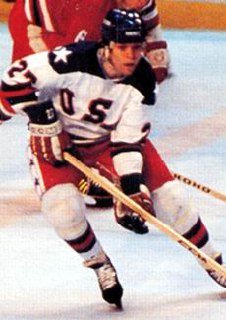
Phillip John Verchota was born on December 28, 1956, in Duluth, Minnesota. He was 23 years old at the 1980 Olympics. Verchota attended Duluth East High School, where he was also a standout defensive tackle in football. He chose to focus exclusively on hockey at the University of Minnesota, where he was a member of two NCAA championship teams under Herb Brooks – in 1976 and 1979. He was drafted 75th overall by the Minnesota North Stars in the 1976 NHL Entry Draft.
During the Olympic tournament, Verchota scored goals in key games, including the 7-3 win over Czechoslovakia and a goal in the 4-1 victory over Norway. He played on a line with Mark Wells and Eric Strobel.
After the Olympics, Verchota turned down a contract offer from the North Stars and instead played overseas with Jokerit in Finland. He returned to the U.S. national team and served as captain of the 1984 U.S. Olympic hockey team in Sarajevo. Verchota never played in the NHL. After retiring from hockey following the 1984 Olympics, Verchota moved into business in Minnesota. He has participated in numerous reunions and events celebrating the 1980 team.
Mark Wells
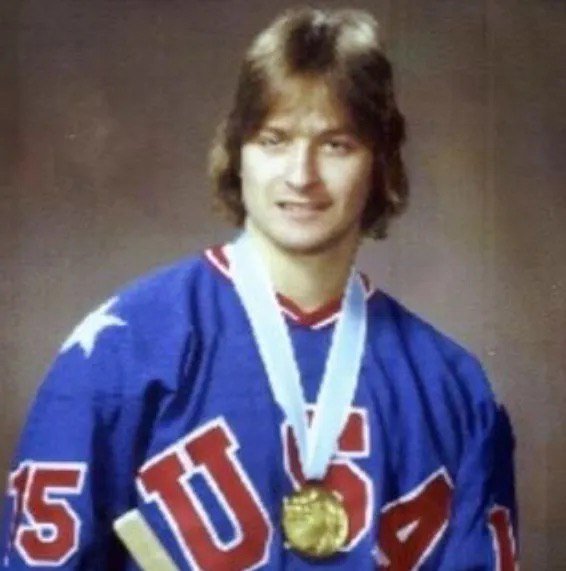
Mark Ronald Wells was born on September 18, 1957, in St. Clair Shores, Michigan. He was 22 years old at the 1980 Olympics. Wells attended Lake Shore High School and played college hockey at Bowling Green State University, where he was a star forward in the Central Collegiate Hockey Association alongside future Olympic teammate Ken Morrow. He was drafted 176th overall by the Montreal Canadiens in the 1977 NHL Entry Draft.
Wells was one of the last players added to the 1980 Olympic roster. He played center on a line with Phil Verchota and Eric Strobel and scored a goal in the 4-1 victory over Norway. During the Olympic tournament, he contributed steady two-way play from the fourth line.
After the Olympics, Wells joined the Montreal Canadiens’ farm team, the Nova Scotia Voyageurs, but was unable to crack the NHL roster. He never appeared in an NHL game. His post-hockey life was marked by significant hardship. Wells suffered from a degenerative spinal condition that required multiple surgeries and led to chronic pain. In financial distress, he sold his Olympic gold medal in 2002 to pay for medical expenses. He opened a restaurant in Michigan but it eventually closed. Wells was one of two team members from Michigan (along with Ken Morrow). He died on May 14, 2024, at age 66 in Escanaba, Michigan.
Sources: Hockey-Reference.com; Olympedia.org; USA Hockey Hall of Fame; IIHF official records; EliteProspects.com