Every Character Sakurai Publicly Considered But Rejected for Smash
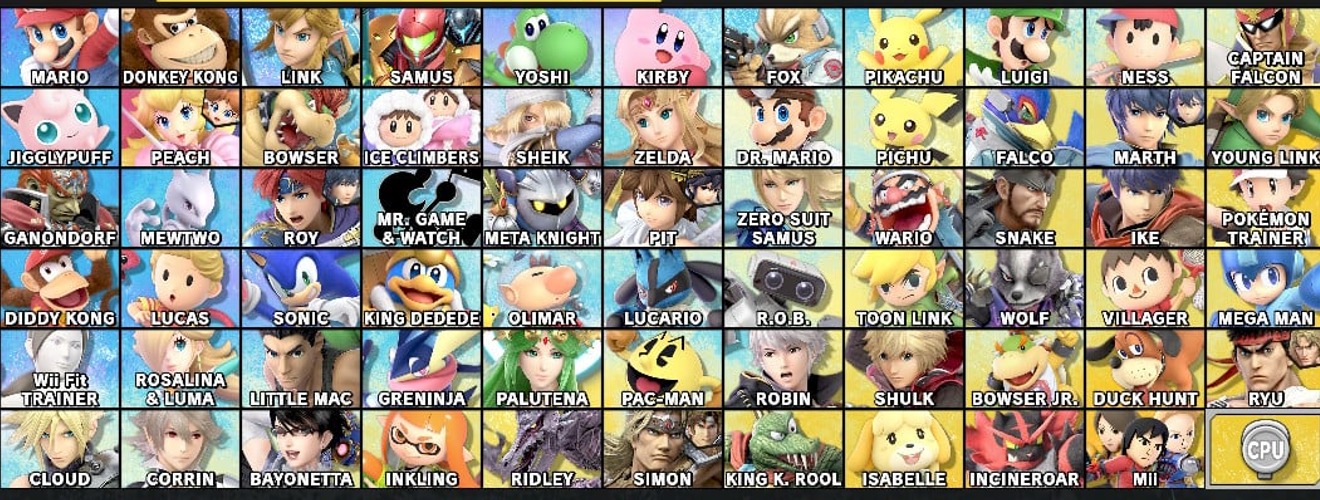
Super Smash Bros. is defined as much by who didn’t make it in as who did. For every fighter on the roster, Masahiro Sakurai has spent decades in interviews, Famitsu columns, and Nintendo Direct presentations discussing the characters he wanted, planned, or was asked to include – and ultimately had to turn away. Some were rejected for copyright reasons. Some ran into hardware limitations. Some just didn’t feel right at the time. And some, after years of rejection, eventually found their way in anyway. Here is every character Sakurai publicly confirmed was considered but rejected, across all five games in the series.
Balloon Fighter, Urban Champion, Bubbles, and Excitebike Racer
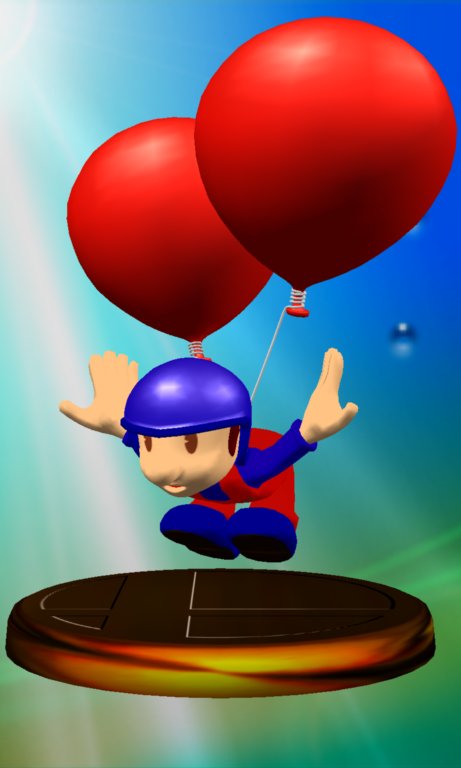
Before the Ice Climbers were selected to represent Nintendo’s NES era in Super Smash Bros. 64, Sakurai considered a group of alternative characters from the company’s early library: the Balloon Fighter from Balloon Fight, the unnamed player character from Urban Champion, Bubbles from Clu Clu Land, and an Excitebike racer. All four were evaluated for inclusion before the Ice Climbers were ultimately chosen to fill the NES-era representative slot. The reasoning Sakurai gave was that these characters were each considered alongside one another – none was ever seriously advanced as a standalone candidate. The Ice Climbers, with their two-character dynamic, offered a mechanical uniqueness that single fighters from those other titles couldn’t match. None of the four NES-era alternatives have ever appeared as playable characters in any Smash game, though Balloon Fighter, Excitebike, and Urban Champion have all received representation as Assist Trophies, stages, or music across various entries in the series.
Ayumi Tachibana
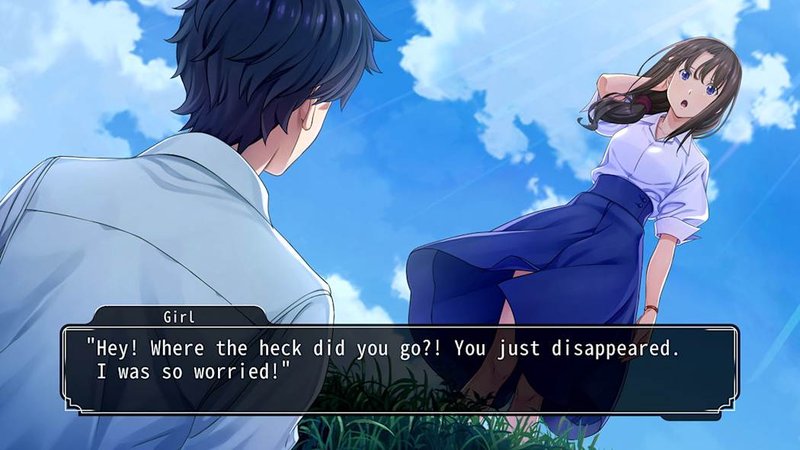
Ayumi Tachibana, the protagonist of Famicom Detective Club – Nintendo’s text-based mystery adventure series from 1988 – was confirmed by Sakurai in a 2016 Niconico interview to have been considered for inclusion in Super Smash Bros. for Nintendo 64. She was ultimately dropped as a candidate because Sakurai felt that her series, more than any other character he had evaluated, would be completely unfamiliar to international audiences – a significant concern for a game that Nintendo was releasing globally. The Famicom Detective Club games were not released outside Japan until 2021, when Nintendo published remade versions of the first two games for Nintendo Switch, over three decades after the originals. Sakurai’s concern proved valid for the era: the series had zero Western recognition at the time. Despite never appearing in Smash, Ayumi became notable as one of the earliest characters Sakurai publicly discussed rejecting, and her name resurfaced in fan discussions following the 2021 remakes.
Wario
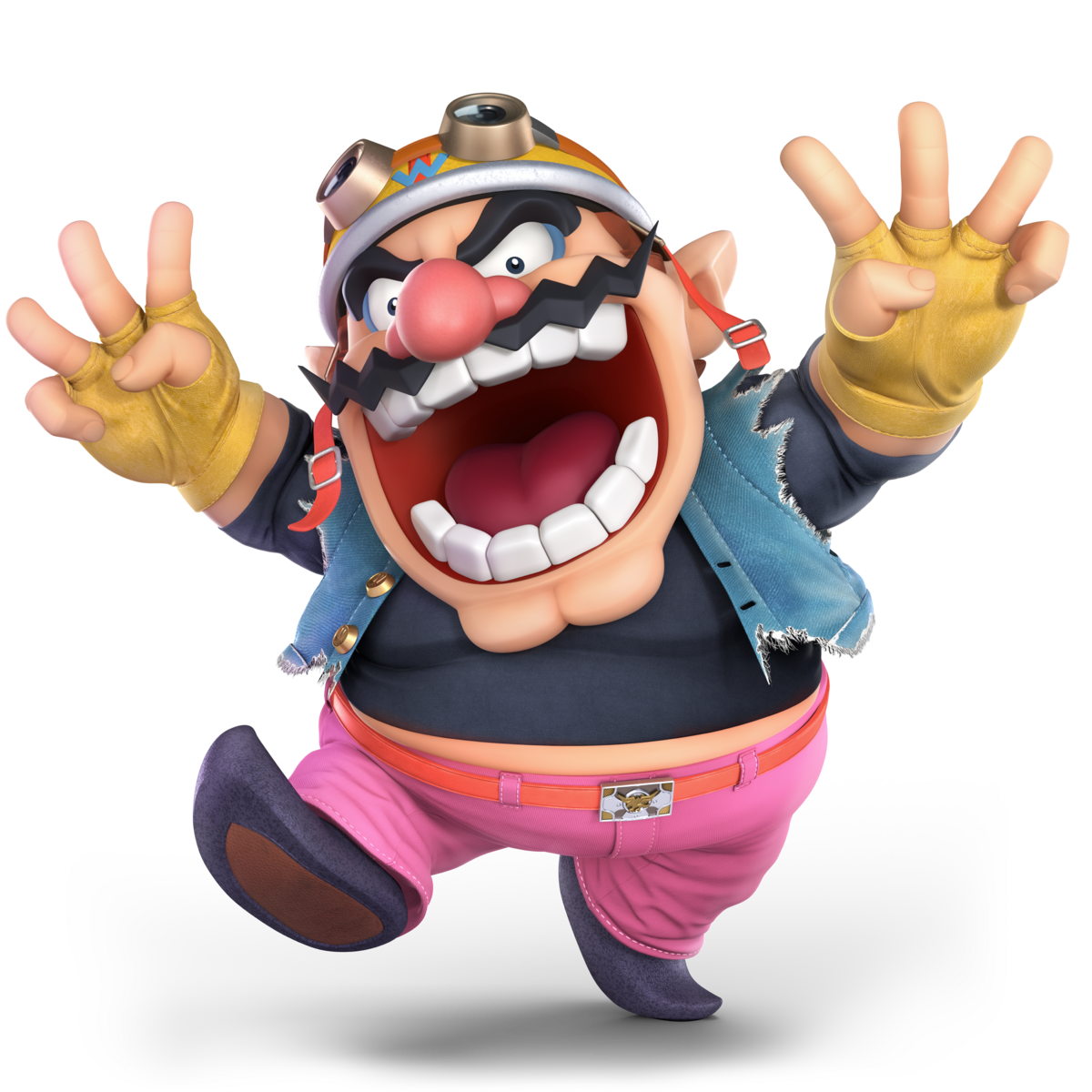
Wario was one of the most actively pursued additions for Super Smash Bros. Melee. Sakurai confirmed on the original Smash Bros. fan questionnaire at Smabura-Ken that if he had time to add just one more character to Melee, it would have been Wario – a level of enthusiasm that went beyond mere consideration. Despite that strong interest, Sakurai ultimately chose to redirect the team’s limited development resources toward Mewtwo, Marth, and Roy, and expressed concern about having too many Mario-universe characters on the roster at once. Wario was eventually added in Brawl, where he debuted with a completely original moveset built around his WarioWare personality rather than his Wario Land platformer roots. His Brawl design remains one of the more inventive fighter concepts in the series – heavy on gross-out humor and unorthodox physics. The years of near-inclusion made his Brawl reveal particularly satisfying for longtime fans who had been asking for him since 64.
Lucas
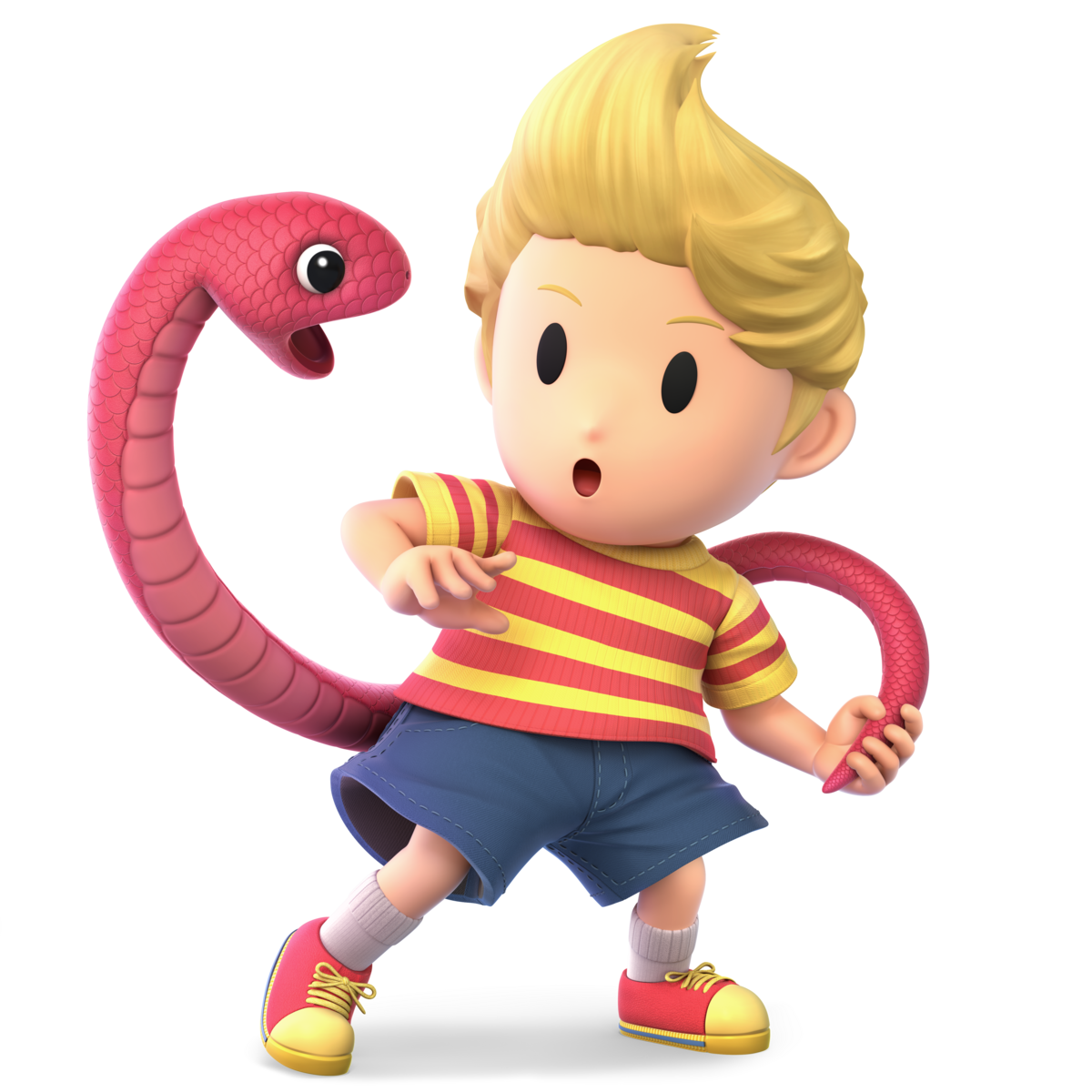
Lucas, the protagonist of Mother 3, has one of the most unusual pre-Smash histories of any character in the series. For Melee, he was originally planned not as an addition to the roster but as a replacement for Ness – the idea being that Ness would be retired and Lucas would take his spot to promote the upcoming Mother 3 for Nintendo 64. When Mother 3’s N64 development was cancelled and the game was moved to Game Boy Advance, Sakurai kept Ness in Melee rather than switching to a character whose game now had an uncertain future. Lucas was eventually added in Brawl, where he debuted alongside Ness as a separate fighter rather than replacing him. Mother 3 never received an international release in any form, making Lucas the only character in Smash history whose home game has never been officially published outside Japan. His Brawl inclusion was partly read as Nintendo’s acknowledgment of the game’s existence for Western fans who had followed its troubled development.
Solid Snake
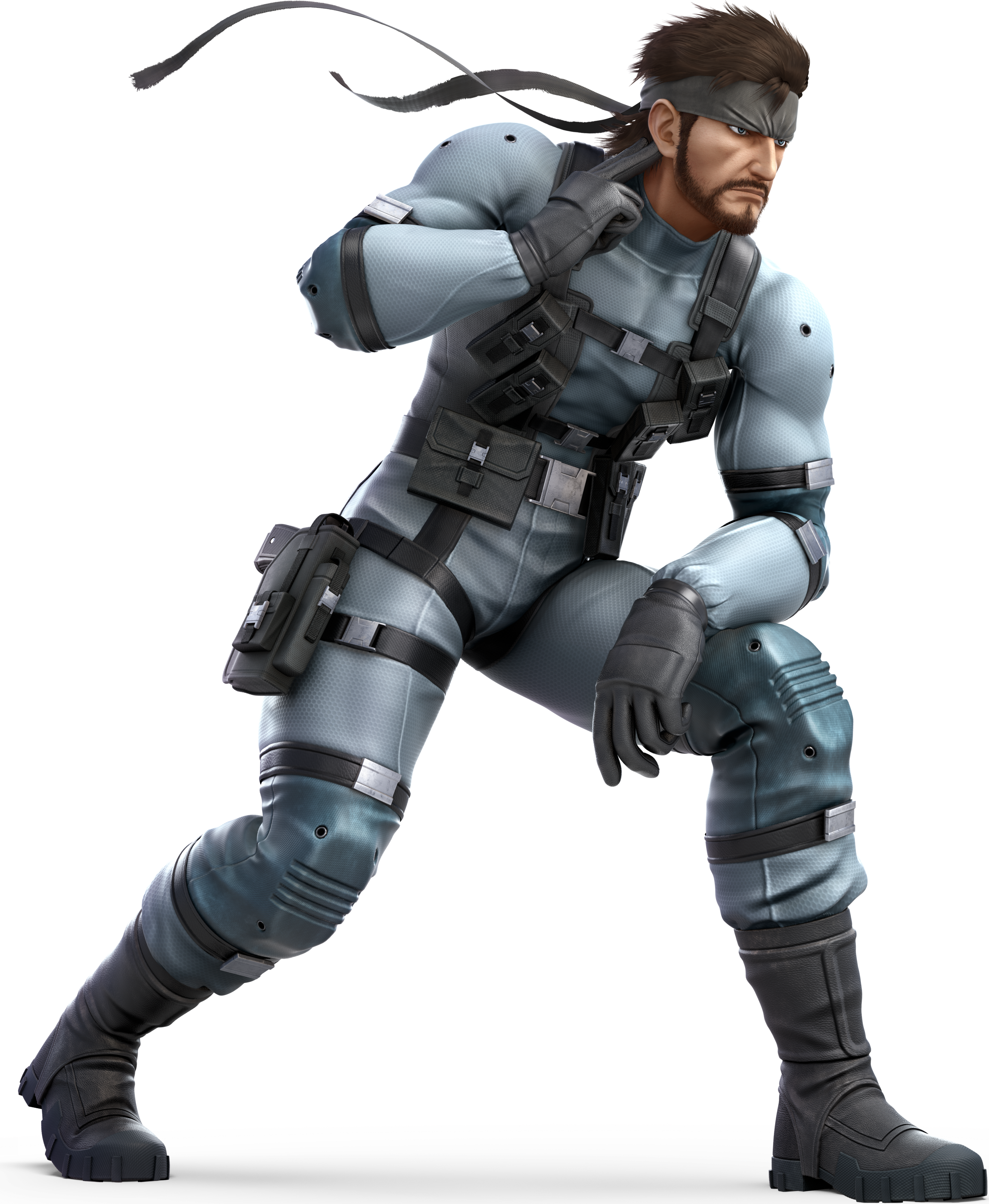
Solid Snake’s path to Smash Bros. famously began with a personal appeal from Hideo Kojima, Metal Gear’s creator, who was a close friend of Sakurai’s and lobbied him for Snake’s inclusion in Melee. Kojima’s son had reportedly asked to see Snake in the game, adding a personal dimension to the request. By the time Kojima made the ask, however, Melee was already too far into development to feasibly add another character – Sakurai confirmed the timing was simply too late to act on the request. Kojima persisted, and Snake became one of the two initial third-party fighters added in Brawl, where he arrived with the most technically distinctive moveset in the game’s history, built entirely around military hardware and explosives. His Melee rejection is notable because it makes Snake one of the very few characters whose Smash inclusion began with a rejected request years before it happened – and whose inclusion, when it finally came, reshaped what Smash could be.
Sonic the Hedgehog
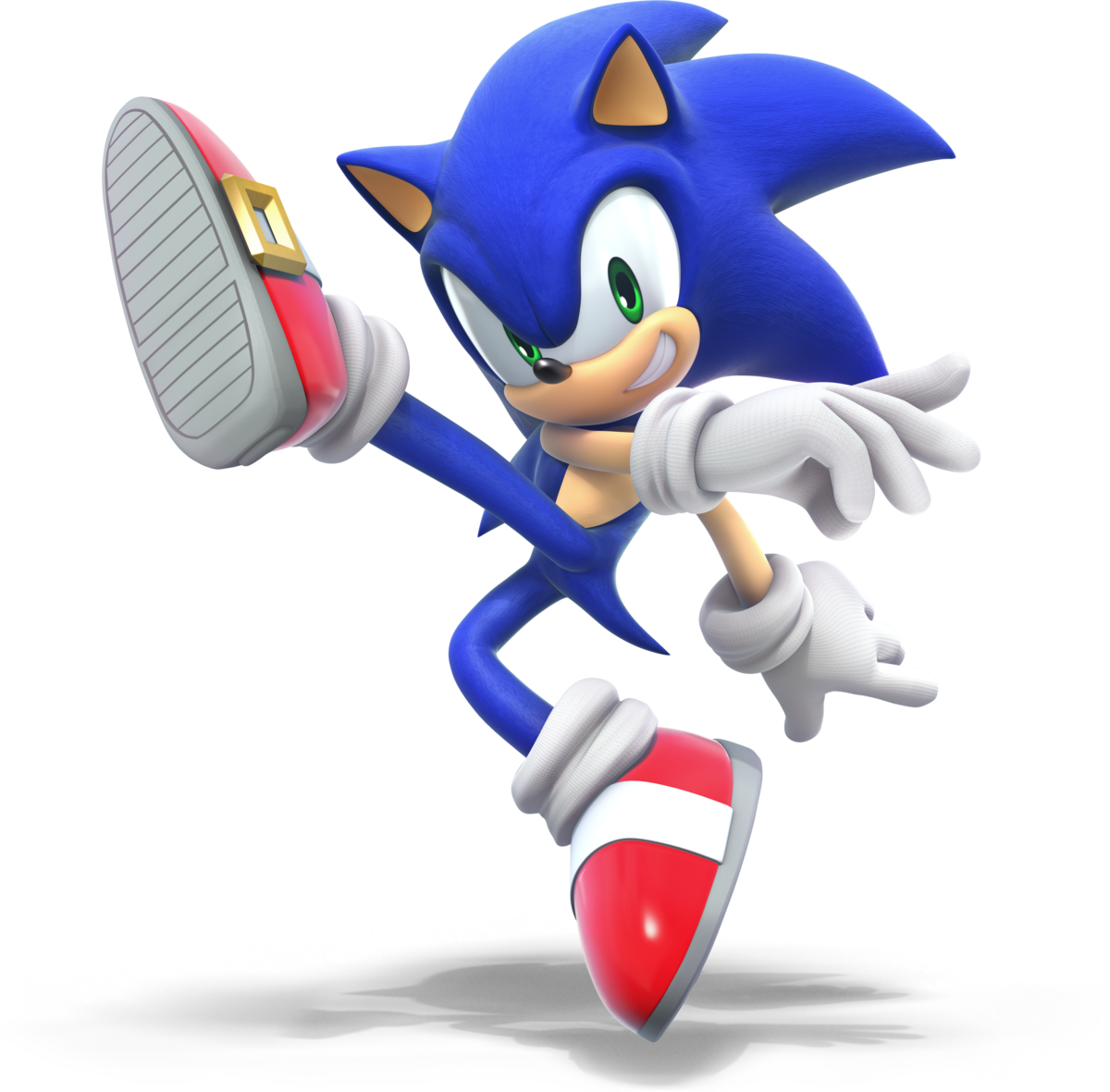
Yuji Naka, then head of Sonic Team, stated in an interview with EDGE magazine that he had attempted to get Sonic included in Melee – making Sonic’s path to Smash, like Snake’s, a story of a rejected external request before the eventual acceptance. Naka cited time constraints and the late stage of Melee’s development as the reasons the inclusion wasn’t feasible. Sonic was later added in Brawl alongside Snake, completing a pairing that had been separately requested by two different creators during Melee’s development. The decade-long rivalry between Nintendo and Sega – with Sonic positioned explicitly as Mario’s competitor throughout the early 1990s – made the Brawl announcement feel genuinely historic. Sakurai had publicly described the rivalry when revealing Sonic’s Brawl inclusion, acknowledging that it made the inclusion feel meaningful rather than routine. Unlike most characters on this list who remained rejected for longer, Sonic’s wait between request and acceptance was relatively short.
Mewtwo
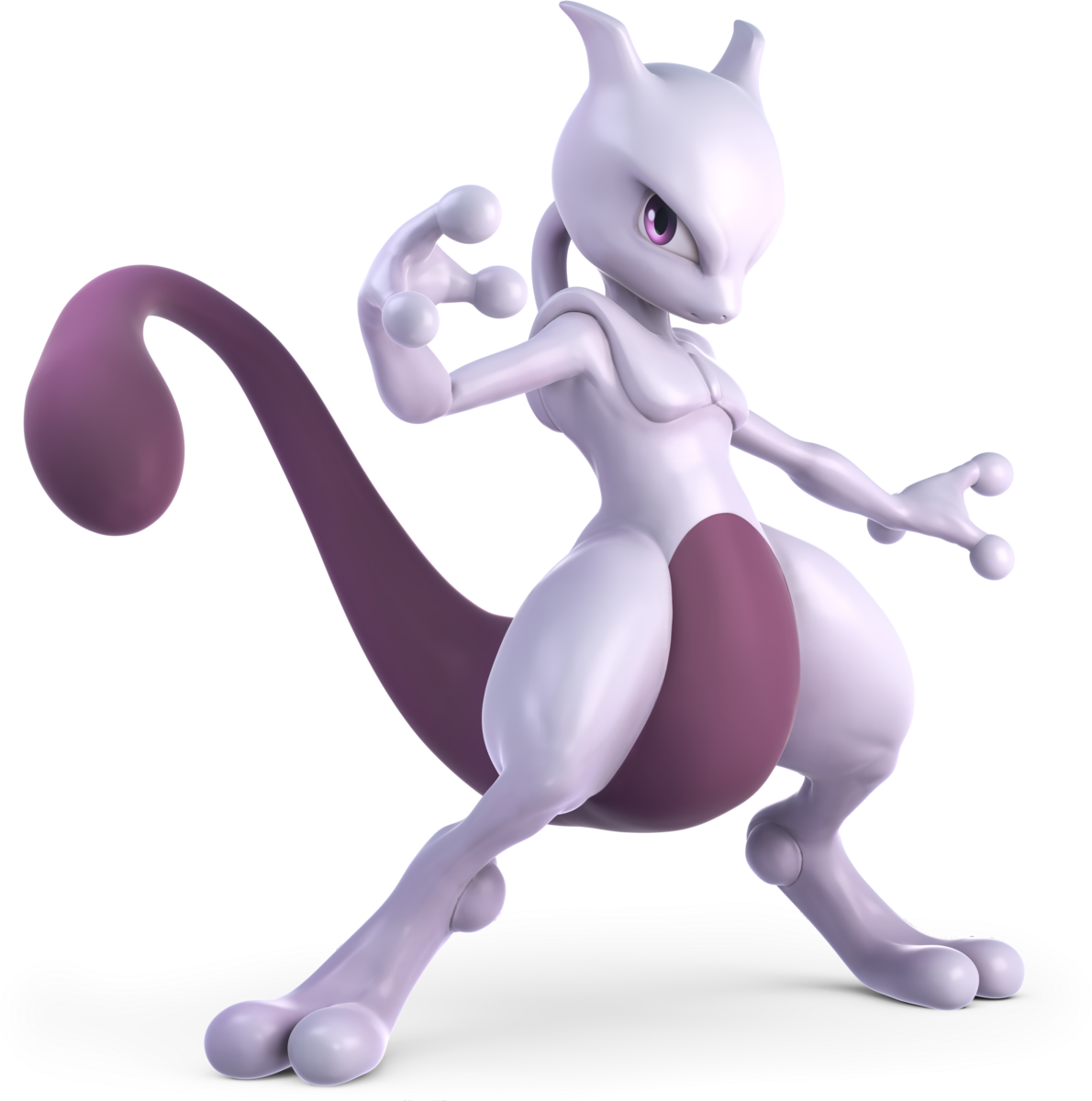
Mewtwo was cut from Brawl despite being a returning character from Melee, and the evidence suggests the cut was painful and contested within development. Among the seven character files discovered in Brawl’s data – commonly referred to as “The Forbidden Seven” – Mewtwo’s slot contains the most unused data by far: an unused fanfare, a graphics effect file, and a Wii Remote selection sound. The depth of the leftover data strongly implies that Mewtwo was actively developed for Brawl before being cut at a relatively late stage. Sakurai confirmed post-release that time constraints were responsible for multiple cuts during Brawl’s development, though he declined to specify which characters were affected. Mewtwo’s cut from Brawl remains one of the most discussed roster decisions in Smash history, generating years of fan frustration before he was restored as paid DLC for Smash 4. He returned with an updated moveset and remained on the roster through Ultimate.
Dixie Kong
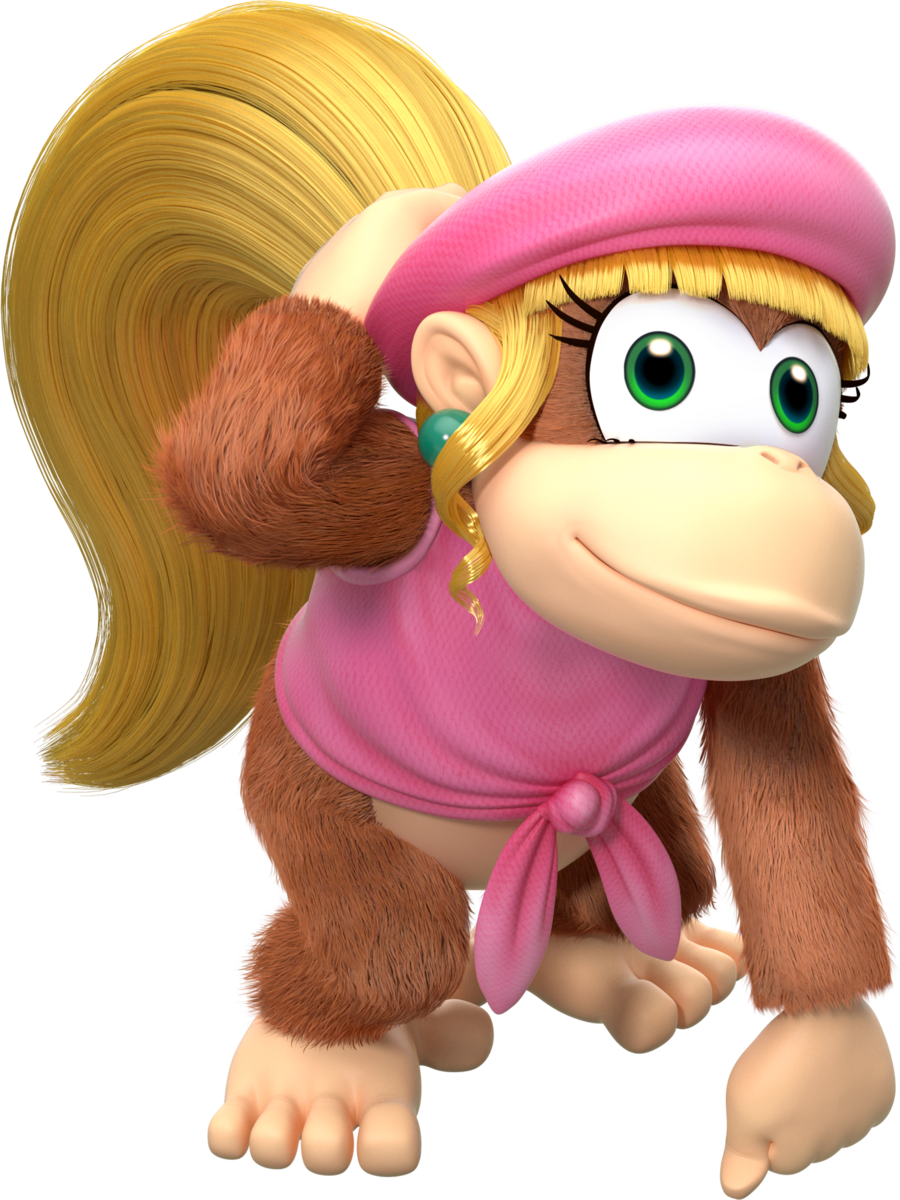
Dixie Kong was not just considered for Brawl – she was actively developed as a partner character for Diddy Kong, designed to function similarly to how she did in Donkey Kong Country 2: players would tag out between Diddy and Dixie during a match. Her character file (“dixie”) appears in Brawl’s data alongside Mewtwo’s, Roy’s, and others, confirming she reached some level of implementation before being cut. Sakurai confirmed that the Dixie-Diddy partner mechanic was scrapped after running into technical difficulties – the implementation of smooth tag-outs proved more complex than anticipated. Diddy Kong was shipped as a solo fighter in Brawl, and Dixie was reduced to a trophy. She remains one of the most requested characters in Smash history who has never appeared as a playable fighter despite multiple near-inclusions, and her file in Brawl’s data is frequently cited in discussions about cuts that hurt the most.
Geno
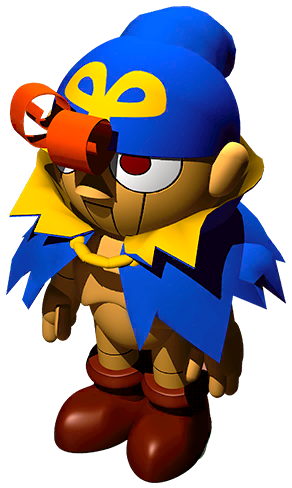
Geno, the star-spirit-possessed doll from Super Mario RPG: Legend of the Seven Stars, was confirmed by Sakurai to have been considered for Brawl. Sakurai stated that he was aware of Geno’s popularity with fans and believed the character could fit naturally within the Smash universe. The obstacle was Square Enix’s ownership of the character – Geno is a Square Enix IP despite appearing in a Mario game, and licensing negotiations for his inclusion did not succeed. He has since become perhaps the most enduring “will they or won’t they” character in Smash history, appearing repeatedly in fan polls and wish lists across every subsequent game. Nintendo has given him small nods of recognition: a Mii Gunner costume in Smash 4 and Ultimate, and a spirit in Ultimate. Each acknowledgment reignited fan optimism for a full inclusion that has never materialized. As of Super Smash Bros. Ultimate, Geno remains one of the most requested characters to never become a playable fighter.
Animal Crossing Villager
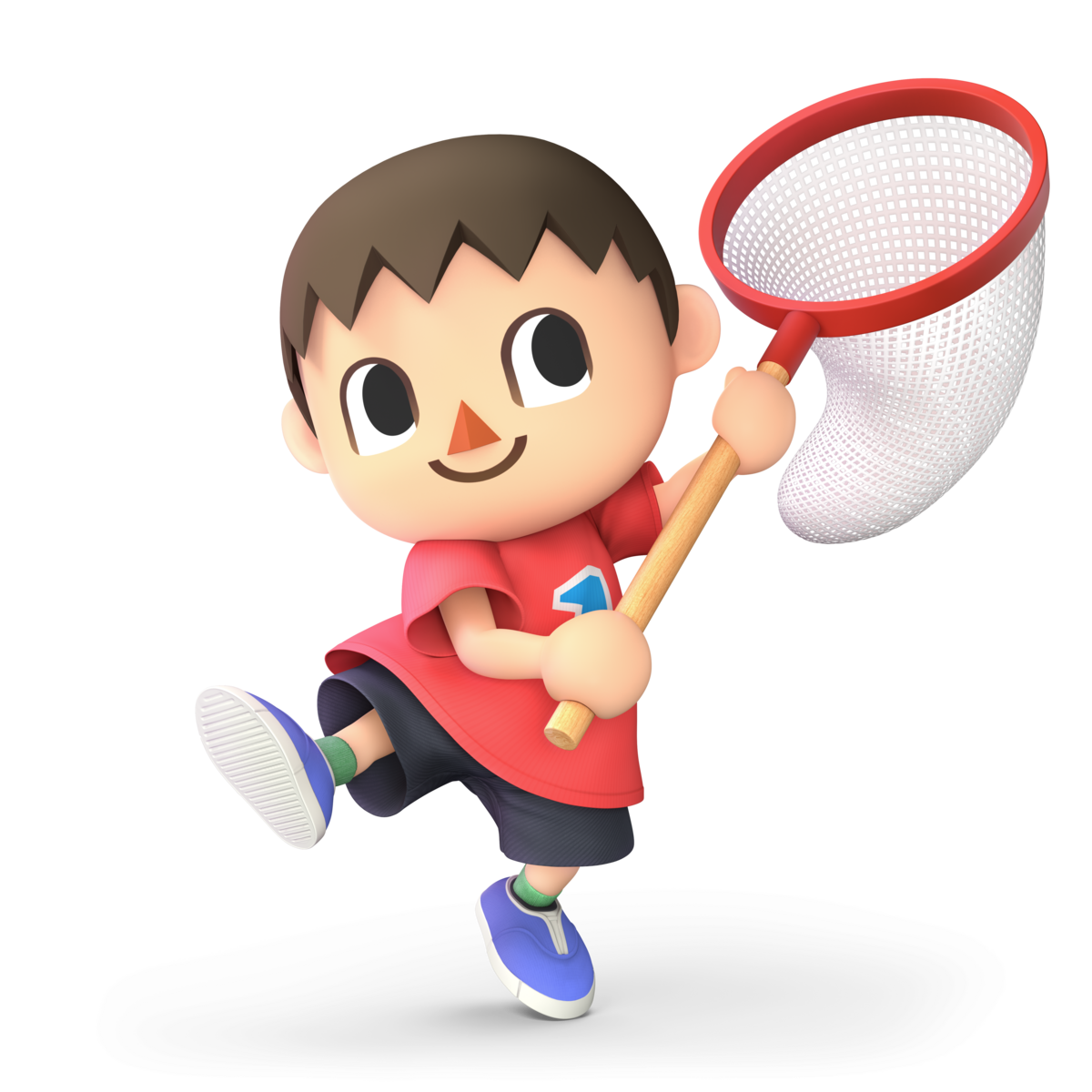
An Animal Crossing villager character was considered during Brawl’s planning stages and rejected by Sakurai on thematic grounds – he felt that a character from Animal Crossing simply wasn’t suited for combat. The reasoning reflects Sakurai’s consistent concern about character fit: he has always prioritized designing fighters whose source material gives them a natural basis for combat, and a peaceful villager who spends their days catching fish and planting flowers presented an obvious conceptual challenge. The rejection turned out to be temporary. When Sakurai revisited the character for Smash 4, he solved the combat problem by leaning into the villager’s activities as weapons – pulling out a net to pocket projectiles, burying opponents like trees, using the fishing rod as a tether grab, and dropping furniture on enemies. The Villager’s Smash 4 moveset is widely regarded as one of the most creative designs in the series precisely because it turned the character’s pastoral nature into a combat toolkit rather than fighting around it.
Pac-Man
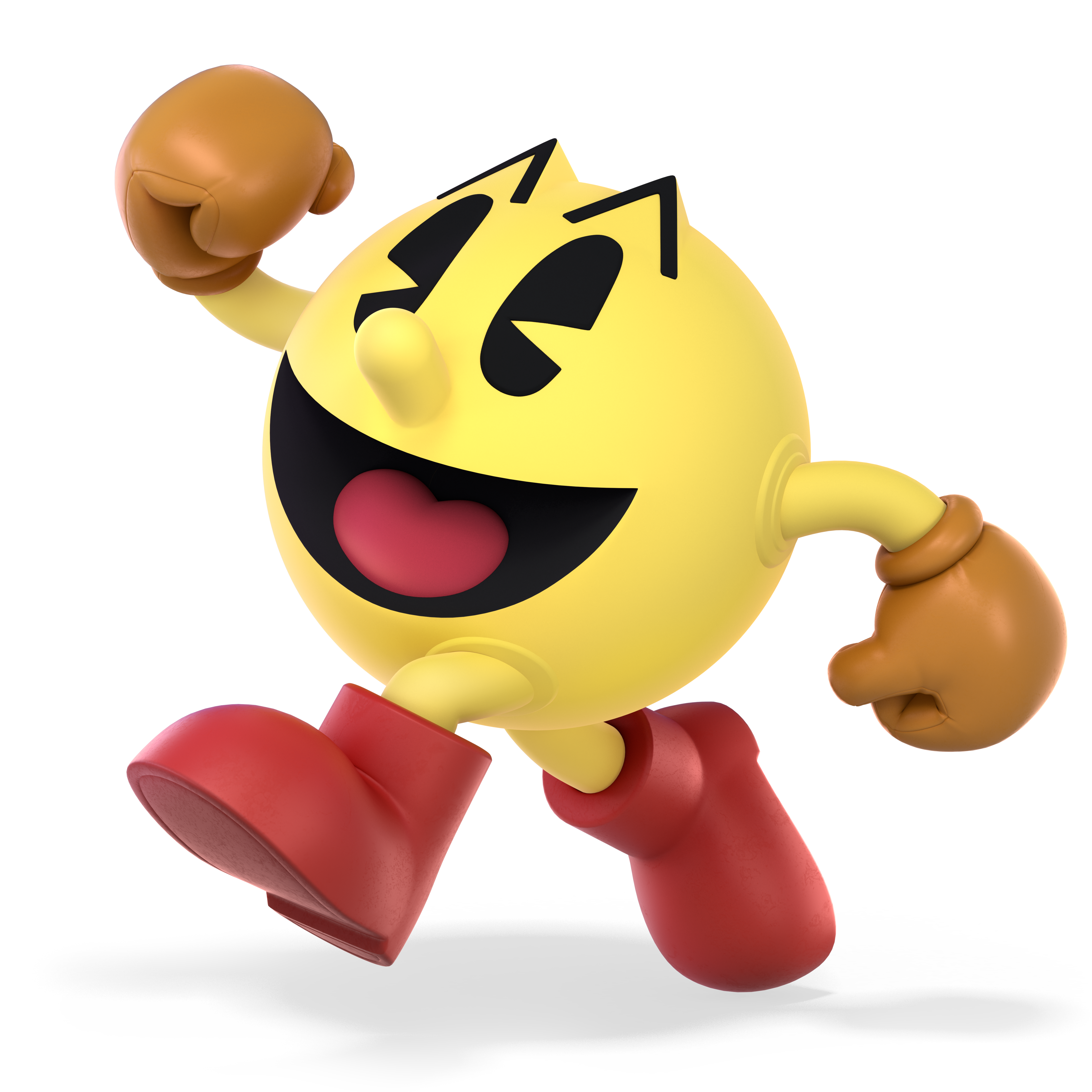
Pac-Man’s path to Smash involved a direct rejection from Sakurai himself, delivered to Shigeru Miyamoto. According to SmashWiki’s documentation of the event, Miyamoto requested that Pac-Man be included as Brawl’s third third-party character alongside Snake and Sonic – a request that would have made the Namco icon the first third-party character in the game from a company other than Konami or Sega. Sakurai declined, citing Pac-Man’s iconic “pizza-slice” design as the sticking point – he felt it would look far-fetched to translate that round, wedge-shaped character into a Smash fighter. The concern proved to not be insurmountable: Pac-Man was added in Smash 4, where Sakurai leaned directly into the retro arcade aesthetic and built a moveset almost entirely around nostalgia for early Namco games, with ghosts, fruit, a fire hydrant, and the original dot-eating animation all incorporated into his kit. He has been on every roster since.
Nintendog
A Nintendog was considered for playability in Brawl and rejected by Sakurai on the same grounds he rejected the Animal Crossing Villager – the character wasn’t ready for battle and would work better in a non-combatant role. Sakurai stated explicitly that the Nintendog felt more appropriate as an Assist Trophy, which is exactly the role it received. In Brawl, the Nintendog Assist Trophy is notable for being one of the most disruptive in the game: it runs to the foreground of the screen and completely obscures the action, blocking players’ view of the fight rather than directly affecting the fighters. The Nintendog’s Assist Trophy role has persisted into subsequent games, maintaining a presence in the series without ever graduating to playable fighter. Given that the character would have no natural combat mechanics to draw from – a dog raised as a virtual pet – Sakurai’s reasoning for keeping it as an Assist Trophy has held up.
Miis
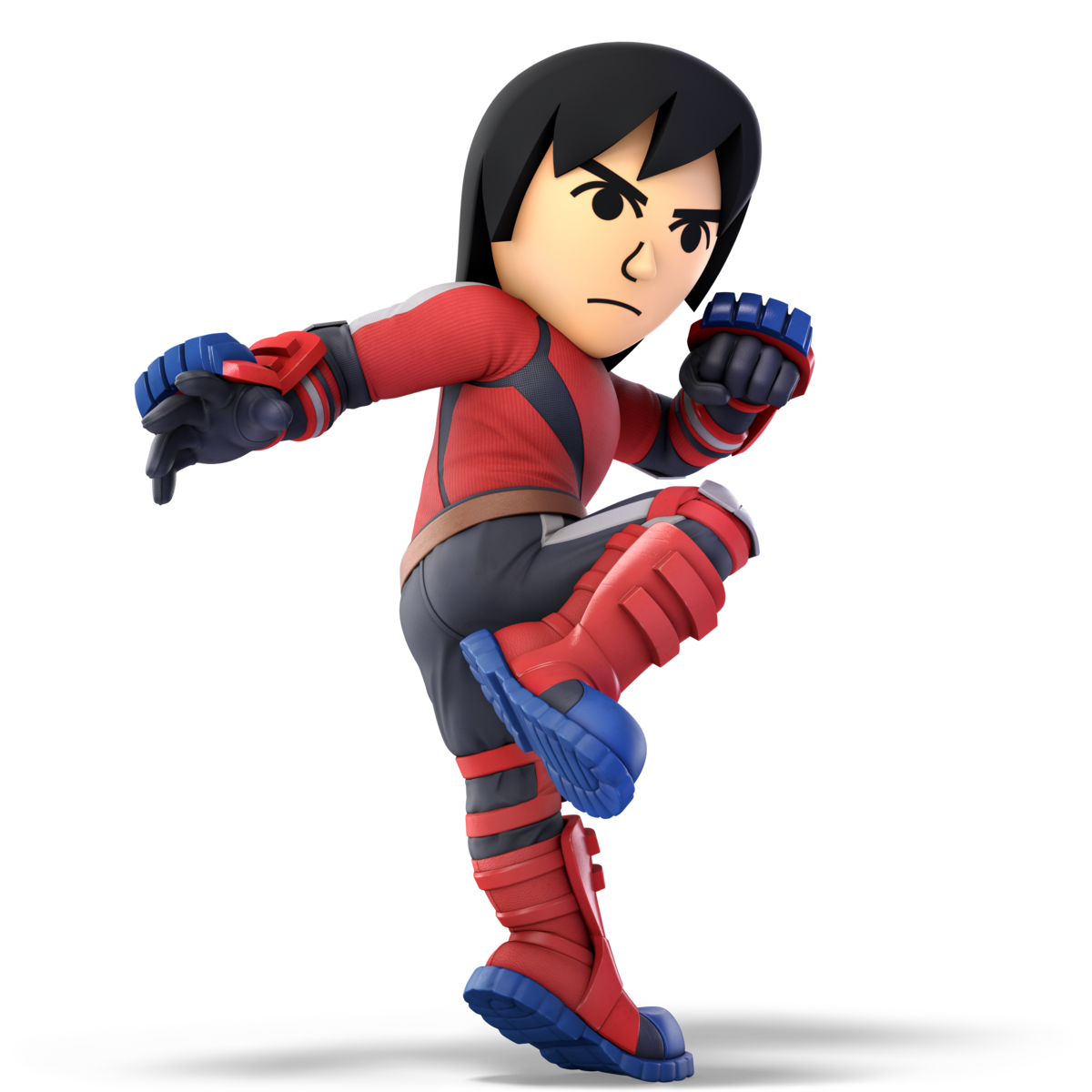
Miis – Nintendo’s avatar system introduced with the Wii in 2006 – were considered for Brawl and rejected on two separate grounds. Sakurai stated that including Miis as fighters “didn’t seem right at the time,” as it felt inappropriate for the avatars players used to represent themselves to be punching and kicking. A secondary concern was online play: Sakurai worried that players would create offensive Mii designs and use them to harass opponents in online matches. By Smash 4, both objections had been addressed – the cultural moment for Mii combat had shifted, and Nintendo implemented restrictions on Mii visibility in online play to handle the harassment concern. Miis debuted in Smash 4 as three distinct fighter types – Brawler, Swordfighter, and Gunner – the most flexible character concept in the series, allowing players to customize movesets from a pool of options. Their Brawl rejection is one of the few cases where both the reasoning and the eventual solution are entirely clear.
Ice Climbers
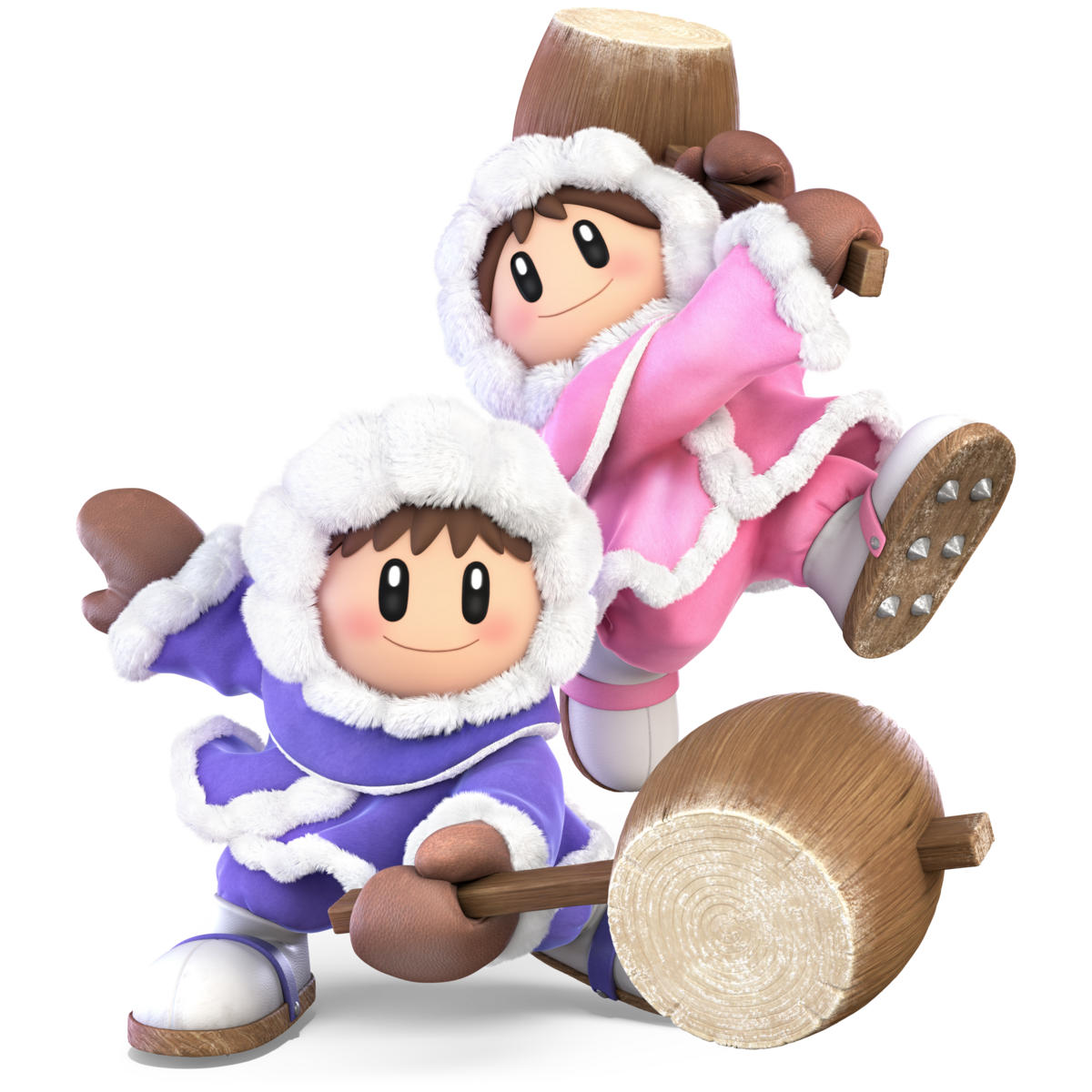
The Ice Climbers were cut from Smash 4 despite being returning veterans, and their removal had nothing to do with design decisions or character fit – it was a hardware problem. The Nintendo 3DS version of the game could not handle two simultaneous character models with independent physics and AI on screen, which the Ice Climbers’ paired mechanic requires. Sakurai revealed in his Famitsu collection “Thoughts About Making Video Games 2” that his team went to significant lengths to make it work, disabling gravity effects and removing joints in an effort to reduce the computational load. Even those compromises weren’t enough. Because Sakurai was committed to both the Wii U and 3DS versions sharing the same roster, he refused to make the Ice Climbers a Wii U exclusive – which would have worked – and cut them from both versions instead. They returned in Ultimate, where the hardware limitations of the Switch presented no obstacle, and their mechanic was fully restored.
Chorus Kids
The Chorus Kids – a trio of singing characters from Rhythm Heaven – are the most ambiguously documented entry on this list, but the evidence for their Smash 4 consideration is substantial. Data mined from Smash 4’s files revealed an unused character emblem matching the Rhythm Heaven universe, suggesting a Rhythm Heaven character was in active development before being cut. The Gematsu leaks – a series of insider leaks widely accepted as reflecting an early planning stage of Smash 4 – specifically named the Chorus Kids as that character. Sakurai never directly confirmed their identity, but the combination of the data mine and the accuracy of the surrounding Gematsu leaks on other characters has made the Chorus Kids’ near-inclusion broadly accepted in the Smash community. Rhythm Heaven remains one of the only significant Nintendo franchises with no playable representative in any Smash game, with the series receiving only music, a stage in 3DS, and Assist Trophy representation.
Takamaru
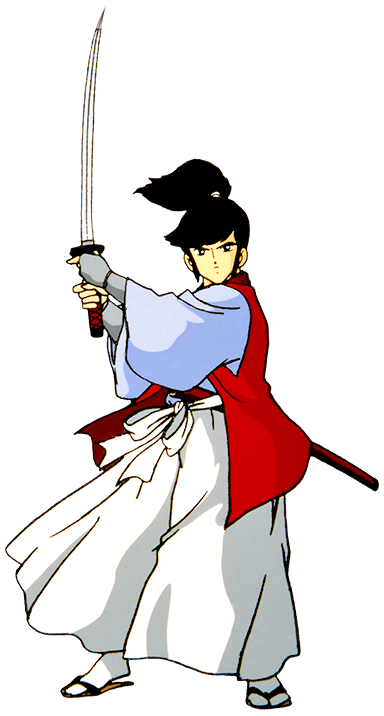
Takamaru, the protagonist of The Mysterious Murasame Castle – a 1986 Famicom action game that was never released outside Japan until a 3DS port in 2014 – was considered for Smash 4 and confirmed rejected in a Niconico interview with Sakurai. The reason was straightforward: Takamaru’s popularity was simply too low to justify a full character slot. The series had only one game in nearly three decades of existence, and its Japanese-only history meant Western players had essentially no connection to the character. Sakurai had mentioned Takamaru as a personal favorite as far back as the Melee era, expressing interest in his game, which makes the repeated rejections feel particularly final. He appeared as an Assist Trophy in Smash 4 and Ultimate – the same consolation given to many characters on this list. A Mii Swordfighter costume based on Takamaru was also released as DLC for Smash 4, Nintendo’s standard acknowledgment for beloved characters who don’t earn a full roster spot.
Chrom
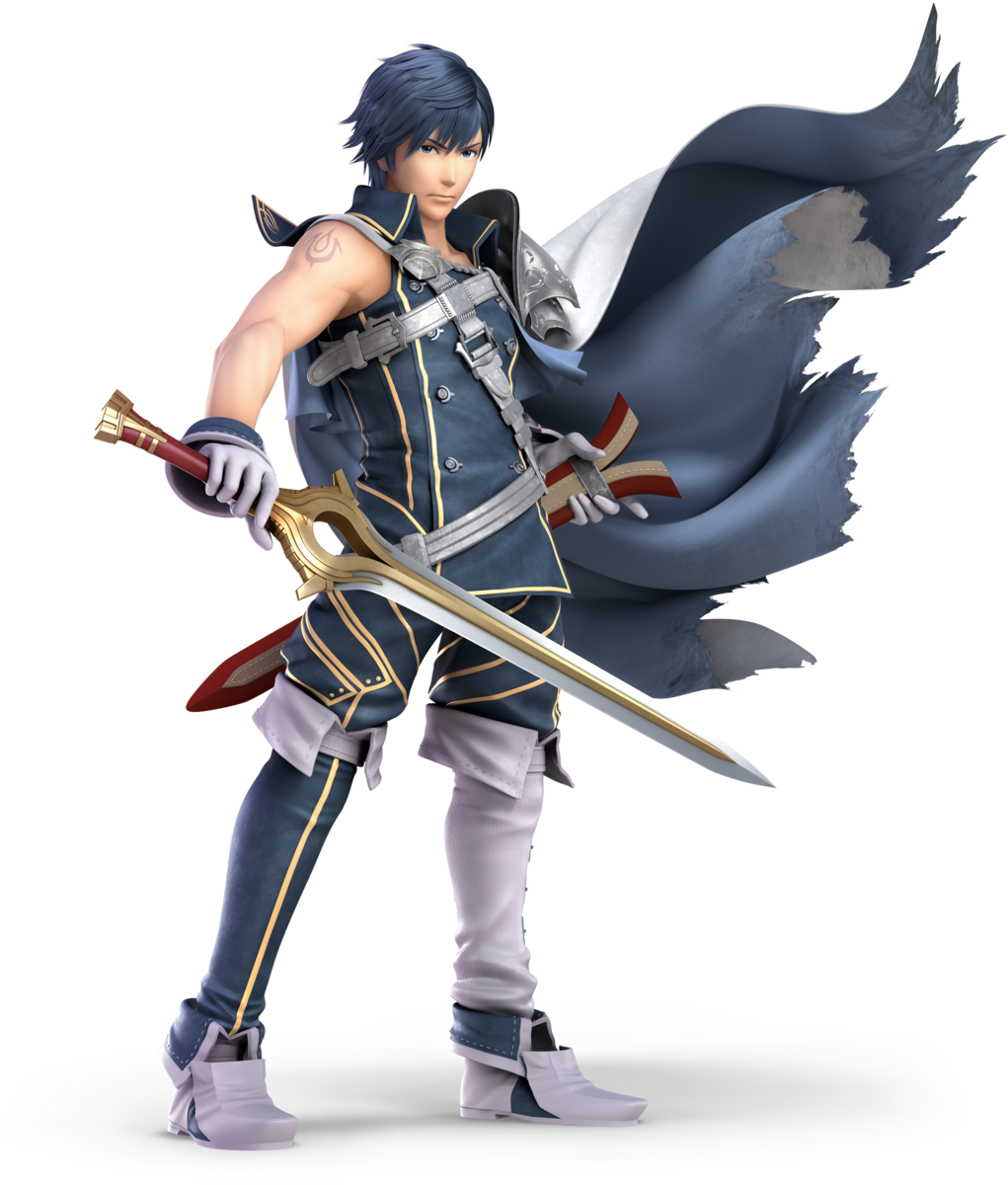
Chrom, the protagonist of Fire Emblem: Awakening, was considered for Smash 4 and confirmed rejected in Sakurai’s weekly Famitsu column following the reveal trailer for Robin and Lucina. Sakurai stated that he planned a moveset for Chrom but ultimately chose Robin instead, determining that Chrom would fight too similarly to both Marth and Ike to offer anything meaningfully different. The rejection was written directly into the game: in Robin’s Palutena’s Guidance conversation – the in-game Easter egg dialogues between fighters – Chrom’s similarity to existing Fire Emblem characters is explicitly referenced as the reason he didn’t make the cut. Chrom appears in Smash 4 as part of Robin’s Final Smash. He was eventually added to Ultimate as an Echo Fighter of Roy – not Marth or Ike, despite those being the comparisons Sakurai made – with a slightly distinct moveset that gave him the grounded, heavy-hit style Sakurai had always intended for the character.
Heihachi Mishima
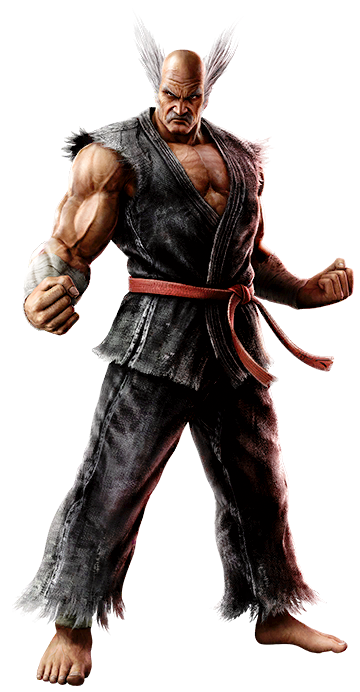
Heihachi Mishima, the patriarch of the Mishima family and primary antagonist of the Tekken franchise, was considered as Smash’s Tekken representative on two separate occasions – first for Smash 4, and again for Ultimate – and rejected both times in favor of other fighters. For Smash 4, Heihachi was reportedly among the candidates evaluated before negotiations ultimately didn’t proceed. For Ultimate, Sakurai confirmed in his Mr. Sakurai Presents “Kazuya” video that Heihachi was nearly selected as the Tekken fighter but was passed over in favor of Kazuya Mishima. Sakurai’s reasoning was that Kazuya’s Devil Gene – the supernatural power he develops after surviving his father’s attempt to kill him – provided a richer and more visually distinctive moveset potential than Heihachi’s more conventional fighting style. Kazuya’s incorporation of the Devil Gene as a transform mechanic in Ultimate proved Sakurai’s instinct correct: the resulting character is the most technically complex fighter ever designed for the series.
Alucard
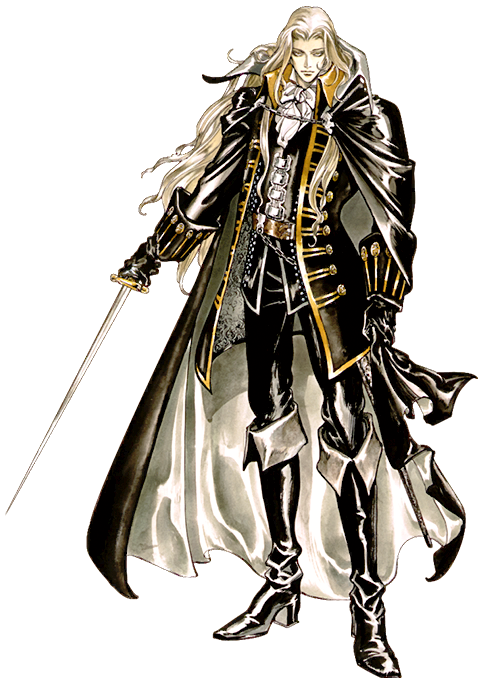
Alucard, the dhampir protagonist of Castlevania: Symphony of the Night and arguably the most recognizable hero in the Castlevania franchise, was confirmed by Sakurai in a Famitsu interview to have been considered for the Castlevania representative slot in Ultimate. Sakurai chose Simon and Richter Belmont instead, explaining that he felt fans would prefer the Belmont whip-fighters who had originally defined the franchise in its NES and SNES era. Alucard received the Assist Trophy role – a particularly fitting concession given Symphony of the Night’s legendary status. In Ultimate, Alucard’s Assist Trophy summons him to attack opponents with his sword and signature backwards dash. His rejection as a playable character is one of the more debated calls in the Ultimate roster: Symphony of the Night is consistently ranked among the greatest games ever made, and Alucard’s moveset potential – sword combat, bat transformation, teleportation – has been cited by fans as among the most naturally Smash-ready of any rejected character.
Decidueye
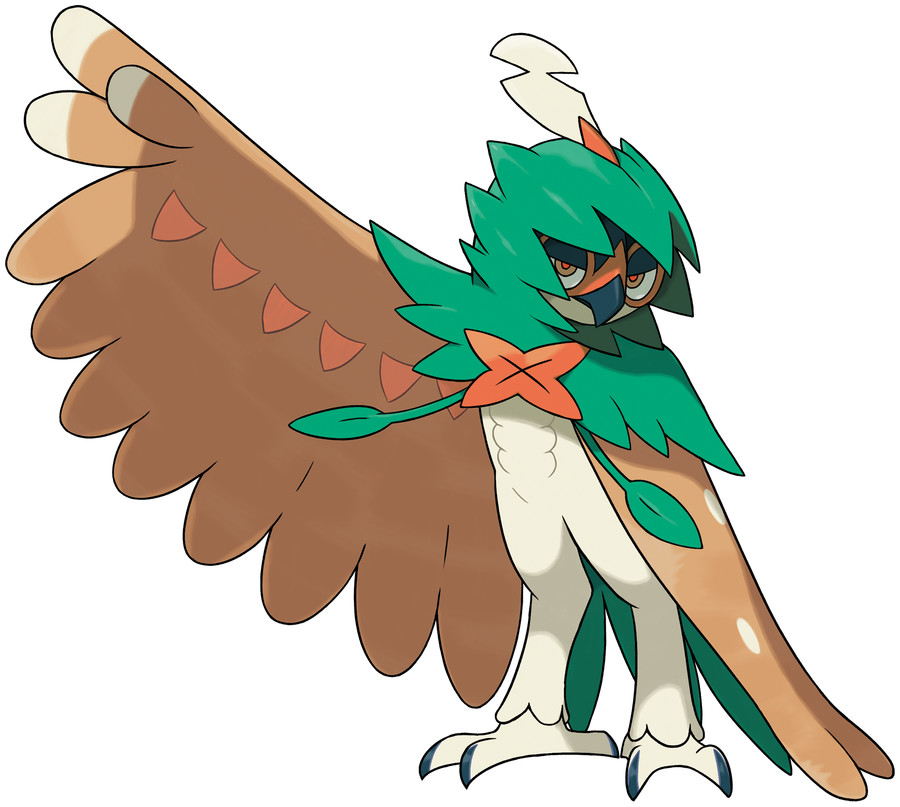
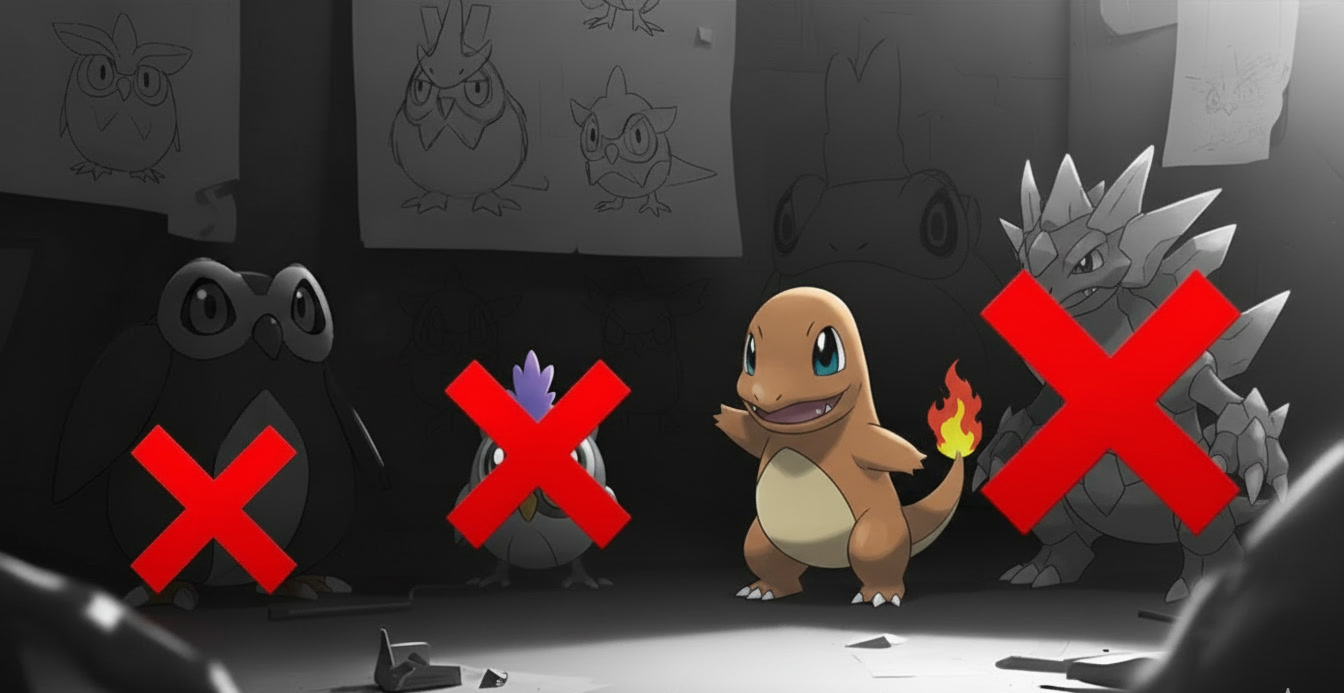
Decidueye, the grass-type final evolution of Rowlet from Pokémon Sun and Moon, was confirmed by Sakurai in an interview with Nintendo Dream to have been the primary alternative when choosing which Generation 7 Pokémon would join Ultimate’s roster. The choice came down to Decidueye and Incineroar – Litten’s fire-type evolution – and Sakurai chose Incineroar specifically because he wanted to design a character with a professional wrestling-based moveset, something the fire heel grappler naturally embodied. Decidueye, a long-range archer with a spectral, ghost-type aesthetic, would have been a functionally different character – a projectile-heavy fighter at range rather than a grappler in close quarters. The decision reflects Sakurai’s consistent approach of choosing characters based on what interesting mechanics they enable rather than simply who is most popular. Decidueye has remained among the most requested Pokémon for inclusion in any future Smash game, and its absence from Ultimate despite being the direct runner-up has kept the discussion active among fans.
Ninjara
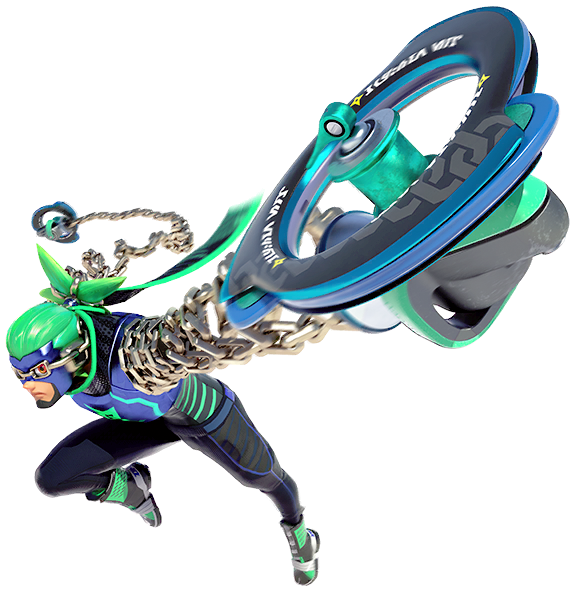
Ninjara, the ninja character from ARMS, was confirmed by Sakurai during Min Min’s reveal on June 22nd, 2020, to have been the other finalist when selecting the ARMS representative for Ultimate’s DLC. Nintendo’s producer for ARMS, Kosuke Yabuki, specifically requested Min Min for the slot, and Sakurai honored that request over his own consideration of Ninjara. The decision marked the only known case where an external developer’s preference directly determined which character won a contested DLC spot. Ninjara had been one of the most popular characters in ARMS, frequently cited in fan polls, and his ninja aesthetic gave him a visual identity that felt distinct from Min Min’s noodle-arm design. Min Min’s inclusion was ultimately well-received, and her moveset – independently controlling each arm to zone opponents – became one of the most technically complex in the Fighters Pass. Ninjara’s confirmation as the runner-up made him, like Decidueye, one of the most clearly documented near-misses in the DLC era.