Every Country That Participated in World War II
World War II killed somewhere between 70 and 85 million people - roughly 3 percent of the entire human population alive in 1940. That number is so large it becomes abstract until you consider what it actually means: entire cities erased, generations hollowed out, and a conflict so vast it pulled soldiers from the jungles of New Guinea, the deserts of North Africa, the frozen Finnish wilderness, and the swamps of Burma into the same catastrophic machinery. By the time it ended in September 1945, more than 30 sovereign nations had deployed combat troops, declared war, or both. Every continent except Antarctica sent men to die in it. Here is every country that fought.
- Duration: September 1, 1939 - September 2, 1945 (six years and one day)
- Total deaths: 70-85 million (military and civilian combined)
- Combat nations: 30+ countries deployed troops or declared war
- Deadliest single engagement: Battle of Stalingrad - approximately 2 million casualties
- Widest geographic spread: fighting occurred across Europe, Asia, Africa, the Pacific, the Atlantic, and the Indian Ocean
- Cost in today's terms: estimated $4.5 trillion (1945 dollars)
Poland
Poland has the grim distinction of being the country that started the clock. On September 1, 1939, Germany invaded from the west. Sixteen days later, the Soviet Union invaded from the east under the terms of a secret protocol in the Molotov-Ribbentrop Pact. Caught between two totalitarian superpowers, Poland was divided and occupied within weeks - yet it never surrendered. A Polish government-in-exile operated first from Paris, then London, and Polish armed forces continued fighting under Allied command throughout the entire war. Polish pilots flying with the RAF during the Battle of Britain recorded the highest kill ratio of any Allied squadron. The Polish Home Army staged the Warsaw Uprising in 1944 - 63 days of brutal urban combat that ended with the city systematically demolished. Poland lost an estimated 6 million citizens during the war, nearly 17 percent of its prewar population - the highest proportional loss of any nation involved. It began the war with invasion and ended it under Soviet occupation.
United Kingdom
Britain entered the war on September 3, 1939, two days after Germany invaded Poland, fulfilling a guarantee it had given to the Polish government. What followed was the most geographically dispersed military effort in British history - soldiers, sailors, and airmen fighting simultaneously in Western Europe, North Africa, East Africa, the Middle East, the Indian subcontinent, Burma, Malaya, and the Pacific. The Battle of Britain in 1940 - when the Luftwaffe attempted to destroy the RAF as a prelude to invasion - was one of the war's pivotal moments. Had it succeeded, the entire trajectory of the conflict would have changed. Britain also ran the longest continuous naval campaign of the war: the Battle of the Atlantic, fighting to keep supply lines open from 1939 to 1945. Total British military dead numbered around 383,000, with an additional 67,000 civilian deaths from bombing. The country emerged victorious and nearly bankrupt, its empire beginning an irreversible unraveling within years of the peace.
France
France entered the war on September 3, 1939, alongside Britain, and then suffered one of the most catastrophic military collapses in modern history. In May-June 1940, German forces bypassed the Maginot Line through the Ardennes - a route French commanders had considered impassable - and cut off Allied forces at Dunkirk. France fell in six weeks. An armistice signed on June 22, 1940 divided the country: the northern zone under direct German occupation, the southern zone governed by the Vichy regime under Marshal Philippe Petain, which actively collaborated with the Nazis including in the deportation of Jews. Yet France also fought on - through the Free French Forces led by Charles de Gaulle (covered separately below), through the French Resistance operating inside occupied territory, and through French colonial troops in multiple theaters. French forces participated in the liberation of their own country in 1944, entering Paris alongside Allied troops in August of that year. The French navy, partially scuttled at Toulon to avoid capture, and partially commandeered by the Allies, reflected the war's strange duality for France: simultaneously occupied and resistant.
Free French Forces
When France capitulated in June 1940, Brigadier General Charles de Gaulle refused to accept defeat. He broadcast a message from London on June 18, 1940, calling on French soldiers, sailors, and airmen to continue fighting - and some did. The Free French Forces, operating outside occupied France with the recognition of Britain and later the Allies, grew from a few thousand men in 1940 to over 400,000 by 1944. They fought in nearly every theater of the war: North Africa (where General Leclerc led a remarkable 1,500-mile desert march from Chad to Libya), Italy, the invasion of Normandy, and the liberation of France itself. The Free French were distinct from Vichy France - the collaborationist government operating in southern France that supplied workers to Germany and deported Jews. De Gaulle's forces provided France with a claim to have been on the winning side, a claim that shaped French national identity for decades afterward. The distinction between Vichy France and Free France remains one of the war's most morally complex stories.
Australia
Australia declared war on Germany on September 3, 1939 - within hours of Britain's declaration. But the war came viscerally close to home in a way it never did for most Allied nations: in February 1942, Japanese aircraft bombed Darwin in the largest foreign attack ever on Australian soil. The country that had sent men to fight in North Africa and the Middle East suddenly faced potential invasion from the north. Australian forces fought in every major theater available to them - North Africa (where the 9th Division played a key role at El Alamein), Greece, Crete, Syria, the Malay Peninsula, Singapore, New Guinea, Borneo, and the Pacific islands. The fall of Singapore in February 1942 - where 15,000 Australian soldiers were among those captured - was a national trauma. Many of those POWs died on the Burma-Thailand Railway or in Japanese camps. Australia lost around 39,000 military dead, and the experience fundamentally shifted the country's strategic outlook away from Britain and toward the United States.
Canada
Canada declared war on Germany on September 10, 1939 - a week after Britain, a deliberate choice by the Canadian parliament to assert its independent decision-making. The country that had bled enormously in the First World War entered the second with a tiny professional army of barely 4,000 men and rapidly built it into a force of over one million. Canadian forces bore the brunt of the disastrous Dieppe Raid in August 1942 - a rehearsal for D-Day that went catastrophically wrong, with nearly 60 percent of the 6,000-man raiding force killed, wounded, or captured, the majority of them Canadian. They learned costly lessons that shaped the successful Normandy landings two years later. Canadian troops fought through the Italian campaign and formed a key part of the D-Day landings, with Juno Beach assigned as their sector. The Royal Canadian Air Force and Royal Canadian Navy also played substantial roles, particularly in the Battle of the Atlantic. Canada lost approximately 45,000 military personnel - and entered the war as a dominion, exiting it as an undisputed independent power.
New Zealand
New Zealand declared war on September 3, 1939, the same day as Britain - and sent a higher proportion of its population to serve than almost any other Allied nation. A country of fewer than 1.7 million people mobilized over 140,000 men and women for military service. New Zealand forces became renowned for their fighting quality, particularly in North Africa, where the 2nd New Zealand Division under General Bernard Freyberg was considered among the finest formations in the British Eighth Army. They fought at Crete (where Freyberg commanded the entire Allied defense), at El Alamein, in the Italian campaign at Monte Cassino, and in the Pacific. The losses were proportionally severe: approximately 11,900 New Zealanders died in the war, with thousands more wounded or taken prisoner. For a small, remote nation at the bottom of the world, the conflict reached into nearly every family. New Zealand also contributed significantly to the RAF, with New Zealand airmen serving in European skies far from home.
India
India contributed the largest volunteer army in history to World War II - more than 2.5 million men - without being an independent nation. It was still part of the British Empire, and the decision to commit Indian troops was made by the British viceroy, not by Indian political leaders. Many Indian nationalists, including Gandhi, were imprisoned for opposing the war effort. Yet Indian soldiers fought - and fought well - in North Africa, East Africa, the Middle East, Italy, Malaya, Singapore, Burma, and the Pacific. The 4th Indian Infantry Division was among the most decorated formations in the British Army. The war also produced the Indian National Army, a force of Indian POWs led by Subhas Chandra Bose who fought alongside Japan to liberate India from British rule - the same war, two opposite sides, same motivation. The Bengal Famine of 1943 killed an estimated 2-3 million Indians, worsened by wartime policies diverting rice. India's contribution to Allied victory was immense; its reward, within two years of the war's end, was independence.
South Africa
South Africa's entry into the war was anything but unanimous. When Prime Minister J.B.M. Hertzog proposed neutrality in September 1939, he lost a parliamentary vote by 80 to 67. His deputy, Jan Smuts, took over, declared war on Germany, and led a country deeply divided along Afrikaner-British lines into the conflict. Many Afrikaners - including a young John Vorster, who would later become prime minister - actively sympathized with Nazi Germany and opposed the war. Despite this, South Africa deployed over 330,000 troops who fought in East Africa, North Africa (where the fall of Tobruk in June 1942 was a catastrophic blow, with 33,000 Allied soldiers captured including thousands of South Africans), and Italy. South African airmen served in multiple theaters and the South African Air Force flew extensively in North Africa. The country lost approximately 11,900 military personnel. The war also accelerated social tensions that would ultimately manifest in apartheid, formally introduced in 1948 - three years after the Allied victory against racial ideology.
Norway
Norway was invaded by Germany on April 9, 1940 - the same morning as Denmark - in a simultaneous strike that caught both nations almost entirely off guard. The German operation was audacious: warships sailed into Norwegian fjords under cover of fog while paratroopers seized airports. Norwegian coastal defenses managed one remarkable act of defiance: shore batteries sank the German heavy cruiser Blucher in the Oslofjord, delaying the capture of the capital and allowing King Haakon VII and the government to escape. After two months of fighting, the Allies evacuated, and Norway fell under German occupation. The government-in-exile operated from London, and Norwegian forces continued fighting throughout the war - notably the Norwegian Merchant Navy, which was the fourth largest in the world and critically important to Allied supply lines. Norwegian sailors lost around 3,700 men keeping those convoys running. Inside Norway, a resistance movement carried out significant sabotage, most famously destroying the heavy water production at Vemork - a facility that could have aided German nuclear weapons development.
Belgium
Belgium had tried to stay neutral - it had declared neutrality in 1937 and refused military coordination with France and Britain right up until the moment German tanks crossed its border on May 10, 1940. The country fell in 18 days. King Leopold III surrendered - a decision his own government in exile repudiated - and remained in Belgium throughout the occupation, a choice that would haunt him after the war. The Belgian Congo, however, continued fighting under Allied command, contributing troops and - crucially - uranium from the Shinkolobwe mine that would eventually fuel the Manhattan Project. Belgian forces reformed in Britain and participated in the Normandy campaign and the liberation of Belgium in 1944. Belgian resistance fighters and the Belgian SAS operated in occupied territory. The liberation came with a grimly ironic coda: in December 1944, the Germans launched the Battle of the Bulge partly through Belgium, inflicting one last catastrophic battle on soil that had already been fought over twice in 30 years.
Netherlands
The Netherlands was invaded on May 10, 1940 - the same day as Belgium and France - despite having remained neutral in the First World War and genuinely believing neutrality would protect it again. The Germans bombed Rotterdam so heavily on May 14, killing nearly 900 civilians and destroying the city center, that the Netherlands surrendered the following day. The Dutch East Indies - modern Indonesia - was subsequently seized by Japan in 1942, after fierce if ultimately futile resistance. The Dutch government-in-exile operated from London throughout the occupation, and Dutch forces fought in various theaters including naval operations and the Pacific. Inside occupied Netherlands, the resistance produced some remarkable acts of defiance, including hiding thousands of Jewish families - most famously Anne Frank's family, whose concealment ended when they were betrayed in August 1944. The Hunger Winter of 1944-45 killed around 18,000 Dutch civilians from starvation when the Nazis cut off food supplies in retaliation for a railway strike. The Netherlands lost over 200,000 civilians during the occupation.
Greece
Greece handed Italy one of the most embarrassing military defeats of the entire war. When Mussolini's forces invaded from Albania on October 28, 1940, the Greeks not only stopped them - they pushed the Italians back deep into Albania. Greek forces advanced 50 kilometers into Italian-held territory in the dead of winter, occupying towns and sending the Italian army into full retreat. It was a humiliation so severe it forced Hitler to divert forces to bail out his ally. Germany invaded Greece in April 1941, and the country was occupied by both Germany and Italy. The Greek resistance was fierce and costly: Axis reprisals killed tens of thousands of civilians. Greece also suffered the worst famine of any Western European country during the occupation, with an estimated 100,000-300,000 deaths from starvation. Greek forces continued fighting from the Middle East, and the Greek merchant navy - like Norway's - provided vital tonnage to Allied supply lines. Greece lost approximately 7-11 percent of its prewar population, one of the highest proportional losses among Allied nations.
Yugoslavia
Yugoslavia signed a pact with the Axis on March 25, 1941 - and two days later, its own military overthrew the government in a coup. The population celebrated in the streets. Hitler, enraged, ordered Yugoslavia destroyed "with merciless brutality." Germany invaded on April 6, 1941, bombing Belgrade without warning on the first day, killing an estimated 17,000 civilians. The country fell within 11 days. What followed was one of the most savage occupations of the war, marked not only by German and Italian brutality but by internecine civil war among the Yugoslavs themselves: Serbian royalist Chetniks, the communist Partisans under Josip Broz Tito, and the Croatian Ustasha regime (covered separately) all fought one another alongside or against the Axis. Tito's Partisans grew into a force of 800,000 by 1945 and were the most effective resistance movement in occupied Europe - tying down Axis divisions that could have been deployed elsewhere. Yugoslavia lost approximately 1 million people, with some estimates as high as 1.7 million, to war, occupation, and internal slaughter.
Czechoslovakia
Czechoslovakia was dismembered before the war even officially started. The Munich Agreement of September 1938 handed the Sudetenland to Germany; six months later, Hitler occupied the rest, turning Bohemia and Moravia into a protectorate and making Slovakia a puppet state. No shot had been fired. Yet Czechoslovak military personnel escaped to fight on every major Allied front - in France during the 1940 campaign, in the Battle of Britain (where Czechoslovak pilots were among the most effective), in North Africa, the Middle East, and eventually in the liberation of their homeland in 1945. The Czechoslovak government-in-exile in London was recognized by the Allies and operated throughout the war. One of its most significant operations was Operation Anthropoid - the 1942 assassination of Reinhard Heydrich, the architect of the Holocaust, by Czechoslovak paratroopers dropped into occupied Prague. The Nazi reprisal - the complete destruction of the village of Lidice and the killing of all its male inhabitants - showed the price of resistance. But Heydrich was dead, the only senior Nazi official assassinated during the war.
Luxembourg
Luxembourg was invaded by Germany on May 10, 1940, the same morning as Belgium and the Netherlands. The Grand Duchy had an army of roughly 400 men - not exactly a military power. The government and Grand Duchess Charlotte fled to London, where a government-in-exile operated throughout the war. Luxembourg was subsequently annexed directly into the Third Reich, and around 10,000 Luxembourgers were conscripted into the German army - with some 3,000 dying on the Eastern Front fighting for the nation that had invaded their country. The Luxembourg government-in-exile's small forces participated in Allied operations, and Luxembourgers served in Allied armies. The country was liberated by American forces in September 1944 - then struck again in December 1944 when the Battle of the Bulge tore through its territory. The small city of Diekirch became the site of fierce fighting. Luxembourg City served as Eisenhower's headquarters for part of the campaign. The country lost around 5,000 people during the occupation and fighting - significant for a population of only 300,000.
Soviet Union
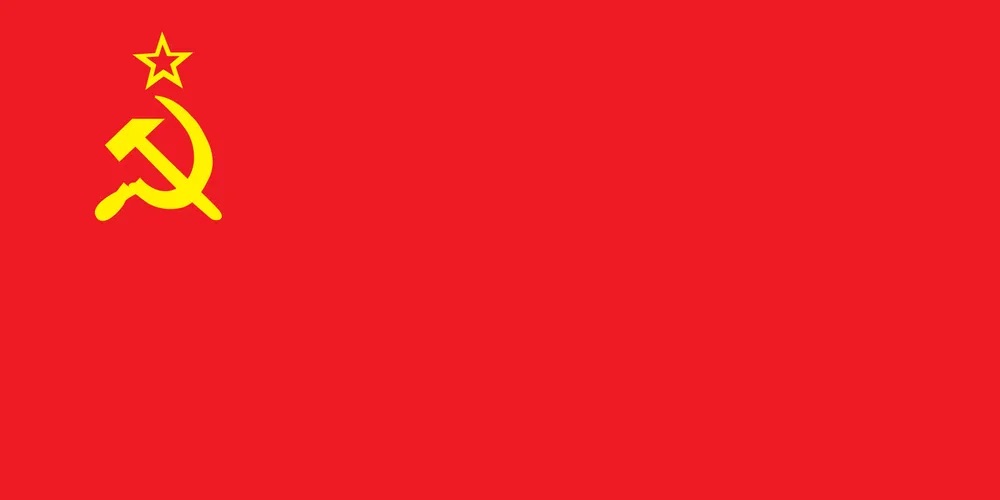
The Soviet Union entered the war as Germany's partner - signing the Molotov-Ribbentrop Pact in August 1939, invading Poland from the east in September 1939, and absorbing the Baltic states in 1940. Then, on June 22, 1941, Germany launched Operation Barbarossa: the largest military invasion in history, with 3.8 million Axis troops attacking along a 2,900-kilometer front. The Soviets were caught catastrophically unprepared. By December 1941, Germany had advanced to the outskirts of Moscow, encircled Leningrad (beginning a siege that would last 872 days and kill approximately 800,000 civilians), and taken an estimated 3.3 million Soviet prisoners of war - most of whom would die in captivity. Yet the Soviet Union did not collapse. It mobilized its vast geography and industrial base, relocated entire factories east of the Ural mountains, and ground Germany down in battles of almost incomprehensible scale. The Battle of Stalingrad (1942-43) and the Battle of Kursk (1943) effectively ended German offensive capacity in the east. The Soviet Union lost an estimated 27 million people in the war - military and civilian combined - more than any other nation. Every death in the war has to be understood against that number.
United States
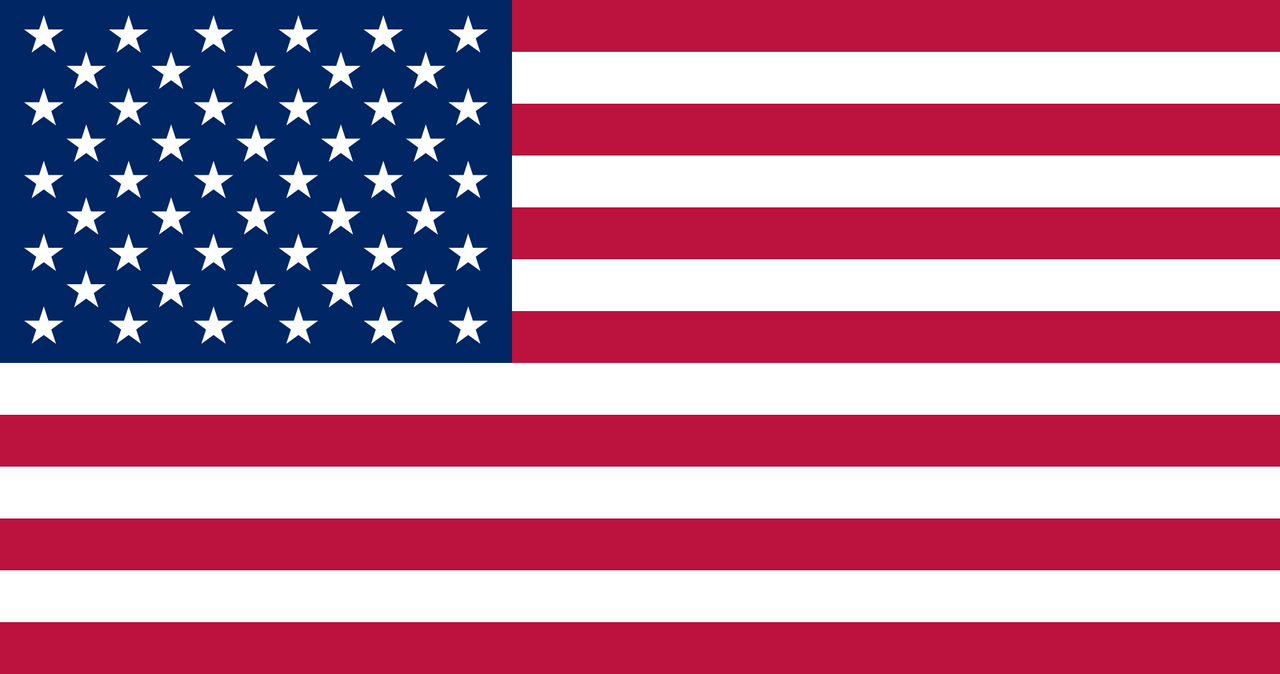
The United States was technically neutral until December 7, 1941 - but had been quietly, then openly, supporting Britain through Lend-Lease, providing weapons and supplies on credit. The Japanese attack on Pearl Harbor, Hawaii, killed 2,403 Americans in under two hours and ended the debate. Congress declared war on Japan the following day; Germany and Italy declared war on the United States four days later, converting what had been two separate conflicts into one genuinely global war. American industrial capacity proved decisive: the country produced 300,000 aircraft, 86,000 tanks, 8,800 naval vessels, and 2.5 million trucks during the war years - more than all Axis nations combined. American forces fought in North Africa, Italy, Western Europe, and across the entire Pacific theater, from Guadalcanal to Iwo Jima to Okinawa. The atomic bombs dropped on Hiroshima (August 6, 1945) and Nagasaki (August 9, 1945) ended the Pacific war and inaugurated the nuclear age. The United States lost approximately 405,000 military personnel - a devastating number for any nation, and one that nevertheless represented a fraction of what the Soviet Union or China endured.
China
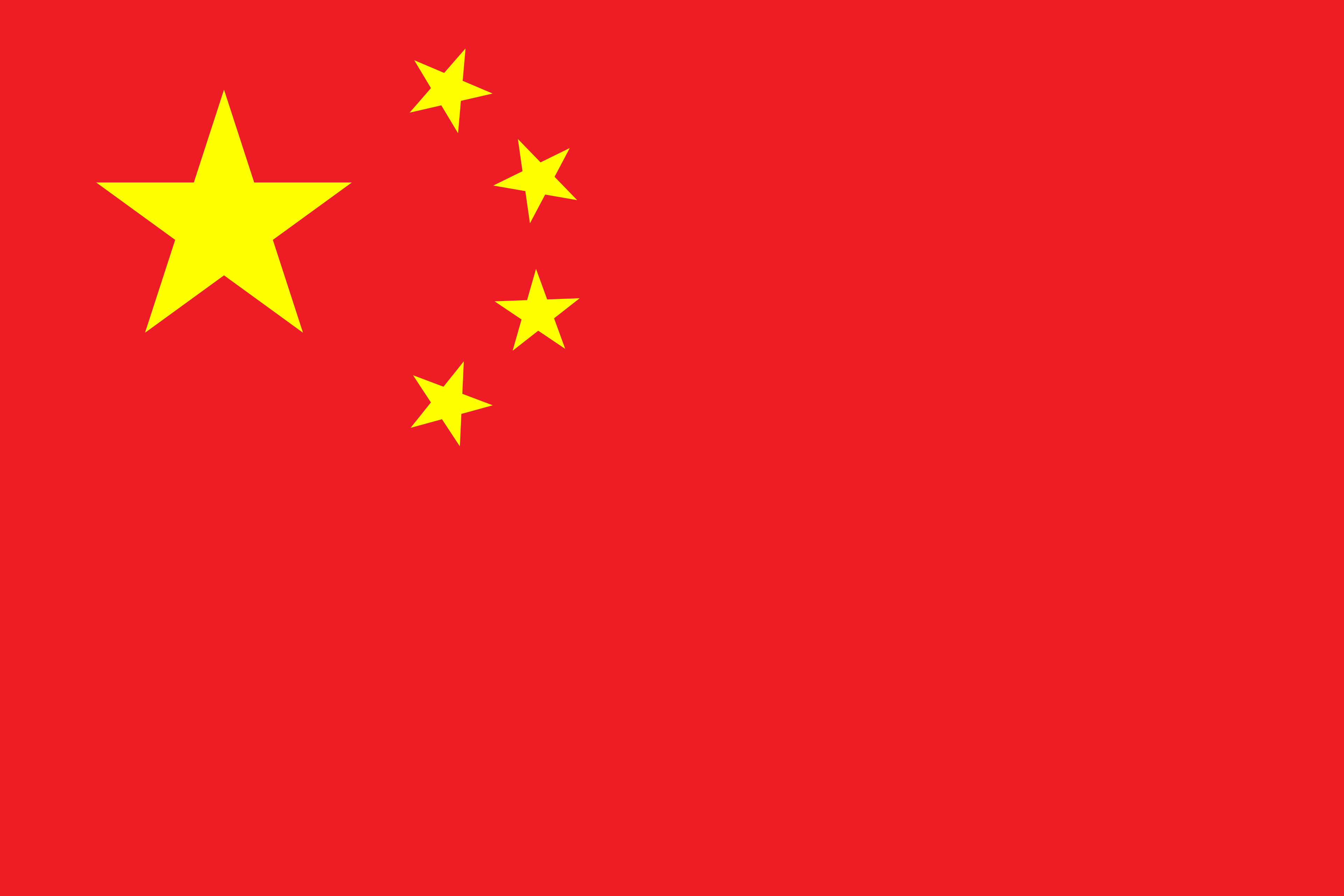
China had been at war with Japan since 1937 - two years before the European war started. By the time the conflict formally became World War II, China had already endured the Rape of Nanjing (December 1937-January 1938), in which Japanese forces killed an estimated 200,000-300,000 civilians and POWs in six weeks. The full Sino-Japanese War, from 1937 to 1945, killed an estimated 15-20 million Chinese, making it one of the most destructive conflicts in human history - one that most Western accounts of World War II underplay. Nationalist forces under Chiang Kai-shek and Communist forces under Mao Zedong maintained an uneasy alliance against Japan, while simultaneously fighting each other in a civil war that would resume and conclude with communist victory in 1949. China's contribution - absorbing the bulk of the Japanese army throughout the war, tying down forces that could otherwise have been deployed elsewhere - was strategically decisive even when Chinese forces were outgunned and undersupplied. The China-Burma-India theater was among the most logistically challenging of the entire war.
Brazil
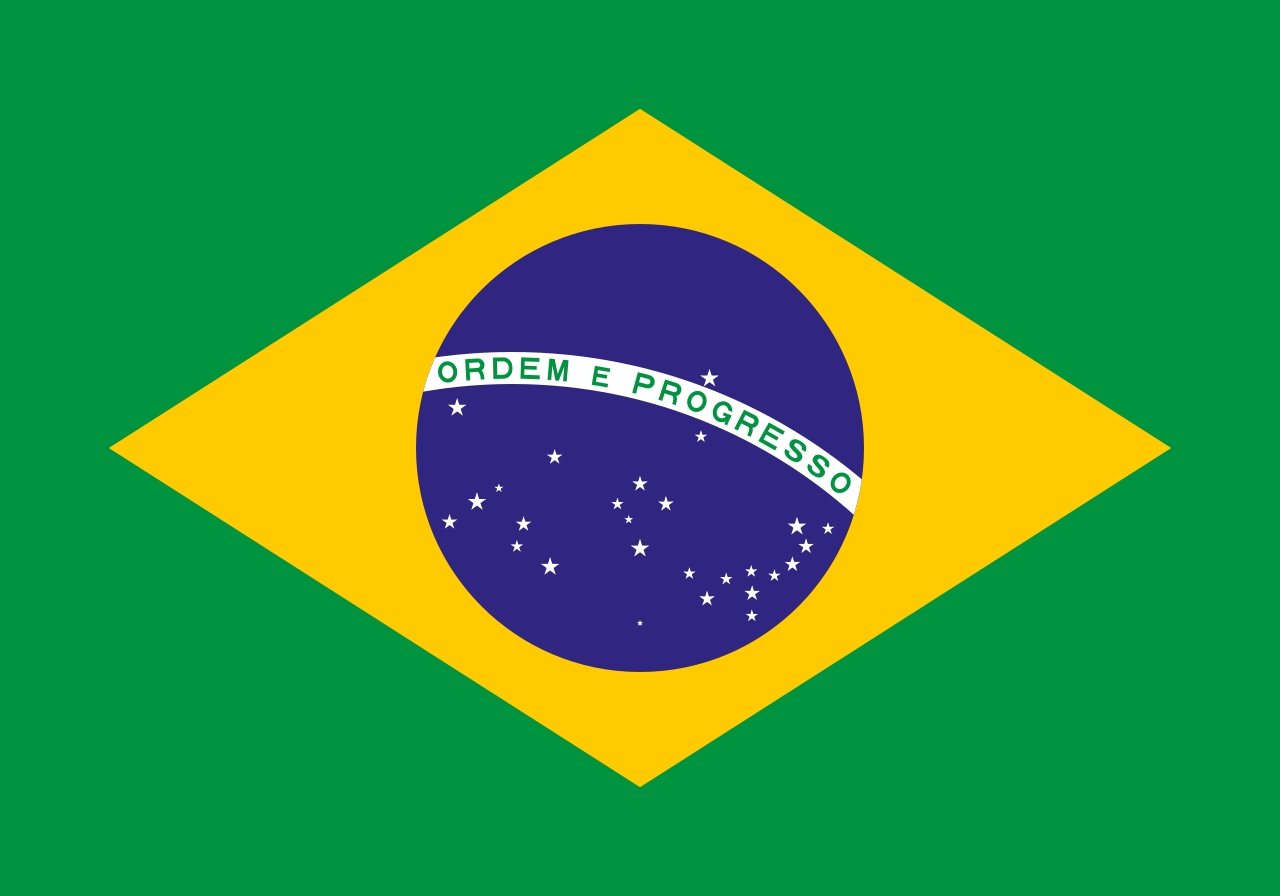
Brazil is the only South American country that sent combat troops to Europe in World War II, and it did so after German submarines made the decision unavoidable. Between February and August 1942, German U-boats sank 36 Brazilian merchant vessels in the Atlantic, killing over 1,000 Brazilians. Public outrage forced President Getulio Vargas - himself the leader of an authoritarian government that had initially expressed sympathy for fascism - to declare war on Germany and Italy. The Brazilian Expeditionary Force of approximately 25,000 men landed in Italy in 1944 and fought in the Italian campaign alongside the Allies through to the end of the war. Brazilian fighter pilots of the 1st Fighter Aviation Group flew P-47 Thunderbolts in Italian skies. The Brazilian navy and air force had already been conducting anti-submarine operations in the Atlantic before the ground forces deployed. Brazil lost around 948 men killed in action - fewer than most participants - but the act of deploying a fighting force to another continent was significant. The returning veterans, who had fought against fascism abroad, helped accelerate the end of Vargas's own authoritarian rule at home.
Philippines
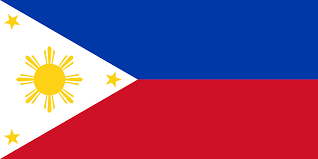
The Philippines was a Commonwealth of the United States when Japan attacked on December 8, 1941 - hours after Pearl Harbor. Japanese forces landed in force in December 1941, and Filipino and American troops under General Douglas MacArthur fought a grueling rearguard action down the Bataan Peninsula. When Bataan fell in April 1942, approximately 76,000 Filipino and American prisoners were forced on the Bataan Death March - a 65-mile ordeal in tropical heat during which guards killed those who fell behind. An estimated 5,000-10,000 Filipinos and 600-650 Americans died on the march or immediately after. Filipino guerrilla forces continued fighting throughout the Japanese occupation. MacArthur returned with American forces in October 1944, fulfilling his famous promise. The liberation of the Philippines in 1944-45 involved some of the most intense fighting of the Pacific war, including the Battle of Leyte Gulf - the largest naval battle in history. Manila was devastated in February 1945, with an estimated 100,000 Filipino civilians killed. Total Filipino war deaths are estimated at over 1 million.
Ethiopia
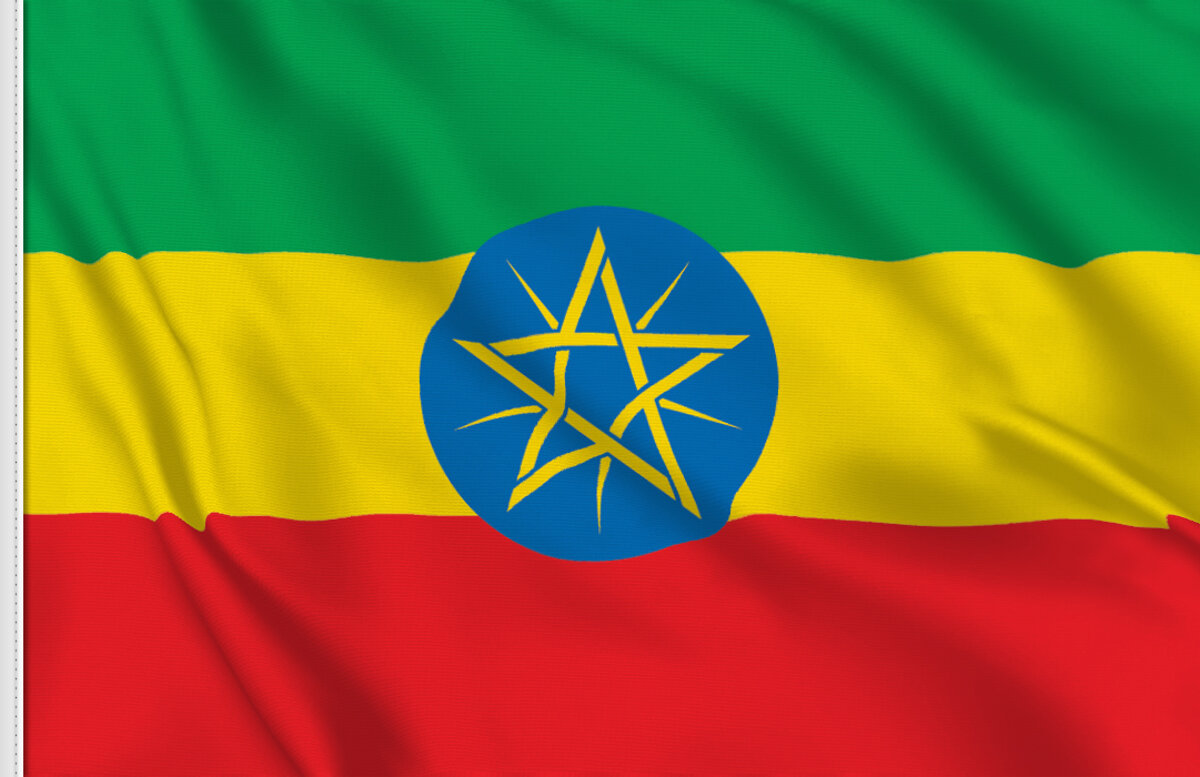
Ethiopia holds a unique place in this list: it was conquered by Italy in 1936, before the war, then liberated during it. Italy's invasion - using poison gas against soldiers and civilians - was condemned by the League of Nations but not stopped. Emperor Haile Selassie delivered one of history's most prescient speeches to the League in 1936, warning that if small nations were abandoned, larger ones would follow. He was right within three years. When Italy entered World War II in June 1940, British and Commonwealth forces launched the East African Campaign in 1941, fighting alongside Ethiopian resistance fighters who had never stopped resisting the Italian occupation. Addis Ababa was liberated in April 1941 - the first capital city liberated from Axis occupation in the entire war. Haile Selassie returned to his throne on May 5, 1941, five years to the day after Italian forces had entered it. Ethiopian forces subsequently continued fighting alongside Allied armies in other theaters. Ethiopia was the first country to experience fascist aggression and among the first to see it reversed.
Mexico
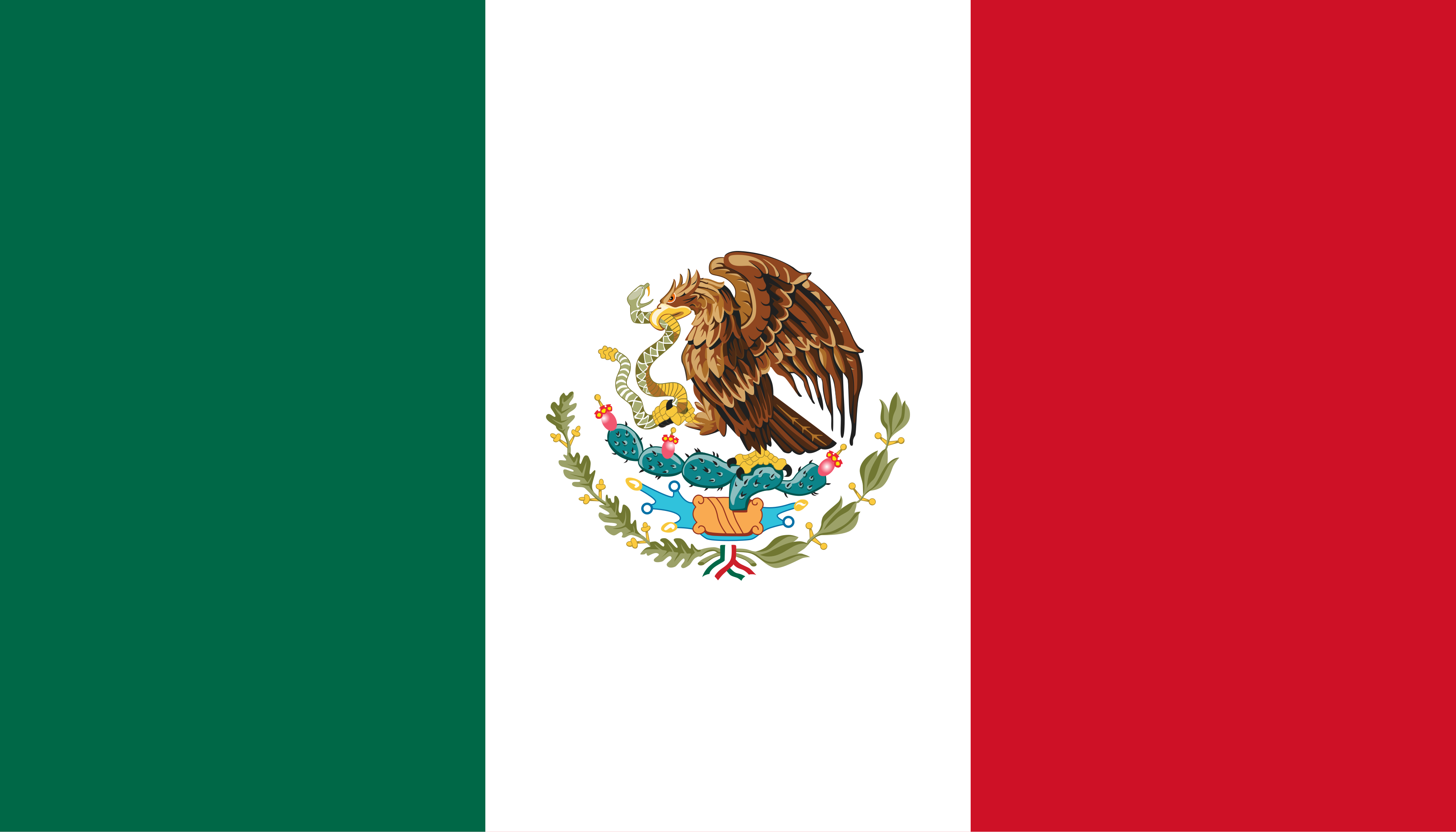
Mexico declared war on the Axis powers in May 1942, prompted by the sinking of two Mexican oil tankers by German submarines. The declaration was historically remarkable - it was the first time Mexico had declared war on a foreign power since the Mexican-American War nearly a century earlier, and it came with actual military commitment. The Escuadron 201, known as the Aztec Eagles, was a squadron of Mexican fighter pilots who deployed to the Philippines in 1945 and flew combat missions against Japanese positions in Luzon and Formosa. The squadron flew over 59 combat missions in P-47 Thunderbolts, with seven men killed. Smaller in scale than many contributions, but Mexico was the only nation in North America besides the United States and Canada to deploy forces to the Pacific theater. Mexico also supplied the United States with critical raw materials and the Bracero Program - a labor agreement that brought hundreds of thousands of Mexican workers to the US to fill wartime labor shortages, an often-overlooked economic contribution to the Allied effort.
Liberia
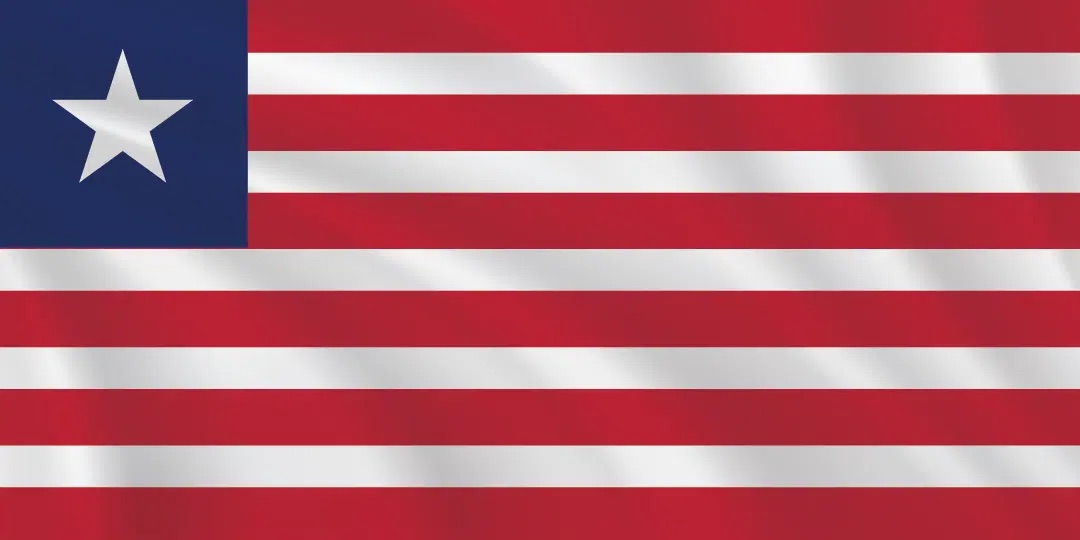
Liberia's participation in World War II is among the least-discussed of any Allied nation, but it was both real and strategically significant. Founded by freed American slaves in the 19th century, Liberia had deep ties to the United States and declared war on Germany and Japan in January 1944. Its strategic value was considerable: Liberia was one of the world's largest producers of natural rubber at a time when Japanese conquests in Southeast Asia had cut off 90 percent of the global rubber supply. The Roberts Field airstrip, built by the United States on Liberian territory, became a critical transit point for ferrying aircraft from the Americas to North Africa and beyond. Liberian territory hosted American bases and troops throughout the war. Liberia also contributed soldiers who served alongside American forces. The country's declaration of war came relatively late - it had maintained cautious relations with both sides for years - but its geographic position, resources, and cooperation made it a genuine participant in the Allied war effort rather than a mere bystander.
Germany
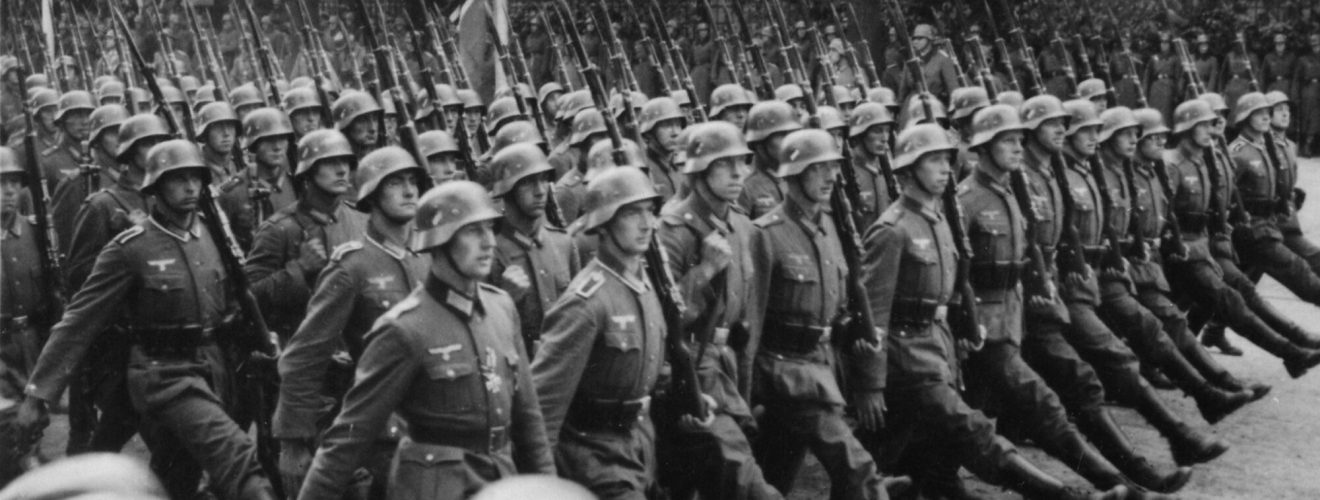
Germany started the war. On September 1, 1939, under Adolf Hitler's direction, German forces invaded Poland using a new form of warfare - Blitzkrieg, combining fast-moving armored columns with close air support - that swept through conventional defenses before they could respond. Within six years, Germany had conquered most of continental Europe, invaded the Soviet Union with the largest land army in history, implemented the systematic murder of 6 million Jews and millions of others in the Holocaust, and been reduced to rubble in a war it could not win. The Wehrmacht was arguably the most technically proficient army of the war, winning stunning victories in 1939-1941 against opponents who were often numerically superior. But Hitler's strategic overreach - fighting simultaneously against Britain, the Soviet Union, and the United States - guaranteed eventual defeat. Germany surrendered unconditionally on May 8, 1945. Its cities were ruins, its military destroyed, its political leadership dead or awaiting trial at Nuremberg. An estimated 5-8 million German military personnel died, along with approximately 1.5-3 million civilians. The country was divided and occupied for decades.
Japan
Japan had been at war in Asia since 1931, when it seized Manchuria, and 1937, when it invaded China proper. The Pacific War - Japan's war against the Western powers - began on December 7, 1941, with simultaneous attacks on Pearl Harbor, Malaya, the Philippines, Guam, Wake Island, and Hong Kong. Within six months, Japan controlled a maritime empire stretching from the borders of India to the Central Pacific, from the Aleutian Islands to New Guinea - the largest territorial conquest in the shortest time in modern history. But Japan's industrial capacity could not sustain a prolonged war against the United States, and the naval battles of Midway (June 1942) and the Coral Sea began a slow, grinding reversal. American island-hopping campaigns brought B-29 bases within range of the Japanese home islands; the firebombing of Tokyo in March 1945 killed an estimated 80,000-100,000 people in a single night. The atomic bombings of Hiroshima and Nagasaki in August 1945 and the Soviet declaration of war ended Japan's resistance. Japan surrendered on September 2, 1945. Total Japanese war deaths: approximately 2.1-2.3 million military personnel and 500,000-800,000 civilians.
Italy

Italy's war was a study in grand ambition and catastrophic incompetence. Mussolini waited until France was clearly collapsing before declaring war on June 10, 1940 - Churchill called it "a stab in the back" - hoping to grab Mediterranean territory on the cheap. What followed was a series of military disasters: defeated by Greece (which pushed Italian forces back into Albania), routed in North Africa by British forces far smaller than Italy's, and struggling in East Africa. German intervention repeatedly bailed Italy out. By July 1943, Allied forces had landed in Sicily, and the Italian king had Mussolini arrested. Italy signed an armistice with the Allies on September 8, 1943, and declared war on Germany the following month - switching sides entirely. German forces immediately occupied northern and central Italy, rescued Mussolini and installed him as head of a puppet state, and fought a brutal rearguard action up the Italian peninsula that lasted until May 1945. Italy thus fought on both sides of the war: Axis aggressor until September 1943, Allied co-belligerent thereafter. Mussolini was captured and executed by Italian partisans in April 1945.
Hungary
Hungary joined the Axis in November 1940, driven by a desire to recover territories lost after World War I - specifically from Czechoslovakia, Romania, and Yugoslavia. Hungarian forces participated in the invasion of Yugoslavia in April 1941, which earned them a slice of Yugoslav territory. They deployed the Second Hungarian Army to the Eastern Front in support of the German invasion of the Soviet Union - a force of around 200,000 men that was effectively destroyed at Voronezh in January 1943, with casualties estimated at 100,000-150,000. Hungary's leadership, recognizing the war was lost, began secret negotiations with the Allies in 1944. When Germany discovered this in October 1944, it launched Operation Panzerfaust, sending tanks into Budapest and installing the fascist Arrow Cross Party in power. The country became a brutal battleground: the Siege of Budapest lasted from October 1944 to February 1945 and killed tens of thousands. Hungary's Jewish community - which had survived relatively intact until 1944 - was deported to Auschwitz in a matter of weeks, with around 500,000 killed. Hungary formally surrendered to the Soviets in April 1945.
Romania
Romania joined the Axis in November 1940, and Romanian forces participated extensively in the invasion of the Soviet Union beginning in 1941, partly to recover Bessarabia and northern Bukovina seized by the Soviets in 1940. Romanian troops were crucial to German operations in southern Russia and participated in the siege of Odessa and the advance to Stalingrad. Romanian forces suffered catastrophically at Stalingrad: the Red Army's November 1942 counteroffensive targeted Romanian-held flanks of the German position and shattered them, encircling the German Sixth Army. An estimated 150,000 Romanian soldiers were killed or captured. As Soviet forces pushed west in 1944, King Michael of Romania staged a coup on August 23, 1944, arrested the pro-German government, and switched Romania to the Allied side. Romanian forces then fought alongside the Soviets through the remainder of the war - advancing into Hungary and Czechoslovakia. This switch is often overlooked, but Romanian participation in the final Allied offensives was substantial: Romania contributed over 500,000 troops to the Allied effort after 1944. It entered the war fighting for the Axis and ended it fighting for the Allies.
Bulgaria
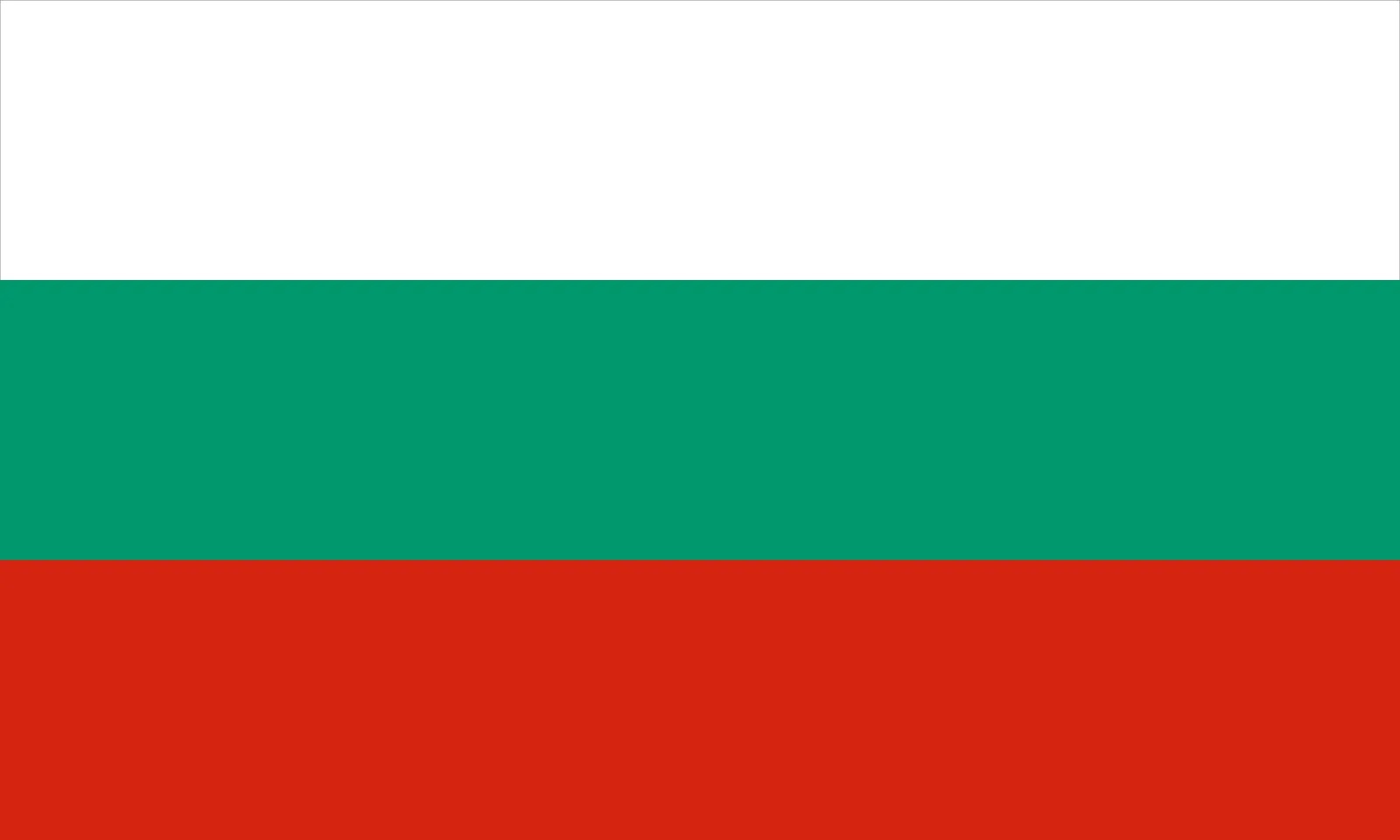
Bulgaria joined the Axis in March 1941, partly under German pressure and partly from a calculated bet on eventual German victory. Bulgarian troops occupied parts of Greece and Yugoslavia but - in a notable exception - Bulgaria never declared war on the Soviet Union, with whom it had historically warm relations, and refused to deport its Jewish population to Nazi extermination camps despite German pressure. Approximately 50,000 Bulgarian Jews survived the war, one of the higher survival rates in Axis Europe. Bulgaria did declare war on Britain and the United States, which led to Allied bombing of Sofia in 1943-44. As Soviet forces approached in September 1944, Bulgaria declared war on Germany and was simultaneously invaded by the Soviet Union - a bizarre 24-hour period where it was briefly at war with everyone. The Fatherland Front, a communist-dominated coalition, seized power on September 9, 1944, and Bulgaria's forces switched to the Allied side. Bulgarian troops fought through Yugoslavia and into Hungary and Austria in the final months of the war. Bulgaria thus switched sides in 1944, ending the war fighting against the Axis it had joined in 1941.
Finland
Finland's position in the war was legally and morally unlike any other participant's. After the Soviet Union invaded Finland in November 1939 - the Winter War - Finland fought it to a standstill in 105 days of extraordinary resistance before being forced to cede territory in March 1940. When Germany invaded the Soviet Union in June 1941, Finland launched what it called the "Continuation War" to recover those lost territories, fighting alongside Germany against the Soviet Union. Finland was careful never to formally join the Axis and refused German requests to advance beyond its former borders to cut the Leningrad supply route - a restraint that saved civilian lives. Finnish marksmen and tactics became legendary: the Winter War's snipers, particularly Simo Hayha, became the most lethal individual soldiers in the entire conflict. After Soviet counteroffensives in summer 1944 pushed Finland back, it signed an armistice with the Soviets in September 1944, agreeing to drive German forces out of northern Finland - which it then did in the Lapland War (1944-45). Finland fought against the Soviet Union, alongside Germany, but was never an Axis member - a uniquely ambiguous position that it has maintained is justified by national self-defense.
Slovakia
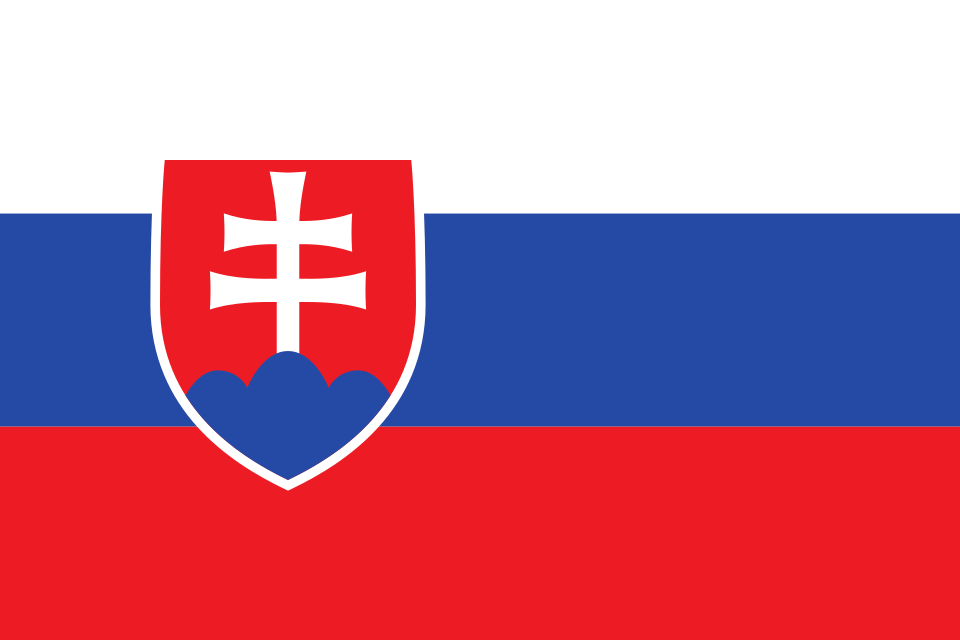
Slovakia became an independent state in March 1939 - the same day Germany occupied the Czech lands - making it from its birth a German protectorate in everything but name. It joined the Axis formally and sent forces to participate in the invasion of Poland in September 1939 and later deployed the Slovak Expeditionary Army Group to the Eastern Front. Slovak units served in the Soviet Union from 1941 onward. However, as the war turned against Germany, anti-Axis sentiment grew rapidly inside Slovakia. The Slovak National Uprising in August-October 1944 was one of the largest armed resistance operations in occupied Europe: approximately 60,000 Slovak soldiers and partisans rose against the German occupation. The uprising was suppressed after two months of fighting, with brutal German reprisals against the civilian population. Individual Slovak soldiers who escaped continued fighting with Allied and Soviet forces. Slovakia was liberated by Soviet forces in April 1945. Its short, strange existence as an independent state ended with the reconstitution of Czechoslovakia after the war - though the uprising gave Slovakia a legitimate claim to have resisted the regime it had originally served.
Croatia
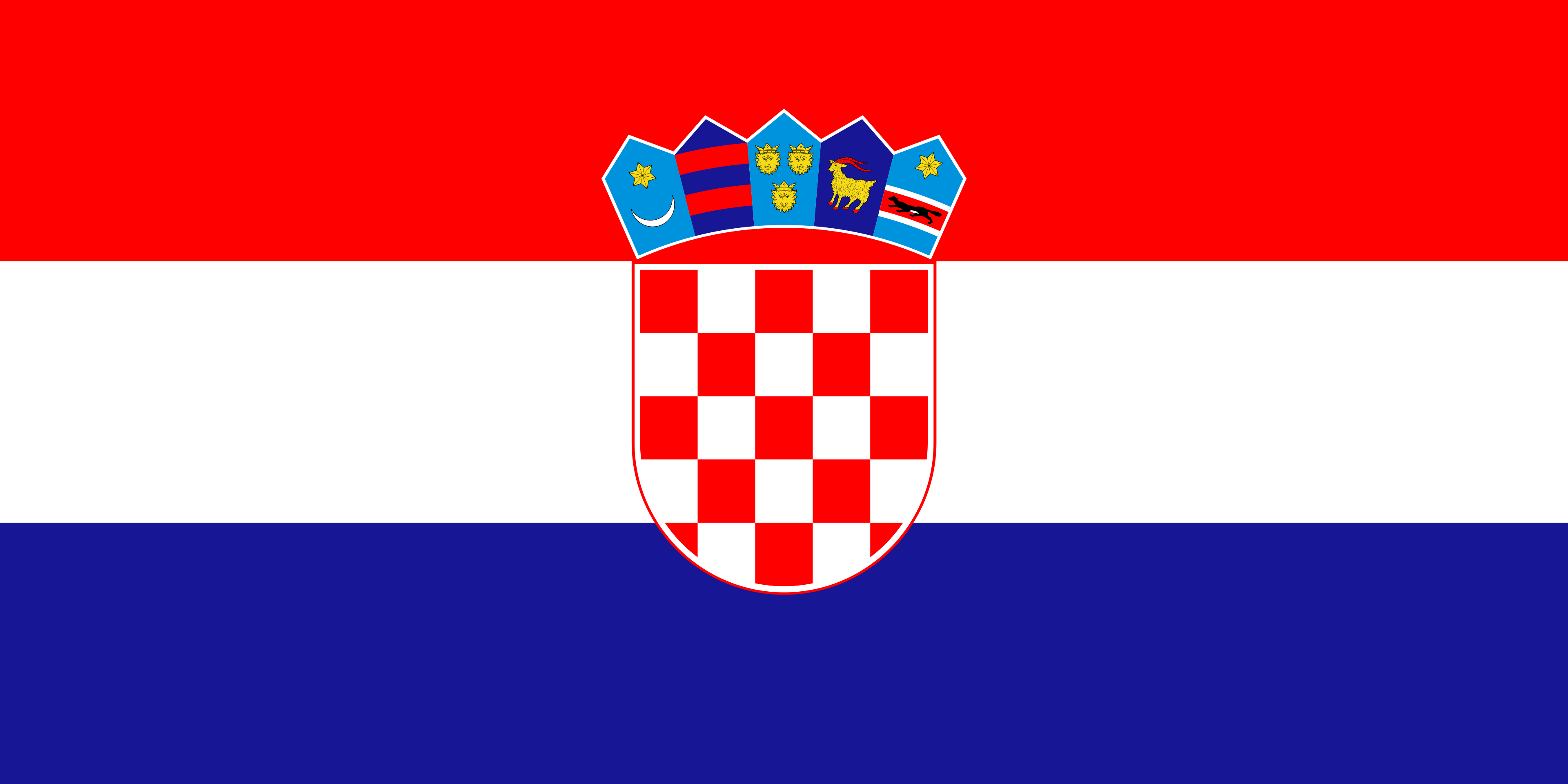
The Independent State of Croatia was created by Germany and Italy in April 1941, immediately after the invasion of Yugoslavia, and handed to the Ustasha movement - a Croatian fascist organization that made even some Germans uncomfortable with its methods. The Ustasha regime engaged in genocide against Serbs, Jews, and Roma within its territory, operating death camps including Jasenovac, where an estimated 80,000-100,000 people were killed. Croatian forces fought alongside German and Italian forces in Yugoslavia and deployed to the Eastern Front in support of German operations. The scale of Ustasha atrocities was such that they helped fuel the Yugoslav Partisan resistance - many Serbs who might have collaborated with a less brutal occupation instead joined Tito's forces. By 1944-45, with Partisan forces advancing and German power collapsing, the Ustasha state was disintegrating. It ceased to exist with German defeat in May 1945. Croatia's participation in the war was defined by military collaboration with the Axis and the systematic murder of its own civilian population - one of the darkest records of any participant in the conflict.
Thailand
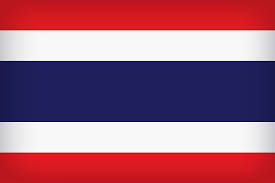
Thailand occupies an unusual position among Axis-aligned nations: it was never invaded. On December 8, 1941 - the same day as the attacks on Pearl Harbor, Malaya, and the Philippines - Japanese forces entered Thailand and immediately proposed a military alliance. Prime Minister Plaek Phibunsongkhram, after a few hours of fighting, agreed to allow Japanese troops passage. Three weeks later, Thailand declared war on Britain and the United States. Thai forces participated in the Japanese invasion of Malaya and Burma, advancing into the Shan States. The Thai declaration of war was never recognized by the United States - the American ambassador refused to deliver it - which allowed Thailand to claim after the war that the declaration had been made under duress. This legal ambiguity helped Thailand avoid occupation status after Japan's defeat. A Free Thai movement operated both inside the country and abroad, maintaining contact with the Allies throughout the war. Thailand lost a relatively small number of troops compared to most participants, and its postwar claim of resistance was accepted by the Allies - a pragmatic accommodation to Cold War geopolitics that left Thailand's wartime record conveniently ambiguous.
The war's end opened the nuclear age - and with it an era in which whole nuclear weapons were lost and never recovered.
The supreme Allied commander in Europe, Dwight Eisenhower, would later reach the White House.
Victory hardened into Cold War shadow-wars, including the CIA's plots against Castro.
Sources
- John Keegan, The Second World War (Viking, 1989)
- Antony Beevor, The Second World War (Little, Brown, 2012)
- Max Hastings, All Hell Let Loose: The World at War 1939-1945 (HarperPress, 2011)
- Richard Overy, Why the Allies Won (W.W. Norton, 1995)
- Gerhard L. Weinberg, A World at Arms: A Global History of World War II (Cambridge University Press, 1994)
- Ian Kershaw, To Hell and Back: Europe 1914-1949 (Viking, 2015)
- Norman Davies, No Simple Victory: World War II in Europe, 1939-1945 (Viking, 2006)
- Rana Mitter, Forgotten Ally: China's World War II, 1937-1945 (Houghton Mifflin Harcourt, 2013)