Every NBA Player Drafted Straight From High School
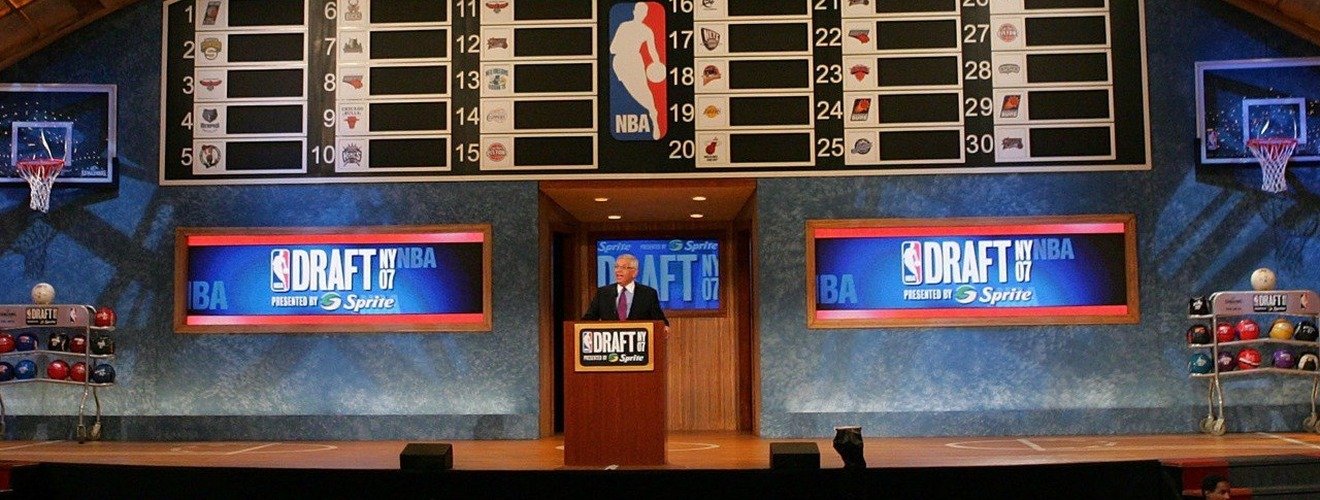
Between 1975 and 2005, exactly 42 basketball players did something that sounds, in hindsight, completely insane: they skipped college entirely and entered the NBA Draft straight from high school. No March Madness. No college coursework. No gradual easing into adulthood. Just a teenager, a suit that probably didn’t fit quite right, and a handshake with the commissioner on national television.
Some of them became the greatest players the sport has ever produced. LeBron James, Kobe Bryant, and Kevin Garnett all walked this path, and between them they’ve accumulated nine MVP awards, fourteen championships, and roughly a billion dollars in career earnings. Others vanished so quickly that even dedicated basketball fans would struggle to name them. Three of the 42 never played a single NBA game. The prep-to-pro pipeline was, depending on whom you asked, either the purest expression of athletic meritocracy or a reckless gamble with teenagers’ futures.
The NBA finally shut the door in 2006, requiring all draft entrants to be at least 19 years old and one year removed from high school graduation. The “one-and-done” era replaced the “none-and-done” era, and a strange, thrilling, occasionally heartbreaking chapter of basketball history came to a close. Here is every player who lived it.
- Total players drafted from high school: 42 (plus one ABA honorable mention)
- Year range: 1975 to 2005
- Rule change: NBA instituted age minimum of 19 for the 2006 draft
- First NBA high school draftees: Darryl Dawkins and Bill Willoughby (both 1975)
- All-Stars produced: 11 players combined for 90 All-Star selections
- Championship rings earned: 12 players won at least one NBA title
- Number one overall picks: 3 (Kwame Brown, LeBron James, Dwight Howard)
- Players who never appeared in an NBA game: 3 (Leon Smith, Ousmane Cisse, Ricky Sanchez)
Darryl Dawkins
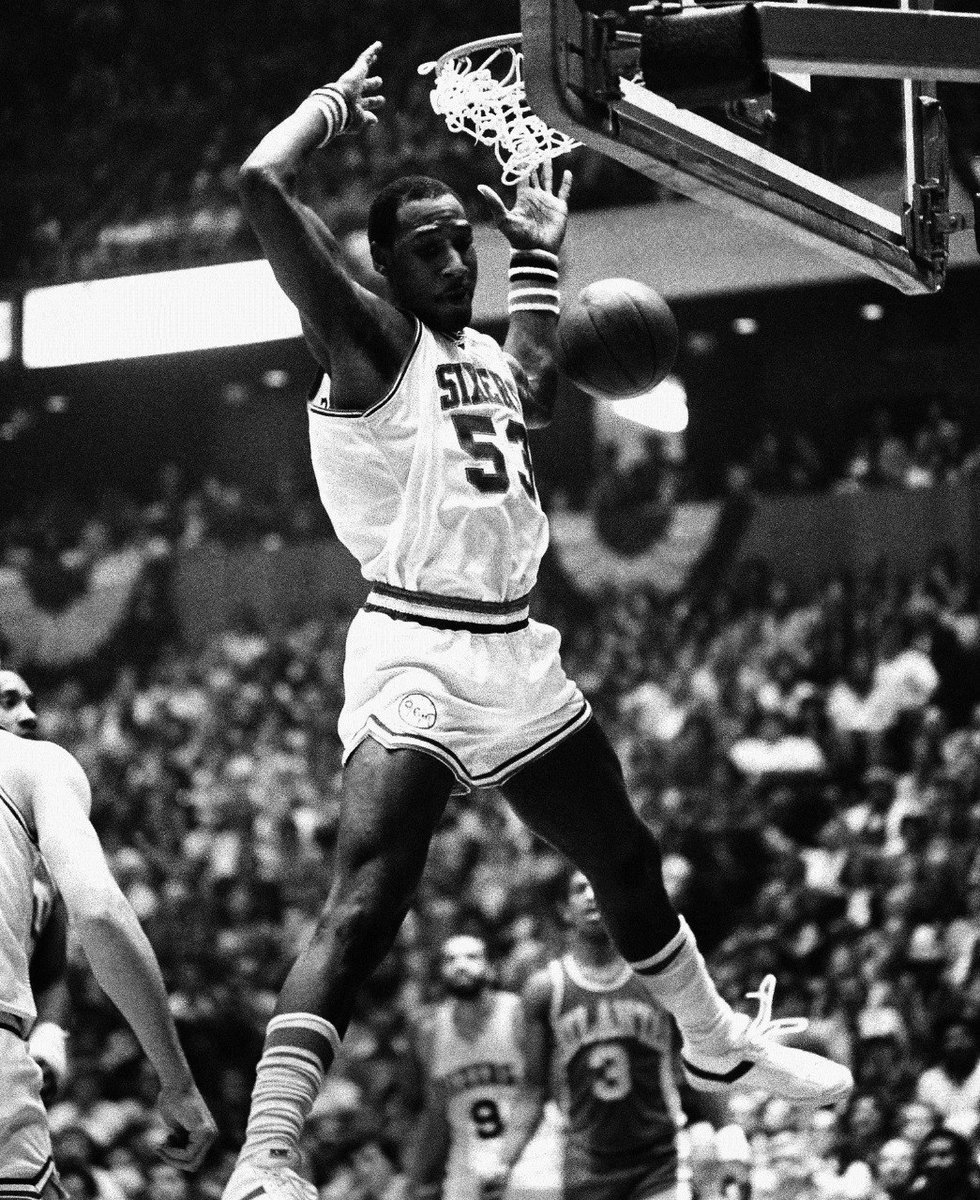
In November 1979, Darryl Dawkins dunked so hard he shattered the backboard. Then he did it again, twelve days later. The NBA had to redesign its rims. It is difficult to imagine a more fitting legacy for a man who entered the league at eighteen with the subtlety of a freight train and the personality of a Las Vegas headliner. Dawkins was one of two players selected straight from high school in 1975 - the first time anyone had tried this since the NBA-ABA merger era - taken fifth overall by the Philadelphia 76ers out of Maynard Evans High School in Orlando. He gave himself the nickname “Chocolate Thunder” and claimed to hail from the planet Lovetron. He named his dunks. The “Yo-Mama” was a personal favorite. Behind the showmanship sat a genuinely talented center who played fourteen NBA seasons, averaged 12 points and 6 rebounds a game, and reached the NBA Finals twice with Philadelphia. He never quite became the dominant force scouts had projected, but he changed how the league built its equipment. That counts for something.
Bill Willoughby
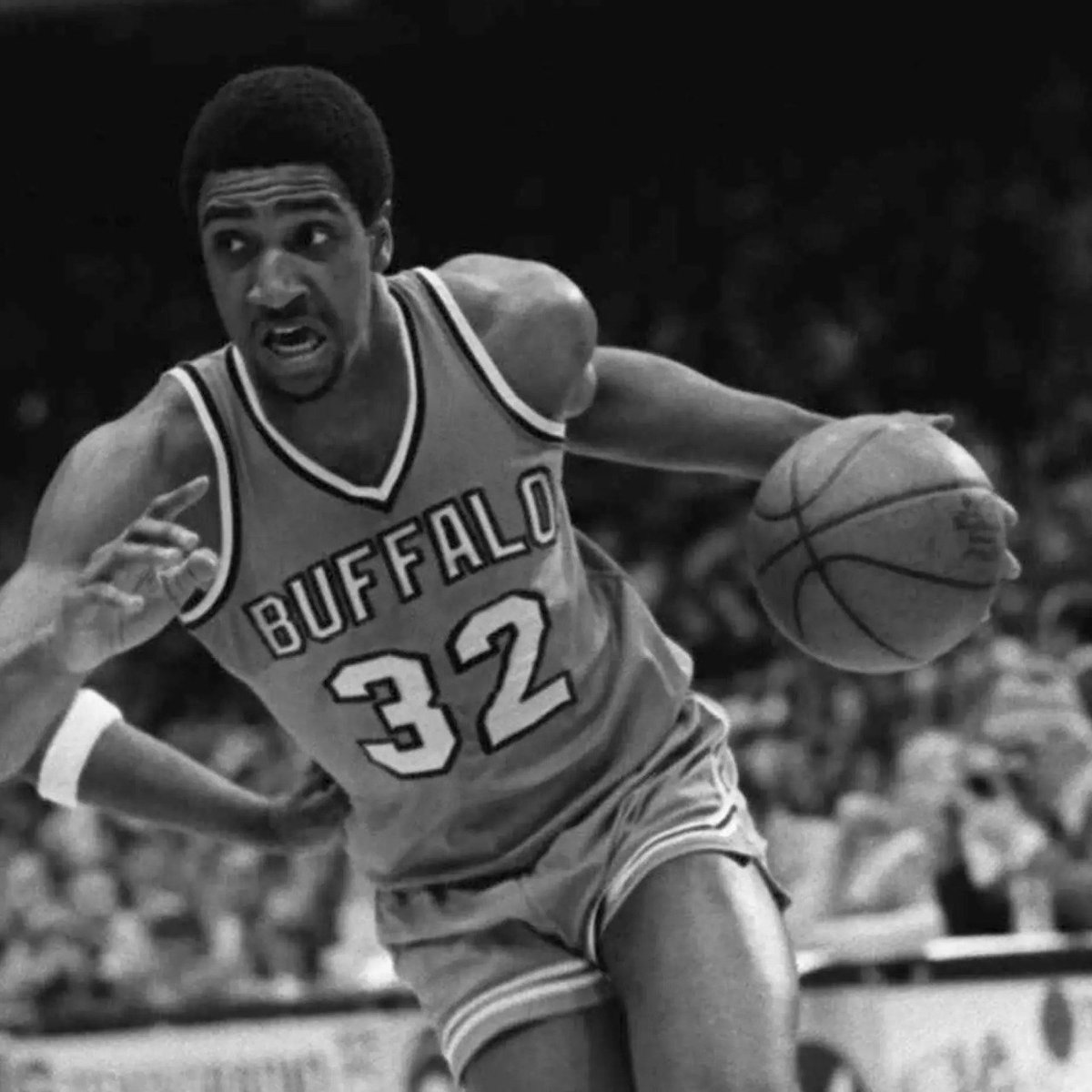
The other half of the class of 1975 gets almost none of the attention, which is itself a kind of story. Bill Willoughby was selected 19th overall by the Atlanta Hawks, making him the first high school player ever taken in the second round, and he arrived in the NBA the same night as Dawkins with considerably less fanfare and considerably more uncertainty about what he was supposed to do next. He was eighteen. He was 6’8″. He had enormous potential and almost no professional preparation. Willoughby bounced between six teams across eight seasons - Hawks, Braves, Clippers, Rockets, Spurs, Celtics, Nets - averaging a modest 6 points and 4 rebounds. The journeyman career that followed was exactly the kind of outcome that would later fuel arguments against drafting teenagers. Willoughby himself has said he wished someone had told him what he was really getting into. Nobody did, because nobody had done it before.
Shawn Kemp
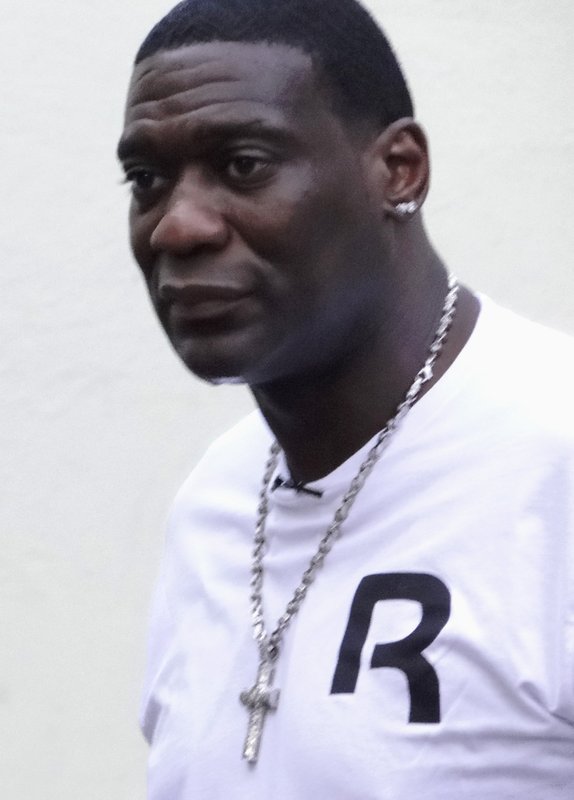
Technically, Shawn Kemp enrolled at Trinity Valley Community College in Athens, Texas. He never played a single game there, never suited up for a practice squad, never so much as attempted a free throw in a college gymnasium. By every meaningful measure, the man went straight from Concord High School in Elkhart, Indiana, to the 17th pick of the 1989 NBA Draft, where the Seattle SuperSonics decided to take a chance on a teenager whose college transcript was, for basketball purposes, a blank page. It turned out to be one of the better chances anyone ever took. Kemp became one of the most explosive, ferocious dunkers the league has ever seen - a six-time All-Star who could leap from somewhere near the free-throw line and arrive at the rim with violent intentions. His alley-oop connection with Gary Payton powered Seattle to the 1996 NBA Finals. He averaged 14 points and 8 rebounds over fourteen seasons and made the kind of highlight reels that still circulate on the internet thirty years later. The gap between Willoughby’s quiet exit in 1984 and Kemp’s arrival in 1989 would be the last long pause in the prep-to-pro pipeline.
Kevin Garnett
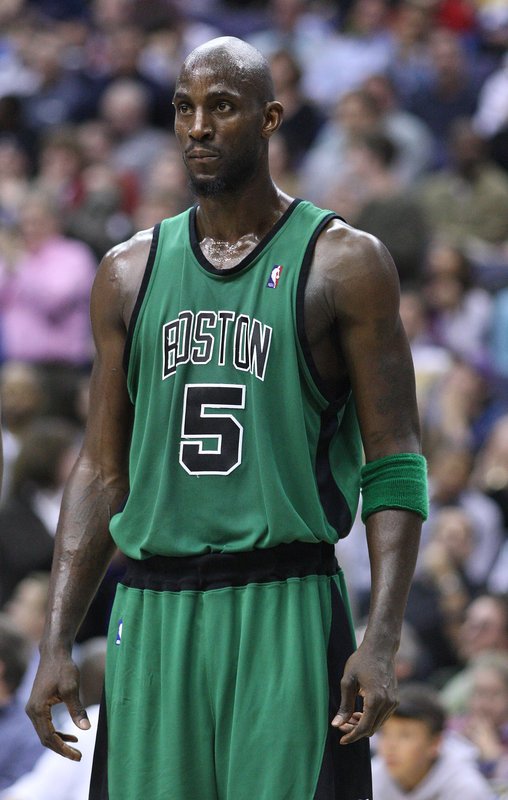
Twenty years passed between Bill Willoughby’s draft night and the moment Kevin Garnett blew the door back open. The Minnesota Timberwolves took him fifth overall in 1995 out of Chicago’s Farragut Career Academy, and for the next twenty-one seasons he proceeded to redefine what a power forward could be - a 6’11” player who could handle the ball, shoot from the perimeter, pass like a point guard, and defend every position on the floor with an intensity that bordered on genuinely unsettling. Garnett was a fifteen-time All-Star. He won the 2004 MVP award. He was named Defensive Player of the Year in 2008, the same year he anchored the Boston Celtics to a championship. His career earnings exceeded $343 million, which at the time of his retirement was the most any basketball player had ever been paid. Perhaps more importantly, Garnett proved that a teenager could walk into the NBA and not merely survive but dominate. Every high school player who followed him through that door owes him a debt. He kicked it off its hinges.
Kobe Bryant
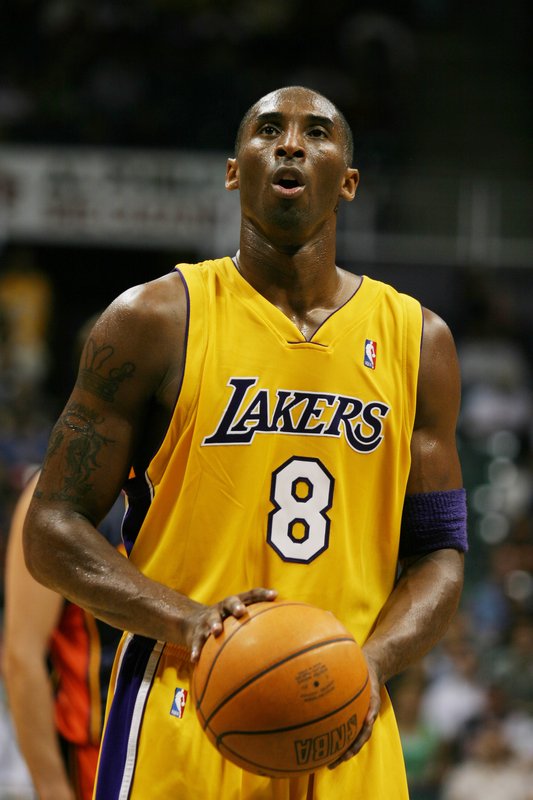
The Charlotte Hornets drafted Kobe Bryant 13th overall in 1996, then traded him to Los Angeles for Vlade Divac before Kobe had even unpacked a bag. He was seventeen years old and had never played a minute of professional basketball. The Lakers, it turned out, knew something Charlotte didn’t. Bryant spent his entire twenty-year career in Los Angeles and filled it with numbers that strain credibility: five championships, eighteen All-Star selections, two Finals MVP awards, a regular-season MVP, and an 81-point game against the Toronto Raptors that remains the second-highest single-game scoring output in NBA history. He came out of Lower Merion High School in Ardmore, Pennsylvania, where he had taken his prom date - the singer Brandy - and announced to anyone who would listen that he was going to be better than Michael Jordan. The audacity of it was breathtaking. The fact that he nearly pulled it off was even more so. Bryant died in a helicopter crash in January 2020 at age 41, and the outpouring of grief that followed made clear just how deeply one teenager’s decision to skip college had imprinted itself on the culture.
Jermaine O’Neal
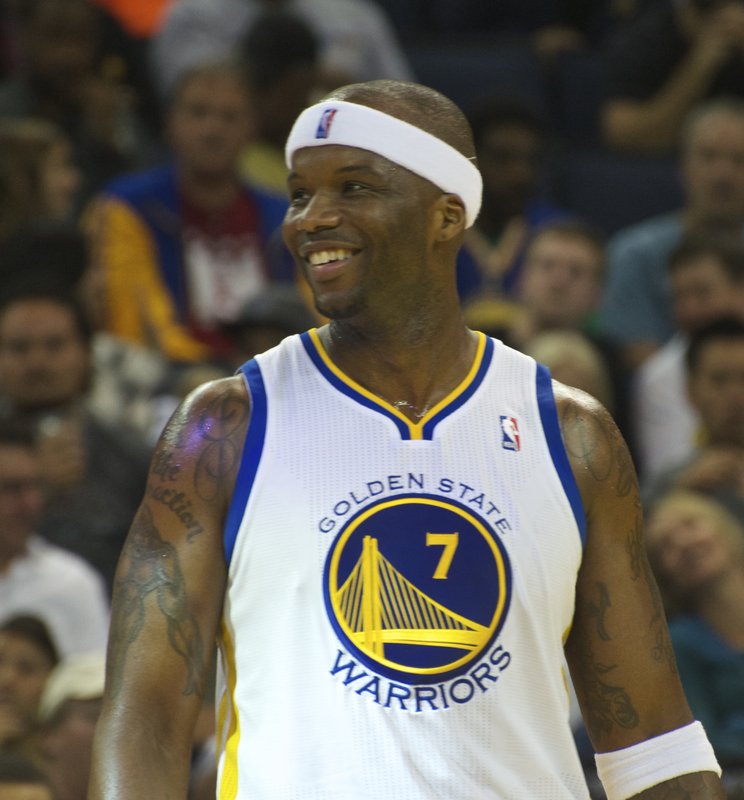
For his first four years in the NBA, Jermaine O’Neal barely played. Portland drafted him 17th overall in 1996, the same draft as Kobe, out of Eau Claire High School in Columbia, South Carolina, and then mostly left him on the bench to marinate. He averaged 13 minutes per game across four seasons with the Trail Blazers, the kind of development timeline that made skeptics point and say, “See? Teenagers aren’t ready.” Then Indiana traded for him, and everything changed. O’Neal became a six-time All-Star and won the 2002 Most Improved Player award, transforming into one of the most dominant big men in the Eastern Conference. He averaged 19 points and 10 rebounds during his peak Pacers years. He also became one of the most vocal critics of the eventual age rule, arguing that it unfairly targeted players - predominantly Black players - who were ready to earn a living. He played eighteen seasons total, for seven different teams, and proved that sometimes the problem isn’t the teenager. It’s the situation.
Tracy McGrady
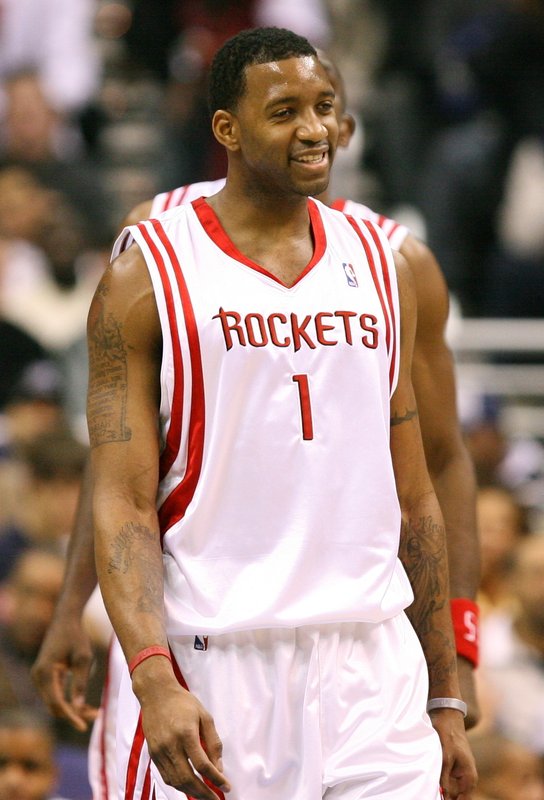
Thirteen points in thirty-three seconds. That is the stat that follows Tracy McGrady around like a shadow, and rightfully so, because on December 9, 2004, he scored exactly that many points in exactly that little time against the San Antonio Spurs in one of the most absurd clutch performances in league history. But McGrady was absurd long before that night. The Toronto Raptors drafted him ninth overall in 1997 out of Mount Zion Christian Academy in Durham, North Carolina, and within a few years he had become one of the most effortlessly gifted scorers the sport has produced - a 6’8″ guard who could shoot over anyone, drive past anyone, and make the entire enterprise look almost boringly easy. He won back-to-back scoring titles in 2003 and 2004. He was a seven-time All-Star. He also, famously, never won a single playoff series as the lead player on his team - a fact that haunted his career and somehow only makes the 13-in-33 moment more poignant. McGrady was inducted into the Hall of Fame in 2017, which felt both overdue and exactly right.
Al Harrington
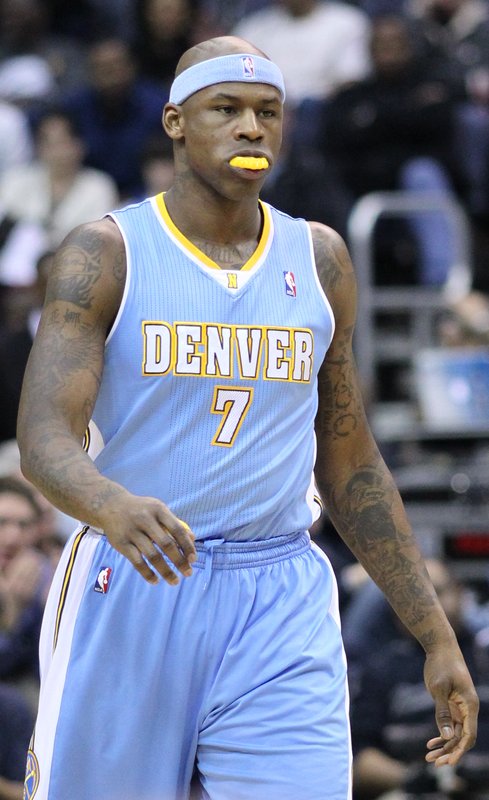
Nobody talked much about Al Harrington during his sixteen NBA seasons, which is precisely what made his career so quietly impressive. The Indiana Pacers took him 25th overall in 1998 out of St. Patrick High School in Elizabeth, New Jersey, and he spent the next decade and a half being exactly the kind of player every team needs: a reliable scorer off the bench who could stretch the floor, grab some rebounds, and never cause a headache. He averaged 13.5 points per game across stints with seven different franchises - Pacers, Hawks, Warriors, Knicks, Nuggets, Magic, Wizards - and earned something north of $80 million doing it. After retiring, Harrington pivoted to the cannabis industry and became one of its most prominent entrepreneurs, building a multi-million dollar business. He never made an All-Star team. He never won a championship. He played sixteen years in the NBA straight from high school and turned it into a platform for an entirely different kind of career.
Rashard Lewis
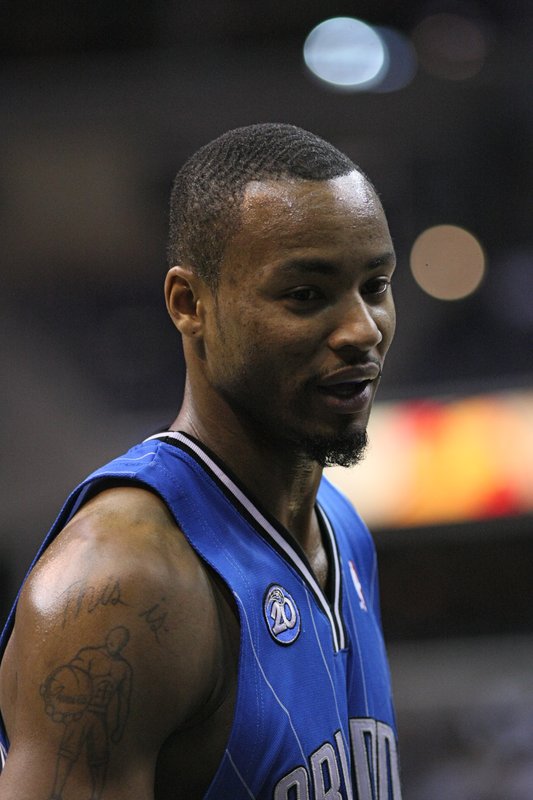
The 32nd pick in the 1998 draft should not have signed a six-year, $118 million contract. That is not how the NBA usually works. But Rashard Lewis was not a usual 32nd pick. The Seattle SuperSonics grabbed him in the second round out of Alief Elsik High School in Houston, Texas, and he quietly developed into one of the best stretch power forwards in the league - a smooth-shooting 6’10” player who could score from anywhere on the floor. He made two All-Star teams. He signed that enormous contract with the Orlando Magic in 2007, which at the time was the largest deal ever given to a player who’d never made an All-NBA team. Then he went and helped the Magic reach the 2009 NBA Finals, which made the money look slightly less ridiculous. Lewis capped his sixteen-year career by winning a championship as a role player on LeBron James’s 2013 Miami Heat squad. Second-round picks from high school are not supposed to end up with championship rings and $118 million contracts. Lewis didn’t get that memo.
Korleone Young
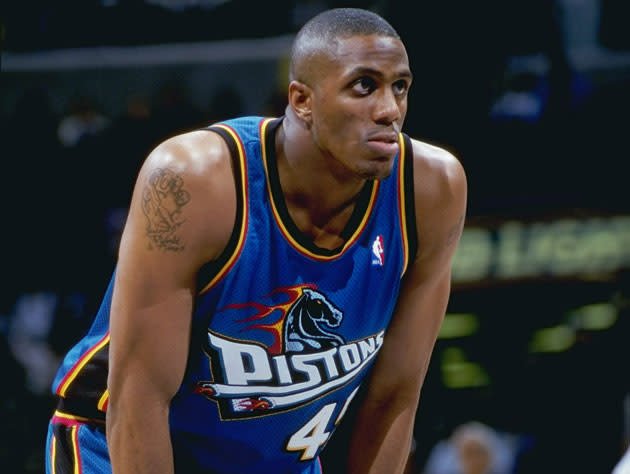
His mother named him after Michael Corleone from The Godfather, which is the kind of detail a novelist would be accused of inventing. Korleone Young came out of Hargrave Military Academy in Virginia and went 40th overall to the Detroit Pistons in 1998, and what followed was about as far from a Hollywood script as professional basketball gets. He appeared in exactly three NBA games. Three. He scored a total of five points. The Pistons waived him, and his career effectively ended before it began. Young bounced around minor leagues and overseas circuits for a while, then disappeared from professional basketball entirely. He remains one of the starkest cautionary tales of the prep-to-pro era - a reminder that for every Kevin Garnett whose talent translates immediately, there’s a teenager for whom the gap between high school dominance and professional competence turns out to be uncrossable.
Jonathan Bender
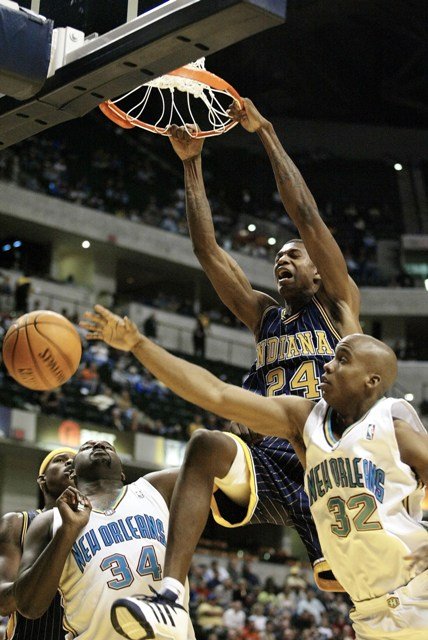
At 6’11” with the ball-handling skills of a guard and a jump shot that looked like it had been engineered in a laboratory, Jonathan Bender was supposed to be a franchise-altering talent. The Toronto Raptors drafted him fifth overall in 1999 out of Picayune Memorial High School in Mississippi, then immediately traded him to the Indiana Pacers. Indiana got a player whose physical tools were genuinely extraordinary and whose knees, it turned out, were genuinely terrible. Chronic injuries limited Bender to six fragmented seasons. He averaged a modest 7.6 points per game and retired at 25, an age when most NBA players are just hitting their stride. He attempted a comeback with the Knicks in 2009 that lasted 13 games. Then he became an inventor, developing a knee rehabilitation device - born, naturally, from his own experience with knees that refused to cooperate. There is something almost poetic about a player whose body betrayed him dedicating his post-basketball life to fixing the problem that ended his career.
Leon Smith
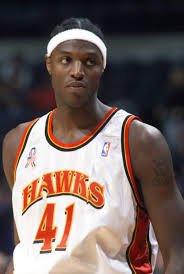
This is the entry that is difficult to write lightly. Leon Smith grew up in the Chicago foster care system, attended Martin Luther King High School, and was selected 29th overall in the 1999 draft by the San Antonio Spurs, who traded him to the Dallas Mavericks on draft night. He never played a single regular-season NBA game. Not one. Smith struggled with mental health issues that became public and painful in the months following the draft. He attempted to build a career in minor leagues and overseas, but the NBA door that opened on draft night effectively closed before he walked through it. His story became one of the most frequently cited arguments for the eventual age minimum - not because Smith lacked talent, but because the system that drafted a teenager out of foster care offered almost no infrastructure to support him once it had. Smith deserved better than he got, and basketball deserved a harder look at what it was asking of kids who had almost nothing to fall back on.
Darius Miles
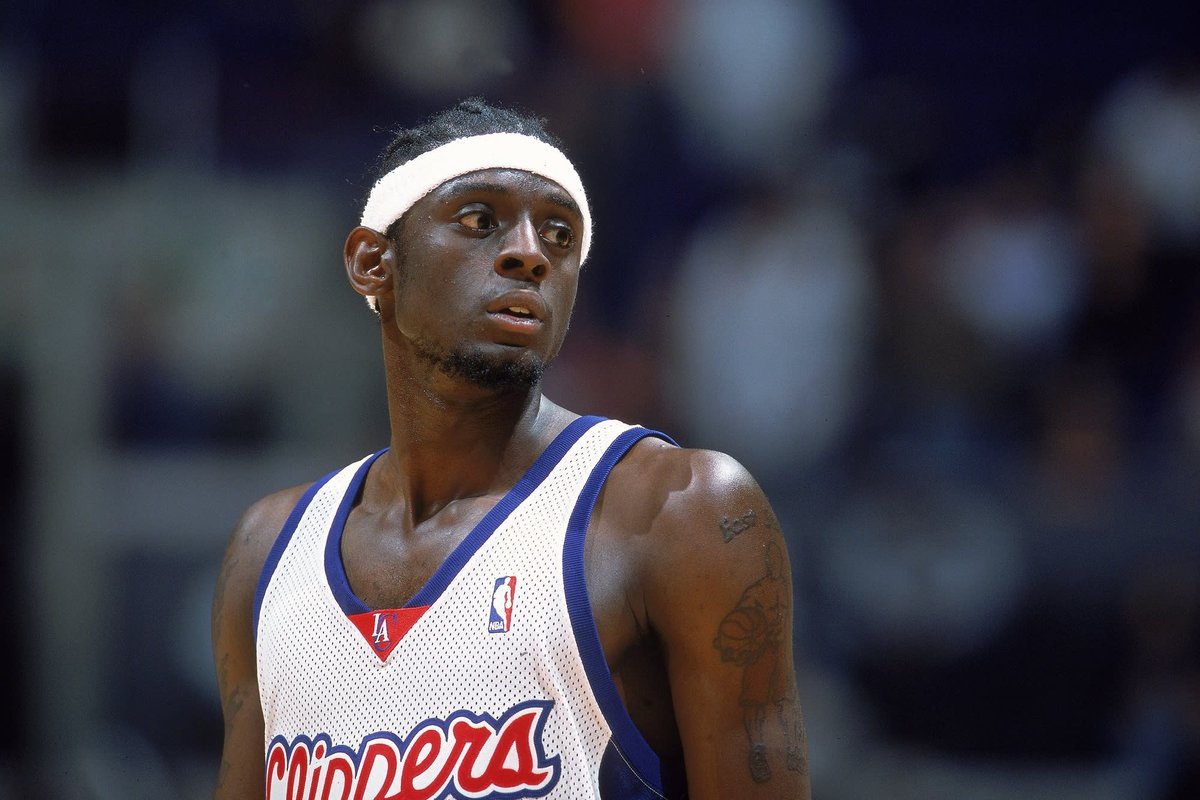
At pick number three in the 2000 draft, Darius Miles became the highest-drafted high school player in NBA history at that point, snatched up by the Los Angeles Clippers out of East St. Louis High School in Illinois. He was 6’9″, impossibly athletic, and could throw behind-the-back passes that made crowds gasp. His first two seasons suggested stardom was imminent. It wasn’t. Miles bounced from the Clippers to the Cavaliers to the Trail Blazers, showing flashes of brilliance between stretches of inconsistency and mounting knee injuries. He played nine seasons and averaged 9.5 points per game, numbers that land somewhere between “decent career” and “what might have been.” He also appeared in the 2004 film The Perfect Score alongside Scarlett Johansson, which is not the kind of career highlight that typically appears on a basketball resume. Miles’s trajectory captures the central tension of the prep-to-pro debate: he was talented enough to go third overall, but whether he was ready is a question that nine uneven seasons never quite answered.
DeShawn Stevenson
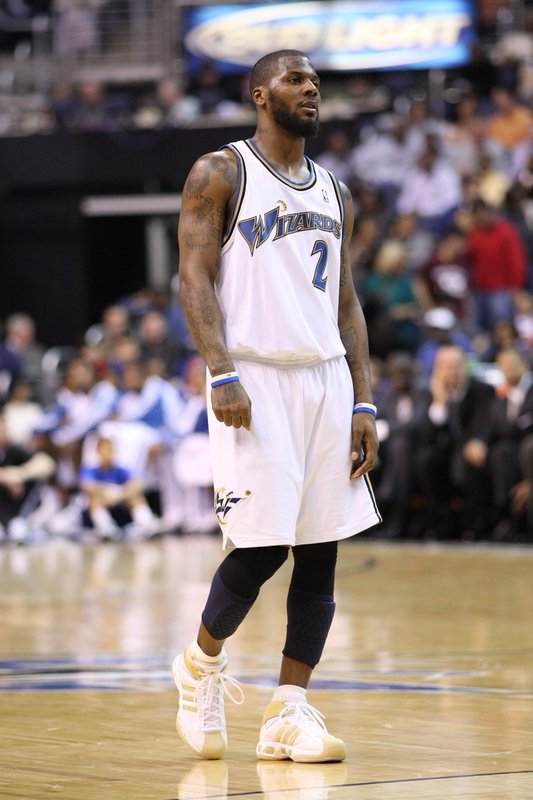
Most people remember DeShawn Stevenson for one of two things: his long-running, entirely one-sided feud with LeBron James, or the fact that he had Abraham Lincoln tattooed on his neck. Both are entertaining. Neither is the most interesting thing about him. Stevenson came out of Washington Union High School in Fresno, California, went 23rd to the Utah Jazz in 2000, and spent thirteen seasons being an extremely useful player that nobody ever accused of being a star. He was a tough perimeter defender and a reliable three-point shooter - the kind of player who makes a roster work. The payoff came in 2011, when Stevenson was a rotation player on the Dallas Mavericks team that stunned LeBron’s Miami Heat superteam in the Finals. After years of publicly jawing at LeBron and getting laughed at for it, Stevenson got the last word: a championship ring. He averaged 7.2 points for his career. The ring averaged out the rest.
Kwame Brown
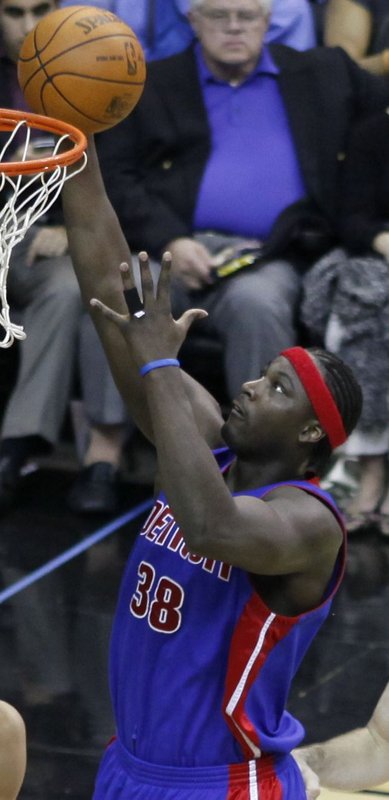
Michael Jordan, the greatest basketball player who ever lived, looked at the 2001 NBA Draft board, assessed every available prospect, and used the first overall pick on Kwame Brown. It might be the worst personnel decision Jordan ever made, in any capacity. Brown came out of Glynn Academy in Brunswick, Georgia, at eighteen years old and walked into a situation that would have crushed most adults: playing for the Washington Wizards, managed and occasionally coached by Jordan himself, with the expectations of an entire franchise dropped onto his shoulders like an anvil. He averaged 4.5 points his rookie year. He averaged 7.4 his second. He never averaged more than 8 in any season across a twelve-year career that included seven teams. Brown has spoken publicly, and powerfully, about how the “biggest bust” label warped his life - how being called a failure at nineteen by millions of people is not something a person simply shrugs off. He was a solid professional basketball player by any reasonable standard. He just wasn’t the standard that the first pick demands.
Tyson Chandler
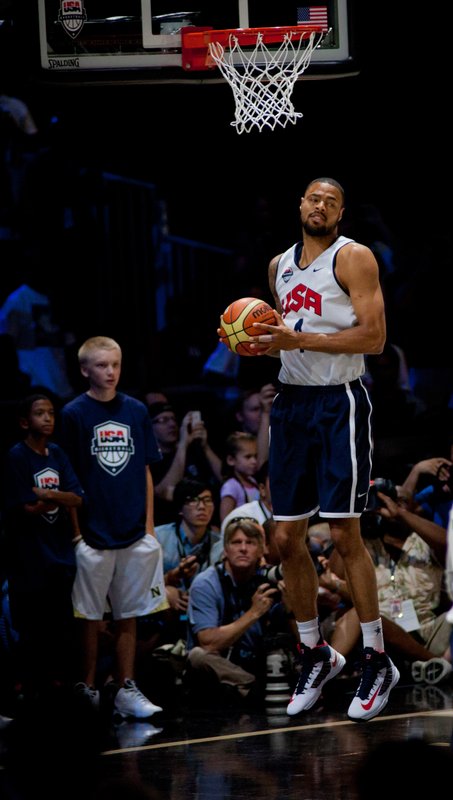
The Los Angeles Clippers drafted Tyson Chandler second overall in 2001, then traded him to the Chicago Bulls on draft night - a transaction that, in retrospect, worked out spectacularly well for everyone except the Clippers. Chandler came out of Dominguez High School in Compton, California, and spent his first few years looking like a project. He was skinny, raw, and not obviously worth the second pick. Then he grew into one of the most impactful defensive centers of his generation. The turning point was Dallas. Chandler became the anchor of the Mavericks’ 2011 championship team, earning Finals MVP consideration for his dominant rim protection and rebounding. He won Defensive Player of the Year in 2012 with the Knicks and made the All-Star team the following season. Nineteen NBA seasons. Nine franchises. One championship. And a career arc that proved the best possible argument for patience with teenage prospects: sometimes the payoff just takes a while to arrive.
Eddy Curry
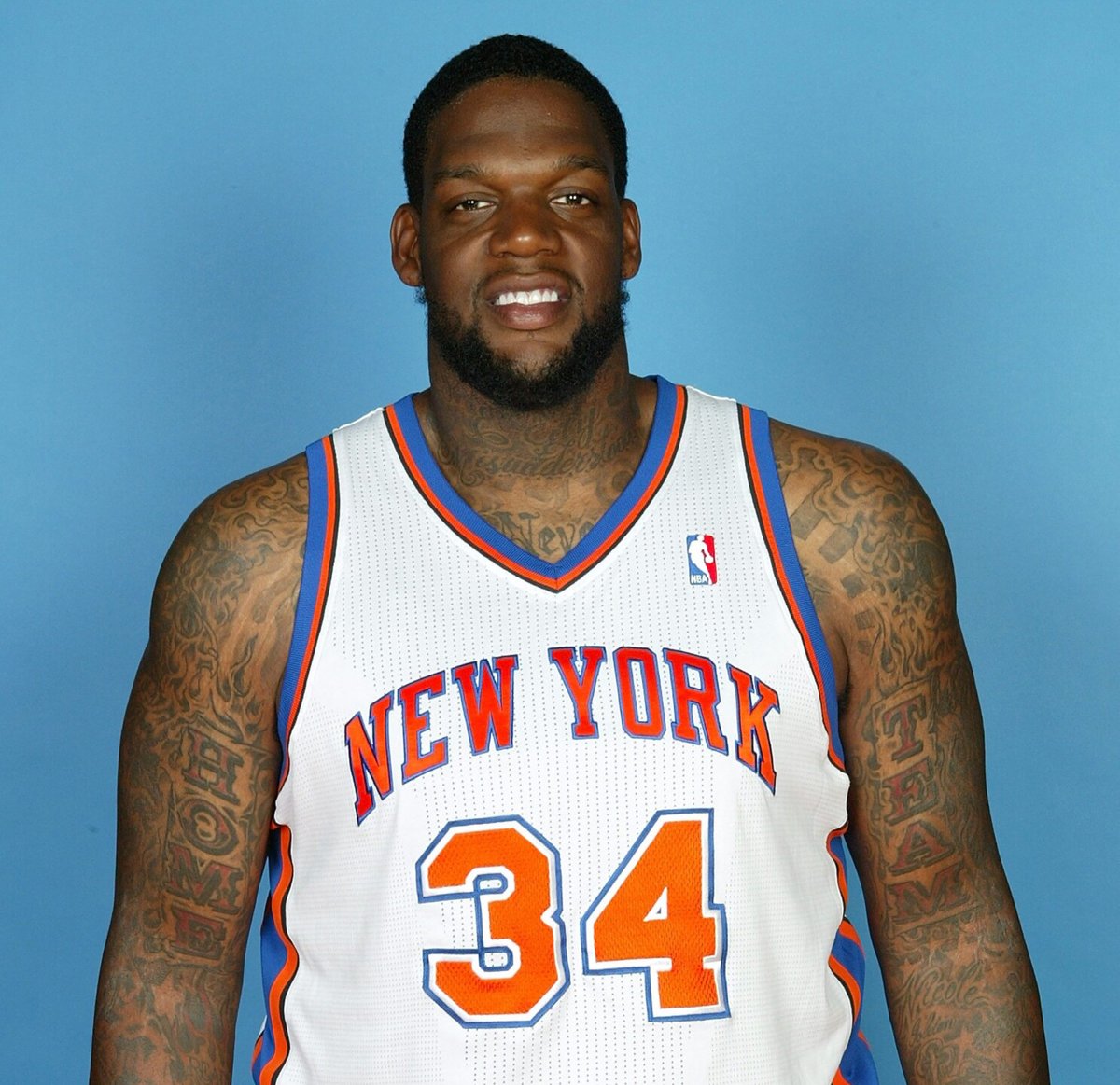
The 2001 draft pulled three high school players in the top four picks, and Eddy Curry was the third, taken fourth overall by the Chicago Bulls out of Thornwood High School in South Holland, Illinois. He had the softest touch of any young center in the draft and a body built for NBA post play at 6’11” and 285 pounds. Then things got complicated. In 2005, a cardiac screening revealed an irregular heartbeat, and the Bulls wanted Curry to take a DNA test to screen for hypertrophic cardiomyopathy - the condition that has killed athletes on the court. Curry refused on privacy grounds. Chicago traded him to New York, where he signed a massive contract and produced intermittently, his career shadowed by the heart question and conditioning issues that he never fully resolved. He played eleven seasons, averaged 13 points per game, and technically won a championship ring with the 2012 Miami Heat, though he was an end-of-bench presence by then. Curry had the talent of a perennial All-Star trapped inside a career that couldn’t quite get out of its own way.
DeSagana Diop
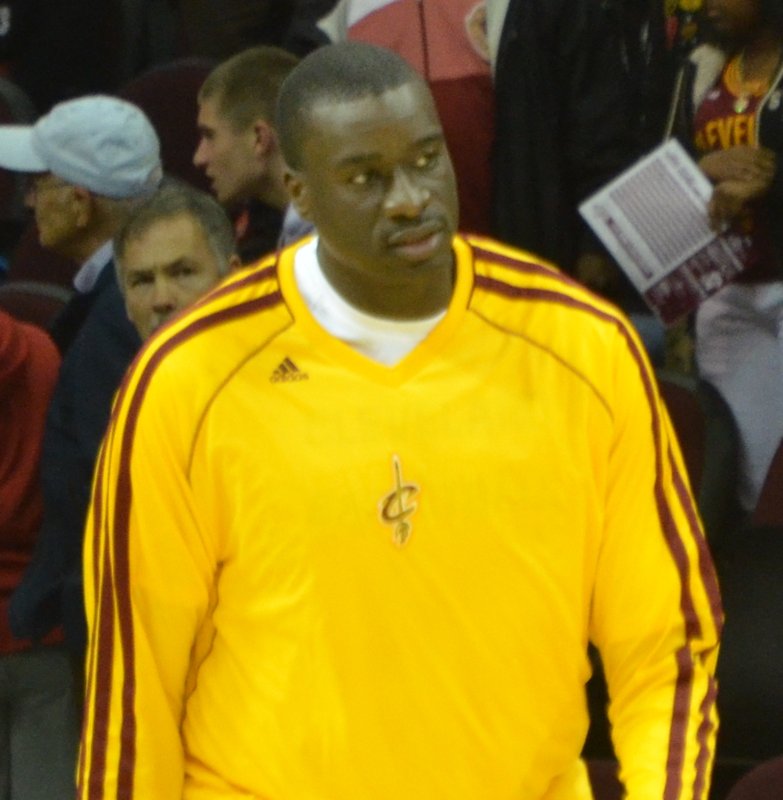
Born in Dakar, Senegal, DeSagana Diop traveled roughly five thousand miles to attend Oak Hill Academy in Virginia, then went eighth overall to the Cleveland Cavaliers in 2001. His NBA career can be summarized with a single, somewhat brutal statistic: in eleven seasons, he averaged 1.7 points per game. That is not a typo. Diop was drafted for his defensive potential - a 7-foot, long-armed shot-blocker who was supposed to develop an offensive game to match. The offensive game never showed up. He blocked about a shot per game and rebounded adequately, but on the other end of the floor he was essentially a traffic cone with excellent height. He played for the Cavaliers, Mavericks, and Bobcats across eleven seasons, which means he managed to stick in the league for over a decade while averaging fewer than two points a game. In its own strange way, that’s an accomplishment - proof that if you can protect the rim and stay healthy, the NBA will find a use for you, even if scoring isn’t part of the deal.
Ousmane Cisse
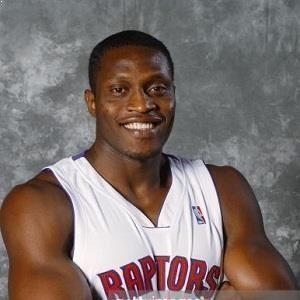
Born in Mali, enrolled at St. Jude High School in Montgomery, Alabama, and drafted 46th overall by the Denver Nuggets in 2001, Ousmane Cisse is one of three prep-to-pro players who never appeared in an NBA regular-season game. He never made a roster. The Nuggets drafted him as a long-term project - a raw, athletic big man from West Africa who might develop into something useful in a few years. He didn’t. Cisse bounced around minor leagues and overseas circuits, chasing the NBA dream from the outside looking in. His story underscores an uncomfortable reality about the prep-to-pro era: for every first-round talent with a guaranteed contract and a development plan, there were second-round picks with no guaranteed money, no roster spot, and no safety net. Cisse went from a high school in Alabama to the NBA Draft to complete anonymity in roughly the time it takes most people to finish a college degree.
Amar’e Stoudemire
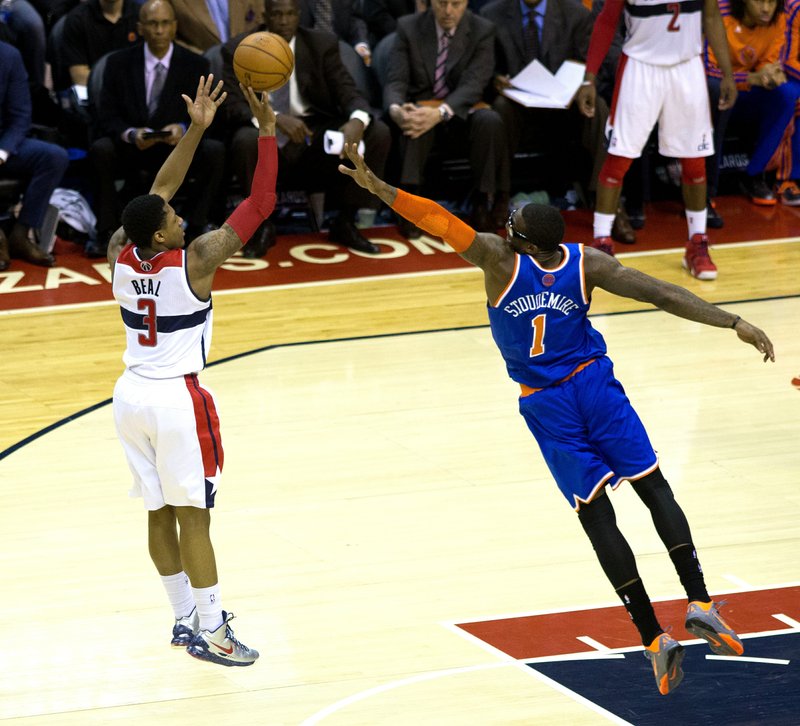
The Phoenix Suns picked Amar’e Stoudemire ninth overall in 2002 and watched him win Rookie of the Year - the first prep-to-pro player to claim that award. He came out of Cypress Creek High School in Orlando after a turbulent adolescence that had bounced him through multiple schools and temporary living situations, and he arrived in the NBA with a ferocity around the basket that bordered on the unreasonable. Stoudemire became the battering ram of Phoenix’s revolutionary “Seven Seconds or Less” offense, a system that turned the entire sport on its head in the mid-2000s. He was a six-time All-Star, a five-time All-NBA selection, and averaged nearly 19 points and 8 rebounds for his career. In 2010, the New York Knicks gave him a $100 million contract, making him the centerpiece of their attempted renaissance. Knee injuries gradually eroded his athleticism, which was the only unkind thing gravity ever did to a man whose entire game was built on defying it. Stoudemire retired in 2016, later becoming an Israeli basketball player and an assistant coach, because one extraordinary basketball story apparently wasn’t enough.
LeBron James
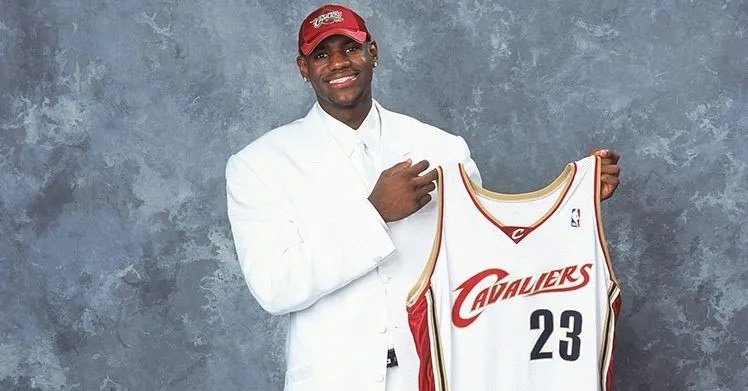
Sports Illustrated put him on its cover when he was sixteen years old. The headline read “The Chosen One.” Most teenagers would buckle under that kind of pressure. LeBron James used it as a business plan. The Cleveland Cavaliers selected him first overall in the 2003 draft out of St. Vincent-St. Mary High School in Akron, Ohio, and what has followed is the most remarkable career in basketball history by almost every quantifiable measure. Four MVPs. Four championships with three different teams. Twenty All-Star selections. The all-time NBA scoring record. Career earnings exceeding half a billion dollars. And he is, as of this writing, still playing - more than two decades after walking across the draft stage as a teenager. James did not merely justify the prep-to-pro path; he became the single most compelling argument that it ever produced. Every doubt about whether a high school kid could handle the NBA, the media pressure, the money, the expectations - James answered all of it, emphatically, repeatedly, for more than twenty years. If the prep-to-pro era needed a closing argument, he was it.
Travis Outlaw
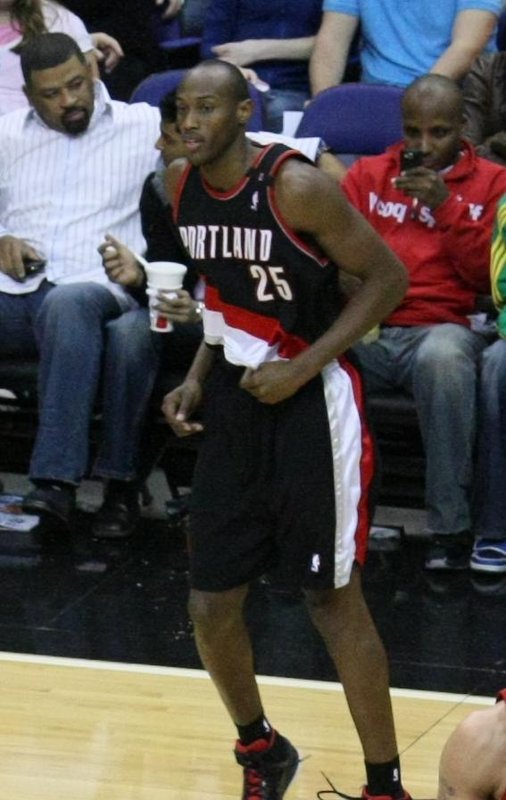
The name practically writes itself, and the career behind it was more interesting than the anonymity suggests. Travis Outlaw went 23rd overall to the Portland Trail Blazers in 2003 out of Starkville High School in Mississippi, and he proceeded to have the kind of NBA career that only dedicated basketball fans remember but that anyone would be proud of: ten seasons, a respectable 8.4 points per game, and a role as a reliable bench wing who could score in bunches on his best nights. He played for the Blazers, Nets, and Kings, never made an All-Star team, and never generated a single headline outside of local beat reporting. In a story full of superstars and cautionary tales, Outlaw occupied the middle ground - a perfectly decent professional basketball player who happened to arrive in the same draft as LeBron James, which is a bit like releasing your debut album the same week as the Beatles.
Ndudi Ebi
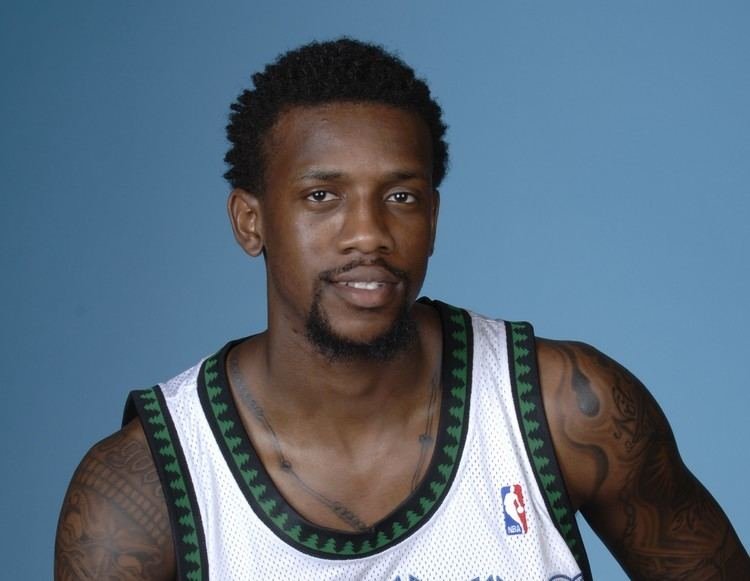
Born in London, England, to Nigerian parents, Ndudi Ebi attended Westbury Christian School in Houston and convinced the Minnesota Timberwolves to spend the 26th pick of the 2003 draft on him. It did not go well. Ebi appeared in nineteen games across two seasons, averaging exactly one point per game - a number so round and so low it feels almost intentional. The Timberwolves had taken a flier on a long, athletic wing who scouts believed might develop into something special with a few years of seasoning. The seasoning never took. Ebi’s professional career after Minnesota was a tour of basketball’s outer provinces: the D-League, overseas leagues, the kind of rosters that most fans never hear about. He was twenty years old when the NBA gave up on him. The entire arc from draft night to irrelevance took roughly eighteen months.
Kendrick Perkins
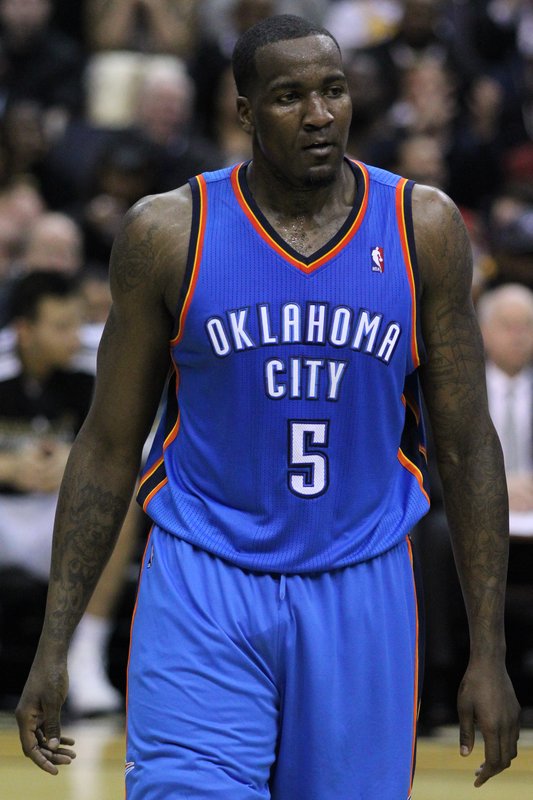
The Memphis Grizzlies drafted Kendrick Perkins 27th overall in 2003, then traded him to the Boston Celtics on draft night - a transaction that would pay off handsomely for Boston five years later. Perkins came out of Clifton J. Ozen High School in Beaumont, Texas, built like a small building at 6’10” and 270 pounds, and he spent his first few years learning the craft of being an NBA center the hard way: getting pushed around by grown men who had been doing this much longer. By 2008, he was the starting center on a Celtics championship team, providing the kind of physical, bruising interior defense that doesn’t show up in box scores but absolutely shows up in wins. He played fifteen seasons for five different franchises, averaged a modest 5.4 points per game, and then reinvented himself as an ESPN basketball analyst who would say absolutely anything on television. The second career might end up being more famous than the first.
James Lang
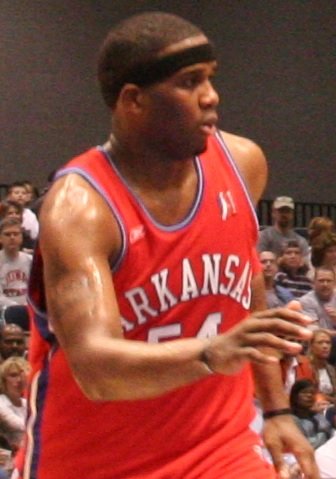
The 48th pick in the 2003 draft, James Lang came out of Central Park Christian High School in Birmingham, Alabama, carrying both enormous talent and an ongoing battle with his weight that would define - and ultimately derail - his professional career. The New Orleans Hornets drafted him as a project center with soft hands and good instincts, but Lang never managed to get his conditioning to NBA standards. He appeared in 22 games across two seasons with the Hornets and Wizards, averaging 2.9 points in limited minutes. The D-League and overseas stints followed, but the NBA window had already closed. Lang’s story is one of the quieter tragedies of the prep-to-pro movement - a player with genuine skill whose body wouldn’t cooperate with the demands of professional basketball. At eighteen, he was supposed to have time to figure it all out. At twenty, he was already running out of it.
Dwight Howard
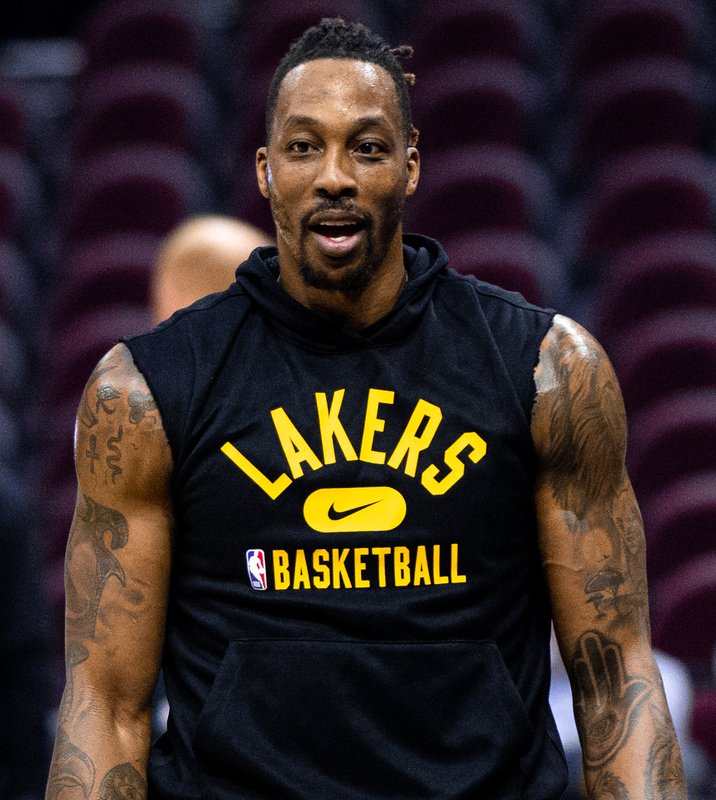
The Orlando Magic selected Dwight Howard first overall in the 2004 draft, and for the next several years he made the rest of the NBA look slightly ridiculous. He came out of Southwest Atlanta Christian Academy with shoulders the width of a doorframe and a smile even wider, and he proceeded to win three consecutive Defensive Player of the Year awards from 2009 to 2011 - a feat only two other players have ever accomplished. Howard was an eight-time All-Star, an eight-time All-NBA selection, and he led the Magic to the 2009 NBA Finals, dragging a team that had no business being there deep into June on the strength of his rebounding and shot-blocking alone. His Superman dunk contest performances became cultural moments. His career took a winding path after Orlando - Lakers, Rockets, Hawks, Hornets, Wizards, Sixers, and back to the Lakers - but it ended with a championship ring in 2020, earned in the bubble at age 34. Eighteen seasons and over $247 million in career earnings for a kid who had been playing organized basketball for only four years when the NBA came calling.
Shaun Livingston
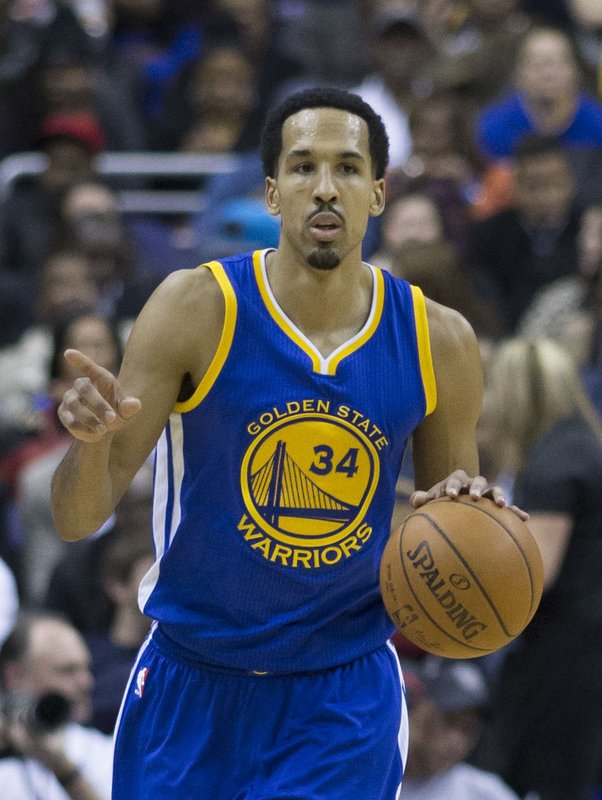
On February 26, 2007, Shaun Livingston’s left knee buckled in a way that no knee is supposed to buckle. He dislocated his kneecap, tore his anterior cruciate ligament, his posterior cruciate ligament, and his lateral meniscus, and sprained his medial collateral ligament. Doctors discussed amputation. He was twenty-one years old. The Los Angeles Clippers had drafted him fourth overall in 2004 out of Peoria High School in Illinois, betting on a 6’7″ point guard with preternatural court vision and the kind of passing instincts that can’t be taught. The injury should have ended everything. Instead, Livingston rebuilt his career from nothing - cycling through eight teams in five years, accepting minimum contracts, playing his way back to competence and then beyond it. By 2014, he had joined the Golden State Warriors, where he became an essential reserve on one of the greatest dynasties in basketball history. Three championship rings. Fifteen total NBA seasons. And a comeback story that makes every other comeback story feel slightly less impressive by comparison.
Robert Swift
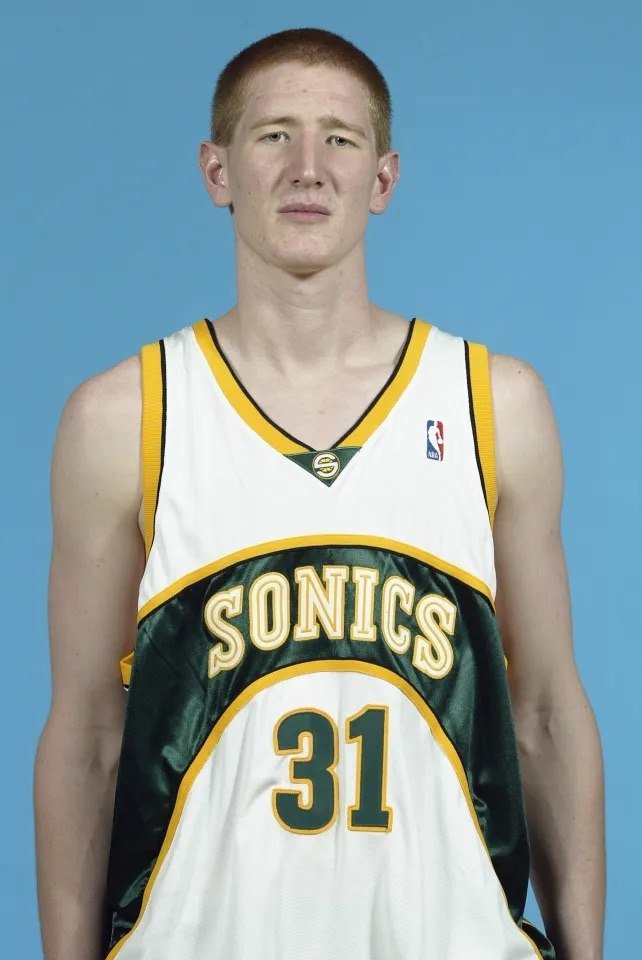
The Seattle SuperSonics spent the 12th pick of the 2004 draft on Robert Swift, a 7’1″ center out of Bakersfield High School in California who was supposed to develop into a rim-protecting anchor. His knees had other plans. Swift played four seasons with the Sonics, averaging 3.3 points per game, before chronic injuries shut his career down entirely. He was twenty-two when he played his last NBA game. What followed was bleaker than any basketball story should be: a brief stint in Japan, financial difficulties, and widely reported personal struggles that included losing his home. Swift’s trajectory represents the darkest possibility of the prep-to-pro pipeline - a teenager thrust into professional sports, handed more money than most adults ever see, and then left largely on his own when the basketball part fell apart. He was twelve picks ahead of Shaun Livingston in the same draft, which is the kind of contrast that makes you wonder whether the difference between triumph and tragedy is talent, luck, or something else entirely.
Sebastian Telfair
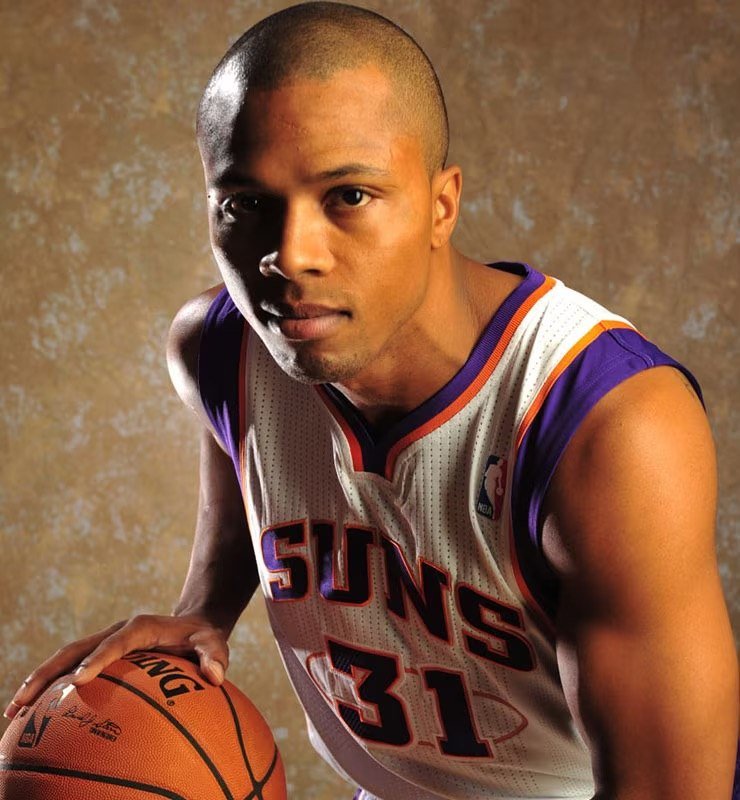
Before he played a single NBA game, Sebastian Telfair was the subject of a documentary. Through the Fire followed his senior year at Abraham Lincoln High School in Brooklyn, chronicling the intense pressure on a teenage point guard who was Stephon Marbury’s cousin, his neighborhood’s brightest hope, and a projected lottery pick all at once. Portland took him 13th overall in 2004, and the career that followed never matched the buildup. Telfair was a backup point guard for nine seasons across seven teams - Blazers, Celtics, Timberwolves, Clippers, Cavaliers, Suns, Raptors - averaging 7.2 points and 3.6 assists. Solid numbers for a rotation player. Disappointing numbers for a kid who was supposed to be the next great New York City point guard. After basketball, Telfair faced serious legal troubles, including a firearms conviction. The documentary had been about potential. The career was about the distance between potential and what actually happens when a teenager from Brooklyn enters the NBA expecting the world to follow a script.
Al Jefferson
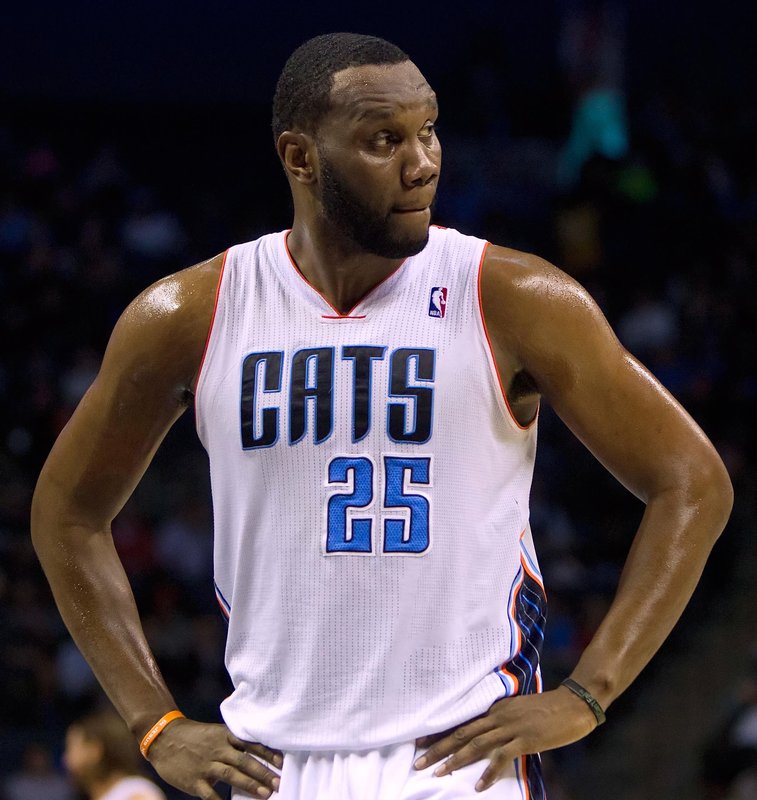
In an era when every young big man was expected to stretch the floor and shoot three-pointers, Al Jefferson stubbornly and magnificently refused. He played with his back to the basket, used drop steps and up-and-unders and the full menu of old-school post moves, and he scored prolifically doing it. The Boston Celtics drafted him 15th overall in 2004 out of Prentiss High School in Mississippi, and he spent fourteen seasons demonstrating that a man with a good hook shot and excellent footwork can have a long career regardless of what the trends say. Jefferson averaged 15.7 points and 8.4 rebounds across stints with the Celtics, Timberwolves, Jazz, Bobcats, Hornets, and Pacers. He earned over $137 million. He never made an All-Star team, which says more about the era’s bias toward flashy play than about Jefferson’s production. In a league that was sprinting toward positionless basketball and three-point shooting, he was an unapologetic throwback - a craftsman in an age of athletes.
Josh Smith
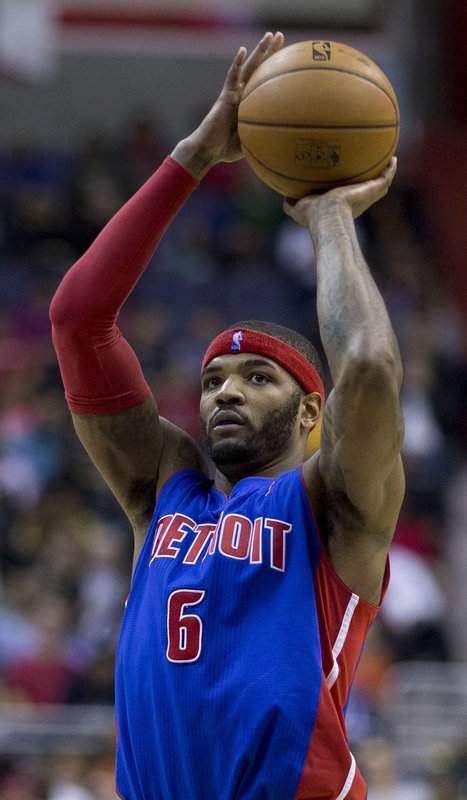
At the 2005 Slam Dunk Contest, Josh Smith threw down a windmill from the baseline, contorted himself through an aerial routine that appeared to violate several laws of physics, and won the entire competition. He was eighteen years old. The Atlanta Hawks had drafted him 17th overall the year before out of Oak Hill Academy in Virginia, and for the next thirteen seasons, Smith’s career became a study in the gap between what a player can do and what a player should do. He could block shots like a center, pass like a point guard, and jump over defenders like a man who had been personally offended by gravity. He could also, inexplicably, not stop shooting three-pointers despite hitting them at a rate that suggested he was aiming at a different basket. Smith averaged 14.5 points, 7.4 rebounds, and 1.8 blocks per game across stints with the Hawks, Pistons, Rockets, and Clippers. In 2015, he was a key contributor to the Rockets’ comeback from a 3-1 deficit against the Clippers in the playoffs. On his best nights, he was the most versatile player on any court. On his worst, he was the most confounding.
J.R. Smith
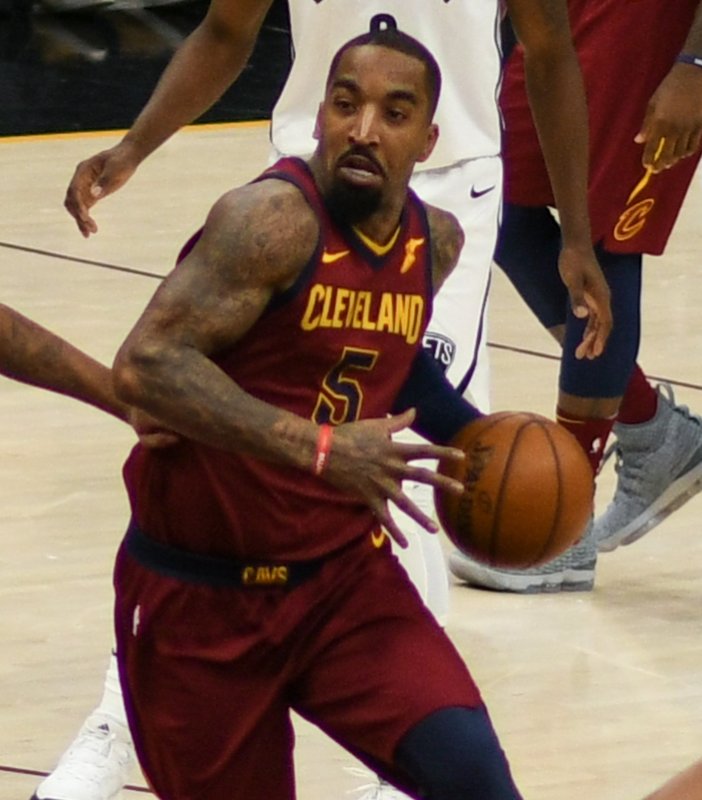
The 2018 NBA Finals, Game 1. Cleveland and Golden State. LeBron James had just played one of the greatest games of his career. The score was tied with seconds left. J.R. Smith grabbed a rebound and - instead of shooting or calling timeout - dribbled the ball out to midcourt as the clock expired, apparently thinking the Cavaliers were ahead. They lost in overtime. It was the single most infamous mental lapse in Finals history, and it will follow Smith to his grave, which is somewhat unfair to a man who had a genuinely excellent sixteen-year career. The New Orleans Hornets took him 18th overall in 2004 out of St. Benedict’s Preparatory School in Newark, New Jersey, and Smith became one of the streakiest, most explosive shooters the league has ever seen. He won the 2013 Sixth Man of the Year award. He won two championship rings - one with Cleveland in 2016, one with the Lakers in 2020. After retiring, he enrolled at North Carolina A&T to play college golf, which is exactly the kind of second act his personality demanded.
Dorell Wright
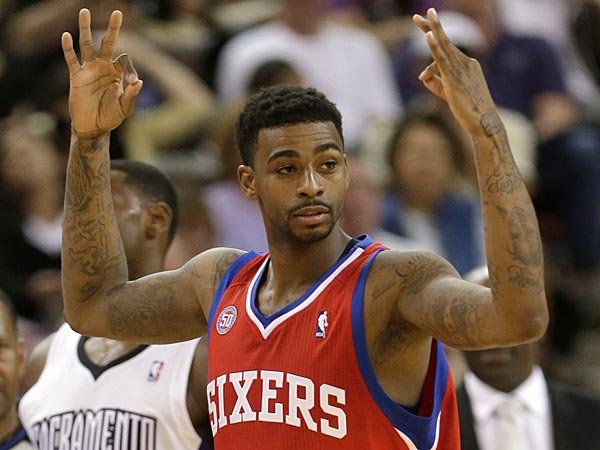
In his second NBA season, Dorell Wright won a championship ring. He was twenty years old, playing limited minutes for the 2006 Miami Heat, riding the bench while Dwyane Wade put on one of the great Finals performances in league history. Wright had come out of South Kent Preparatory School in Connecticut, drafted 19th overall in 2004 by Miami, and for the first few years it was unclear whether he’d amount to much more than a roster filler. Then came the 2010-11 season with Golden State, where Wright suddenly became a legitimate three-point threat, shooting over 39 percent from deep and averaging a career-high 16.4 points per game. The breakout was brief. He played ten total seasons for the Heat, Warriors, Sixers, and Trail Blazers, averaging 8 points per game. His career was neither a triumph nor a tragedy - it was a perfectly functional NBA life that happened to start with a championship ring, which is an unusual way to begin anything.
Martell Webster
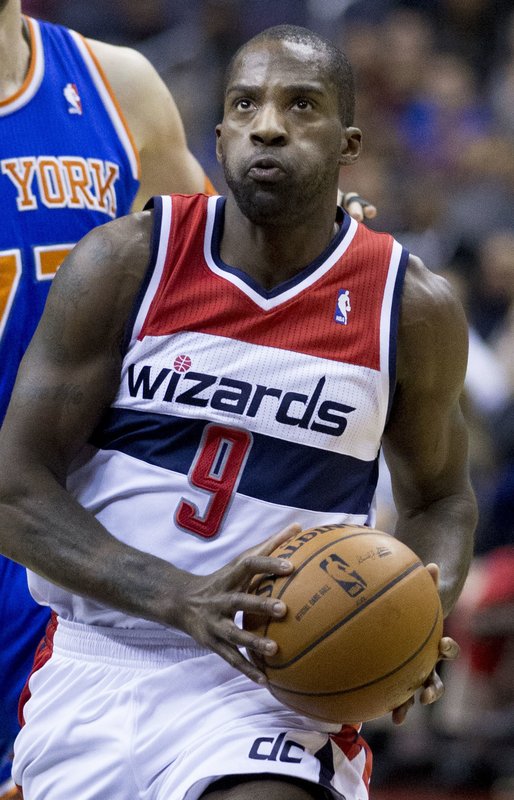
The Portland Trail Blazers had a particular affinity for high school players - they drafted four of them between 2003 and 2005 - and Martell Webster was their 2005 entry, selected sixth overall out of Seattle Preparatory School. He was a smooth-shooting wing with a high release point and the kind of frame that scouts describe as “NBA-ready,” which is another way of saying he was big enough not to get pushed around immediately. Webster’s career turned out to be a ten-year exercise in what-if, defined almost entirely by back injuries that limited his explosiveness, shortened his prime, and eventually forced his retirement at twenty-eight. He had his best stretch with the Washington Wizards from 2012 to 2015, averaging a respectable 11 points per game and looking, for a while, like the player Portland had once envisioned. Then the back gave out for good. Ten seasons, 8.5 points per game, and a career that always felt like it was just about to take off.
Andrew Bynum
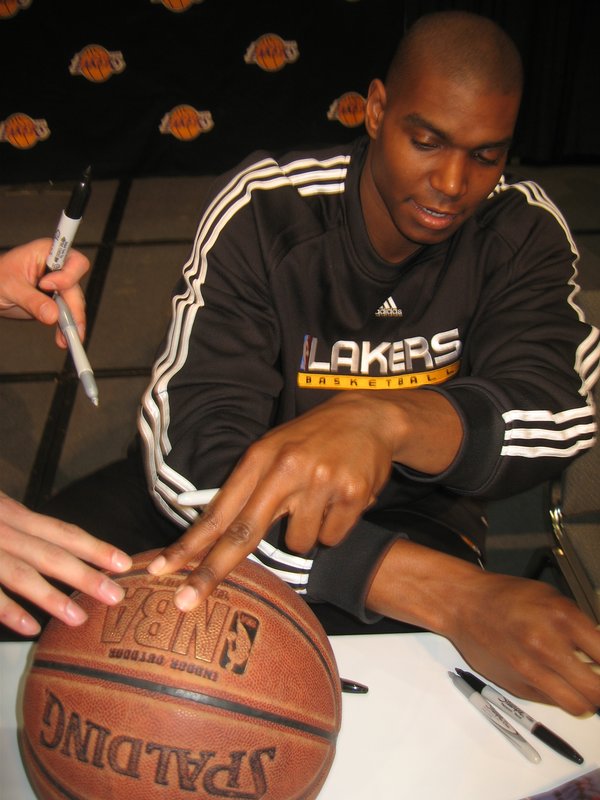
When Andrew Bynum debuted for the Los Angeles Lakers on November 2, 2005, he was eighteen years and six days old - the youngest player in NBA history at the time. The Lakers had drafted him 10th overall out of St. Joseph High School in Metuchen, New Jersey, betting that a 7-foot teenager with remarkable footwork and touch around the basket could eventually anchor their frontcourt. The bet paid off spectacularly, then collapsed spectacularly. Bynum won two championship rings in 2009 and 2010, earned two All-Star selections, and during the 2011-12 season looked like the best center in basketball - averaging 18.7 points and 11.8 rebounds. Philadelphia traded a package of players to get him. He went bowling during his rehabilitation from a knee injury and reportedly didn’t take the recovery process seriously. He played five games for the Sixers. Then twelve for the Cavaliers. Then none for anyone. Bynum was twenty-five when he played his last NBA game, a Hall of Fame career stuffed into a decade and then abruptly set on fire.
Gerald Green
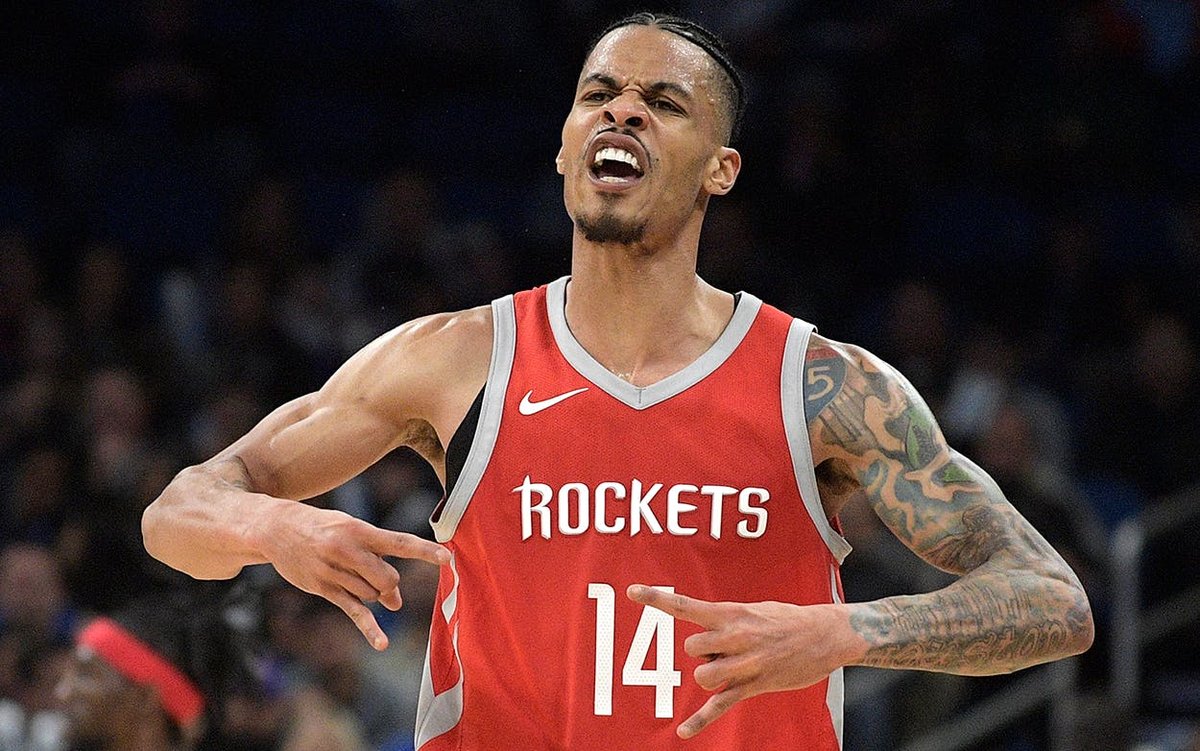
At the 2007 Slam Dunk Contest, Gerald Green jumped over a table, caught the ball at its apex, and threw it through the hoop with one hand. He did this while missing part of his left ring finger, which he had lost in a childhood accident. It was, by any reasonable assessment, completely insane. The Boston Celtics had drafted Green 18th overall in 2005 out of Gulf Shores Academy in Houston, and his career would follow the trajectory of that dunk: spectacular moments separated by long stretches of uncertainty. Green bounced between the NBA and overseas leagues multiple times, playing for nine different teams across twelve seasons. He had resurgences in Phoenix in 2013-14, averaging 15.8 points, and again in Houston in 2017-18. He averaged 10.1 points for his career and never made an All-Star team, but he was among the most electric in-game dunkers of his generation. His career was a roller coaster built by someone who forgot to include the safety harness.
C.J. Miles
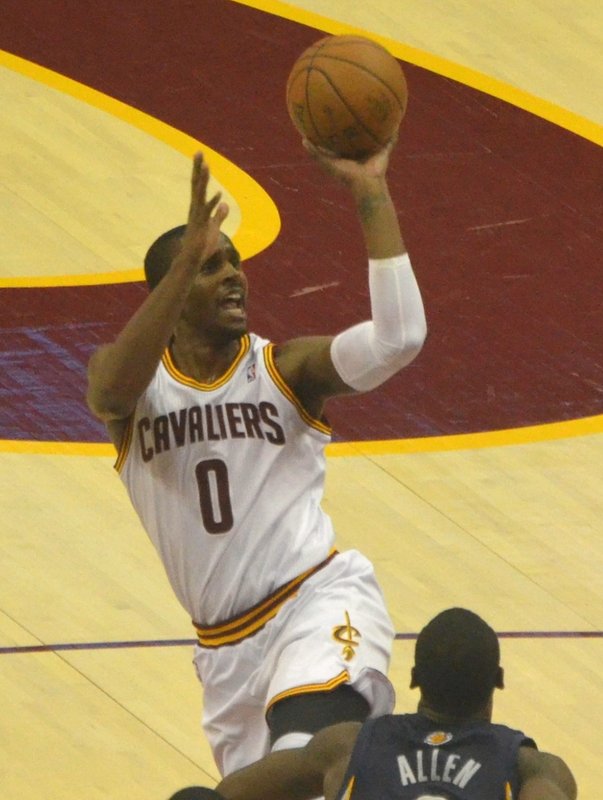
Fourteen seasons is a long time to play professional basketball, and C.J. Miles played every one of them without anyone outside of dedicated NBA fans knowing his name. The Utah Jazz drafted him 34th overall in 2005 out of Skyline High School in Dallas, Texas, and he spent the next decade and a half being the kind of player who shows up in trade packages, gets waived, finds a new team, and keeps shooting three-pointers at a perfectly acceptable rate. He averaged 9.5 points per game across stints with the Jazz, Cavaliers, Pacers, Raptors, Grizzlies, and Wizards, shooting 36.4 percent from three for his career. Miles never generated a single controversy, never made an All-Star team, never won a championship, and never had trouble finding work. In a league obsessed with stars and narratives, he was simply a professional basketball player doing a professional basketball job. A second-round pick from high school who outlasted most of the first-round picks drafted around him.
Ricky Sanchez
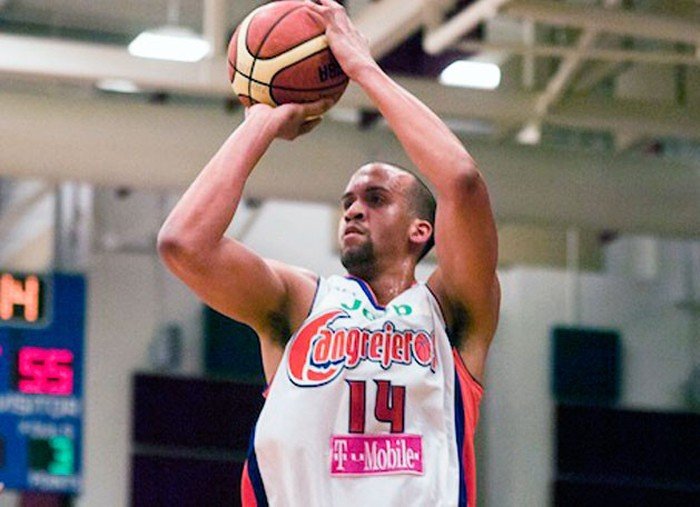
From Puerto Rico, through IMG Academy in Bradenton, Florida, to the 35th pick of the 2005 draft by the Portland Trail Blazers, Ricky Sanchez’s NBA career is the shortest story on this list: it didn’t happen. Portland drafted him. He never signed. He never made a roster. He never played a minute of NBA basketball. Sanchez spent his professional career in Puerto Rico and Venezuela, playing in leagues that most American basketball fans couldn’t locate on a map. He is one of three prep-to-pro players who were drafted but never appeared in an NBA game, and his story is the quietest of the three - no tragic backstory, no mental health struggles, just a young player whose talent wasn’t quite enough to cross the threshold between being drafted and actually playing. The NBA Draft can open a door. It doesn’t guarantee anyone walks through it.
Monta Ellis
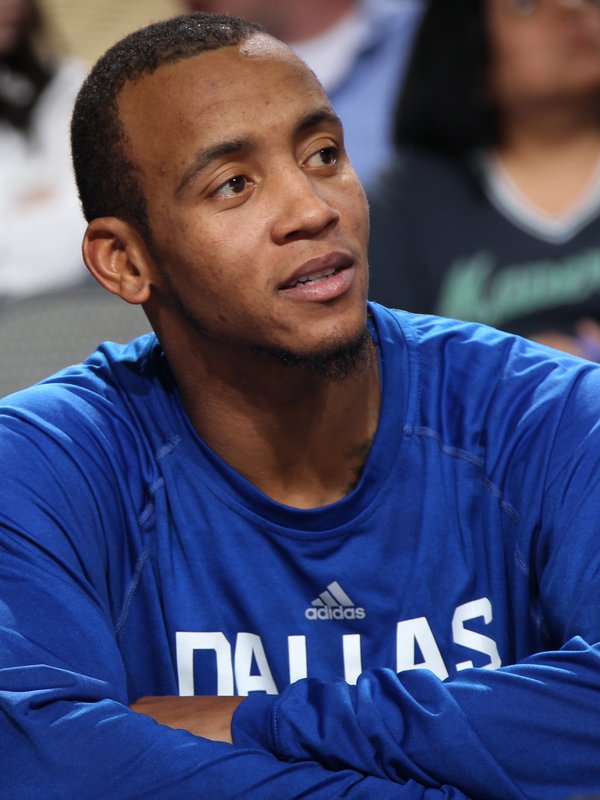
Golden State spent the 40th pick of the 2005 draft on Monta Ellis out of Lanier High School in Jackson, Mississippi, and within four years he was averaging 25 points per game. That sentence should not make sense. Second-round picks from Mississippi high schools are not supposed to become 25-point scorers. But Ellis was a blur - a 6’3″ guard with a first step so quick that defenders often didn’t realize he was gone until they heard the ball go through the net. He played twelve seasons for the Warriors, Bucks, Mavericks, and Pacers, averaging 17.8 points for his career, and he never made a single All-Star team. That omission remains one of the more puzzling snubs of the 2000s and 2010s. Ellis was an elite scorer on middling teams, which in the NBA is the quickest route to being excellent and invisible simultaneously. He earned roughly $98 million playing professional basketball and did it all without ever playing a game of college ball, which for a 40th pick from a small-town high school is something close to a miracle.
Lou Williams
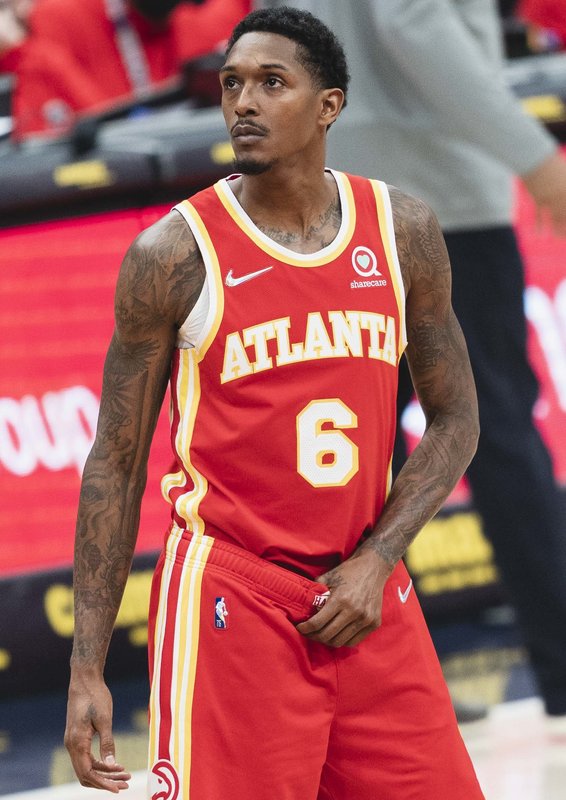
Three times, the NBA named Lou Williams its best reserve. Three times. No other player in history has won the Sixth Man of the Year award that often, which makes Williams not just the best bench scorer of his generation but arguably the best bench scorer who ever lived. The Philadelphia 76ers took him 45th overall in the 2005 draft out of South Gwinnett High School in Snellville, Georgia - a second-round pick from a town whose name sounds made up - and he spent seventeen seasons proving that the 44 teams who passed on him had all made the same mistake. Williams averaged nearly 14 points per game across stints with the Sixers, Hawks, Raptors, Lakers, Rockets, and Clippers, and he did it almost exclusively in a reserve role, entering games to provide instant offense with the reliability of a utility company. His nickname was “Underground GOAT,” which captured both his excellence and his anonymity perfectly. He was the best player most casual fans had never heard of, and he did it for nearly two decades.
Andray Blatche
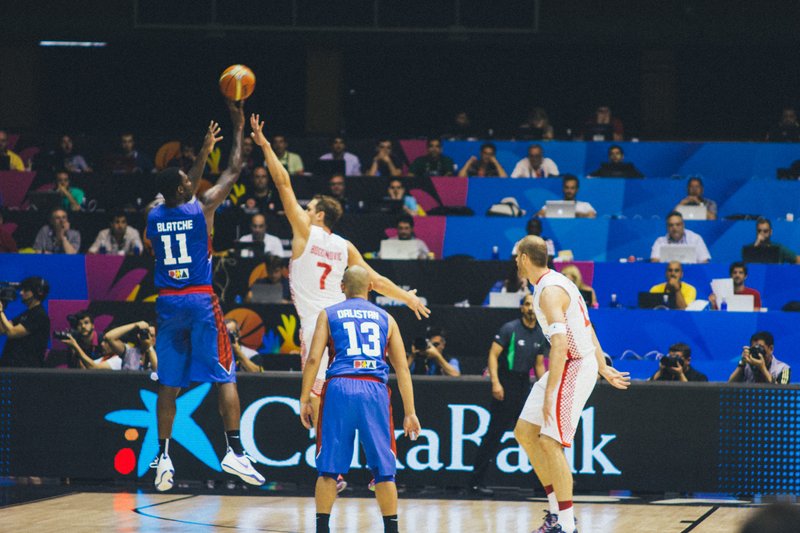
Born in Syracuse, New York, drafted 49th overall by the Washington Wizards in 2005 out of South Kent Preparatory School in Connecticut, Andray Blatche had a perfectly reasonable eight-year NBA career that averaged out to about 10 points and 5 rebounds per game. He was a versatile big man who could score inside and out, handle the ball a bit, and occasionally look like a much better player than his draft position suggested. Then he did something genuinely unexpected. After his NBA career wound down, Blatche became a naturalized citizen of the Philippines and joined the Philippine national basketball team, becoming a star in a country where basketball borders on a national religion. He played in the FIBA World Cup for the Philippines in 2014, roughly nine thousand miles from South Kent Prep. His career is a reminder that the NBA, for all its global dominance, is not the only place a basketball life can lead - and that sometimes the most interesting chapter comes after the one everyone was watching.
Amir Johnson
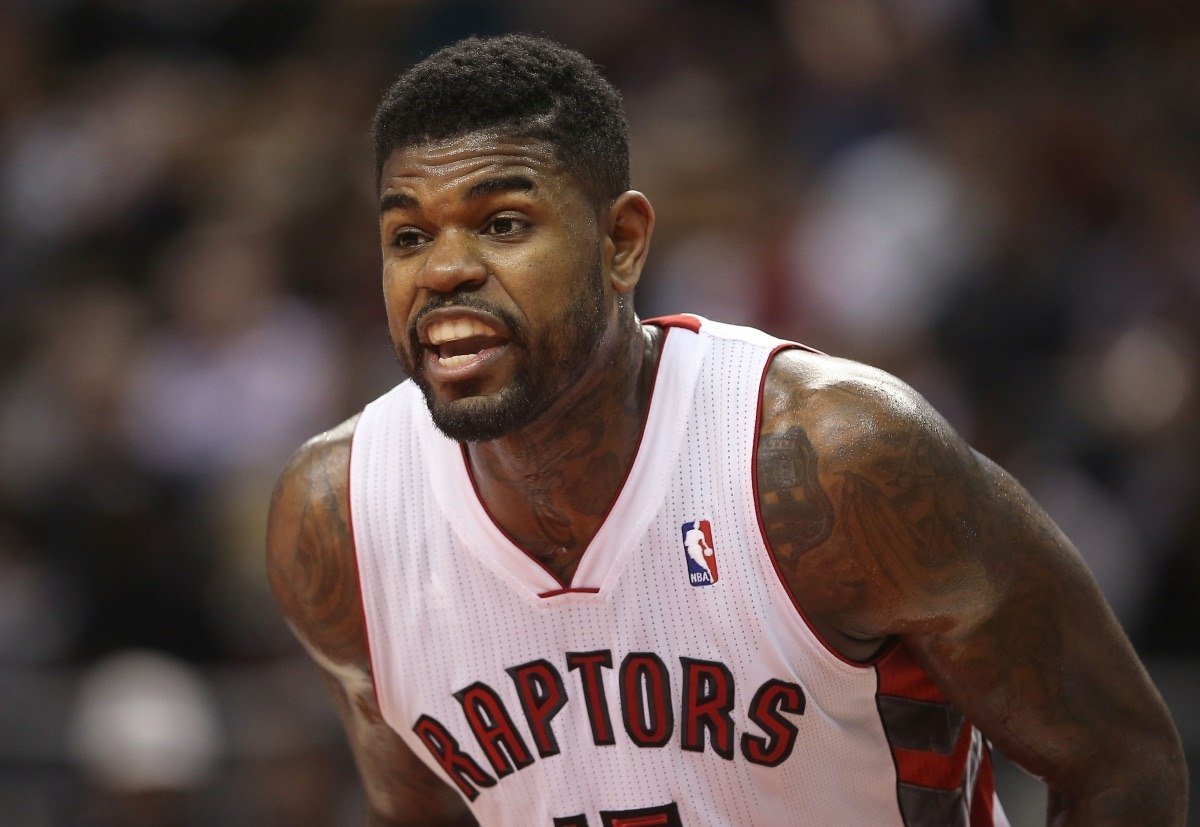
The very last pick of the 2005 draft - number 56 overall - went to a skinny kid from Westchester High School in Los Angeles named Amir Johnson. The Detroit Pistons selected him with the kind of pick that teams use on players they don’t really expect to make the roster. Johnson made the roster. Then he made it again the next year. And the year after that. Fifteen consecutive NBA seasons, for a player taken dead last in his draft class. He played for the Pistons, Raptors, Celtics, and Sixers, averaging a quiet 7 points and 5.4 rebounds per game, and he did it by being the kind of player that coaches love and casual fans overlook: an energy guy, a solid defender, a teammate who does the small things. Johnson never made an All-Star team. He never won a championship. He was the last pick who lasted longer than most of the lottery selections taken before him, which in basketball terms is the ultimate last laugh.
Moses Malone (Honorable Mention)
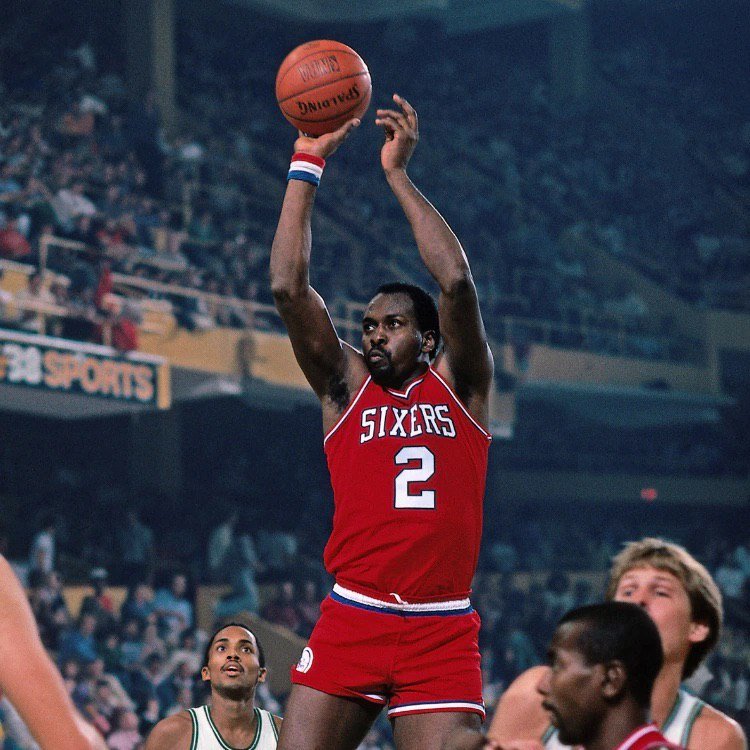
Before any of them - before Dawkins, before Willoughby, before Garnett kicked the modern era into motion - there was Moses Malone. In 1974, the Utah Stars of the American Basketball Association drafted Malone straight out of Petersburg High School in Virginia, making him the first player to go directly from high school to professional basketball. He was nineteen. The ABA was the NBA’s flashier, wilder rival league, operating from 1967 to 1976 with a red-white-and-blue basketball and a willingness to sign anyone who could play, age restrictions be damned. Malone could play. He could more than play. When the ABA folded and four of its teams merged into the NBA in 1976, Malone came along and proceeded to become one of the greatest centers in basketball history: three-time MVP, twelve-time All-Star, 2001 Hall of Fame inductee, and the anchor of the 1983 Philadelphia 76ers team that swept the Lakers in the Finals after Malone issued his famous “Fo’, fo’, fo’” prediction. He averaged 20.6 points and 12.2 rebounds across twenty-one professional seasons. Every prep-to-pro player who followed walked a path that Moses Malone paved. He just happened to pave it in a league that no longer exists.
Sources
- Basketball Reference
- NBA.com – History
- Sports Illustrated - Archival reporting on prep-to-pro players, including the 2002 LeBron James cover story
- ESPN - Historical draft coverage, player features, and career retrospectives
- The New York Times – N.B.A. and Players Union Agree to a Six-Year Deal (2005 age minimum)
- Through the Fire (2005 documentary) - Sebastian Telfair’s high school career and draft process