Every Best Picture Oscar Winner That Won Without a Best Director Nomination
The Academy Award for Best Picture is voted on by every member of the Academy of Motion Picture Arts and Sciences. The Academy Award for Best Director is nominated by the directors’ branch alone. Most years the distinction doesn’t matter – the branch and the wider membership land on the same film, and it collects both prizes. Of the ninety-eight films that have ever won Best Picture, seventy-one also won Best Director.
Then there are the years the two bodies split so completely that the directing branch never wrote the name down. It looked at a film, left its director off the nomination list, and then watched everyone else hand that same film the biggest prize of the night. These directors did not lose a close race. They were never in one.
Two of these landed in the first sixty years of the awards. Four have arrived since 1990, three of them since 2013. Three of the wins are still argued over because of what they came at the expense of: Roma, The Power of the Dog, Do the Right Thing. Argo is the odd one out, a film whose snub became its own campaign and carried it to the podium. What follows is every Best Picture winner whose director the Academy declined to nominate, in the order the films were released.
Six films have won Best Picture while their directors went unnominated for Best Director: Wings, Grand Hotel, Driving Miss Daisy, Argo, Green Book, and CODA. In each case the directing branch passed the film over at the nomination stage, so its director never competed for the award. The first came at the 1929 ceremony, the most recent in 2022.
Wings
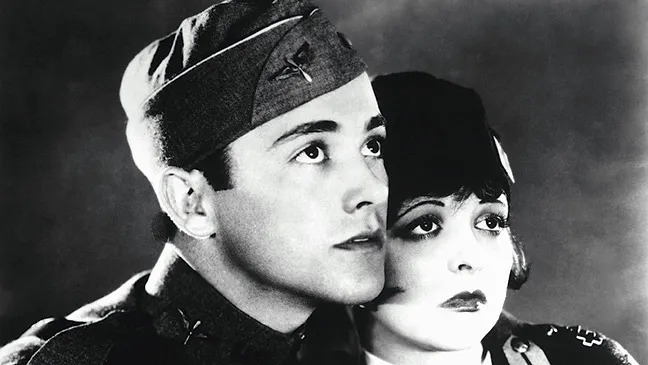
Paramount didn’t invite William Wellman to the premiere. He had directed the most expensive picture in the studio’s history – a $2 million World War I aviation epic with hundreds of real pilots, real planes, and aerial cinematography that nobody had attempted before – and the studio had spent most of production calling him insolent. Wellman had insisted on shooting the dogfights against actual cloud banks rather than blank sky, on the grounds that you couldn’t see a plane move without something behind it. This added weeks of weather delays. Paramount cut him out of the rollout entirely.
He was a former combat pilot who had flown with the Lafayette Flying Corps and crashed near-fatally in 1917, breaking his back in two places. He was the only director in Hollywood at the time with World War I aviation combat experience, which is why Paramount had hired him. He filmed the picture on location in Texas, used a battlefield rebuilt with 3,500 actual infantrymen, and turned out something genuinely new.
At the inaugural Academy Awards on May 16, 1929, Best Director was split into Drama and Comedy. Frank Borzage won Drama for 7th Heaven. Lewis Milestone won Comedy for Two Arabian Knights. Five total directing slots that night. Wellman was nominated in none of them. Wings won Best Picture. Wellman went on to receive three Best Director nominations later in his career, never winning. None of them were for the picture that started everything.
Grand Hotel
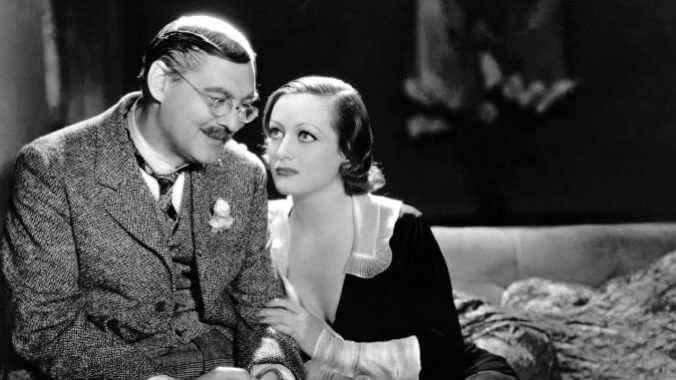
Edmund Goulding never received an Oscar nomination. Not for Best Director. Not for screenwriting. Not for anything. Across thirty-nine films directed over thirty-three years – including three Best Picture nominees – the Academy never put his name on a ballot once. He directed nine actors to acting nominations. Two of them won. He himself: zero.
The film he is most associated with, Grand Hotel, is the strangest case in Academy history. It won Best Picture at the 5th Academy Awards in November 1932 and is the only Best Picture winner ever to be nominated in no other category. Not Best Director. Not Best Actor for John Barrymore or Wallace Beery – though Beery won Best Actor that night for a different film, The Champ. Not Best Actress for Greta Garbo or Joan Crawford. Not Best Adapted Screenplay despite being based on both a novel and a play. Not Best Cinematography, Best Art Direction, or Best Original Music. One nomination, one win, nothing else.
The film cost roughly $700,000 and earned nearly $2.6 million in its first year of release, making it MGM’s most profitable picture of 1932. Goulding directed it in a fluid, almost transparent style – a continuous lobby tracking shot here, a switchboard montage there – that was easy to miss precisely because it worked. Best Director that year went to Frank Borzage for Bad Girl. Goulding made another twenty-six films and died in 1959 having received exactly the same Academy recognition he had at the start of his career.
Driving Miss Daisy
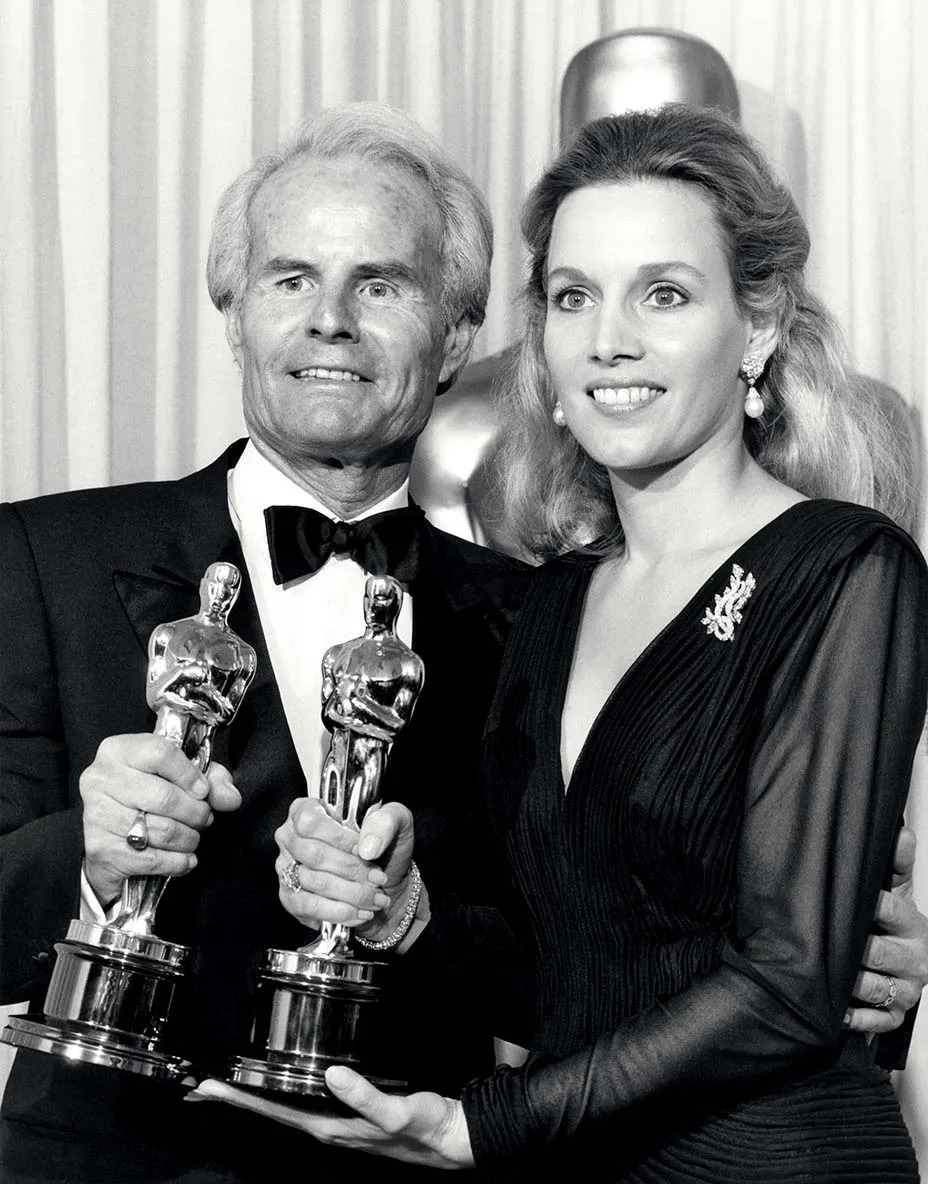
Bruce Beresford was an Australian who had directed Tender Mercies and Crimes of the Heart. He was not a member of the Hollywood directing establishment in any meaningful sense. When Driving Miss Daisy arrived at the 62nd Academy Awards in March 1990 with nine nominations, it became the first film in fifty-seven years – since Grand Hotel – to win Best Picture without its director receiving a Best Director nomination. The directors’ branch had nominated Oliver Stone (Born on the Fourth of July, the eventual winner), Peter Weir, Woody Allen, Kenneth Branagh, and Jim Sheridan instead.
The film won four Oscars: Best Picture, Best Adapted Screenplay, Best Makeup, and Best Actress for Jessica Tandy, who was eighty and became the oldest acting Oscar winner in Academy history. The script was Alfred Uhry’s own adaptation of his Pulitzer Prize-winning play, itself loosely based on Uhry’s grandmother and her chauffeur Will Coleman.
The win was contentious from the moment it was announced. Spike Lee’s Do the Right Thing hadn’t been nominated for Best Picture at all that year. Critics in the New York Times asked at the time whether the film carried a ‘subtext that summons up a longing for the good old days before the civil rights movement.' Three decades later the question still gets asked. Beresford himself, when his daughter interviewed him for The Hollywood Reporter in 2020, called the controversy ‘sort of absurd.' Spike Lee, when asked the same question, called it something else.
Argo
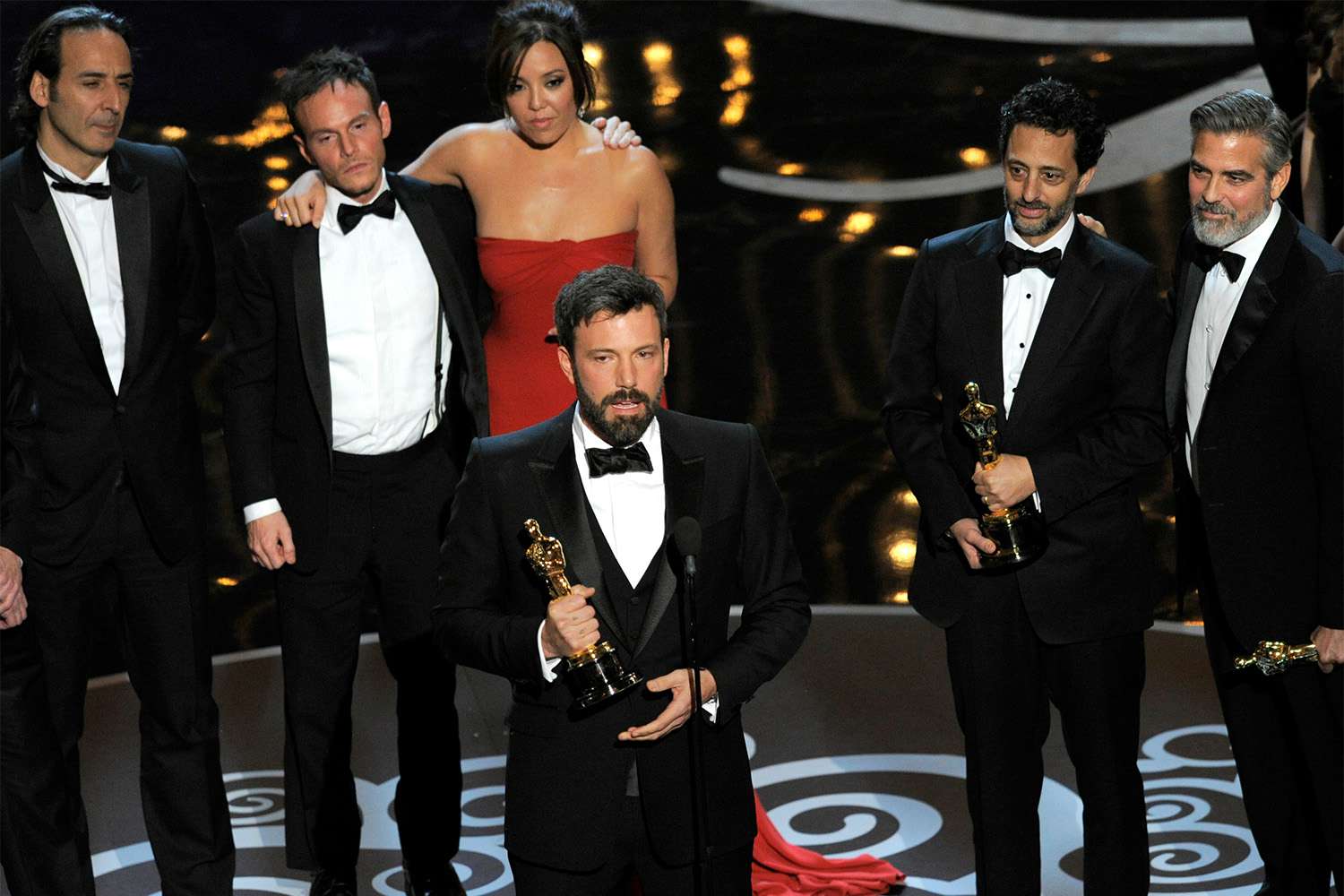
The morning of the Oscar nominations in January 2013, Ben Affleck woke up at his house and found out he wasn’t on the Best Director ballot. He had won the Golden Globe for Best Director. He had won the Critics Choice. He would go on to win the BAFTA and the Directors Guild Award – the latter being the single most predictive Oscar precursor in the industry. The Academy nominated five other directors. Affleck was not among them.
The reaction was loud. Bradley Cooper, leaving the press room with his own Silver Linings Playbook nomination, said into a microphone: ‘Ben Affleck got robbed.' Quentin Tarantino agreed publicly. Seth MacFarlane opened the ceremony with the line that Argo’s story was so top-secret that its director remained unknown to the Academy. The snub became the dominant narrative of the season. And then, with five weeks of momentum building behind it, Argo won Best Picture – the fourth film in Oscar history to do so without a directing nomination.
Affleck still won an Oscar that night. He was a producer on the film, and Best Picture goes to producers. He gave an acceptance speech that ran long. Best Director went to Ang Lee for Life of Pi. In a 2026 interview with Variety, Affleck called the entire experience ‘a massive embarrassment’ – not because of the loss, but because of the ritual of having to answer for it. Argo is the one film on this list whose Best Picture win was caused, rather than threatened, by the directing snub.
Green Book
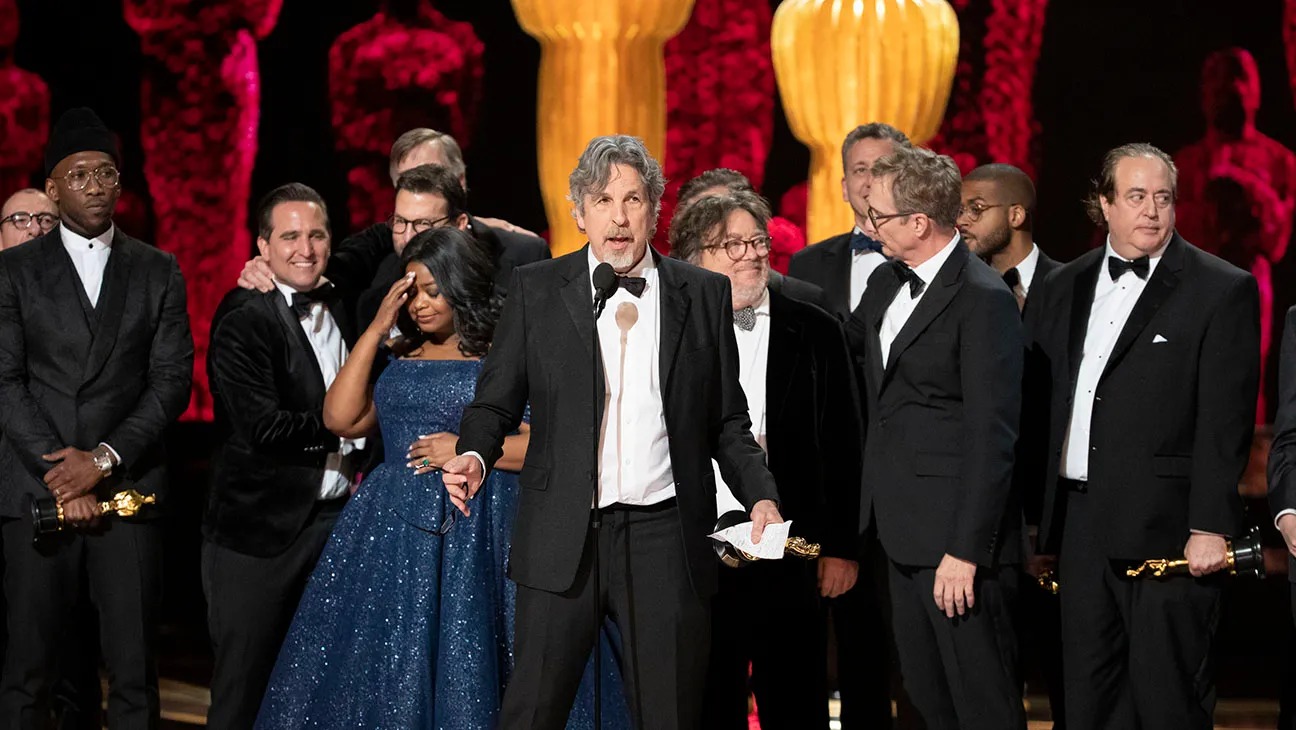
Peter Farrelly had previously directed Dumb and Dumber, There’s Something About Mary, Shallow Hal, and the 2007 film The Heartbreak Kid. He had not been considered an awards-season director by anyone, ever. Green Book opened at the Toronto International Film Festival in September 2018, won the People’s Choice Award, and then spent the next six months under heavier sustained controversy than almost any Best Picture front-runner in memory. The Shirley family said they had not been consulted and disputed the film’s portrayal of their relative. Farrelly publicly apologized after a 1998 article resurfaced in which he had admitted to displaying his genitals on movie sets as a joke. Co-writer Nick Vallelonga had to delete his Twitter account after old anti-Muslim posts came to light.
The film won Best Picture anyway. Best Director that night went to Alfonso Cuarón for Roma, the heavy critical favorite. Green Book also took Best Original Screenplay and Best Supporting Actor for Mahershala Ali.
When the Best Picture envelope was opened, Spike Lee – who had just won his first competitive Oscar that night for the BlacKkKlansman screenplay – stood up and tried to leave the Dolby Theater. He returned and got into what reporters described as a heated exchange with Jordan Peele in the row behind him. Asked about it backstage, Lee referenced the 1990 ceremony where Driving Miss Daisy had beaten his Do the Right Thing. ‘Every time someone is driving someone, I lose,' he said. ‘But they changed the seating arrangement!'
CODA
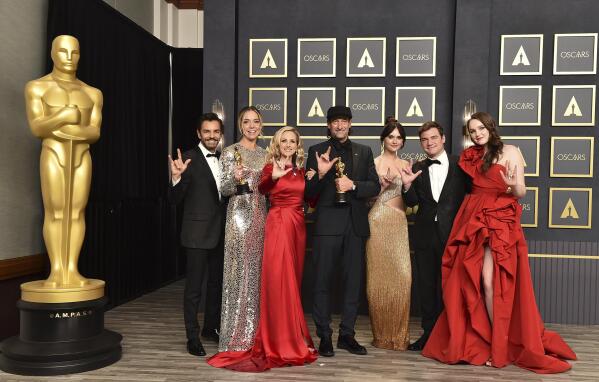
In January 2021, at a Sundance Film Festival held entirely online because of the pandemic, Apple paid $25 million for the rights to a small independent film about a deaf family in a Massachusetts fishing town. The figure was a Sundance record. The film had been made for $10 million. It went on to gross roughly $1.4 million in its limited theatrical run before Apple released it day-and-date on Apple TV+, where it was streamed in about 600,000 households over its first seven months. By the standards of any prior Best Picture winner, this was nothing.
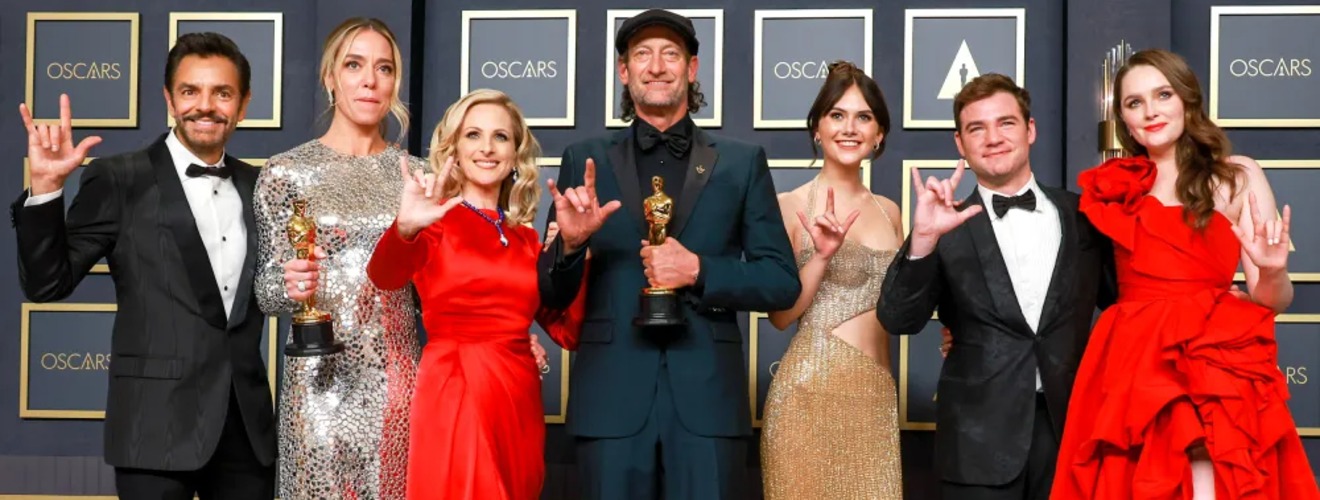
CODA received three Academy Award nominations – Best Picture, Best Adapted Screenplay, and Best Supporting Actor – and won all three. Sian Heder, who wrote and directed the film, won the Adapted Screenplay Oscar for her own script. She was not nominated for Best Director. Best Director went to Jane Campion for The Power of the Dog, the year’s heavy Best Picture favorite, which had received twelve nominations and was widely expected to win. It did not. Apple TV+ became the first streaming service to win Best Picture, beating Netflix, which had been chasing the prize for years with Roma, The Irishman, Mank, and The Power of the Dog itself.
Troy Kotsur won Best Supporting Actor for his role as the family’s father, becoming the first Deaf male actor to win an Oscar and the second Deaf actor ever, after his co-star Marlee Matlin in 1986. He delivered his acceptance speech in American Sign Language.
Frequently Asked Questions
Did Ben Affleck win an Oscar for Argo?
Yes, as a producer. Best Picture goes to the producers, and Affleck accepted it on February 24, 2013 with Grant Heslov and George Clooney. He had already collected the Golden Globe and the Directors Guild Award for directing it. Ang Lee took the directing Oscar for Life of Pi.
Was CODA the first streaming film to win Best Picture?
Yes. Apple TV+ took the award on March 27, 2022, after buying the film at Sundance for a festival-record $25 million. Netflix had chased the same prize for years and lost that night with The Power of the Dog, which had led the field with twelve nominations.
Which Best Picture winner was nominated in no other category?
Grand Hotel, which won Outstanding Production at the fifth ceremony on November 18, 1932, and turned up nowhere else on the slate. No acting nomination for Greta Garbo or John Barrymore, no screenplay, no cinematography. One nomination, one statuette, and nothing else in the record.
Who won Best Director the year Green Book won Best Picture?
Alfonso Cuarón, for Roma. Peter Farrelly was not among the five nominees on February 24, 2019, yet he left the Dolby Theatre with two Oscars anyway: one as a producer of the winning film, one for co-writing its original screenplay. He had previously directed Dumb and Dumber.
Why was the director of Wings not nominated?
William Wellman was simply left out. The first Academy Awards split directing into Dramatic and Comedy categories and filled the five slots with Frank Borzage, Herbert Brenon, King Vidor, Lewis Milestone and Ted Wilde. Paramount, which had spent the shoot calling Wellman insolent, did not invite him to the premiere.
Did Jessica Tandy win an Oscar for Driving Miss Daisy?
Yes, Best Actress, at eighty, and she remains the oldest winner in that category. The film took four Oscars from nine nominations in March 1990, including one for Alfred Uhry’s adaptation of his own Pulitzer-winning play. Oliver Stone won directing that night for Born on the Fourth of July.
Which of these directors was never nominated for Best Director at all?
Edmund Goulding, who made Grand Hotel. Across a career that produced three Best Picture nominees – Grand Hotel, Dark Victory and The Razor’s Edge – the Academy never nominated him for directing once. He died in December 1959, still waiting on a phone call that never came.
Who won Best Supporting Actor for CODA?
Troy Kotsur, playing the father, became the first Deaf man to win an acting Oscar and the second Deaf performer to do so, after his co-star Marlee Matlin, who won Best Actress for the 1986 film Children of a Lesser God. He gave his speech in American Sign Language.
Sources
- Wikipedia: 1st Academy Awards, 5th Academy Awards, 62nd Academy Awards, 85th Academy Awards, 91st Academy Awards, 94th Academy Awards
- Oscars.org
- Britannica entries for Edmund Goulding, William Wellman, Wings, Grand Hotel, and individual films
- IMDb full nominations records for each director and film
- San Francisco Silent Film Festival: Wings program notes
- The Hollywood Reporter: Trilby Beresford ‘When My Dad Won Best Picture’ (Feb 2020)
- Variety: Ben Affleck 2026 Argo retrospective interview (Jan 2026)
- GoldDerby: Oscars Playback 1990 ceremony retrospective