Every Person Buried in Poets' Corner
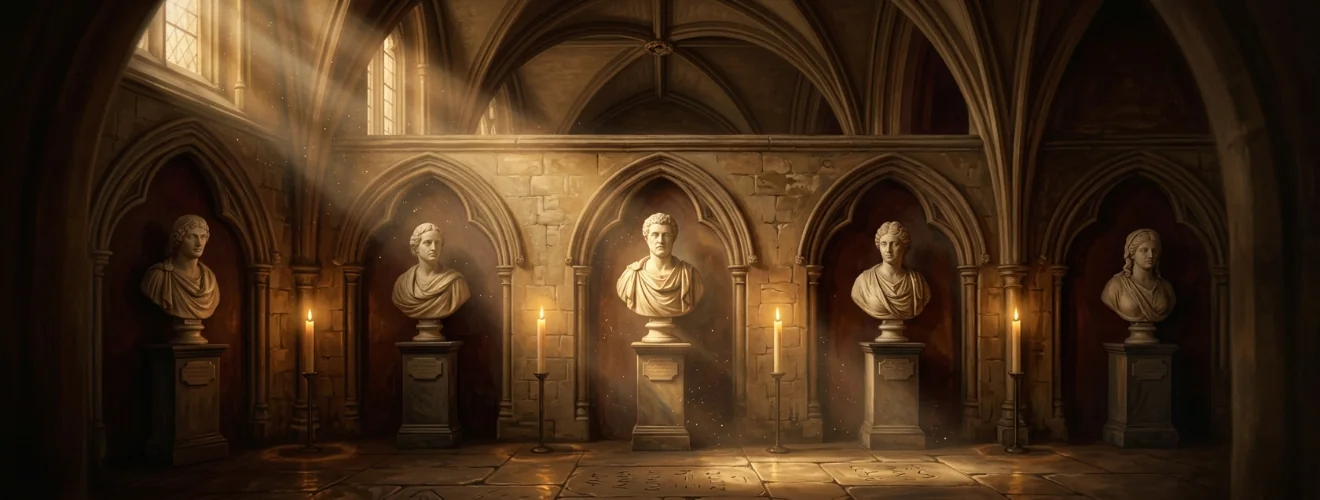
The number everyone quotes for Poets’ Corner is wrong. So is the assumption that everyone there is a poet. The south transept of Westminster Abbey is not primarily a literary cemetery and was not designed as one. It began as the burial place of an abbot, accumulated a few medieval clerks who happened to live nearby, acquired Chaucer’s bones a century and a half after his death, and then drifted into its modern identity by a slow accident over the next four hundred years.
America’s closest equivalent is the Capitol Rotunda, where presidents, soldiers and a handful of private citizens have lain in state or in honor.
The mix under that floor is stranger than the name promises: a countess who went into the ground in court dress with a small silver trumpet, and two schoolfriends who each wrote a history of ancient Greece without telling the other and now share a grave. There is also a 152-year-old man from Shropshire who almost certainly was not 152, and a Benedictine monk who left his estate to a woman who was not his wife.
What follows is every one of them, in the order they went into the ground, with the strange specific facts the official accounts tend to leave out. The roses are at the end.
Fifty-seven people are buried in Poets’ Corner, Westminster Abbey’s south transept, over a span of more than six centuries. Only nine of them were poets. The rest were playwrights, actors, architects, historians, scholars, clergy and one composer. Many more names cut into that floor mark memorials rather than graves.
Nicholas Litlyngton
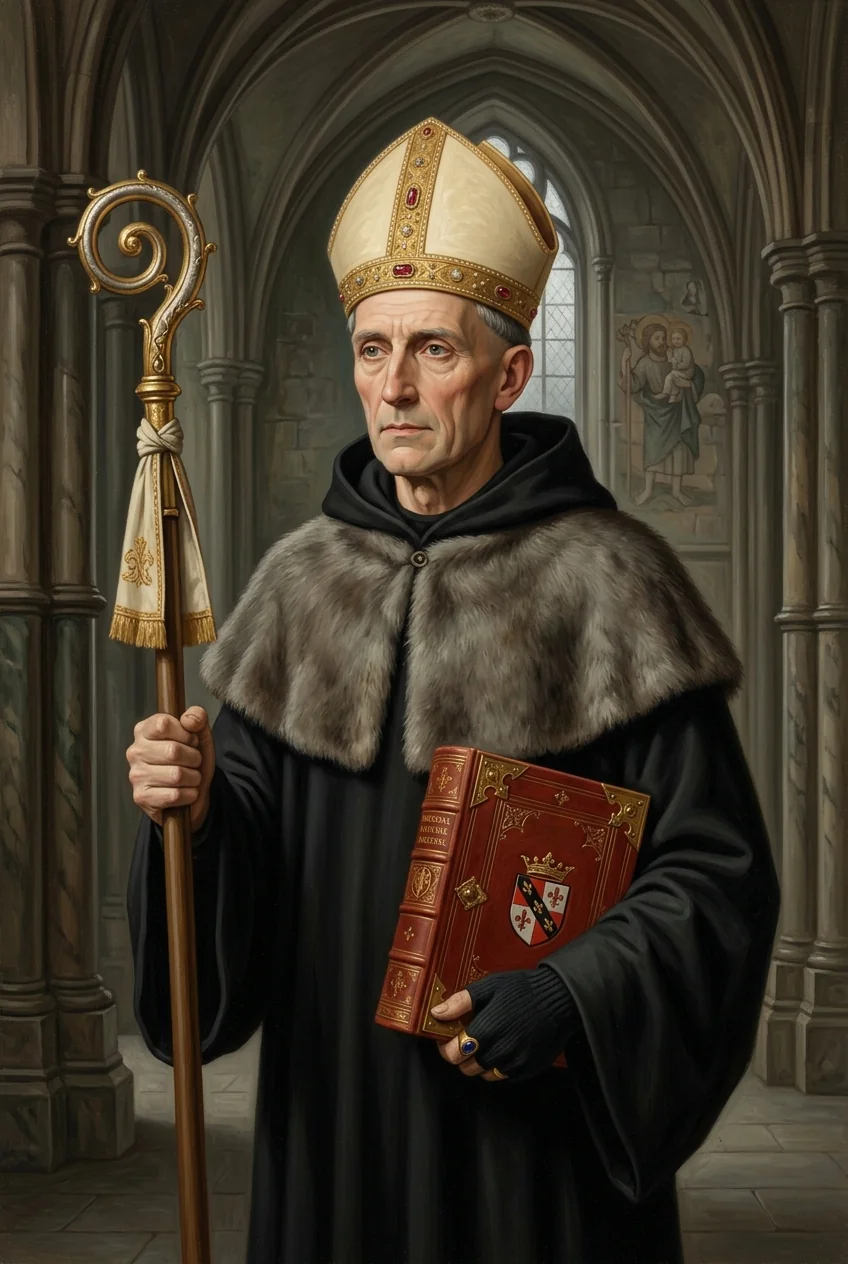
The man who started Poets’ Corner had nothing to do with poetry. Nicholas Litlyngton was Abbot of Westminster from 1362 until his death in 1386, and when he was buried in the chapel of St Blaise – the medieval room that would later become the south transept of the Abbey – he was simply being put in his own church, the way an abbot ought to be. The chapel itself is gone now. Two thirteenth-century wall paintings of St Christopher and Christ with St Thomas, rediscovered in the 1930s, are the only physical traces of the room he was buried in.
He came from the Despenser family, entered the monastery before 1333, was elected prior in 1352, and ran Westminster for twenty-four years through the wreckage left by the Black Death. He commissioned the Litlyngton Missal in 1383, one of the largest surviving English medieval illuminated manuscripts, and paid for it personally – it still sits in the Abbey Library. In August 1386, with a French invasion thought to be imminent, the abbot – then in his seventies and within months of death – bought himself armour and prepared to ride to the coast. The invasion never came. He died at his manor of Neyte that November. His original monument has vanished, and his place in the Abbey is now marked by a stone Dean Stanley installed in 1873, just in front of Shakespeare’s memorial.
Edward Tudor
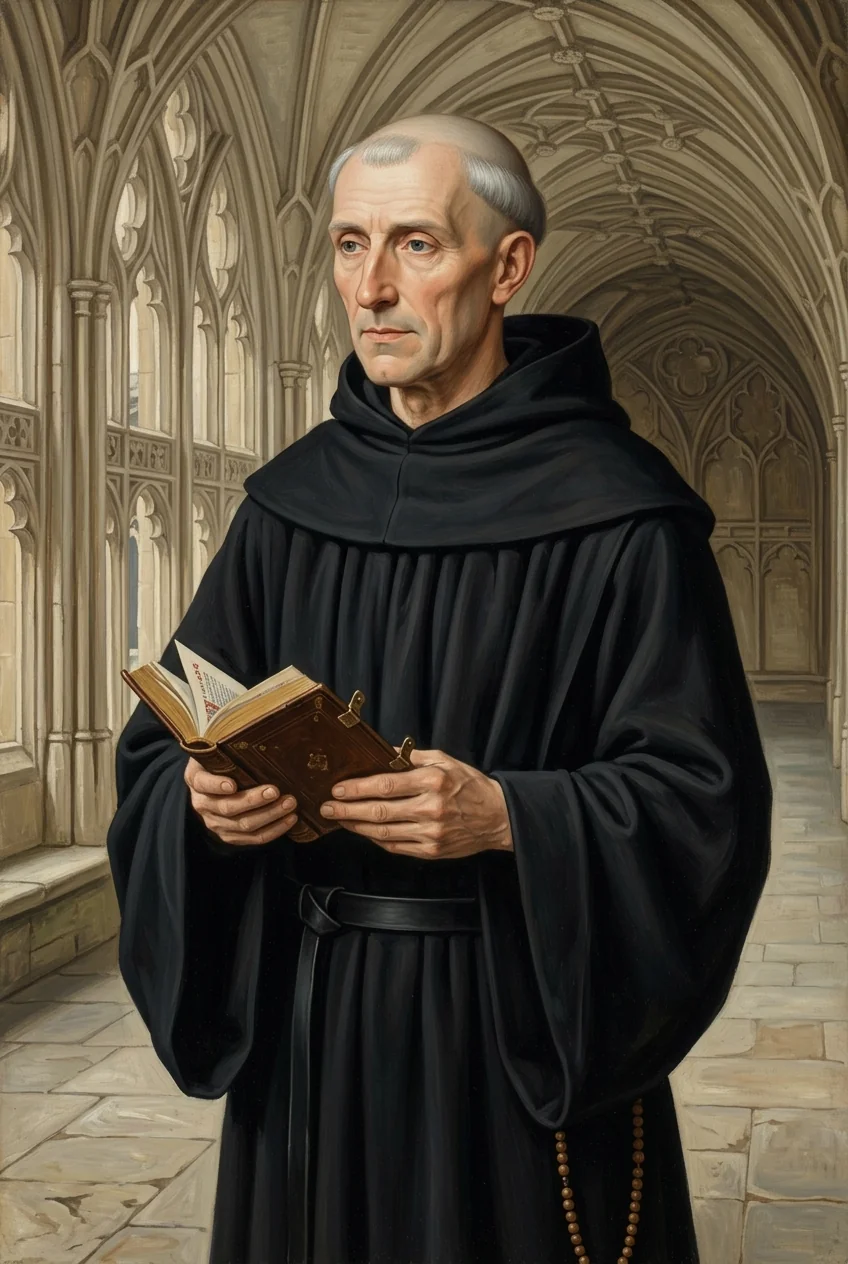
The stone in the south transept floor names Owen Tudor, monk of Westminster, uncle of King Henry VII, buried in 1501. Almost every word of that is wrong. There is no record of a monk called Owen Tudor at Westminster at any point. The man actually buried in 1501 was Owen’s son Edward, the half-brother of Henry VI, who entered the abbey as a Benedictine monk and, in the words of the Italian historian Polydore Vergil, “lived not longe after.” William Camden’s 1600 guide to the monuments correctly identified him as Edward, son of Owen Tudor and Catherine of Valois.
The confusion came from a seventeenth-century herald called Francis Sandford, who appears to have crossed Edward’s burial record with a payment Henry VII made in 1502 – sixty-one shillings towards the cost of an Owen Tudor’s funeral – and concluded the dead man must have shared his father’s name. Every later historian repeated him. In 1873 the Dean of Westminster, Arthur Stanley, had the now-famous floor stone cut, naming Owen rather than Edward. The error was identified in print not long after. The Abbey has known about it for over a century. The stone has never been corrected, and seems unlikely to be. It is, by some distance, the longest-running typo in English ecclesiastical history.
William Benson
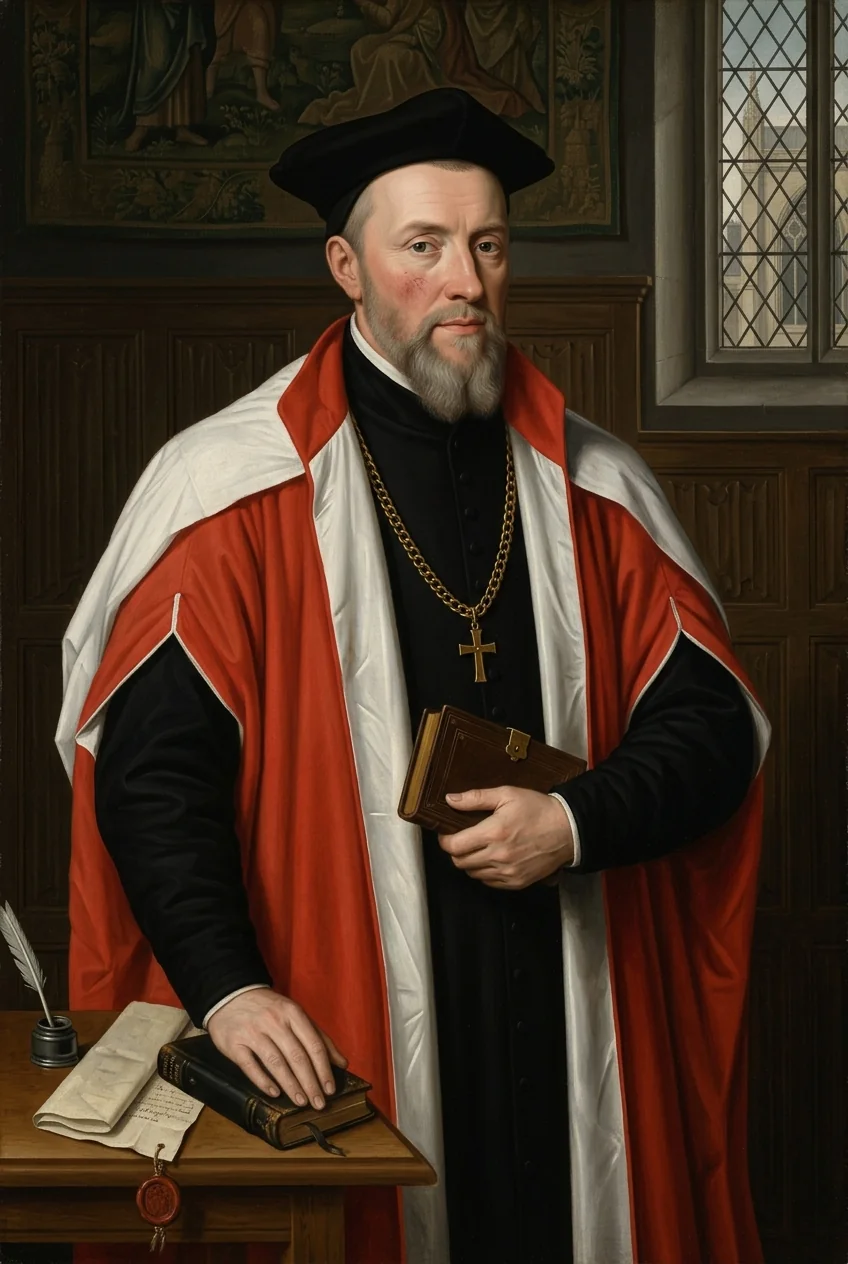
William Benson took monastic vows under the name William Boston, the medieval convention for monks adopting the town nearest their home. The home in question was Peterborough, but he had some connection to the Lincolnshire town of Boston that no one has ever explained. He was a friend of Thomas Cranmer, an evangelical sympathetic to reform, and in 1533 he became Abbot of Westminster – the first outsider to hold the post in three hundred years.
What happened next made his career genuinely strange. In January 1540 Henry VIII dissolved the monastery. Benson signed the surrender, watched the Benedictine community he had led for seven years walk out the door, and was immediately reinstalled in December as the first Dean of the new secular cathedral established on the same site. The keys went to the Crown and came back to him a year later. He held the post until his death in September 1549, by which time he had also attended the coronations of Anne Boleyn in 1533 and Edward VI in 1547, taking part in the church’s ceremonial life across both regimes without missing a beat. He died unmarried sometime between the tenth and twenty-third of that month and was buried in the south transept, in the same general area as the abbot whose monastery he had handed over. The memorial stone naming him was installed by Dean Stanley in the late nineteenth century, three hundred years after the fact.
Geoffrey Chaucer
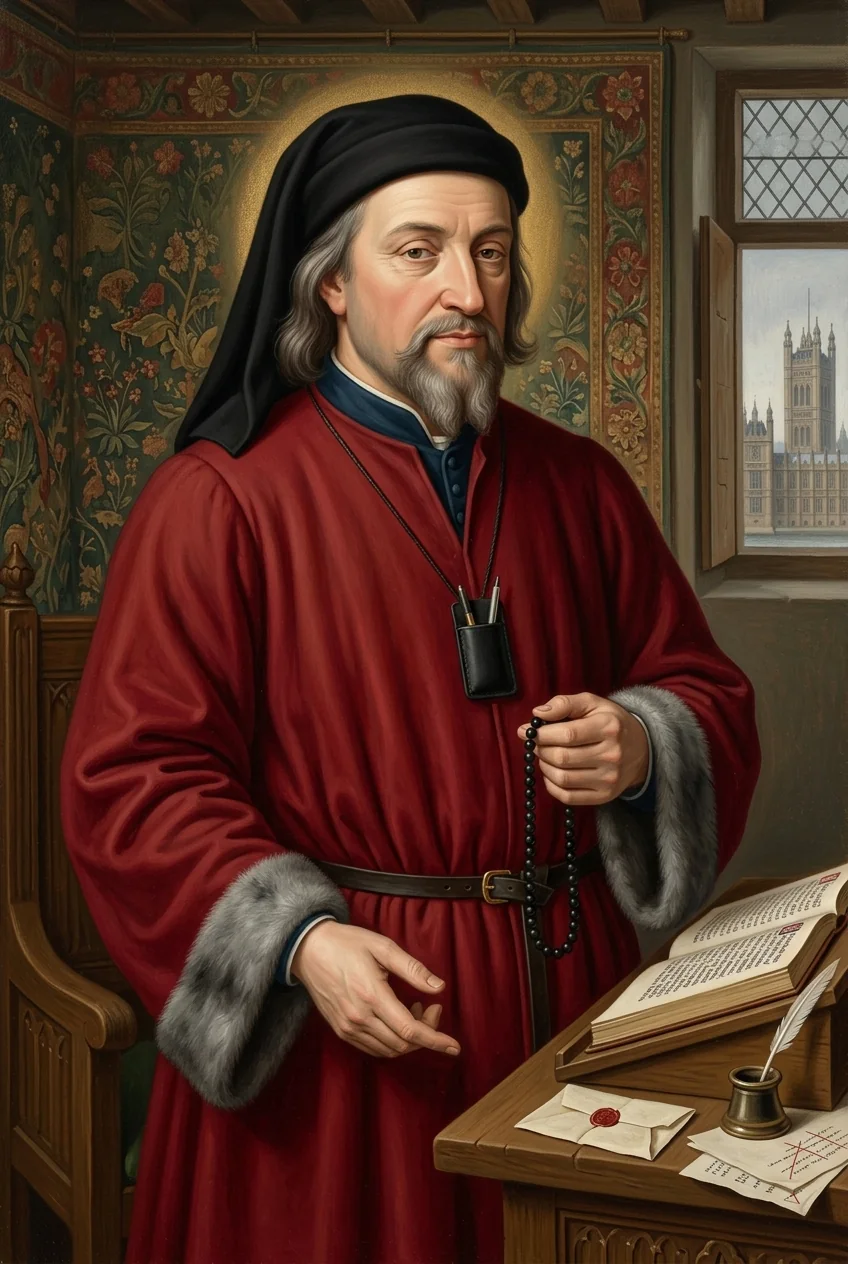
Chaucer was not buried in the Abbey because he wrote The Canterbury Tales. He was buried there in October 1400 because he was Clerk of the King’s Works – a senior civil-service post responsible for maintaining royal buildings – and he lived in a tenement on the Abbey grounds, which gave him the right to be interred there. His original grave, marked by a plain slab at the entrance to the chapel of St Benedict, was administrative, not literary. No tradition existed yet because there was nothing for it to mean.
The literary tradition began by a fluke a century and a half later. In 1556 an antiquarian and Exchequer official called Nicholas Brigham, who lived in the Abbey precincts and had a young daughter buried near Chaucer, paid for a grey Purbeck marble tomb in the south transept and probably moved Chaucer’s bones into it. The monument may have been salvaged from one of the London churches Henry VIII had dissolved. When Edmund Spenser was buried near the tomb in 1599, the precedent took.
Whether Chaucer’s actual bones made the journey from St Benedict’s chapel to Brigham’s monument is unknown. The original slab was sawn up in 1720 when Dryden’s monument was erected on the spot. By 1889, when the floor was opened for Browning’s burial, no one could be certain whose bones were whose. The first poet in Poets’ Corner may not be in his own tomb.
Edmund Spenser
When Edmund Spenser was buried near Chaucer’s tomb on 16 January 1599, the expense was covered by Robert Devereux, Earl of Essex, who would be executed two years later for treason. The proximity to Chaucer was deliberate. By the late sixteenth century the older grave had become a kind of literary shrine, and Spenser, author of The Faerie Queene and inventor of the Spenserian stanza, was the natural successor. His funeral established what Chaucer’s burial had only made possible.
The famous detail comes from William Camden, who attended the funeral and recorded what happened at the graveside. As the coffin was lowered, the assembled poets – possibly including Shakespeare, though this cannot be proved – threw their elegies and the pens they had written them with into the grave. A man who had spent his life scattering verses upon the world was, in death, literally buried beneath them. In 1938 the Abbey instituted a careful search of the floor to see whether any of the discarded poems and pens had survived. Nothing identifiable as Spenser’s grave was found.
Spenser died at forty-six in lodgings near the Abbey, having fled Ireland the previous autumn when rebels burned his castle at Kilcoman. Ben Jonson later claimed he died of starvation, which was almost certainly an exaggeration – Spenser had a government payment authorised – but the broader picture of a great poet returning to London poor and broken is true enough. He asked to be buried near Chaucer. He was.
Gabriel Goodman
Gabriel Goodman was Dean of Westminster for forty years, almost certainly longer than any English ecclesiastic has held a comparable post before or since. He arrived in 1561, at the start of Elizabeth’s reign, and was still there when she died in 1603 – except he wasn’t quite, because he had died in June 1601, two years short. He saw the Abbey through every doctrinal lurch of the Elizabethan settlement and apparently disliked Catholics and Puritans in equal measure, which is one definition of an effective administrator.
He was born at Ruthin in north Wales on 6 November 1528, son of a wealthy mercer who had adopted the surname Goodman to mean exactly what it sounds like. He was educated at Cambridge, became chaplain to William Cecil (later Lord Burghley), and used his Welsh connections to support William Morgan’s translation of the Bible into Welsh – Morgan stayed at the Deanery while supervising the printing, and the 1588 presentation copy still sits in the Abbey Library. Goodman founded a school and almshouse at Ruthin that still operate, and gave two bells to the Abbey that still ring.
He is buried in the chapel of St Benedict, in the south transept. His monument shows a bearded figure in doctor’s robes kneeling at a prayer desk with an open book. It was repainted in the 1960s. The motto on his coat of arms reads Dei Gratia Sum Quod Sum: by the grace of God I am what I am.
Isaac Casaubon
Born in Geneva in 1559 to French Huguenot refugees who had fled the religious wars in France, Isaac Casaubon had his first Greek lesson in a mountain cave shortly after the St Bartholomew’s Day massacre, with his father teaching him from a hidden book. He went on to become, by general agreement among his contemporaries, the most learned scholar in Europe – editor of Strabo, philologist, classicist, philosophical theologian – and the kind of mind that French kings and English archbishops fought to secure.
Henri IV of France made him keeper of the royal library at Paris. When Henri was assassinated in 1610, James I of England poached him within months, gave him a prebend at Canterbury despite his being a layman, and is supposed to have ordered “I will have Mr Casaubon paid before me, my wife, and my barnes.” Casaubon spent his last four years writing theological polemics for James against the Roman Catholic church, including a refutation of Cardinal Baronio’s Annales ecclesiastici that he never finished. He died in London on 1 July 1614, exhausted by overwork and a bladder complaint, and was buried at the entrance to St Benedict’s chapel on royal command.
His monument, by the sculptor Nicholas Stone, is on the south transept wall. The Latin inscription ends with a line that might be the most elegant epitaph in the Abbey: he that would know Casaubon, let him not read monuments but books, superior to marble and more useful to posterity.
Francis Beaumont
Francis Beaumont and John Fletcher shared everything, including, according to John Aubrey, a single bed, a single set of clothes and one woman between them. They lived in Southwark a short walk from the Globe and wrote roughly a dozen plays together between about 1606 and 1613, of which Philaster, The Maid’s Tragedy and A King and No King were the most successful. They were briefly the leading dramatists in London after Shakespeare’s retirement and before Ben Jonson assumed unrivalled status.
The partnership ended in early 1613 when Beaumont had a stroke. He was twenty-nine. He recovered enough to write one more thing – an elegy for Lady Penelope Clifton, who died that October – but no more plays. He married an heiress called Ursula Isley and retired to Kent, where his health continued to fail. He died on 6 March 1616, aged thirty-one, and was buried in the south transept at the entrance to St Benedict’s chapel, near Chaucer.
His grave is unmarked. In the nineteenth century Dean Stanley cut Beaumont’s name into Abraham Cowley’s gravestone along with several other unmarked burials in the same area, which is how visitors find him today. He was a poet of considerable independent reputation in his lifetime – Ben Jonson, who had been his mentor, said privately that “Beaumont loved too much himself and his own verses” – but it is his half of the Beaumont-and-Fletcher brand that lasted, and even that has been steadily disentangled by modern critics in his disfavour.
Richard Hakluyt
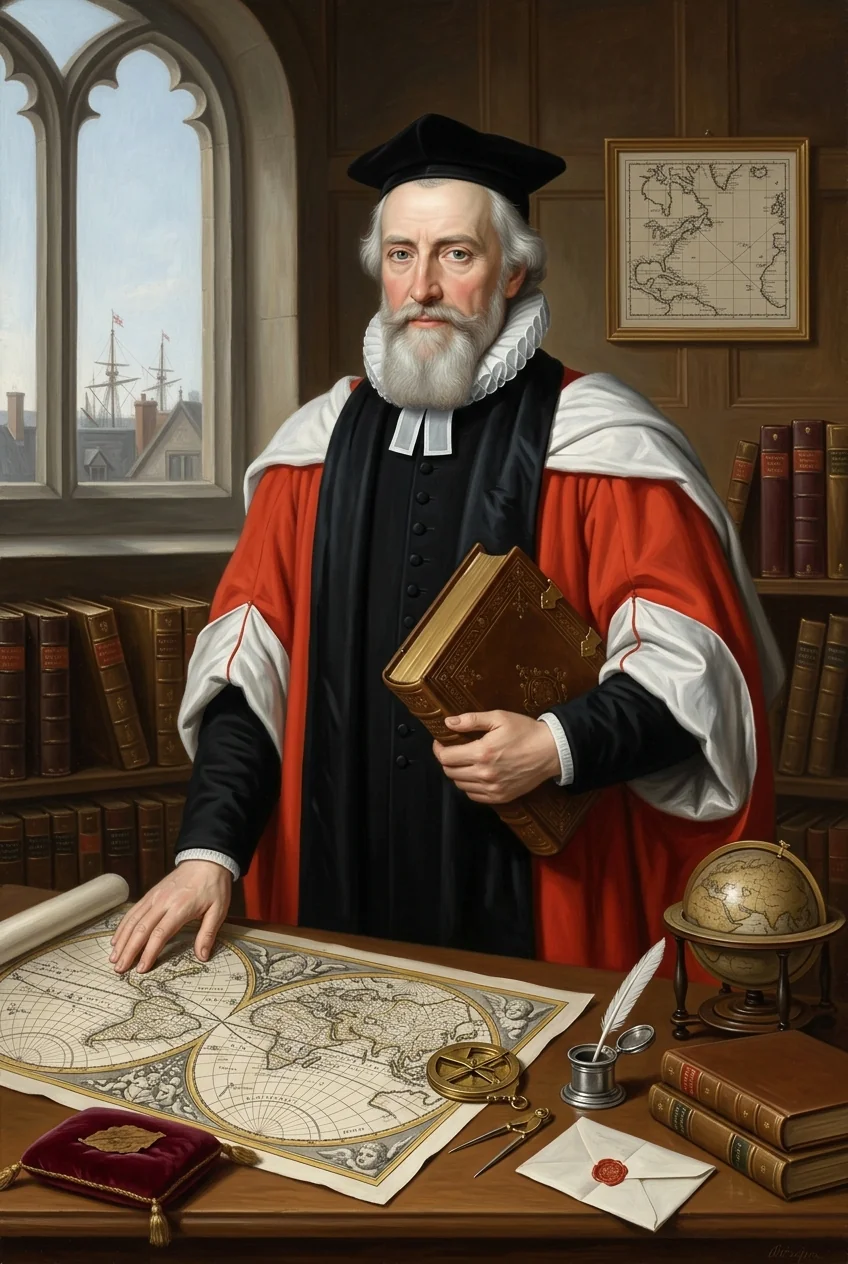
Richard Hakluyt is the man who made English colonialism a literary genre. His Principal Navigations, Voiages, Traffiques and Discoveries of the English Nation, published in three volumes between 1598 and 1600, was the great compendium of English maritime exploration – Drake, Frobisher, Gilbert, Raleigh, every voyage of consequence collected, edited and pressed on the reading public as evidence that England could compete with Spain. He never went anywhere himself except France, where he served as chaplain to the English ambassador in Paris and quietly gathered intelligence about Spanish America for Walsingham.
He had been a Westminster Abbey prebendary since 1602 and held various administrative offices there – archdeacon, steward, treasurer. He died on 23 November 1616 and was buried in the south transept three days later. The Abbey burial register notes the burial but does not specify the location, which means no one now knows precisely where in the south transept his bones are. There is no marker. The historian Peter Mancall summed it up neatly in his 2007 biography: Hakluyt was famous enough to be buried in Poets’ Corner but not famous enough to merit a plaque telling anyone he was there.
The Hakluyt Society, founded in his name in 1846, has been publishing original documents of exploration ever since, and is on its third century of continuous operation. The Abbey has had four hundred years to put up a stone and has so far not got round to it.
William Camden
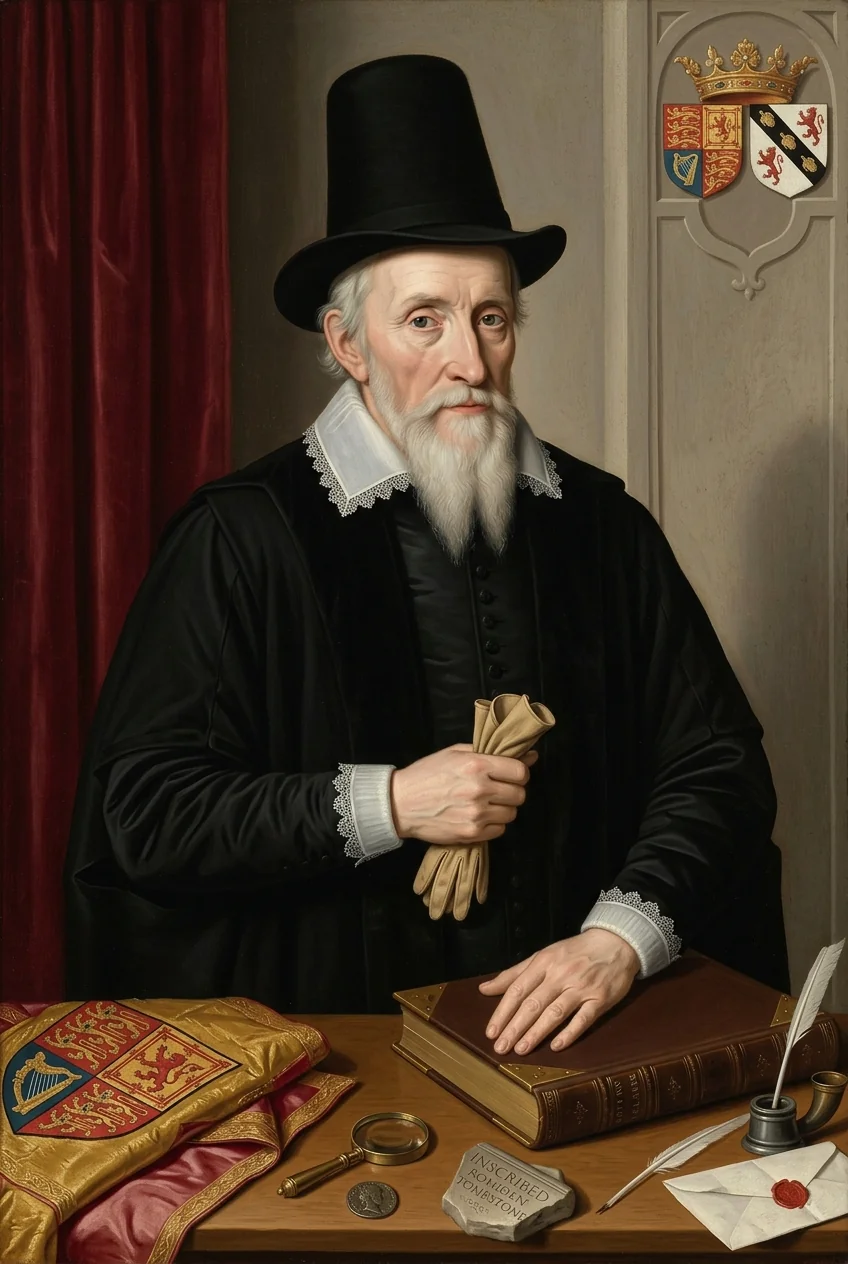
William Camden was Second Master, then Head Master, of Westminster School from 1575 to 1597. One of his pupils was Ben Jonson, whom he taught for free, and who repaid him with the epigram “Camden, most reverend head, to whom I owe All that I am in arts, all that I know.” This is, by some distance, the best testimonial any English schoolmaster has ever received.
He used his school holidays to ride around England gathering material for Britannia, the first county-by-county survey of the British Isles, in Latin, published in 1586. It went through five editions in his lifetime. He wrote the first guidebook to the monuments in Westminster Abbey, published in 1600, which is how we know an early Tudor monk in the south transept should be attributed to Edward and not Owen. He founded the first chair of history at an English university, at Oxford, by transferring the manor of Bexley to the chancellor for that purpose. His friend William Heather copied the model for music.
Camden died at Chislehurst on 9 November 1623 and was buried in the south transept on the nineteenth. The white marble monument on the west wall shows him at half-length, left hand resting on a book labelled Britannia, right hand holding a pair of gloves. The inscription gives his age incorrectly. Whether the Abbey or the family or the sculptor was responsible has never been satisfactorily established. The error has, in the standard fashion of the Abbey, never been corrected.
John Beaumont
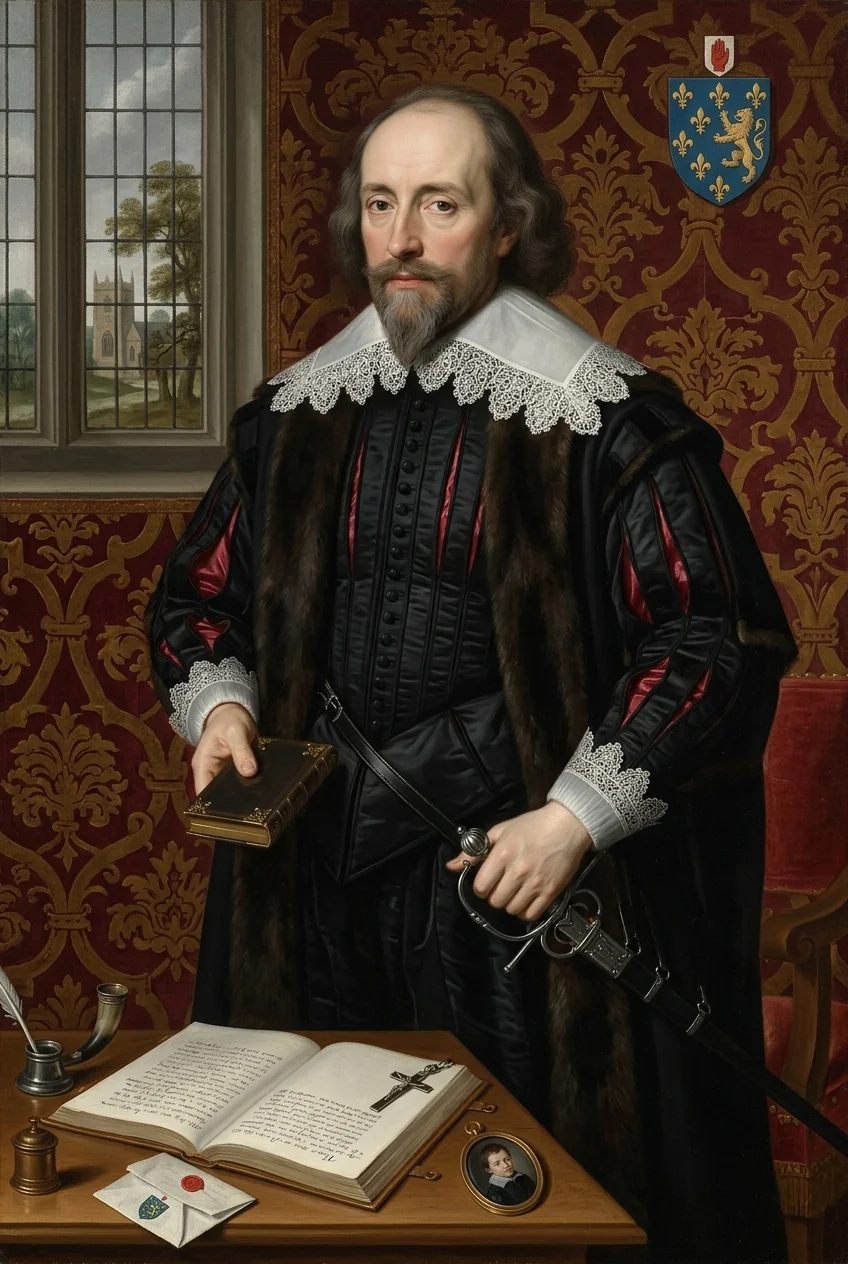
Older brother of the dramatist Francis Beaumont, John Beaumont was a poet rather than a playwright, a Catholic in a Protestant country, and head of the Beaumont family from 1605, when his elder brother Henry died and left him to manage the estate at Grace Dieu. His Catholicism cost him most of his property and put him under a form of house arrest for years. He was not freed until 1610, and not fully rehabilitated until Charles I made him the first Baronet Beaumont in January 1627.
He died on 19 April that same year, three months after becoming a baronet, and was buried in the south transept on the same day. His son edited a posthumous volume of his verse in 1629 called Bosworth-field: With a taste of the variety of other poems, the title piece being a long poem on the battle that brought the Tudors to power. The volume includes “Of His Dear Son, Gervase,” an elegy for an infant son who died young, which the Oxford Book of English Verse later included.
His grave is unmarked. When Dean Stanley cut the names of unmarked burials onto Abraham Cowley’s gravestone in the nineteenth century, he included Francis Beaumont but not John. Francis got the better epitaph. John, who was the literary innovator of the two – a pioneer of the heroic couplet in English, in the line that runs through Waller and Dryden to Pope – did not.
William Heather
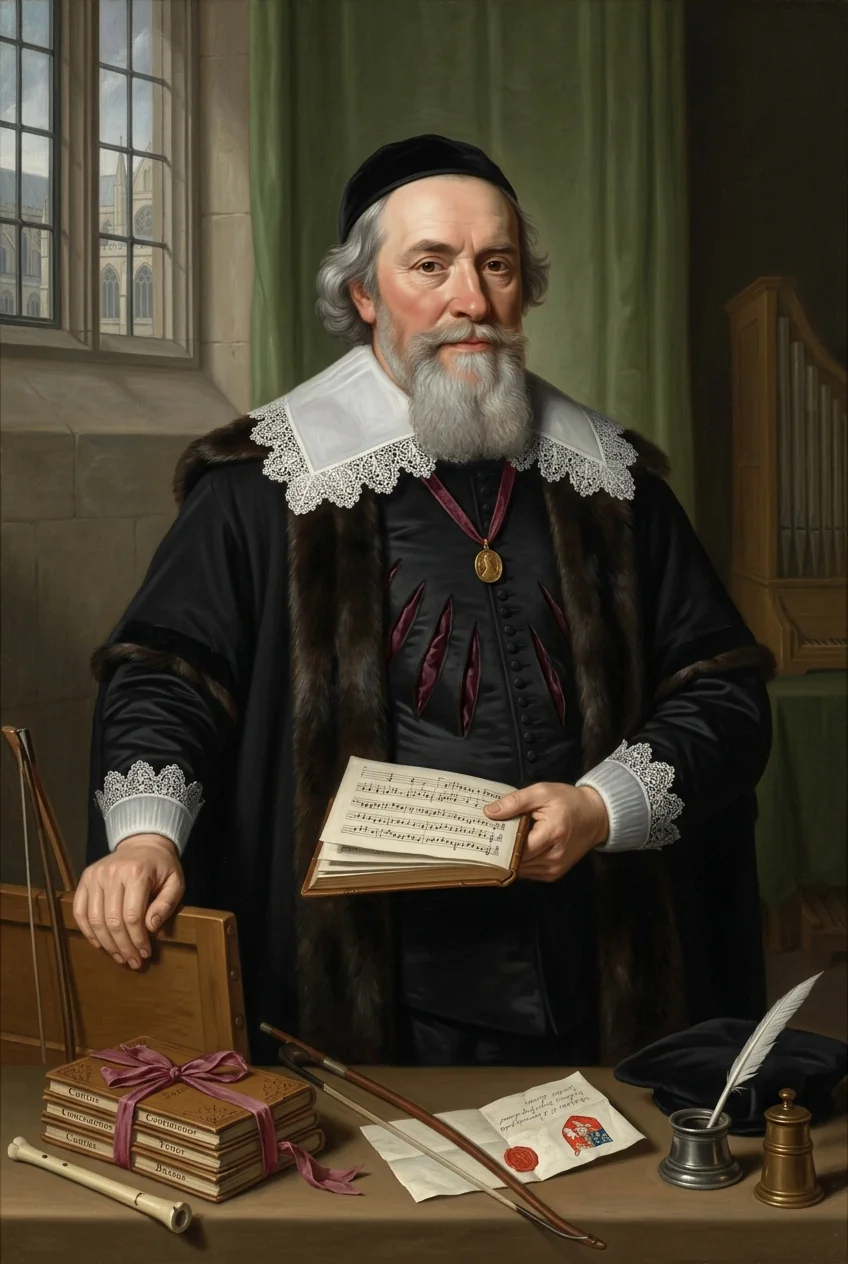
William Heather sang in the Abbey choir for twenty-nine years – 1586 to 1615 – then transferred to the Chapel Royal, where he stayed for the rest of his life. In that career he was present at the funerals of Elizabeth I, Anne of Denmark and James I, and at the coronation of Charles I. His friend William Camden lodged with him during the plague of 1609. When Camden founded a chair of history at Oxford in 1622, Heather copied the idea: in 1626, the year before his death, he endowed Oxford’s first professorship of music, which still bears his name.
He was born around 1563 at Harmondsworth in Middlesex, with parentage that has never been firmly established. The composer Thomas Tomkins dedicated the madrigal “Music Divine” to him in 1622. He died at the Almonry in Westminster Abbey in late July 1627 and was buried in the south transept on 1 August. His will, dated ten days earlier, ordered sixty-four mourning gowns to be given to poor men – traditionally interpreted as evidence that he was sixty-four when he died.
He had no marker on his grave. The omission was rectified by the University of Oxford in 1926, three hundred years after he founded the music chair, when Viscount Cave unveiled a stone near Camden’s monument naming Heather and recording his role at the Abbey, the Chapel Royal and the university. The wait was, even by Westminster Abbey’s standards, conspicuous.
Michael Drayton
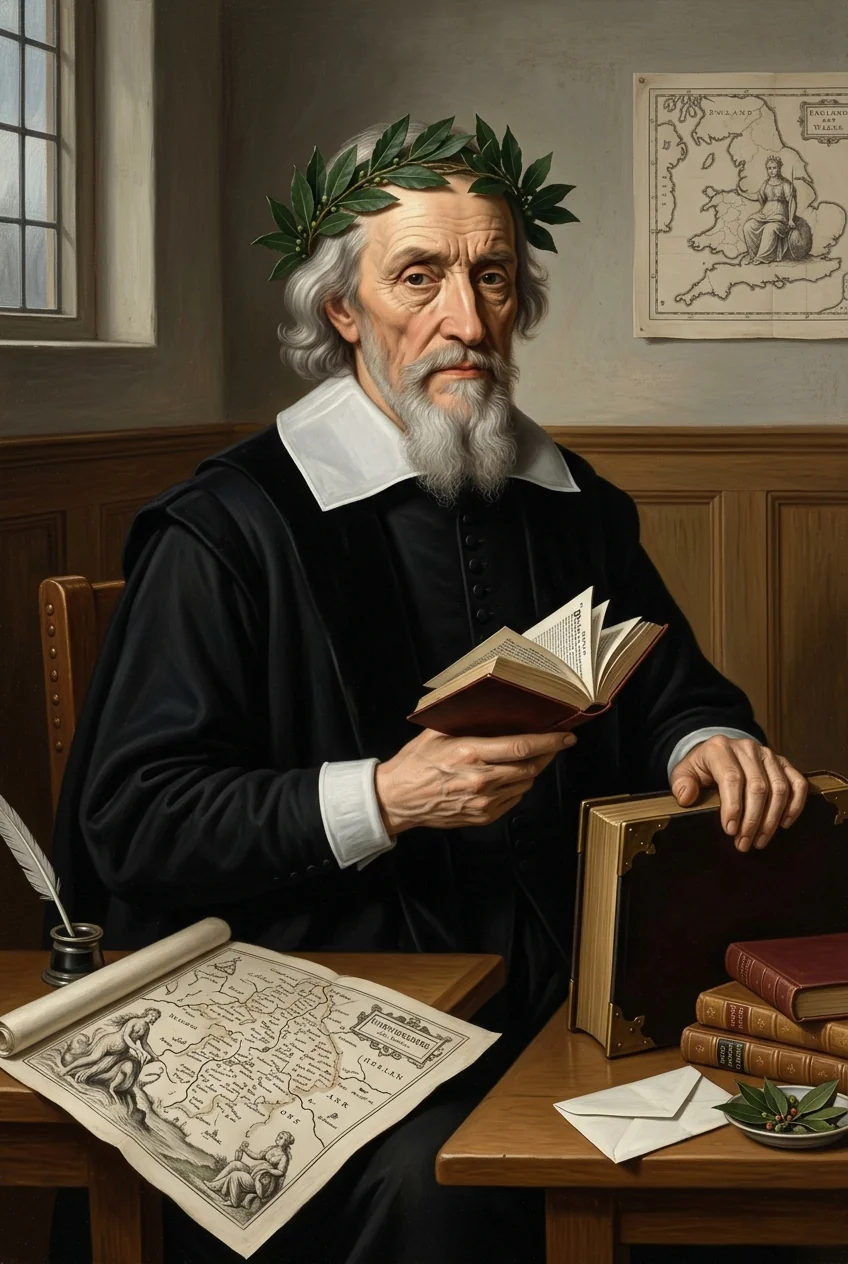
Michael Drayton spent twenty-five years writing Poly-Olbion, an enormous topographical poem in eighteen books that catalogued every river, hill and historical anecdote of England in roughly thirty thousand lines of rhymed hexameter. The first part appeared in 1612. The second part appeared in 1622. The reception was muted. Drayton had hoped to follow with a Scottish volume; he never crossed the Tweed. He is also responsible for “Fair stood the wind for France,” the opening line of the Ballad of Agincourt, which is the bit of him almost anyone still knows.
He died at his lodgings in Fleet Street on 23 December 1631, aged sixty-eight. He was buried in the south transept with some ceremony, possibly paid for by a patron, though the Abbey’s burial register did not record him – one of several seventeenth-century literary burials it missed. His monument was put up by the Countess of Dorset, and the inscription is attributed to Ben Jonson, who had known Drayton for forty years. There is also a persistent tradition that Drayton, Jonson and Shakespeare had a “merry meeting” in Stratford in 1616 that turned into the drinking session that killed Shakespeare. The source is a Stratford vicar writing fifty years after the fact, which is to say not very good. It has nevertheless never quite gone away.
Drayton wrote with the patience of a topographer. His memorial calls him a memorable poet of his age, which is the kind of mild praise that probably reflects the truth.
Hugh Holland
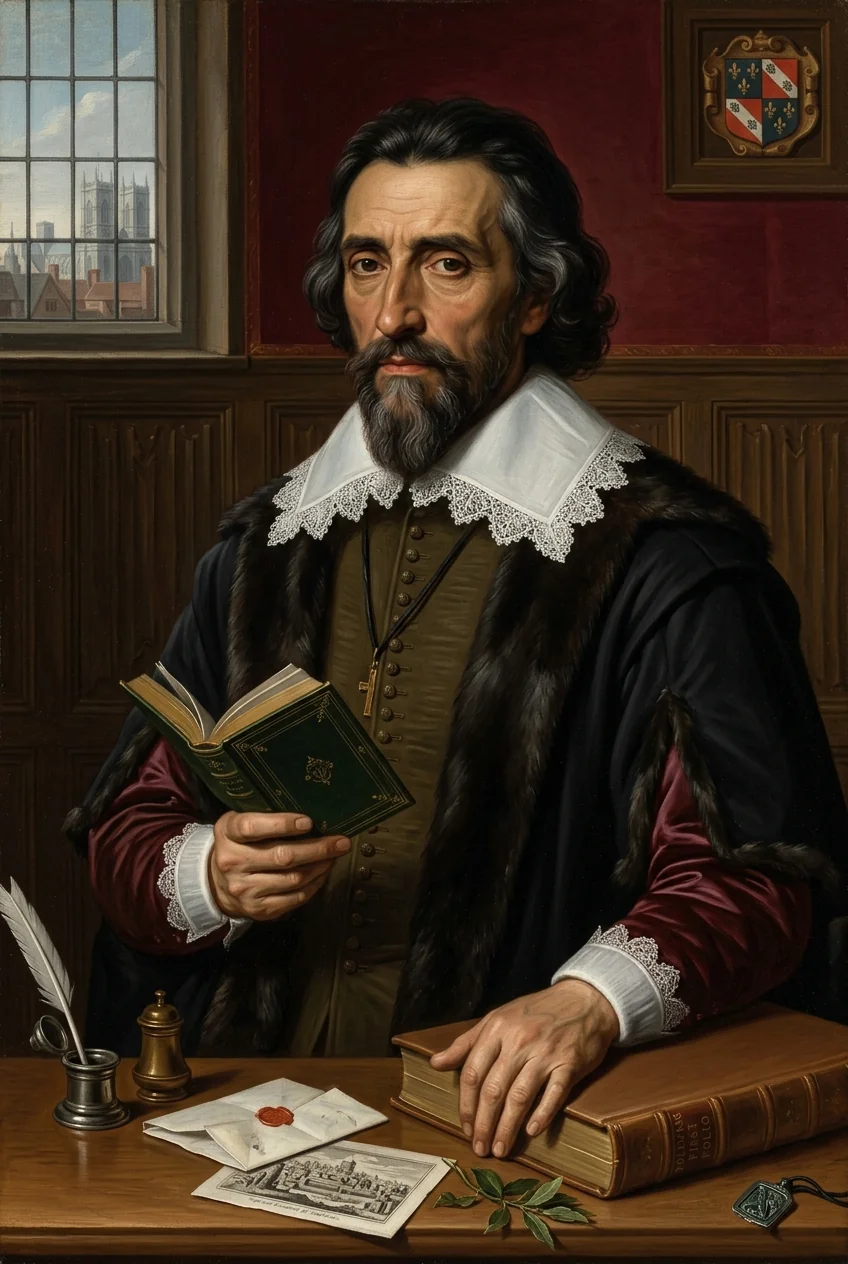
Hugh Holland is the man who wrote one of the four prefatory verses in the First Folio of Shakespeare’s plays. The other three were by Ben Jonson, Leonard Digges and a poet known only as I.M. Holland’s sonnet, titled “Upon the Lines and Life of the Famous Scenic Poet, Master William Shakespeare,” ends with the much-quoted line “For though his line of life went soon about, The life yet of his lines shall never out.” He had been Jonson’s friend since their schooldays at Westminster – they had both been pupils of William Camden – which is almost certainly why he was asked to contribute.
Holland was born at Denbigh in north Wales around 1569. He attended Westminster School, then Trinity College, Cambridge, then travelled through Europe and the Middle East. While in Constantinople he was imprisoned by the English ambassador for abusing Queen Elizabeth – he had converted to Catholicism, which made him incautious in his criticism of the Protestant monarchy. He was released, came home, secured the patronage of the Duke of Buckingham, and wrote a number of poems, most of them now unread.
He died and was buried in the south transept on 23 July 1633. He has no monument and no marked gravestone. He wrote his own Latin epitaph, recorded by Anthony Wood: a most miserable sinner, a most holy cultivator of the muses and of friendships. The First Folio sonnet is what survives, and is the reason anyone now knows his name.
Old Tom Parr
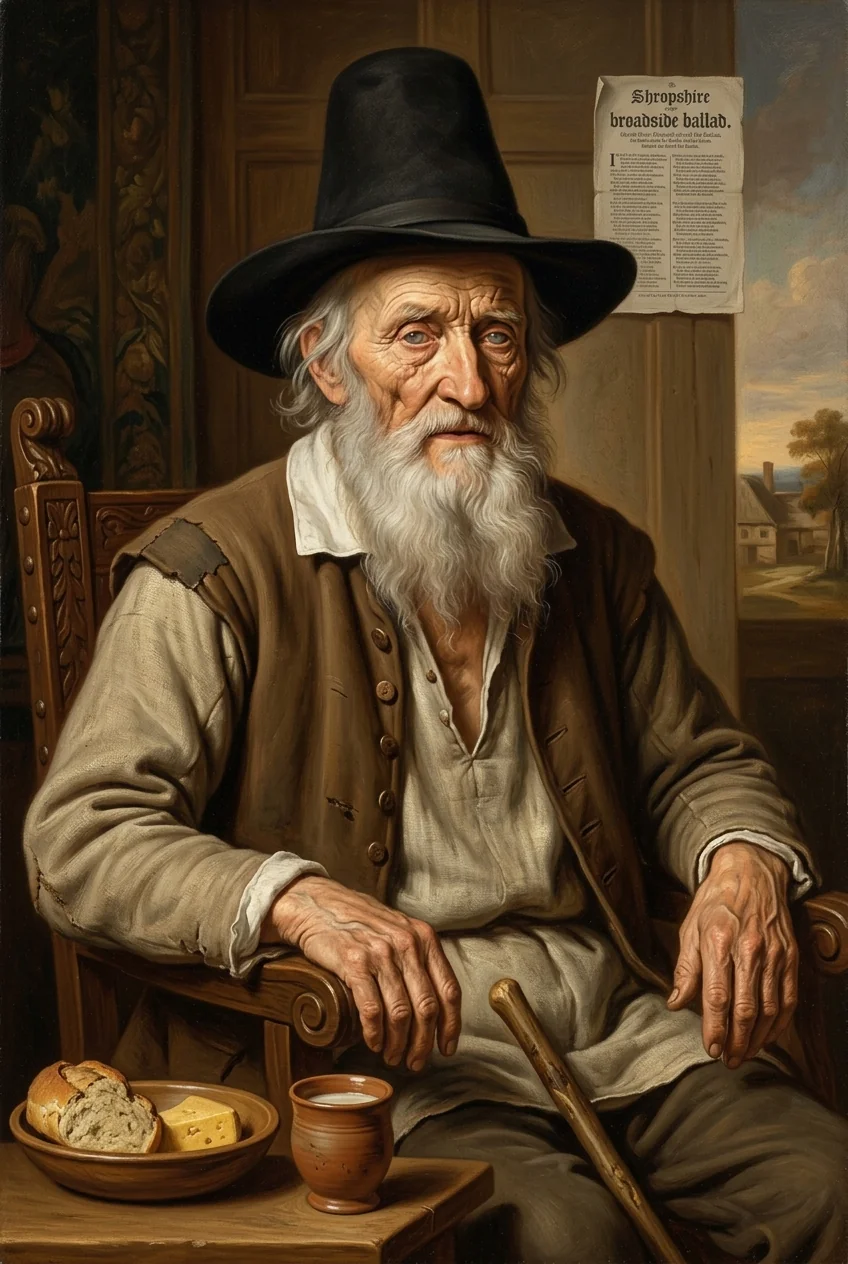
Thomas Parr was a Shropshire farm labourer brought to London in 1635 by Thomas Howard, Earl of Arundel, who had visited him on a Shropshire estate and decided this remarkable man – reportedly born in 1483, reportedly 152 years old, blind for twenty years and unable to walk – had to be presented to King Charles I. The Earl provided a jester for the journey. Parr was paraded at court, where Charles asked him what he had done that other men hadn’t, and Parr replied that he had done public penance for adultery at the age of one hundred. He died in London within months of his arrival.
The death was almost certainly caused by the move. He had been on a Shropshire labourer’s diet for a century and was suddenly fed banquets at the king’s expense. William Harvey, the physician who had identified the circulation of the blood, performed an autopsy and found his organs in unaccountably good order for any age – which, depending how you read it, supports either the 152-year claim or modern historians’ suspicion that Parr’s records were confused with his grandfather’s and the real age at death was closer to seventy.
Charles I had him buried in the centre of the south transept on 15 November 1635. The marble gravestone gives his age as 152 and lists ten monarchs whose reigns he supposedly lived through. It is the only stone in Poets’ Corner installed for someone whose principal contribution was being old.
Abraham Cowley
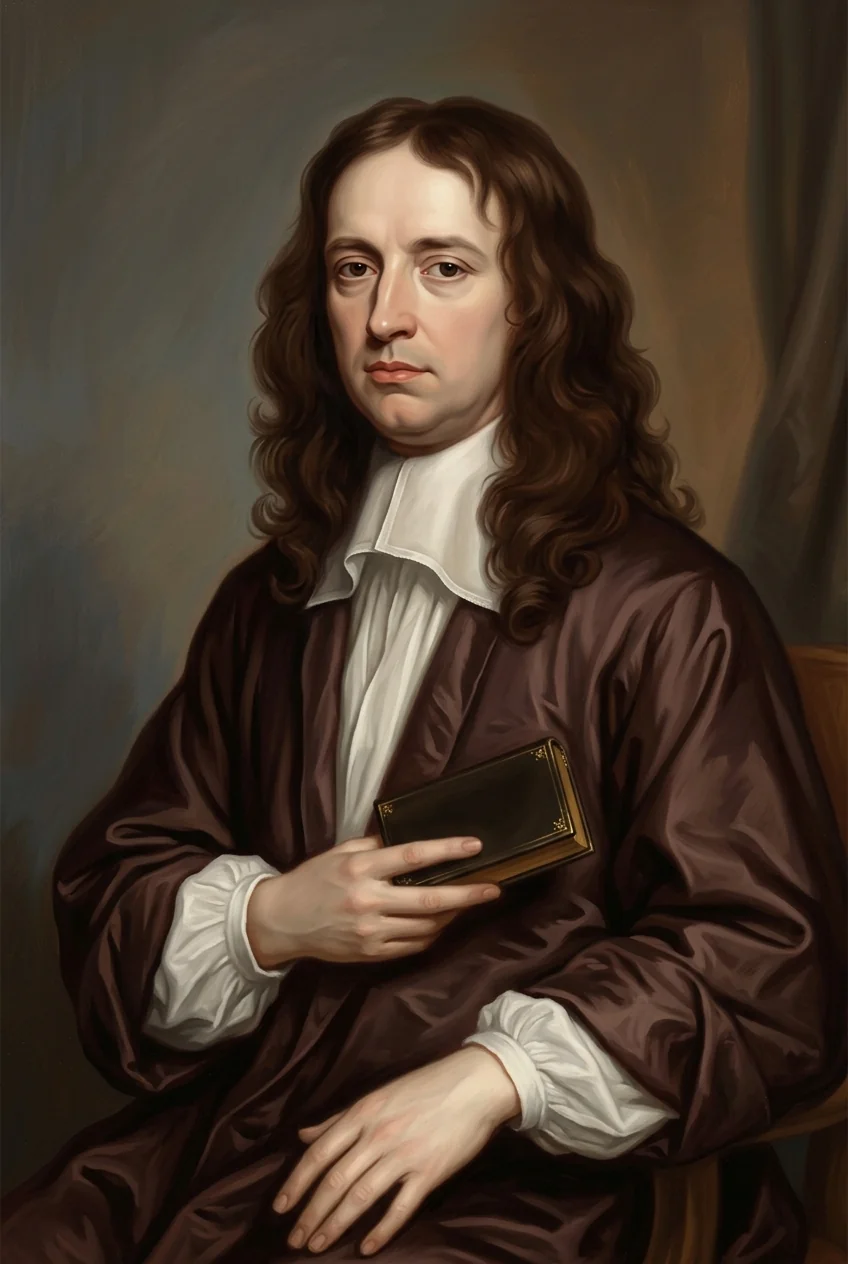
Abraham Cowley caught his death of cold while standing in his own meadows. His friend and biographer Thomas Sprat – later Bishop of Rochester and Dean of Westminster – said the immediate cause was staying out too late among his labourers; Pope’s more colourful version, told to Joseph Spence, was that Cowley and Sprat had been out drinking at a neighbour’s, returned to find themselves locked out, and slept under a hedge. Either way, he was dead inside a week.
Cowley had been the most celebrated poet of his generation. His Poetical Blossoms appeared when he was fifteen. During the Civil War he served the exiled royalist court in Paris doing cipher work for Queen Henrietta Maria; at the Restoration he expected reward and was largely disappointed. The Earl of St Albans and the Duke of Buckingham arranged a quiet retirement at Chertsey on three hundred pounds a year, where he died on 28 July 1667.
Charles II ordered a lavish funeral. Cowley was buried in the south transept on 3 August between Chaucer and Spenser, the third literary burial that established the corner as a genre. Within decades his reputation had collapsed. The gravestone is large and black, with his name in Latin and his coat of arms above it, and in the nineteenth century Dean Stanley used the top of it to record the unmarked burials in the same patch of floor – Beaumont, Denham, Moray, and others. It is now functionally the address book of Poets’ Corner.
Sir William Davenant
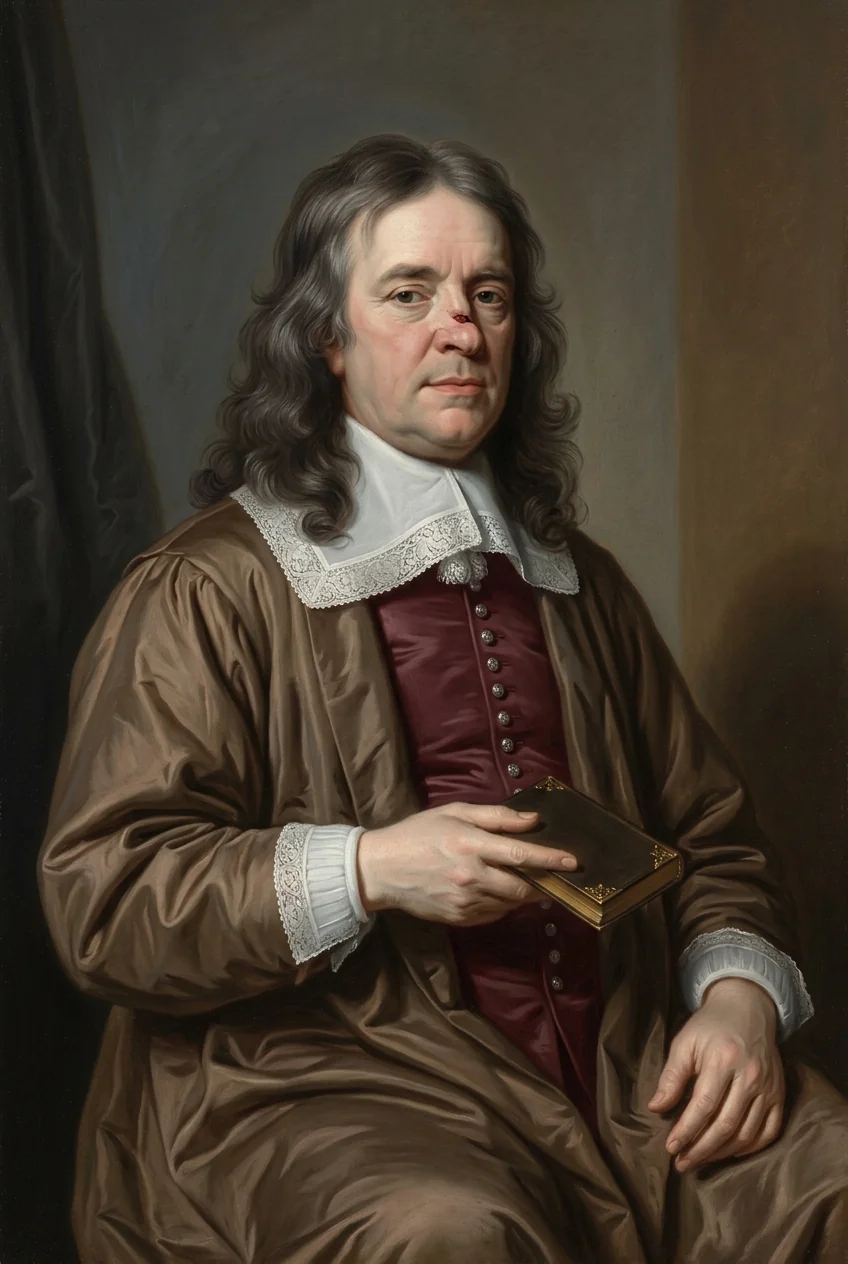
The grave dug for William Davenant in April 1668 already had a body in it. Thomas May, a Parliamentarian historian and translator of Lucan, had been buried in the south transept in 1650; after the Restoration, the Crown had his bones exhumed and dumped in a pit outside the Abbey, freeing up the spot. Davenant got it. The Abbey’s official commemoration notes the recycling without much comment.
Davenant had been Poet Laureate since 1638, when he succeeded Ben Jonson. He claimed Shakespeare as his godfather and let the rumour circulate that he was also his illegitimate son; the source is mostly Davenant himself. He was a royalist, was knighted by Charles I at the siege of Gloucester in 1643, was captured at sea on his way to govern Maryland in 1650, was sentenced to death and reportedly saved by the intervention of John Milton. After the Restoration he ran the Duke’s Theatre, produced the first English opera, and revived Shakespeare in heavily adapted form with John Dryden.
He died on 7 April 1668 and was buried in the south transept on the ninth. The marble slab over him reads “O RARE S. WILLIAM DAVENANT” – a direct lift from the line “O RARE BEN JOHNSON” that Ben Jonson’s friend Jack Young had paid eighteen pence to inscribe on his grave a generation earlier. Davenant succeeded Jonson and was buried imitating his epitaph.
Sir John Denham
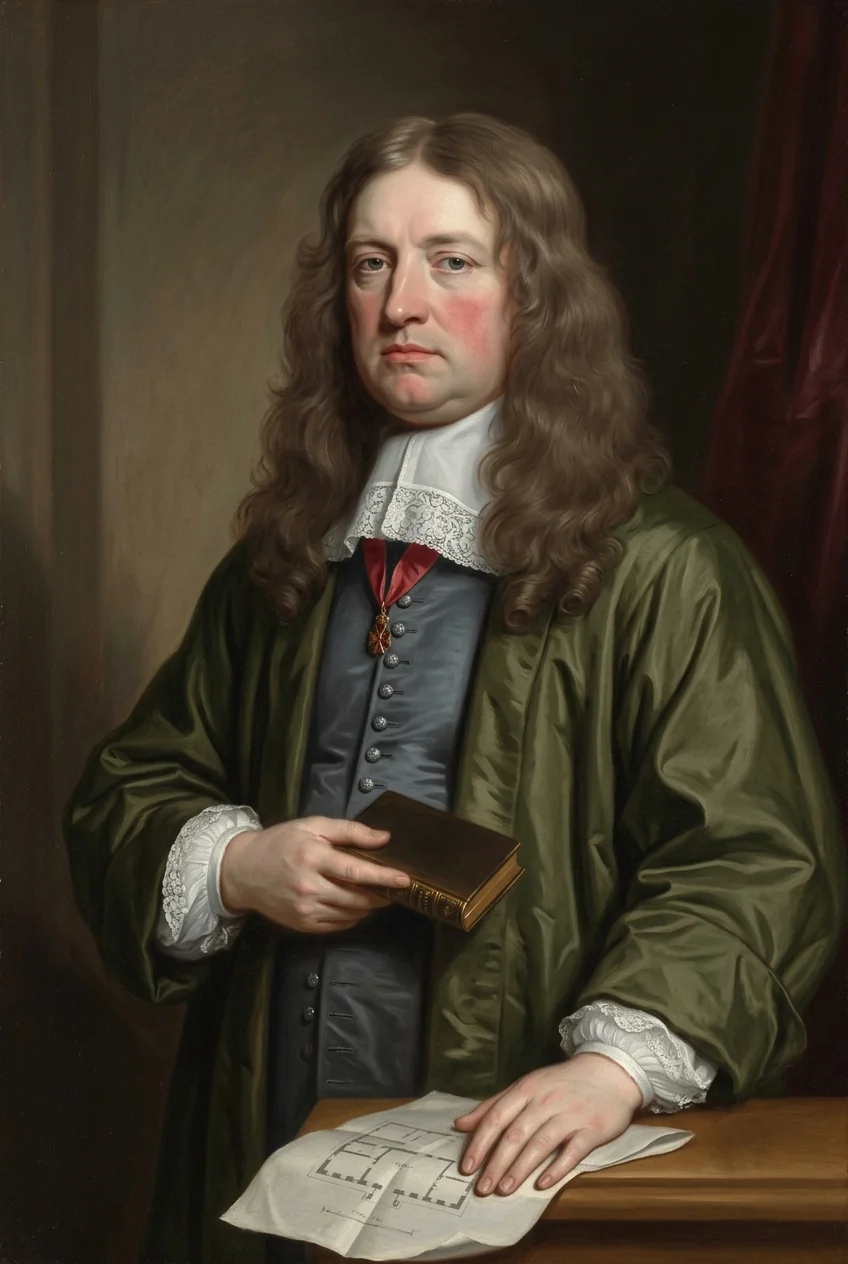
The story John Denham could not outrun was the chocolate. His second wife Margaret, twenty-three to his fifty when they married in 1665, became the mistress of the Duke of York within months and died about a year later, possibly of poisoning. The Comte de Gramont reported that London opinion held Denham responsible. The duchess of York was also accused. No poison was found at the postmortem. Denham was already breaking down mentally before her death – the Earl of Bristol thought him insane in early 1666 – and after it he became a recluse. Charles II had to insist that Christopher Wren be appointed his “sole deputy” as Surveyor-General of the Works in March 1669, two weeks before Denham died.
He had been the founder of English topographical poetry. Cooper’s Hill, published in 1642, was the first major poem in English to take a specific landscape – the view from a Surrey hill over the Thames towards Windsor – and use it as the structure for political and historical reflection. Pope took the form for Windsor Forest, and through Pope it shaped everything Wordsworth did with the Lake District.
Denham was buried near Chaucer on 23 March 1669 with no monument and no inscribed gravestone. Dean Stanley added his name to Cowley’s stone in the nineteenth century, two hundred years late.
Robert Stapylton
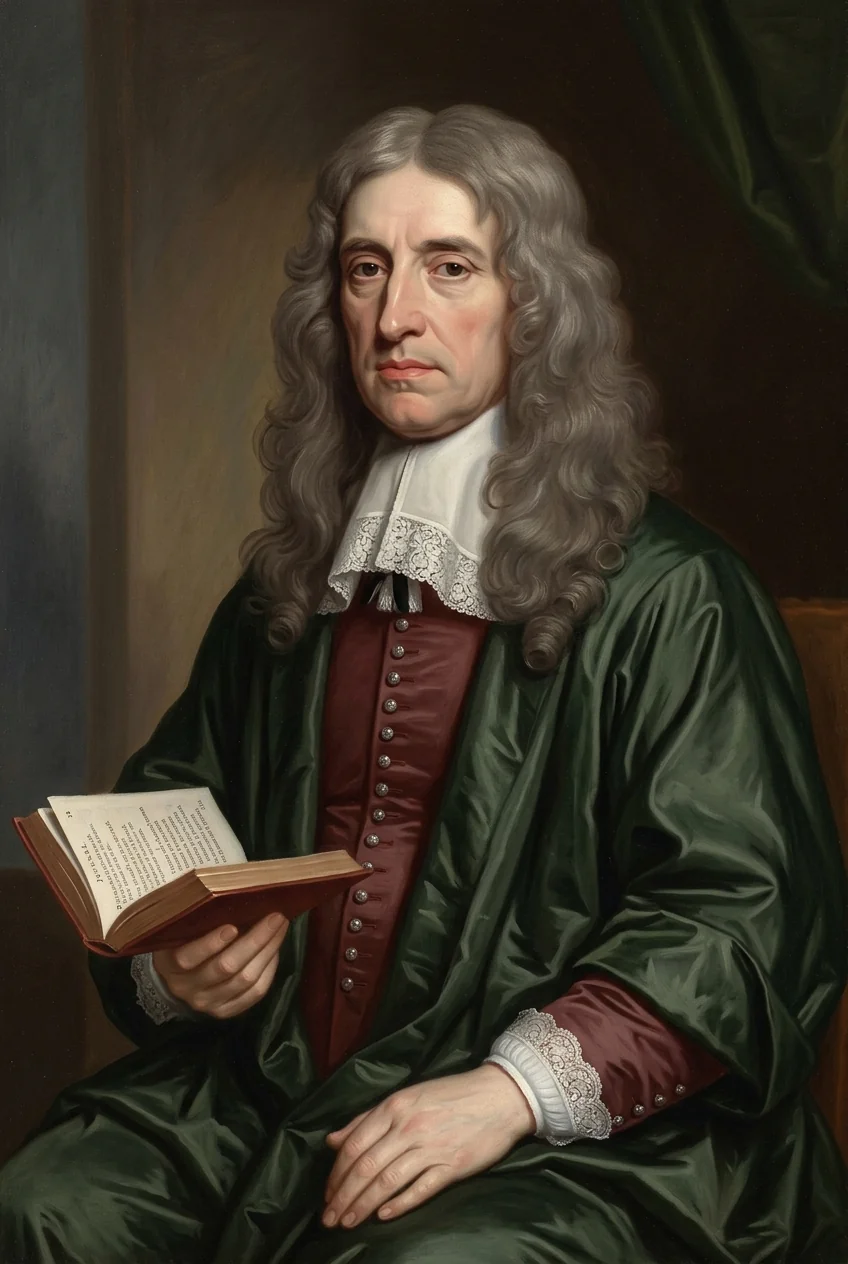
Robert Stapylton trained as a Benedictine monk at the English College at Douai, was professed in March 1625, and then, in the words of Anthony Wood, decided he was “too gay and poetical to be confined within a cloyster.” He left the order, became a Protestant, and took service as gentleman-in-ordinary to the future Charles II. He went with the king to Oxford during the Civil War, was knighted at Nottingham in September 1642, and rode out the Commonwealth quietly translating Juvenal and the fourth book of the Aeneid.
After the Restoration he wrote plays – The Slighted Maid, The Stepmother, The Tragedie of Hero and Leander – none of which survived in repertory. He married a widow named Hope Hammond. They had no children, and she died before him.
He died on 10 or 11 July 1669 and was buried in the south transept near the vestry door on the fifteenth. His will, dated 11 June, left almost everything to a different widow – Elizabeth Simpson of Westminster, whose relationship to Stapylton is nowhere documented. She proved the will on 29 July. There has been no satisfactory explanation in the three and a half centuries since. He has no monument and no inscribed gravestone in the Abbey; the only solid record of his being there is the burial register and a 1660s portrait by Pierre Lombart now hanging in the National Galleries of Scotland.
Thomas Triplet
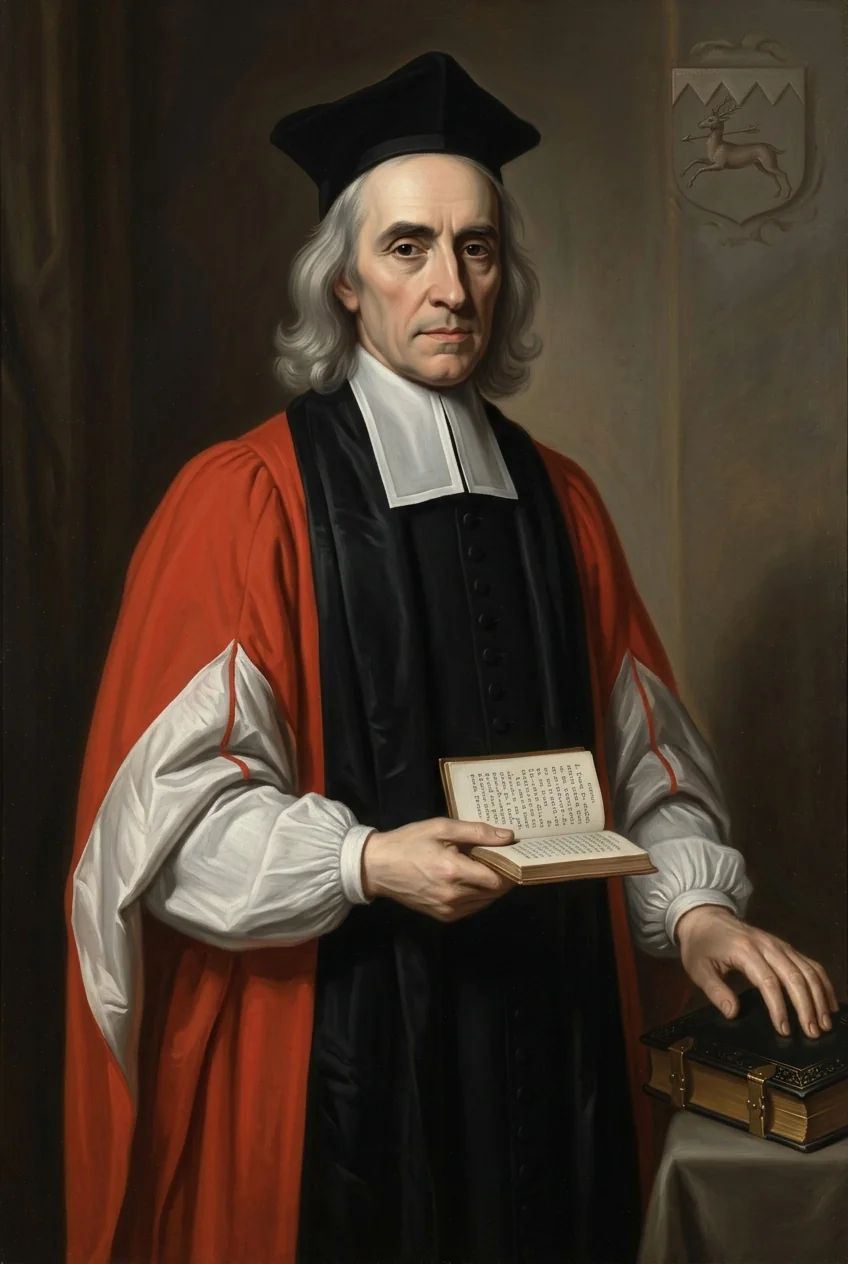
Thomas Triplet was Prebendary of Westminster from 1662, Sub-Dean by the time of his death, and apparently had no other distinguishing feature beyond a coat of arms that showed a fleeing hind shot through the neck with an arrow. The Latin inscription on his monument, in the chapel of St Benedict, is the sort of thing friends usually had to write themselves: he made himself dear to God by his piety, to the learned by his uncommon Greek, and to the poor by his generosity. Reader, go thy way and imitate him.
He had been a schoolmaster at Hayes, Middlesex, during the Commonwealth, when cathedrals were abolished and clergy were thrown out of work; the village school in Hayes still bears his name. Before that he had been rector at Washington, the County Durham parish whose previous Washington family had produced the ancestors of George Washington. He had canonries at York, Salisbury and Durham before the Civil War interrupted his career.
He died on 18 July 1670, unmarried, and left most of his estate to his sister Katherine, then living in Ireland. His monument in the south transept is among the few in Poets’ Corner not put up for a writer, an actor or an architect. It commemorates a schoolmaster who had a hind shot through the neck on his coat of arms and gave the inscriptive writer enough rope to compose, in Latin, the verbal equivalent of a polite cough.
Sir Robert Moray
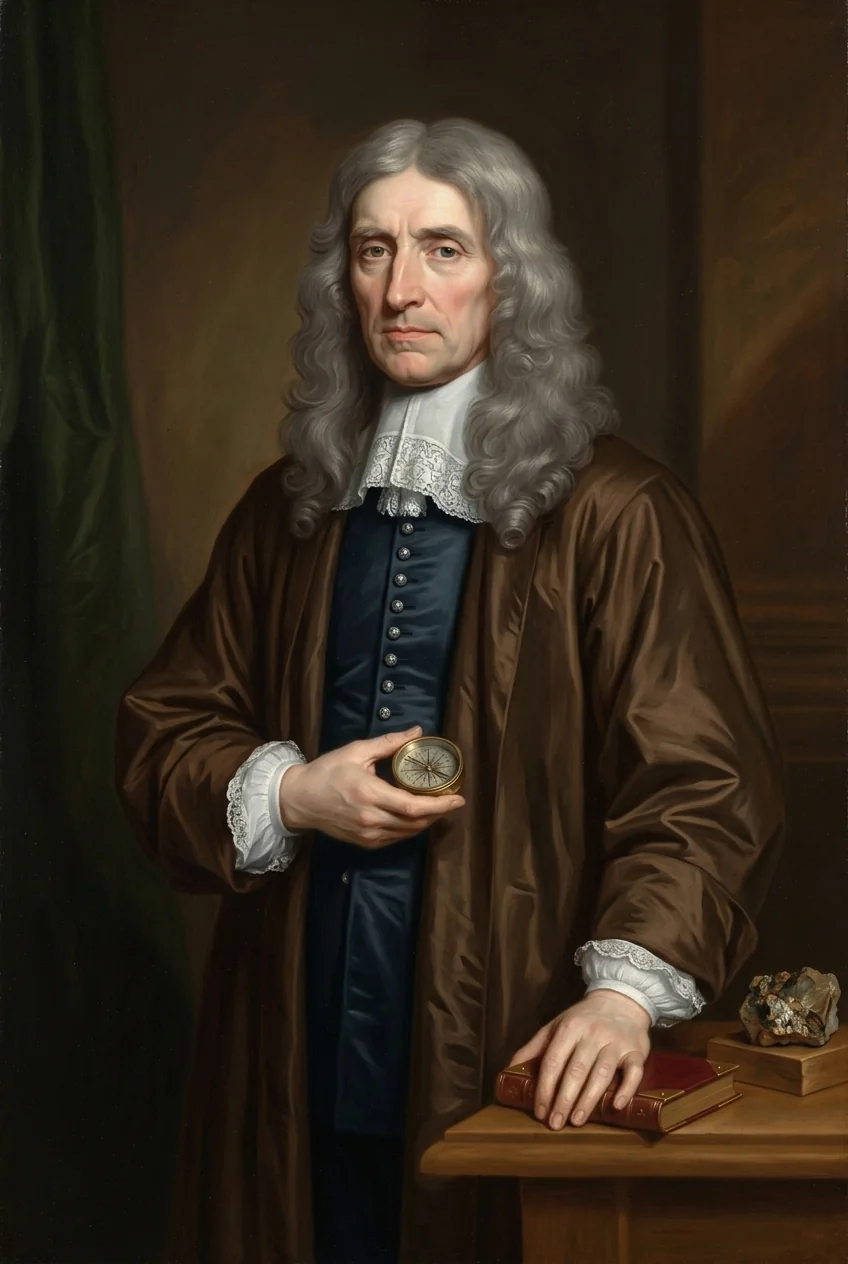
Robert Moray attended the meeting at Gresham College on 28 November 1660 that founded the Royal Society. Twelve men were present after Wren’s astronomy lecture. Moray went straight from the meeting to Whitehall to secure Charles II’s approval, which is how the society got its royal charter two years later. In the period before that charter, when the presidency was elected monthly, Moray chaired more meetings than anyone else. Huygens called him the Society’s soul. Burnet, after his death, called him the life of it.
He had been a Scottish soldier in French service, a lieutenant-colonel in the Garde Ecossaise, a freemason – one of the earliest documented initiations in England occurred at his hands – a spy, a diplomat, and a friend of Cardinal Mazarin, the King of France, the King of England, Samuel Pepys, John Evelyn and Andrew Marvell, all of which would have been improbable on its own. He was knighted by Charles I in 1643, served Mazarin in negotiations with the Stuart court in exile, and at the Restoration was given an apartment at Whitehall where he conducted chemistry experiments. He died there a near-pauper on 4 July 1673.
Charles II paid for the funeral. Moray was buried in the south transept on 6 July; Dean Stanley added his name to Cowley’s stone, where the inscription “First President of the Royal Society” was still faintly visible in 1993, when the stone was recut and most of the words were left off.
Isaac Barrow
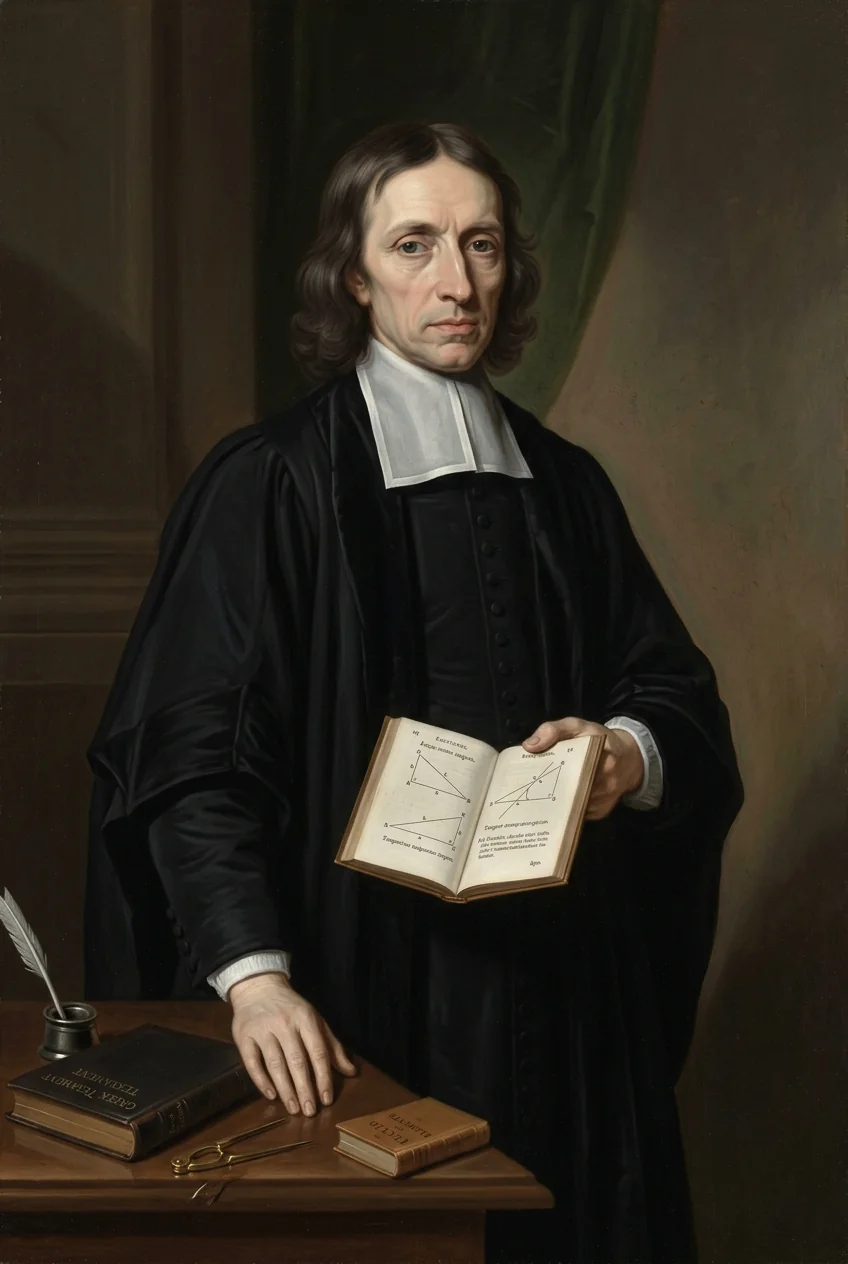
Isaac Barrow was the first Lucasian Professor of Mathematics at Cambridge, appointed in 1663, and he resigned the chair in 1669 in favour of his former pupil Isaac Newton. The story, repeated for three centuries, is that he did so out of recognition of Newton’s genius. The likelier explanation is that the Lucasian endowment forbade its holder from taking other offices and Barrow had just been offered a royal chaplaincy he wanted. Newton was twenty-six, had been holed up at his mother’s farm for two years inventing calculus during the plague, and was clearly the right successor. Either reading leaves him as Barrow’s successor by Barrow’s deliberate arrangement, which is the bit that matters.
Barrow’s own work on tangents and areas – in the Lectiones Geometricae of 1670 – laid down the geometric apparatus Newton would algebraize into the calculus. He went on to be Master of Trinity College, commissioned Wren to design the library that still bears the name, and acted as royal chaplain to Charles II, who called him the best scholar in England.
He died of fever in London on 4 May 1677, aged forty-six, having reportedly tried to treat himself by fasting and taking opium – a method he believed had worked on him once in Constantinople. It had not worked this time. His friends paid for a monument in the south transept inscribed with the Latin command Reader, go thy way and imitate him. The inscription writers were running out of variations.
John Dryden
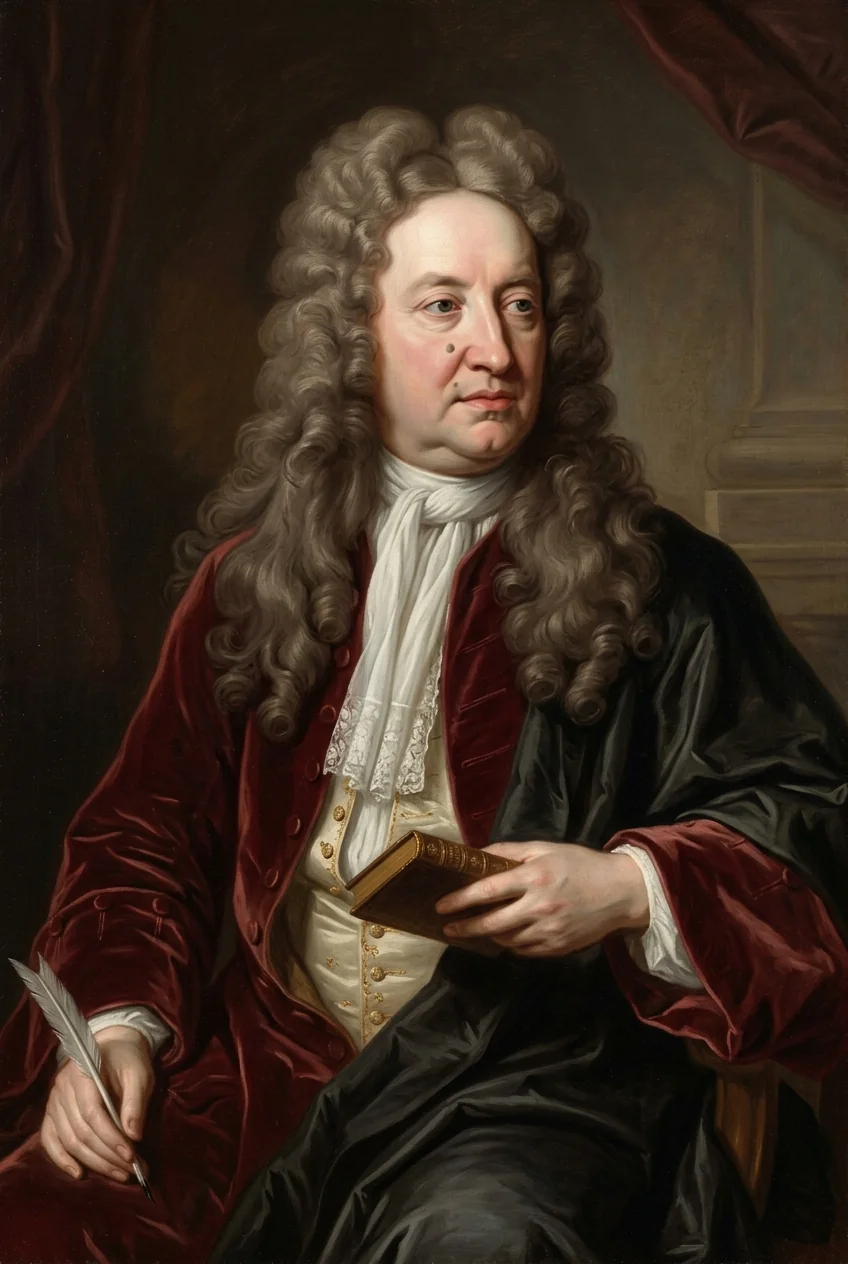
John Dryden died at his Soho house on 12 May 1700 and was originally buried at the parish church of St Anne’s, Soho, the following day. That should have been the end of it. What happened over the next ten days became, in the words of his biographers, the strangest funeral in English literary history. A nobleman – tradition says Charles Sackville, Earl of Dorset – decided the country’s most famous poet deserved better. Dryden’s body was exhumed, transported to the Royal College of Physicians, and lay in state for over a week while subscriptions were collected. A procession of more than forty coaches followed the hearse to Westminster Abbey on around 22 May. There were songs.
Dryden had been the first formally appointed Poet Laureate, named in 1668 after the death of Davenant, and held the post for twenty years until his conversion to Roman Catholicism and refusal to swear allegiance to William III cost him the office in 1688. The years after were lean. By the time he died he had written some of the best satire in the language – Absalom and Achitophel, MacFlecknoe – the tragedy All for Love, and a complete translation of Virgil.
He was buried near Chaucer in the south transept. The slab over the original Chaucer grave at the entrance to St Benedict’s chapel was sawn up in 1720 to make room for Dryden’s monument.
Charles de Saint-Evremond
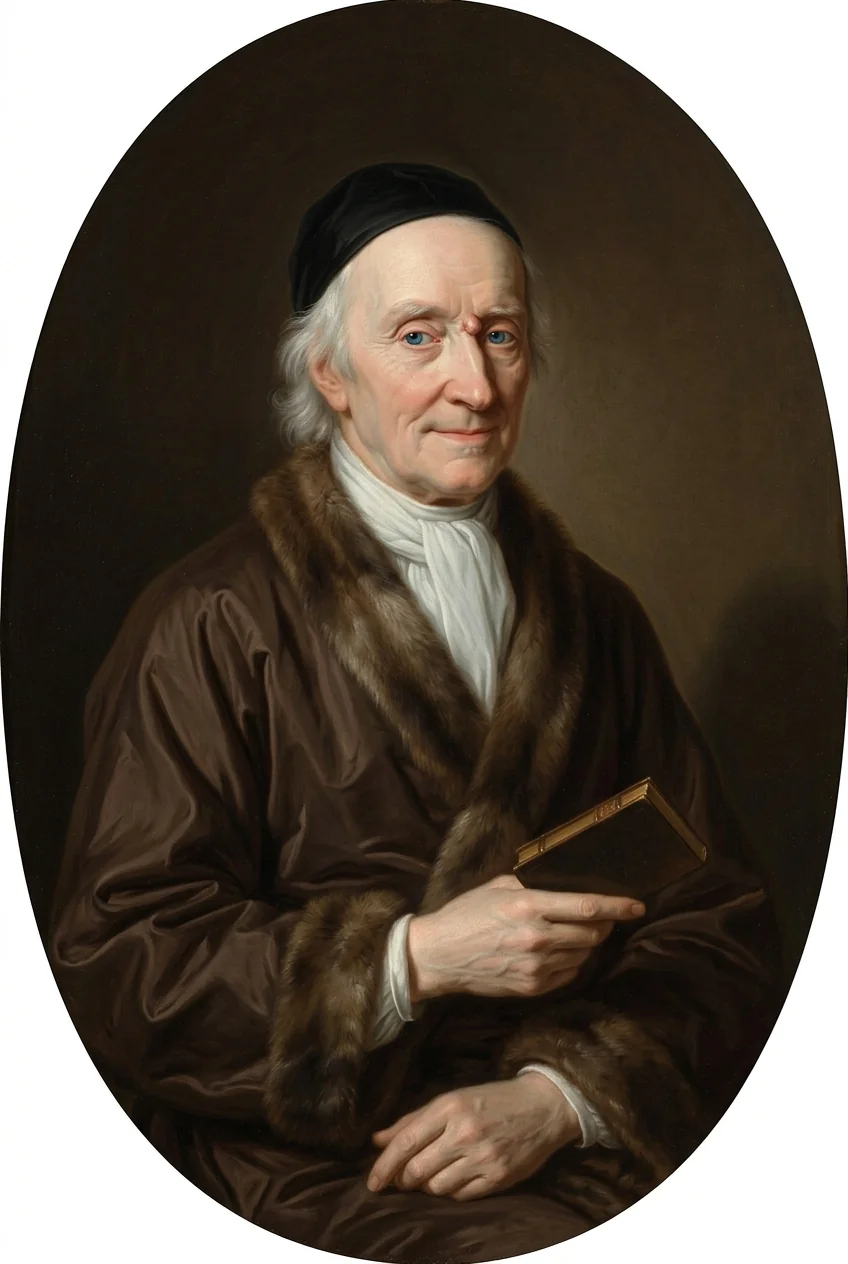
Charles de Saint-Evremond was a French royalist marshal who wrote a private letter complaining about the 1659 Peace of the Pyrenees, watched it surface in the papers of Nicolas Fouquet two years later when Fouquet was arrested, and fled into exile to avoid the Bastille. He spent the rest of his life in England, where he was a darling of Charles II’s court for over forty years and reportedly introduced champagne to it. He never bothered to learn English. The court spoke French anyway.
He was offered a pardon in 1689 and refused it. By that point he had decided he preferred England, where Charles II had given him a pension and the position of Governor of Duck Island in St James’s Park (an entirely fictitious post created to provide him with an income). He kept writing essays and verses in French for his friends, never intended to publish them, and watched fragments leak out into print in his lifetime. The first proper collection appeared in 1705, two years after his death.
He died on 9 September 1703, aged ninety, and was buried in the south transept – the first foreigner ever to be interred in Poets’ Corner. His monument, paid for by friends, calls him a man who polished, adorned and enriched the French language by his writings, which is true and rather charming considering he was being buried among the English.
Nicholas Rowe
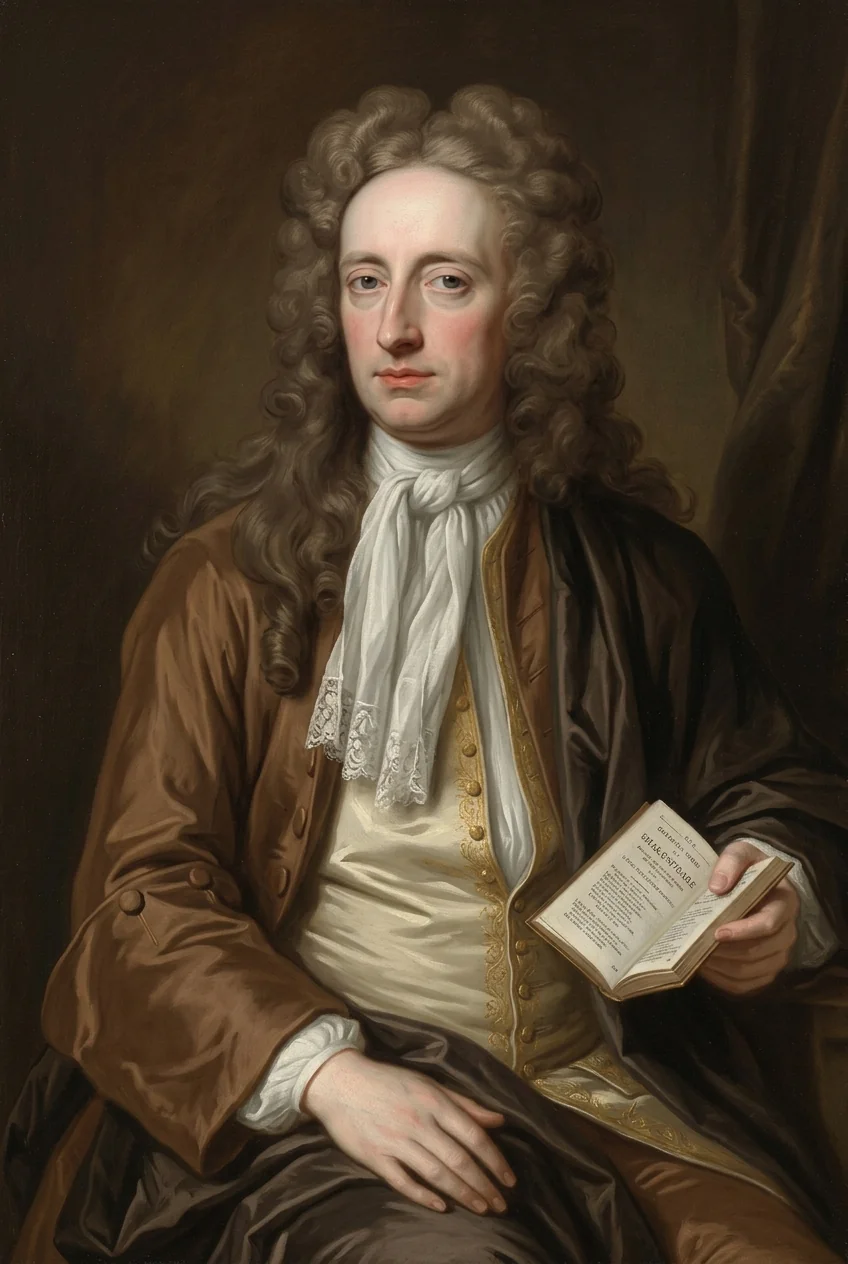
Made Poet Laureate in 1715 – the second formally appointed laureate after Dryden’s friend and successor Nahum Tate – Nicholas Rowe held the post for three years before dying at forty-four. He had been a friend of Pope, Swift and Addison, edited an extensive Shakespeare in six volumes in 1709, and translated Lucan’s Pharsalia in a version Samuel Johnson called one of the greatest productions of English poetry. He also wrote half a dozen tragedies, of which Jane Shore ran nineteen nights at Drury Lane in 1714.
The Shakespeare edition is the part that lasted. Rowe was the first editor to divide the plays into acts and scenes on a workable system, note entrances and exits, prefix a list of characters, and write a biographical sketch of Shakespeare himself – the Some Account of the Life &c. of Mr. William Shakespear that has been the starting point of every Shakespeare biography since. Unfortunately he based his text on the Fourth Folio, the worst of the four, and successive eighteenth-century editors followed him into the same error.
He died on 6 December 1718 and was buried in the south transept on the nineteenth. His widow Anne commissioned John Michael Rysbrack for a marble monument in 1742, a few feet from the Shakespeare memorial. The epitaph is by Pope, ending with a line about Rowe’s soul enjoying the liberty it loved – a polite Whig coda for a Whig laureate who never quite became the figure he had set out to be.
Mary Steele
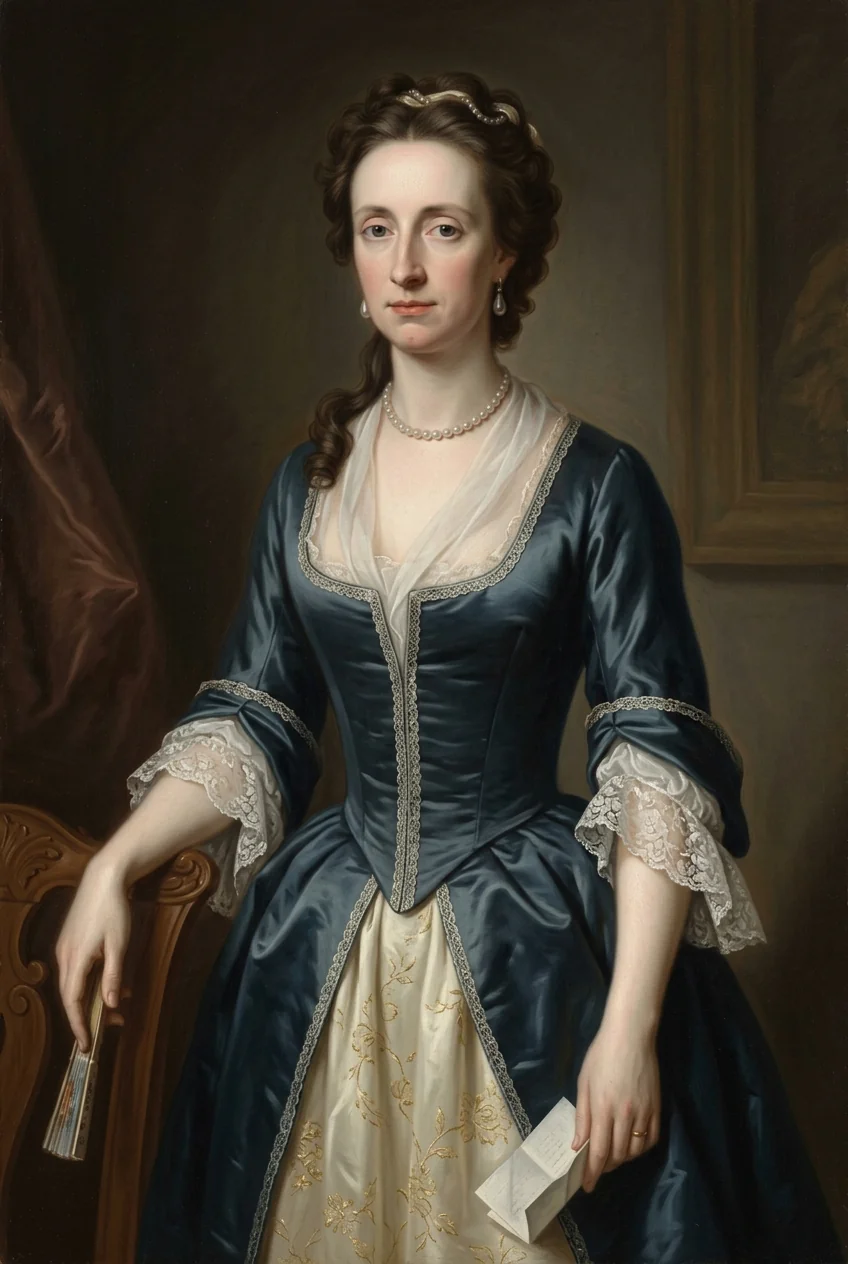
Mary Steele was the “Dearest Prue” of more than four hundred letters from her husband Richard Steele – The Tatler, The Spectator, Member of Parliament, knight, perennial debtor – who used the nickname because of her frugality and wrote to her on the way to the Kit-Kat Club, on the way to wait on Lord Wharton, on the way to nearly anything that took him out of the house. The correspondence is one of the most intimate Augustan archives that survives. It is also, read in bulk, the record of a marriage that was steadily disintegrating.
Mary Scurlock was a Welsh heiress from Carmarthen whom Steele had met at the funeral of his first wife in 1706 and married the following year. She brought the Llangunnor estate to the marriage. Steele drank too much, was constantly in debt, and spent most of his time in London while she was in Wales. By the time of her death she was seriously considering a permanent separation.
She died on 26 December 1718, aged forty, and was buried in the south transept near the pillar where William Blake’s memorial would later be placed. The gravestone identifies her as the wife of Sir Richard Steele and the daughter of Jonathan Scurlock of Carmarthenshire. The inscription is now very worn. Steele was buried in Carmarthen eleven years later, at the parish church of St Peter’s, in keeping with the separation she had been considering at the time of her death.
Matthew Prior
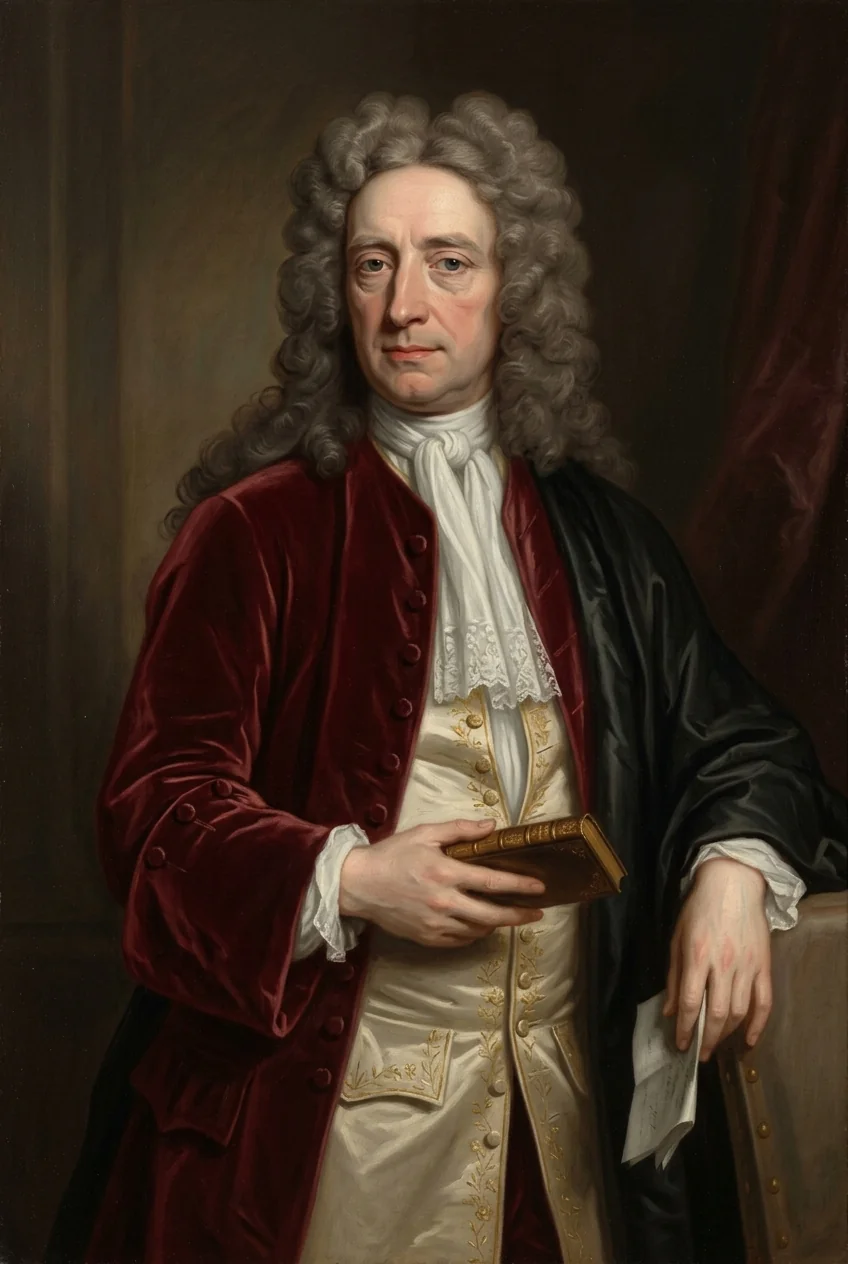
Matthew Prior’s path into the south transept began in his uncle’s tavern, where he was working as a boy after his father’s death had taken him out of Westminster School. The Earl of Dorset, a regular, found him reading Horace behind the bar and was sufficiently impressed to pay for the rest of his education. Prior went back to Westminster as a King’s Scholar, then to St John’s College Cambridge, and from there into the diplomatic service.
He spent the next thirty years negotiating treaties. He was secretary to the embassy at The Hague during the Ryswick negotiations of 1697, and by 1711 he was Anne’s principal envoy to the French court for the negotiations that led to the Treaty of Utrecht. The treaty was popularly nicknamed Matt’s Peace. When the Tories fell with Anne’s death in 1714, Prior was recalled, impeached by Robert Walpole, and held under close arrest for over a year while a committee investigated the treaty. He was released in 1717 and lived on the proceeds of a subscription edition of his poems, helped along by a four-thousand-pound gift from Lord Harley.
He died at Wimpole on 18 September 1721, aged fifty-seven, and asked to be buried at the feet of Edmund Spenser. His coffin lay overnight in the Jerusalem Chamber. The monument behind Shakespeare’s memorial, designed by James Gibbs and executed by Rysbrack, incorporates a bust by Antoine Coysevox that Louis XIV had given Prior in person during the Utrecht talks.
William Congreve
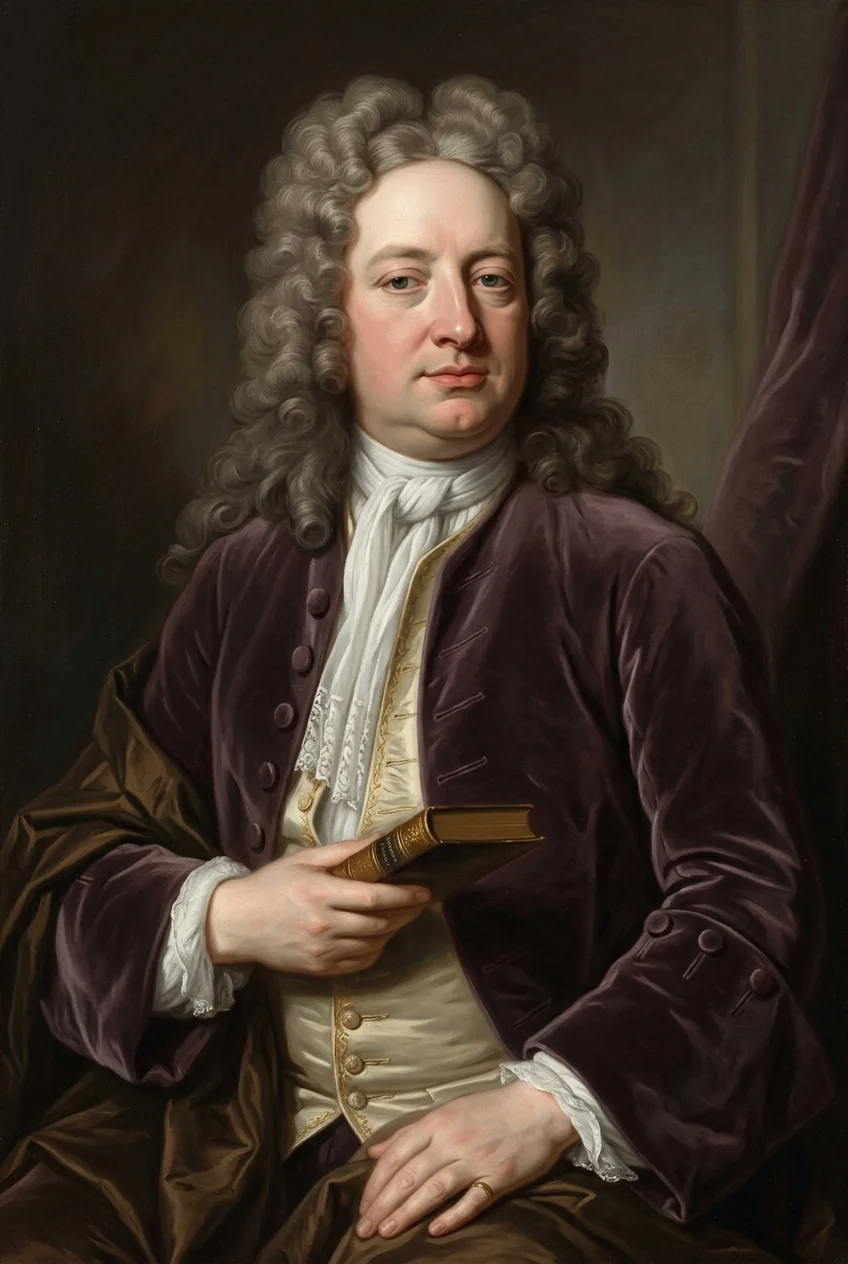
William Congreve wrote four comedies and a tragedy between 1693 and 1700 – The Old Bachelor, The Double-Dealer, Love for Love, The Way of the World, The Mourning Bride – and then effectively retired from the theatre at thirty, having decided he had said what he intended to say. He spent the next twenty-eight years writing the occasional poem, holding sinecures, and conducting a long discreet liaison with Henrietta Godolphin, 2nd Duchess of Marlborough, who bore him a daughter in 1723 that her husband formally acknowledged.
In late September 1728 his carriage overturned on the road from Bath and he suffered internal injuries he never recovered from. He died on 19 January 1729, aged fifty-eight, and was buried in the south aisle of the nave – not in Poets’ Corner itself, but close enough – after lying in state in the Jerusalem Chamber. The bulk of his fortune, about ten thousand pounds, was left to the Duchess, who used it to buy a diamond necklace.
The relevant detail comes from Thackeray. Some time after Congreve’s death the Duchess commissioned an ivory figure of him, life-sized, with mechanical features. She had it dressed in his clothes and seated at her dinner table. She also had a large wax doll made with bandaged gouty feet, attended daily by a doctor who applied poultices to its imaginary toes. None of this is invented. The Restoration’s wittiest dramatist became, in death, a piece of court entertainment for the woman who had loved him most.
John Gay
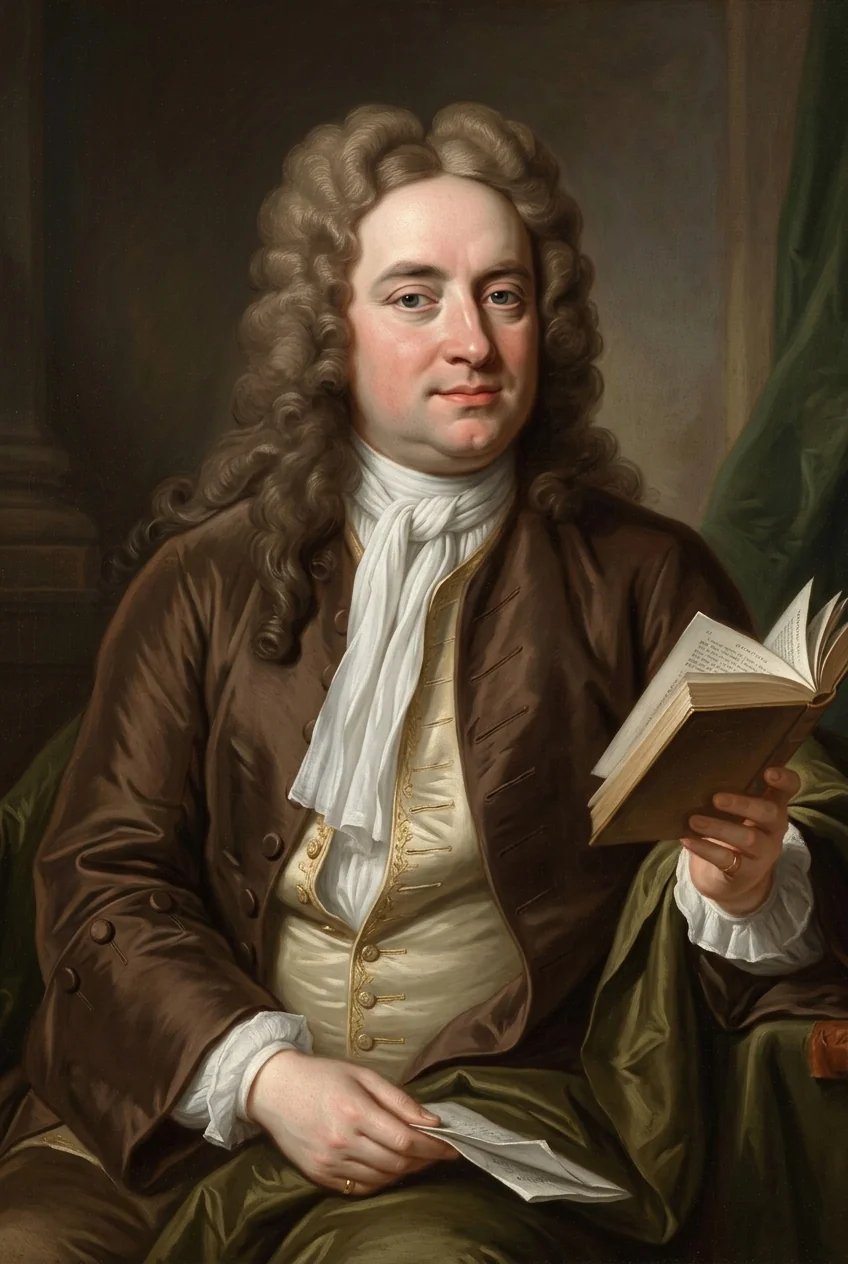
The Beggar’s Opera made John Gay rich and the South Sea Bubble made him poor again. The play opened in January 1728 and ran for sixty-two performances – the longest run in London theatrical history to that point – selling Macheath and Polly Peachum to a public that hadn’t known it wanted them. The sequel, Polly, was banned by Robert Walpole in 1729 on the assumption that Gay was satirising him. The ban made the printed text a bestseller and Gay several thousand pounds richer.
He spent the rest of his life as a guest of the Duke and Duchess of Queensberry, who put him up in their houses for years and were occasionally banished from court for his sake. The Duchess took on the work of collecting subscriptions for Polly when no theatre would touch it. Gay never married. He saved roughly six thousand pounds by the time of his death and left it in equal shares to his two sisters.
He died of fever on 4 December 1732, aged forty-seven, and was buried in the south transept. The monument carries an epitaph by Alexander Pope and, below it, a couplet Gay wrote for himself: Life is a jest, and all things show it; I thought so once, but now I know it. There is some debate about whether he composed it before or during his final illness. He had used variations of the line in correspondence for years.
Edward Aspinwall
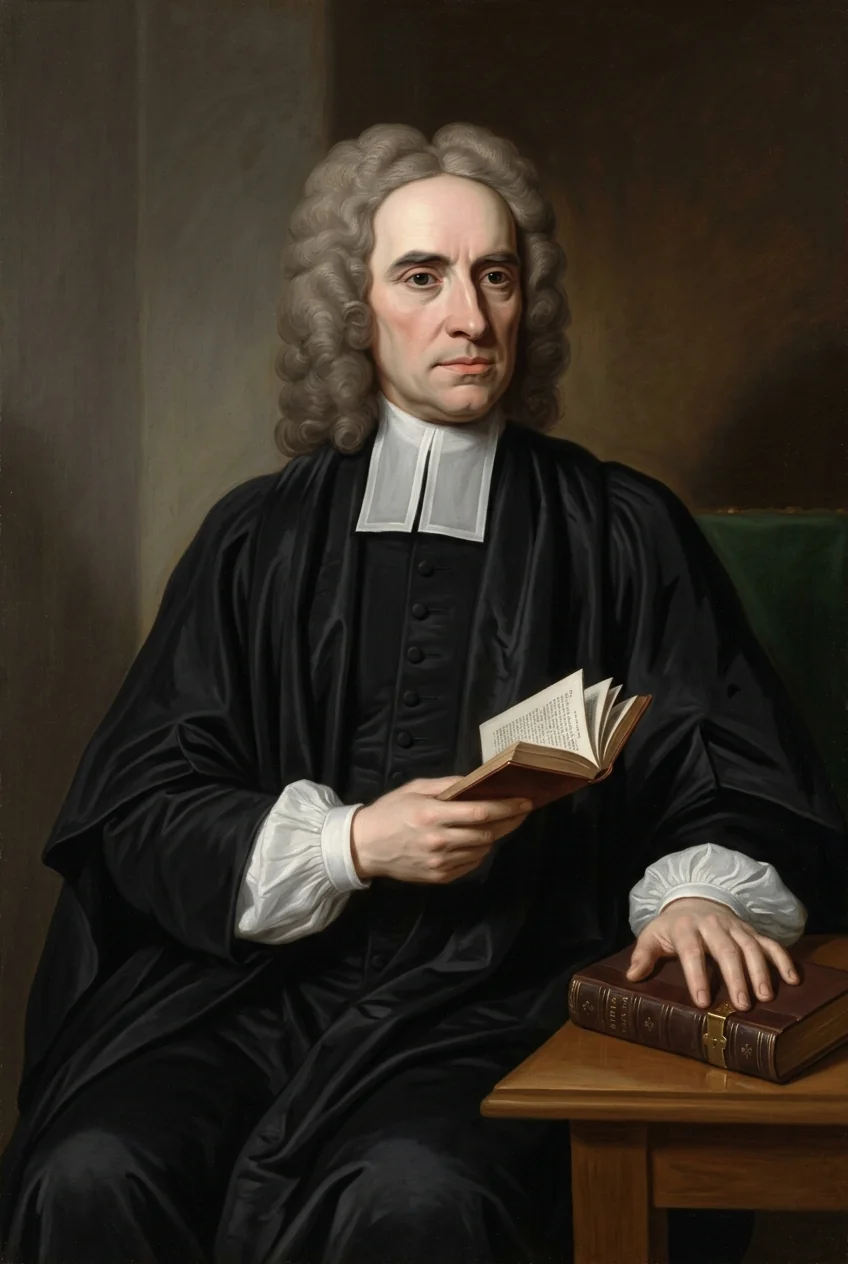
Edward Aspinwall was born in Lancashire on 1 January 1678, educated at the English Jesuit college at Saint-Omer, ordained a Roman Catholic priest, took the habit of the Society of Jesus, then crossed back to the Church of England and made a Protestant career that ended with him as Sub-Dean of the Chapel Royal and Prebendary of Westminster. The conversion – sometime around 1700 – cost him his Jesuit standing and got him a new patron in the Earl of Radnor, whose chaplain he became. From there he rose steadily.
His best-known work is the Preservative against Popery of 1715, exactly the title it sounds like, and an Apology of 1731 directed against the deist Anthony Collins. The preface to the Apology contains his statement of intellectual method: he had made it his concern to divest himself of every bias and prejudice so his mind might remain absolutely free to determine itself by solid reason. Coming from a man who had been raised Catholic, trained as a Jesuit, ordained twice, and ended as Anglican Sub-Dean, the claim has a certain audacity.
He was buried in the south transept on 8 August 1732, and his wife Elizabeth Margaret was buried with him in January 1742. He has no inscribed gravestone and no monument. The Abbey commemorations database lists him among the burials but cannot specify the location. The man who spent his life arguing about religious conviction is now precisely as visible as he made the early stages of his own.
George Frideric Handel
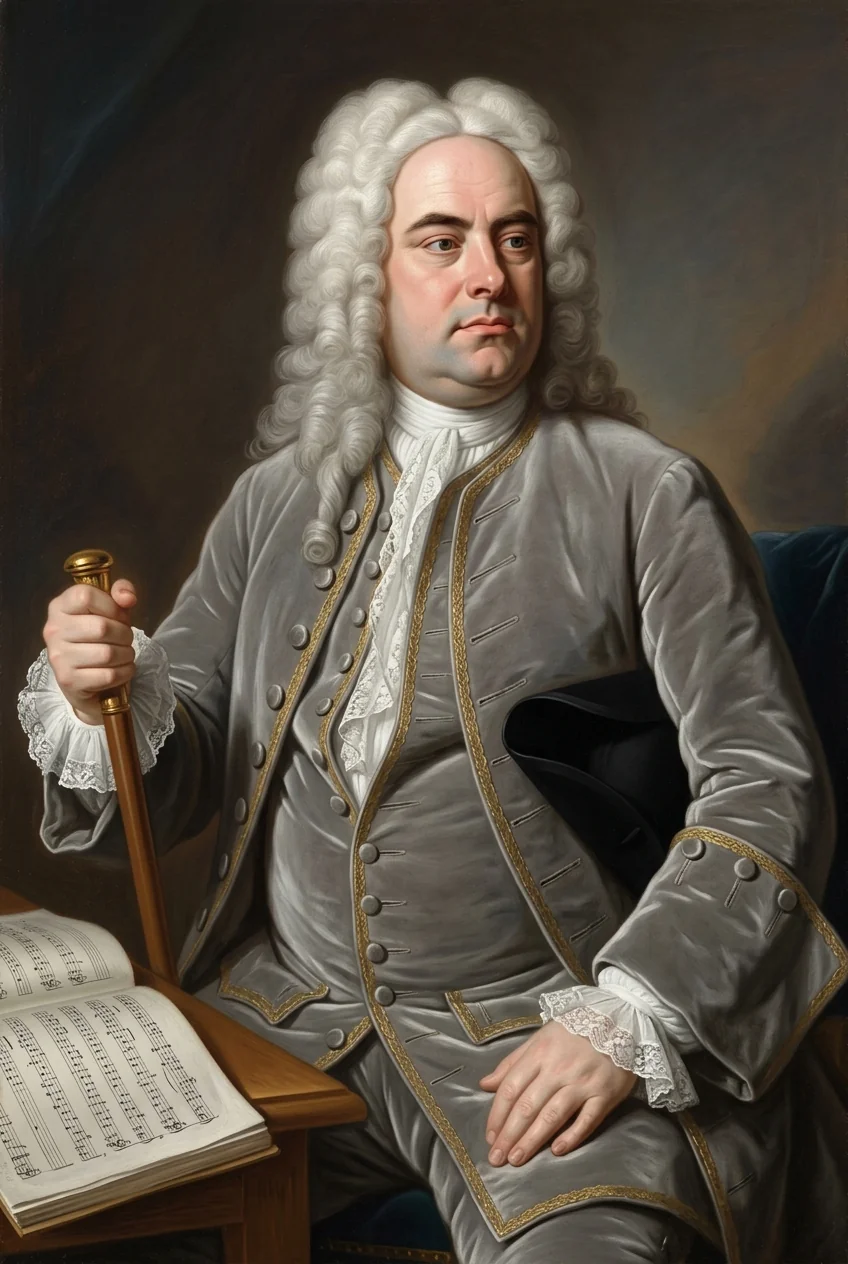
George Frideric Handel signed the last codicil to his will three days before he died, on 11 April 1759, asking the Dean and Chapter of Westminster to allow him to be buried in the Abbey “in a private manner, at the discretion of my executor, Mr Amyand.” Six hundred pounds were set aside for a monument. The body was to be moved discreetly from his Brook Street house and put in the ground without fuss.
What he got was a state funeral. The London Evening Post reported that the Bishop, the Prebendaries, and the choirs of Westminster Abbey, St Paul’s Cathedral and the Chapel Royal all attended on 20 April, with no fewer than three thousand persons present in the south transept. The private request had been politely ignored.
He had become British in 1727 and stayed for forty more years, writing Italian operas until the audience for them collapsed and then the English oratorios for which the public did want to pay – Messiah, Samson, Solomon, Jephtha. His last public appearance was at a Messiah performance on 6 April. He went home and never got up. The Roubiliac monument unveiled in 1762 above the grave shows him standing with the open score of “I know that my Redeemer liveth,” from Messiah, in his hand. Handel chose the passage himself. The black marble gravestone underneath gives his name and dates in plain Roman capitals, and the coat of arms on it is now worn nearly smooth.
David Garrick
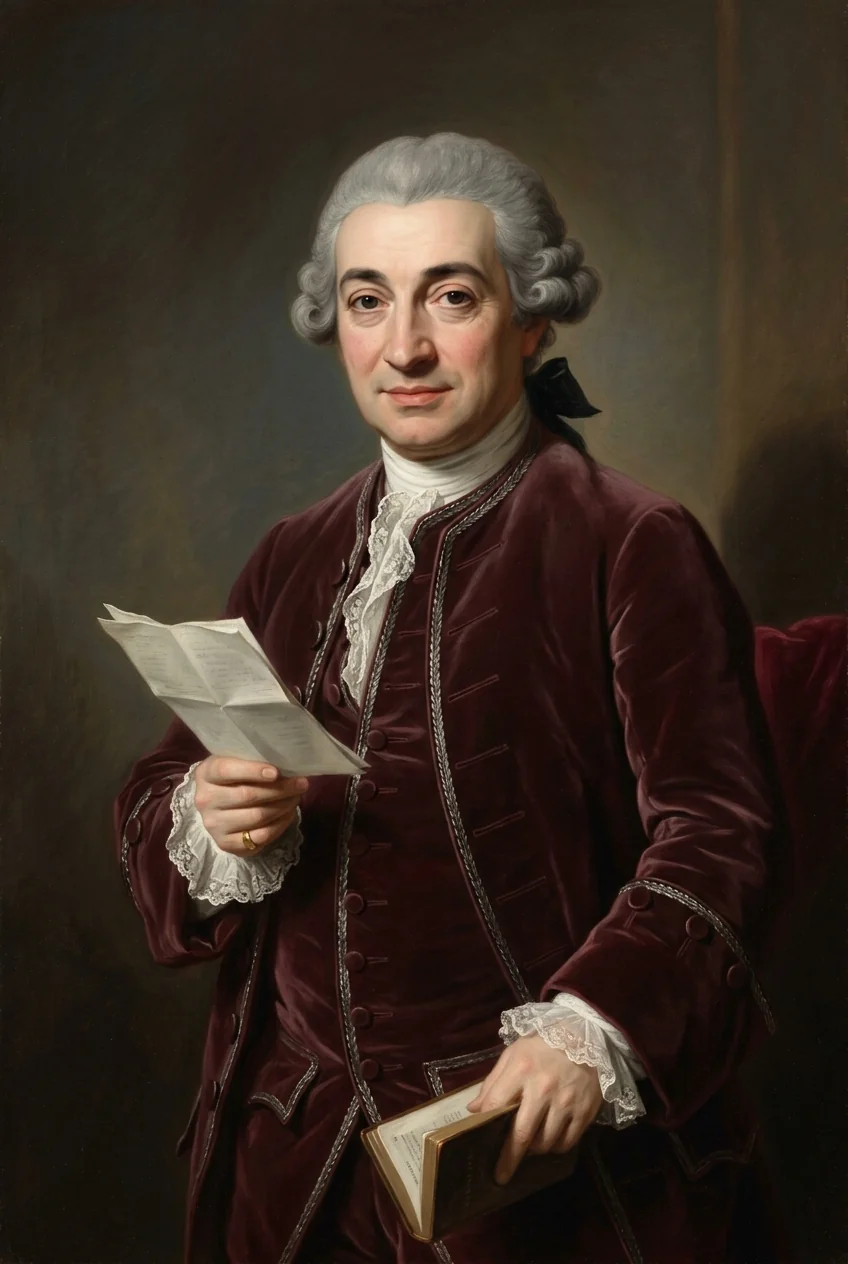
David Garrick’s funeral procession on 1 February 1779 stretched from Adelphi Terrace to the west door of Westminster Abbey. Nearly fifty coaches were in it. Crowds lined the streets. The coffin, covered in crimson velvet studded with silver nails, was met by the Dean and choir at the west door at three in the afternoon and conducted to the south transept while Purcell’s funeral setting was sung. The pall supporters were a duke, two earls, two viscounts, a baronet and four others. Samuel Johnson and Edmund Burke attended. It was the largest London funeral until Nelson’s in 1805, and Horace Walpole wrote to the Countess of Upper Ossory to call the whole thing “perfectly ridiculous” – confounding, in his phrase, the immense space between pleasing talents and national services.
Walpole was wrong about most things. Garrick was the first actor buried in the south transept, and his name marked the moment when acting stopped being considered disreputable in England. He had managed Drury Lane for twenty-nine years, popularized Shakespeare for the eighteenth century, and given the careers of a generation of actors their shape.
He had retired from the stage only three years before, in June 1776, after a round of emotional farewell performances. His widow Eva Maria Veigel – the Viennese dancer La Violette – outlived him by forty-three years and was buried alongside him in 1822. The monument by Henry Webber was erected in 1797 and shows Garrick stepping through a curtain, taking his bow.
Samuel Johnson
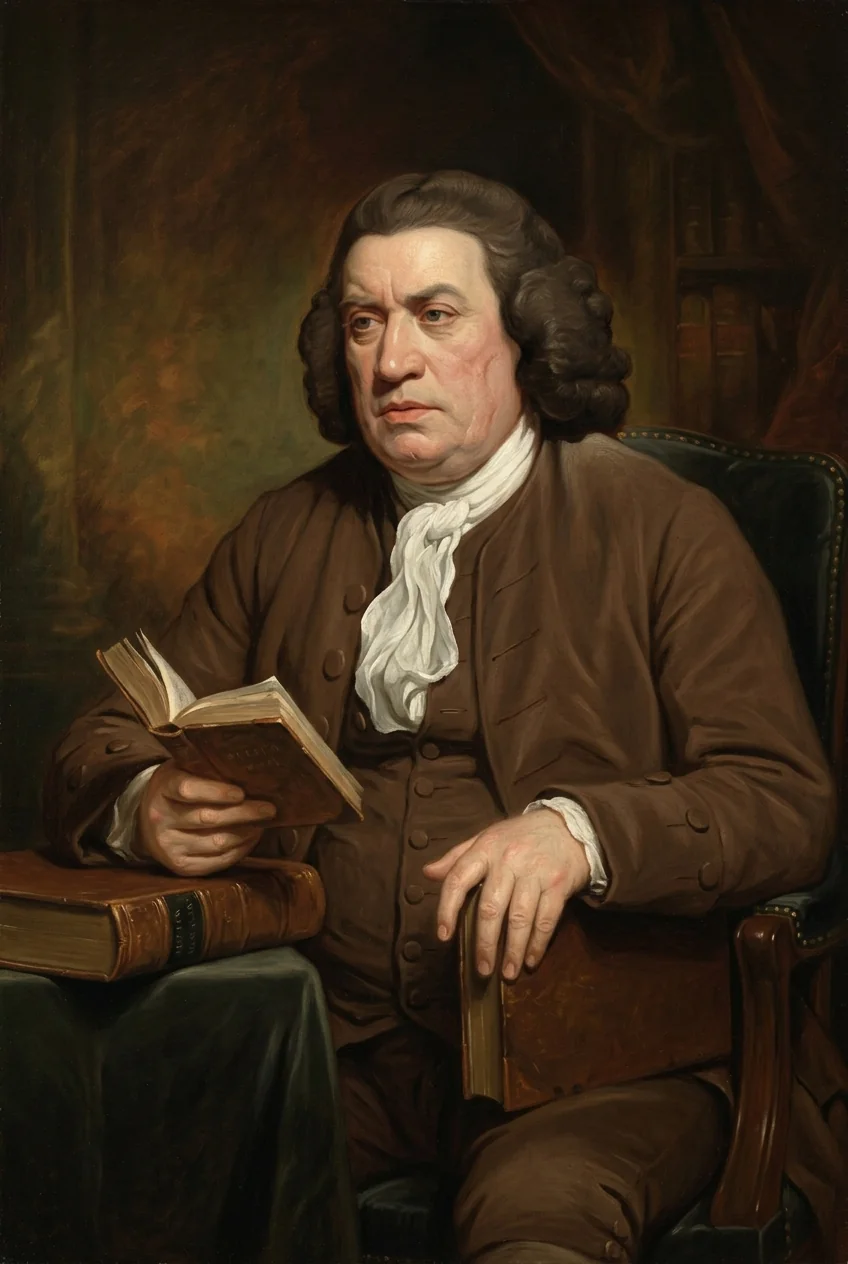
Samuel Johnson spent his last weeks asking his surgeons to cut deeper. The diagnosis was dropsy, the treatment was incision to drain the fluid, and Johnson – who feared dying more than the knife – believed the relief was insufficient and instructed them to go further. They refused. He had taken to scarifying his own legs in the night with a lancet, on the same theory. He died on the evening of 13 December 1784, aged seventy-five, after a lifetime of melancholy, tics later identified as Tourette’s syndrome, and a productivity that included the Dictionary of 1755, the edition of Shakespeare, the Rambler essays, the Lives of the Poets and Rasselas.
He was buried in Poets’ Corner on 20 December. The service was read by his old Lichfield friend John Taylor, and complaints were made afterwards that the cathedral authorities had not waived the fees for a special choral service and his executor Sir John Hawkins had not felt he could pay them. Many members of the Literary Club attended. The grave is at the foot of the south transept.
The monument was a separate matter. A subscription was raised, with Edmund Malone in charge, and a committee including Reynolds and Joseph Banks debated for a year whether to put the statue in the Abbey or at St Paul’s. They voted in 1791, narrowly, for St Paul’s. The marble Johnson, by John Bacon, was finally installed there in 1796. The Abbey has the body. St Paul’s has the figure.
John Henderson
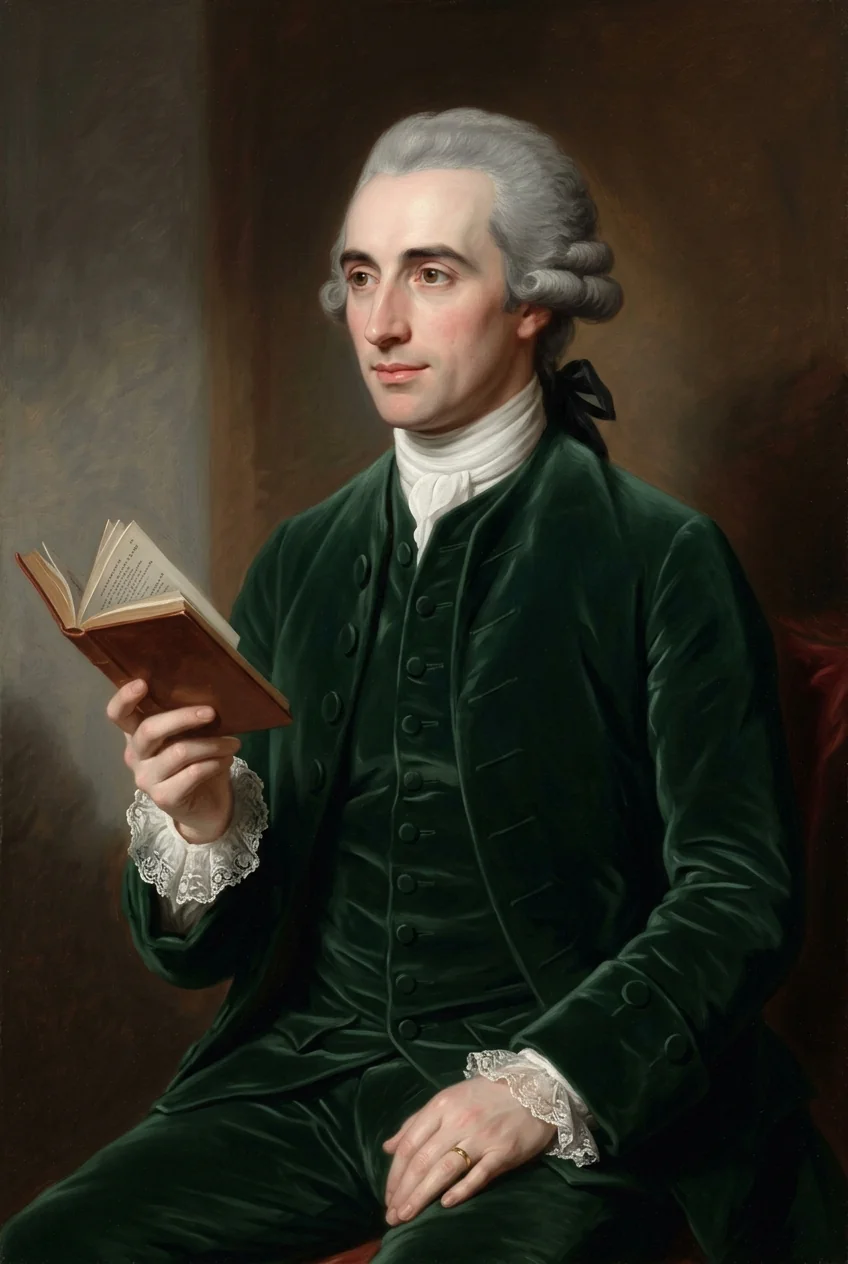
John Henderson would have been Garrick’s successor if he had lived. The London papers said so when he died, and the actors who had worked with him – he had created original parts in plays by Cumberland, Shirley and Jephson – said so for the rest of their careers. He had been called the Bath Roscius after his Hamlet debut at the Theatre Royal Bath in October 1772, when Garrick himself, having earlier rejected him on the grounds that his voice was “woolly,” had recommended him to John Palmer. He spent five years at Bath and then conquered London with a Shylock at the Haymarket in 1777. Sheridan engaged him for Drury Lane the next year. Garrick, by then, was reported to be intensely jealous of him.
Henderson played Horatius in The Roman Father at Covent Garden on 8 November 1785 and died seventeen days later, on 25 November, at his house at 9 Buckingham Street, aged thirty-eight. The London Chronicle reported that nothing could be more sudden or unexpected. The European Magazine attributed it to a fever and a spasm of the brain. The 1833 catalogue of the Mathews Gallery at the Garrick Club gives a different version: that he was poisoned accidentally by his wife, who never knew the cause of his death.
His funeral procession on 3 December comprised fifteen mourning coaches and stretched most of the way to the Abbey. Jane Figgins, his widow, was buried on top of his coffin in 1819.
Robert Adam
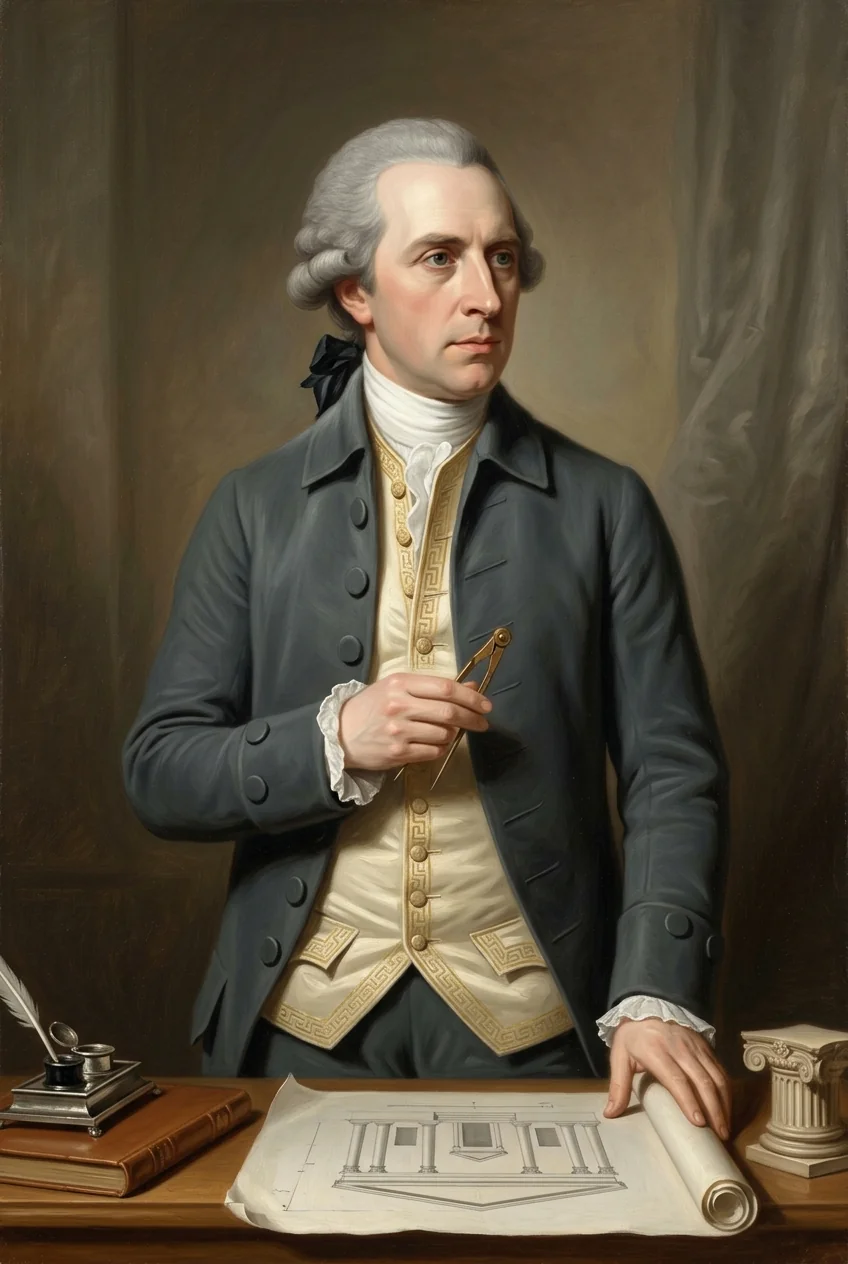
The pall-bearers at Robert Adam’s funeral in March 1792 were a duke, three earls, a baron and a baronet. Every one of them was a former client. He had remodelled their country houses, designed their London town houses, planned their gardens, drawn their fireplaces, even chosen their door handles. Adam interiors are still recognisable as such two and a half centuries later. The light, pale palette, the plasterwork in low relief, the medallions and swags and tripod stands derived from Pompeii and Herculaneum after he visited them on his Grand Tour – all of it remained influential through the Regency, the Federal period in America, and the suburbs of every English-speaking country into the twentieth century.
He died on 3 March 1792, aged sixty-three, when a blood vessel burst in his stomach at his house at 11 Albemarle Street. He left around nine thousand drawings, most of which were bought by John Soane and are still at the Soane Museum.
Six monuments in the Abbey were designed by him: those to the Duchess of Northumberland, Roger Townshend, John Andre, James Thomson, Mary Hope, and the Watson family. He was buried near them, in the south transept, between his friend the architect William Chambers and the writer James Macpherson. Joseph Nollekens designed a monument for him that was never built. The Adam grave has only an inscription giving his name, profession, dates of birth and death.
James Macpherson
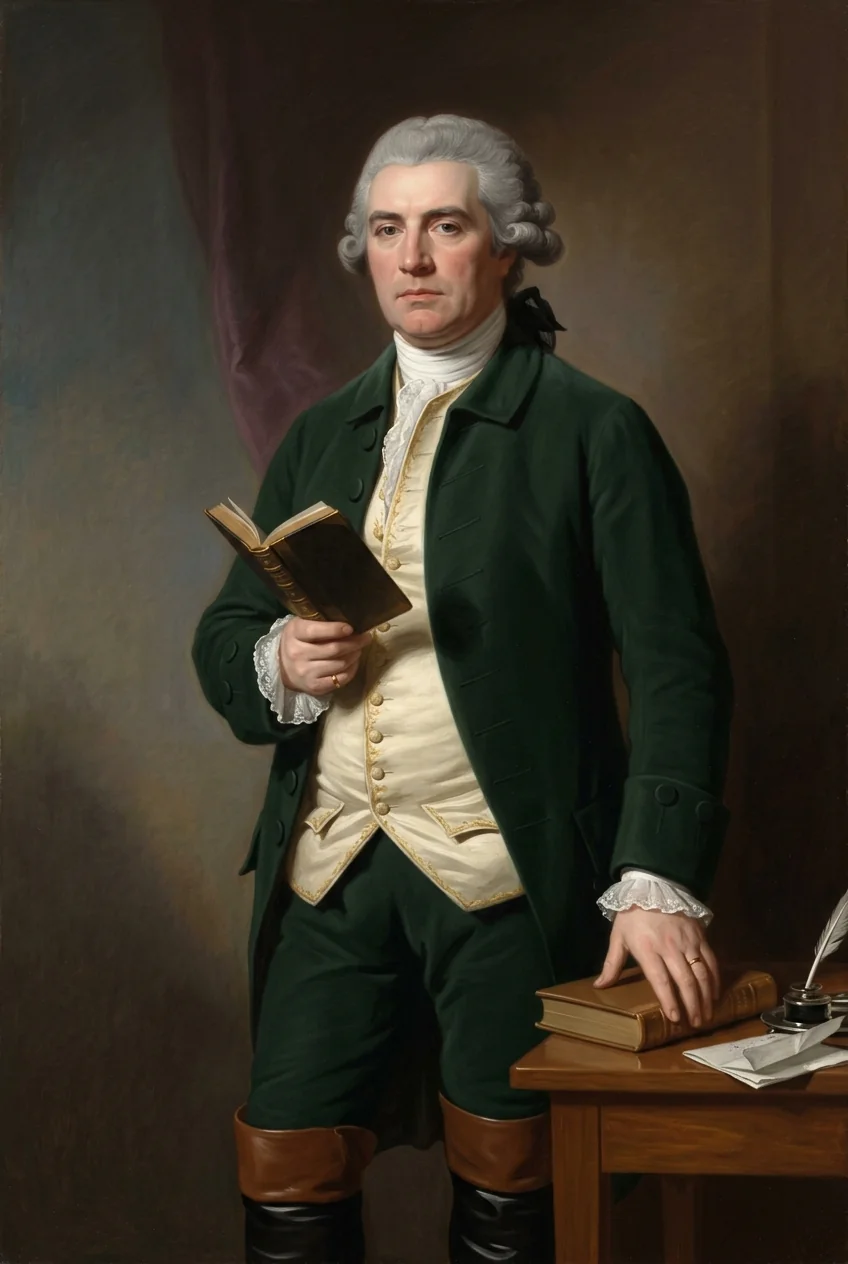
James Macpherson published Fragments of Ancient Poetry in 1760, claiming to have translated them from oral Gaelic sources collected on a Highland tour. The poems were attributed to a third-century bard named Ossian, son of the warrior Fingal, recorded in the mists of pre-Christian Scotland. Edinburgh literary society was electrified. A subscription paid for Macpherson to do more collecting; in 1761 he produced Fingal, an Ancient Epic Poem, and in 1763 a sequel called Temora. The work was translated into every literary language in Europe. Goethe quoted it. Napoleon carried a copy on campaign. The Romantic movement, in part, started here.
Samuel Johnson was unconvinced from the start. He demanded to see the manuscripts. Macpherson refused. Johnson called him a liar. Macpherson threatened to thrash him. Johnson, then in his sixties, replied that he would not be deterred from detecting an imposture by the menaces of a ruffian. The manuscripts were never produced.
A committee of the Highland Society of Scotland investigated after Macpherson’s death and concluded what most of London had concluded forty years earlier: he had collected some genuine Gaelic fragments and built his own substantial epic poetry around them. The forgery has never quite stopped mattering. Modern Gaelic studies still owes some of its impulse to the controversy. Macpherson died on 17 February 1796 at Ruthven and was buried in the south transept beside Robert Adam, at his own expense – he had left enough money in his will to ensure it.
Sir William Chambers
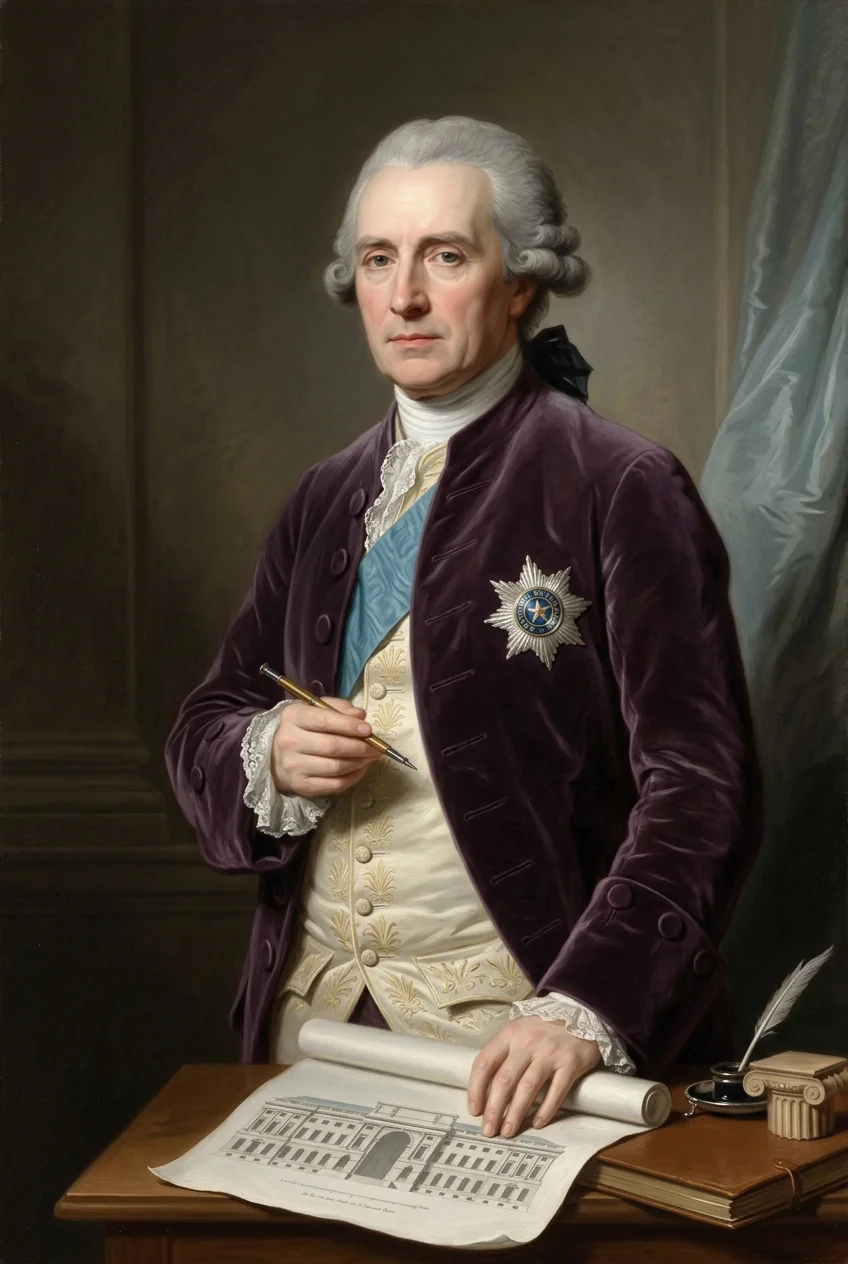
Sir William Chambers was born in Gothenburg in February 1723 to a Scottish merchant father. He went to sea at sixteen with the Swedish East India Company, made three voyages to Canton, came home and used the sketches he had brought back to publish Designs of Chinese Buildings in 1757. The book founded the eighteenth-century English vogue for chinoiserie. The Great Pagoda at Kew Gardens, ten storeys high and built in 1762, is its surviving monument; the Gold State Coach, used at every coronation since George III’s, is another.
He had been the architectural tutor to the future George III before the accession, which meant that when George took the throne in 1760, Chambers became one of the two Architects of the King – Robert Adam being the other. From 1782 to his death he was Surveyor-General and Comptroller of the Works. His magnum opus is Somerset House, begun in 1776, where he worked for twenty years and which was completed shortly after his death.
The knighthood was foreign. The Swedish crown made him a Knight of the Polar Star, and George III gave him permission to use the title in England. He was therefore Sir William while remaining technically untitled by the British crown. He died on 8 March 1796 and was buried in Poets’ Corner. The inscription names him as architect, Surveyor General, Fellow of the Royal Society and Knight of the Polar Star.
Mary Eleanor Bowes, Countess of Strathmore
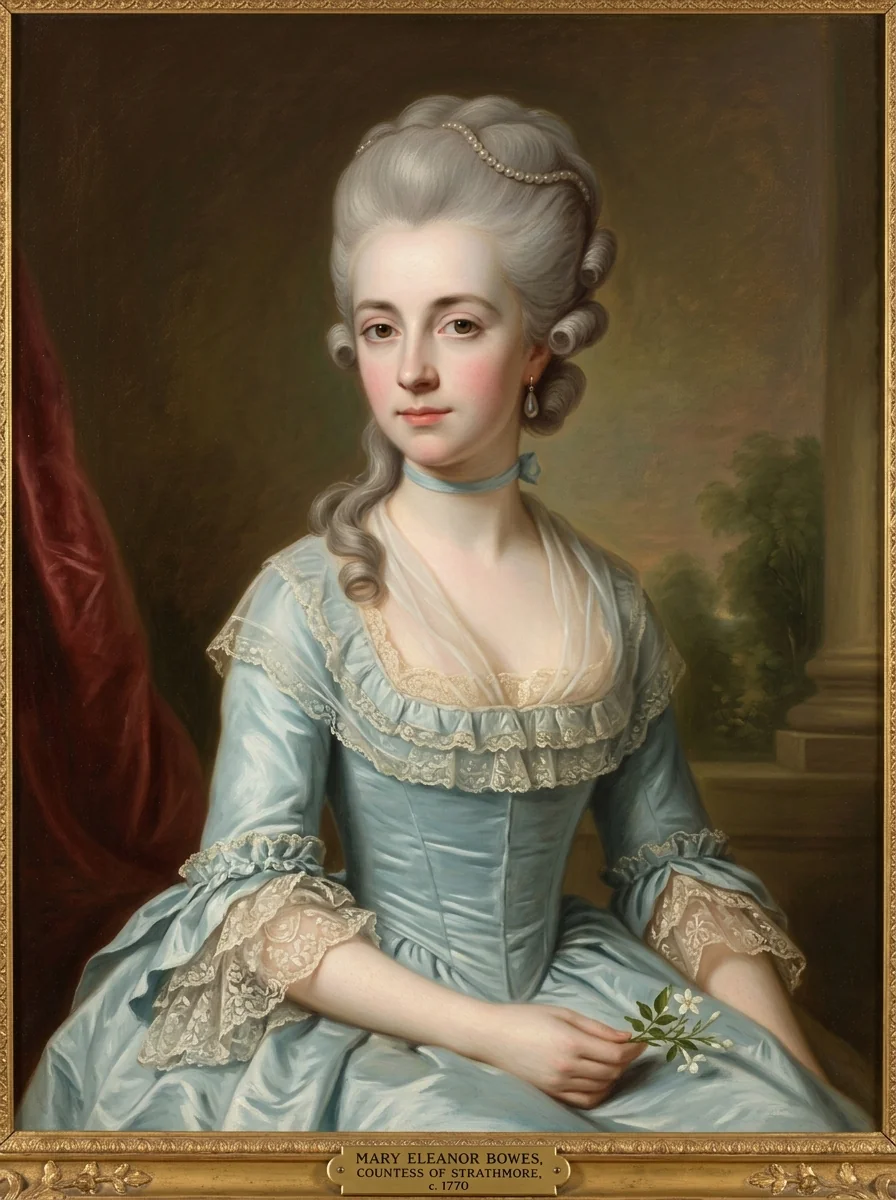
Mary Eleanor Bowes was buried in the south transept on 10 May 1800 wearing, according to local witnesses at Pokesdown, a court dress complete with the accessories needed for a royal audience and a small silver trumpet. The Abbey’s own account says she was buried in a “superb bridal dress.” Both versions agree on the costume’s elaborate strangeness. She had given the instructions herself.
She was the great-great-great-grandmother of the Queen Mother, Elizabeth Bowes-Lyon, and one of the richest heiresses in eighteenth-century England, having inherited her father’s coal fortune at the age of eleven. Her first husband, the ninth Earl of Strathmore, took her surname by Act of Parliament and died at sea in 1776. Her second was Andrew Robinson Stoney, an Anglo-Irish adventurer who tricked her into marriage in 1777 by staging a duel in which he pretended to be mortally wounded for her sake, then physically abused her, controlled her finances, and fathered children by other women in her own house. She escaped in 1786 and filed for divorce; he kidnapped her off Oxford Street and held her for eight days before she was rescued. Her divorce – one of the earliest contested by a woman in English law – was granted in 1789.
She spent her last years quietly in Hampshire writing botanical notes and the manuscript Confessions of the Countess of Strathmore. Thackeray heard the story from her grandson in 1841 and used it for Barry Lyndon.
Richard Cumberland
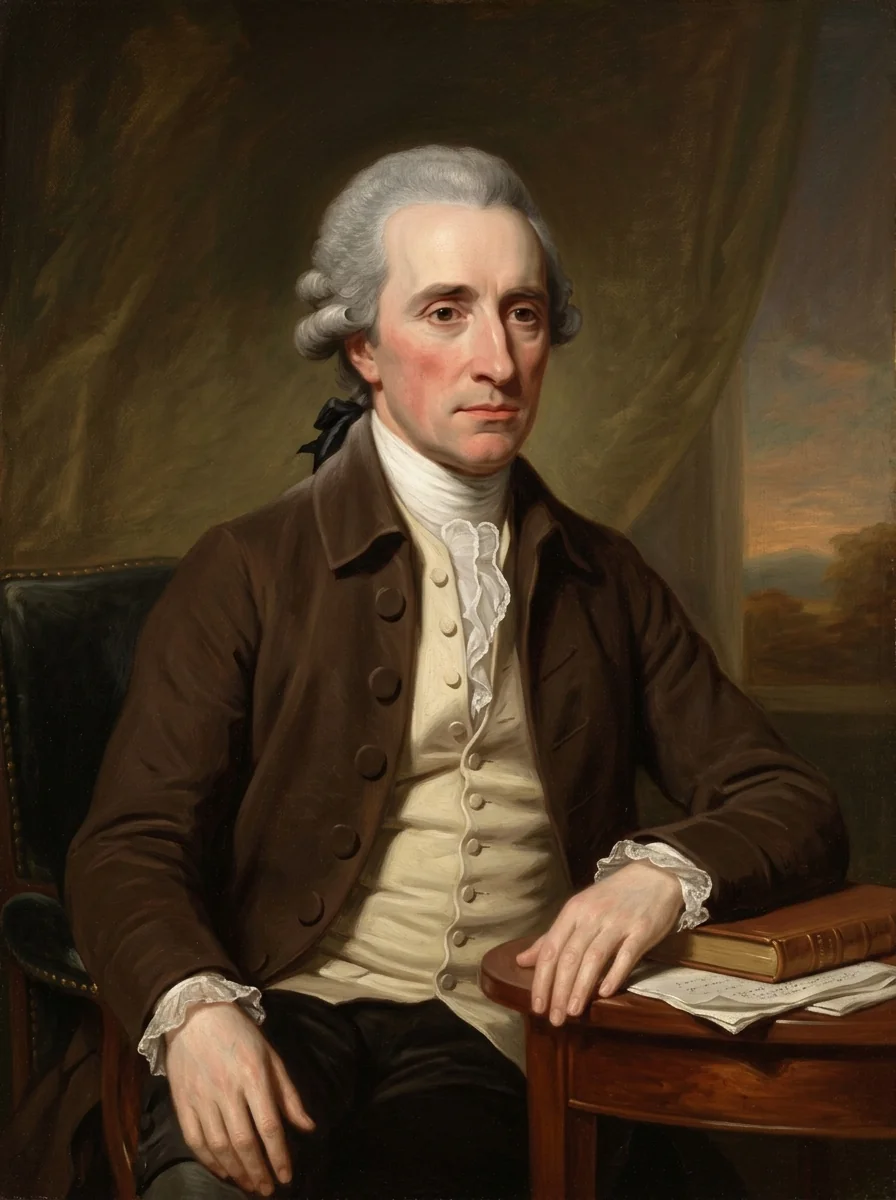
Richard Cumberland wrote The West Indian for Garrick at Drury Lane in 1771, ran for twenty-eight nights, was christened by Oliver Goldsmith “the Terence of England, the mender of hearts,” and never quite recovered from the success. Garrick called him “a man without a skin.” He took every theatrical setback personally. After the opening of Sheridan’s School for Scandal in 1777, at which Cumberland was reportedly seen in his box telling his own children not to laugh, Sheridan retaliated by writing him into The Critic two years later as Sir Fretful Plagiary – the absurdly vain dramatist who insists he doesn’t mind reviews while clearly minding them very much. Sheridan’s quip when asked about the caricature was that Cumberland ought to have laughed at his comedy, since he himself had laughed heartily at Cumberland’s tragedy.
He was also a civil servant. Between 1765 and 1782 he held positions at the Board of Trade, and in 1780 was sent to Spain on a secret peace mission during the American War; the British government afterwards refused to reimburse him, leaving him £4,500 out of pocket which he never recovered.
He died at Tunbridge Wells on 7 May 1811, aged seventy-nine, and was buried in Poets’ Corner on the fourteenth, near Samuel Johnson’s grave. An oration was delivered by Dean Vincent after the service. Sheridan was buried five years later, twenty feet away.
James Wyatt
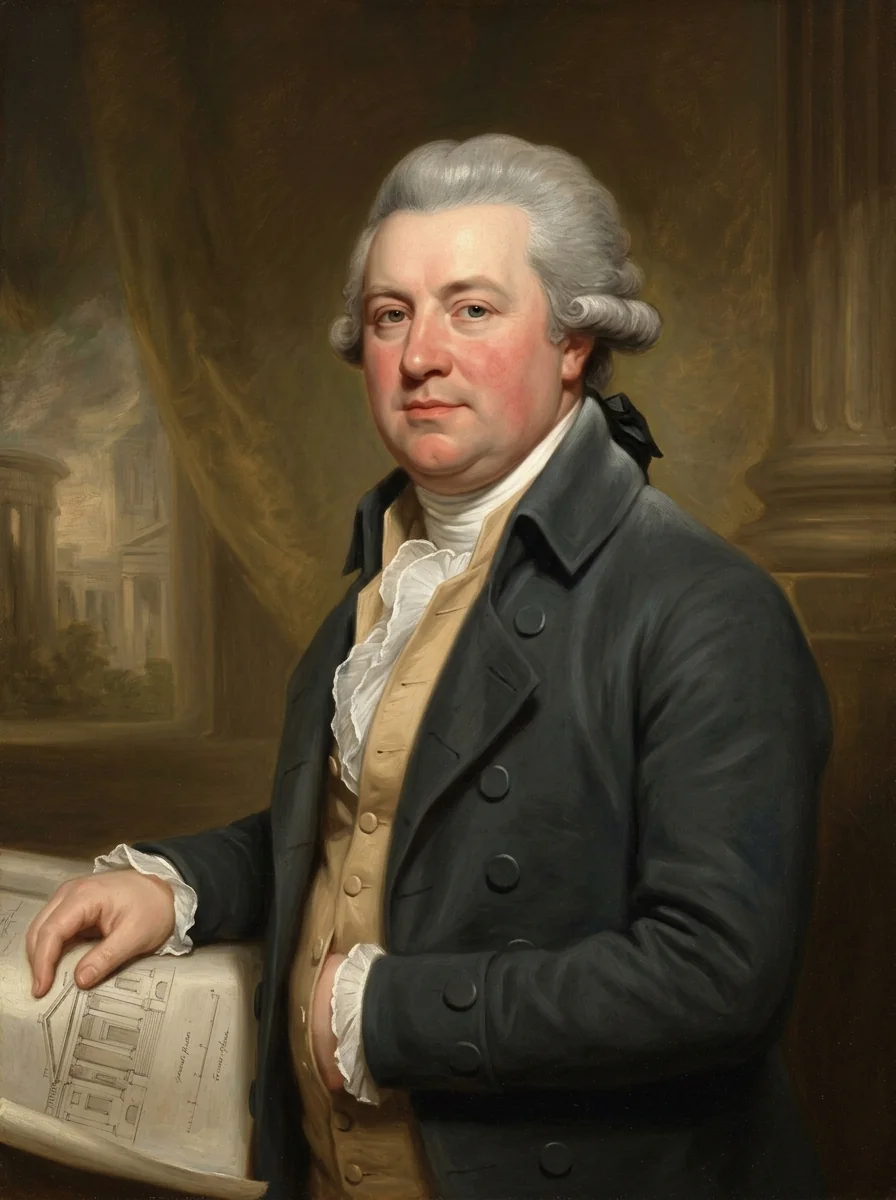
James Wyatt was killed when his carriage overturned on the Marlborough Downs on 4 September 1813. He was riding with his client and friend Christopher Bethell-Codrington of Dodington Park. The carriage went over, Wyatt struck his head, and he never regained consciousness. He was sixty-seven and held simultaneously the offices of Surveyor of Westminster Abbey, Surveyor-General and Comptroller of the Works, and President of the Royal Academy (the last only briefly, in 1805-6, after Benjamin West fell out with the Academy).
He had succeeded Sir William Chambers as Surveyor-General in 1796 and was, by any reasonable measure, the most prolific architect in England for the next seventeen years. He was also notoriously bad at finishing buildings, returning calls, and managing his finances. Fonthill Abbey, the colossal Gothic fantasy he built for William Beckford, had a tower that collapsed twice during construction and finally fell down for good in 1825. His Tudor-Gothic remodelling of the Palace of Westminster burned spectacularly in 1834 because it used a combination of timber and plaster. The cathedral restorations at Salisbury, Lichfield, Hereford and Durham earned him the nickname “Wyatt the Destroyer” from contemporary antiquarians.
The government paid for a lavish funeral. He was buried in Poets’ Corner. His widow Rachel had to be bailed out of debtors’ prison after his death, and the Office of Works he had managed almost ceased to function. His son Benjamin Dean Wyatt succeeded him as Surveyor at the Abbey.
Richard Brinsley Sheridan
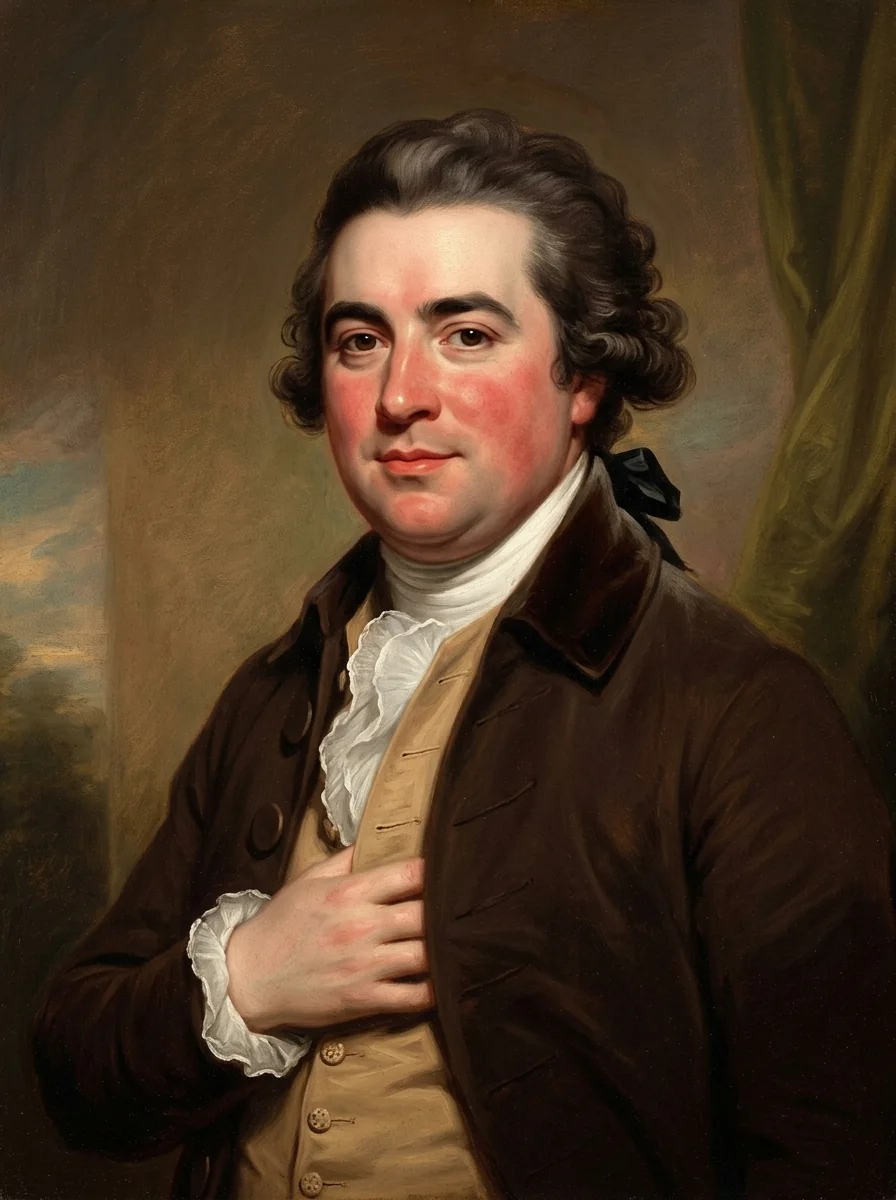
Richard Brinsley Sheridan wrote The Rivals at twenty-three, The School for Scandal at twenty-five, and The Critic at twenty-eight, and then essentially stopped writing plays. He bought Garrick’s share of Drury Lane in 1776 and managed it for the next thirty-three years. He was elected to Parliament in 1780 as a Whig and stayed there for thirty-two years, becoming Treasurer of the Navy under Fox’s ministry. His speeches against Warren Hastings during the Hastings impeachment in 1788 were considered among the finest delivered in the House of Commons in the eighteenth century.
What broke him was the fire. Drury Lane burned to the ground on 24 February 1809. Sheridan, watching from a coffee house, was reportedly told he should not be drinking at such a moment; he replied that a man might surely take a glass of wine by his own fireside. The theatre was rebuilt by subscription but Sheridan received almost nothing from his share. He lost his parliamentary seat in 1812, lost his immunity from arrest, and spent his last four years dodging creditors. The American Congress reportedly offered him £20,000 in recognition of his early efforts to prevent the War of Independence; he refused it. He died in poverty on 7 July 1816 in a house on Savile Row.
His funeral was the largest London had seen since Nelson’s. Dukes, earls, viscounts, the Lord Mayor and a procession of nobility followed the coffin to Poets’ Corner. He was buried twenty feet from Cumberland and yards from Garrick.
Eva Maria Veigel
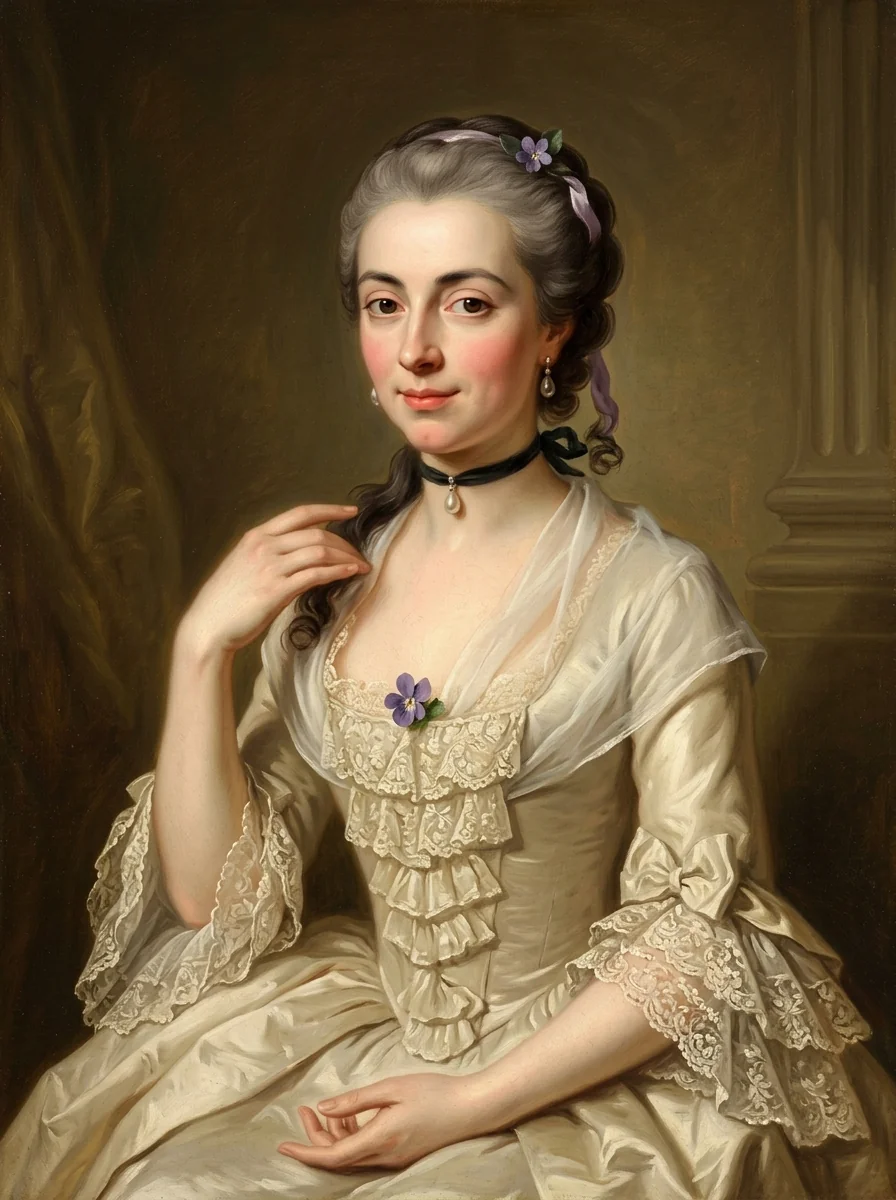
Eva Maria Veigel was born in Vienna on 29 February 1724 and trained as a dancer in the Habsburg court. She came to London in 1746 under the stage name La Violette – a name reportedly given to her by the Empress Maria Theresa, who liked the meaning of her surname (viol, “violet”) – and was an immediate sensation at the Haymarket Opera House. She refused to dance at Garrick’s Drury Lane in 1748. She married him in June 1749 instead, retired from the stage, and never performed again.
The marriage was happy and childless. They were inseparable for thirty years, kept a famous table at their houses in Adelphi Terrace and Hampton, and entertained Samuel Johnson, Hannah More, Edmund Burke and Joshua Reynolds. After Garrick’s death in 1779 she went into mourning, came out of it two years later, and spent the next four decades attending Drury Lane in her own box, going to church, and visiting friends. Her surviving diaries – kept in the Folger Shakespeare Library and at Hereford Museum – include the tear-stained entry recording her husband’s death and the 1819 volume written when she was ninety-five and still attending the theatre.
She died at her London house on 16 October 1822, aged ninety-eight, and was buried with Garrick in the south transept. The inscription gives both names and dates. She had been a widow longer than they had been married.
Thomas Campbell
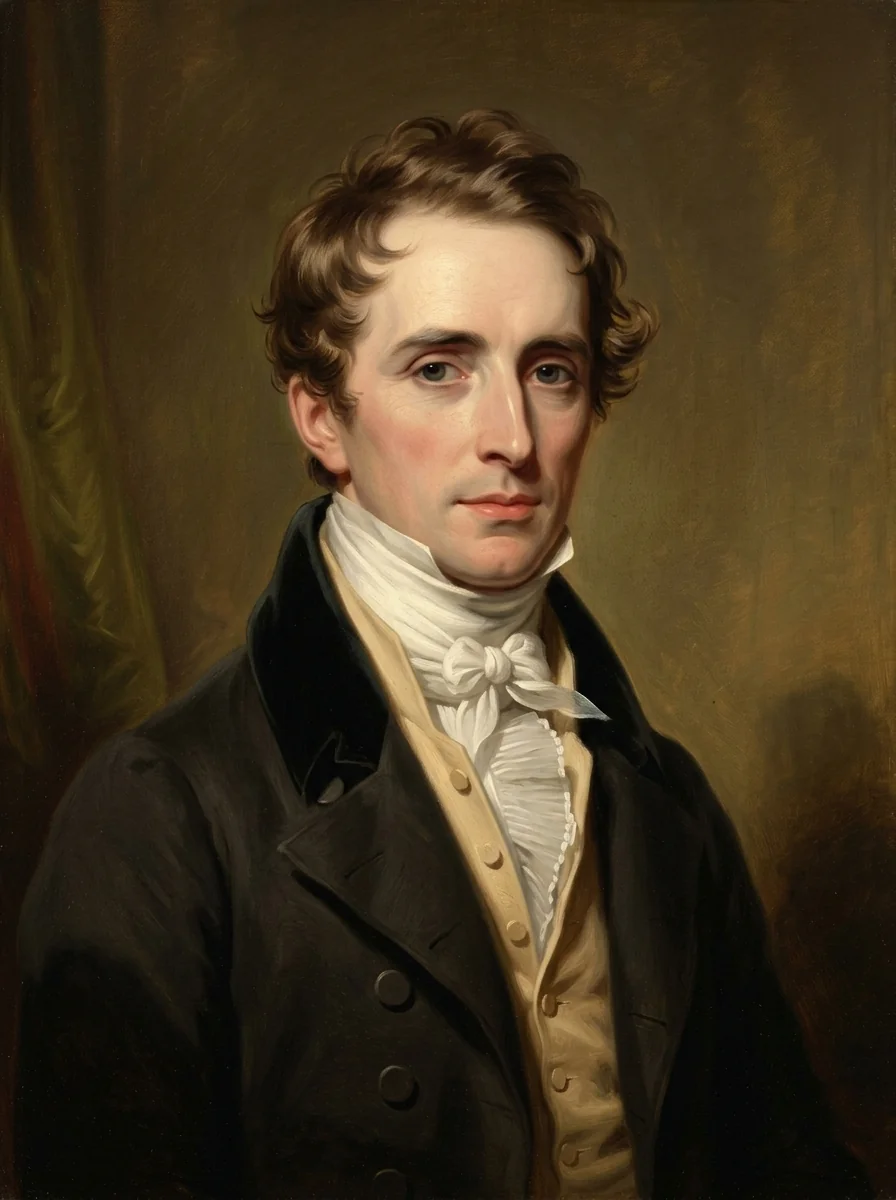
Thomas Campbell published The Pleasures of Hope in 1799, when he was twenty-one, and effectively wrote his own ticket. The poem – a didactic exercise in heroic couplets that included a passionate passage about the partition of Poland – went through four editions in a year and made him famous in two countries. He wrote the patriotic war songs Ye Mariners of England, Hohenlinden and The Battle of the Baltic, and a long narrative poem called Gertrude of Wyoming that sold heavily in America. His income was modest and his domestic life unhappy. His wife died in 1828; one of his sons died in infancy and the other was confined for insanity.
The cause that consumed his last years was Poland. The Russian capture of Warsaw in 1831 produced what he called personal grief – “Poland preys on my heart night and day,” he wrote – and he founded the Literary Association of the Friends of Poland in London the same year. He was also one of the original promoters of what became University College London, the first English university to admit students regardless of religion.
He died at Boulogne on 15 June 1844, aged sixty-six, and his body was returned to England. He was buried in the south transept on 3 July near Shakespeare’s memorial. Polish exiles sprinkled a handful of earth from the grave of Kosciuszko into the open vault before it was closed. He was the only major Romantic poet to be buried in the Abbey.
Henry Francis Cary
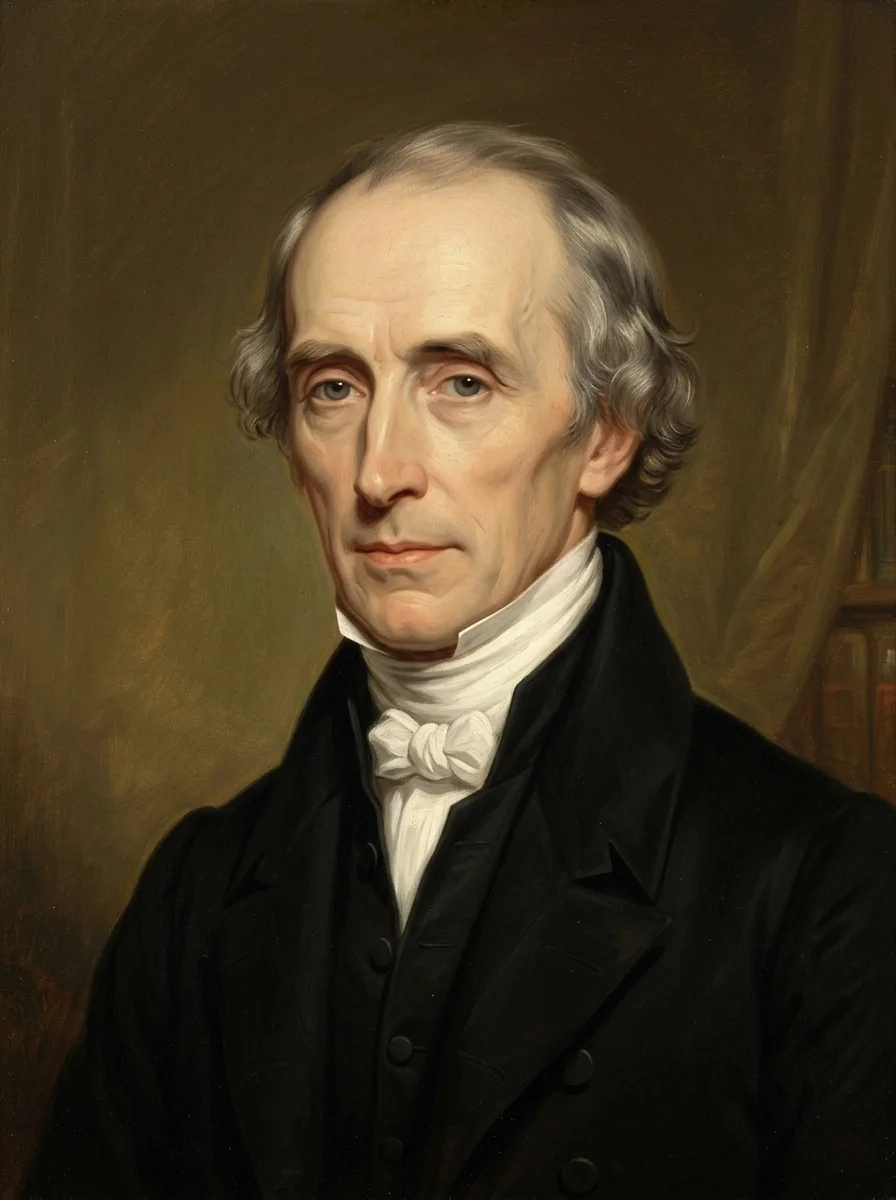
Henry Francis Cary was born at Gibraltar in December 1772, the son of an army captain, and published his first volume of odes and sonnets at the Birmingham Grammar School at fifteen. At Christ Church Oxford he began the work that consumed the rest of his life: a verse translation of Dante’s Divina Commedia in English blank verse. The Inferno appeared in 1805, the complete Vision in 1814. It was the first translation of the whole poem into English that anyone could actually read for pleasure, and it stayed standard well into the twentieth century. Coleridge praised it in his lectures. Foscolo, who knew Italian rather better than any English critic, called it the best translation of Dante in any language.
He took orders in 1796 and was for many years vicar of Abbots Bromley in Staffordshire. From 1826 he was Assistant Keeper of Printed Books at the British Museum. He resigned in 1837 after being passed over for the keepership, a slight he never forgot. He was friends with Lamb, Hood, Coleridge and the London Magazine circle. A crown pension of £200 a year was granted in 1841, through Samuel Rogers’s influence.
He died on 14 August 1844, two months after Campbell. He was buried in Poets’ Corner next to Samuel Johnson – a placement he is said to have requested. The lozenge-shaped stone over the grave was added in 1868 and gives his name, his vicarage, and the single posthumous description he would have wanted: “Translator of Dante.”
Thomas Babington Macaulay
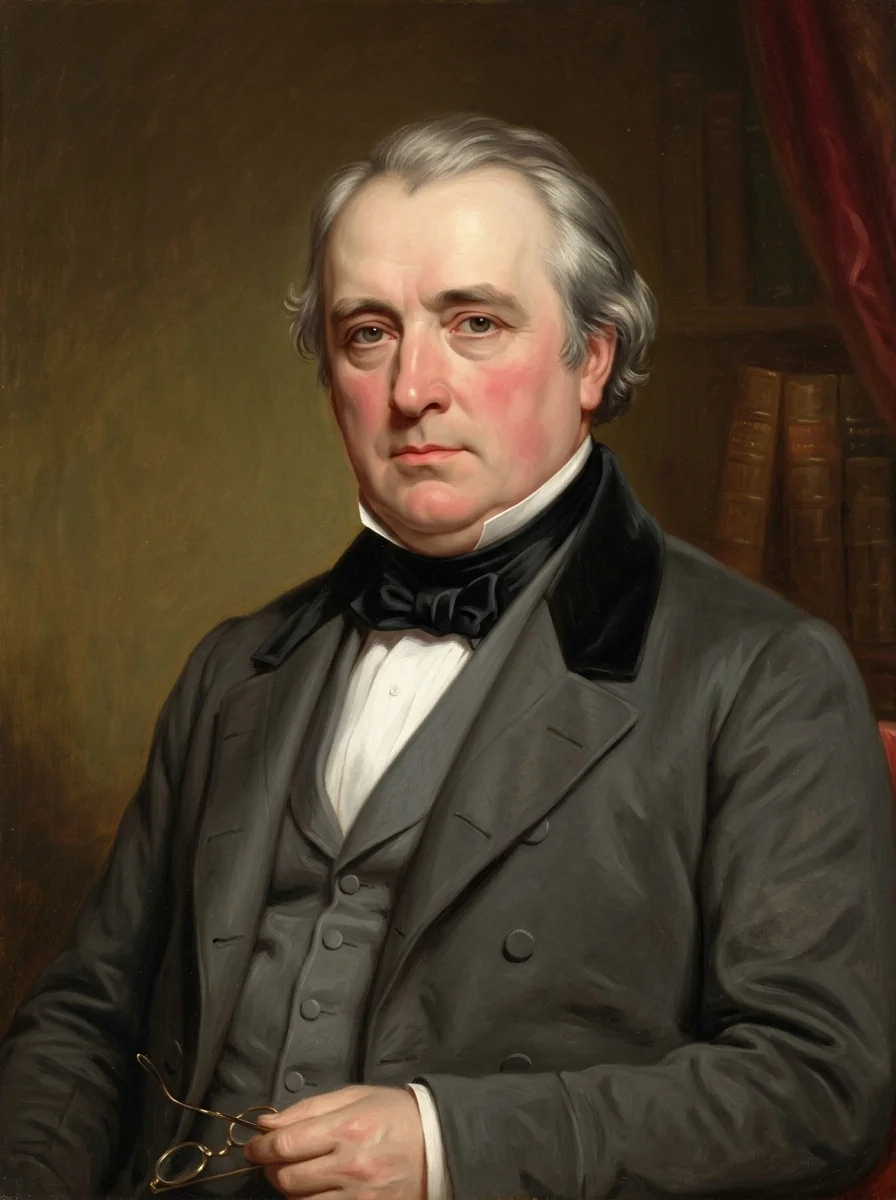
Thomas Babington Macaulay drafted the Indian Penal Code. He spent four years in Calcutta from 1834 to 1838 as the legal member of the Governor-General’s Council and, with the Law Commission, produced a complete codification of Indian criminal law in plain English. It was enacted in 1860, after his death, in the aftermath of the Mutiny. It has been in force in India ever since and was reproduced in most other British colonies; variants of it are still law in Pakistan, Bangladesh, Sri Lanka, Singapore, Nigeria and Zimbabwe. His 1835 Minute on Education in the same period made English the language of higher education in India, with consequences that remain bitterly contested in South Asia.
Returning to England, he was Whig MP for Edinburgh, then Paymaster-General under Russell, and from 1849 published the History of England from the Accession of James II – five volumes that became the most successful work of English history written in the nineteenth century. The first two volumes sold thirteen thousand copies in four months. He was raised to the peerage in 1857 as Baron Macaulay of Rothley and never spoke in the House of Lords.
He died of a heart attack at Holly Lodge, Campden Hill, on 28 December 1859. He was buried in Poets’ Corner on 9 January 1860 at the foot of Joseph Addison’s statue. The gravestone bears one of the most-quoted of Westminster inscriptions: His body is buried in peace, but his name liveth for evermore.
Charles Dickens
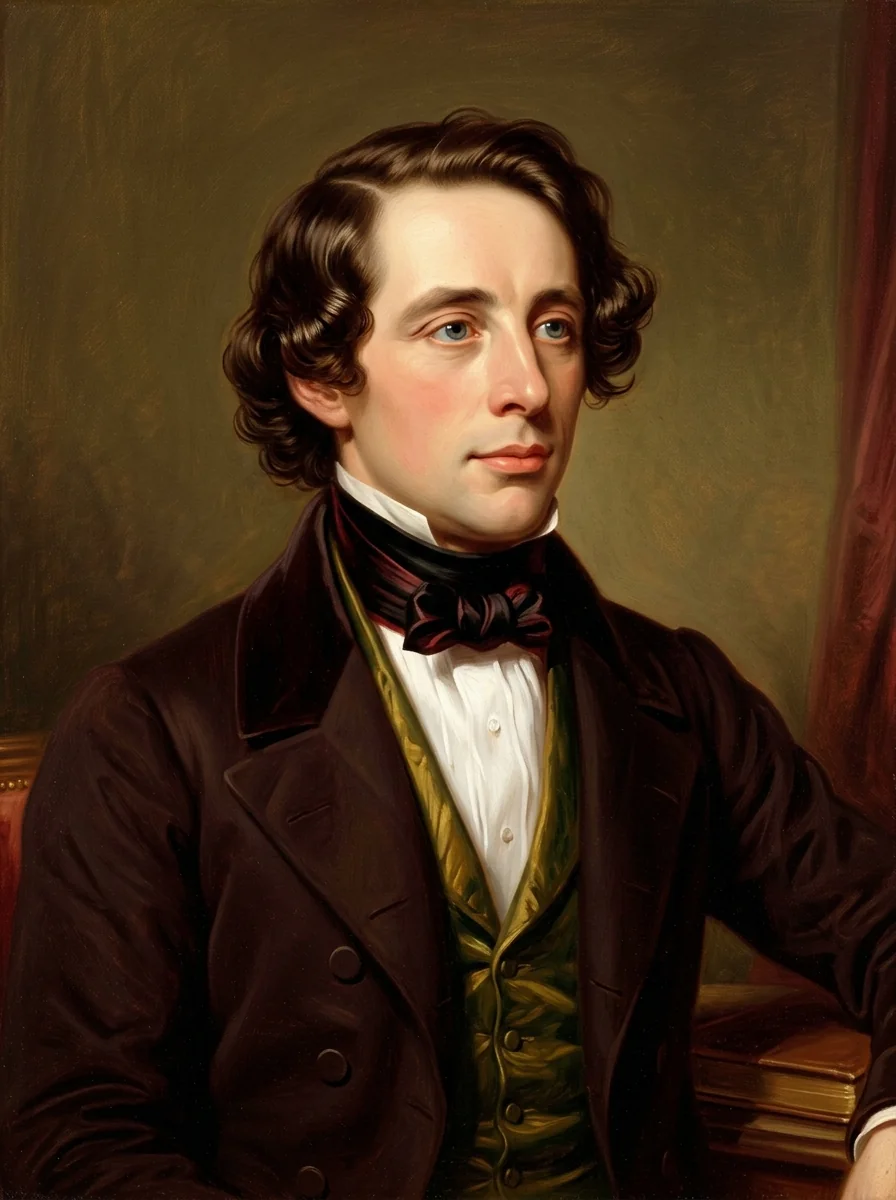
Charles Dickens left explicit written instructions for his own burial. His will asked for “an inexpensive, unostentatious, and strictly private” funeral, no public mourners, no scarves or hatbands, no monument or memorial beyond his name in plain English letters. He died at Gad’s Hill Place near Rochester on 9 June 1870, and his family expected him to go into the ground at Rochester Cathedral. The Times disagreed. On 13 January it had run a leader insisting that Westminster Abbey was the only fit resting place for a man so dear to England, and after his death the campaign resumed with force.
Dean Stanley approached John Forster, Dickens’s friend and biographer, and Dickens’s son. They accepted. The grave was dug at night by the Abbey’s Clerk of Works. At 9.30 in the morning on 14 June, three coaches arrived in Dean’s Yard with the coffin and twelve to fourteen mourners. No notice had been given. The service was read from the Book of Common Prayer in an almost empty Abbey while the rest of London went about its day. The grave was then left open for three days so that ordinary readers could file past and drop flowers in.
The Dickens scholar Leon Litvack, working through Forster’s and Stanley’s private papers, has called the whole arrangement “institutionally sanctioned body snatching.” Forster wanted Poets’ Corner as a fitting ending for his biography. Stanley wanted Dickens. Both got what they wanted.
George Grote
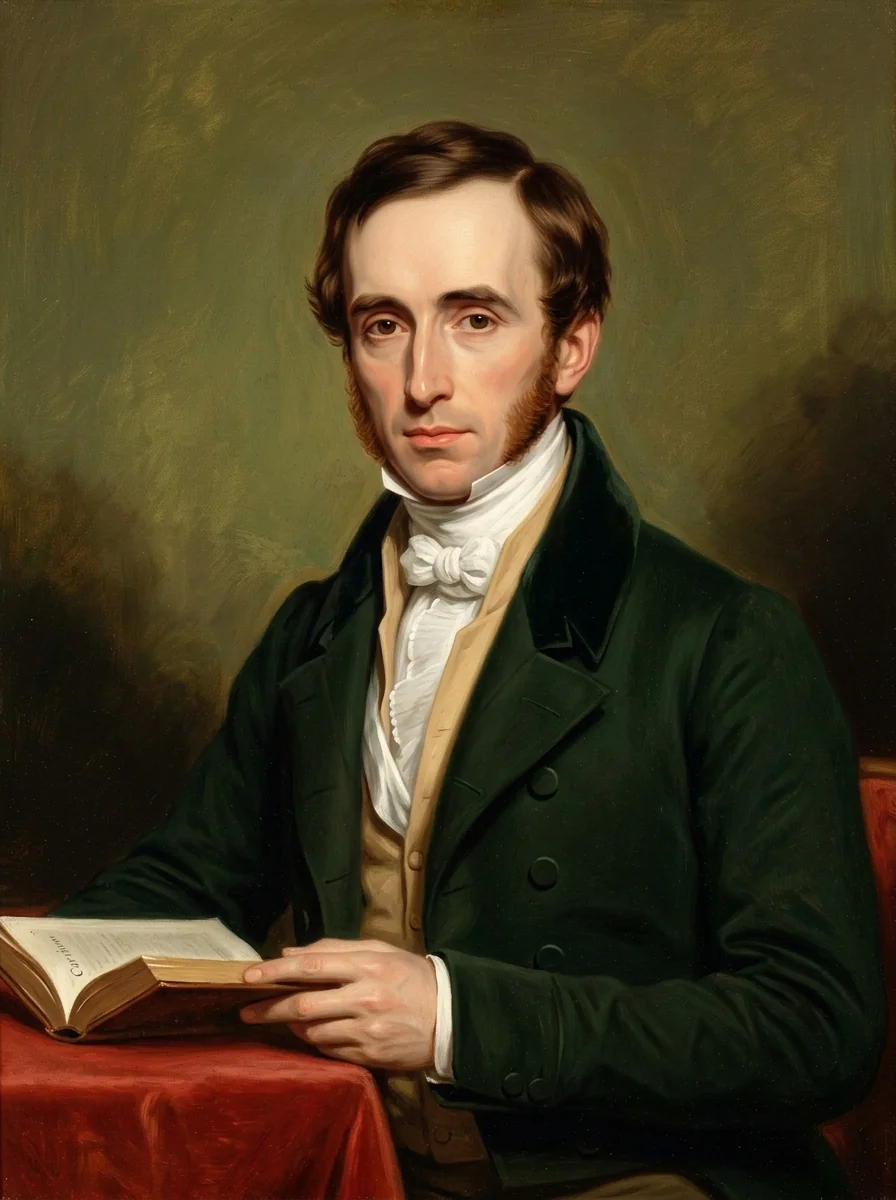
George Grote spent thirty years writing the twelve-volume History of Greece while running his family’s bank in Threadneedle Street. He had joined the firm of Grote, Prescott & Company at sixteen, became a partner, and used his evenings and Sundays to teach himself German, economics, and enough additional Greek to argue with the German scholars he was reading. The first two volumes appeared in 1846. The twelfth came out in 1856. By the time he finished he had given up the bank entirely and was widely regarded as the foremost English authority on the ancient world.
He was also a radical MP for the City of London from 1832 to 1841, an early advocate of the secret ballot, treasurer and then president of the new University College London, and from 1862 Vice-Chancellor of the University of London. Gladstone offered him a peerage in 1869. He refused it.
He was an atheist. His wife Harriet, his biographer, made no attempt to conceal this. When he died on 18 June 1871 a petition signed by eminent peers and men of letters asked the Dean of Westminster for burial in the Abbey, and Dean Stanley agreed at once. He recalled afterwards that “not a single question was raised as to his religious opinions.” Grote was buried in the south transept on 24 June. The Latin inscription on the stone reads “In aeterna memoria erit justus” – the righteous man shall be in everlasting remembrance.
Connop Thirlwall
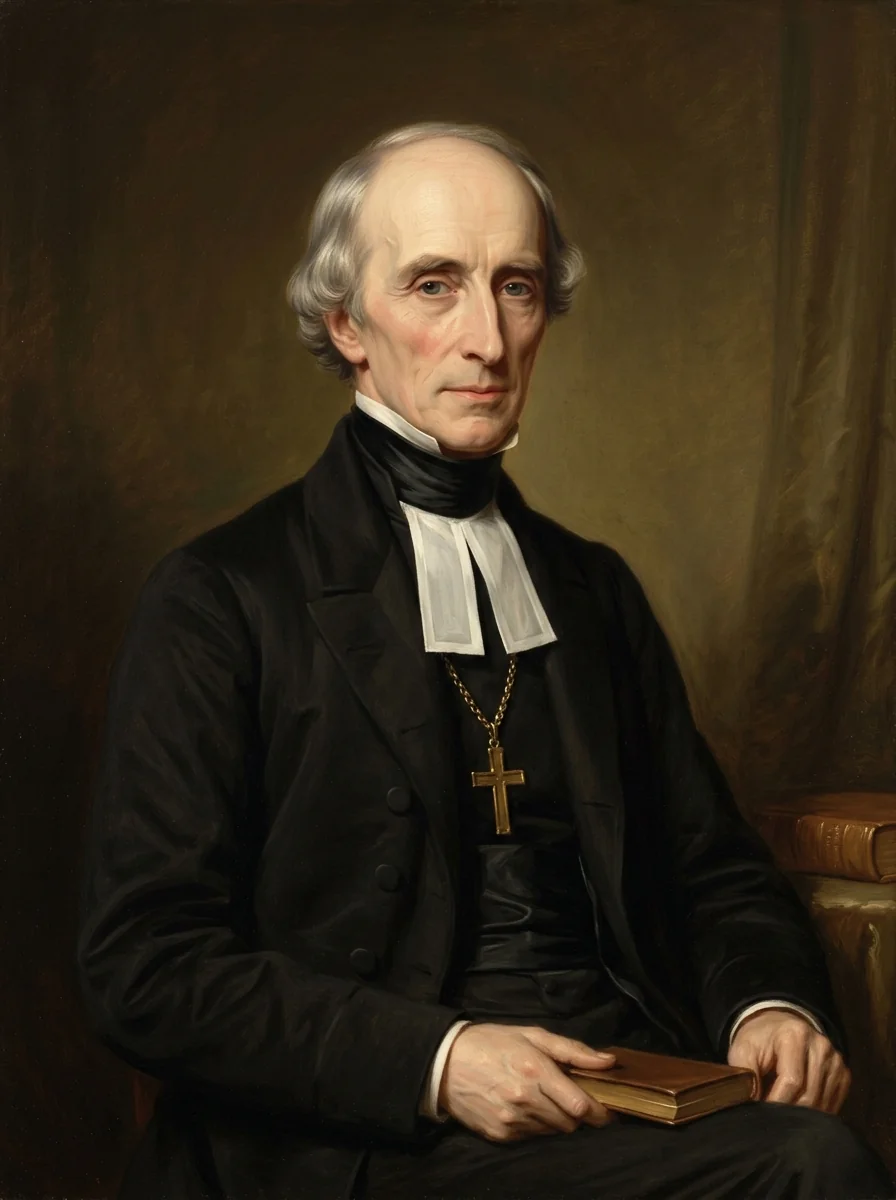
Connop Thirlwall and George Grote met at Charterhouse in 1809, when Thirlwall was twelve and Grote fifteen, and remained friends for the next sixty-two years. They were each writing a History of Greece in the same period; Thirlwall’s eight volumes appeared between 1835 and 1844, just ahead of Grote’s, and made the German scholarly approach available in English for the first time. He pioneered the concept of dramatic irony as a critical tool in Sophocles. John Stuart Mill said he was the best orator he had ever heard.
He was also Bishop of St David’s in Wales for thirty-four years. The appointment in 1840 was unexpected – he had previously been deprived of his Cambridge tutorship for proposing the admission of Dissenters – and his Welsh clergy never quite got used to him. He was the only bishop who voted for the disestablishment of the Irish Church in 1869. He went blind in his last years, suffered a stroke, resigned his see in May 1874, and retired to Bath.
He died there on 27 July 1875 and was buried in Westminster Abbey on 3 August, in the same grave as Grote. The inscription is in three languages – English, Latin and Welsh – reflecting his three working lives. The Welsh phrase, taken from the Beatitudes, translates as “His world was blest.” It was Dean Stanley, again, who preached the funeral sermon.
Robert Browning
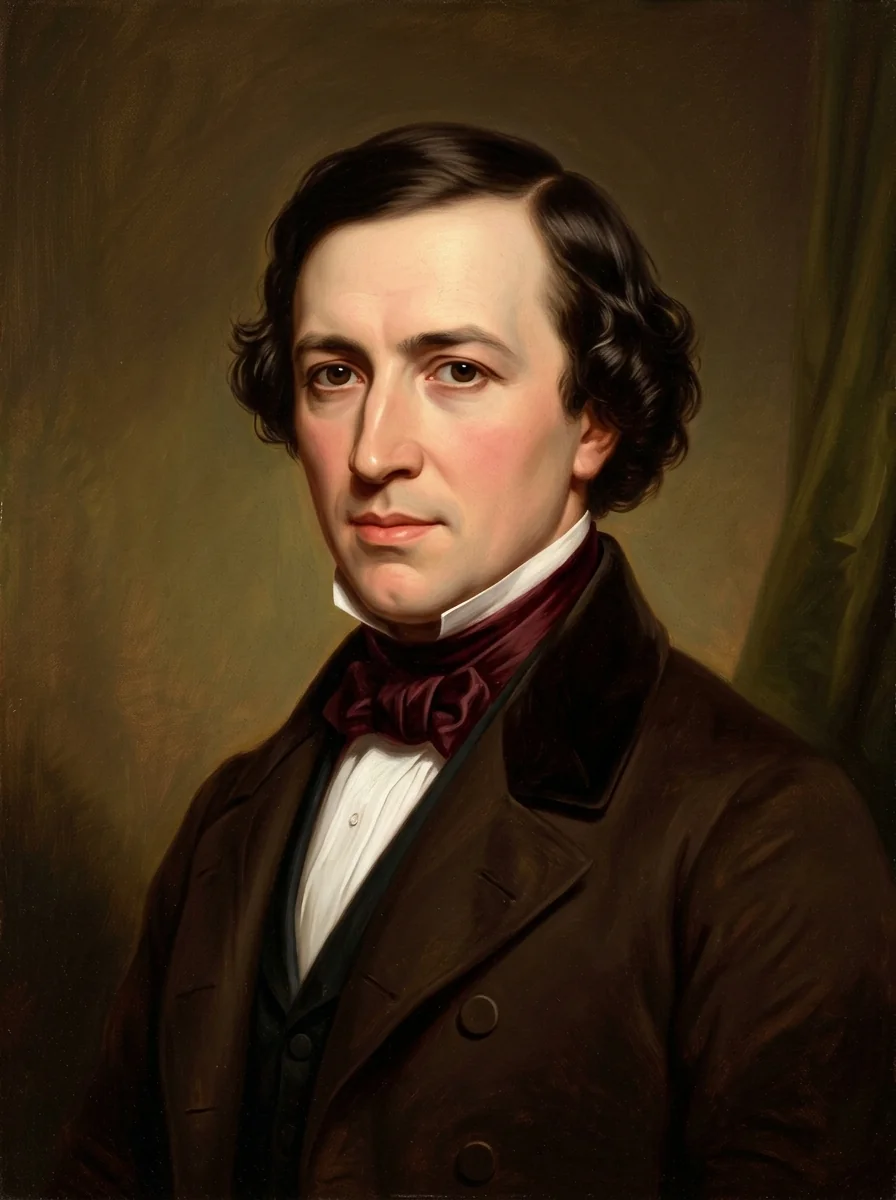
Robert Browning died at his son’s house on the Grand Canal in Venice on 12 December 1889. The plan had been to bury him beside Elizabeth Barrett Browning in the English Cemetery in Florence, but the cemetery had been closed to new burials for years and the family could not get it reopened. Dean Bradley of Westminster, a friend, offered Poets’ Corner instead. The British Vice Consul in Venice certified that the body was sealed in three cases – one of metal and two of wood – and on the evening of the funeral service in the Ca’ Rezzonico, eight Venetian firemen in blue uniforms and brass helmets carried the coffin down to a municipal barge and rowed it across the lagoon to the cemetery island of San Michele. Two days later his manservant escorted it to London by train.
The Westminster funeral was on 31 December 1889. Henry James, who watched, wrote afterwards that “a good many writers and a good many oddities have been entombed in the Abbey, but none of the odd ones have been so great and none of the great ones so odd.” Browning was buried beside Chaucer’s monument.
The family applied to have Elizabeth re-interred with him; the Dean agreed; the family then withdrew the application. The 1894 gravestone is red porphyry and yellow Sienese marble with emblems of a rose and a lily; in 1906 a second inscription was added at the foot: “His wife ELIZABETH BARRETT BROWNING is buried in Florence 1806-1861.”
Alfred, Lord Tennyson
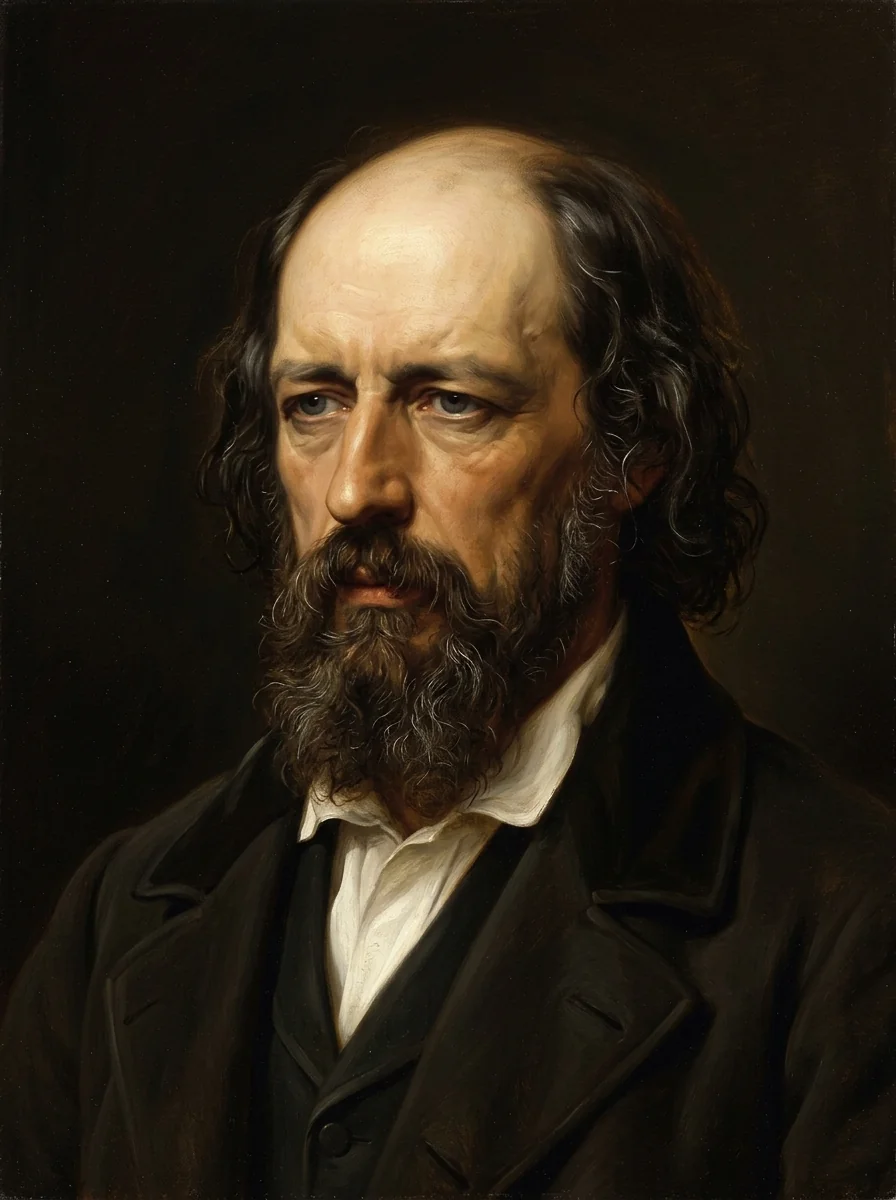
Alfred, Lord Tennyson was Poet Laureate for forty-two years, longer than anyone except Masefield. He had succeeded Wordsworth in 1850 and outlived four monarchs’ worth of political and literary fashion to die at Aldworth, his house in Surrey, on 6 October 1892, aged eighty-three. The coffin was brought to Westminster Abbey on 11 October and lay overnight in St Faith’s chapel, draped in purple and the Union flag. Queen Victoria sent a laurel wreath with a small inset lyre.
The funeral the next day filled every corner of the Abbey. The choir sang Frederick Bridge’s new setting of “Crossing the Bar” – the poem Tennyson had written at eighty in twenty minutes and asked to have placed at the end of all editions of his work – and his widow’s own setting of “The Silent Voices.” The Dead March from Saul played at the end. The pall, hand-embroidered in Keswick, was covered with trailing roses. Henry Irving stood close to it as the body was carried to the grave dug between John Dryden and Robert Browning, in front of Chaucer’s monument.
The press began debating his successor before he was buried. The Laureateship stayed vacant for three years while the periodicals argued over whether it should go to Swinburne, William Morris, Edmund Gosse or be abolished altogether. Lord Salisbury eventually gave it to Alfred Austin in 1896, an appointment most critics regarded as a kind of joke.
Sir Henry Irving
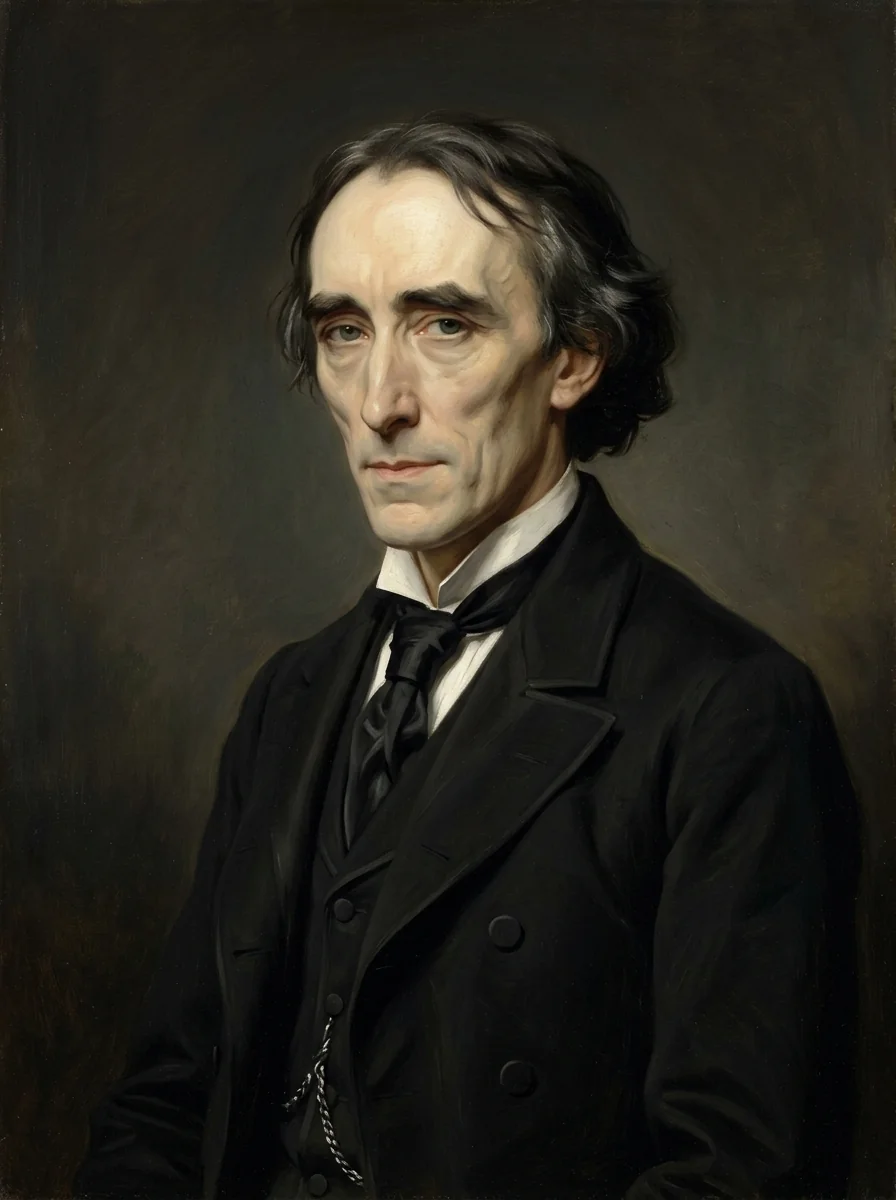
Henry Irving collapsed in the lobby of the Midland Hotel in Bradford on the evening of 13 October 1905. He had given his last performance an hour earlier as Becket in Tennyson’s play, and his last words on stage were “Into thy hands, O Lord, into thy hands.” The chair he died in is now in the Garrick Club. He was the first actor ever to be knighted – Queen Victoria had done it in 1895 – and his death, on tour at sixty-seven, produced a national mourning of an intensity that surprised the next generation of critics.
His funeral on 20 October 1905 was the first occasion on which cremated ashes were buried in Westminster Abbey. The casket was full-sized rather than a small urn, and the coffin was carried through London streets lined by an estimated forty thousand silent onlookers. Cab drivers tied black bows on their whips. The pillars of the Lyceum, where Irving had been actor-manager for twenty-four years, were hung with black crepe.
Inside the Abbey the congregation included Ellen Terry, his long-time leading lady and possibly more, and his former business manager Bram Stoker, who is widely thought to have based aspects of Count Dracula on him. The ashes were buried next to Garrick, in front of the Shakespeare memorial. Four thousand people were inside the building. For days afterwards crowds filed past to look at the floral tributes.
Thomas Hardy
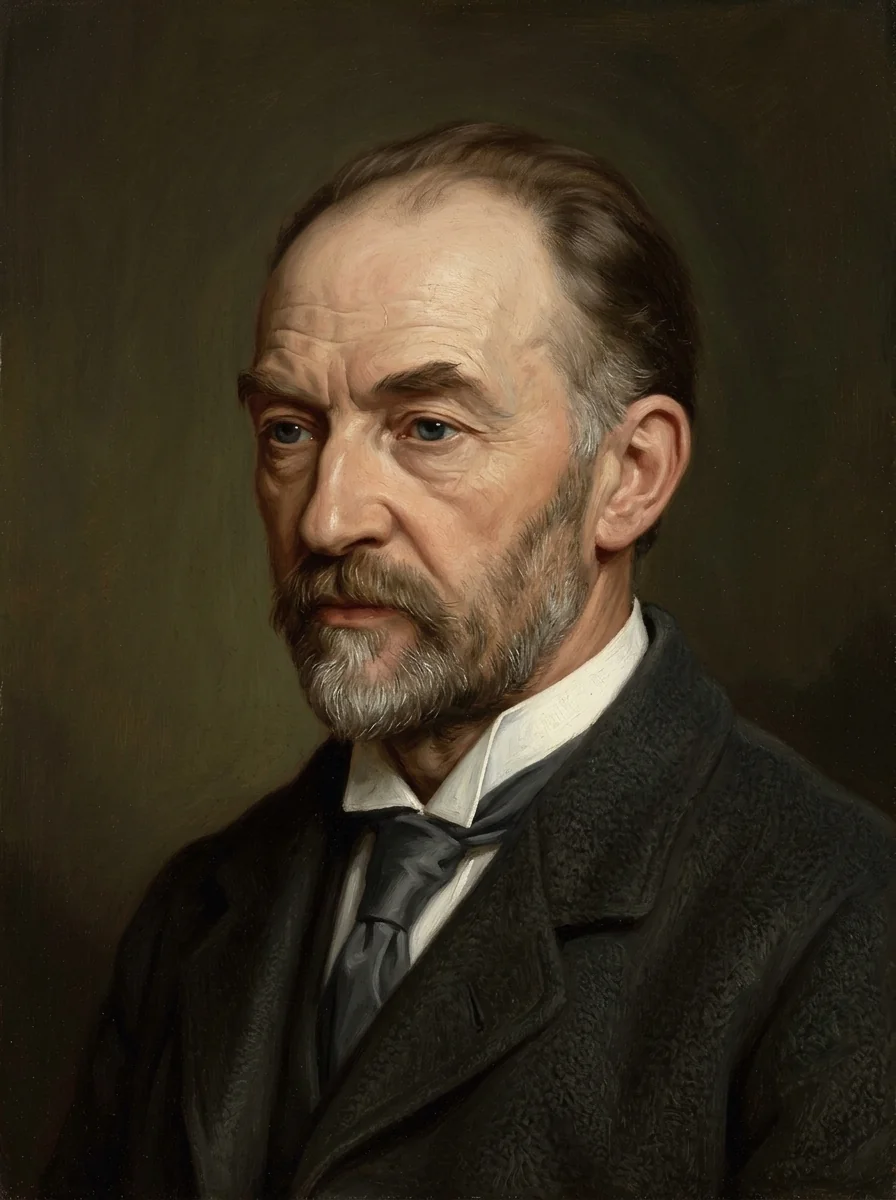
Thomas Hardy died at Max Gate, his house outside Dorchester, on 11 January 1928 at the age of eighty-seven. He had designed his own gravestone in the churchyard at Stinsford years earlier, leaving a space next to his first wife Emma for his own name to be added. Within hours of his death Sydney Cockerell, his executor, and J. M. Barrie installed themselves at Max Gate and informed his exhausted widow Florence that Hardy belonged to the nation and the nation wanted him in Poets’ Corner. She agreed to a compromise that the biographer Phillip Mallett has called as grotesque as anything in Hardy’s fiction. His heart would go to Stinsford. His ashes would go to the Abbey.
The two funerals took place simultaneously at two o’clock on 16 January. Hardy’s brother Henry attended at Stinsford and reported that “the good sun shone and the birds sang and everything was done simply, affectionately and well.” Hardy’s sister Kate went to London with Florence. The Abbey pallbearers were Stanley Baldwin, Ramsay MacDonald, Kipling, Shaw, A. E. Housman, Galsworthy, Edmund Gosse and Barrie himself. Kipling and Shaw, ill-matched in height and politics, were seen shaking hands. The casket contained ashes and a spadeful of Dorset soil.
The Stinsford stone is inscribed “Here lies the heart of Thomas Hardy” with a note explaining that the ashes are in Westminster Abbey. The Abbey stone gives only his name, the Order of Merit, and his dates.
Rudyard Kipling
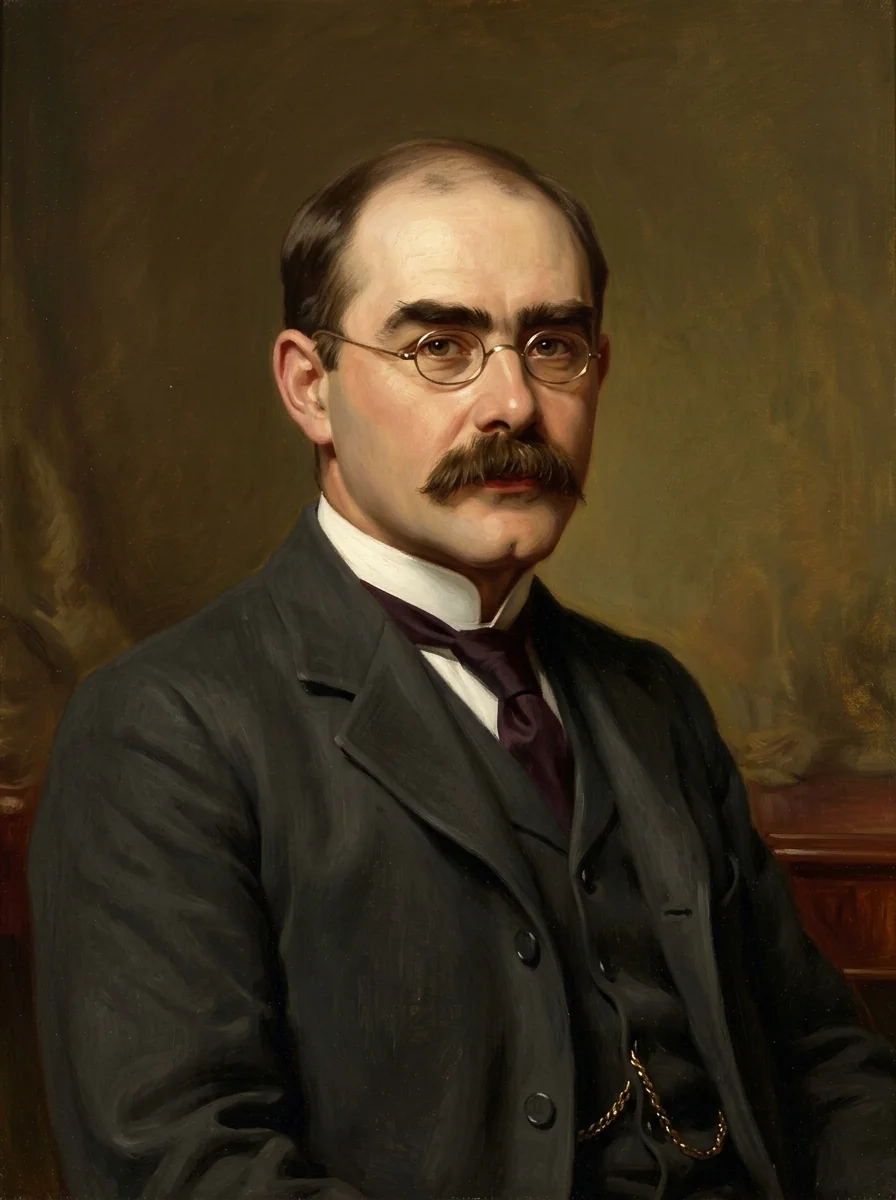
Rudyard Kipling won the Nobel Prize for Literature in 1907 at forty-one, the first English-language writer to receive it and still the youngest. He turned down the Poet Laureateship, turned down a knighthood, turned down the Order of Merit. He had written The Jungle Book, Kim, Just So Stories and the poem “If” – voted Britain’s favourite poem in a 1995 BBC survey – and lost his only son John at the battle of Loos in 1915, an event which haunted his late work and led to his service on the Imperial War Graves Commission, where he chose the inscription “Their Name Liveth For Evermore” for every Commonwealth war cemetery.
He died at Middlesex Hospital on 18 January 1936 from a perforated duodenal ulcer, aged seventy, two days before King George V. A magazine had previously announced his death by mistake. Kipling had written to it asking to be removed from the list of subscribers.
His ashes were buried in Poets’ Corner at noon on 23 January, next to Dickens and Hardy. The pallbearers included his cousin Stanley Baldwin, then Prime Minister, and the marble casket was covered with a Union flag. General Sir Ian Hamilton, who had commanded at Gallipoli, was there. The original gravestone had faded badly by the 1960s and was replaced in 1965 with a new one in Belgian marble, paid for by American admirers and laid in time for the centenary wreath that December.
Sir Gilbert Murray
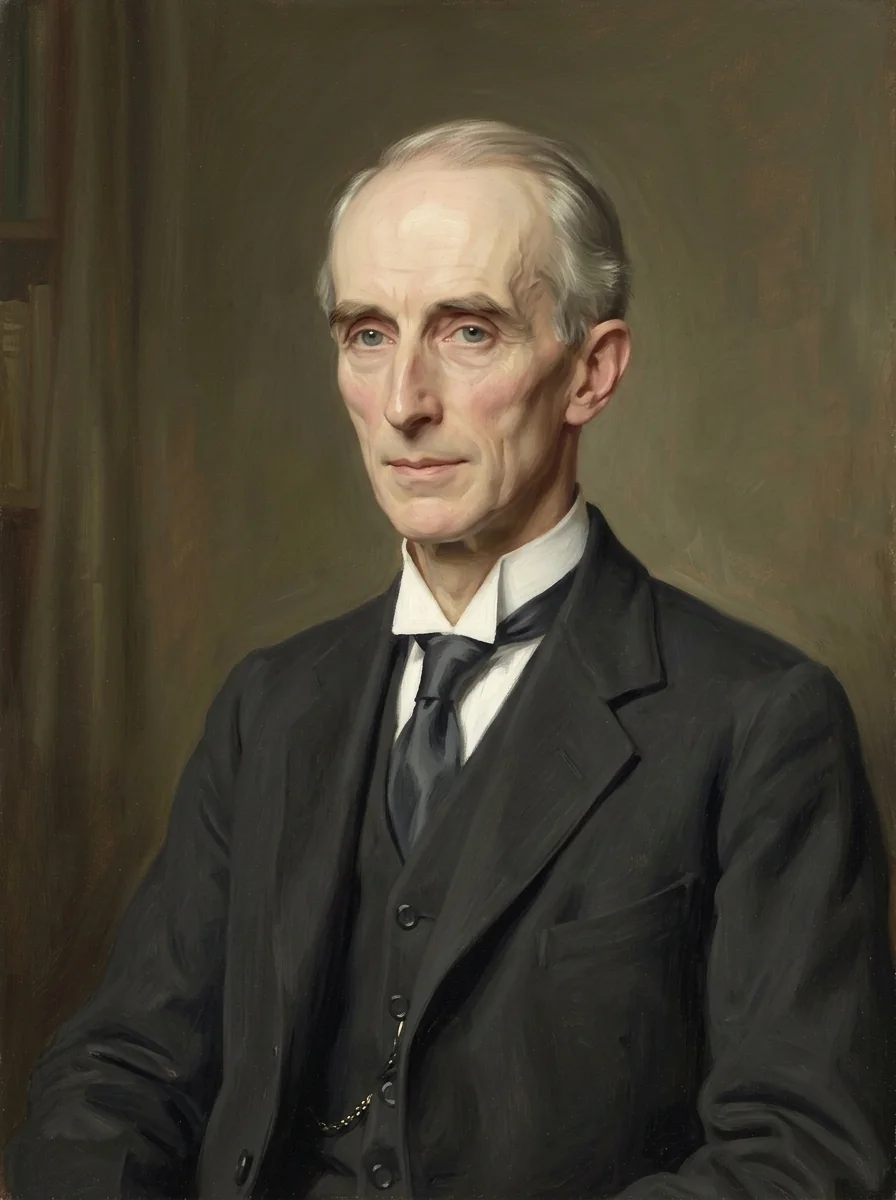
Gilbert Murray was born in Sydney in 1866, sent to England at eleven after his father’s death, and became Regius Professor of Greek at Oxford from 1908 to 1936. His verse translations of Euripides put Greek drama back on the London stage; Shaw made him the model for Adolphus Cusins in Major Barbara. He was the leading classical Hellenist of his generation, but his other working life consumed at least as much of his energy. He chaired the League of Nations Union from 1922 to 1938, watching the institution he had helped create fail to stop Mussolini, Japan and Hitler, and then chaired its successor the United Nations Association until 1949.
He was also a militant teetotal vegetarian, an early supporter of women’s suffrage, an organiser of relief for refugee scholars from Nazi Germany through the Society for the Protection of Science and Learning, and president of the Ethical Union in 1929-30. Bertrand Russell, who had served prison time as a conscientious objector partly through Murray’s failed efforts to keep him out, said Murray had done everything in his power to salvage civilisation.
He died at his Oxford home on 20 May 1957, aged ninety-one. His ashes were buried in Poets’ Corner on 5 July near Isaac Casaubon’s monument. The Latin inscription, by the Oxford Public Orator T. F. Higham, calls him an example of true humanity through whom the letters of the ancient Greeks lived again. The Manchester Guardian called him the greatest humanist of his generation.
John Masefield
John Masefield went to sea at thirteen on the windjammer Conway and sailed around Cape Horn at fifteen. He arrived in Chile so ill that he was classified a Distressed British Sailor and sent home. On his next voyage out, in 1895, he deserted ship in New York and spent two years working in a Greenpoint carpet factory and a Yonkers bar before scraping together the fare back to England. He was determined to be a writer instead. Salt-Water Ballads, his first collection, came out in 1902 and contained “Sea Fever” – the poem that begins “I must down to the seas again, to the lonely sea and the sky” and remains the most-anthologised English poem about the sea.
He succeeded Robert Bridges as Poet Laureate in 1930 and held the office for thirty-seven years, longer than anyone except Tennyson. He had been expected to be a transitional appointment – Kipling had refused, Yeats was Irish – and instead outlasted four monarchs. The Order of Merit followed in 1935.
He died at Burcot, near Abingdon, on 12 May 1967 of gangrene from a small foot injury, aged eighty-eight. His ashes were buried in Poets’ Corner on 20 June, in a grave adjoining Robert Browning’s. C. Day-Lewis read the lesson; Robert Graves gave the address. Among Masefield’s surviving papers was a note asking that his ashes be scattered anonymously. It was found too late.
Adam Fox
Adam Fox is in Poets’ Corner because his friends C. S. Lewis and J. R. R. Tolkien decided, one morning at breakfast in 1937, that he ought to be Oxford’s Professor of Poetry. The story Fox himself liked to tell was that Lewis told him at breakfast that the Shakespeare scholar E. K. Chambers had been nominated, and Fox replied that this was shocking, they might as well make him Professor of Poetry. Lewis said, well, we will. And they did. He held the chair from 1938 to 1943.
Fox was a founding Inkling, the literary group that met in C. S. Lewis’s rooms at Magdalen on Thursday evenings. He had been Dean of Divinity there from 1929. His own long poem Old King Coel, in four books, is forgotten; his short biography of Dean Inge is not; his book Plato for Pleasure is a small classic of donnish good cheer. In 1942 he was appointed a Canon of Westminster Abbey, where he served for twenty-one years as treasurer, archdeacon and from 1959 Sub-Dean.
He kept a freehold in the Abbey precincts after retirement in 1963 and died there on 17 January 1977, aged ninety-three. His ashes were buried in Poets’ Corner near George Grote. The marble stone, given by the Skinners’ Company of which he had been Master in 1947-48, is inscribed with his offices and the single word Laetatus sum – I was glad.
Laurence Olivier
Laurence Olivier was the last person buried in Poets’ Corner. He died at his house in West Sussex on 11 July 1989 of kidney failure, aged eighty-two, and the memorial service in the Abbey on 20 October became one of the strangest in its long history. Items symbolic of his life and work were carried in procession by Douglas Fairbanks Jr, Michael Caine, Peter O’Toole and others – the laurel wreath he had worn as Henry V, the model of the Chichester Festival Theatre he had founded, his Olivier medal. Alec Guinness gave the address. At one point a recording of Olivier himself reading the Crispin’s Day speech from Henry V was played in the south transept, the first time in the Abbey’s history that the voice of the deceased had been heard at their own memorial.
His ashes were not actually interred until 16 September 1991, at a private ceremony. The stone of Westmorland green slate, cut by Ieuan Rees, was unveiled on 23 September by John Gielgud, who had read at the memorial service and who was commemorated in the same transept thirty-one years later with a blue Purbeck marble stone of his own. Gielgud was cremated at Oxford and his ashes scattered at his home in Buckinghamshire, so the stone marks a memorial rather than a grave. The grave is in the south transept near Garrick and Henry Irving, in front of the Shakespeare memorial. He was the third in a Garrick-Irving-Olivier line of leading actors that ran from Drury Lane in 1779 to the National Theatre two centuries later.
No one has been buried in Poets’ Corner since. The Abbey itself has continued to take the occasional burial elsewhere - Stephen Hawking’s ashes went into the nave between Newton and Darwin in June 2018 - but the south transept has closed its ground.
Literary honors are not always welcomed - some laureates famously refused the Nobel itself.
Frequently Asked Questions
Is Shakespeare buried in Poets’ Corner?
No. Shakespeare lies at Holy Trinity Church in Stratford-upon-Avon, where he died in 1616. The Abbey has only a statue, designed by William Kent and carved by Peter Scheemakers, put up in January 1741 – one hundred and twenty-four years after the death, as the Latin inscription on it points out.
Are Jane Austen and the Bronte sisters buried in Poets’ Corner?
Neither. Austen lies in Winchester Cathedral, Charlotte and Emily Bronte at Haworth, Anne at Scarborough. All four have wall tablets and nothing more. Austen’s went up in December 1967; the Bronte tablet dates from October 1939 and spent eighty-five years missing the diaereses, which a stonemason finally added in 2024.
Who was the first person buried in Poets’ Corner?
Nicholas Litlyngton, Abbot of Westminster, in 1386. He was put in the chapel of St Blaise, a medieval room that occupied the southern end of what is now the south transept, fourteen years before any poet arrived. The stone marking his grave was not laid until 1873.
Who was the last person buried in Poets’ Corner?
Laurence Olivier. His ashes went into the ground on 16 September 1991 at a private ceremony, two years after he died. John Gielgud unveiled the Westmorland green slate stone a week later. Nobody has been interred there since, and every name added to that transept afterwards marks a memorial.
Why was Geoffrey Chaucer buried in Westminster Abbey?
Because of his day job, not his writing. Chaucer was Clerk of the King’s Works at the Palace of Westminster, and in December 1399 he took a fifty-three-year lease on a tenement in the Abbey’s Lady Chapel garden. Living on the precinct earned him a grave by St Benedict’s chapel.
Is Thomas Hardy buried in Poets’ Corner?
Only in part. Hardy’s ashes lie just north of Charles Dickens, but his heart was buried at Stinsford in Dorset under a stone reading ‘Here lies the heart of Thomas Hardy.’ His executors settled that compromise within days of his death in January 1928, overriding what he had asked for.
Who was the first actor buried in Poets’ Corner?
David Garrick, on 1 February 1779, in a brick grave directly in front of the Shakespeare statue, with nearly fifty coaches behind the hearse. Henry Irving joined him in 1905 – the first time the Abbey buried cremated ashes, and in a full-sized coffin rather than a small casket.
- Westminster Abbey official commemorations database at westminster-abbey.org
- Dictionary of National Biography (1885-1900) and Oxford Dictionary of National Biography
- Encyclopaedia Britannica entries for individual biographical confirmation
- Folger Shakespeare Library exhibition materials on David Garrick
- Royal Society biographical records for Robert Moray and Isaac Barrow
- Hardy Society, Browning Society, and Garrick Club archival materials
- Geni Poets’ Corner Westminster Abbey project documentation
- Wikipedia entries cross-referenced with Westminster Abbey records for verification of dates, locations, and burial details