Every President Who Never Had a Dog in the White House
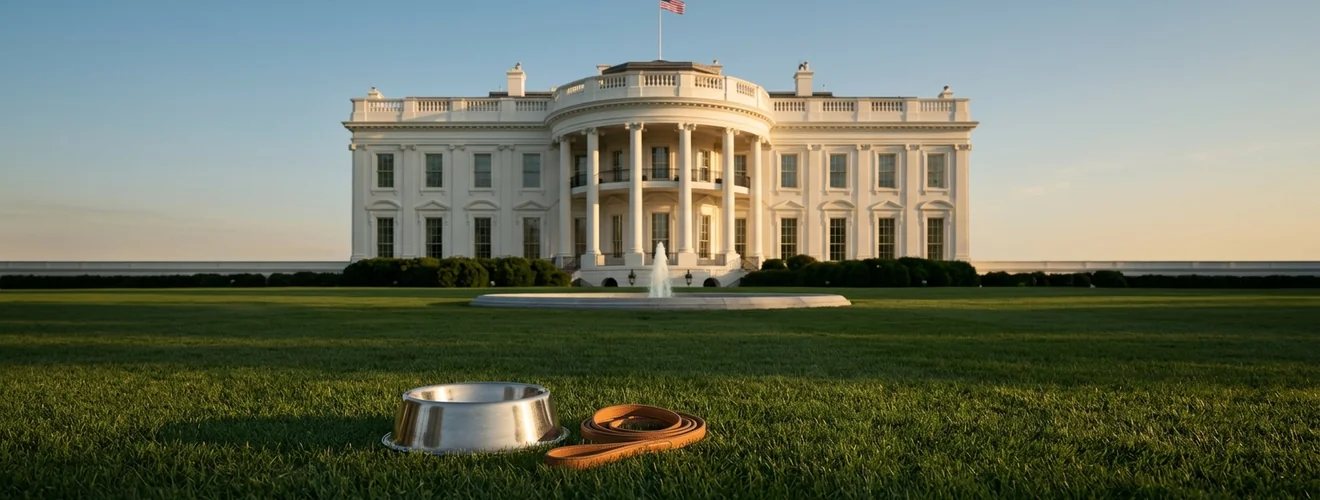
George Washington kept hounds with names like Sweetlips, Tipsy, Drunkard, and Vulcan, bred them with the patient obsession of a man building something permanent, and is credited by the American Kennel Club with helping develop the American Foxhound. He never spent a night in the White House. The residence was not ready until 1800, the year after he died and the year his successor moved in, which means the most devoted dog man among the founders missed the building entirely.
The fact everyone repeats is that only three presidents kept no pets at all: Polk, Andrew Johnson, and Trump. That is true, and it answers a smaller question than the interesting one. Dogs are their own category. Presidents filled the place with parrots, ponies, silkworms, a celebrity cow, and in one disputed case a pair of tiger cubs, and still kept no dog under the roof. Count those presidents and you do not get three presidents who never had a dog. You get five times that many.
This is every one of them, in order, from Madison to the present – each man who lived in the White House while no dog lived there with him. Some were cat people, some horse people, one a silkworm person. And the unbroken dynasty of presidential dogs that the history books like to invoke, the one that supposedly runs clear across the twentieth century, turns out on inspection to have a hole in it nobody mentions.
Fifteen presidents lived in the White House without a dog: Madison, John Quincy Adams, Jackson, Van Buren, William Henry Harrison, Polk, Taylor, Fillmore, Pierce, Andrew Johnson, Arthur, McKinley, Taft, Truman, and Trump. Thirteen of the fifteen served before World War I; the last two came decades after a presidential dog had become standard equipment.
James Madison
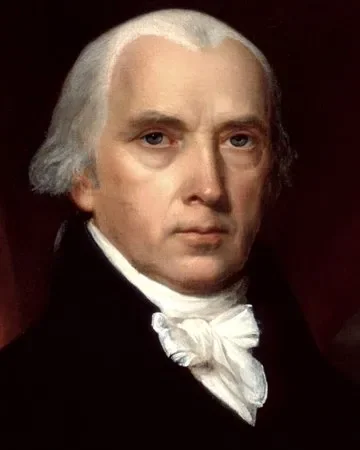
On August 24, 1814, with British troops a few hours’ march from the city, the household fleeing the White House carried out the things that could not be replaced. Gilbert Stuart’s full-length portrait of Washington was cut from its frame and hauled to a Maryland farmhouse. The French steward, John Sioussat, grabbed something else on his way out: Polly, Dolley Madison’s macaw.
Polly was a gift from a South American diplomat, a scarlet bird of considerable temper who ranged freely through the President’s House and had learned French phrases from Sioussat himself. She was not friendly. She once bit Madison’s finger to the bone, which he waved off as only pretty Polly’s way. Guests were frightened of her beak. The country was, briefly, fascinated by her, because an exotic pet signaled wealth and reach, and a talking macaw was about as exotic as Washington society got in 1813.
The Madisons kept sheep on the lawn and, by every surviving account, no dog. What they had instead was a parrot important enough that a member of the household risked the British torches to carry her out beside the portrait of the first president. Polly outlived them both. She died years later at Montpelier, very old, on an evening when no one remembered to bring her in from her perch and a night hawk found her there.
John Quincy Adams
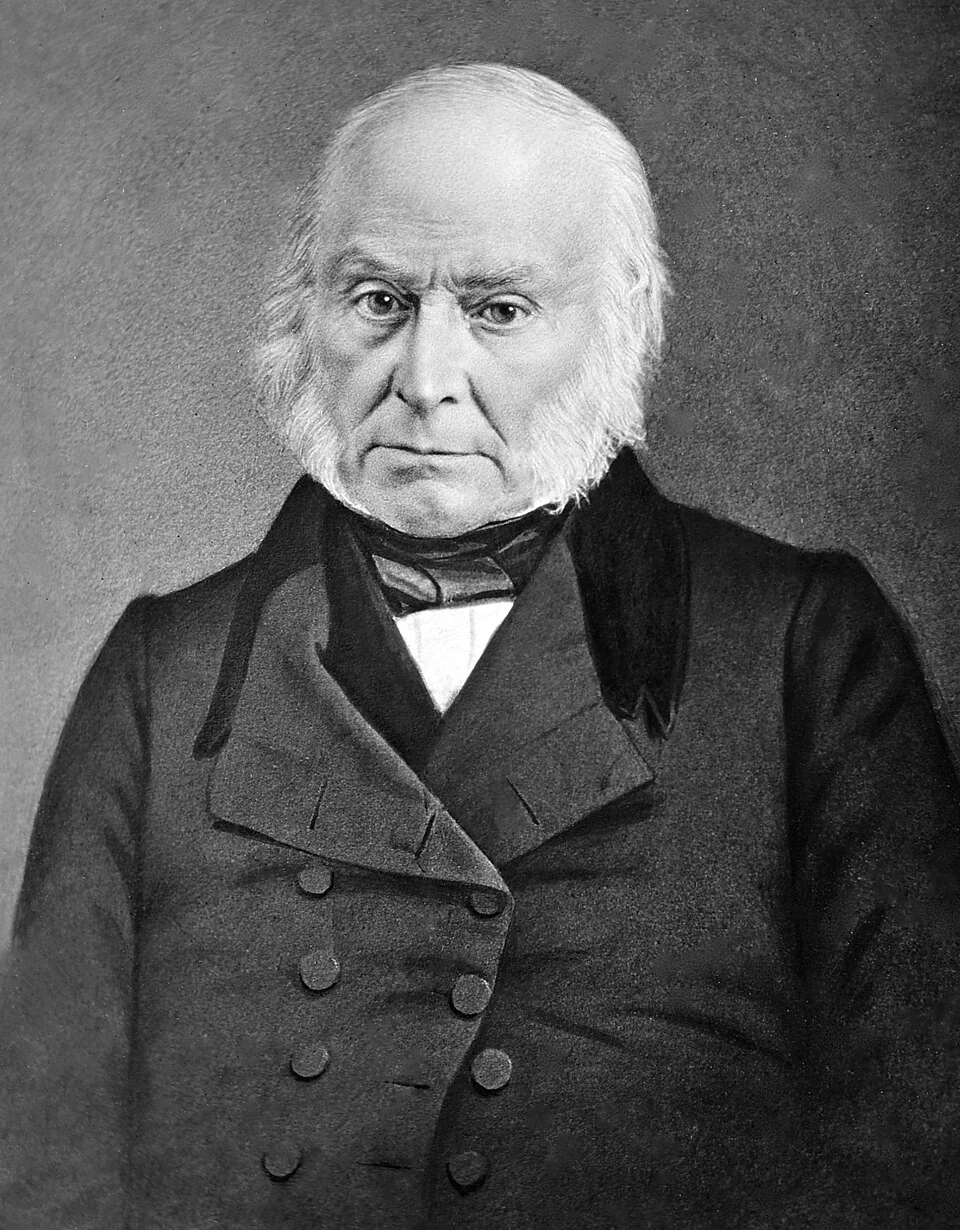
Louisa Adams raised silkworms. She kept them in the mulberry trees on the White House grounds, harvested the silk by hand, and spun it herself, and her husband took enough interest to track their progress and count the eggs they laid. Louisa was the only foreign-born first lady until Melania Trump – she came from London – and the worms seem to have been a comfort during a tenure she found lonely and a marriage she found cold.
That is the documented pet of the John Quincy Adams administration. The famous one is a fraud. Nearly every list of presidential pets reports that Adams kept an alligator in the unfinished East Room, a gift from the Marquis de Lafayette, and loved springing it on terrified guests. It is a wonderful story. It is also, on inspection, almost certainly invented. The White House Historical Association files it under satisfying but dubious legend. The tale does not appear in print until an 1888 book, decades after Adams left office, and Lafayette’s own traveling secretary, who chronicled the 1824 visit in exhaustive two-volume detail, never once mentions handing anybody an alligator.
So the sixth president kept no dog, no alligator, and a colony of worms tended by his wife in the trees outside. The reptile everyone remembers is a myth that grew in the retelling. The silkworms nobody remembers were real, and they were spun into thread.
Andrew Jackson
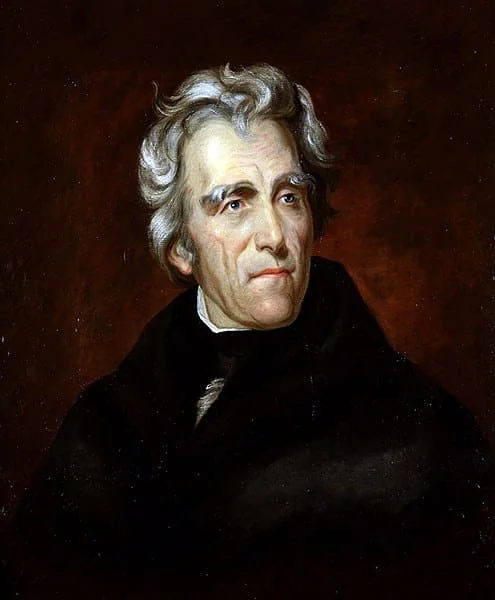
Poll was a grey parrot, and she belonged first to Rachel Jackson. Andrew Jackson bought the bird for his wife around 1827, the year before Rachel died on the eve of his first inauguration, and after her death he kept the parrot the way grieving people keep things. He wrote letters fretting over its health. A nephew minding the bird back in Tennessee reported that she was fat and saucy.
Poll is famous now for something that probably did not happen. The story goes that at Jackson’s 1845 funeral the parrot grew so agitated by the crowd that she began swearing – loudly, persistently, until she had to be carried bodily from the house. It gets repeated everywhere, including by the museum that now runs his estate. It also rests entirely on a single account, set down around 1920 by a man recalling at ninety what he claimed to have witnessed at fifteen. Make of it what you will.
What is not in question is the parrot itself, and the racehorses and gamecocks the president favored over anything that might fetch a stick. Jackson was a stable man, not a kennel man. And the animal he was most attached to was never really his to begin with. It was the last living thing his wife had loved, and he spent his remaining years keeping it alive on her behalf.
Martin Van Buren
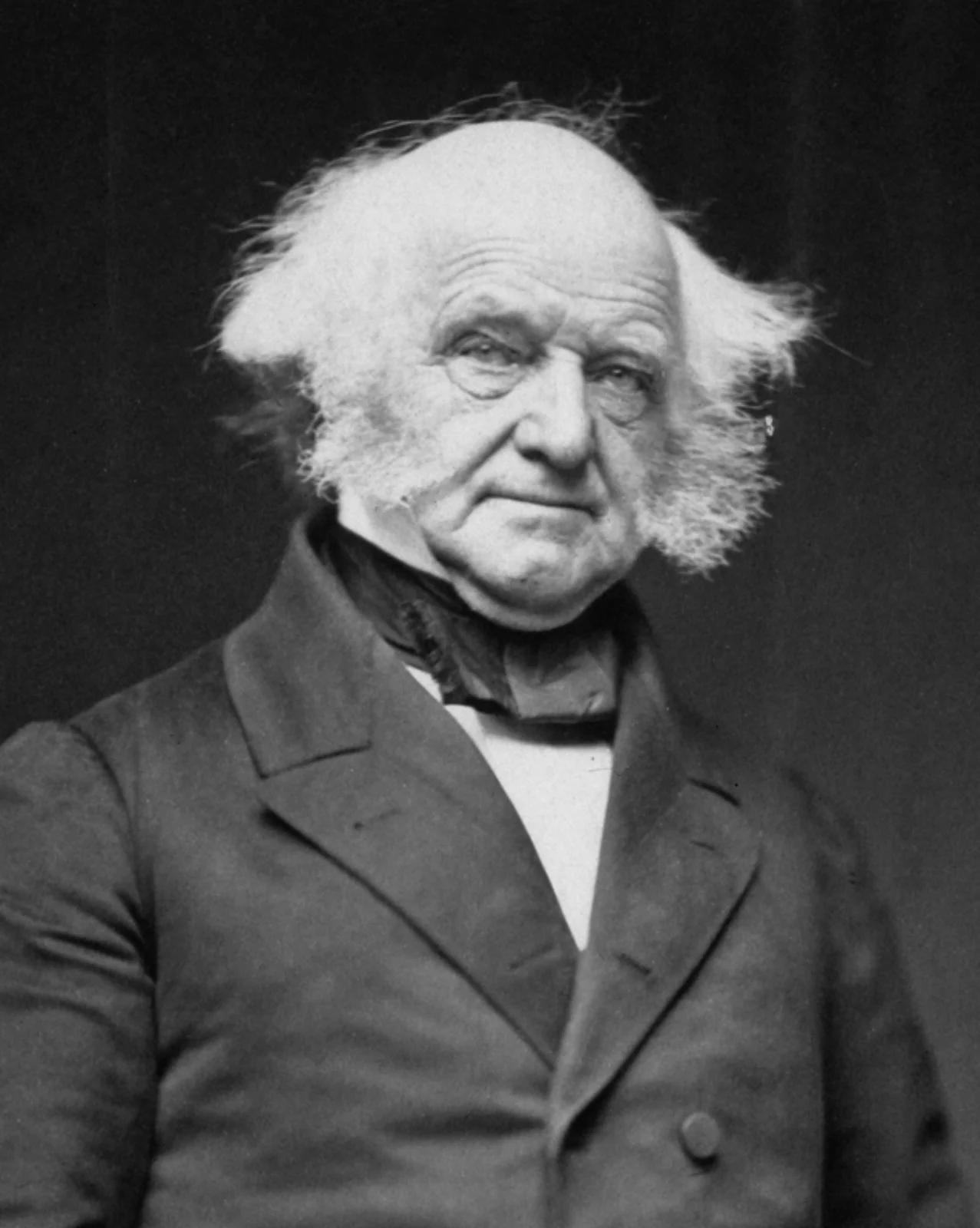
The most famous animals of Martin Van Buren’s presidency may never have existed. The story, repeated by sources as sober as the National Park Service, is that the Sultan of Muscat and Oman sent the president a ship loaded with pearls, Arabian horses, a golden sword, and two tiger cubs, and that Van Buren, delighted, meant to keep the cubs at the White House until Congress stopped him.
Congress, in the telling, made a constitutional argument. A foreign gift to a president belongs to the nation rather than the man – this is the Emoluments Clause – so the tigers were public property and went to a zoo. Van Buren, a lawyer to his bones, countered that the animals had been addressed to the President, which he now was. He lost the argument.
It is a tidy episode with a genuine constitutional principle at its center, which is part of why it has survived. The trouble is the tigers. Historians who go looking find a documented 1839 gift from the Sultan that included horses and pearls, and a separate account involving lions, and conclude the cubs were stitched together later from the two. What Van Buren actually kept were stable horses he liked to ride. The big cats that anchor him in every pet listicle are, in all likelihood, an animal that wandered in from a different story and never left.
William Henry Harrison
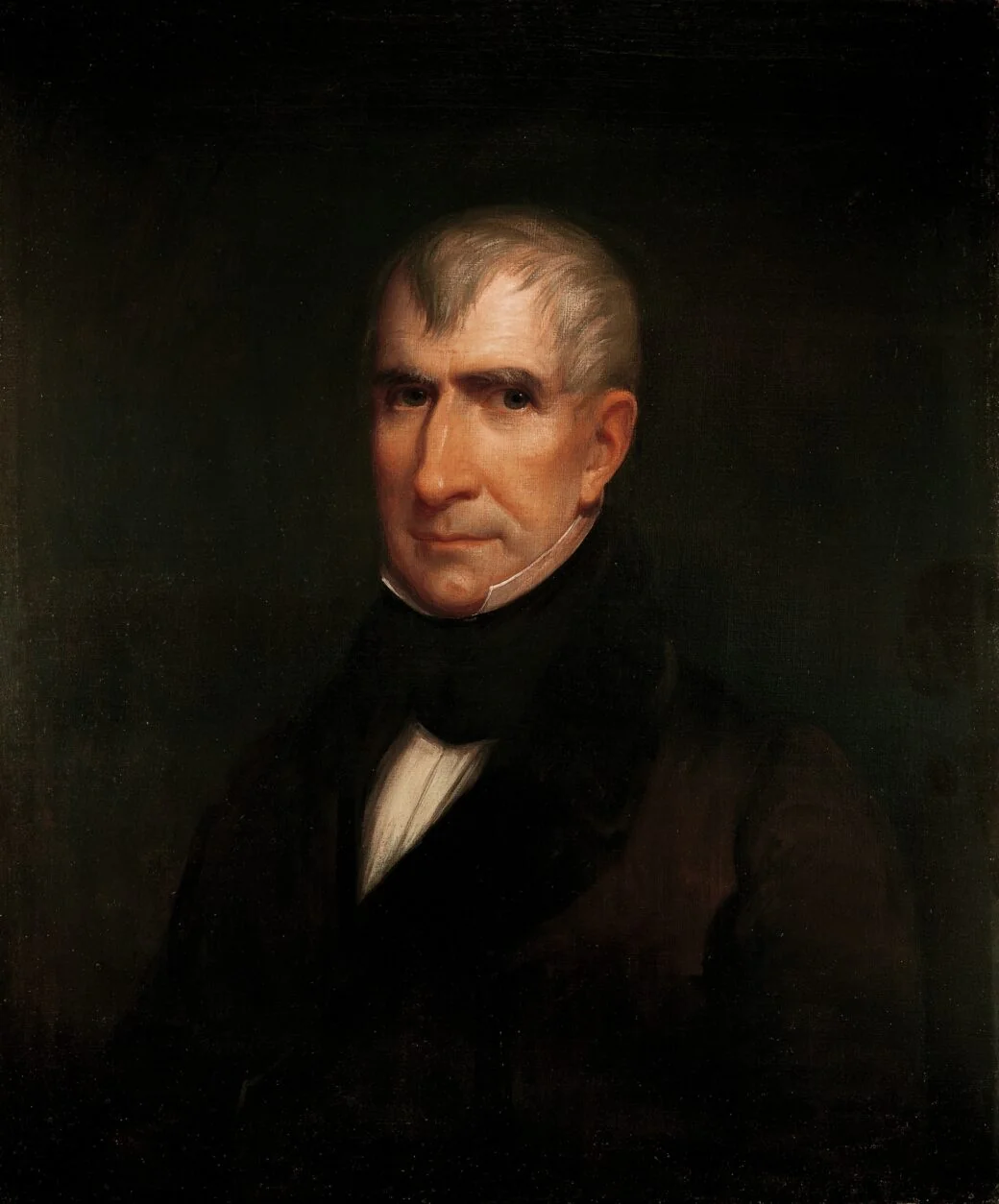
Thirty-two days is not enough time to get a dog settled. William Henry Harrison had precisely that long. Inaugurated on a raw March morning in 1841, he delivered the longest inaugural address in American history – 8,445 words, close to two hours, no overcoat and no hat – then went to bed with a cold that became the pneumonia that killed him on April 4. He was the first president to die in office, and his term is still the shortest on record.
The animals he brought to Washington were those of a man who expected to stay: a cow, called Sukey in most accounts, and a goat, the practical livestock of a household that still wanted its own milk. There is no dog anywhere in the record. There was barely time for the cow.
He hardly had a chance to acquire anything, let alone a spaniel, and it is tempting to wave the whole question away. But he lived in the White House, and no dog lived there with him, and that is the whole of it. The man who gave the longest inaugural address in the nation’s history produced its shortest presidency. The office seems to manufacture that particular kind of irony on a schedule.
James K. Polk
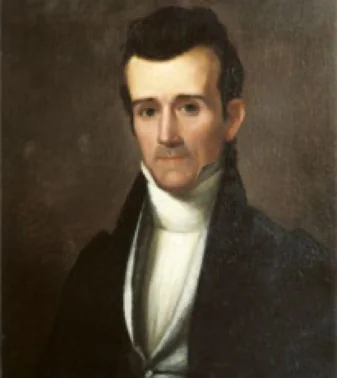
No president expanded the country more in a single term than James K. Polk, and none, it seems fair to say, enjoyed it less. He settled the Oregon boundary with Britain, won a war with Mexico that delivered California and the future Southwest, and added well over a million square miles to the map – all while refusing, on principle, to take any pleasure in the job.
Leisure, Polk believed, was incompatible with the presidency. No president who performs his duties conscientiously, he said, can have any leisure. He acted on the idea with alarming literalness. He would not delegate, and he was the first president to sit through the whole sweltering Washington summer rather than escape the heat, keeping a diary that reads like a man auditing his every hour for waste.
A dog would have wanted a walk, and Polk did not take walks. There is simply no animal on the record of his administration, which makes his the original petless presidency, decades before anyone thought to find it odd. He left office in March 1849 with his health wrecked and was dead of cholera in Nashville by June, the shortest retirement of any president. He had, at last, run out of things to do.
Zachary Taylor
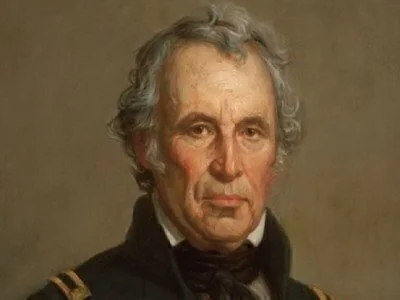
Old Whitey went bald one tail hair at a time. Zachary Taylor’s war horse – the pale mount he had ridden through the Mexican-American War, sitting calmly in the saddle while shot passed his head – spent Taylor’s brief presidency grazing on the White House lawn, and in the years before fences and the Secret Service, visitors treated him as a relic. They reached in and plucked hairs from his tail for souvenirs, steadily, until the tail was picked clean.
Taylor was Old Rough and Ready, a career soldier with no prior interest in politics and, as it turned out, sixteen months to live. He kept a former circus pony named Apollo as well, but Whitey was the celebrity, prancing at the sound of parade music as though cannon were about to follow. The horse was the nearest thing the administration had to a pet, and the president would come down to the stable to fuss over him.
There was no dog. When Taylor died suddenly in July 1850, after a July 4 ceremony and a fateful bowl of cherries with cold milk, Old Whitey was given the last word. He walked riderless behind the coffin, bearing the general’s saddle, the boots reversed in the stirrups in the old cavalry sign for a commander who would not ride again. The bald-tailed horse outlived the president and went home to the family farm.
Millard Fillmore
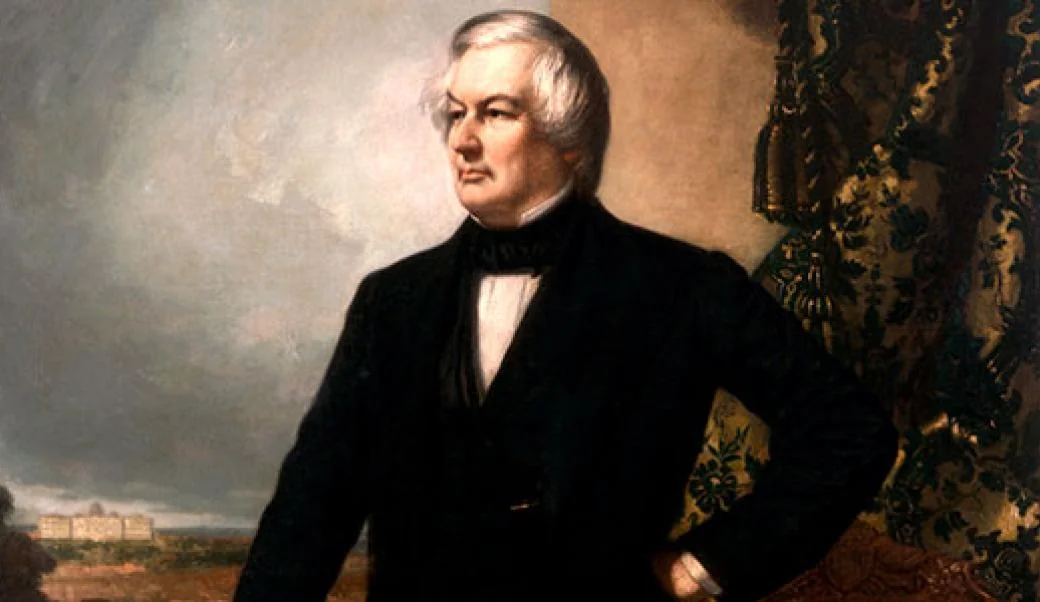
Mason and Dixon were ponies. Millard Fillmore, who had a dry humor that little else about him suggests, named his White House ponies after the two English surveyors who drew the line dividing North from South – a small joke from a president who spent his term trying to keep that line from tearing the country in half. The ponies are nearly all the record offers in the way of animals between 1850 and 1853. There was no dog.
Which is the quiet irony of Fillmore, because of every man on this list he is the one who cared most, and most demonstrably, about animals. After leaving office he helped found the Buffalo branch of the American Society for the Prevention of Cruelty to Animals, established in his city in 1867. He led its early meetings, pushed local ordinances against cruelty, and backed New York’s first animal-protection law in 1870. He traced the conviction to a boyhood moment his father refused to let him forget: a mother bird he had killed thoughtlessly, and her young left to starve in the nest.
So the most committed animal advocate to occupy the nineteenth-century White House kept, while he lived there, two wittily named ponies and not a single dog. He found the dogs later, in a manner of speaking – thousands of them, the strays and the worked-to-death cart horses his society was built to defend.
Franklin Pierce
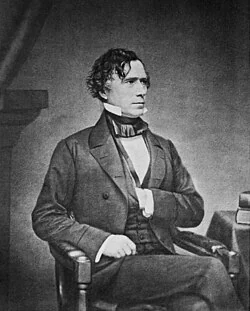
No one can say for certain whether a dog ever lived in Franklin Pierce’s White House, and the uncertainty is exactly why he belongs here. The popular story is tidy enough. Commodore Matthew Perry, having pried Japan open to American trade in 1854, sailed home with gifts for the president, among them several teacup-sized Japanese Chin – sleeve dogs, small enough to ride inside a kimono sleeve. Pierce, the telling goes, kept one and handed another to his secretary of war, Jefferson Davis, whose wife later described a strange little creature with a beak-like face that Davis carried around in his pocket.
The people who study the breed tell a different story. Working from ships’ logs and presidential papers, the Japanese Chin’s own historians hold that three pairs were sent, one each for Perry, Pierce, and Queen Victoria, and that only Perry’s pair survived the crossing. By that account the dogs meant for Pierce never reached him.
So the record splits in two and will not be reconciled. Either a Japanese lapdog padded through the Pierce White House or it died somewhere in the Pacific, and the sources you would normally trust point in opposite directions. This was not, in fairness, a household watching the door. Pierce had buried his eleven-year-old son weeks before the inauguration, and his wife spent much of the term upstairs in mourning. A dog could have come and gone unrecorded, and one very possibly did.
Andrew Johnson
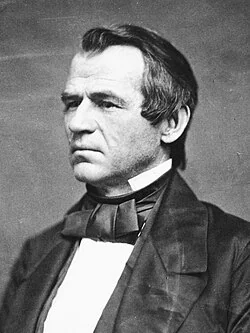
The first president to be impeached spent the worst of it leaving flour and water on his bedroom floor for a family of mice. Andrew Johnson had found them during the long ordeal of 1868, when the Senate came within a single vote of removing him, and they offered the kind of uncomplicated company Washington otherwise was not. He owned a flour mill back in Tennessee, so the menu was easy. He called them the little fellows and reported, with some pride, that he had won their confidence.
He had not won much else. Johnson grew up so poor he never spent a day in school and was apprenticed to a tailor; his wife Eliza taught him to read. By 1868 his own party had abandoned him, and he passed the impeachment holed up in the mansion while the trial ground on, with the mice as the bright spot. His daughter Martha, running the household because his wife was ill and reclusive, was meanwhile trying to exterminate them.
So the only creatures Johnson is recorded keeping company with in the White House were rodents he had not chosen and did not, strictly speaking, own. There was no dog, and by every account nothing else with a pulse that he had sought out – only the little fellows in the wall, fed on mill flour, waiting out the verdict beside him.
Chester A. Arthur
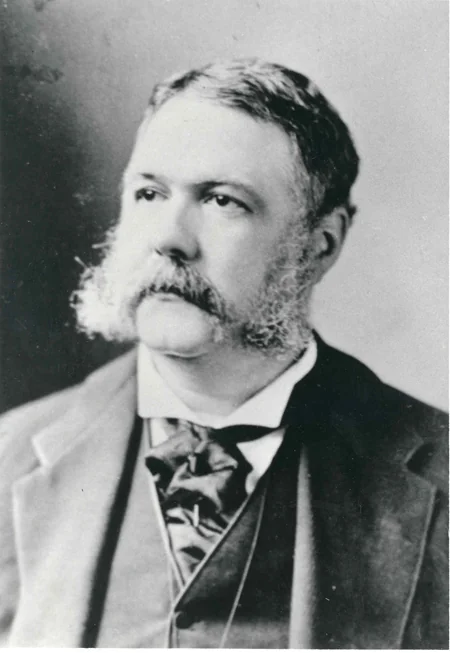
Twenty-four wagonloads of furniture and thirty barrels of china were carted out of the White House and sold at auction before Chester Arthur would agree to sleep there. He had inherited the office in 1881, when an assassin’s bullet and a season of bungling doctors finished off James Garfield, and he found the mansion shabby beyond enduring. So he gutted it. He brought in Louis Comfort Tiffany to redo the state rooms in stained glass and aesthetic wallpaper, and only once the place met his standards did he move in.
Arthur was the great dandy of the presidency. They called him Elegant Arthur and the Dude President; he reportedly owned eighty pairs of trousers and wore the largest side whiskers any president has dared. A widower who entertained on a lavish scale, he treated the White House as a setting for himself, and his animals were chosen on the same principle. He kept a pair of carriage horses so perfectly matched, so handsomely turned out in their custom harness, that crowds gathered to watch them pull him around Washington.
What he did not keep was a dog. A dog sheds on the upholstery and chews the Tiffany trim and has no regard whatever for a man’s eighty pairs of trousers. Arthur’s horses were accessories, color-matched to the carriage and the coachman. A dog would have been a guest with opinions, and Elegant Arthur was not running that kind of house.
William McKinley
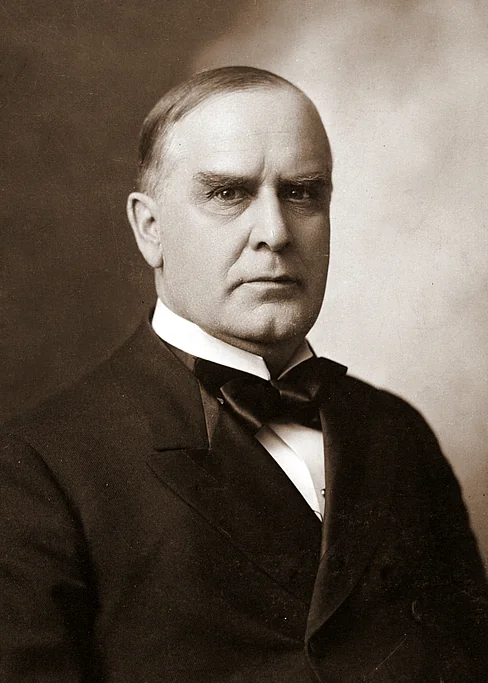
A double yellow-headed Amazon parrot named Washington Post lived in the McKinley White House and could whistle, after a fashion. The president would start the opening bars of Yankee Doodle, or Dixie, or his own favorite, a tune called Louisiana Lou, and the bird would carry the rest. By most accounts Washington Post kept his perch near the executive offices and worked, in effect, as a greeter, which is the closest thing to a job any McKinley pet held. The surviving anecdotes about him have been smoothed over considerably in the retelling, and even the famous name is shaky in the contemporary record, but a whistling parrot of some kind was certainly there.
What was not there was a dog, and that is what makes McKinley the hinge of this entire list. He was the last president to keep no dog for the next hundred and sixteen years – until Donald Trump.
He could not have known he was ending anything, because the thing he ended had not started. The man who followed him was Theodore Roosevelt, whose White House overflowed with dogs, a badger, snakes, and a bear, and from Roosevelt forward a presidential dog became all but compulsory. McKinley sits right on the seam: the last of the old dogless century, one administration ahead of the dog dynasty that would run, unbroken save for two men, clear to the present day.
William Howard Taft
At roughly 1,500 pounds, Pauline Wayne was the largest celebrity in Washington and easily the most famous resident of William Howard Taft’s White House who was not the president. She was a Holstein-Friesian, a gift from a Wisconsin senator, and she grazed the lawn beside the State, War, and Navy Building in full view of the city. The newspapers covered her like a star. The Washington Post alone ran something close to twenty stories about a cow.
She nearly came to a grim end. In 1911, sent by rail to a dairy exposition in Milwaukee, Pauline’s private car was mistakenly coupled to a string of cattle cars bound for the Chicago stockyards, and for a frightening stretch the most pampered cow in America was a few switches from becoming somebody’s dinner. The White House put out an alert. She was found and rerouted.
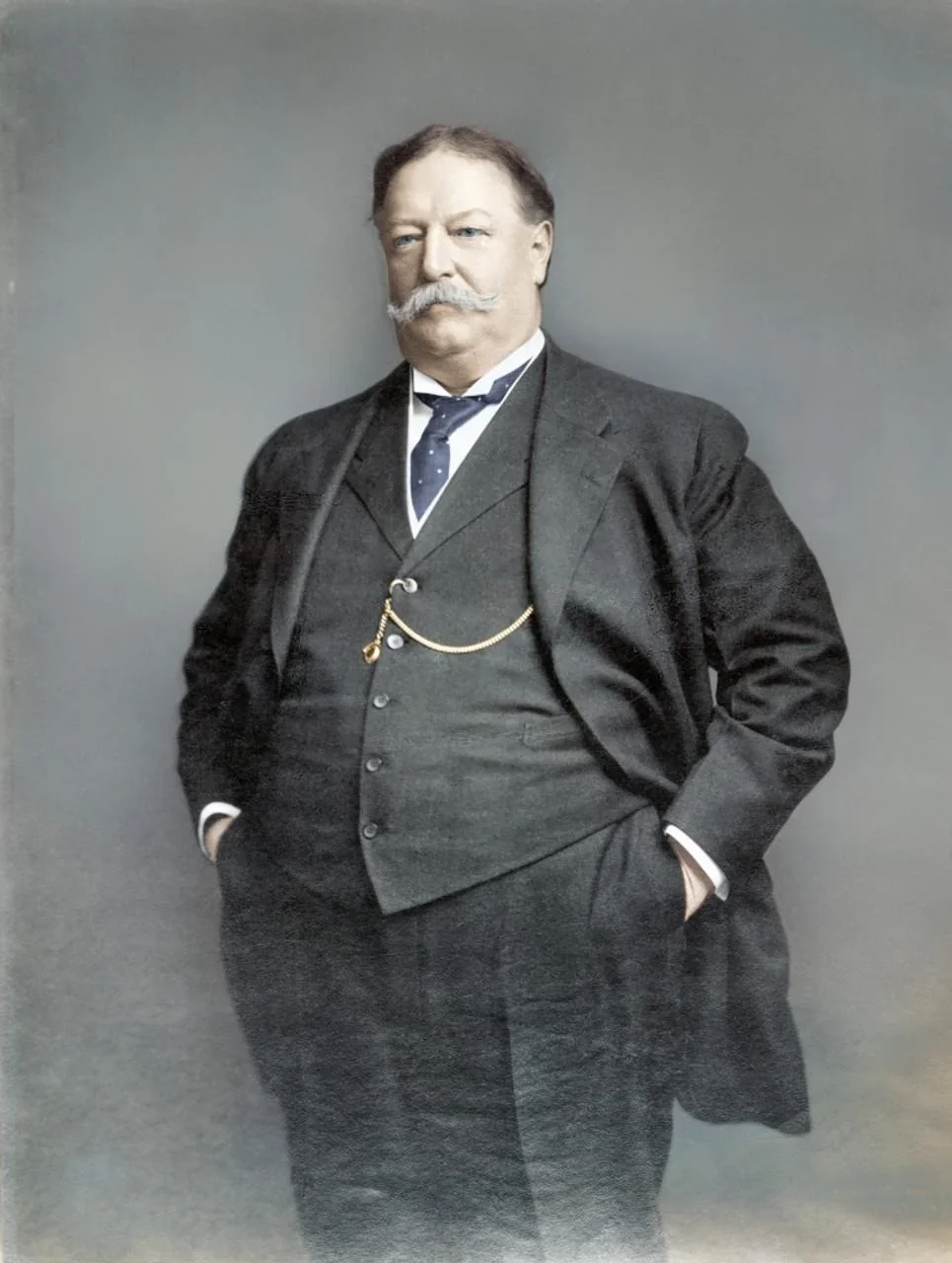
Taft kept her in the same stable as his carriage horses and his automobiles – he was the first president to trade the horse-drawn carriage for cars – and he kept no dog at all. Pauline was the last cow ever to graze the White House lawn; from Woodrow Wilson onward the mansion bought its milk from a dairy like everybody else. The grandest animal of the Taft years chewed grass on the South Lawn, supplied the family’s butter, and answered to no one, least of all a leash.
Harry S. Truman
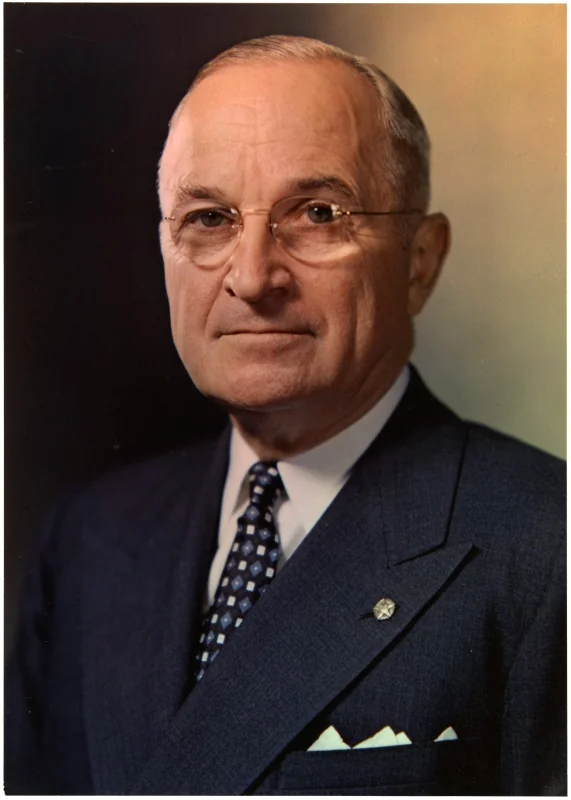
If you want a friend in Washington, get a dog. Harry Truman is quoted saying it everywhere, stamped on coffee mugs and repeated by politicians reaching for folksy wisdom, and there are two things wrong with that. The first is that he almost certainly never said it. The historians at the Truman Library have never been able to verify the line in anything he wrote or spoke, and its likeliest origin is a work of fiction. The second problem is sharper: Truman was no dog person, and he kept no dog.
He was handed two and got rid of both. In December 1947 a supporter sent the family a cocker spaniel puppy named Feller. The Trumans had no wish to keep him and quietly passed him to the president’s physician, which touched off a wave of hate mail from dog lovers across the country. An Irish setter named Mike, a gift to daughter Margaret, was likewise rehomed, to a farm in Virginia.
This is the hole in the story the history books skip. The unbroken line of twentieth-century White House dogs that everyone invokes has a gap in the middle of it named Harry Truman. And the finest detail of all is an institutional one: the Truman Library, unable to confirm he ever uttered the famous line about Washington and dogs, will happily sell you a magnet of it in the gift shop.
Donald Trump
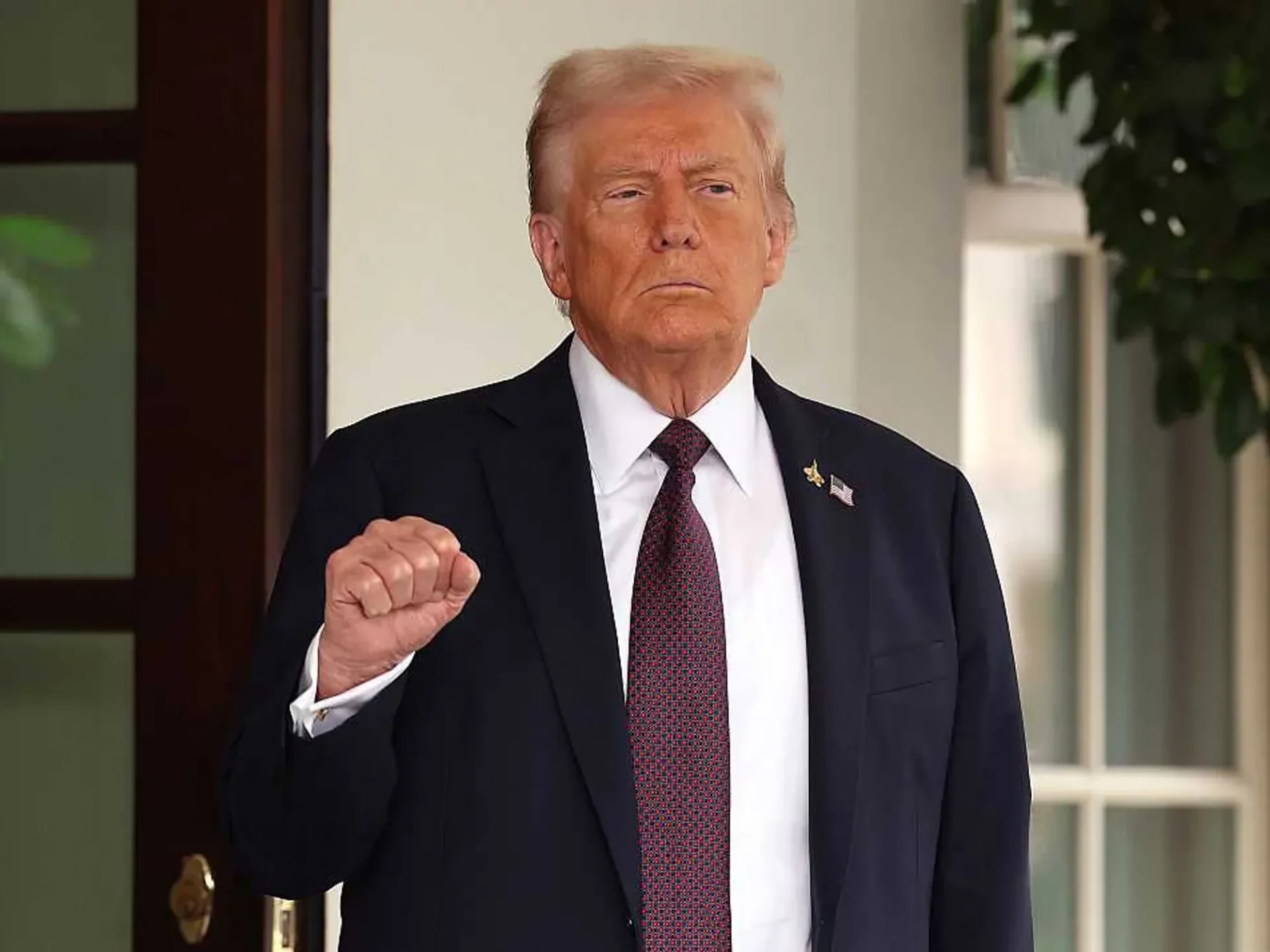
Modern presidents acquired dogs almost as a condition of the office, whether or not they were dog people. Donald Trump declined. At a 2019 rally in El Paso he explained why, just after admiring a Secret Service shepherd’s nose for narcotics: walking a dog on the White House lawn, he told the crowd, would feel phony. People had advised him to get one because it would play well, he said, and that was not the relationship he had with his supporters. He did not, in the end, get the dog.
That left him the first president since Andrew Johnson, a century and a half earlier, to share the White House with no animal of any kind – not even the cow or the parrot that earlier dogless presidents had at least fallen back on. The one dog of his presidency to make headlines was Conan, the military Belgian Malinois wounded in the 2019 raid that killed the ISIS leader Abu Bakr al-Baghdadi. Trump welcomed Conan for a medal ceremony, called him probably the world’s most famous dog, and let the vice president do the petting.
The two ends of this list rhyme. Johnson took in the mice that turned up uninvited in his wall; Trump turned down the dog that was his for the asking. Between them runs nearly the whole tradition of presidential dogs, and at each end stands a man who simply preferred the house without one.
Frequently Asked Questions
Why didn’t Donald Trump get a dog as president?
He said it would feel phony. At a February 2019 rally in El Paso, Trump told the crowd that people had urged him to get a dog because it was good politically, and that walking one on the White House lawn was not him. The Secret Service shepherd he had just praised did not change his mind.
Did Harry Truman have a dog in the White House?
No. Two were given to him and he kept neither. Feller, a cocker spaniel puppy mailed to him unsolicited in December 1947, went to his physician, Brigadier General Wallace Graham, which brought a flood of angry letters. Mike, an Irish setter given to his daughter Margaret, was likewise sent away to a farm.
Did Truman really say “If you want a friend in Washington, get a dog”?
Almost certainly not. The Harry S. Truman Library has never found the line in anything Truman wrote or said, and quote researchers trace its first appearance to Samuel Gallu’s 1975 play Give ‘em Hell, Harry, where a fictionalized Truman delivers a version of it. Politicians have been quoting a script ever since.
Did John Quincy Adams keep an alligator in the White House?
In all likelihood, no. The tale that the Marquis de Lafayette gave Adams an alligator does not appear in print until 1888, and Lafayette’s secretary, who documented the 1824-25 tour in two exhaustive volumes, never mentions one. The White House Historical Association calls it a satisfying but dubious legend, and Snopes rates it unproven.
Did Martin Van Buren have pet tiger cubs?
Probably not. The documented 1839 shipment from the Sultan of Muscat and Oman held pearls, a carpet, a gold-mounted sword, and two Arabian horses – no cats of any size – and researchers trace the cubs to a separate episode involving lions offered in Morocco. The two stories fused somewhere in the retelling.
What was the last cow to live at the White House?
Pauline Wayne, a Holstein sent to the Tafts in 1910 by Wisconsin senator Isaac Stephenson. The New York Times reported in February 1913 that she would follow the president into retirement, and she returned to Stephenson’s farm with her health run down. No cow has grazed the grounds since.
Did Franklin Pierce have a dog?
Nobody can prove it. The famous version has Commodore Perry returning from Japan in 1854 with tiny Japanese Chins, one for Pierce and one for Jefferson Davis’s pocket. But the breed’s historians, citing ships’ logs, say the pair meant for the president did not survive the voyage. A split record does not put a dog on the premises.
- President Taft’s Cow, Pauline Wayne – White House Historical Association
- White House Decorative Arts in the 1880s – White House Historical Association
- Presidential Pets: Pauline the Cow – Library of Congress
- Dolley Madison Saves Washington’s Portrait – National Park Service
- Parroting Historical Research (Polly the Macaw) – The Montpelier Foundation
- Whatever Happened to Martin Van Buren’s Presidential Tigers? – Boundary Stones (WETA)