Every Film That Got Both Best Actor and Best Actress Nominations and Lost Both
The 1937 film A Star Is Born received seven Academy Award nominations, including Best Actor for Fredric March and Best Actress for Janet Gaynor. The 1954 musical remake received six nominations, including Best Actor for James Mason and Best Actress for Judy Garland. The 2018 remake received eight nominations, including Best Actor for Bradley Cooper and Best Actress for Lady Gaga. Across eighty-one years and three different versions, the leading actors of A Star Is Born have been nominated for Best Actor and Best Actress on six separate occasions, and have won zero of those Oscars. They have not, in fact, ever come particularly close.
A Star Is Born is the most extreme example, but it is not unique. The Academy has been doing this to films practically since it started handing out statuettes, at a rate of roughly one every other year. Some of the films were classics that lost to bigger classics. From Here to Eternity in 1953 had its leads beaten by the leads of Stalag 17 and Roman Holiday. The English Patient won nine Oscars in 1996 and somehow neither of the leading two. Some were Best Picture winners that simply didn’t have the votes in the acting categories – Rocky in 1976 lost Best Actor and Best Actress to a film that won three of the four acting Oscars, which was a different kind of bad luck.
The pattern includes some of the most acclaimed performances of the twentieth century and some of the most acclaimed of the twenty-first. It includes Brando, Newman, Hoffman, Nicholson, Streep and Spacek; Garland, Bergman, Hepburn (the other one), Bassett and Gaga. It includes Sissy Spacek twice. It includes Bradley Cooper twice. The films span almost a century of cinema, every major studio, every genre that has historically attracted Academy attention, and one Sylvester Stallone movie about a boxer who in real life had $106 in his bank account when he wrote it. What follows is every one of them, in chronological order, with the small dramas and large coincidences that put each of them on the list in the first place.
Forty-one films have received Academy Award nominations in Best Actor and Best Actress at the same ceremony and lost both. The sequence runs from Cimarron in 1931 to Maestro in 2023, and no film has joined it at the ceremonies held in 2025 and 2026.
Cimarron (1931)
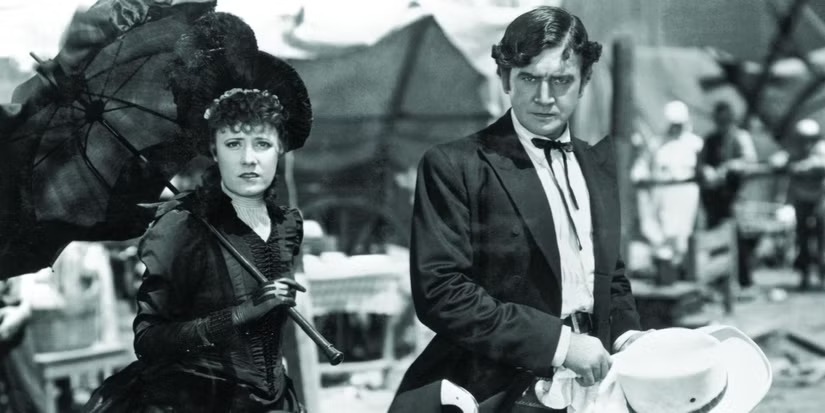
Cimarron was the first Western to win Best Picture and the only one for the next sixty years, until Dances with Wolves in 1990. It received seven nominations at the 4th Academy Awards and won three: Best Picture, Best Adapted Screenplay, and Best Art Direction. Its two leading actors, Richard Dix and Irene Dunne, both lost.
Dix played Yancey Cravat, a frontier lawyer and newspaperman who participates in the 1889 Oklahoma Land Rush. The film opens with what is still considered one of the great early sound-era set pieces – thousands of settlers and horses charging across the prairie, filmed with twenty-eight cameras over a single afternoon in southern California. It cost RKO $1.4 million, which made it the most expensive film the studio had ever produced, and which RKO never recouped. Cimarron lost money on its initial release and bankrupted the production team that made it. The novel by Edna Ferber on which the film was based had been a bestseller two years earlier; the film’s commercial failure was, at the time, considered baffling.
Dix lost Best Actor to Lionel Barrymore in A Free Soul, in which Barrymore plays a drunk lawyer defending his daughter’s lover. Dunne lost Best Actress to Marie Dressler in Min and Bill, a comedy about a waterfront innkeeper. Cimarron was, in 1931, the first Best Picture winner whose leading actors both lost - a distinction five more winners would eventually share. The Western would not win Best Picture again until Kevin Costner won it on horseback in 1990, with no acting nominations of any kind.
My Man Godfrey (1936)
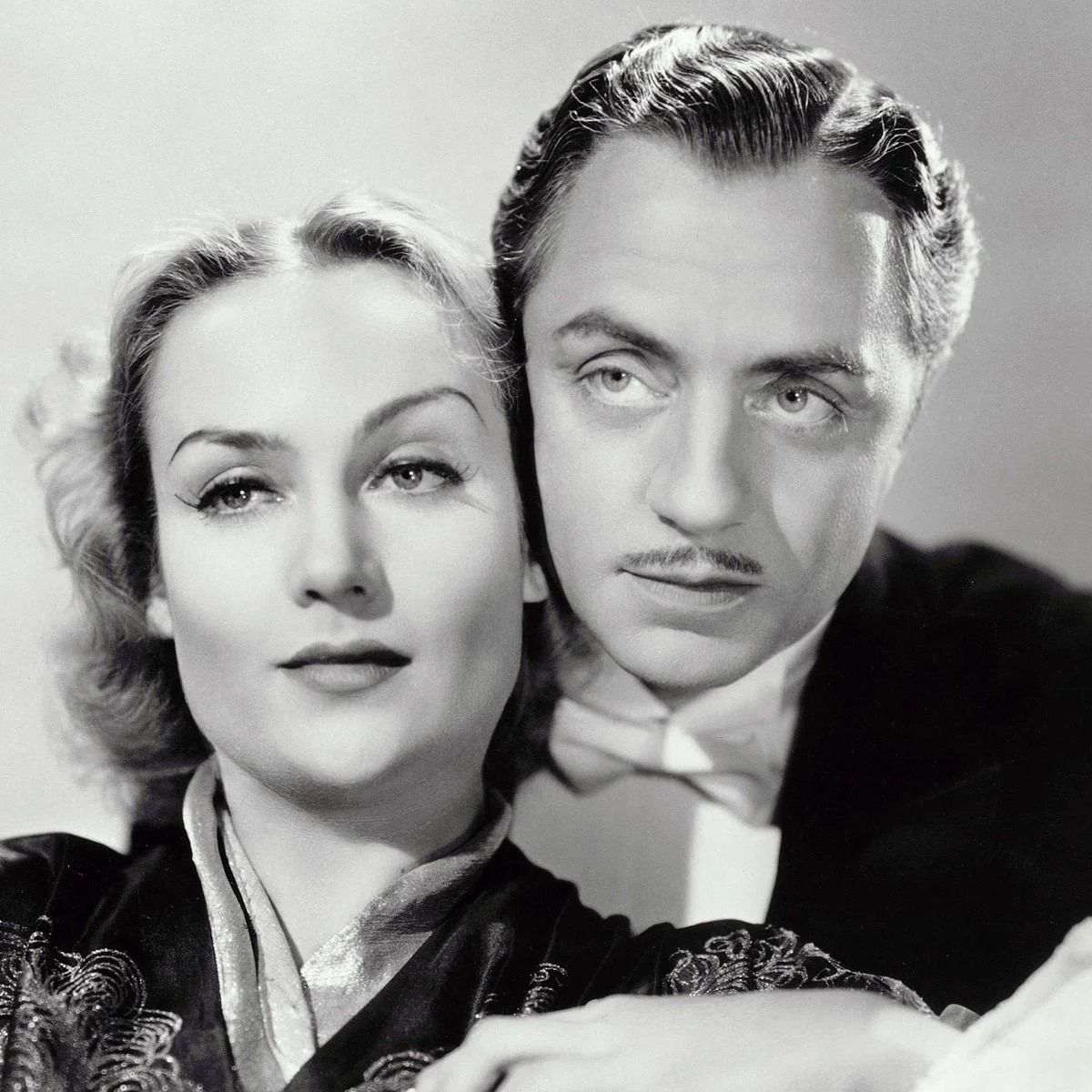
My Man Godfrey was the first film in Academy history to receive nominations in all four acting categories without being nominated for Best Picture, a distinction it still holds. William Powell and Carole Lombard played the leads; Mischa Auer and Alice Brady played the supporting roles. All four were nominated. None won. The film also received nominations for Best Director and Best Adapted Screenplay. None of those won either.
Powell and Lombard had been married for two years and divorced in 1933, three years before the film was made. They remained on excellent terms – Powell had specifically requested Lombard for the role – and their on-screen chemistry as an estranged-then-reconciling couple was widely regarded as one of the finest in screwball comedy. The director was Gregory La Cava, an MGM hand with a reputation for working from a partially improvised script and refilling the cast’s drinks during scenes that weren’t going well. The plot, in which a forgotten man Godfrey is hired as a butler by a wealthy family that doesn’t realise he’s actually a Boston Brahmin in disguise, set the template for screwball comedy through the rest of the decade.
Powell lost Best Actor to Paul Muni in The Story of Louis Pasteur. Lombard, in her only Oscar nomination, lost Best Actress to Luise Rainer in The Great Ziegfeld – which won Best Picture, beating My Man Godfrey to that prize as well. Lombard would never receive another nomination. She died in a plane crash in 1942 while returning from a war-bond rally in Indiana. She was 33.
A Star Is Born (1937)
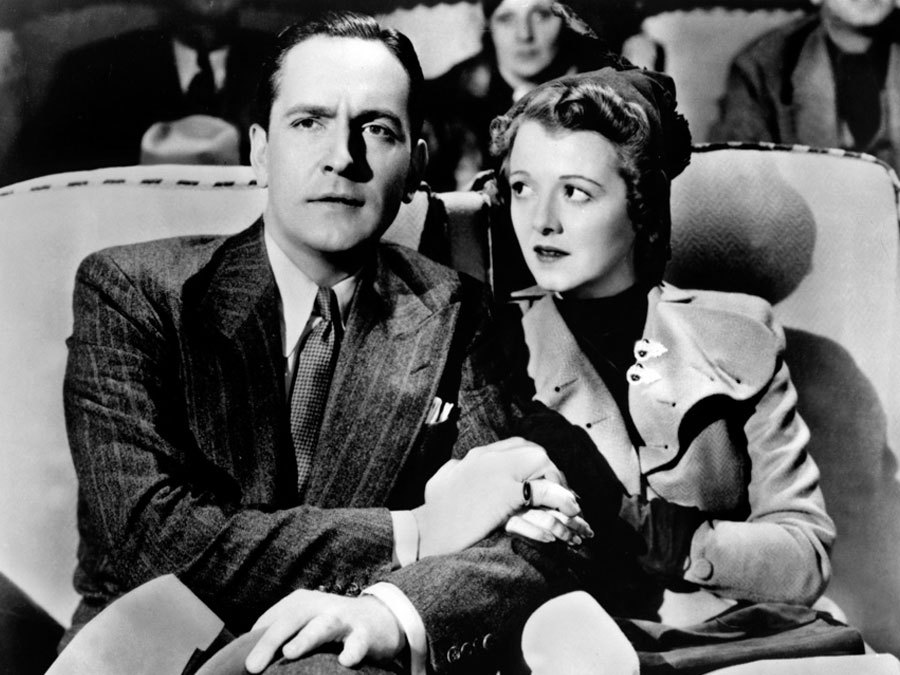
Janet Gaynor won the very first Best Actress Oscar in 1929 – for three films simultaneously, in a system the Academy abandoned almost immediately afterwards. Eight years later she was nominated again, for the original A Star Is Born, in the role of an aspiring actress whose career rises as her husband’s collapses. She lost. Her co-star Fredric March was nominated for Best Actor and lost too. The film received seven nominations and won one, for Best Original Story.
A Star Is Born has now been remade three times – 1954, 1976 and 2018 – and has appeared on this same list of double-losing nominees in three of its four versions. Only the 1976 Streisand-Kristofferson musical broke the pattern, by not receiving leading-actor nominations at all. The 1937 original was produced by David O. Selznick and shot in three-strip Technicolor, which was still rare enough that the cinematography itself drew critical attention.
Gaynor lost Best Actress to Luise Rainer in The Good Earth – Rainer’s second consecutive win. March lost Best Actor to Spencer Tracy in Captains Courageous. In what may be the most unsettling moment in Oscar trivia, Gaynor’s actual Best Actress Oscar from 1929 was used as a prop in the film’s climactic awards-ceremony scene. She held her own real Oscar while playing a fictional character winning a fictional one. Then she went home with no second one.
Pygmalion (1938)
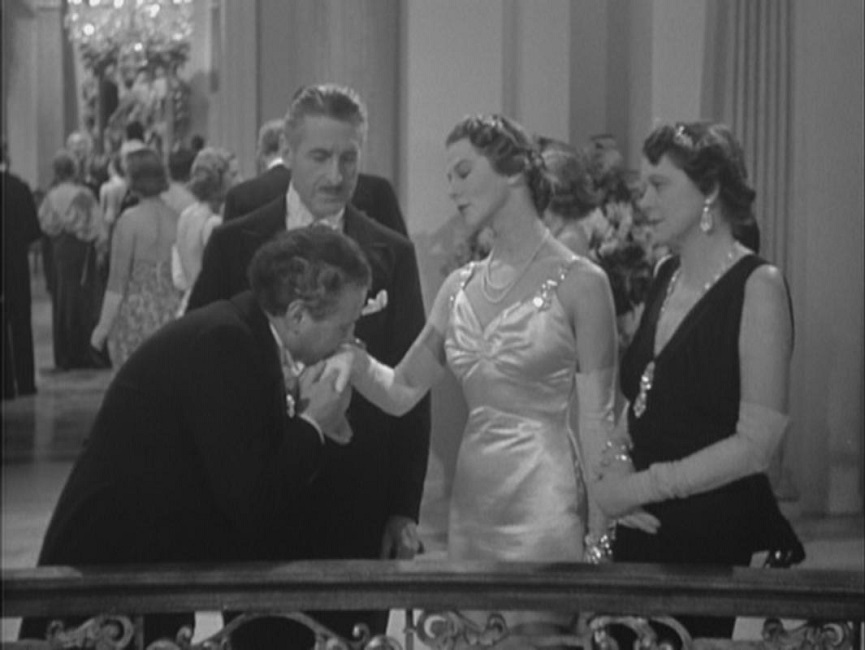
George Bernard Shaw is the only person in history to have won both an Academy Award and a Nobel Prize. He won the Nobel for Literature in 1925 and the Oscar for Best Adapted Screenplay in 1939, for the film of his own play Pygmalion. He was 82 years old, made no public comment on the matter, and did not attend the ceremony. He once described the Academy Award as a humiliation, although he kept the statuette. After his death it was eventually sold at auction.
The film starred Leslie Howard as Henry Higgins and Wendy Hiller as Eliza Doolittle. Both received Oscar nominations. Both lost. Hiller, then 26, had played Eliza on the London stage and was given the screen role at Shaw’s personal insistence. Howard had previously played Romeo in Cukor’s Romeo and Juliet and was already an established Hollywood lead. The film was a substantial commercial hit on both sides of the Atlantic.
Howard lost Best Actor to Spencer Tracy in Boys Town – Tracy’s second consecutive win, after Captains Courageous, which had beaten Howard’s co-star Fredric March in A Star Is Born the previous year. Hiller lost Best Actress to Bette Davis in Jezebel. Pygmalion would later be adapted into the musical My Fair Lady, which won eight Oscars in 1964, including Best Actor for Rex Harrison. Hiller never won an Academy Award. Howard was killed in 1943 when his commercial flight from Lisbon to Bristol was shot down by the Luftwaffe.
Rebecca (1940)
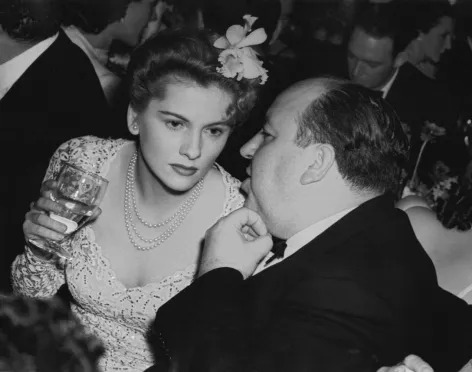
Rebecca is the only Alfred Hitchcock film to win Best Picture. Hitchcock himself never won Best Director, and Rebecca did not win it either – it lost to John Ford for The Grapes of Wrath. The film received eleven Oscar nominations, more than any other film that year, and won two: Best Picture and Best Black-and-White Cinematography. Its two leading actors, Laurence Olivier and Joan Fontaine, were both nominated and both lost.
Fontaine had been a last-minute casting decision. Producer David O. Selznick had originally offered the role of the second Mrs. de Winter to Margaret Sullavan, then Vivien Leigh – Olivier’s wife – then Anne Baxter, then Loretta Young. Fontaine was 22 and largely unknown. She got the role after a screen test in which Hitchcock found her vulnerability convincing. The film was based on Daphne du Maurier’s 1938 novel, which had sold over a million copies and which the studios had been competing to adapt for two years.
Olivier lost Best Actor to James Stewart in The Philadelphia Story. Fontaine lost Best Actress to Ginger Rogers in Kitty Foyle. The following year Fontaine returned to the Oscars, was nominated again for Hitchcock’s Suspicion, and won. She remains the only performer to win an Oscar for a Hitchcock film. Her older sister Olivia de Havilland would win the same prize five years later, for To Each His Own. The two sisters then refused to speak to each other for nearly four decades.
For Whom the Bell Tolls (1943)
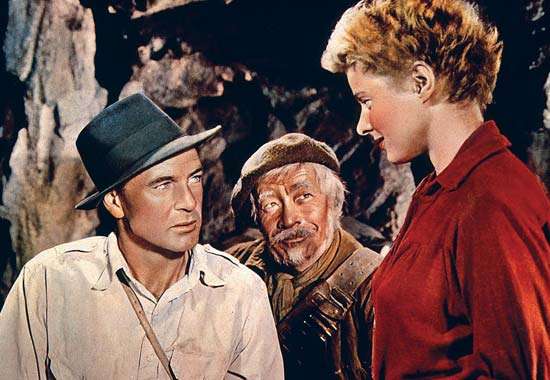
Ernest Hemingway personally selected Gary Cooper to play Robert Jordan, the American dynamiter fighting in the Spanish Civil War, and Ingrid Bergman to play Maria, the young woman he falls in love with behind enemy lines. He had imagined them in the roles while writing the novel; he insisted on them when Paramount bought the screen rights for $150,000, the highest price ever paid at that point for a literary property. He got both.
For Whom the Bell Tolls received nine Academy Award nominations and won one, for Best Supporting Actress – Katina Paxinou as Pilar. The film was directed by Sam Wood and ran almost three hours, which was unusually long for the period. It was a substantial commercial hit, the highest-grossing film of 1943. Paramount had spent $3 million making it; it returned $11 million.
Cooper lost Best Actor to Paul Lukas in Watch on the Rhine, a Lillian Hellman play about anti-fascist resistance in Washington that no one now remembers. Bergman lost Best Actress to Jennifer Jones in The Song of Bernadette. Bergman would win the Oscar the following year for Gaslight, then again twelve years later for Anastasia, then a third time twenty-three years after that for Murder on the Orient Express. Cooper would win Best Actor for the second time in 1953 for High Noon, having already won for Sergeant York in 1942 – which made his loss for Bell Tolls all the more peculiar, given that High Noon was, by general agreement, a less interesting performance.
Madame Curie (1943)
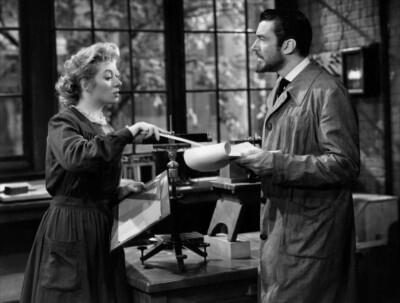
Madame Curie was the second pairing of Walter Pidgeon and Greer Garson, who had won Best Picture together the previous year for Mrs. Miniver. Garson had also won Best Actress for Mrs. Miniver, in a ceremony at which she gave the longest acceptance speech in Oscar history – somewhere between five and seven minutes, depending on who is counting, which the Academy used as the basis for instituting time limits in the years that followed. The two went into Madame Curie expecting another sweep.
They did not get it. Madame Curie received seven Oscar nominations and won zero. The film was a fairly conventional biopic of Marie Curie, the Polish-French physicist who shared the 1903 Nobel in Physics with her husband Pierre and won a second Nobel in 1911 for Chemistry, becoming the only person ever to win Nobels in two different sciences. Garson played Marie. Pidgeon played Pierre. Both were nominated. Both lost.
Pidgeon lost Best Actor to Paul Lukas in Watch on the Rhine, the same film that beat Gary Cooper for For Whom the Bell Tolls at the same ceremony. Garson lost Best Actress to Jennifer Jones in The Song of Bernadette, the same film that beat Ingrid Bergman for For Whom the Bell Tolls at the same ceremony. The 16th Academy Awards is the only ceremony in Oscar history at which two separate films – For Whom the Bell Tolls and Madame Curie – had both their lead-acting nominees lose to the same other two performers in the same other two films on the same night.
Gentleman’s Agreement (1947)
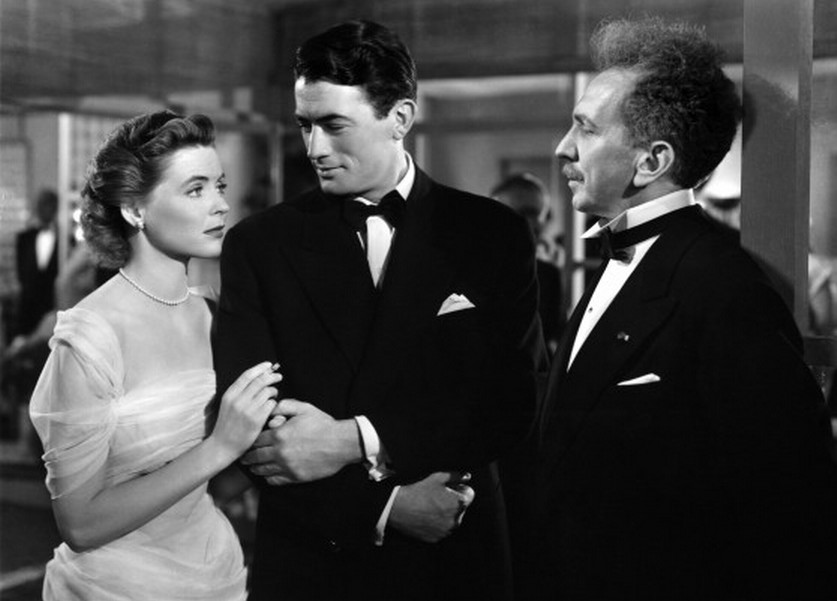
Darryl F. Zanuck, the production head of 20th Century Fox, was denied membership at the Los Angeles Country Club in 1946. The reason given was that the club did not accept Jewish members. Zanuck was not Jewish – he was a Methodist from Nebraska – but the club had assumed he was, on the grounds that he ran a Hollywood studio. He found this incident so infuriating that he immediately bought the rights to Laura Z. Hobson’s novel Gentleman’s Agreement, about a journalist who poses as Jewish to investigate antisemitism in postwar America, and produced the film himself.
Gregory Peck played the journalist. Dorothy McGuire played his fiancée. Elia Kazan directed. The film won Best Picture, Best Director, and Best Supporting Actress (Celeste Holm). Peck and McGuire were both nominated for Oscars. Both lost. Peck lost Best Actor to Ronald Colman in A Double Life. McGuire lost Best Actress to Loretta Young in The Farmer’s Daughter.
Zanuck reportedly considered this the most satisfying loss of his career. He had made the picture to embarrass the country clubs of America, and the film had made $7 million on a $2 million budget – more than enough to fund several country clubs of his own. Peck would receive four further Best Actor nominations and finally win one in 1962, for To Kill a Mockingbird. McGuire would never be nominated again. The Los Angeles Country Club did not begin admitting Jewish members until the 1980s. It still does not admit film producers.
Mourning Becomes Electra (1947)
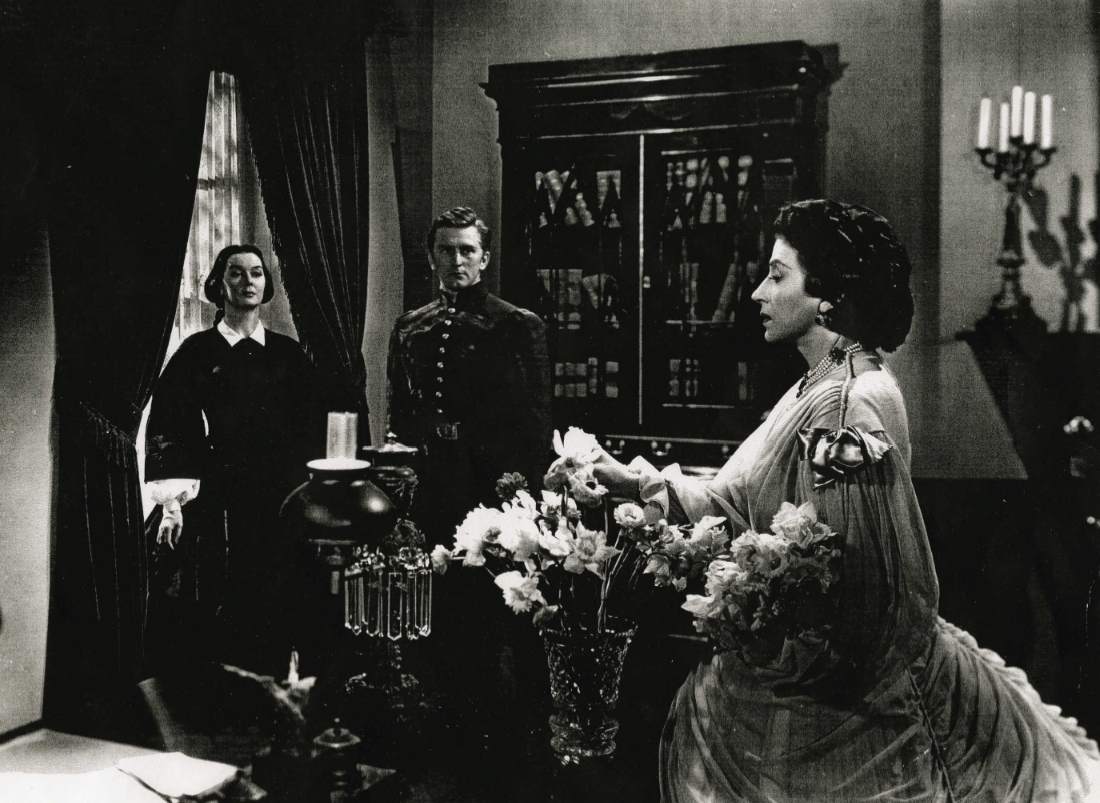
Mourning Becomes Electra is one of two films on this list released in 1947 with both lead-acting nominees losing the same evening. The other was Gentleman’s Agreement, the previous entry. The 20th Academy Awards is the only ceremony other than 1943’s at which two separate films had this happen. Some years are simply harder than others.
The film was Dudley Nichols’s adaptation of Eugene O’Neill’s three-play cycle, originally staged in 1931 at a running time of nearly six hours. Nichols cut it to two hours and fifty-three minutes, which was still long enough that RKO released it in two parts in some markets. The story transposes the Oresteia of Aeschylus to a New England family in the immediate aftermath of the American Civil War. Rosalind Russell played Lavinia, the daughter; Michael Redgrave played Orin, the son.
Russell stood up to accept her Best Actress Oscar before the winner had been announced. Her name had been confidently predicted by every Hollywood column for weeks; she had been told she was a lock. The presenter then read out the name of Loretta Young, in The Farmer’s Daughter – the same film that beat Dorothy McGuire for Gentleman’s Agreement. Russell sat back down. Redgrave lost Best Actor to Ronald Colman in A Double Life – the same film that beat Gregory Peck for Gentleman’s Agreement. Russell would lose Best Actress three more times before she stopped being nominated. She never won.
Sunset Boulevard (1950)
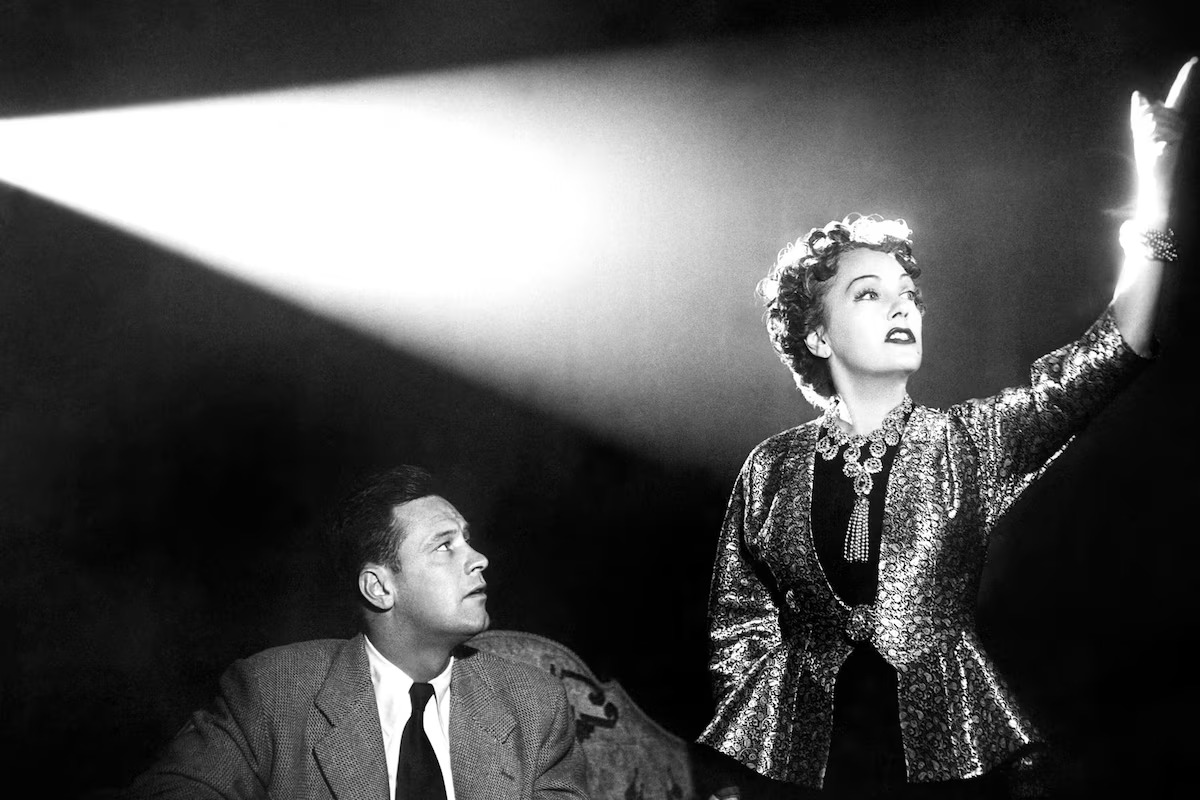
Sunset Boulevard opens with William Holden floating face-down in a swimming pool, narrating his own story. It is one of the most famous opening shots in cinema, and it almost wasn’t the opening shot. Billy Wilder had originally filmed a sequence in which Holden’s body, on a slab in the morgue, sat up and explained what had happened. Test audiences laughed. Wilder cut it.
The film received eleven Oscar nominations and won three – Best Original Screenplay, Best Score, Best Art Direction. It is one of the most acclaimed films in American history; the American Film Institute later ranked it twelfth on its list of the hundred greatest American films. Its two leading actors, Holden and Gloria Swanson, were both nominated. Both lost.
Holden lost Best Actor to Jose Ferrer in Cyrano de Bergerac. Swanson, in the role of the deluded silent-era star Norma Desmond, lost Best Actress to Judy Holliday in Born Yesterday – which is widely considered one of the great Best Actress upsets, on the grounds that Swanson had given a career-defining performance and Holliday had given a charming one. Best Picture went to All About Eve, which beat Sunset Boulevard at the same ceremony despite both being films about ageing women in show business. Swanson, who had been a major silent star whose career had collapsed with the arrival of talkies, was 51. She lived another 33 years and never received another Oscar nomination. Holden would win Best Actor three years later for Stalag 17, beating someone else who appears on this list.
From Here to Eternity (1953)
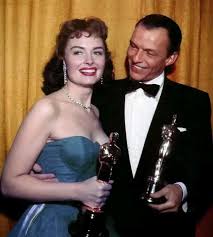
From Here to Eternity received thirteen Academy Award nominations – the most of any film that year – and won eight, including Best Picture, Best Director, Best Supporting Actor (Frank Sinatra) and Best Supporting Actress (Donna Reed). It is one of the most decorated films in Oscar history. It also lost in three separate leading-actor categories on the same night, which is the kind of distinction nobody has ever printed on a poster.
The film was nominated for Best Actor twice. Burt Lancaster and Montgomery Clift were both leads; the Academy could not decide which of them was the lead, so it nominated both. They split the vote. The Best Actor Oscar went to William Holden in Stalag 17 – the same Holden who had lost Best Actor on this list three years earlier for Sunset Boulevard. Sinatra’s Best Supporting Actor win was the comeback role of his career; he had been considered finished as a film actor and had reportedly begged director Fred Zinnemann for the part of Maggio at no salary.
Deborah Kerr lost Best Actress to Audrey Hepburn in Roman Holiday, generally regarded as the launch of Hepburn as a major Hollywood star. Three lead-acting nominations, three losses, on a night the same film won eight other Oscars. The vote-splitting between Lancaster and Clift is generally considered the textbook example of why studios should not nominate two leads at the same ceremony, an argument the Academy has heard many times since and has continued to ignore.
A Star Is Born (1954)
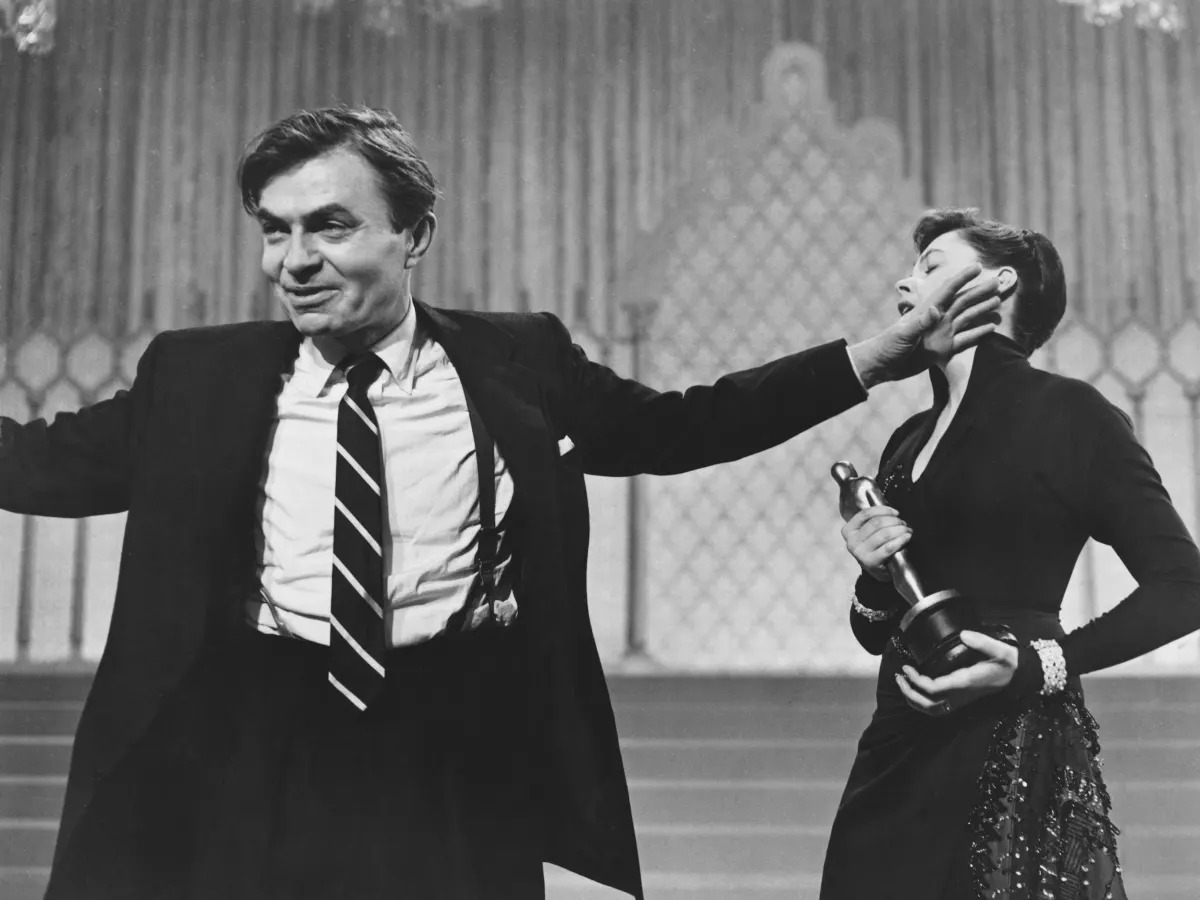
Judy Garland was in the maternity ward at Cedars-Sinai Hospital, having given birth to her son Joey two days earlier, when NBC News set up television cameras and lights in her room to broadcast her acceptance speech for Best Actress. Garland had been the heavy favourite for her performance in the musical remake of A Star Is Born, in which she played Esther Blodgett, an aspiring singer whose career rises as her husband’s collapses. She was sitting up in bed in a hospital gown waiting to win the Oscar.
She lost. Grace Kelly won, for The Country Girl, by what was later reported to be a margin of six votes. NBC packed up its cameras and left without filming anything. Groucho Marx famously called Garland’s loss “the biggest robbery since Brink’s,” and even today it appears on most published lists of the most controversial Oscar decisions in Academy history.
Garland’s co-star James Mason, in the role of the alcoholic husband Norman Maine, was also nominated for Best Actor. He lost to Marlon Brando in On the Waterfront. A Star Is Born was nominated for six Oscars in total and won zero. Garland would never be nominated for Best Actress again. The film itself was butchered by Warner Bros. before release, with thirty minutes cut from the original print to allow more daily screenings; the missing footage was lost for decades, partially recovered in the 1980s, and the version most people see now is a reconstruction. It is the second of three Star Is Born films on this list.
Wild Is the Wind (1957)
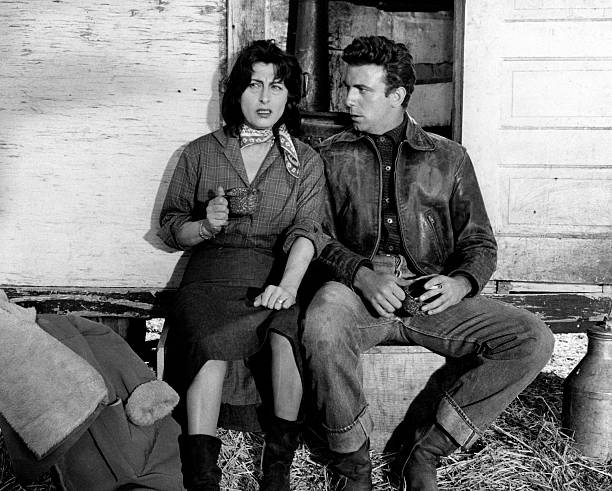
Anna Magnani took the role of Gioia, the Italian widow who emigrates to Nevada to marry her dead sister’s husband, partly because the husband would be played by Anthony Quinn. Quinn had played her husband five years earlier in The Rose Tattoo, for which Magnani had won Best Actress in 1955 without speaking English well enough to give her own acceptance speech. She and Quinn had also, according to Hollywood gossip of the period, been having an affair during The Rose Tattoo’s production – a detail of relevance because Magnani had recently been left by her partner Roberto Rossellini for Ingrid Bergman, and was looking, she later said, for any opportunity to publicly humiliate him.
Wild Is the Wind received three Oscar nominations: Best Actor for Quinn, Best Actress for Magnani, and Best Original Song for the title track. It won zero. Quinn lost Best Actor to Alec Guinness in The Bridge on the River Kwai – which won Best Picture and six other Oscars at the same ceremony. Magnani lost Best Actress to Joanne Woodward in The Three Faces of Eve.
The Bridge on the River Kwai is one of the most acclaimed films in cinema history. Wild Is the Wind is mostly forgotten. Magnani was never nominated again; she returned to Italy and made another twenty films before her death in 1973. The title song, sung in the film by Johnny Mathis, was later covered by David Bowie on his 1976 album Station to Station. Bowie’s version is now considerably more famous than the film.
Cat on a Hot Tin Roof (1958)
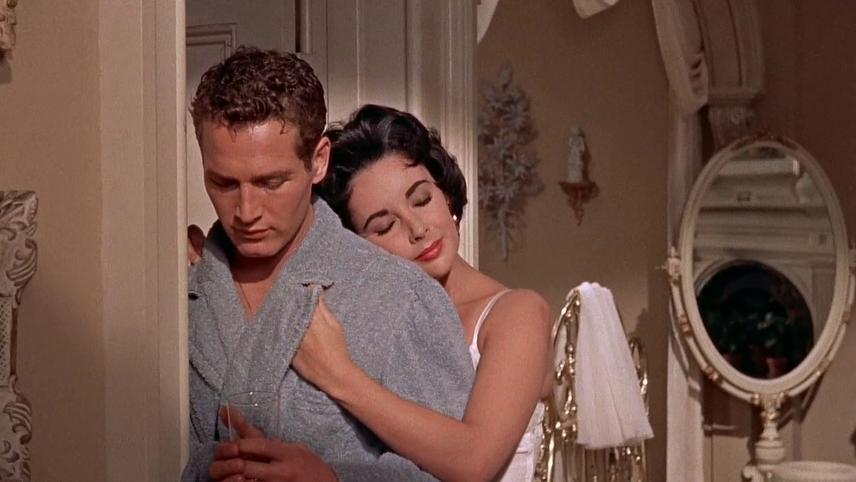
Mike Todd, Elizabeth Taylor’s third husband, died in a plane crash in New Mexico on March 22, 1958, three weeks into the production of Cat on a Hot Tin Roof. Taylor learned of his death on set. She returned to filming after the funeral. By the end of the shoot she had given what was widely considered the best performance of her career, in the role of Maggie – Tennessee Williams’s Mississippi delta wife begging her gay husband for affection – and was nominated for Best Actress.
The film received six Oscar nominations. It won zero. It is the only film of a Williams play to receive both leading-actor nominations and lose both. Paul Newman, in his second Oscar nomination, played Brick. Burl Ives, who had originated the role of Big Daddy on Broadway, instead won Best Supporting Actor for The Big Country at the same ceremony – the Academy declined to nominate him twice in different categories in the same year, which is a rule that has been broken several times since.
Newman lost Best Actor to David Niven in Separate Tables. Taylor lost Best Actress to Susan Hayward in I Want to Live! – Hayward’s only Oscar, after five nominations. Taylor would win Best Actress two years later for BUtterfield 8, in a performance she herself called terrible, in what most observers concluded was a make-up vote for Cat on a Hot Tin Roof. The Academy occasionally does this. Taylor accepted the Oscar without ever pretending to deserve it.
The Hustler (1961)
George C. Scott was nominated for Best Supporting Actor for The Hustler in 1962 and refused the nomination. He sent a telegram to the Academy declining it on the grounds that competitive acting awards were absurd, that no objective comparison was possible between performances, and that the entire business of campaigning for an Oscar diminished the art form. The Academy ignored the telegram and nominated him anyway. He did not attend. He lost. Eight years later he was nominated for Best Actor for Patton, refused that nomination too, did not attend, won, and never picked up the statuette.
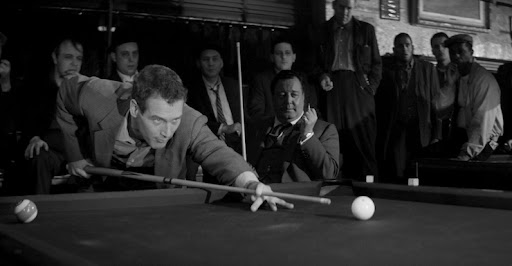
The Hustler received nine Oscar nominations and won two – both for craft, in cinematography and art direction. Paul Newman played the pool hustler Fast Eddie Felson. Piper Laurie played Sarah Packard, the alcoholic woman he loves and whose suicide eventually destroys him. Both were nominated for Oscars. Both lost.
Newman lost Best Actor to Maximilian Schell in Judgment at Nuremberg, in his second Oscar loss in three years after Cat on a Hot Tin Roof. Laurie, who had retired from acting at the start of filming and only agreed to return for this role, lost Best Actress to Sophia Loren in Two Women. Newman would finally win Best Actor twenty-five years later for The Color of Money, in which he reprised the role of Fast Eddie Felson – making The Hustler the only film on this list whose Best Actor nomination became the basis for an eventual Best Actor win, by the same actor, for the same character, a quarter-century later.
Days of Wine and Roses (1962)
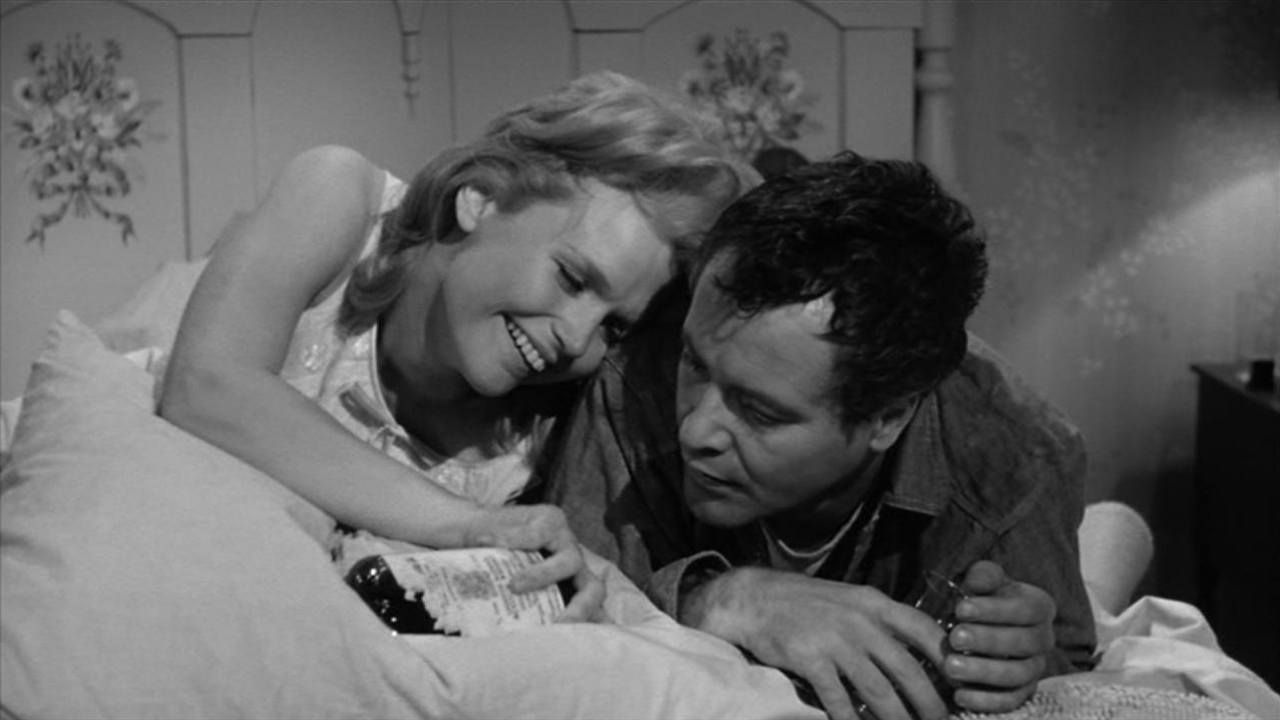
Jack Lemmon was a recovering alcoholic. He did not speak about it publicly until 1998, when on Inside the Actors Studio he told James Lipton that the role of Joe Clay in Days of Wine and Roses had been the closest to himself he had ever played. Lemmon’s character is an advertising executive whose social drinking destroys his marriage, his career, and very nearly his life. The actress playing his wife was Lee Remick, then 26, who had to learn to vomit on cue and then, several scenes later, drink onstage as if for the first time. Remick was not an alcoholic and found the research exhausting.
Days of Wine and Roses received five Oscar nominations and won one, for Henry Mancini’s title song, which would go on to be one of the most-recorded songs of the decade. Lemmon and Remick were both nominated for Oscars. Both lost.
Lemmon lost Best Actor to Gregory Peck in To Kill a Mockingbird. Remick lost Best Actress to Anne Bancroft in The Miracle Worker. Lemmon, who had won Best Supporting Actor seven years earlier for Mister Roberts, would finally win Best Actor in 1973 for Save the Tiger – a film about a businessman having a breakdown, which not even his most committed admirers consider his best work. He appears on this list a second time, twenty years later, for a different role about a different kind of breakdown.
This Sporting Life (1963)
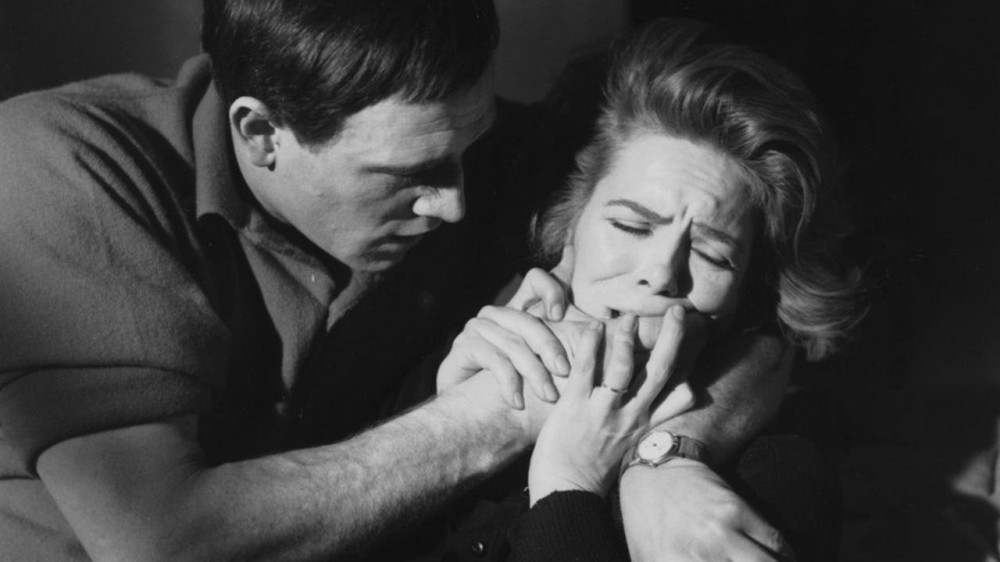
Richard Harris’s nose was broken during the filming of This Sporting Life by an actual professional rugby league player, Derek Turner of the Leeds team, who had been hired to teach Harris to look convincing on the pitch. Harris’s character Frank Machin is a brutal, inarticulate Yorkshire miner who becomes a rugby star. The director Lindsay Anderson wanted the rugby scenes to look genuine, so the rugby scenes were genuine. Harris was hospitalised twice during the production.
This Sporting Life is now considered one of the founding works of the British New Wave – the wave of kitchen-sink dramas that included Saturday Night and Sunday Morning, A Taste of Honey, and The Loneliness of the Long Distance Runner. It received two Oscar nominations and won zero. Harris was nominated for Best Actor. Rachel Roberts, who played his landlady and sometime lover Mrs. Hammond, was nominated for Best Actress.
Harris lost Best Actor to Sidney Poitier in Lilies of the Field – the first Black Best Actor in Oscar history. Roberts lost Best Actress to Patricia Neal in Hud. Harris would receive only one further Oscar nomination, twenty-seven years later for The Field, and never won. Roberts never received another nomination. She married Rex Harrison shortly after the film and divorced him eight years later. She died in 1980, of a barbiturate overdose, leaving instructions in her will that Harrison was to receive nothing.
Ship of Fools (1965)

Vivien Leigh was in the cast of Ship of Fools and at one point during production hit Lee Marvin in the face with a stiletto-heeled shoe. The blow was unscripted. Marvin had reportedly made a remark she found offensive, the camera was already rolling, and she swung. Director Stanley Kramer kept the take and used it. Leigh, who was in the late stages of bipolar disorder and would die two years later at 53, did not receive an Oscar nomination for the film. The leads who did – Oskar Werner and Simone Signoret – both lost.
Ship of Fools is an adaptation of Katherine Anne Porter’s 1962 novel about a German ocean liner sailing from Veracruz to Bremerhaven in 1933, carrying a microcosm of European society into the rise of Nazism. The film received eight Oscar nominations and won two, for Cinematography and Art Direction. Werner played the ship’s doctor; Signoret played a Spanish countess being deported to a Cuban prison.
Werner lost Best Actor to Lee Marvin in Cat Ballou – the same Lee Marvin who had been hit with the shoe. Marvin gave one of the most famous Oscar acceptance speeches in history, beginning “Half of this belongs to a horse somewhere out in the Valley.” Signoret lost Best Actress to Julie Christie in Darling. Signoret had won Best Actress six years earlier, for Room at the Top, becoming the first French actress to win an American Oscar. Werner, an Austrian who had refused to make films in Germany during the Nazi period, would never be nominated again.
Bonnie and Clyde (1967)
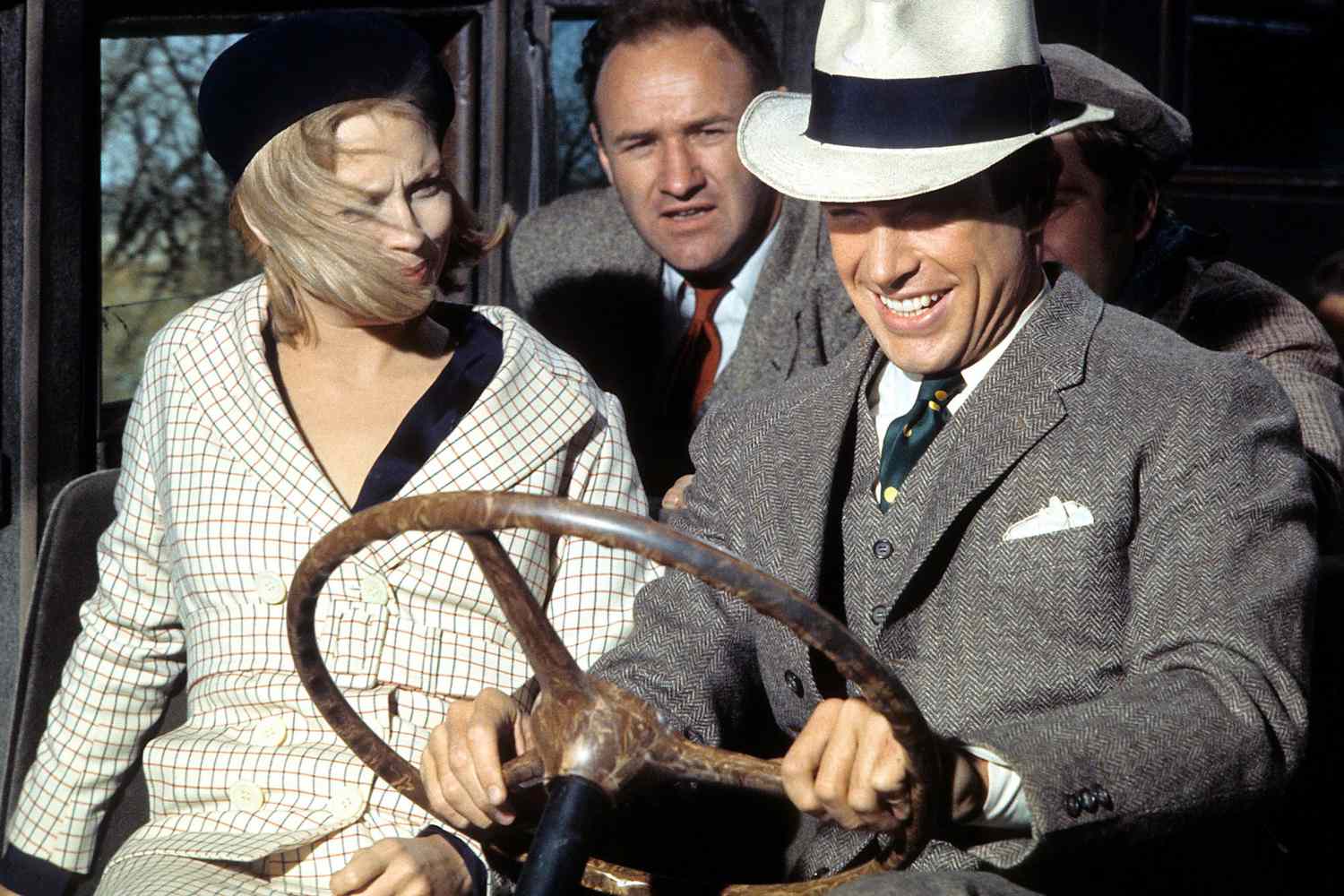
Warner Bros. paid Warren Beatty $200,000 to produce and star in Bonnie and Clyde and offered him 40 per cent of the gross profits in lieu of further salary, on the assumption that the film would lose money. The studio had calculated that period crime dramas about long-dead Depression bank robbers were not what young audiences in 1967 wanted to see. The film grossed $70 million on a $2.5 million budget. Beatty’s 40 per cent share made him, at 30, one of the highest-paid actors in Hollywood and a producer who would never need to take a salary again.
Bonnie and Clyde received ten Academy Award nominations and won two – Best Supporting Actress for Estelle Parsons and Best Cinematography for Burnett Guffey. Beatty was nominated for Best Actor. Faye Dunaway, in the role that made her a star, was nominated for Best Actress. Both lost.
Beatty lost Best Actor to Rod Steiger in In the Heat of the Night – which won Best Picture, beating Bonnie and Clyde to that prize as well. Dunaway lost Best Actress to Katharine Hepburn in Guess Who’s Coming to Dinner, Hepburn’s second Oscar after a 34-year wait. Beatty would lose Best Actor again on this list, fourteen years later, for Reds. Dunaway would win Best Actress nine years later for Network, beating someone else on this list. Bonnie and Clyde is now widely cited as the film that ended the old Hollywood and began the new. Warner Bros. had not seen this coming.
Anne of the Thousand Days (1969)
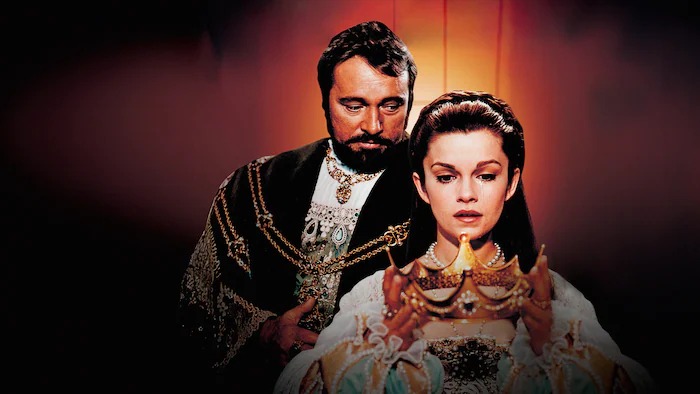
Genevieve Bujold was 27 and had appeared in only a handful of French Canadian films when Hal Wallis cast her as Anne Boleyn opposite Richard Burton’s Henry VIII. The role required her to age from a defiant teenager at the start of the courtship to a doomed queen at the scaffold. Burton was 44, on his third nomination for Best Actor, and married to Elizabeth Taylor. He greeted Bujold on the first day of filming with the line, “Sorry love, you’re too long in the tooth” – a reference to her being three years older than the historical Anne Boleyn at the time of the marriage. Bujold reportedly did not laugh.
Anne of the Thousand Days received ten Oscar nominations and won one, for Costume Design. Burton received his sixth Best Actor nomination, having lost five before; this would be his sixth loss. Bujold received her only Oscar nomination. Both lost.
Burton lost Best Actor to John Wayne in True Grit – Wayne’s only Oscar, generally considered a sentimental award after a 40-year career. Bujold lost Best Actress to Maggie Smith in The Prime of Miss Jean Brodie. Burton would receive one further Best Actor nomination, for Equus in 1977, and lose that too, ending his career with seven nominations and zero Oscars – tying him with Peter O’Toole and Glenn Close for the longest run of consecutive nominated losses in Best Actor history. He died in 1984. Bujold continued working in Canadian and American film for the next half-century but was never again seriously discussed as a leading-actor candidate.
Love Story (1970)
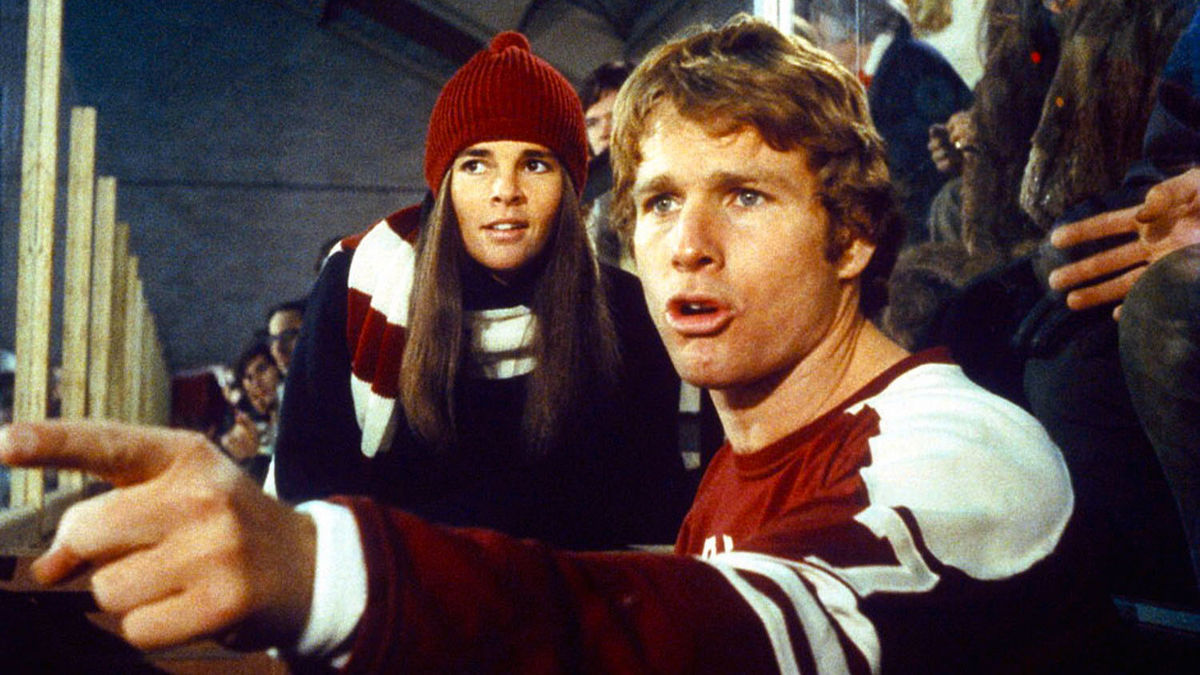
Love Story saved Paramount Pictures. The studio was nearly bankrupt in 1970, having lost money on three consecutive expensive flops, and Robert Evans had been told by Gulf+Western executives that one more failure would end his job. Erich Segal’s $25,000 screenplay about a doomed love story between a Harvard preppy and a working-class Radcliffe student became the highest-grossing film of the year, taking $136 million on a $2.2 million budget. Paramount survived. Evans kept his job. He used the money to produce The Godfather two years later.
The film received seven Academy Award nominations and won one, for Best Original Score. Ryan O’Neal was nominated for Best Actor. Ali MacGraw was nominated for Best Actress. Both lost. The illness Ali MacGraw’s character is dying of in the film is never specified – the screenplay refers only to a fatal disease – and is now widely known among film professionals as Ali MacGraw’s Disease, a fictional condition characterised by causing female protagonists to grow more beautiful as death approaches.
O’Neal lost Best Actor to George C. Scott in Patton – the same Scott who had refused his Hustler nomination nine years earlier and would also refuse this one, sending another telegram and again declining to attend. MacGraw lost Best Actress to Glenda Jackson in Women in Love. MacGraw had married Robert Evans during the production of Love Story; she would divorce him three years later for Steve McQueen, having met McQueen during the filming of The Getaway. Evans never quite recovered.
Sunday Bloody Sunday (1971)
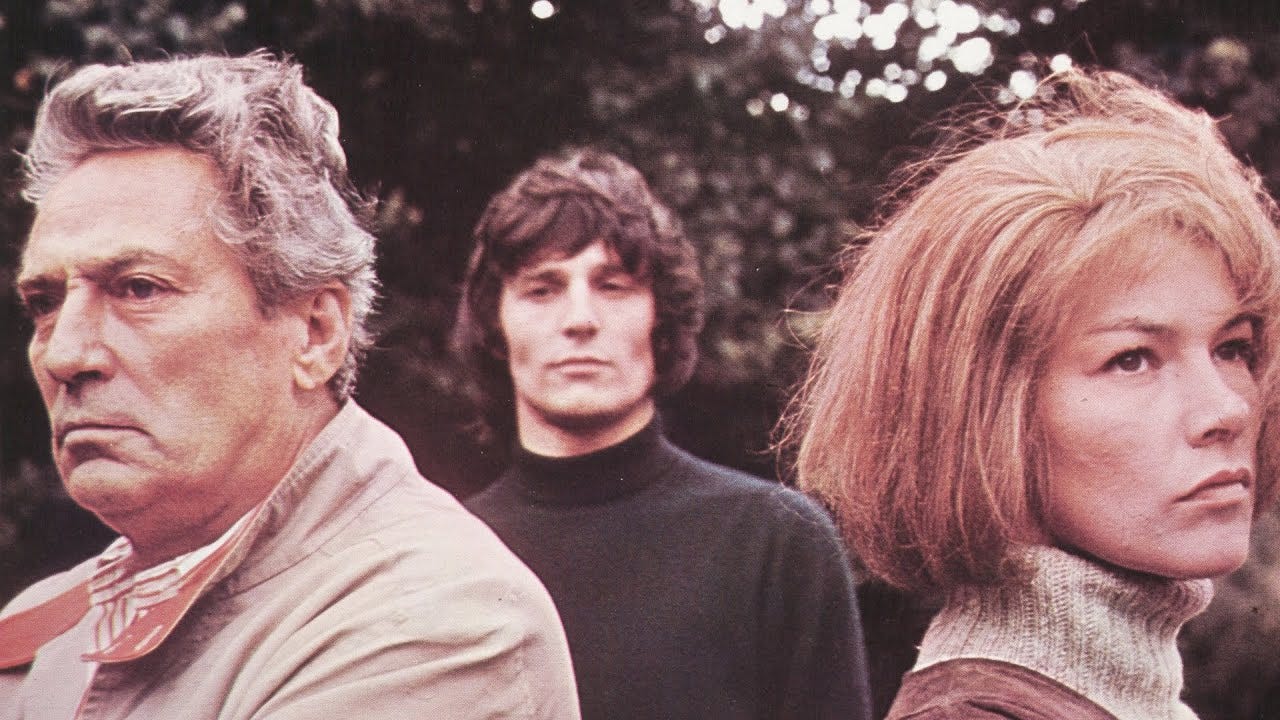
Sunday Bloody Sunday contained, in 1971, the first kiss between two men in a major mainstream film. Peter Finch played Daniel Hirsh, a Jewish doctor in his fifties; Murray Head played Bob Elkin, a young bisexual sculptor; the kiss took place in Hirsh’s London flat, in mid-conversation, casually. The actor originally cast in Finch’s role was Ian Bannen. He withdrew during the read-through after seeing the scene, telling director John Schlesinger he could not, on a personal level, do it. Schlesinger gave the role to Finch, who had no hesitation about it whatsoever and who later said the scene was the easiest in the film.
Sunday Bloody Sunday received four Academy Award nominations and won zero. Finch was nominated for Best Actor. Glenda Jackson – in her second Oscar nomination, after Women in Love a year earlier – was nominated for Best Actress as Alex Greville, the woman who is also in love with Bob.
Finch lost Best Actor to Gene Hackman in The French Connection. Jackson lost Best Actress to Jane Fonda in Klute. Finch would not win Best Actor in his lifetime; he died of a heart attack in 1977 at 60, two months before being awarded Best Actor posthumously for Network – the first posthumous Best Actor in Academy history. Jackson, who had won Best Actress for Women in Love, would win again two years later for A Touch of Class. Of the three principals in the film’s love triangle, only Murray Head ever appeared on this list – he didn’t.
Sounder (1972)
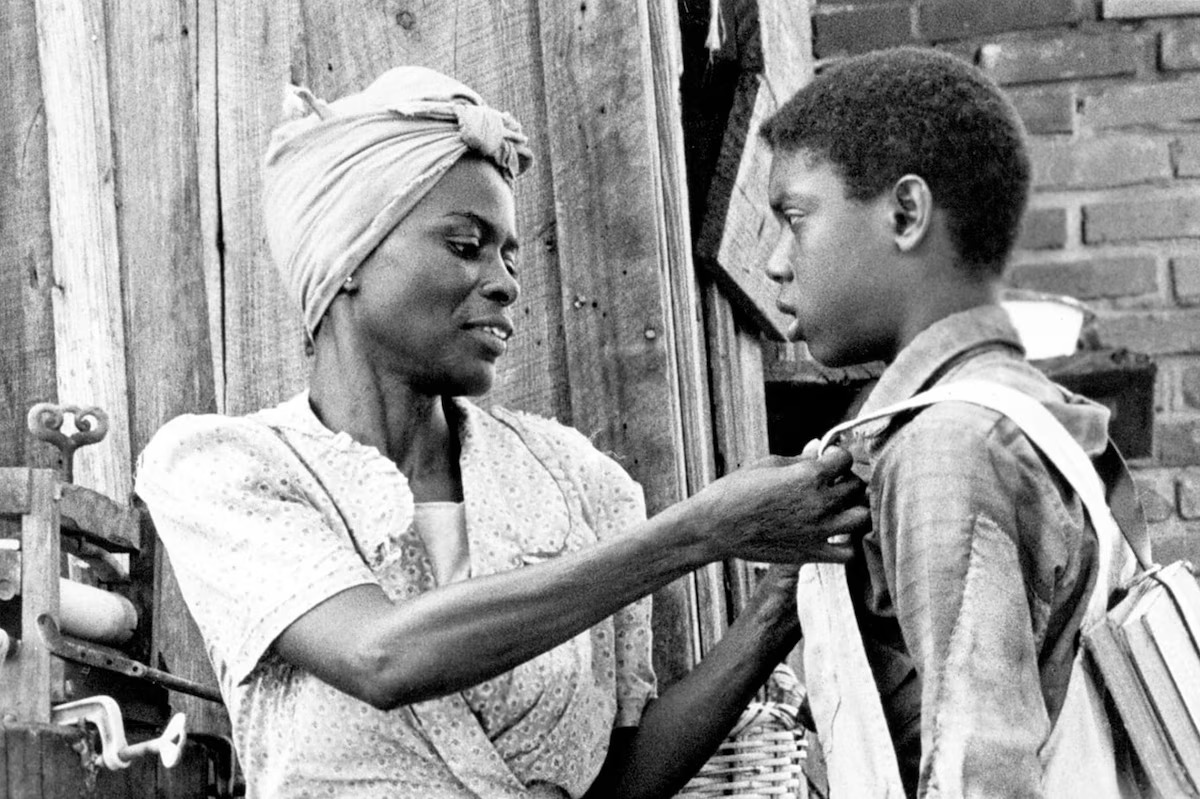
Sounder was the first film in Academy Award history in which both Black lead actors received nominations in the leading categories. Paul Winfield was nominated for Best Actor as Nathan Lee Morgan, a Louisiana sharecropper imprisoned for stealing food. Cicely Tyson was nominated for Best Actress as his wife Rebecca, who keeps the family farm running while he is gone. The film was directed by Martin Ritt from a screenplay by Lonne Elder III, who became the first Black writer nominated for Best Adapted Screenplay.
Sounder received four Academy Award nominations and won zero. It is now considered one of the most quietly devastating American films of its decade, a portrait of rural Black family life in the Depression-era South that refuses sentiment and refuses melodrama. The film cost $900,000 and was a substantial commercial success, grossing $11 million.
Winfield lost Best Actor to Marlon Brando in The Godfather. Brando refused the Oscar and sent the Apache activist Sacheen Littlefeather to decline it on his behalf, in protest of Hollywood’s depiction of Native Americans. Tyson lost Best Actress to Liza Minnelli in Cabaret. Sounder was the first of three films on this list to feature a Black double-loss; the next would not come for twenty-one years, with What’s Love Got to Do with It in 1993. Winfield would never be nominated again. Tyson would receive a second nomination forty-six years later, for The Help, and lose that too. She died in 2021 at 96, with one Honorary Oscar awarded in her final years.
Chinatown (1974)
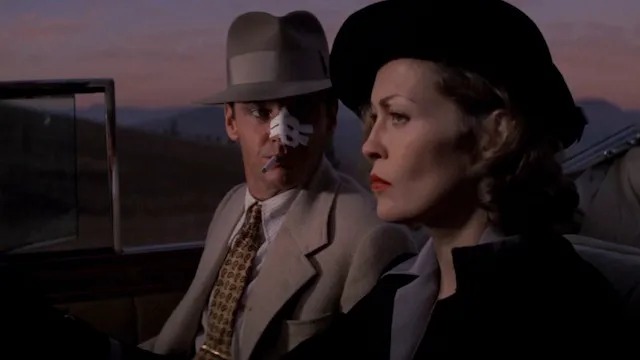
Roman Polanski personally cut Jack Nicholson’s nose during the filming of Chinatown. The famous scene in which Nicholson’s J.J. Gittes has his nostril sliced open by a small-time hood was filmed by having Polanski himself, who was directing, hold the switchblade against Nicholson’s face and make a tiny actual cut. Nicholson agreed to it. The blood is real. Nicholson required two stitches.
Chinatown received eleven Oscar nominations and won one, for Best Original Screenplay – Robert Towne. The film is now widely considered one of the great American films of the 1970s, the decade in which American film was at its most critically celebrated. It was nominated for Best Picture, Best Director, Best Actor, Best Actress, Best Cinematography, Best Editing, Best Score, Best Art Direction, Best Costume Design, and Best Sound. Of those eleven nominations, one statuette resulted.
Nicholson lost Best Actor to Art Carney in Harry and Tonto, in what is universally regarded as one of the worst Best Actor decisions in Academy history. Faye Dunaway, in her second Oscar nomination after Bonnie and Clyde, lost Best Actress to Ellen Burstyn in Alice Doesn’t Live Here Anymore. The Godfather Part II won Best Picture and most of the other prizes that night. Polanski, the man who had cut Nicholson’s nose and directed the film, was nominated for Best Director and lost to Francis Ford Coppola, who had directed The Godfather Part II. Lenny, the next entry on this list, lost six nominations the same night.
Lenny (1974)
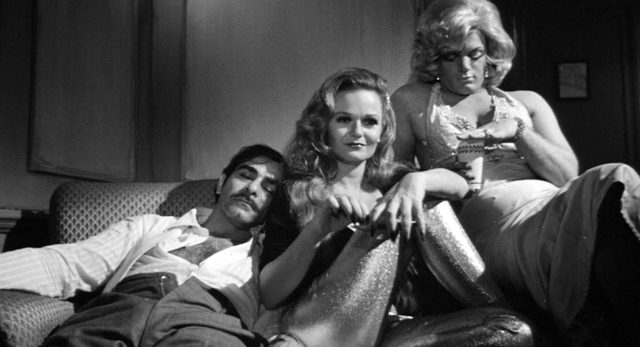
Lenny Bruce was the first comedian in American history to be arrested for obscenity solely on the basis of his words. Not gestures, not props, not visual indecency – words. He was prosecuted in San Francisco, Chicago, Los Angeles and twice in New York, fighting the cases for years until they bankrupted him. He died of a morphine overdose in 1966 at the age of forty, naked on his bathroom floor. Bob Fosse made the film of his life eight years later, in cinema verite black and white, with Dustin Hoffman in the title role and Valerie Perrine as his stripper wife Honey.
Lenny received six Oscar nominations – Best Picture, Best Director, Best Actor, Best Actress, Best Adapted Screenplay, Best Cinematography – and won zero. Fosse was coming off his sweep at the previous year’s ceremony for Cabaret; Perrine had just won Best Actress at Cannes for this performance. None of it mattered.
The 47th Academy Awards was the same ceremony at which Chinatown also lost everything. Hoffman lost Best Actor to Art Carney in Harry and Tonto, the same upset that derailed Nicholson. Perrine lost Best Actress to Ellen Burstyn in Alice Doesn’t Live Here Anymore, the same Burstyn who beat Dunaway. The Godfather Part II took most of the rest. Hoffman would finally win Best Actor four years later for Kramer vs. Kramer. Perrine never received another Oscar nomination.
Rocky (1976)
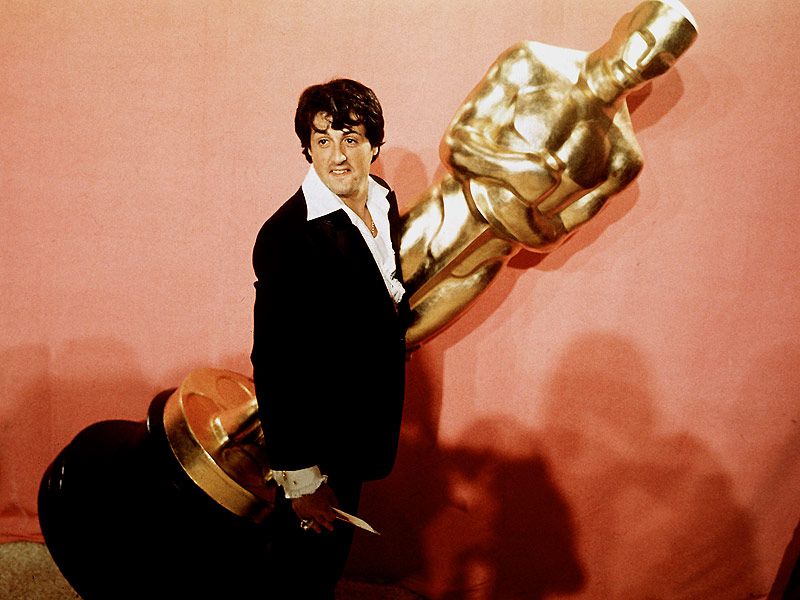
Sylvester Stallone had $106 in his bank account when he wrote the Rocky screenplay in three and a half days. United Artists offered him $360,000 for it on the condition that he not play the lead. Stallone refused. Eventually they let him star for a $20,000 fee plus a percentage of the back end. Rocky cost $1.1 million to make and grossed $225 million. The percentage Stallone had held out for made him one of the wealthiest first-time stars in Hollywood history.
Stallone’s bow tie fell off on the way to the 49th Academy Awards. He arrived without one. During the ceremony Muhammad Ali snuck up behind him at the podium and pretended to challenge him to a fight; Stallone, who had been about to present an award, said “Can’t you see I’m working?” Rocky received ten Oscar nominations and won three. It became one of the great underdog Best Picture upsets in Academy history, beating All the President’s Men, Network and Taxi Driver.
Stallone lost Best Actor to Peter Finch in Network. Talia Shire lost Best Actress to Faye Dunaway in Network. Burgess Meredith and Burt Young both lost Best Supporting Actor to Jason Robards in All the President’s Men. Finch, who had died of a heart attack two months earlier, became the first posthumous Best Actor in Oscar history – the same Finch who had lost five years earlier in Sunday Bloody Sunday. He was, in death, finally rewarded.
Atlantic City (1980)
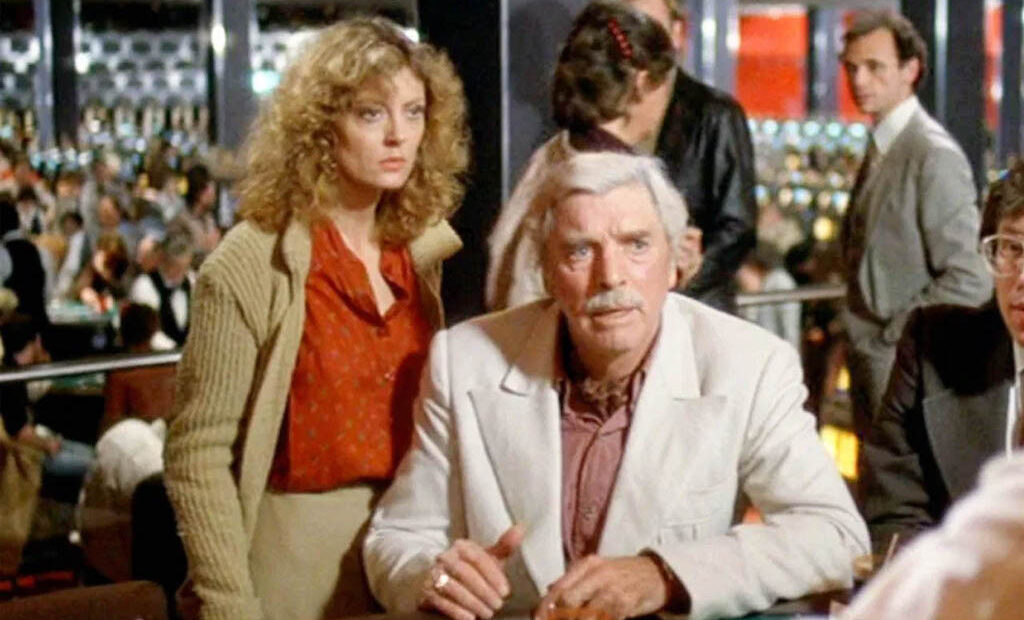
Henry Fonda was Louis Malle’s first choice to play Lou, the aging small-time numbers runner at the heart of Atlantic City. The producers vetoed him on grounds of his health, which was a polite way of saying he was visibly dying. The role went to Burt Lancaster. Fonda took a different part in a different film about an old man at the end of his life – On Golden Pond. He won the Best Actor Oscar for it. He died five months later. Lancaster, in losing to Fonda for the part Lancaster had been given because Fonda couldn’t have it, exhibited the kind of cosmic timing the Academy specialises in.
Atlantic City was nominated for all five major Oscars: Picture, Director, Actor, Actress and Original Screenplay. It won zero. It is one of only eight films in Academy history nominated for the Big Five and shut out completely. The screenplay lost to Chariots of Fire. Malle’s direction lost to Warren Beatty for Reds, the next entry on this list.
Lancaster lost Best Actor to Fonda. Susan Sarandon, in the role that made her a major Hollywood star after a decade of supporting parts, lost Best Actress to Katharine Hepburn in On Golden Pond. Hepburn was now 74 and had won her first Oscar 48 years earlier for Morning Glory; this was her fourth, still the record. Sarandon would lose Best Actress three more times before finally winning for Dead Man Walking in 1995.
Reds (1981)
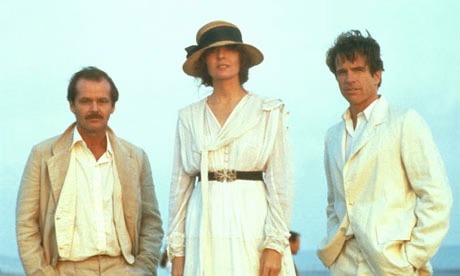
Warren Beatty was nominated for Best Producer, Best Director, Best Actor and Best Original Screenplay for Reds, his three-and-a-half-hour epic about the American journalist John Reed and the Russian Revolution of 1917. He was, and remains, the only filmmaker in Academy history to receive all four nominations for the same film twice – he had also done it three years earlier for Heaven Can Wait. Reds received twelve Oscar nominations, more than any other film of 1981, and won three. Beatty took Best Director – his only competitive Oscar.
Reagan, four months into his presidency and a former Screen Actors Guild president with strong views about communism, hosted a private screening at the White House for Beatty and Diane Keaton. He reportedly enjoyed the love story. Beatty had been working on the project since the 1960s; John Reed, who died of typhus in Moscow in 1920 aged 32, remains the only American buried in the Kremlin Wall.
Beatty lost Best Actor to Henry Fonda in On Golden Pond – the second time he had lost the prize, the first being Bonnie and Clyde. Keaton lost Best Actress to Katharine Hepburn in On Golden Pond. Best Picture went to Chariots of Fire. The 54th Academy Awards remains the only ceremony in Oscar history at which two separate films – Reds and Atlantic City – had both their lead-acting nominees lose to the leads of a third.
Missing (1982)
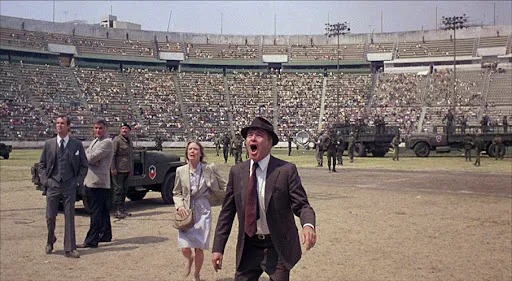
Missing was banned in Chile. The dictatorship of Augusto Pinochet, which had taken power in the 1973 coup that the film depicts, considered the picture sufficiently inconvenient that Costa-Gavras’s name itself became prohibited. The American government also took unkindly to it. The former US ambassador to Chile and two State Department officials sued Costa-Gavras, the studio and the source-book author for libel. The lawsuit lasted years. The film was effectively withdrawn from US distribution until 2006, by which point declassified documents had largely confirmed everything in the screenplay anyway.
The film stars Jack Lemmon as Ed Horman, a conservative American businessman searching Chile for his disappeared son Charlie, and Sissy Spacek as Charlie’s wife Beth. It is based on the actual case of Charles Horman, an American journalist murdered in the days after the coup with what later evidence suggested was the knowledge and possible cooperation of the US embassy. Costa-Gavras refused to name the country in the film. He didn’t have to.
Missing received four Oscar nominations – Best Picture, Best Actor, Best Actress, Best Adapted Screenplay – and won one, for the screenplay. Lemmon, in his second appearance on this list after Days of Wine and Roses, lost Best Actor to Ben Kingsley in Gandhi. Spacek lost Best Actress to Meryl Streep in Sophie’s Choice. The film won the Palme d’Or at Cannes that year, in a tie with Yol. Lemmon won Cannes Best Actor.
Educating Rita (1983)
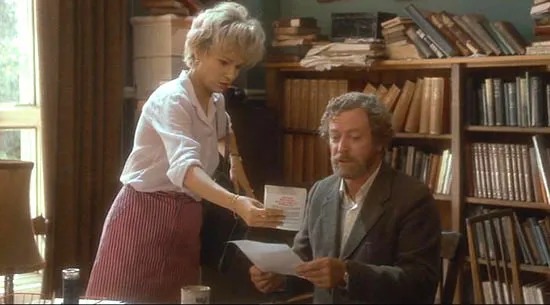
Columbia wanted Dolly Parton to play the working-class Liverpudlian hairdresser at the centre of Educating Rita. Director Lewis Gilbert refused. He wanted Julie Walters, the actress who had played the role on stage in London for the past two years, who had never been in a film, and whose accent was already authentic to within roughly six city blocks of where the story is set. Walters got the part. The role of the alcoholic Open University tutor Frank Bryant, who teaches her literature while gradually falling apart, went to Michael Caine – who put on thirty pounds for the part, grew a substantial beard, and called it the role he was most proud of in his entire career.
The film received three Oscar nominations: Best Actor, Best Actress, and Best Adapted Screenplay for Willy Russell, who had written the original stage play. It won zero. Caine and Walters won every other major award available to them – BAFTAs, Golden Globes – but the Oscars proved different.
Caine was the only Brit not to win that year, in a curious inversion of the usual pattern: four of the five Best Actor nominees were British, and the prize went to the lone American, Robert Duvall, for Tender Mercies. Walters lost Best Actress to Shirley MacLaine in Terms of Endearment – MacLaine’s first Oscar after thirty years of Hollywood and five previous nominations. The screenplay lost to Terms of Endearment as well.
Broadcast News (1987)
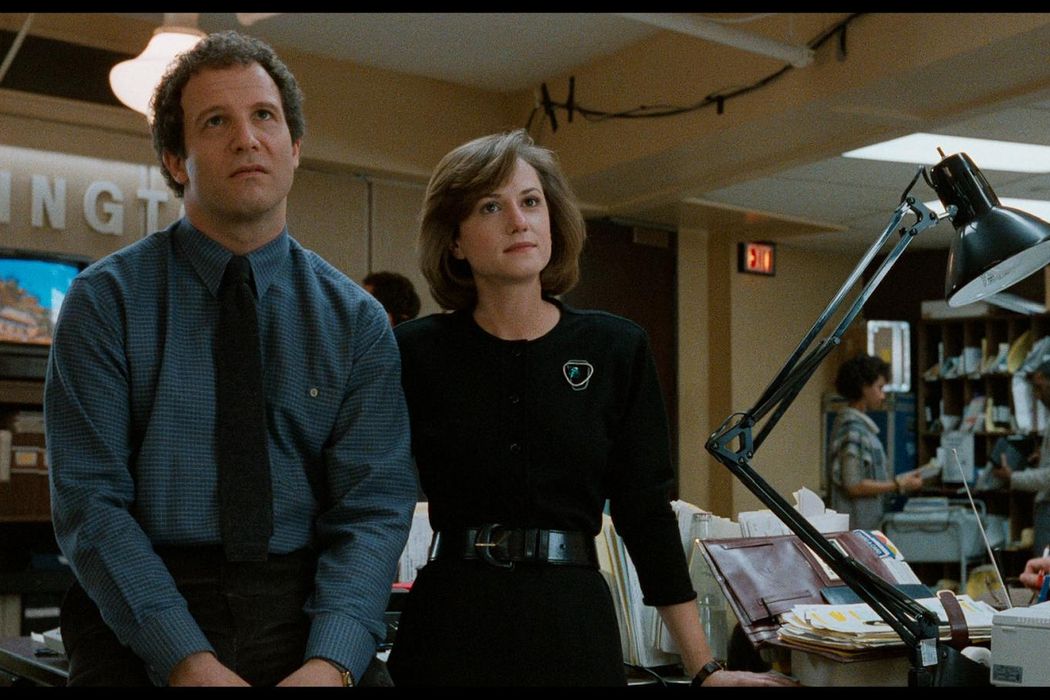
Holly Hunter got the role of Jane Craig in Broadcast News two days before filming began. Debra Winger had been cast – Winger had worked with director James L. Brooks on Terms of Endearment and was the obvious choice – but became pregnant and had to drop out. Hunter was 29, mostly unknown, and was handed the lead in what would become one of the most acclaimed films of the decade with 48 hours’ notice. Her character was based on the real CBS news producer Susan Zirinsky, who served as associate producer and technical advisor and did not attempt to hide it.
Broadcast News received seven Oscar nominations including Best Picture, Best Original Screenplay, three of the four acting categories, and won zero. It was the most acclaimed film of 1987 by critical consensus – placed on more ten-best lists than any other film that year – and the Academy decided to give all the prizes to other films instead.
William Hurt, who had won Best Actor two years earlier for Kiss of the Spider Woman, lost to Michael Douglas in Wall Street. Hunter lost to Cher in Moonstruck. Albert Brooks lost Best Supporting Actor to Sean Connery in The Untouchables. Best Picture went to The Last Emperor. Hunter would win Best Actress six years later for The Piano. The next entry on this list lost the same two leading prizes the same evening.
Ironweed (1987)
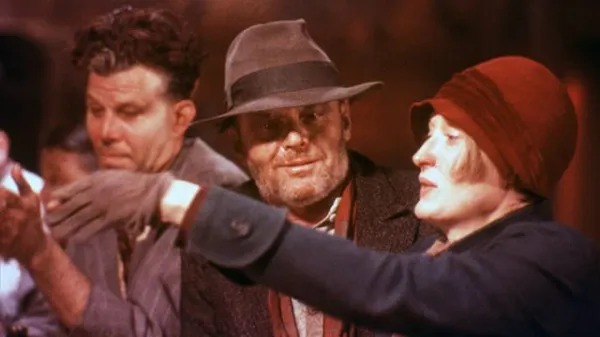
Ironweed and Broadcast News opened within nine days of each other in December 1987. They were nominated at the same ceremony in the same categories with the same result. Jack Nicholson, playing the homeless drunk Francis Phelan in Hector Babenco’s adaptation of William Kennedy’s Pulitzer Prize-winning novel, was Hurt’s Broadcast News competition for Best Actor. They lost to the same person. Meryl Streep, playing the homeless tubercular ex-singer Helen, was Hunter’s competition for Best Actress. They lost to the same person too.
Ironweed received only those two Oscar nominations and was a box-office catastrophe, taking $7 million on a $27 million budget. Babenco had directed the previous film with Nicholson – Kiss of the Spider Woman, which won William Hurt his Best Actor Oscar two years earlier. Streep, in her seventh nomination, sang the song “He’s Me Pal” in a fantasy nightclub sequence considered one of the great isolated showcases of her career.
Both performances are now widely considered among the strongest of the actors’ lives. Both lost to Michael Douglas’s Gordon Gekko proclaiming greed was good and Cher slapping Nicolas Cage in a kitchen and telling him to snap out of it. The 60th Academy Awards remains the only ceremony at which two films, released in the same month, had both their lead-acting nominees lose to the same other two performers in the same other two films on the same night.
What’s Love Got to Do with It (1993)
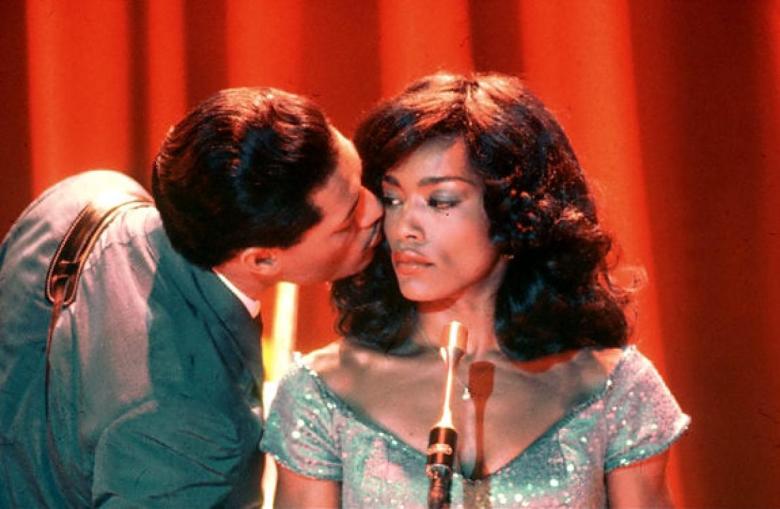
Laurence Fishburne turned down the role of Ike Turner five times. The script depicted Ike, accurately, as a violent abuser who beat his wife on a routine basis for sixteen years, and Fishburne had no interest in playing a one-dimensional villain. The writers eventually added a scene in which a six-year-old Ike watches his father bleed to death in a Mississippi street, killed over an affair with a white woman. Fishburne agreed. He said the deciding factor was Angela Bassett’s casting as Tina.
Whitney Houston was offered the lead and declined; she was pregnant. Halle Berry, Robin Givens, Janet Jackson and Vanessa L. Williams were all considered. Bassett, then 35, did her own choreography, working closely with Tina Turner herself on the dance routines. Tina Turner re-recorded all the songs in the film. It grossed $61 million on a $15 million budget against critical acclaim and an A-grade CinemaScore from audiences.
Bassett and Fishburne were both nominated at the 66th Academy Awards. Bassett won the Golden Globe. She lost the Oscar to Holly Hunter in The Piano – the same Holly Hunter who six years earlier had lost on this list for Broadcast News, now a winner. Fishburne lost Best Actor to Tom Hanks in Philadelphia. The film was the first Black double-loss on this list since Sounder twenty-one years earlier, and the second of three. Bassett later said that after the loss she went eighteen months without a job offer.
The English Patient (1996)
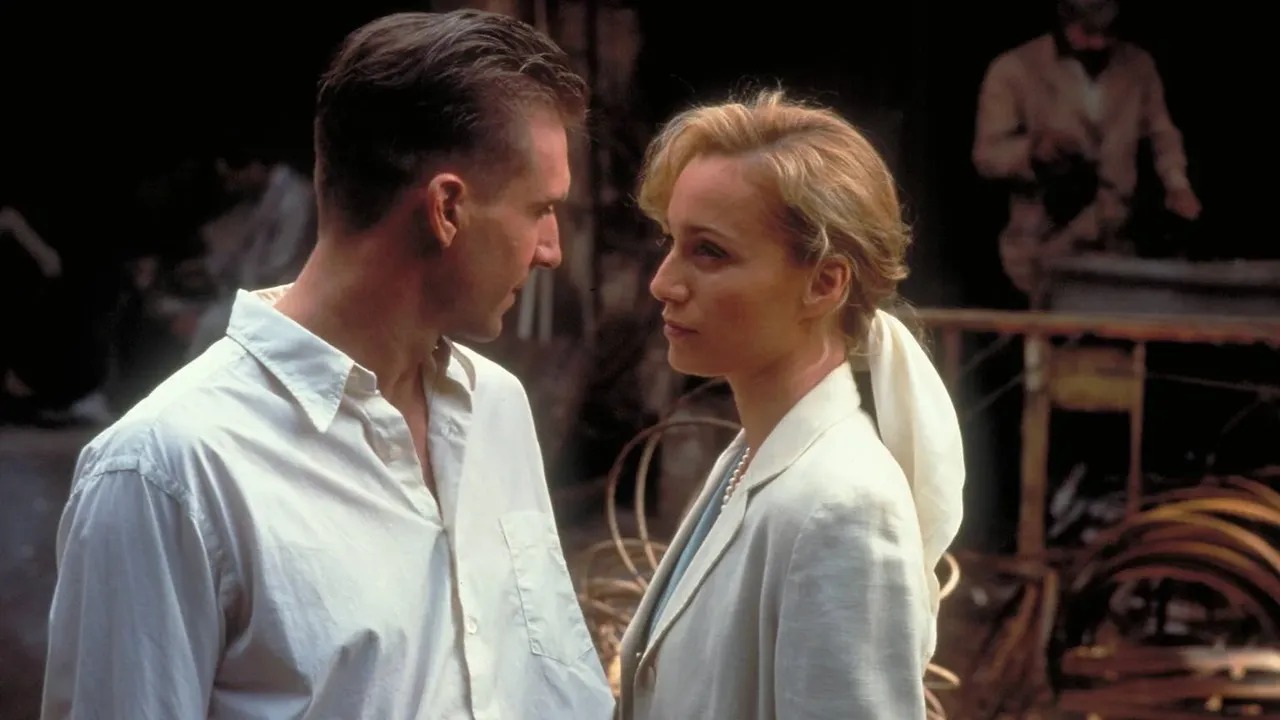
Twentieth Century Fox dropped The English Patient three weeks before production began. The studio wanted Demi Moore in the role of Katharine Clifton; director Anthony Minghella wanted Kristin Scott Thomas. Fox wouldn’t budge, then walked away from the project entirely. Miramax came in and bought worldwide rights for $27.5 million. To make the budget work, producer Saul Zaentz, the cast and the crew agreed to ten million dollars in salary deferrals. Scott Thomas got the role.
The film won nine Academy Awards from twelve nominations, including Best Picture, Best Director and Best Supporting Actress for Juliette Binoche. Nine wins ties it for fifth most ever, alongside Gigi (1958) and The Last Emperor (1987); only West Side Story, Ben-Hur, Titanic and The Return of the King have more. The film about which Fox had pulled the plug had won everything Fox would have wanted to win.
Almost everything. Ralph Fiennes lost Best Actor to Geoffrey Rush in Shine, who played the schizophrenic Australian pianist David Helfgott. Scott Thomas lost Best Actress to Frances McDormand in Fargo – a film by the Coen brothers that cost $7 million, less than a third of what Miramax had paid for English Patient distribution alone. Both leading-actor categories went elsewhere. The English Patient’s nine wins made it one of the most successful films in Oscar history; the two prizes it didn’t win make it eligible for this list.
In the Bedroom (2001)
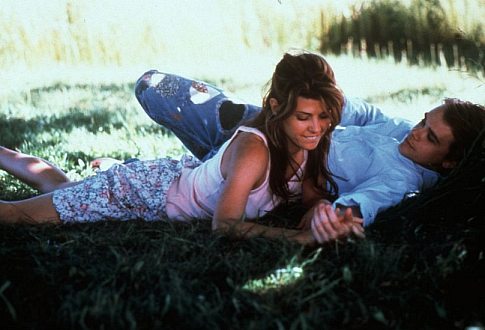
Todd Field’s directorial debut cost $1.7 million and grossed $43 million. He had spent the previous decade as a working actor, most visibly as the doomed pianist Nick Nightingale in Stanley Kubrick’s Eyes Wide Shut, and had decided he preferred being on the other side of the camera. He adapted a 1979 short story by Andre Dubus called Killings, about a Maine family destroyed by a son’s murder, and cast Tom Wilkinson and Sissy Spacek as the parents. The film received five Oscar nominations and won zero.
Spacek’s appearance on this list represented her second loss in the leading category, having already lost Best Actress for Missing nineteen years earlier. She was the only person at this point to lose two leading Oscars on this list, which is an unusual distinction even by the standards of unusual distinctions.
Wilkinson lost Best Actor to Denzel Washington in Training Day. Washington was the first Black Best Actor since Sidney Poitier in Lilies of the Field thirty-eight years earlier. Spacek lost Best Actress to Halle Berry in Monster’s Ball. Berry was the first Black Best Actress in the entire seventy-four-year history of the award, and remains, at the time of writing, the only one. The 74th Academy Awards was a historic ceremony in many ways. For Spacek and Wilkinson, who had merely given two of the best performances of the year, it was a footnote.
American Hustle (2013)
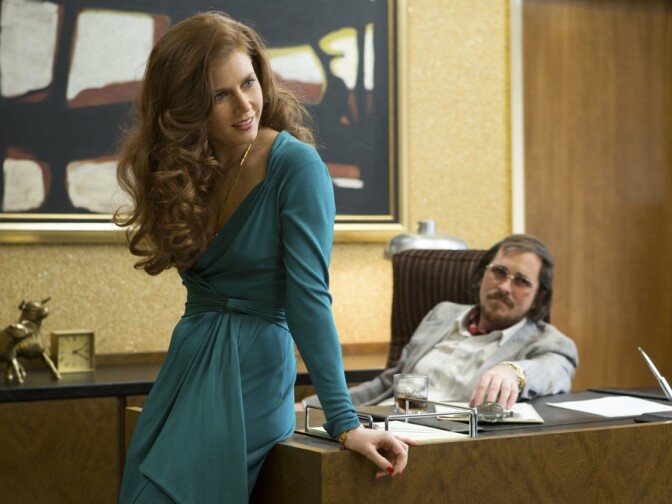
David O. Russell is the only director in Oscar history to receive nominations in all four acting categories for two consecutive films. He did it with Silver Linings Playbook in 2012 and again with American Hustle in 2013. The Hustle nominations went to Christian Bale, Amy Adams, Bradley Cooper and Jennifer Lawrence. Russell joined a list that had previously included only twelve other films, the most recent being Reds in 1981 – which makes a second appearance on this list and is, like American Hustle, a film that lost everything.
American Hustle received ten Oscar nominations, tying it with Gravity for the most that year. It won zero. The film was loosely based on the FBI’s late-1970s ABSCAM sting operation, in which agents posed as Arab sheikhs offering bribes to American politicians in exchange for political favours, and was made on a $40 million budget, grossing $251 million worldwide.
Bale, who had won Best Supporting Actor three years earlier for Russell’s The Fighter, lost to Matthew McConaughey in Dallas Buyers Club. Adams, in her fifth nomination, lost to Cate Blanchett in Blue Jasmine. Cooper lost to Jared Leto in Dallas Buyers Club. Lawrence, who had won Best Actress the previous year for Silver Linings Playbook, lost to Lupita Nyong’o in 12 Years a Slave – which won Best Picture. Adams would lose Best Actress on five further occasions before being nominated for the sixth time and losing again, without ever winning.
A Star Is Born (2018)
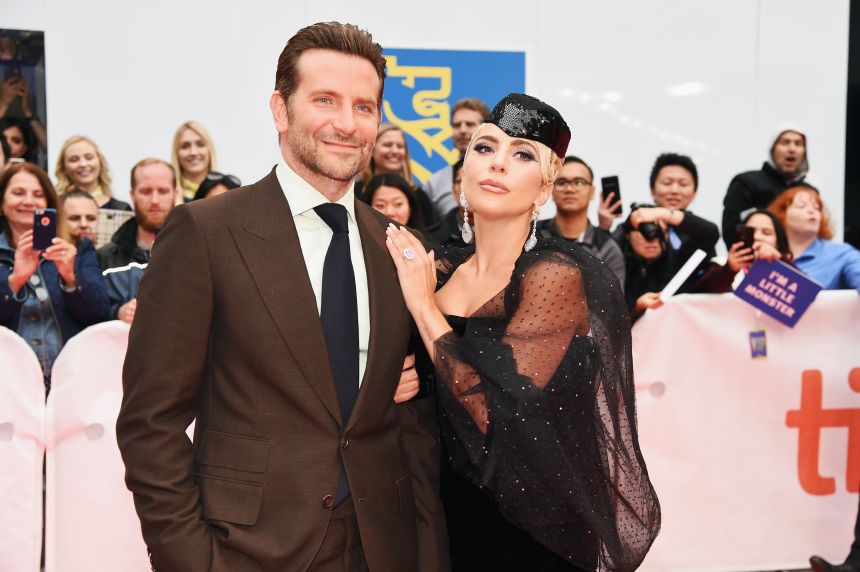
Bradley Cooper’s first choice to play Jackson Maine, the alcoholic country-rock star at the centre of his Star Is Born remake, was the musician Jack White. Warner Bros. rejected the idea on the reasonable grounds that Jack White had never acted in a major film. Cooper, who had been hired only to direct, ended up playing the part himself. He learned to sing and play guitar over eighteen months, dropped his speaking voice by an octave to match the character, and cast Lady Gaga – whose previous film acting consisted of brief appearances in American Horror Story – as Ally.
A Star Is Born received eight Oscar nominations and won one: Best Original Song for “Shallow”, co-written and performed by Lady Gaga, who in the same year became the first woman to win an Oscar, BAFTA, Golden Globe and Grammy for a single film.
Cooper lost Best Actor to Rami Malek in Bohemian Rhapsody. Lady Gaga lost Best Actress to Olivia Colman in The Favourite. This was the third A Star Is Born on this list, joining the 1937 original and the 1954 musical, all of them films which had received simultaneous Best Actor and Best Actress nominations and lost both. The story of an aging male star who falls in love with a rising female one and self-destructs has, on the evidence, never had much luck at the Academy Awards.
Marriage Story (2019)
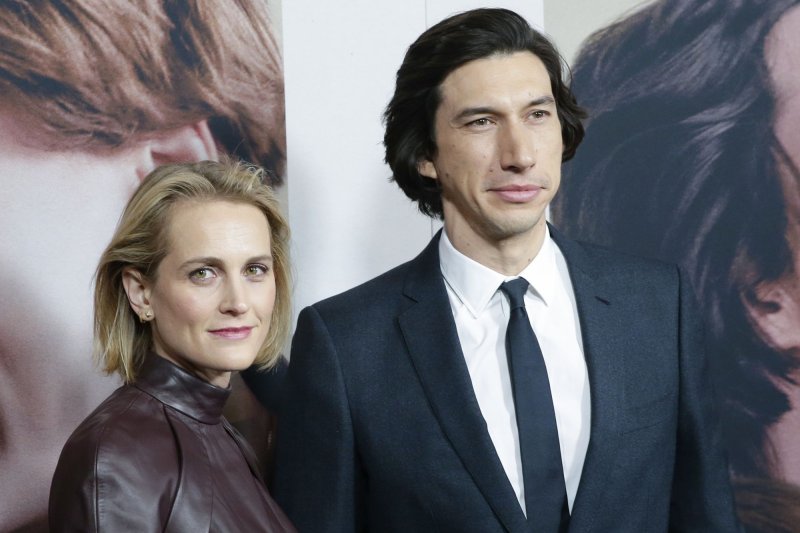
Scarlett Johansson became the first performer in twelve years to receive simultaneous nominations in lead and supporting categories at the same ceremony. She was nominated for Best Actress for Marriage Story and Best Supporting Actress for Jojo Rabbit. The previous person to do this had been Cate Blanchett in 2007, for Elizabeth: The Golden Age and I’m Not There. Johansson lost both, and is therefore the only person on this list to lose three Oscars in a single evening.
Marriage Story was Noah Baumbach’s account of a Brooklyn theatre director and a Los Angeles actress getting divorced through the legal system; Baumbach had divorced Jennifer Jason Leigh in 2013 and based much of the film on what was, by his own admission, his own experience. Adam Driver played the husband. The film received six Oscar nominations and won one – Laura Dern for Best Supporting Actress as a Los Angeles divorce lawyer.
Driver lost Best Actor to Joaquin Phoenix in Joker. Johansson lost Best Actress to Renee Zellweger in Judy and Best Supporting Actress to Laura Dern – her own co-star, in her own film. The Oregon Department of Agriculture later began using audio of Driver’s most explosive argument scene, played from drones, to deter wolves from attacking livestock. As a way to lose two Oscars, getting beaten by your colleague while your shouting is repurposed to scare wildlife is at least distinctive.
Ma Rainey’s Black Bottom (2020)
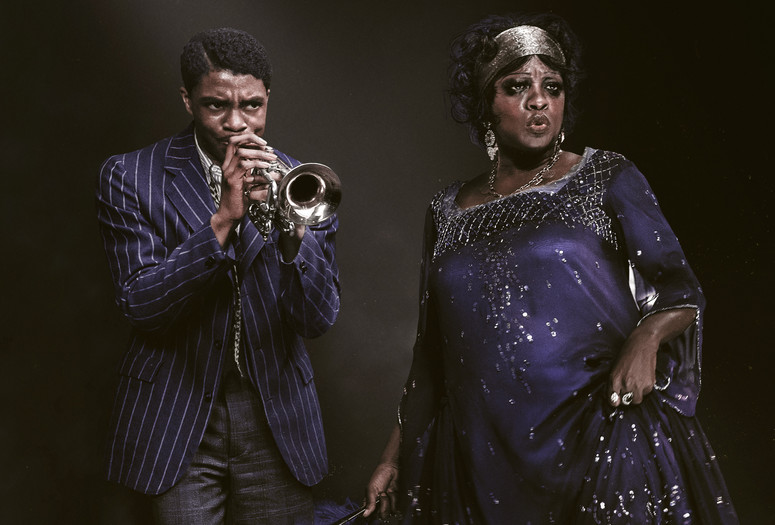
Chadwick Boseman died of colon cancer on August 28, 2020, four months before Ma Rainey’s Black Bottom was released. He was 43. He had been diagnosed in 2016 and had filmed Marshall, Black Panther, the two Avengers films, Da 5 Bloods and Ma Rainey’s Black Bottom while undergoing treatment, telling almost no one outside his immediate family. The performance as Levee, the trumpet player who explodes, was understood by everyone to be the work of a man who knew it was his last.
Ma Rainey’s Black Bottom received five Oscar nominations and won two. Boseman won the Golden Globe and the Screen Actors Guild award posthumously. He was the heavy favourite to win the Oscar. The Best Actor category was moved to the final slot of the night, where Best Picture traditionally goes, in what was widely interpreted as a ceremonial decision to end the evening on the tribute.
Anthony Hopkins won instead, for The Father, becoming at 83 the oldest Best Actor in Oscar history. Hopkins was asleep in Wales and not in attendance. Viola Davis lost Best Actress to Frances McDormand in Nomadland. The Boseman/Davis pairing was the third Black double-loss on this list, after Sounder and What’s Love Got to Do with It – forty-eight years on from the first, twenty-seven from the second. The 93rd Academy Awards remains the most awkward final ten minutes in modern Oscar history.
Being the Ricardos (2021)
The 94th Academy Awards is now known to most people as the ceremony at which Will Smith walked onto the stage and slapped Chris Rock during the broadcast. Smith won Best Actor an hour and a half later, for King Richard. He gave a tearful acceptance speech in which he apologised to the Academy. He did not apologise to Chris Rock. The Academy banned him for ten years.
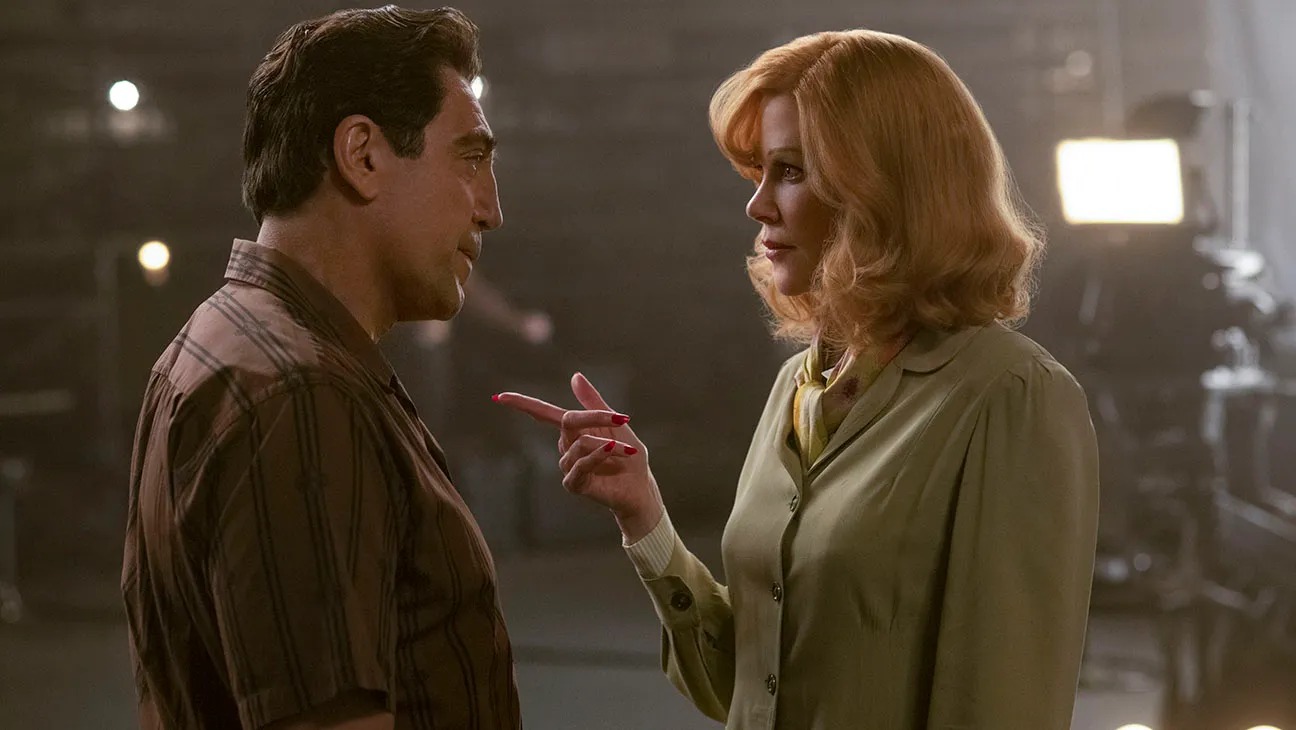
The man Will Smith beat for Best Actor was Javier Bardem, in Aaron Sorkin’s Being the Ricardos. Bardem played Desi Arnaz; Nicole Kidman played Lucille Ball. The film was an account of one terrible week during the production of I Love Lucy in 1953, when Ball was accused of being a Communist, when Arnaz’s affair was about to be reported in Confidential magazine, and when CBS executives were trying to get Ball to hide her pregnancy from television audiences who, the executives believed, did not need to know that Lucy and Desi had sex.
Being the Ricardos received three Oscar nominations – Bardem, Kidman, and J.K. Simmons for Supporting Actor as William Frawley – and won zero. Bardem lost to Smith in the slap-incident shadow. Kidman lost Best Actress to Jessica Chastain in The Eyes of Tammy Faye. Kidman won the Golden Globe for the role; she also won an Emmy and a SAG award for other things that year. The Oscar she had wanted went elsewhere.
Maestro (2023)
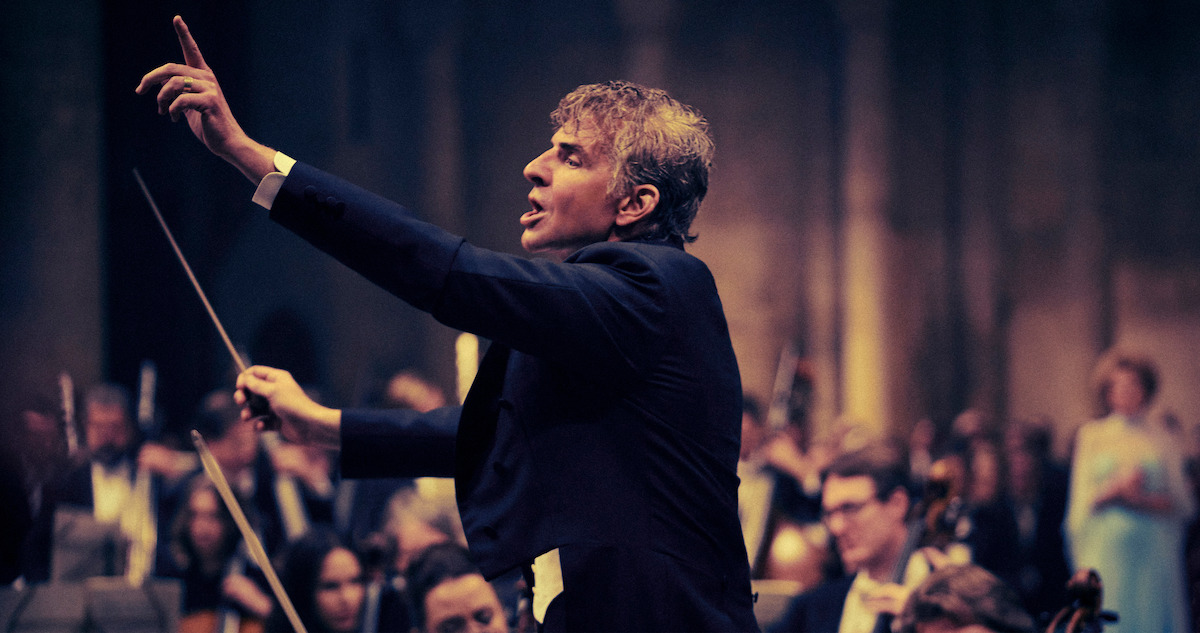
Maestro is the second film on this list directed by Bradley Cooper. He has now made two films and lost two Best Actor Oscars at the head of two double-loss films: A Star Is Born in 2018 and Maestro in 2023. This is, statistically, an unusually consistent body of work, and one wonders what he plans to do next.
Cooper had originally been cast only to star in Maestro; Martin Scorsese was directing. Then Scorsese left to make The Irishman. Then Steven Spielberg took over and approached Cooper to play Bernstein. Then Spielberg left as well, after seeing a pre-release screening of A Star Is Born and apparently deciding Cooper should direct. Cooper duly stepped behind the camera too, prepared for six years, learned to conduct an orchestra by mimicking footage of Leonard Bernstein conducting Mahler’s Second in 1976, and shot the conducting scene in a single six-minute take that left him visibly weeping at the podium.
Maestro received seven Oscar nominations including Best Picture, Best Director, Best Actor and Best Actress. It won zero. Cooper lost Best Actor to Cillian Murphy in Oppenheimer. Carey Mulligan lost Best Actress to Emma Stone in Poor Things. Cooper has now received twelve Oscar nominations across acting, writing, directing and producing without ever winning. Felicia Montealegre, watching her husband conduct, once told a friend that the worst thing about Lenny was his terrifying need to be loved by everyone. Cooper, evidently, knows the feeling.
Frequently Asked Questions
Has a Best Picture winner ever lost both lead acting Oscars?
Yes, six times: Cimarron, Rebecca, Gentleman’s Agreement, From Here to Eternity, Rocky, and The English Patient all won Best Picture while their lead-acting nominees lost. Rebecca gave Alfred Hitchcock his only Best Picture win and still couldn’t carry Laurence Olivier or Joan Fontaine to the podium.
Did the 1976 A Star Is Born also lose Best Actor and Best Actress?
No, because it never had the chance. The 1976 Barbra Streisand and Kris Kristofferson version received no nominations for its leads at all, the only version that can say so. Its lone Oscar went to “Evergreen,” the love theme Streisand wrote with lyricist Paul Williams. Skipping the acting races proved a sound strategy.
Who beat Chadwick Boseman for Best Actor in 2021?
Anthony Hopkins won Best Actor for The Father, at 83 the oldest winner in the category’s history – a record that still stands. Boseman, who died of colon cancer in August 2020 at 43, had won the Golden Globe and Screen Actors Guild award posthumously for Ma Rainey’s Black Bottom.
Have two films ever suffered the double loss at the same ceremony?
Yes, five times, at the awards for 1943, 1947, 1974, 1981, and 1987. The 1981 edition stands alone: Atlantic City and Reds together lost four lead nominations to a single film, with Henry Fonda and Katharine Hepburn of On Golden Pond taking both prizes.
Which film on the list lost the most Oscars?
American Hustle went zero for ten in 2013, the largest shutout on the list. It was nominated in all four acting categories – Christian Bale, Amy Adams, Bradley Cooper, Jennifer Lawrence – and lost each one, along with Best Picture, Best Director, and four more.
Which films on the list had Black nominees in both lead categories?
Three. Sounder in 1972 was the first film ever to earn Academy nominations for Black performers in both lead categories, for Paul Winfield and Cicely Tyson. What’s Love Got to Do with It followed in 1993 with Laurence Fishburne and Angela Bassett, and Ma Rainey’s Black Bottom in 2020 with Chadwick Boseman and Viola Davis.
Has anyone on the list been nominated twice on the same night?
Scarlett Johansson was, at the ceremony for 2019 – Best Actress for Marriage Story and Best Supporting Actress for Jojo Rabbit, the first double nomination by any performer in twelve years. She lost the supporting prize to Laura Dern, her own Marriage Story co-star, which is a rare way to have a bad evening.
Sources
- Oscars.org
- IMDb awards databases (per-film)
- Wikipedia per-film entries and Academy Awards ceremony entries
- Britannica Encyclopedia film and biography entries
- Variety, The Hollywood Reporter, and Hollywood Reporter awards archives
- Turner Classic Movies
- Criterion Collection
- FilmAffinity and Rotten Tomatoes per-film entries