Every Act That Refused, Boycotted, or Skipped Its Rock Hall Induction
Induction into the Rock and Roll Hall of Fame is something that happens to you whether you want it or not. There is no application and nothing to sign. A nominating committee puts your name forward, a voting body of more than a thousand artists and industry figures decides you belong, and on the appointed night a famous person stands at a podium and explains your importance to a room full of people at very expensive tables. You are expected to show up, collect a trophy, play a song or two, and look moved. Most inductees do exactly that. A stubborn few have not.
The grievance underneath nearly all of them is the one Ozzy Osbourne put most bluntly in 1999, when he asked the Hall to strike Black Sabbath from its ballot: the winners are chosen by the industry, not the fans, which to a certain kind of musician makes the trophy worth nothing. Osbourne, tellingly, turned up to collect his seven years later. Some refusals came in writing, objections the Hall had not asked for and could not act on. More often the snub was quieter – an old band feud finally handed a stage, or one member who simply would not be in the building.
What follows is every act that refused, boycotted, or pointedly skipped its own induction, in the order the ceremonies happened. The reasons range from high principle to plain indifference, and a couple of the absences are stranger than any reason could account for. You cannot turn down the Rock and Roll Hall of Fame. You can only turn down the party.
Fourteen acts have been enshrined in the Rock Hall with a key member, or the whole act, refusing to appear, from the Beatles in 1988 to Todd Rundgren in 2021. Their objections ranged from unresolved band feuds to principled opposition to the Hall itself, and every one of them was inducted regardless.
The Beatles
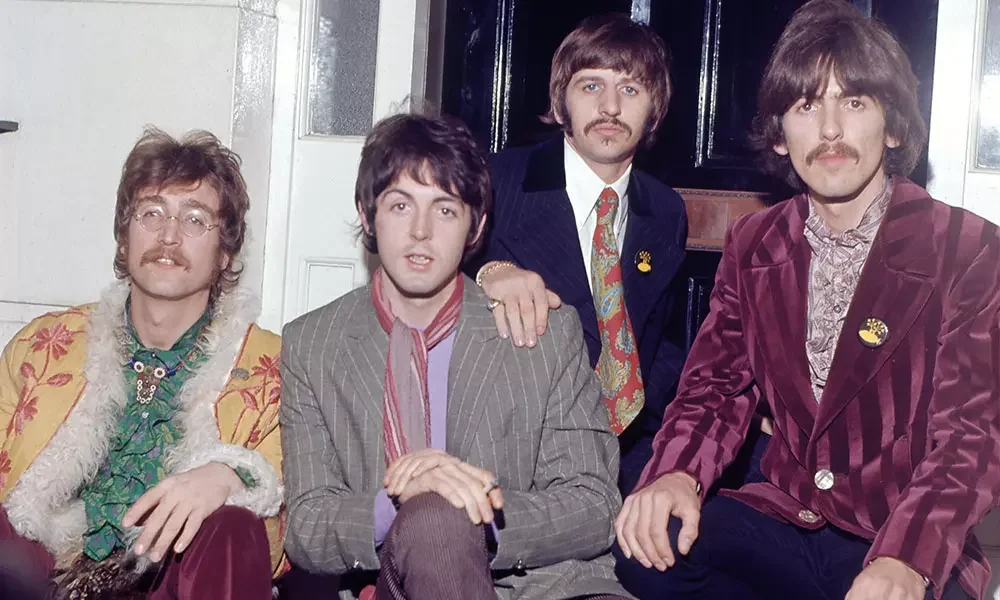
Mick Jagger did the inducting, which carried its own quiet comedy, given that the Rolling Stones had spent the 1960s cast as the Beatles’ disreputable rivals. He welcomed the band into the Hall in January 1988, its first year of eligibility. George Harrison and Ringo Starr were there with their families, and Yoko Ono attended with Julian and Sean Lennon, standing in for John, who had been murdered eight years before. The fourth Beatle was in England, and he was not coming.
Paul McCartney issued a statement explaining himself. The band still had unresolved business differences, the long legal grind over Apple Corps and royalties having outlived the group by nearly two decades, and he would not, in his words, ‘feel like a complete hypocrite waving and smiling with them at a fake reunion.' The refusal was aimed at his former bandmates rather than the Hall, which made it sting in a way the institutional snubs never quite managed.
The differences were settled soon enough. McCartney came back in 1994 to induct Lennon as a solo artist, reading his speech aloud as a letter to his dead friend, and was inducted on his own in 1999. The man who would not appear for the Beatles eventually collected two plaques. He simply declined to collect the first one in the company of people he was still suing.
Ike & Tina Turner
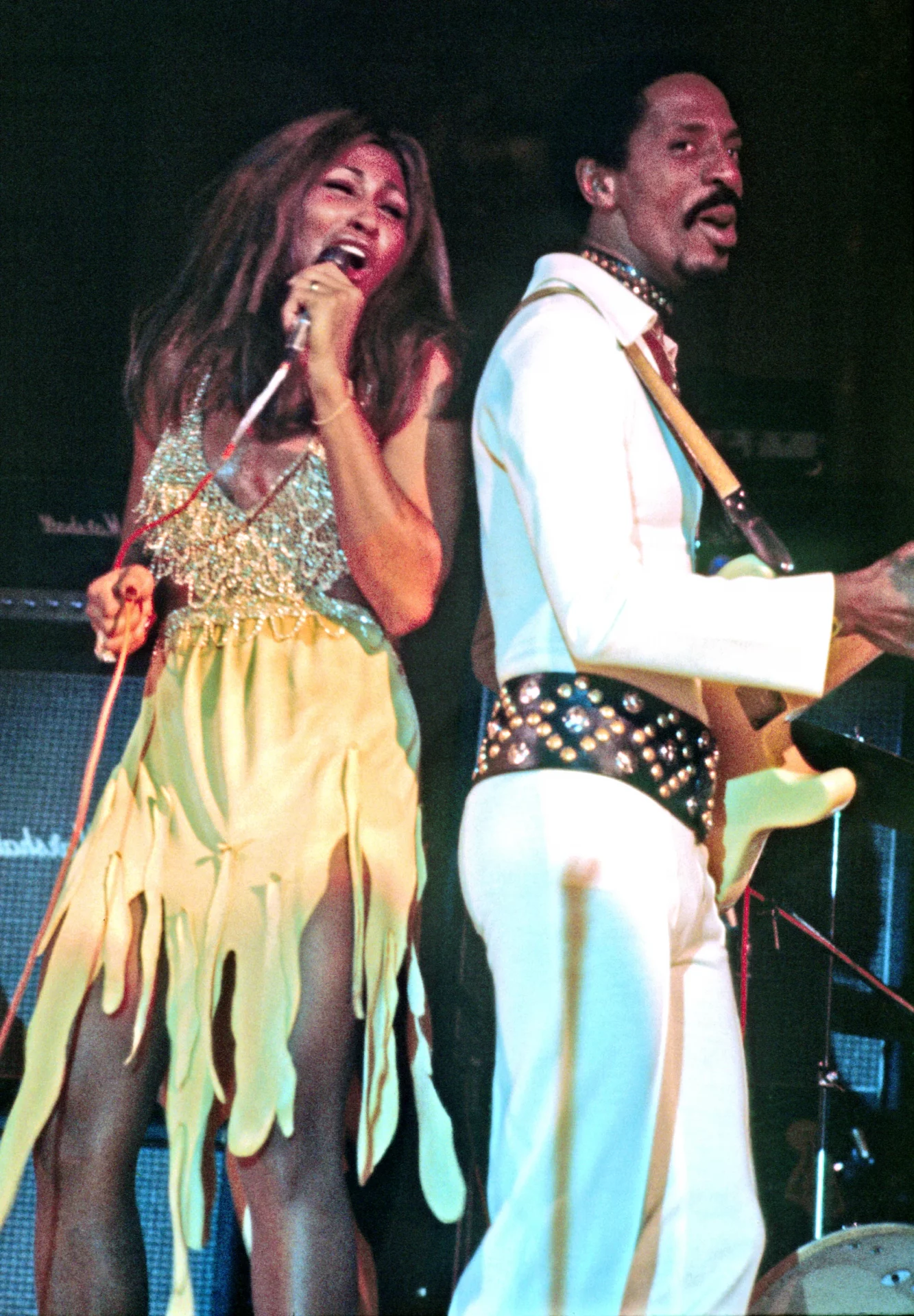
The act inducted at the sixth ceremony, in January 1991, had two halves, and not one of them was in the building. Phil Spector accepted on behalf of Ike and Tina Turner instead, which made sense in exactly one respect: Spector had produced their towering 1966 single ‘River Deep – Mountain High,' a record so lavish it flopped in America and nearly broke him before history reassessed it as a masterpiece. He was a logical stand-in for an absent act. He was also the only person onstage with any real claim to it.
Ike had a hard excuse. He was in a California prison, partway through a four-year sentence for cocaine offenses. Tina’s reason was given as a year away from public appearances, and she let it rest there. By 1991 she had spent the better part of fifteen years rebuilding herself as a solo phenomenon, well clear of the marriage whose violence she had set down in detail in her 1986 memoir, and a stage honoring her as half of Ike and Tina Turner held nothing for her.
She was inducted again in 2021, on her own this time, and again did not attend; by then she was eighty-one and living quietly in Switzerland, and sent a video. Two inductions, thirty years apart, and she was in the room for neither. The Queen of Rock and Roll preferred, on both occasions, to be somewhere else.
The Band
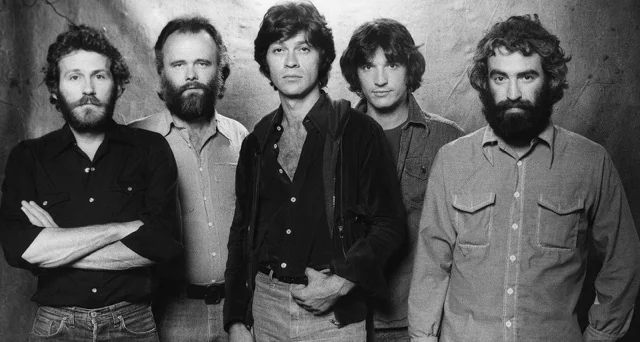
The feud that kept Levon Helm away from The Band’s 1994 induction had been curdling since 1976, the year Robbie Robertson chose to wind up the group with a lavish farewell concert and a Martin Scorsese film, The Last Waltz. Helm thought a working band had no business staging its own funeral. He thought considerably worse about the songwriting credits, believing Robertson had claimed authorship, and the royalties that came with it, for songs the whole group had built together.
He had laid all of this out in print in his 1993 autobiography, This Wheel’s on Fire, so an evening that required him to stand beside Robertson and smile was never a possibility. A reported three-million-dollar reunion tour, dangled around the same time on the condition that Robertson rejoin, had already collapsed over the same grievance. When Eric Clapton inducted The Band, three surviving members played ‘The Weight’ together, the only time Robertson performed with his old group after The Last Waltz. The drummer who sang half their finest songs was not among them.
Robertson appears to have expected otherwise. ‘I thought Levon was going to show,' he told Rolling Stone afterward, which suggests he understood the feud less well than he believed. Helm never relented. He spent his final decades hosting concerts in his Woodstock barn, won a Grammy in 2008, and died in 2012 with the credits dispute exactly where he had left it.
Grateful Dead
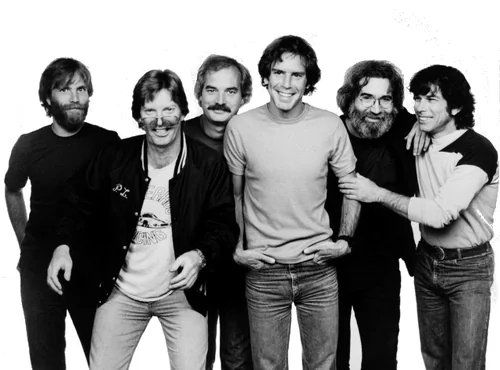
A life-size cardboard cutout of Jerry Garcia stood among the Grateful Dead at their 1994 induction, propped up by bandmates who found his absence more funny than wounding. Garcia was alive and reasonably well that winter, more than a year from the death that would come in August 1995, but he had no use for the ceremony and stayed away. The Hall’s own account of it is blunt: he did not care for the idea of rock and roll institutions.
This was in character for a man who had spent thirty years building the least institutional band in America. The Dead let fans tape their shows, ran their own mail-order ticketing, rarely repeated a setlist, and treated each concert less as a product than as a kind of weather. A black-tie dinner handing out trophies was not a world Garcia recognized, and he declined to visit it.
The induction itself ran unusually wide. The Hall enshrined eleven Dead musicians plus Robert Hunter, the lyricist behind ‘Truckin'' and ‘Ripple’ and dozens more who had never once stood onstage with the band, making him the first non-performer ever inducted with a group and, for years afterward, the only one. Bruce Hornsby did the inducting. The cutout did the standing around. For the most anti-establishment band in the country, accepting the establishment’s highest honor in effigy was about as fitting an outcome as anyone could have arranged.
Jefferson Airplane
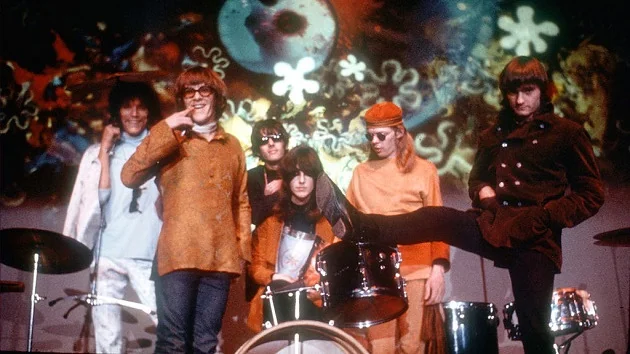
There is a rule Grace Slick has repeated for decades: everyone over fifty in rock and roll looks ridiculous and ought to leave the stage. She was fifty-six when Jefferson Airplane were inducted in 1996, and she applied the rule to herself, staying home while the rest of the band got back onstage without her.
That she meant it set her apart. Slick had retired from performing around 1990 and, unlike most musicians who announce such things, never came back. Her objection ran less to the Hall than to the spectacle of aging rockers in general, herself emphatically included, which made declining to be paraded out at fifty-six the consistent move rather than a contradiction. A gentler version of the story has her citing a foot ailment, the kind of thing one offers when the real reason is too pointed for a thank-you note.
The five remaining originals, Marty Balin and Paul Kantner and Jorma Kaukonen and Jack Casady and Spencer Dryden, played a short set together, the first time those five had stood on one stage since the early 1970s. It made for a generous evening with a conspicuous gap in the middle of it. Slick has kept her word in the years since. She paints now, sells her artwork through galleries, and does not perform.
Pink Floyd
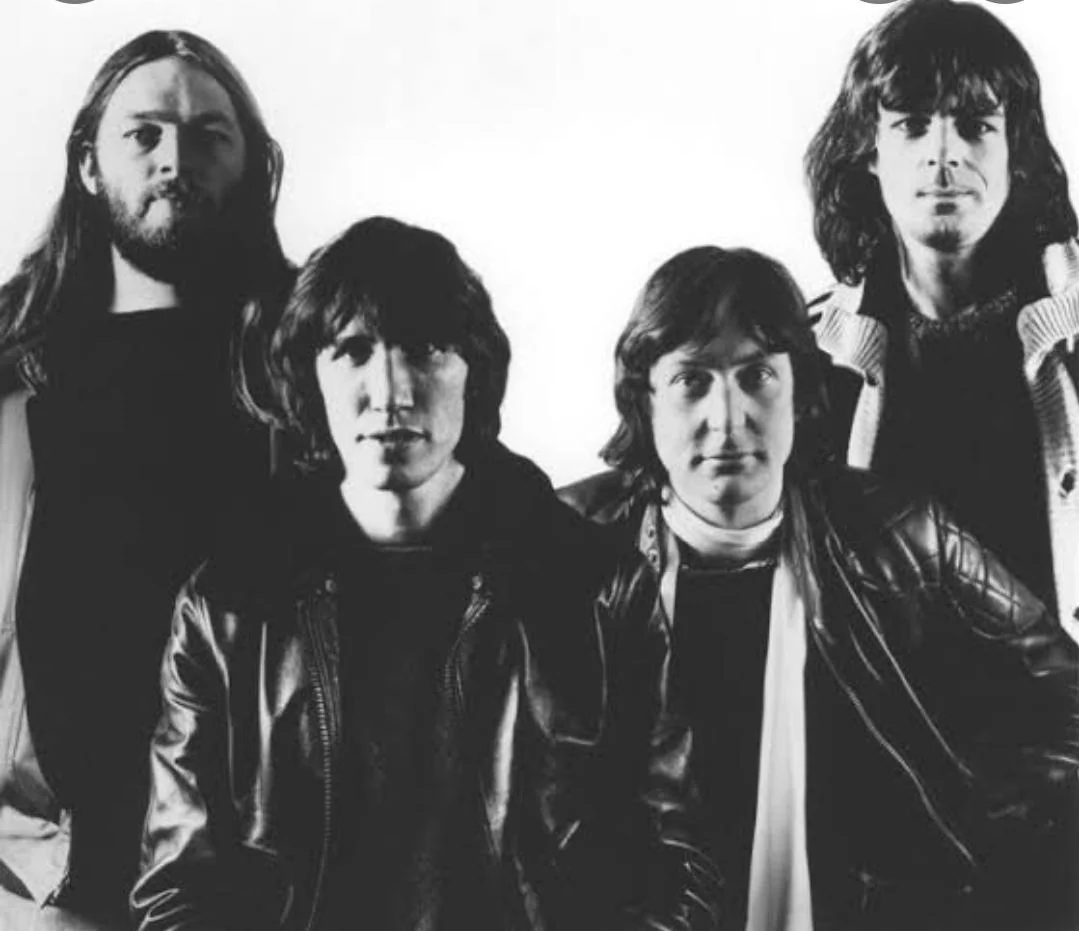
The song chosen for Pink Floyd’s 1996 induction was ‘Wish You Were Here,' which is, of all things, about absence. It was written for Syd Barrett, the founder who had drifted out of the band and into seclusion two decades earlier. The choice carried extra weight that night, because the man who co-wrote it was not in the room either. Roger Waters had quit the band in 1985 and then sued his former bandmates over the right to keep the name, and he had no intention of sharing a ballroom with them now.
So David Gilmour and Richard Wright performed it, with Billy Corgan of the Smashing Pumpkins on rhythm guitar, while drummer Nick Mason sat at the band’s table and stayed out of it. Corgan, who delivered the induction speech, called Pink Floyd ‘the ultimate rock and roll anomaly’ and promised to keep his remarks to the length of an average Pink Floyd song, then spoke for six minutes.
It was the last time any members of Pink Floyd would perform together until the Live 8 benefit briefly reunited the classic four-man lineup, Waters included, in 2005. For one evening in 1996, though, a band defined by its grudges stood up and played a tender ballad about a vanished friend, while the friend who inspired it and the bandmate who co-wrote it both stayed away.
Buffalo Springfield
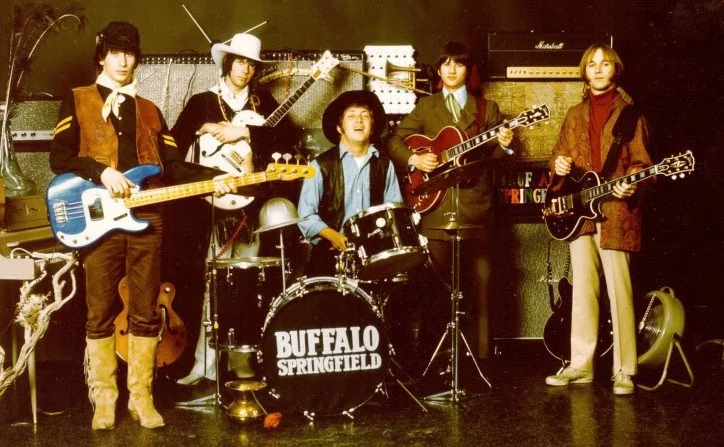
Stephen Stills became the first person ever inducted into the Hall twice on the same night, going in with Buffalo Springfield and with Crosby, Stills and Nash on the same 1997 evening. It was a banner night for him and a pointed one for his old Buffalo Springfield partner, who could not be bothered to attend either induction. Neil Young had already gone in as a solo artist two years earlier, and was perfectly content about that. The 1997 ceremony was another matter entirely.
His objection was to the cameras. Young wrote the Hall a letter accepting the honor and declining to take part in what he called a TV presentation, refusing, in his phrase, to be ‘trotted out like some cheap awards show,' of which he felt there were already far too many. It was a vintage Young position: the music fine, the recognition fine, the televised spectacle an insult to both. Rolling Stone later offered a second theory, that he was really annoyed his bandmates had to pay to seat their own families.
Either way, Buffalo Springfield, a band that lasted barely two years and managed a single top-ten hit in ‘For What It’s Worth,' went into the Hall without the guitarist who had once walked out of it rather than appear on The Tonight Show. He had history here. Some men quit a band over a television booking twice.
Sex Pistols
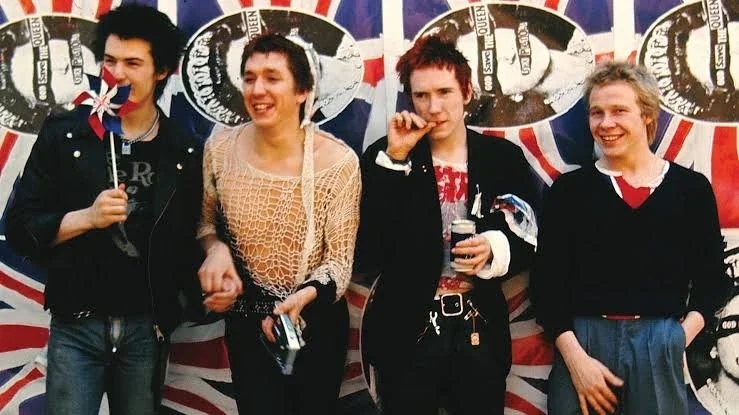
The note arrived handwritten and was read aloud to the room, which is not the customary way the Rock and Roll Hall of Fame receives a new member. The Sex Pistols had been passed over five times before the Hall finally inducted them in 2006, and they marked the honor by refusing to attend in the rudest terms available. ‘Next to the Sex Pistols,' the note began, ‘rock and roll and that hall of fame is a piss stain.' It called the museum ‘urine in wine’ and noted that a table at the ceremony cost twenty-five thousand dollars, money the band would not spend on the privilege of being patronized.
The author was John Lydon, once Johnny Rotten, who had spent thirty years perfecting precisely this register of contempt. The spelling throughout was approximate and the punctuation worse, which somehow made it land harder. We’re not coming, it concluded. We’re not your monkeys.
There is a neat irony in a band reunited largely for money drawing its line at a paid dinner, but the Pistols were always more principled about symbolism than about cash. The Hall inducted them regardless, read their insult aloud to a ballroom packed with the industry figures it insulted, and filed them in the permanent collection. You cannot embarrass an institution that has already decided to claim you.
Van Halen
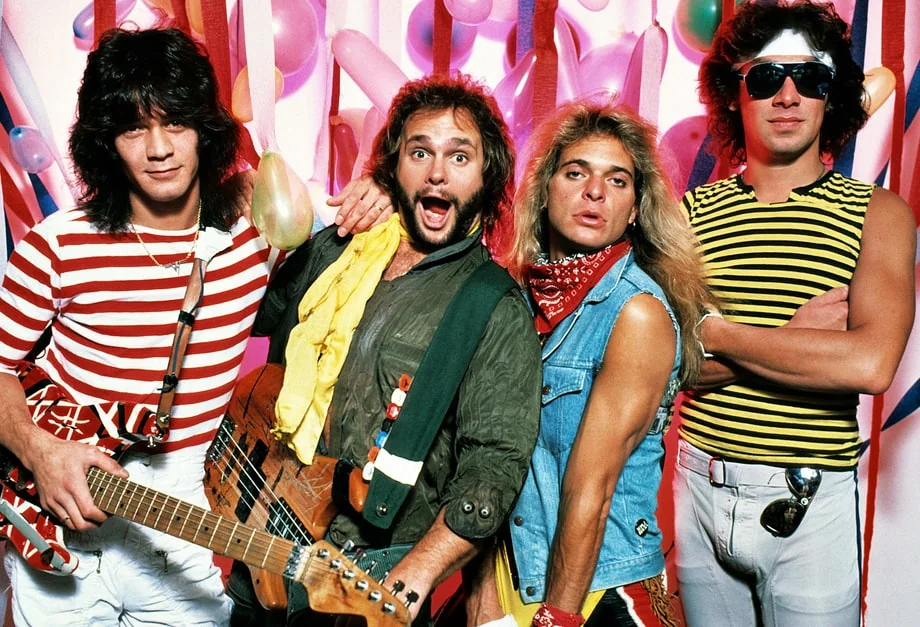
Only two men turned up to collect Van Halen’s induction in March 2007, and neither of them was in Van Halen at the time. Singer Sammy Hagar had left a couple of years earlier; bassist Michael Anthony had been pushed out and replaced by Eddie Van Halen’s teenage son. They accepted the honor anyway, on behalf of a band that had managed to alienate or mislay everyone else on the bill.
Eddie was in rehab, which is a difficult thing to argue with. His brother Alex stayed away in solidarity. That left David Lee Roth, and Roth had a more pointed objection. The Hall would not let the surviving members perform on their own; it had lined up Velvet Revolver to play the Van Halen songs instead, and Roth refused to sit in the audience and watch another band cover his catalog while he was being honored for it. ‘That was my three minutes and twenty-two seconds up there,' he said, and skipped the whole affair.
So Velvet Revolver played ‘Ain’t Talkin’ ‘Bout Love,' Hagar and Anthony ran through ‘Why Can’t This Be Love’ with Paul Shaffer’s house band, and the most commercially successful American hard rock act of its era was enshrined with two-fifths of a lineup and none of its actual stars. Hagar’s verdict was generous under the circumstances. He said he wished his bandmates were there, but it was out of his control.
Guns N’ Roses
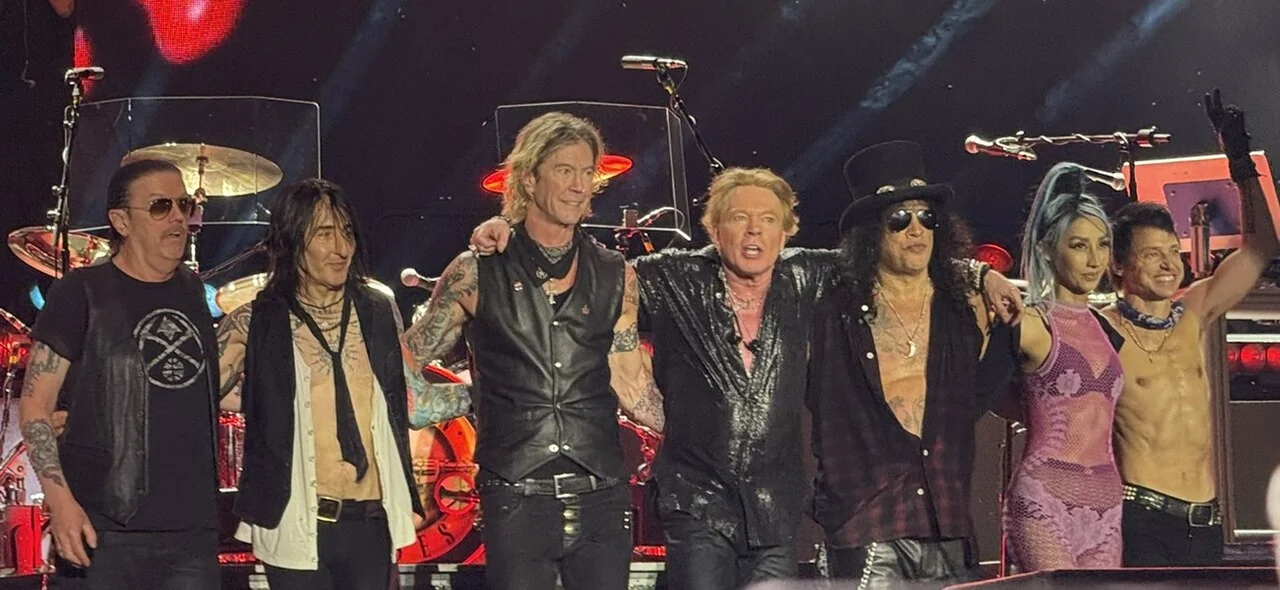
The letter ran to 1,038 words, which is a great many words with which to say no. Axl Rose published it three days before the 2012 ceremony, declining his induction outright, asking not to be enshrined in absentia, and requesting that no one accept anything on his behalf. The Hall, he wrote, was not ‘somewhere I’m actually wanted or respected,' and after years of feuding with his former bandmates he had no intention of sharing a stage with them to find out.
This was the headline act of the night, and its singer had just removed himself from it by registered grievance. Green Day’s Billie Joe Armstrong did the inducting, recalling that the first time he saw the band on MTV he assumed one of them would end up dead or in jail. Then the rest of the classic lineup, Slash and Duff McKagan and Steven Adler among them, took the stage with Alter Bridge’s Myles Kennedy filling in on vocals, and played ‘Sweet Child o’ Mine,' ‘Paradise City,' and ‘Mr. Brownstone’ without their frontman.
McKagan was gracious about the hole in the middle of it, telling the room it hardly mattered who was present, because the night was about the music. He was being diplomatic. Four years later the original band reunited for a tour that grossed hundreds of millions of dollars, which is the more honest measure of how much the snub had really cost anyone.
Chicago
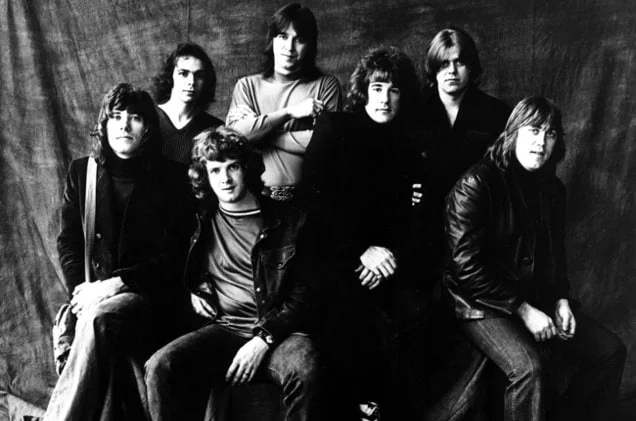
The sticking point was a key change. Peter Cetera, the voice on most of Chicago’s biggest hits, was willing to return for the band’s 2016 induction and perform ‘25 or 6 to 4,' but he wanted it dropped from A down to E, a span his sixties-era voice could still manage and the original could not. The band and the show’s producers said no. Every alternative he proposed was rejected or rewritten, and the only reply he got from his old bandmates, he later complained, was a breezy ‘Take a chill pill, dude.'
So he stayed home. Cetera had left Chicago in 1985 over precisely this kind of friction and had spent three decades enjoying not having to negotiate with anyone, and the prospect of reopening the old arguments for one televised evening held no appeal. He thanked the fans who had voted the band in, wished them well, and noted that there comes a point when you make the decision that’s best for you and stop worrying about the fallout.
Rob Thomas did the inducting at Brooklyn’s Barclays Center, and the surviving members performed without their old frontman. Robert Lamm, a Chicago founder, sounded more wounded than angry about it. Cetera had wanted the song dropped a full fourth, no small thing for a band with a horn section to re-transpose for one night, but that was never the point. Lamm did not need him to sing. He would just have liked him to stand there.
Dire Straits
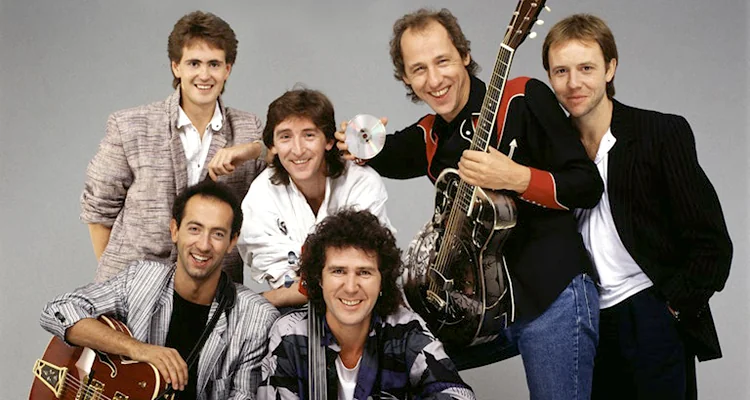
Nobody could be found to induct Dire Straits in 2018, so the bassist inducted the band himself. There was no celebrity presenter that night and barely a mention of the group in the Hall’s pre-show materials; the announcer simply read out the names of the three members who had bothered to come. John Illsley, the bassist and co-owner of the band’s name, had written his speech about fifteen minutes earlier and admitted as much, reading it off the page because he could not remember what he had scribbled down.
The reason for the thin turnout was Mark Knopfler, the guitarist, singer, and author of essentially every Dire Straits song, who had decided not to attend. He gave no grand statement. He told Illsley, his friend of forty years, that he simply could not get his head around it, and that was that. His brother David, the band’s original rhythm guitarist, also stayed away, citing a dispute over who would cover his travel costs from England.
So there was no Knopfler and no performance, only Illsley and two keyboardists accepting an award for one of the best-selling acts of the 1980s in a near-empty huddle. Illsley took it in good humor and called the honor fantastic for the band. He had to say so on everyone’s behalf, because everyone else had stayed home.
Radiohead
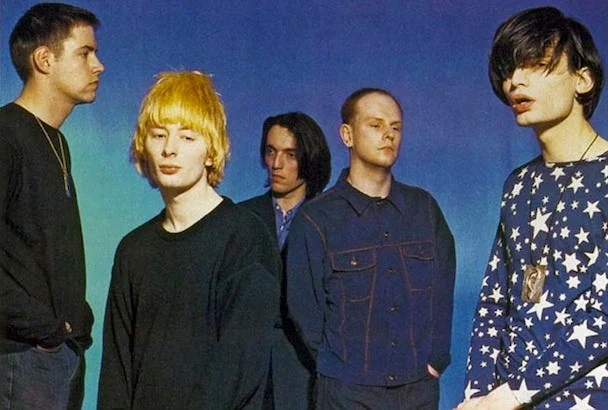
‘Every awards ceremony in the UK stinks,' Thom Yorke explained, by way of accounting for his lack of enthusiasm about Radiohead’s 2019 induction. He compared the British equivalent, the Brits, to a drunken car crash, and said the whole concept of a rock and roll hall of fame was something the band, being English, had never quite managed to understand. Then he booked a piano recital with an orchestra in Paris for the same week and did not come.
He was not alone in his indifference. Guitarist Jonny Greenwood had already said the idea made him uncomfortable, and that any institution this self-regarding only made it worse; his brother Colin sat the evening out as well. Of the five members, only drummer Philip Selway and guitarist Ed O’Brien turned up, and the band did not perform. David Byrne of Talking Heads did the inducting, a tidy bit of casting, since Radiohead had named themselves after his 1986 song ‘Radio Head.'
The two who came handled it with dry good grace. Selway, addressing a line from a band documentary in which Yorke described him as the only drummer Radiohead had ever had, thanked the room and clarified that what Yorke meant was that he was the only drummer. It was the closest the evening got to a full Radiohead performance, and entirely fitting that it consisted of two members and a joke.
Todd Rundgren
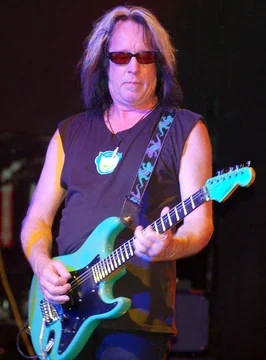
On the night of his induction, Todd Rundgren was 249 miles from the ceremony, onstage in Cincinnati, exactly where he had said he would be. The 2021 inductions were held in Cleveland, both in the state of Ohio, which gave the snub a geographic precision the others lacked: he was in the building’s home state and still would not visit it. He had a show to play, and he considered the show the more honest use of an evening.
His contempt for the institution was long-standing and well-documented. He had called it a scam and an industry invention, and held that real halls of fame are for retirees and dead people, neither of which he intended to become on schedule. His induction film, assembled by the Hall to honor him, included his own earlier verdict on the matter, delivered in the cadence of a man refusing political office: if nominated, he would not run; if elected, he would not serve.
Patti Smith, whose album he had once produced, inducted him in a warm pre-taped tribute, calling him ever youthful and ever defiant. He had offered to interrupt his Cincinnati set to acknowledge the award by video, mostly for the fans who had voted him in, since the honor, as he saw it, was really theirs. It was, in the end, the most cooperative form of refusal the Hall had ever received.
Frequently Asked Questions
Why did Paul McCartney skip the Beatles’ 1988 induction?
Unresolved business disputes with his former bandmates, chiefly the long legal fight over Apple Corps and royalties. McCartney said he would feel like a hypocrite smiling through what amounted to a fake reunion, so he stayed in England while Harrison, Starr, and Yoko Ono attended.
What did the Sex Pistols say when they refused their induction?
They sent a handwritten note, read aloud at the 2006 ceremony, that called the Hall a piss stain and its museum urine in wine, refused to come, and declined to be anyone’s monkeys. John Lydon also balked at tables that ran twenty-five thousand dollars.
Did the Grateful Dead really bring a cardboard cutout to their induction?
Yes. At the 1994 ceremony the surviving members propped up a life-size cardboard Jerry Garcia in his place. Garcia was alive but had no use for rock institutions and stayed away; he died the next August. The Hall enshrined eleven Dead musicians plus lyricist Robert Hunter, the only non-performer ever inducted with a band.
Has any act skipped its Rock Hall induction twice?
Tina Turner. She missed the 1991 induction of Ike and Tina Turner, when Phil Spector accepted for the pair while Ike sat in prison, and she skipped again in 2021 as a solo inductee, sending a video from her home near Zurich.
Who is the most recent act to skip its Rock Hall induction?
Todd Rundgren, in 2021. Rather than attend the Cleveland ceremony, he played a concert in Cincinnati the same night, 249 miles away, having long dismissed the Hall as a scam and offered only to acknowledge the award by video mid-set for the fans who voted him in.
Did any of these acts return to a later Rock Hall ceremony?
Paul McCartney did. Six years after boycotting the Beatles’ 1988 induction, he returned in 1994 to induct John Lennon as a solo artist, then was inducted on his own in 1999, collecting two plaques in all despite refusing the first one.