Every Member of the Rock and Roll Hall of Fame's Inaugural Class
Ask who was in the first class of the Rock Hall and most people will hand you ten names: Elvis, Chuck Berry, Little Richard, and the rest of the founding performers. The ten everyone can name are only part of it. That first year, the Hall also honored several people who never cut a rock and roll record at all.
The forgotten six are the more interesting half of the story. The Hall reached back past rock and roll entirely to crown a country yodeler, a boogie-woogie pianist, and a Delta bluesman, all three dead long before anyone plugged in a Stratocaster. It honored the disc jockey who gave the music its name and lost everything to a payola scandal, the Sun Records founder who first taped Elvis and then sold him, and a Vanderbilt heir who spent a fortune finding Billie Holiday and Bob Dylan.
What follows is the complete class, kept in the order the Hall itself used, with the specific facts the ten-name version leaves on the floor. It is the rare list whose most surprising entries are the ones nobody remembers were on it.
The Rock and Roll Hall of Fame’s inaugural class, inducted on January 23, 1986 at New York’s Waldorf-Astoria, numbered sixteen: ten performers such as Elvis Presley and Chuck Berry, three early influences from before the rock era, and three men recognized for shaping the music without recording a hit.
Buddy Holly
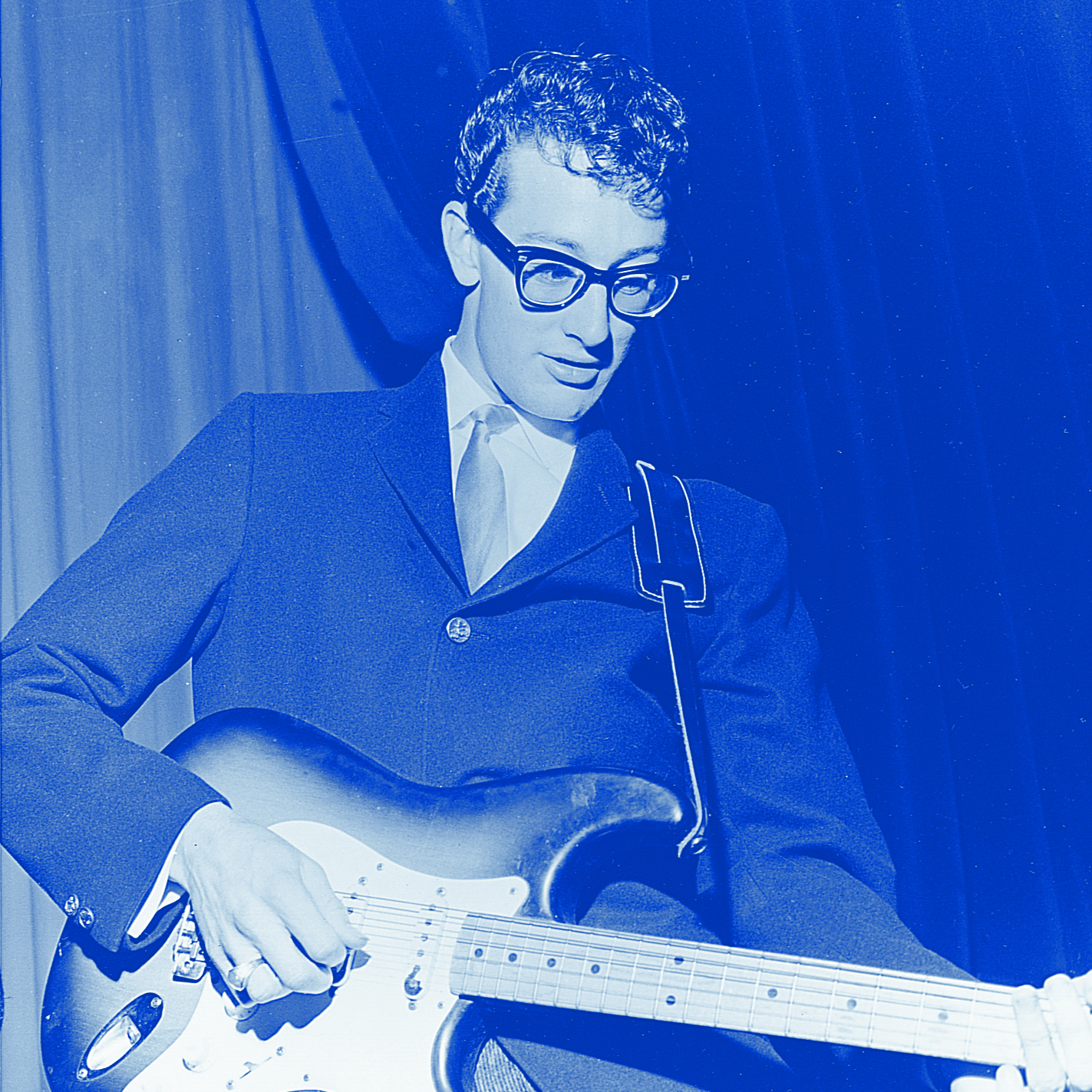
Eighteen months. That is roughly how long Buddy Holly spent as a star before a chartered plane went down in an Iowa field in February 1959, killing him at twenty-two along with Ritchie Valens and the Big Bopper. What he built in that year and a half outlasted almost everyone who got more time.
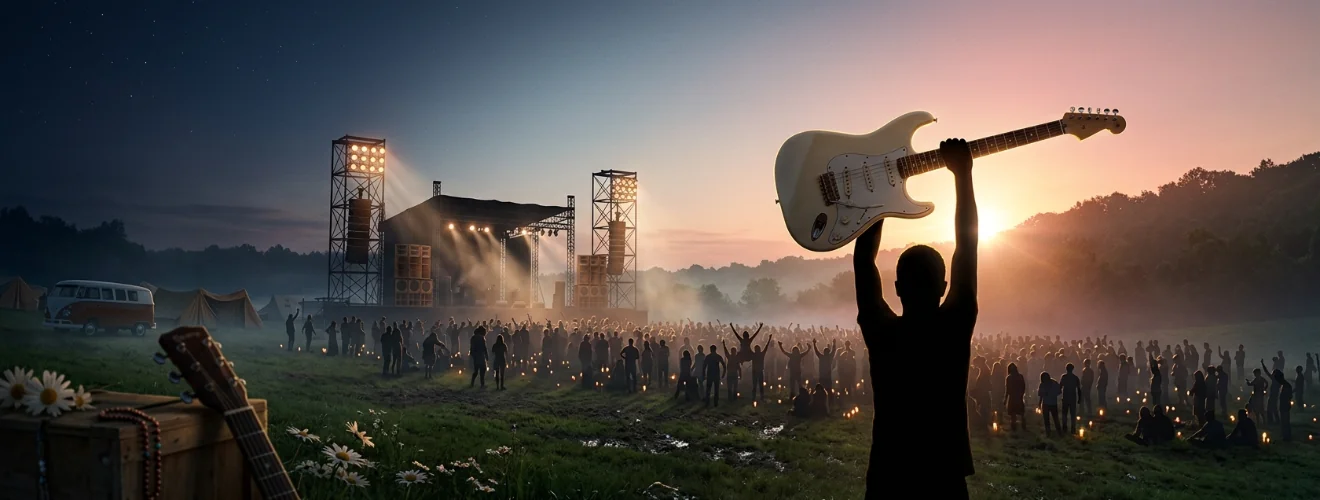
In late 1955 he bought a Fender Stratocaster, becoming the first major rock and roller to make it his instrument of choice, and with his band the Crickets he settled on a lineup nobody questioned afterward: two guitars, bass, drums, and a singer who wrote his own material. That is still the default shape of a rock band nearly seventy years later. At Norman Petty’s studio in Clovis, New Mexico, the Crickets treated recording as an experiment rather than a transcription, double-tracking vocals, overdubbing, and chasing echo effects while most acts played a song into a microphone once and went home.
The homage came quickly and never let up. A Manchester group called the Hollies took his name. Four young men in Liverpool, hunting for an insect to answer the Crickets, became the Beatles. Holly had been dead for years before either act charted. He is the rare figure whose influence is simplest to measure by the number of people who openly admitted they were copying him.
Chuck Berry
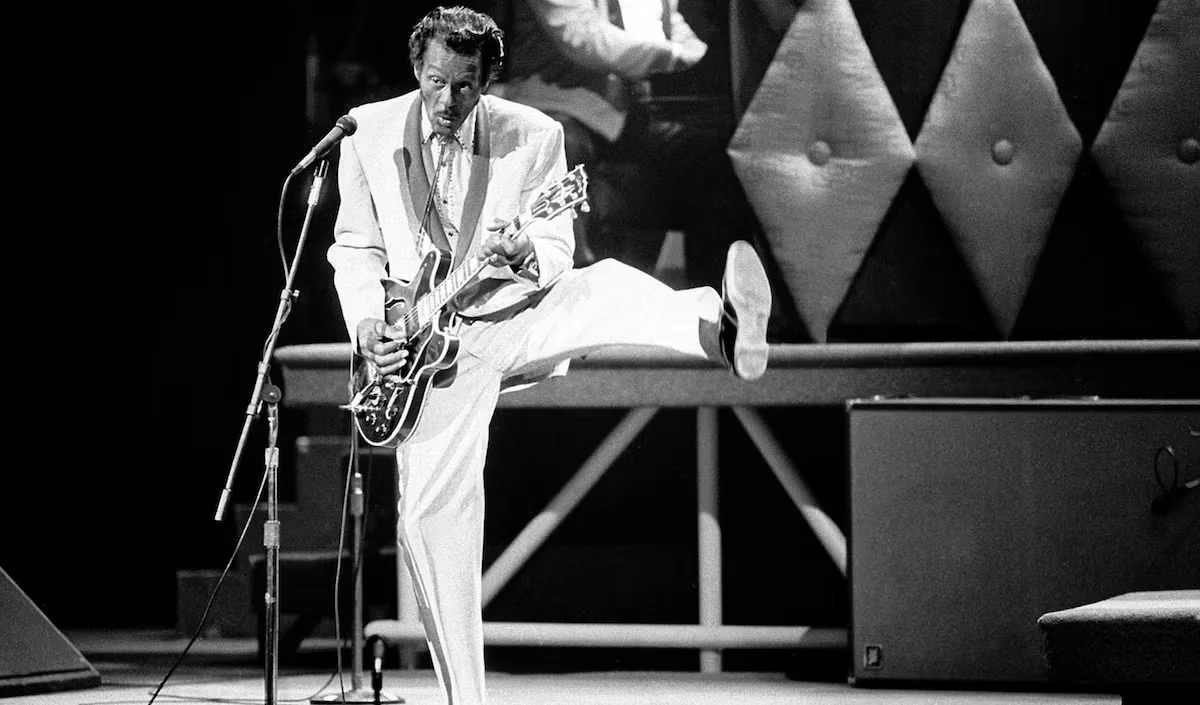
‘Maybellene,' the record that did as much as any single song to invent rock and roll, began life as ‘Ida Red,' a western swing fiddle tune Bob Wills and his Texas Playboys had cut in 1938. Berry brought a reworked version to Chess Records in Chicago in May 1955, after Muddy Waters pointed him toward Leonard Chess, and the band hammered at it for thirty-six takes before it was right.
The guitar is what people remember, but the engine underneath was a pianist named Johnnie Johnson, whose trio Berry had joined in 1953 and then quietly taken over. ‘I stole the group from Johnnie,' he admitted later. Johnson would not be inducted into the Hall himself until 2001, fifteen years behind the man who fronted his band.
Berry wrote in specifics: school bells, drive-in movies, the precise geography of teenage life in the 1950s. One of those songs left the planet. ‘Johnny B. Goode’ is the only rock and roll recording on the Voyager Golden Record, the gold-plated phonograph disc bolted to two probes launched in 1977 and now drifting through interstellar space. Whatever becomes of the genre down here, its opening guitar lick has a considerable head start on the rest of us.
Elvis Presley
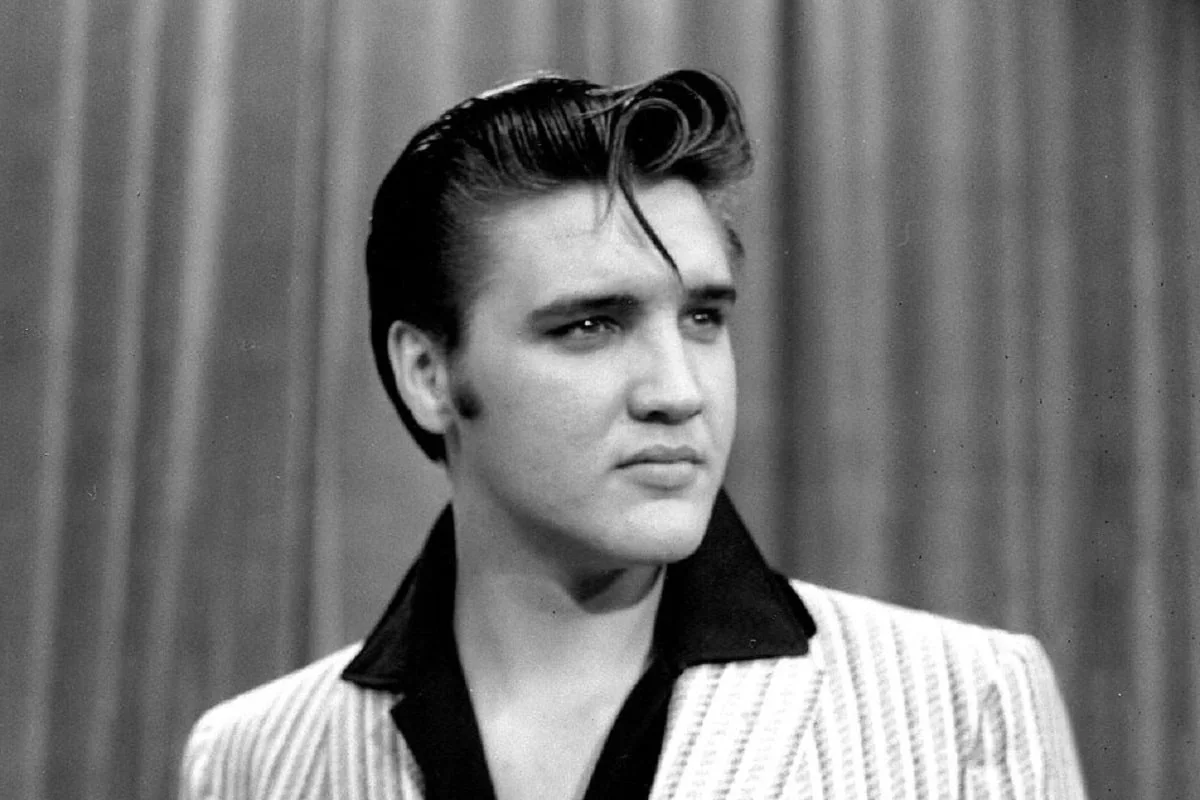
In the summer of 1953 a teenager walked into the Memphis Recording Service and paid just under four dollars to cut two songs on a personal acetate. He came back more than once. It was on roughly his fifth visit, on the night of July 5, 1954, that the moment everyone now points to occurred, and it occurred by accident. During a break, Presley started clowning through an old Arthur Crudup blues number called ‘That’s All Right,' bassist Bill Black joined in, then guitarist Scotty Moore, and Sam Phillips told them to start over so he could roll tape.
The record is routinely called the birth of rock and roll. It was not. The music had been building for years in jump blues, gospel, and country, and ‘That’s All Right’ barely sold outside Memphis at first. What it did was announce a particular nineteen-year-old.
Two days later a local disc jockey put the acetate on the air and the requests would not stop. Presley, too nervous to listen, had gone to hide in a movie theater. He was inducted in 1986, nearly a decade after his death, by the sons of John Lennon, a man who once said the whole reason he picked up a guitar was to become Elvis. The line of succession is rarely so tidy.
The Everly Brothers
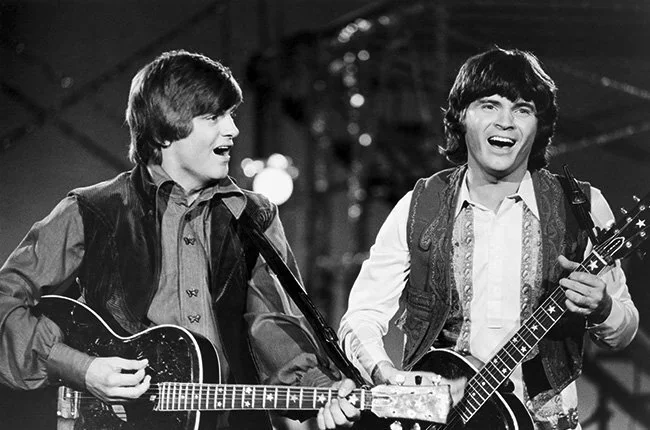
The harmony that ran through their records was not a rock and roll invention. Don and Phil Everly grew up on the high, lonesome close harmony of Appalachian and bluegrass singing, where the second voice does not sit politely under the melody in blocks but moves against it, two lines braiding into one. They simply plugged that sound into electric guitars.
Signed to Cadence Records in 1957, they broke through that year with ‘Bye Bye Love,' written by the husband-and-wife team Felice and Boudleaux Bryant. A run of hits followed, ‘Wake Up Little Susie’ and ‘All I Have to Do Is Dream’ the biggest of them, and a generation of younger singers took notes. The Beatles and Simon and Garfunkel both built their early styles by copying Everly records, two voices crowding one microphone.
The brothers were close in sound and frequently at war in life, and the act finally ruptured on a Hollywood stage in 1973, when Phil walked off and Don finished the show alone. The most telling detail comes from earlier. When Buddy Holly was killed in 1959, Phil Everly was one of his pallbearers; Don could not face the funeral at all, and said only that he took to his bed. The voices that sounded like one belonged, it turned out, to two very different men.
Fats Domino
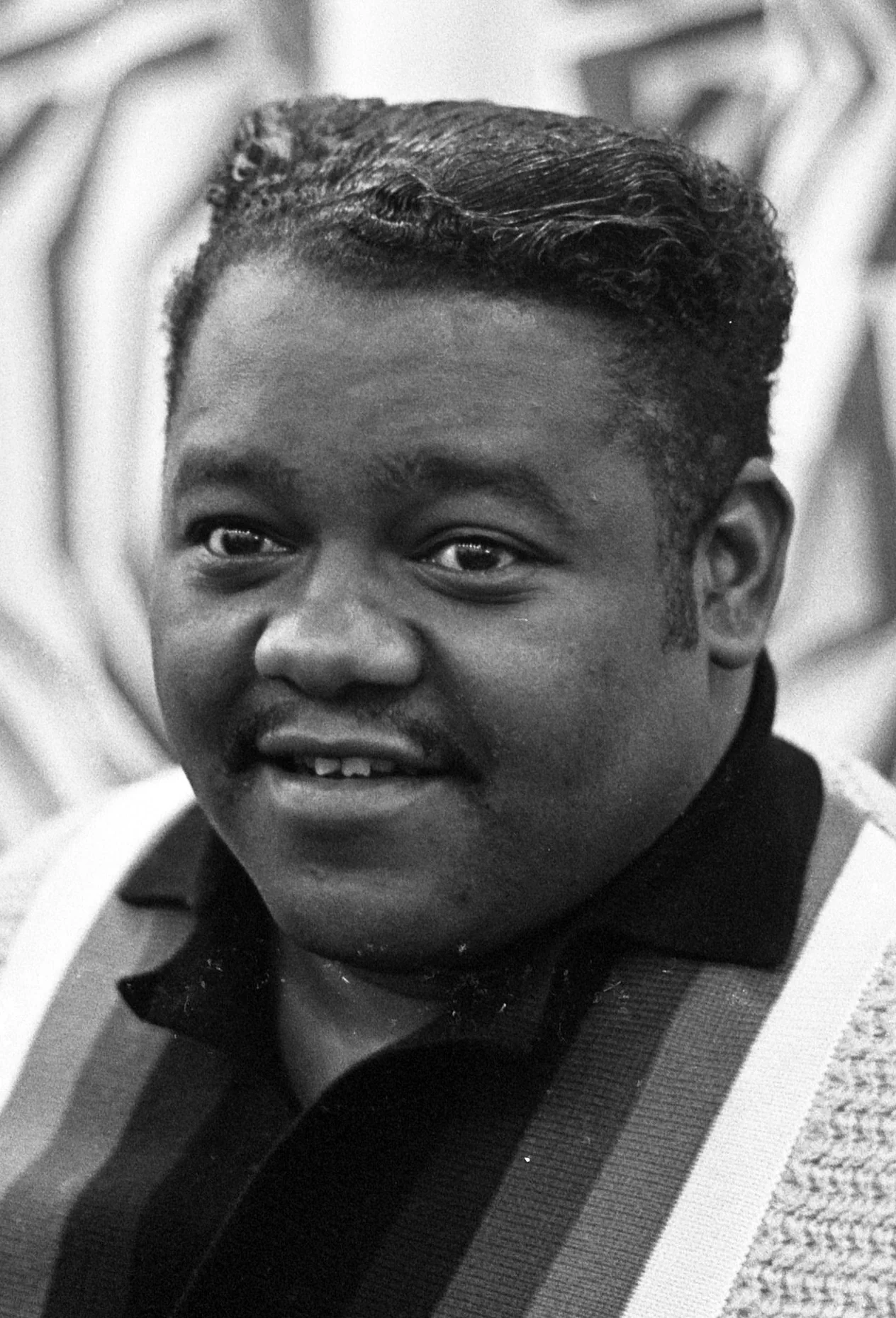
Nobody had quite settled on a name for the music when ‘The Fat Man’ sold its first million copies. Recorded in New Orleans in December 1949 with the bandleader Dave Bartholomew, who would write, arrange, and produce alongside Domino for more than a decade, it is all rolling boogie piano and a backbeat the textbooks had not yet caught up to.
He looked nothing like the part. Short, round, soft-spoken, and unfailingly polite, Domino sold somewhere north of sixty-five million records while the genre’s image went to wilder men. There was a quieter injustice in it, too. When his ‘Ain’t That a Shame’ climbed the charts in 1955, Pat Boone’s tamer cover went to number one on pop radio while Domino’s original stalled at number ten, segregated airwaves doing precisely what segregated airwaves did.
He stayed in New Orleans because he wanted to, and nearly drowned for it. When the levees failed during Hurricane Katrina in 2005, Domino refused to leave his Lower Ninth Ward home, was reported missing, and was pulled out by boat days later. Fans had already spray-painted ‘RIP’ across the front of his house. He saw the joke, went home to load his muddied gold records into a car, and put out an album called ‘Alive and Kickin’.'
James Brown
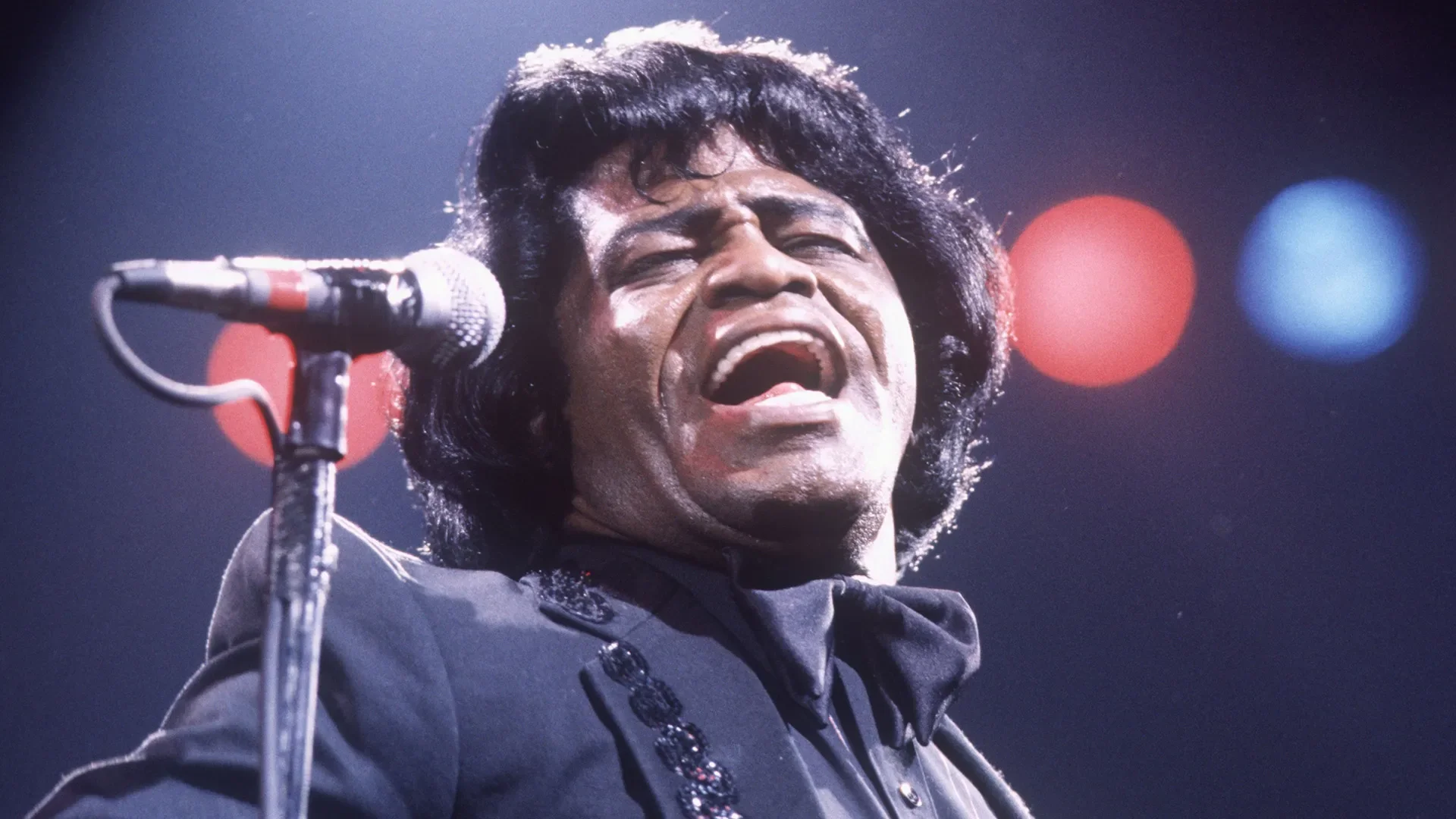
His record label thought a live album was a waste of money, so James Brown paid for one himself. On October 24, 1962, he financed the recording of his show at the Apollo Theater in Harlem over the loud objections of Syd Nathan, who ran King Records and could not imagine anyone buying a concert they could simply have attended.
‘Live at the Apollo’ came out in May 1963 and spent sixty-six weeks on the pop chart, peaking at number two, an unheard-of showing for a rhythm and blues record and the biggest seller King ever had. Brown had been right and his boss had been wrong, which became something of a recurring theme.
There is a quieter indignity buried in the credits. The Famous Flames, the vocal group of Bobby Byrd and others who were not incidental to that night but central to it, went uncredited on the original sleeve and were not properly listed until a CD reissue decades later. Brown was billed as the Hardest Working Man in Show Business, a title he enforced with military discipline and steep fines for missed dance steps and unshined shoes. The man who paid out of his own pocket to capture his band, it turned out, was not always generous about sharing the marquee.
Jerry Lee Lewis
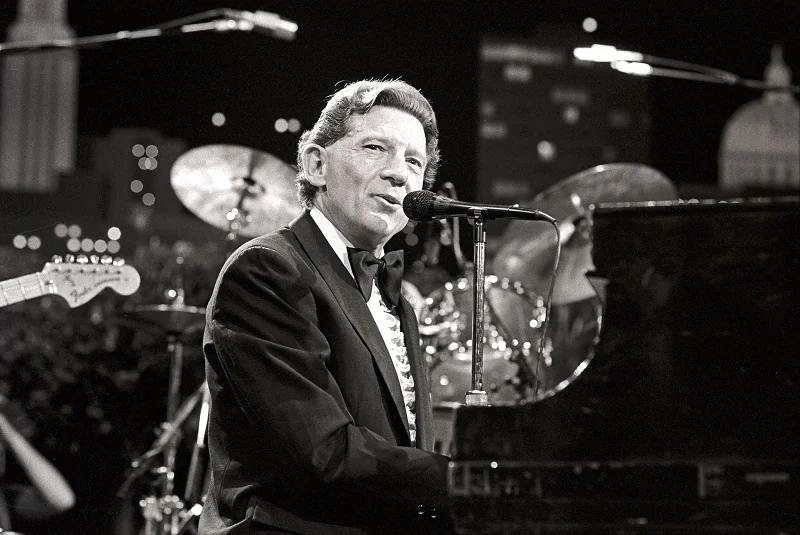
In the spring of 1958 the most combustible performer in rock and roll flew to London to conquer Britain. He lasted three concerts. Reporters asked about the young woman traveling with him, and Jerry Lee Lewis cheerfully explained that she was his wife, his cousin, and thirteen years old, and that he had been married twice before. Thirty-four of his thirty-seven tour dates were cancelled, the press turned, Dick Clark dropped him, and a career that had looked unstoppable simply stopped.
Up to that point the climb had been vertical. ‘Whole Lotta Shakin’ Goin’ On’ was cut at Sun in a single take, the engineer saying afterward that he just turned the machine on, and along with ‘Great Balls of Fire’ it reached the top five on the pop, country, and R&B charts at once, a feat almost no one managed. His piano came partly from the Pentecostal church and partly from his cousins; one of them was the country singer Mickey Gilley, another the future televangelist Jimmy Swaggart.
He spent decades climbing back through country music and outlasted them all. When Lewis died in October 2022 at eighty-seven, he was the last surviving member of the class inducted that first night in 1986. The Killer, fittingly, was the last man standing.
Little Richard
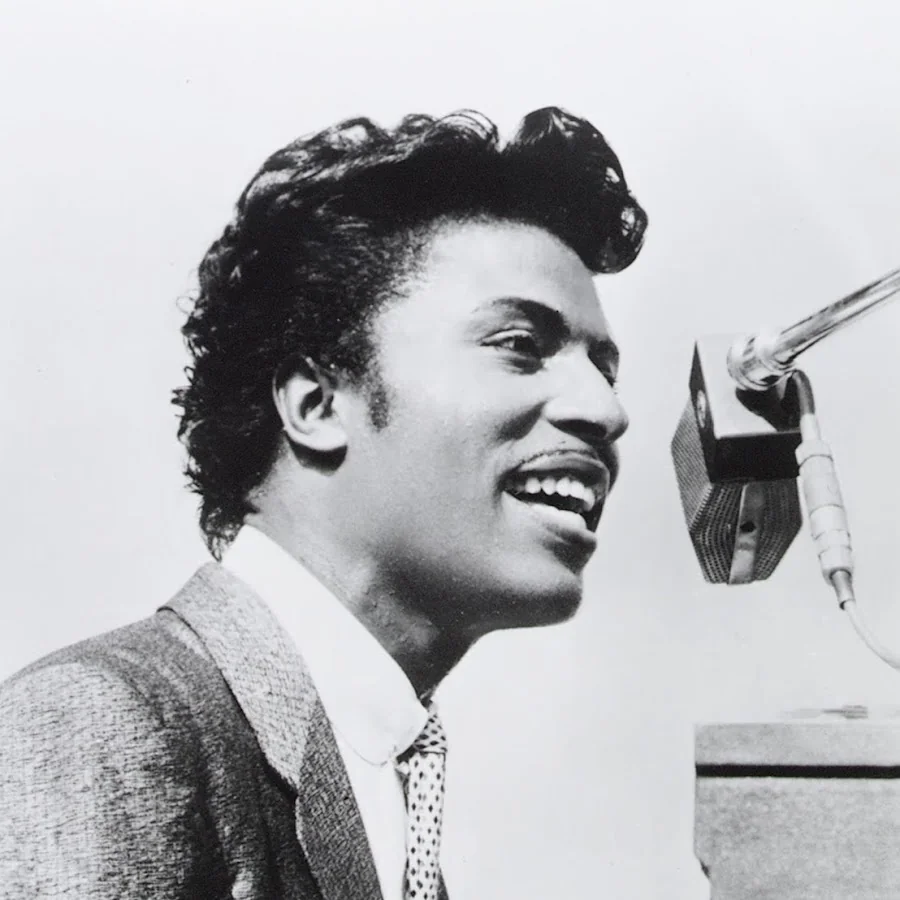
The session was going nowhere. For two days in September 1955, producer Bumps Blackwell had failed to catch on tape the manic energy Little Richard threw off onstage. Then Richard sat at the piano and started pounding out a filthy little number he had been hollering for years, reportedly while washing dishes at the Macon bus station. The lyrics were unprintable. Blackwell heard a hit anyway.
A local songwriter named Dorothy LaBostrie was summoned to launder the words into something radio would allow, and she came back with the clean version with perhaps fifteen minutes of studio time left. They nailed ‘Tutti Frutti’ on the third take with a couple of minutes to spare. That nonsense yell at the top, the one everyone can still recite, had a practical job: it told saxophonist Lee Allen when to come in, since the three-track tape left no room to patch it later.
The record sold in spite of itself and set the template for everything Richard did after, all pompadour and eyeliner and shriek. Two years later, at the height of it, he quit. Convinced rock and roll was the devil’s work, he enrolled in Bible college to become a preacher. He would spend the rest of his life lurching between the pulpit and the piano, never fully at peace with either.
Ray Charles
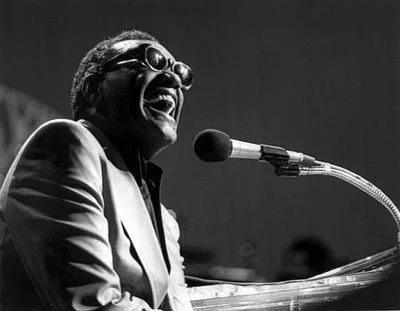
Gospel preachers denounced it from the pulpit, and the bluesman Big Bill Broonzy complained that the man was mixing the sacred and the profane. The offending record was ‘I Got a Woman,' cut in Atlanta in November 1954 in the studios of a Georgia Tech radio station. Charles had heard a gospel number called ‘It Must Be Jesus’ on the radio while touring, kept the churchy fervor and the call-and-response, and swapped the subject from the Lord to a woman who treated him right. People have been calling the result the first soul record ever since.
The trick was not subtlety; it was nerve. Pointing the architecture of Sunday worship at Saturday night was, in the segregated South of 1954, close to sacrilege, and Charles, blind since the age of seven, did it without a word of apology.
He kept ignoring the lines other people drew. In 1962, at the peak of his powers as an R&B star, he recorded a whole album of country and western songs. ‘Modern Sounds in Country and Western Music’ was supposed to be career suicide. It became one of the best-selling albums of his life, and ‘I Can’t Stop Loving You’ sat at number one for weeks. He had excellent instincts and no interest whatsoever in permission.
Sam Cooke
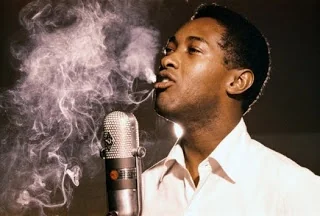
He released his first pop single under a false name. In 1956 Sam Cooke was the lead voice of the Soul Stirrers, one of the most admired gospel groups in the country, and a gospel star who went pop risked being branded a traitor by the only audience he had. So ‘Lovable’ went out credited to ‘Dale Cook,' a disguise so flimsy that almost no one was fooled.
The following year he dropped the pretense, left the Soul Stirrers, and watched ‘You Send Me’ go to number one, knocking Elvis Presley’s ‘Jailhouse Rock’ off the top of the chart. What he did next mattered more than the hits. In 1959 he founded SAR Records, becoming one of the first pop artists to own his own label, and he held onto his publishing at a time when almost no Black performer was allowed to keep either. He was building an estate, not just a discography.
The end was sordid and is argued over still: shot dead by a motel manager in Los Angeles in December 1964, at thirty-three, in a ruling of justifiable homicide that satisfied very few. Eleven days later came ‘A Change Is Gonna Come.' He never heard it become an anthem. Forty-four years on, a newly elected president quoted it in his victory speech.
Jimmie Rodgers
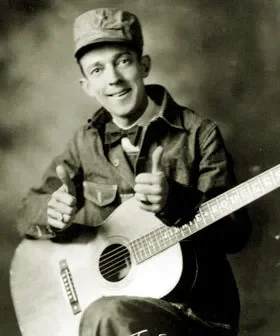
The blue yodel was twelve-bar blues with a cowboy’s holler bolted on top, and it made Jimmie Rodgers the first true star of country music at a time when the genre barely had a name. Born in Meridian, Mississippi, in 1897, he took a railroad job at thirteen, picked up the nickname the Singing Brakeman, and recorded his first two sides at the Bristol sessions in August 1927 for the talent scout Ralph Peer, the same week the Carter Family cut theirs. People call that week the Big Bang of country music.
His real trick was crossing a border most performers of the 1920s would not approach. He sang Black blues in a white hillbilly voice, and a generation of Mississippi blues musicians heard a kinsman, the Mississippi Sheiks among his admirers. Tuberculosis had been diagnosed in 1924, and it hollowed him out by degrees. At his final New York session in May 1933 he was so weak he rested on a cot between takes. He died two days later, at thirty-five, still planning to make more records.
Why a country singer sits in a rock and roll hall is no mystery once you know who grew up on him. Chuck Berry could sing every one of his blue yodels by heart, and Jerry Lee Lewis counted him among his teachers. Rodgers got here on the strength of the men he taught.
Jimmy Yancey
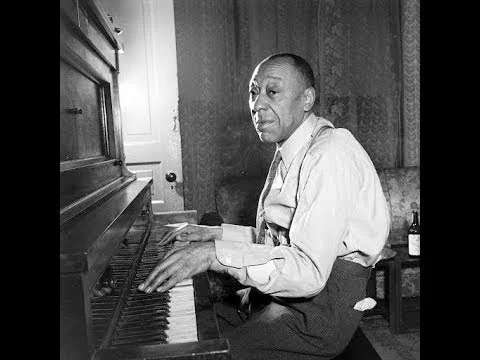
No matter what key a tune started in, Jimmy Yancey ended it in E-flat. He simply liked the chord, and the habit was strong enough that a few of his recordings arrive at their final bars and lurch sideways into a key they have no business reaching. It is the kind of signature only a man with nothing to prove would keep.
Yancey had toured as a child tap dancer before the First World War, once performing for King George V in London, and by 1915 he had settled in Chicago and taught himself piano. Playing rent parties and clubs through the 1920s, he shaped the rolling, eight-to-the-bar style called boogie-woogie and the rippling left-hand pattern still known as the Yancey bass. Younger pianists – Meade Lux Lewis, Albert Ammons, Pinetop Smith – studied him and grew far more famous than he ever did.
For all that, he did not record a note until 1939, by which point he was in his forties and had spent fourteen years on the payroll of the Chicago White Sox, tending the grass at Comiskey Park. He kept the groundskeeping job almost until he died in 1951. Boogie-woogie was one of rock and roll’s parents, and Yancey was one of boogie-woogie’s, which is a roundabout way of explaining how the man who mowed the infield ended up a charter member of the Rock and Roll Hall of Fame.
Robert Johnson
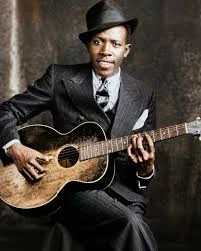
Everything ever built on Robert Johnson rests on twenty-nine songs. He recorded them in two short sessions, one in a San Antonio hotel room in 1936 and one in a Dallas office building in 1937, for a producer named Don Law, and then he was gone. His entire recording career fit inside about seven months. For decades only two photographs of him were known to exist.
The legend arrived long before the facts did. Johnson is the man supposed to have met the devil at a Mississippi crossroads at midnight and traded his soul for the guitar, and he obligingly died young enough to keep the story alive, poisoned at a juke joint near Greenwood in August 1938 at the age of twenty-seven. What is stranger than the myth is how little he mattered at the time. The records sold modestly, and his influence on his own blues contemporaries was slight.
His audience arrived twenty-five years late and from across an ocean. When a Columbia compilation resurfaced in 1961, young British musicians, Eric Clapton and Keith Richards among them, treated those scratchy sides as scripture. The Rock and Roll Hall of Fame calls Johnson perhaps the first rock star, which is a peculiar title for a man who never heard a rock and roll record in his life.
Alan Freed
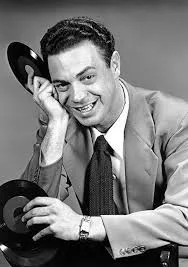
Twenty-five thousand people turned up for a Cleveland dance hall that held ten thousand. The Moondog Coronation Ball, staged in March 1952 by a local disc jockey, is generally counted the first rock and roll concert, and it ended almost before it began, the crowd crashing the doors and the police shutting it down. Freed apologized on the air the next day. The genie was out.
Freed did not invent rock and roll, and he did not strictly invent the phrase, which had drifted around Black music for years as slang for something other than dancing. What he did was put the words on the radio, night after night, playing rhythm and blues by Black artists for an audience of Black and white teenagers at once, which in the early 1950s was its own kind of provocation. The music got a name and a champion in the same voice.
It did not save him. When the payola scandal broke, Freed became its public face, the disc jockey who would not sign a statement swearing he had never taken money to play a record. WABC fired him on his thirty-eighth birthday in 1959. A guilty plea and a three-hundred-dollar fine finished the career, and he was dead by 1965, at forty-three and broke. The Hall of Fame sits in Cleveland in part because of the name he gave the thing.
John Hammond
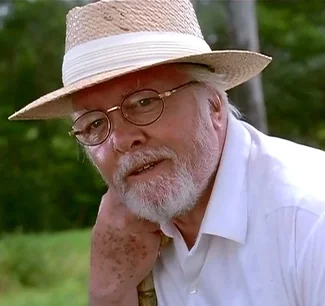
A great-grandson of the railroad and shipping magnate William Henry Vanderbilt spent his life, and a fair amount of the family money, championing the music of Black America. John Hammond dropped out of Yale, started haunting Harlem clubs as a young man, and turned a private fortune into one of the most consequential careers in twentieth-century music, all of it from behind the scenes.
The roll of people he discovered or signed is faintly ridiculous: Billie Holiday’s first sessions in 1933, Count Basie pulled to national attention off a radio broadcast, a young Aretha Franklin, Bob Dylan in 1961 and Bruce Springsteen in 1972, both unknowns nobody else had bet on. He pushed Benny Goodman to put Black and white players in one band when that was close to unthinkable. In 1938 he staged the From Spirituals to Swing concert at Carnegie Hall and tried to book Robert Johnson for it, only to learn the bluesman had died that summer; he played Johnson’s records to the hall instead.
One clarification the casual histories skip: the inductee is the producer, not his son, the blues guitarist John P. Hammond, a different man entirely. And his honor stood in its own category. While Alan Freed and Sam Phillips entered as Non-Performers, Hammond received the very first Lifetime Achievement Award the Hall ever handed out, which is fitting enough for a man whose whole achievement was other people’s careers.
Sam Phillips
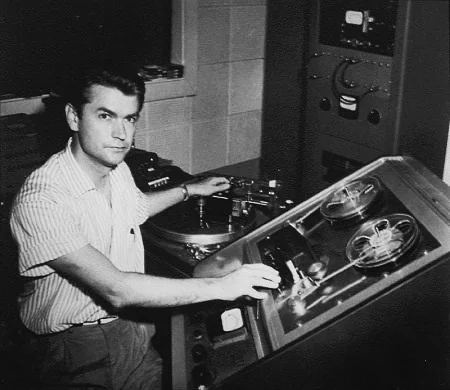
The sign outside the storefront at 706 Union Avenue in Memphis read ‘We record anything – anywhere – anytime.' That was the Memphis Recording Service, opened in 1950 by a former radio engineer named Sam Phillips, and the boast was close to literal: he cut weddings and funerals to pay the bills while recording the local blues musicians the big labels would not touch.
One of those early sessions produced ‘Rocket 88,' a 1951 record by Jackie Brenston and his Delta Cats, a group led by a nineteen-year-old Ike Turner who wrote the song. A great many historians call it the first rock and roll record. Phillips also captured the first sides ever cut by Howlin’ Wolf and B.B. King before he ever met the young truck driver who would make his name.
When Elvis Presley turned into a phenomenon, Phillips sold his contract to RCA in late 1955 for thirty-five thousand dollars, an astonishing figure then and a baffling one in hindsight. It was also the smartest thing he did. The money let him sign Johnny Cash, Carl Perkins, Roy Orbison, and Jerry Lee Lewis, building Sun Records into the cradle of rock and roll. And for all of that, Phillips said to the end of his life that his greatest discovery was never Elvis at all. It was Howlin’ Wolf.
Frequently Asked Questions
Who was the first woman inducted into the Rock and Roll Hall of Fame?
Aretha Franklin was the first woman inducted, announced on January 3, 1987, a year after the Rock Hall’s debut class went in with no women at all. The absence of female inductees drew immediate criticism, and Franklin, already two decades into her reign as the Queen of Soul, broke the barrier the next January.
Who was the last surviving member of the first Rock and Roll Hall of Fame class?
Jerry Lee Lewis was the last surviving member of the 1986 class. The pianist known as the Killer died on October 28, 2022, at eighty-seven, having become the sole survivor fourteen months earlier when Don Everly died in August 2021. Lewis closed that first ceremony with an unplanned all-star jam.
Which members of the 1986 Rock Hall class were inducted after their deaths?
Three of the ten performers were honored posthumously: Buddy Holly, killed in a 1959 plane crash at twenty-two; Sam Cooke, shot dead in 1964 at thirty-three; and Elvis Presley, who had died in 1977 at forty-two. Julian Lennon read his late father’s tribute to Presley.
Why is a country singer like Jimmie Rodgers in the Rock and Roll Hall of Fame?
Jimmie Rodgers went in as an early influence, one of three the Hall chose to honor the music rock grew out of. The blues singer Robert Johnson and the boogie-woogie pianist Jimmy Yancey joined him, all three at work long before rock and roll had a name.
Why are non-performers like Alan Freed and Sam Phillips in the Rock and Roll Hall of Fame?
They entered as non-performers, the category for people who built rock and roll without ever performing it. Freed was the disc jockey who put rhythm and blues on the radio; Phillips founded Sun Records; and the producer John Hammond took the Hall’s first Lifetime Achievement Award.