Every CIA Plot to Assassinate Fidel Castro
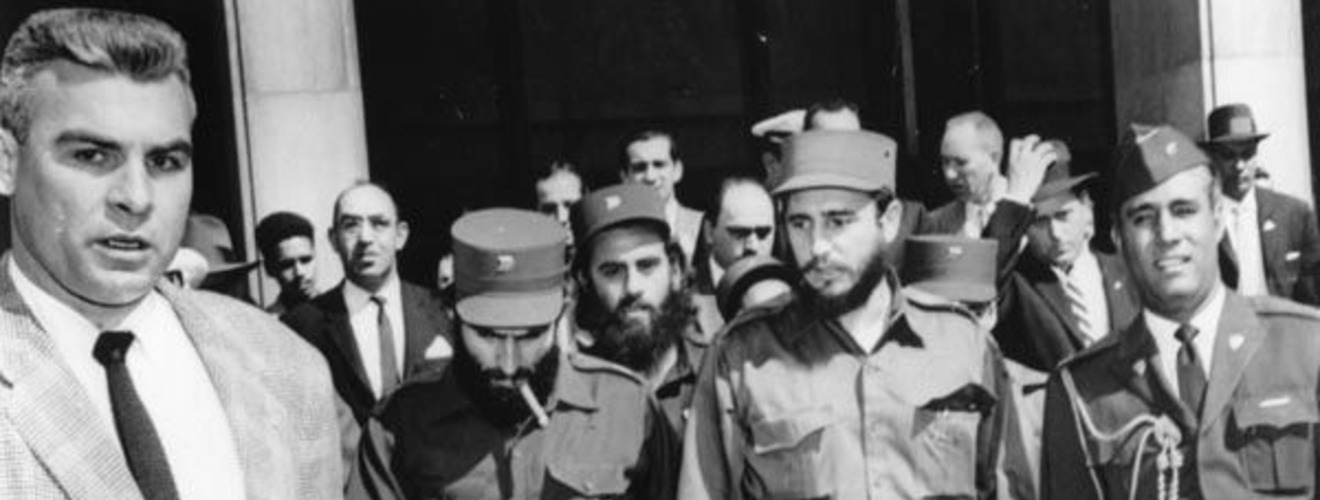
The first CIA plot against the Castro brothers was not aimed at Fidel. In July 1960, a Cubana Airlines pilot named José Raúl Martínez, secretly working for the CIA, was assigned to fly Raúl Castro back from Prague and was approached about crashing the plane. The operation was called off. Within weeks the agency turned its attention to Fidel himself, and what followed was five years of poison, explosives, contaminated wetsuits, mafia hitmen, and at least one ballpoint pen rigged as a hypodermic syringe.
How many plots there were depends on whom you ask. Fabián Escalante, the man who ran Castro’s personal security for decades, eventually catalogued 638 attempts across every American administration from Eisenhower to Clinton – a figure that has hardened into accepted folklore but includes a great many half-baked exile schemes the CIA never directed. The Church Committee, working with full document access in 1975, substantiated eight discrete plots involving the CIA between 1960 and 1965. What follows sits in between, arranged chronologically, and takes in the big operational umbrellas that spawned several methods apiece. Journalist Jack Anderson reported in 1971 that six CIA assassination teams were sent into Cuba between 1961 and 1963, with the last apprehended on a rooftop within rifle range of Castro; the Church Committee found no documentary support beyond Anderson’s reporting and the claim remains contested.
Castro died in his bed in 2016, aged 90 – which is more than the eight presidents who died in office can say. He had outlasted ten American presidents, the Soviet Union itself, and most of the people who had tried to kill him.
Eighteen CIA-authorized or CIA-supported plots against Fidel Castro survive in the declassified record, beginning in March 1960 with a plan to spray his radio studio with a hallucinogen and ending in June 1965, when the agency cut off the Cuban insider it had armed for the job. Every one failed.
The LSD-Sprayed Radio Studio
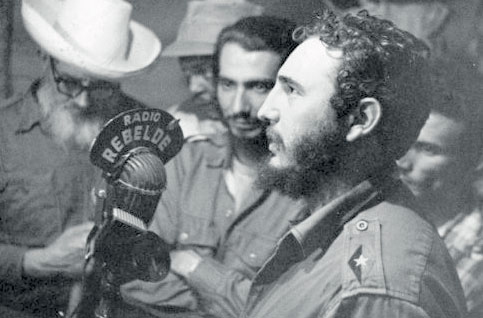
The CIA’s earliest plan against Fidel Castro was not to kill him but to make him look stupid on the radio. From March through August of 1960, the Technical Services Division spent serious time on a scheme to fill the Havana broadcasting studio Castro used for his speeches with an aerosolized chemical that produced effects comparable to LSD. The idea, recorded soberly in the 1967 CIA Inspector General’s report, was that Castro would lose composure mid-broadcast, ramble erratically into the microphone, and the Cuban people would conclude that their leader had cracked.
The chemist responsible was Sidney Gottlieb, the same man running MKUltra and busy elsewhere preparing poisons for Patrice Lumumba in the Congo. Gottlieb’s spray-can-of-LSD proposal was rejected not on moral grounds but on technical ones – the substance was deemed too unreliable to produce consistent results.
The plot illustrates how the CIA’s Castro problem began. In 1960, with Eisenhower still in office and Castro barely a year into power, the agency’s instinct was not yet to kill the man but to humiliate him into political irrelevance. Within months that instinct would harden into something else entirely. By August, the same Technical Services Division was treating cigars with botulinum toxin so potent that touching one to the lips would be fatal. The LSD studio was the last gentle idea anyone at Langley had.
The Disorientation Cigars
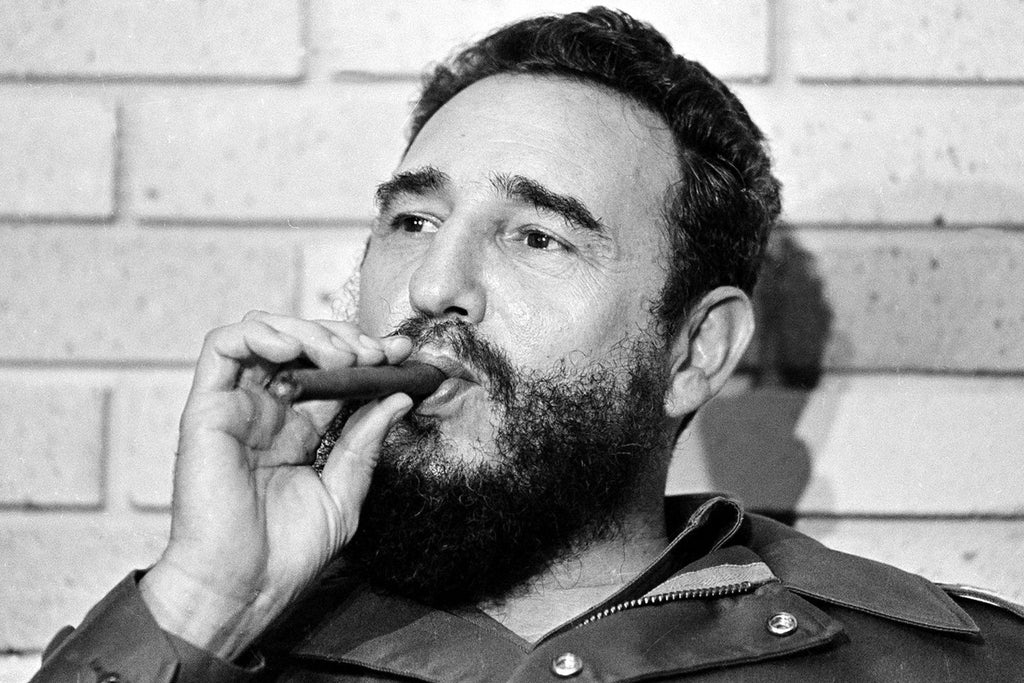
While Sidney Gottlieb was working on his LSD aerosol, the Technical Services Division was running a parallel scheme with the same goal and a different delivery system. TSD impregnated a box of Castro’s preferred cigars with a chemical that would cause temporary disorientation, the idea being that Castro would light one up before a major speech and proceed to babble incoherently to the Cuban people. The plot is described in the 1967 Inspector General’s report and again in the Church Committee’s findings, both of which treat it as a separate operation from the radio studio plan.
Crucially, these cigars were not designed to kill. Jake Esterline, the CIA project director who would later run the Bay of Pigs operation, was vague about specifics but emphatic on this point: the cigars were meant to embarrass, not assassinate. The chemical’s exact identity was never disclosed in the declassified record, which Esterline attributed to the fact that nobody could quite remember what it was.
The cigars never reached Castro. They sat somewhere in the TSD inventory while other plots overtook them, and by August 1960 the same office was preparing a far less whimsical version of the same idea – cigars treated with botulinum toxin. The disorientation cigars belong to a brief, almost quaint period when killing Castro was still considered too gauche to attempt openly.
The Thallium Salt Beard Plot
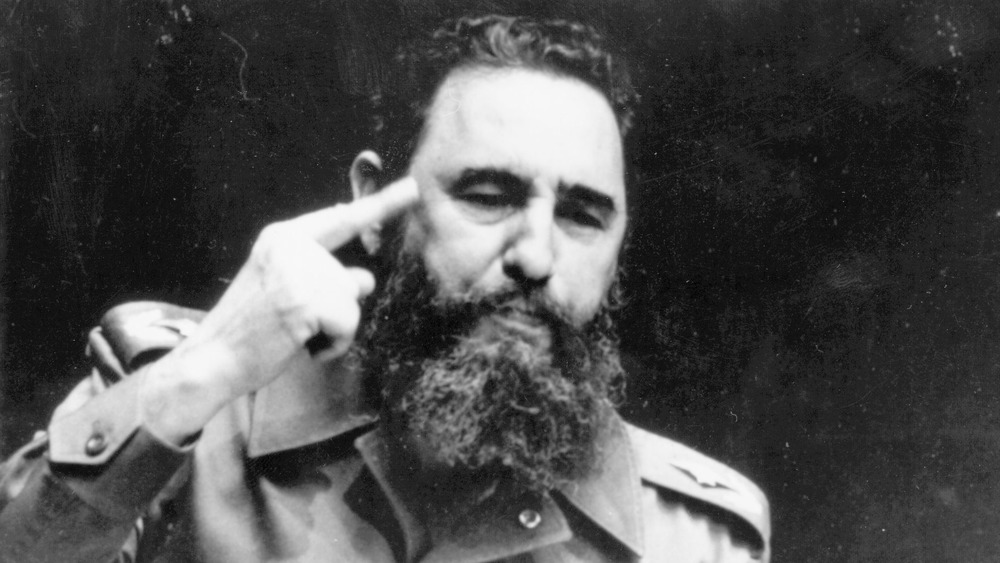
This plot did not aim to kill Castro. It aimed to deprive him of his beard. The CIA had concluded that the famous beard – which Cubans referred to as a defining feature of El Comandante himself – was central to Castro’s authority, and that if it could be made to fall out, the rest of him would follow. The proposed mechanism was thallium salts, a powerful depilatory then used in over-the-counter rat poisons and certain women’s hair removal products. The plan called for dusting the chemical into Castro’s shoes when he left them outside his hotel room to be shined during a foreign trip.
TSD bought the thallium and tested it on animals. The animals lost their hair. The plot was abandoned, however, because Castro cancelled the foreign trip that was supposed to provide the shoe-dusting opportunity. There is no evidence anyone tried again.
The beard plot has an unexpected literary origin. In March 1960, President Kennedy invited his friend Ian Fleming, the author of the James Bond novels, to dinner at his sister’s Georgetown home and asked Fleming directly how 007 might handle Castro. Fleming suggested attacking Castro’s manliness by destroying his beard. Within months, Langley was buying thallium. The CIA insists Fleming’s contribution was coincidental. Make of that what you will.
Marita Lorenz and the Cold Cream Pills
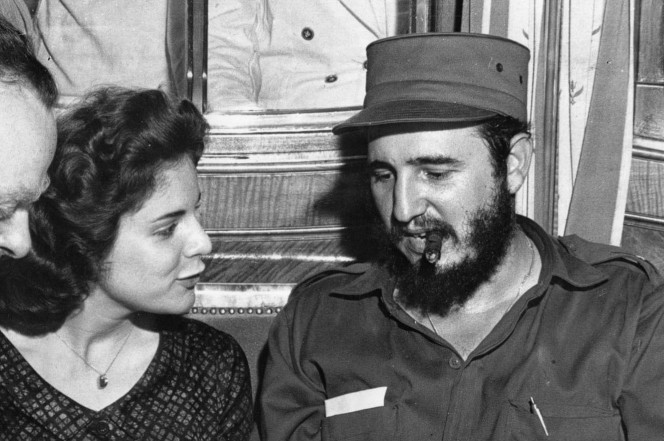
Marita Lorenz was nineteen years old, half-German, the daughter of an American mother who worked in U.S. intelligence and a former U-boat captain. In February 1959, she met Castro on the deck of her father’s cruise ship in Havana harbor. By spring she was living with him in the Havana Hilton. By autumn she had returned to New York pregnant and bitter, which made her an excellent CIA recruit.
In January 1960, the agency sent Lorenz back to Cuba with two botulinum toxin capsules and instructions to drop them into Castro’s food. She concealed the pills in a jar of cold cream during the flight, which proved to be a fatal logistical error – the capsules dissolved into the jar and became useless. She later told reporters that Castro figured out why she was there, handed her his .45 pistol, and said, ‘You can’t kill me. Nobody can kill me.’ She declined to use the gun.
Lorenz’s later claims, including a road trip with Lee Harvey Oswald and CIA agent Frank Sturgis to Dallas in November 1963, are considered uncorroborated and possibly invented. But the cold cream pill plot itself is well-documented. The CIA acknowledged her status as a contract agent, and the basic facts of the January 1960 attempt are accepted by every serious historian of the period. The capsules were real. The cold cream was the problem.
The Botulinum Cigars
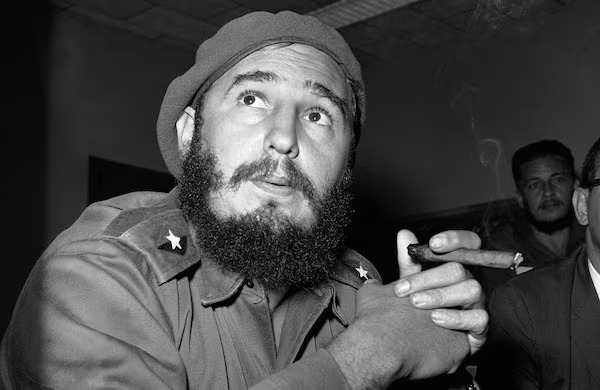
On August 16, 1960, a CIA official walked into the Office of Medical Services with a box of Castro’s favorite cigars and instructions to have them treated with lethal poison. The Technical Services Division contaminated the cigars with botulinum toxin so potent that, according to the Church Committee, a person would die after putting one in his mouth. TSD reported the cigars ready on October 7, 1960. They were delivered to an unidentified third party on February 13, 1961. After that the record simply stops.
The Church Committee, with full access to the files, could not establish whether anyone actually tried to give the cigars to Castro. The unidentified person may have lost his nerve, may have lost his access, or may have eaten them himself by mistake. The cigars themselves vanished from the documentary record.
There is also a separate and less reliable cigar story, surfacing in a 1967 Saturday Evening Post article, in which the CIA approached a New York City police officer with a literal explosive-charge cigar to slip Castro during his United Nations visit. This second version became the pop-culture exploding cigar – the one on the 1963 Mad Magazine cover and in countless cartoons – but it does not appear in either the Inspector General’s report or the Church Committee’s substantiated findings. The poisoned cigars were real. The exploding ones may have been tabloid fodder.
The CIA-Mafia Pact
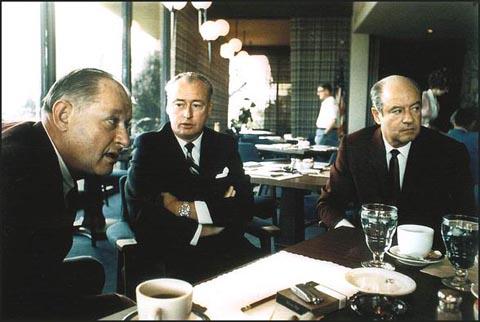
On September 14, 1960, in a New York City hotel room, a former FBI agent named Robert Maheu offered Johnny Roselli of the Las Vegas Syndicate $150,000 to arrange the murder of Fidel Castro. Maheu introduced himself as a representative of American business interests Castro had expropriated. The man sitting next to him, identified as Maheu’s associate, was in fact James O’Connell, chief of the CIA’s operational support division. The deniability was paper-thin and intentional.
Roselli brought in Sam Giancana of the Chicago Outfit and Santo Trafficante of Miami, both then on the FBI’s Ten Most Wanted list. The logic was unsentimental. The Mafia had lost its Havana casinos to Castro’s revolution and wanted them back. If the assassins were killed or captured, the press would assume mob revenge and the CIA’s hands would stay clean.
The arrangement produced two specific poison-pill operations through Cuban contacts and laid the groundwork for years of further mafia involvement, including a 1962 revival under William Harvey. It also produced a problem nobody anticipated. Both Giancana and Roselli were eventually murdered before they could testify fully before the Church Committee – Giancana shot in his Chicago basement in 1975, Roselli’s dismembered body found in a Florida oil drum in 1976. The CIA had hired killers to keep its hands clean. The killers ended up dead. The hands stayed clean.
The Juan Orta Poison Pills
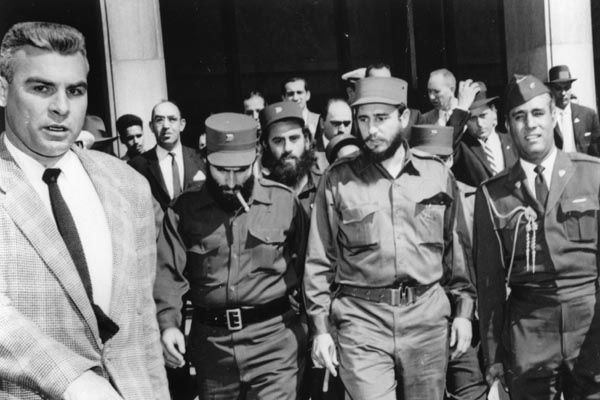
Juan Orta was a Cuban government official with a useful combination of qualities: access to Castro, a gambling debt, and a willingness to consider almost anything. Mob contacts identified him to the CIA in late 1960 as the man who would actually deliver the poison. The Technical Services Division produced six botulinum pills designed for rapid solubility, high lethal content, and little or no traceability, and the pills traveled from Sidney Gottlieb’s lab to James O’Connell to Johnny Roselli to Santo Trafficante and finally to Orta in Havana.
The plan stalled almost immediately. Orta, by the time he received the pills, had been removed from his post and no longer had access to Castro. The CIA was operating on outdated intelligence. Orta made what the Inspector General’s report calls several attempts before pulling out, but Orta himself later said the truth was simpler – he had no access to begin with, and there was nothing to attempt.
On April 11, 1961, six days before the Bay of Pigs invasion, Orta sought refuge in the Venezuelan Embassy in Havana. He stayed there for three and a half years, transferring to the Mexican Embassy when Venezuela broke relations with Cuba. He reached Mexico City in October 1964 and Miami in February 1965. The pills, presumably, are still in a drawer somewhere in Havana, dissolved to nothing.
The Tony Varona Restaurant Poison Pills
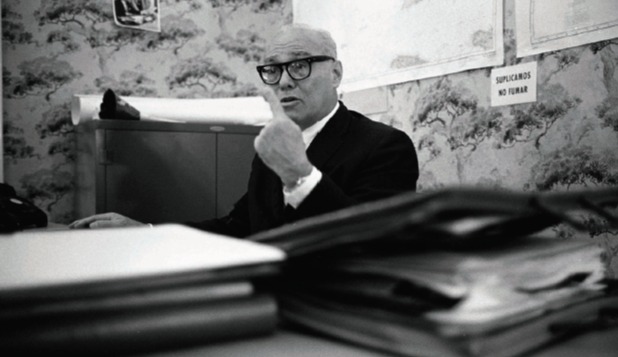
When Juan Orta failed to deliver, the CIA-Mafia partnership reactivated through a second principal – Manuel Antonio de Varona, known as Tony, leader of the Cuban Exile Junta in Miami. Trafficante reported that Varona had become disaffected with the apparent ineffectual progress of the Junta and was willing to take a more direct approach. The CIA passed Varona $10,000 in cash for expenses and $1,000 in communications equipment, posing again as anti-Castro business interests.
Varona’s network identified a restaurant Castro frequented in Havana and recruited a worker there. Three botulinum poison pills were smuggled into Cuba, this time disguised in a bottle of Bayer aspirins. The pills reached the restaurant. They sat behind the counter. They waited.
Castro stopped visiting the restaurant. Whether he learned of the plot, changed his routine for unrelated reasons, or simply lost interest in the menu remains unclear. The Inspector General’s report speculates that the operation failed because access vanished at exactly the wrong moment. The pills were eventually returned through the same chain that delivered them – exile to mobster to CIA – having accomplished nothing.
The plot was formally cancelled in April 1961 with the launching of the Bay of Pigs invasion, which the agency expected would solve the Castro problem more directly. The Bay of Pigs failed. The pills, having traveled thousands of miles and many sets of hands, returned home unused.
Operation Mongoose
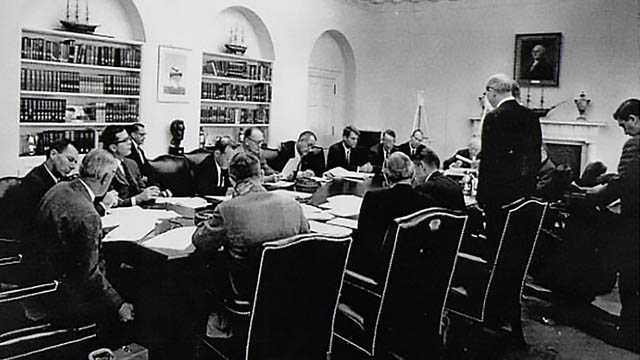
Operation Mongoose was not an assassination plot. It was the umbrella under which assassination plots happened. After the Bay of Pigs catastrophe in April 1961, President Kennedy convened a special group to coordinate every American effort against Cuba – economic, military, propagandistic, paramilitary – and named his brother Robert as its driving force. The operational chief was Brigadier General Edward Lansdale, fresh from counterinsurgency work in the Philippines and Vietnam. The mandate was straightforward and impossible: bring about a popular Cuban uprising and replace Castro’s government by October 1962.
The breadth of Mongoose was staggering. CIA station JM/WAVE in Miami became the largest CIA facility outside Langley, with hundreds of staff and a budget reportedly approaching $100 million. The plans included sabotage of Cuban sugar production, infiltration of guerrilla teams, false-flag operations to justify American military intervention, and a propaganda war broadcast into Cuba on covert radio frequencies. Whether assassination was officially authorized within Mongoose remains disputed. Lansdale and the Kennedys publicly denied it. The CIA officers who ran the actual operations – particularly William Harvey – clearly thought it was.
Mongoose was suspended during the Cuban Missile Crisis in October 1962 and formally dissolved in 1963. The Cuban people did not revolt. Castro did not die. Robert Kennedy’s CIA assistant Samuel Halpern later described the entire operation in nine words: ‘Bobby wanted boom and bang all over the island.’
ZR/RIFLE Applied to Cuba
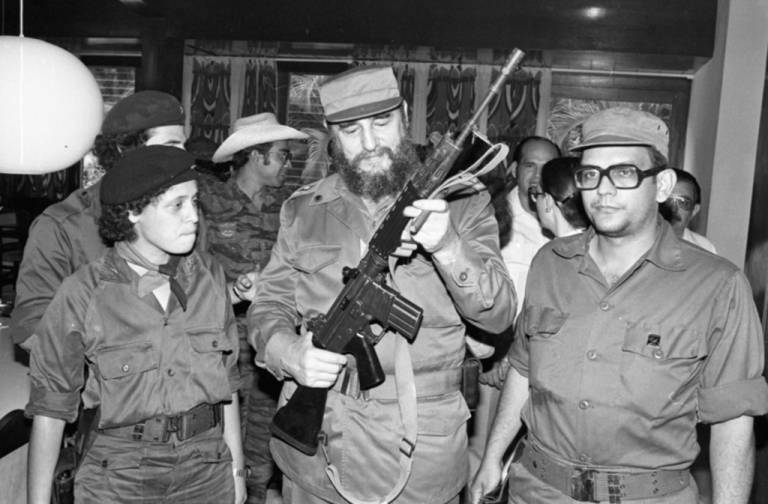
ZR/RIFLE was the CIA’s general-purpose assassination program, established in 1961 to develop what the agency called an executive action capability – the bureaucratic euphemism for the ability to kill foreign leaders on demand. The man in charge was William King Harvey, a hard-drinking, paranoid, brilliant operative known internally as America’s James Bond and externally as the man who built the Berlin Tunnel. His handwritten planning notes survive in declassified form and contain the immortal instruction: ‘never mention word assassination.’
Harvey took the Cuba assignment in late 1961 and folded the existing Castro plots into ZR/RIFLE. He inherited the Mafia operation from Sheffield Edwards, examined what Roselli, Giancana, and Trafficante had actually been doing, and concluded it was a shambles. He cut everyone but Roselli and ran the operation personally. In April 1962, he handed Roselli a fresh batch of poison pills in Miami, intended for Castro through Cuban contacts.
ZR/RIFLE produced no successful assassinations. It produced volumes of paperwork, two recruited European assets known as QJ/WIN and WI/ROGUE, several aborted poison-pill schemes, and the most strained CIA-White House relationship of the era. After Harvey sent commando teams into Cuba during the Cuban Missile Crisis in direct violation of presidential orders, Robert Kennedy had him reassigned to Rome. His friends later said Harvey hated Bobby Kennedy’s guts with a purple passion. He had reason.
The Reactivated Mafia Pill Plot
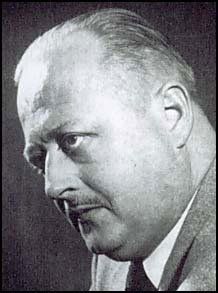
When William Harvey took over the Castro file in early 1962, he found the existing Mafia operation paralyzed and the existing poison pills missing in action. His response was to start over. In April 1962, Harvey met Johnny Roselli at a Miami hotel and handed him four fresh botulinum capsules along with a cache of weapons – including explosives, detonators, twenty pounds of ammunition, and an arsenal of rifles and pistols – for delivery into Cuba via the Tony Varona exile network.
The pills moved from Roselli to Varona to an asset inside Cuba. They got close. Cuban exile sources later told the Church Committee that on at least one occasion in March 1963, the pills came within reach of Castro when he stopped at a milkshake stand. The story is uncorroborated by CIA records but consistent enough with other accounts to merit a place in the historical file.
What is certain is that the pills did not work. Castro went on with his life. By June 1963, Harvey had been removed from the operation, the Mafia connection had been formally terminated, and the CIA Office of Security wrote up the whole business as a closed chapter. Roselli walked out of CIA custody and back into his old life. Twelve years later, his dismembered body was found floating in an oil drum near Miami. The Mafia rarely closes its own chapters tidily.
The Hemingway Museum Plot
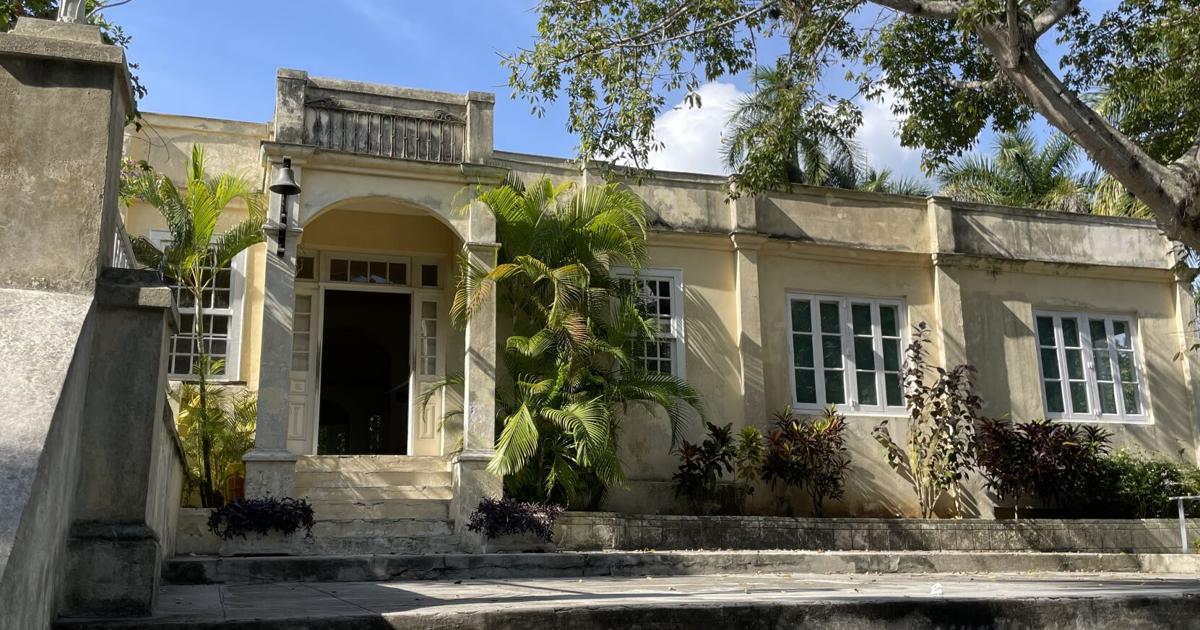
In July 1961, Mary Hemingway flew to Cuba to retrieve manuscripts and paintings from Finca Vigía, her late husband’s farm outside Havana. Fidel Castro, an admirer of Hemingway’s work, arrived one evening in his Jeep, accompanied by a single nondescript car and a handful of aides. Mary served him coffee. They discussed the transfer of the property to the Cuban government for use as a museum. Castro, without waiting for security to check the rooms, bounded up the stairs to Hemingway’s writing tower alone.
Mary mentioned this detail repeatedly over the following months – the absence of bodyguards, the casual access to upper floors, the obvious tactical possibilities of a property she happened to know better than anyone alive. A 1962 Pentagon memorandum from General Edward Lansdale, discovered decades later by researchers David Corn and Gus Russo, records that an operation against Castro at Finca Vigía was discussed by President Kennedy and his brother in the Oval Office. The plan was apparently to assassinate Castro during a future museum visit using Hemingway’s own farm as the ambush point.
The plot never advanced past the memo stage. Whether the Kennedys actually authorized it or simply allowed it to die quietly is one of the questions historians still argue about. The Finca Vigía museum opened anyway, and remains a tourist destination in San Francisco de Paula today. The animal heads Hemingway shot still hang on the walls.
Operation Bounty
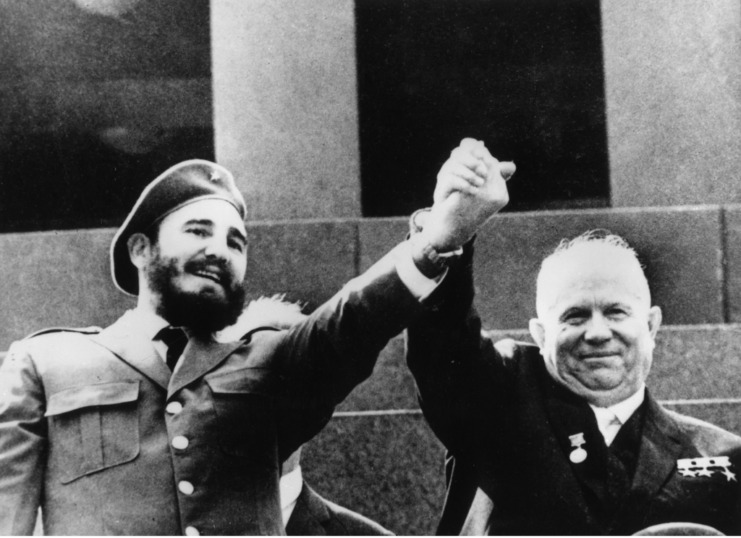
Operation Bounty was not technically an assassination plot. It was a plan to outsource the assassinating to the Cuban public. Devised under Operation Mongoose in early 1962 and proposed in a Lansdale memorandum, Bounty called for the U.S. military to drop leaflets across Cuba advertising cash rewards for killing or capturing named members of Castro’s government. The scale was specific. Informants were worth $5,000 to $20,000. Department heads commanded $57,500. Foreign communists operating in Cuba commanded $97,000. Members of the Cuban government topped out at $100,000, the highest figure on the sheet.
Fidel Castro, the entire reason the operation existed, was listed at two cents.
This was not a clerical error. Lansdale later testified to the Senate that the two-cent figure was intended to denigrate Castro in the eyes of the Cuban people – the implication being that he was worth less than the average Cuban could spit at. Quite how this was meant to convert into either a bullet or a coup was never explained. The leaflets were printed in mock-up form but never airdropped. Lansdale himself eventually shelved the operation, telling investigators he had concluded it was not something that should be seriously undertaken. The two-cent figure was widely reported when the document was declassified in October 2017, by which time inflation had pushed Castro’s price to roughly sixteen cents in 2017 dollars. He had survived all of them anyway.
The Skin-Diving Suit
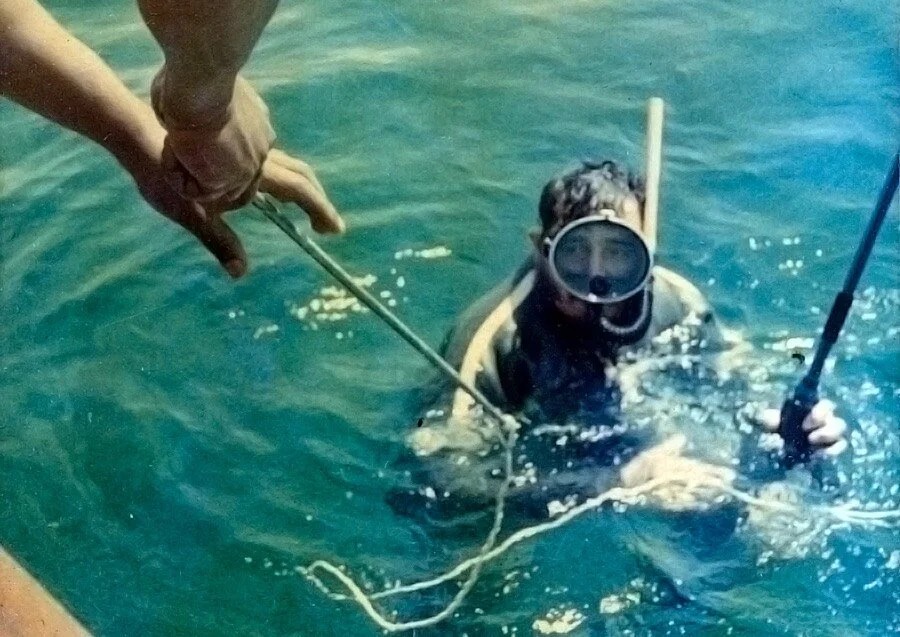
In early 1963, the New York lawyer James Donovan was negotiating with Castro for the release of the 1,113 Cuban exile prisoners taken at the Bay of Pigs. Donovan was a serious man – he had argued in front of the Supreme Court, swapped the Soviet spy Rudolf Abel for the U-2 pilot Francis Gary Powers, and would later be played by Tom Hanks in the film Bridge of Spies. Both Donovan and Castro were enthusiastic scuba divers. The CIA noticed this and devised a plan.
The Technical Services Division prepared a diving suit dusted on the inside with a fungus that causes Madura foot, a chronic, disfiguring skin disease. The breathing apparatus was contaminated with tubercle bacilli, the bacterium that causes tuberculosis. Donovan was supposed to present the suit to Castro as a friendly gift during one of their meetings, entirely unaware of what he was actually handing over.
The plot collapsed in the most prosaic way imaginable. Donovan, on his own initiative and before the CIA could complete the contamination, had already bought a perfectly clean diving suit and given it to Castro as a gesture of goodwill. The agency’s plan now required Donovan to give Castro a second diving suit, which would have been odd. Donovan’s CIA handler quietly warned him not to let anyone tamper with whatever gear he gave Castro next. The contaminated suit never left the laboratory.
The Exploding Seashell
The exploding seashell was the responsibility of Desmond FitzGerald, the urbane and well-tailored chief of the CIA’s Special Affairs Staff. FitzGerald had concluded that Castro’s love of skin diving represented an exploitable habit, and proposed planting a large, brightly colored conch shell loaded with explosives at one of Castro’s regular underwater sites. The shell would be unusual enough to attract attention, beautiful enough to be picked up, and lethal enough to do the job when handled.
FitzGerald reportedly purchased two textbooks on Caribbean mollusks to research what species Castro might find plausible. The Technical Services Division studied the engineering problem and concluded the operation was, in the official phrasing of the Church Committee, impractical. No shell was ever planted.
The idea did not originate at Langley. In March 1960, President Kennedy invited Ian Fleming to dinner at his sister’s Georgetown home and asked the Bond novelist for thoughts on the Castro problem. Fleming offered two suggestions over the meal. The first was the depilatory plot to destroy Castro’s beard, which the CIA would attempt within months. The second was the booby-trapped conch shell, which would surface in CIA planning three years later. The Church Committee, reviewing this history in 1975, recorded the Fleming connection with the dry note that both plots ultimately appeared on the agency’s actual operational list. Sometimes the writer really does see things first.
AM/LASH – The Rolando Cubela Operation
Rolando Cubela was a Cuban revolutionary commander who had fought alongside Castro in the Sierra Maestra and risen to the rank of Major in the new government. By 1961 he had soured on the revolution, and the CIA had taken notice. Cubela was reckless, vain, given to heavy drinking, and surrounded by enough loyalists to make him useful. The CIA assigned him the cryptonym AM/LASH and began cultivating him through 1962. Internal CIA reports recorded that Cubela disliked the word assassinate, preferring eliminate as more dignified.
In September 1963, at the Pan American Games in Brazil, CIA officer Néstor Sánchez floated the idea of Cubela killing Castro from inside the regime. Cubela was interested but demanded an in-person meeting with someone close to the Kennedys. The CIA produced Desmond FitzGerald, who flew to Paris in October 1963 and introduced himself as a personal representative of Attorney General Robert Kennedy. (Kennedy had not been consulted.) FitzGerald promised American support for any anti-communist Cuban group that successfully removed Castro and assumed power. Cubela went home prepared to do the work.
The agency’s relationship with Cubela ran until June 1965, by which time the CIA had become convinced he was either compromised or a Cuban double agent. He was arrested in Havana in February 1966 and sentenced to twenty-five years. The trial deliberately omitted his pre-1964 CIA contacts. Castro himself petitioned the court to spare Cubela’s life.
The Poison Pen
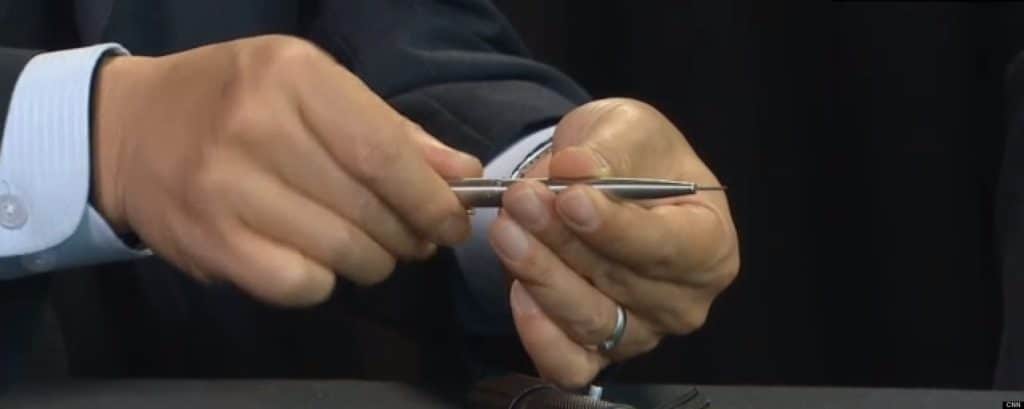
On the afternoon of November 22, 1963, in a hotel room in Paris, CIA officer Néstor Sánchez handed Rolando Cubela a Paper Mate ballpoint pen modified by the Technical Services Division to function as a hypodermic syringe. The needle was, according to the Church Committee, so fine that the victim would not notice its insertion. Cubela was supposed to fill it with Black Leaf 40, a commercially available nicotine sulphate insecticide easily obtained inside Cuba, and inject Castro at close range.
Cubela was not impressed. He examined the pen, told Sánchez that the CIA could surely come up with something more sophisticated than that, and refused to take it to Cuba. He had asked specifically for a high-powered rifle with a scope and silencer. They had given him a doctored pen. Sánchez later could not remember whether Cubela threw it away or kept it as a souvenir of disappointment.
At approximately the same hour Sánchez was attempting to give Cubela the pen, John F. Kennedy was being shot in Dallas. The coincidence is so precise it has fueled conspiracy theories for sixty years. There is no evidence the Paris meeting and the Dallas shooting were connected. There is also no evidence anyone at the CIA appreciated, at the time, the specific dramatic irony of an agency attempting to assassinate one head of state during the hour a different head of state was being assassinated elsewhere.
The Artime / FAL Rifle Plot
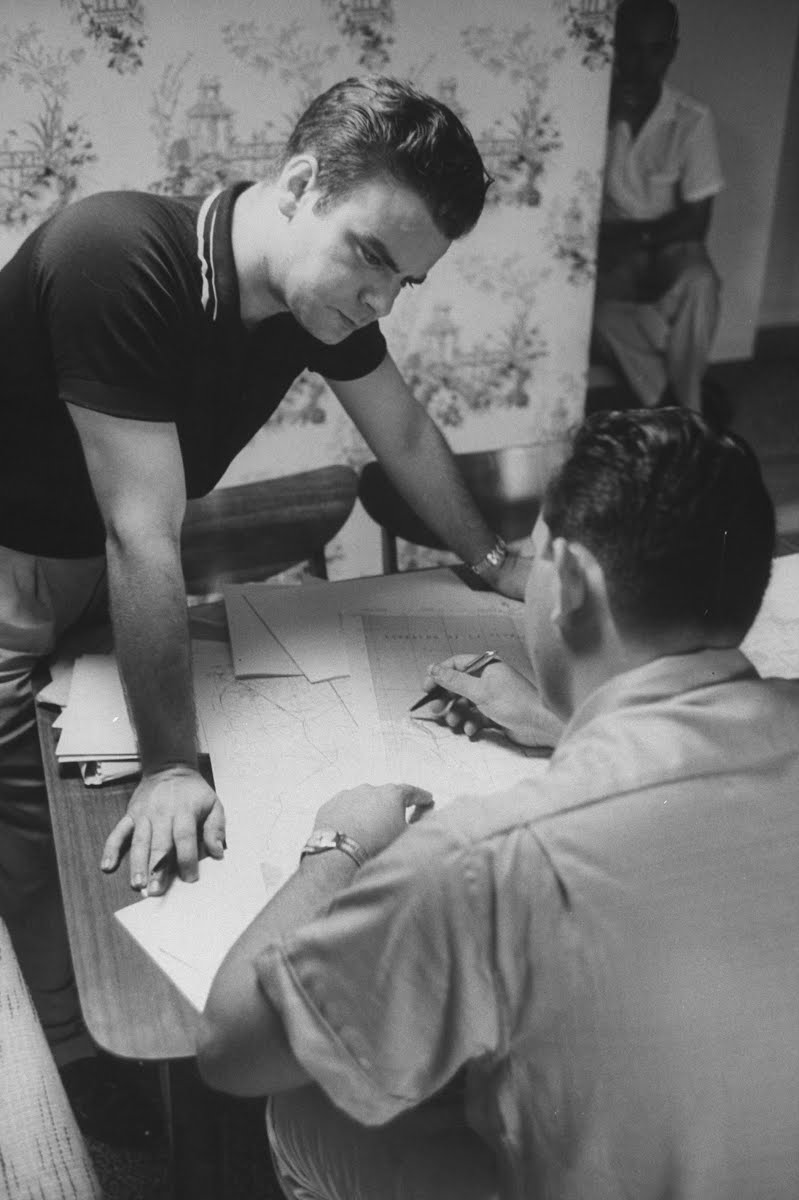
After Kennedy’s death, the CIA continued working with Cubela but redirected him toward Manuel Artime, a Cuban exile leader who had been captured at the Bay of Pigs, ransomed home by James Donovan, and now ran a 300-man guerrilla force in Central America with CIA funding. The two met in Madrid on February 9, 1965, and spent three hours planning the assassination of Fidel Castro.
Cubela owned a Belgian FAL 7.62mm rifle. Artime promised to supply a four-power telescopic sight and a silencer adaptable to the weapon, both of which were delivered to Cubela through a series of cutouts before he left Madrid. The plan was that Cubela would shoot Castro from cover during a public appearance, and Artime would land in Cuba forty-eight hours later with his exile force, supported by the United States and the Organization of American States. Several Latin American governments had reportedly already agreed to provide diplomatic recognition.
The plot was infiltrated by Cuban intelligence almost immediately. By June 1965, the CIA was convinced the entire operation had been compromised and ordered all stations to terminate contact with Cubela and his associates. Cubela was arrested on March 1, 1966, in Havana, and the rifle, scope, and silencer were entered into evidence. The Artime plot marks the last documented CIA-supported attempt on Castro’s life. Castro outlived Artime, outlived Cubela’s prison sentence, and outlived nearly everyone involved.
It was a survival record no assassinated Roman emperor ever managed.
Frequently Asked Questions
Did the CIA really poison Fidel Castro’s cigars?
Yes. In August 1960 the Technical Services Division treated a box of his preferred brand with botulinum toxin strong enough to kill a man who put one to his lips. The cigars were ready that October and handed to an unidentified courier in February 1961. What became of them is unknown.
Was the exploding cigar plot real?
Not in the documentary record. That story comes from a 1967 Saturday Evening Post article describing a New York police officer approached about slipping Castro an explosive-charge cigar during a United Nations visit. It became the pop-culture version of events, but appears in neither the CIA Inspector General’s 1967 report nor the Senate findings.
Why did the CIA hire the Mafia to kill Castro?
For deniability. On September 14, 1960, in a New York hotel, the former FBI man Robert Maheu offered Johnny Roselli $150,000 on behalf of what he described as expropriated American businesses. If the killers were caught, the press would assume a casino grudge. Roselli declined to take any of the money.
How much was Fidel Castro’s life worth to the CIA?
Two cents, on paper. Operation Bounty, drafted in 1962, proposed airdropping leaflets that offered Cubans $57,500 for a department head and up to $100,000 for the most senior government officials. Castro himself was priced at $0.02, a number chosen to humiliate him. The leaflets were mocked up and never flown.
Did Ian Fleming suggest a way to get rid of Castro?
Yes. At a Georgetown dinner on March 13, 1960, the creator of James Bond told John F. Kennedy that ridicule would work better than force, and proposed robbing Castro of the beard that defined him. Allen Dulles missed the dinner, heard the ideas second-hand, and telephoned afterward to say he regretted not being there.
What happened to the poison pen the CIA built for Castro?
The intended assassin turned it down. On November 22, 1963, in a Paris hotel, a CIA officer offered Rolando Cubela a ballpoint converted into a hypodermic needle. Cubela said the agency could do better and repeated his request for a scoped rifle. Kennedy was shot in Dallas that same afternoon.
Is it illegal for the United States to assassinate a foreign leader?
Yes, by executive order rather than by statute. Gerald Ford signed Executive Order 11905 in February 1976, barring government employees from political assassination. Carter and Reagan reissued the ban, and Reagan’s Executive Order 12333 governs today. None of the three orders ever defined what assassination actually means.
Did Castro know how many people had tried to kill him?
He kept his own count. In August 1975 he handed Senator George McGovern a list of twenty-four alleged American attempts on his life. The Senate committee forwarded it to the CIA, weighed the reply, and reported that it found no evidence the agency stood behind any of the twenty-four.
Sources
- U.S. Senate Select Committee to Study Governmental Operations with Respect to Intelligence Activities (Church Committee), Alleged Assassination Plots Involving Foreign Leaders, Interim Report, November 20, 1975
- CIA Inspector General John S. Earman, Report on Plots to Assassinate Fidel Castro, April 23, 1967 (declassified 1993)
- Foreign Relations of the United States 1964-1968, Volume XXXII Cuba, Office of the Historian, U.S. Department of State
- National Security Archive at George Washington University – Church Committee 50th Anniversary briefing book, November 2025
- Mary Ferrell Foundation – AMLASH and ZRRIFLE cryptonym files
- David Corn and Gus Russo, The Old Man and the CIA: A Kennedy Plot to Kill Castro?, The Nation, March 26, 2001
- Fabián Escalante, Executive Action: 634 Ways to Kill Fidel Castro, Ocean Press, 2006