Every Winner at the First Grammy Awards (1959)
On the night of May 4, 1959, the recording industry handed out its first Grammy Awards at two black-tie dinners held at the same hour on opposite coasts – one in the Grand Ballroom of the Beverly Hilton, the other at New York’s Park Sheraton – with each winner accepting in whichever ballroom he happened to be standing in. The comedian Mort Sahl emceed the Los Angeles end of it. The whole affair went out on radio, because nobody had yet thought to put it on television.
The awards had begun life as the Gramophone Awards, conceived by record executives who, while assembling names for the Hollywood Walk of Fame, noticed that their industry had no prize to set beside the Oscars and the Emmys. Rock and roll, two years into the Elvis era, went almost entirely unrepresented. The 1958 winners ran instead to an Italian ballad, a jazz score from a television detective show, a pop crooner, and a record sung by sped-up chipmunks, while Elvis Presley took home nothing at all.
The first ballot produced some genuinely strange results. What follows is every winner, in the order the categories were presented – beginning with the song that beat Frank Sinatra and ending in the opera house.
The first Grammy Awards, held May 4, 1959, honored recordings from 1958 and handed out 28 prizes, the fewest in the ceremony’s history. Five performers won two apiece: Ella Fitzgerald, Count Basie, Domenico Modugno, Henry Mancini, and Ross Bagdasarian. “Volare,” sung in Italian, took both Record and Song of the Year.
Record of the Year
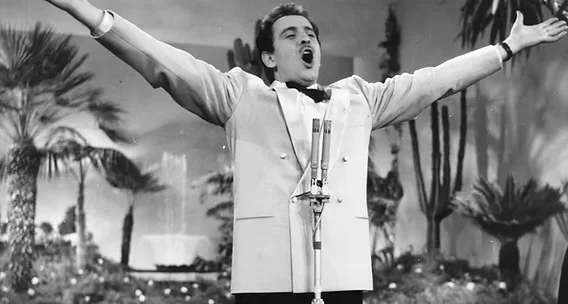
The first Record of the Year ever awarded went to a song performed entirely in Italian, which cannot have been what the new American academy expected. ‘Nel Blu Dipinto di Blu’ – the title means ‘in the blue, painted blue,' though almost everyone calls it ‘Volare’ – had spent five weeks atop the Billboard Hot 100 in the late summer of 1958, sung by a Pugliese actor named Domenico Modugno in a voice his own countrymen filed under urlatore, or yeller. It beat Frank Sinatra’s ‘Witchcraft,' Perry Como’s ‘Catch a Falling Star,' Peggy Lee’s ‘Fever,' and a record sung by chipmunks.
Modugno had unveiled the song at the Sanremo Festival that February and carried it to the Eurovision Song Contest, where it placed third and then outsold nearly everything around it; counted across its many versions, it has moved more than eighteen million copies. It remains the only non-English recording ever to win both Record and Song of the Year, and the only Eurovision entry of any kind to win a Grammy.
His second act was stranger than his first. Modugno spent some of the proceeds on a Ferrari and promptly wrecked it, but the real surprise came later: after a 1984 stroke ended his singing career, he ran on the Radical Party ticket and, in June 1987, was elected to the Italian Parliament representing Turin.
Album of the Year
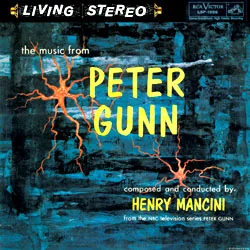
RCA Victor printed eight thousand copies of the album cover, ran out within weeks, and shipped the overflow in plain sleeves – a detail Henry Mancini liked to recount, since the label had not wanted to make the record at all. The Music from Peter Gunn was studio jazz that Mancini, then a 34-year-old composer freshly gone freelance, had written for a new NBC detective series created by Blake Edwards. When RCA grudgingly agreed to record an album, they first tried to hand the job to a different arranger, Shorty Rogers, who told them it was plainly Mancini’s music and stepped aside.
It became the first album ever to win Album of the Year and climbed to number one on the Billboard chart. The players were the cream of the Los Angeles studios, and the man at the piano was a young sideman billed as John Towner Williams – the same John Williams who would later drop the middle name and score Star Wars and Jaws.
The piece that set all this in motion barely qualifies as a composition. The Peter Gunn theme is a single chord and a stalking guitar-and-piano figure that Mancini happily admitted owed more to rock and roll than to jazz – the kind of riff, he said, that every garage band plays to feel as though it has finally arrived.
Song of the Year
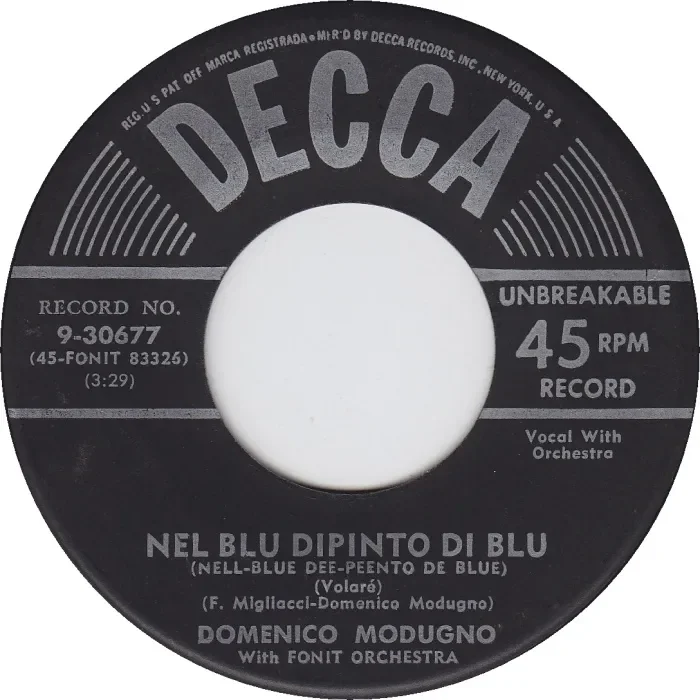
Franco Migliacci had been drinking wine and waiting for Domenico Modugno to turn up for a day at the sea. Modugno never came. Migliacci fell asleep, and when he woke he found himself staring at two reproductions tacked to the wall, both by Marc Chagall – one of a man suspended in midair, the other of a face painted half blue. He started writing about somebody who paints himself blue and takes flight, and the song that grew out of it won Song of the Year, the second of the two Grammys ‘Volare’ took that evening.
The trophy went officially to Modugno, who composed the music, though it was Migliacci’s lyric, born in that Chagall reverie, that gave the thing its strange blue heart. The two men first called it ‘Sogno in blu’ – a dream in blue. Only afterward, by Modugno’s account, did the defining word arrive, when a sudden storm blew the window of his room open.
The title printed on the sheet music is still ‘Nel Blu Dipinto di Blu.' Practically no one has ever used it. The word the world reaches for instead, ‘volare,' means nothing more complicated than ‘to fly,' and it lives in a chorus that very nearly never got written.
Best Vocal Performance, Female
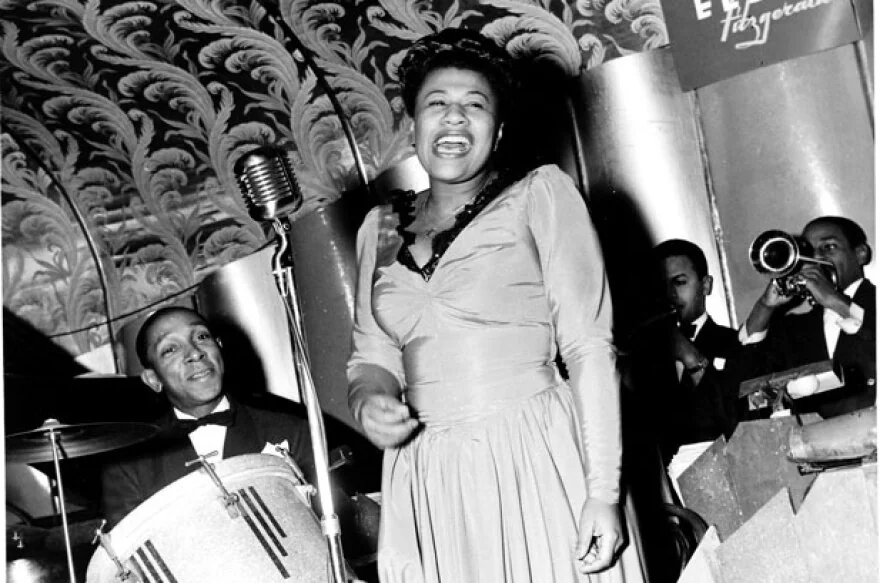
In a single week in March 1958, Ella Fitzgerald walked into a Los Angeles studio and recorded more than thirty Irving Berlin songs. The result, arranged and conducted by Paul Weston, was the fourth installment in a project that had quietly rebuilt her career. Her manager, the jazz impresario Norman Granz, had founded Verve Records largely to record her, and his Songbook series – Cole Porter, then Rodgers and Hart, then Duke Ellington, now Berlin – was steadily recasting a singer once shelved under novelty and bebop as the foremost interpreter of the American standard.
The Berlin set won her Best Vocal Performance, Female, one of two Grammys she collected on that opening night. Granz was a useful man to have in your corner. He ran his concerts and his label on a blunt refusal to let his Black artists be treated as anything less than the white ones, in an era when most of the music business arranged things the other way around.
The win carried a weight beyond the music itself. Ella Fitzgerald was the first Black woman to win a Grammy Award, four years after Brown v. Board of Education and several before the Civil Rights Act – and she managed it twice in the same evening.
Best Vocal Performance, Male
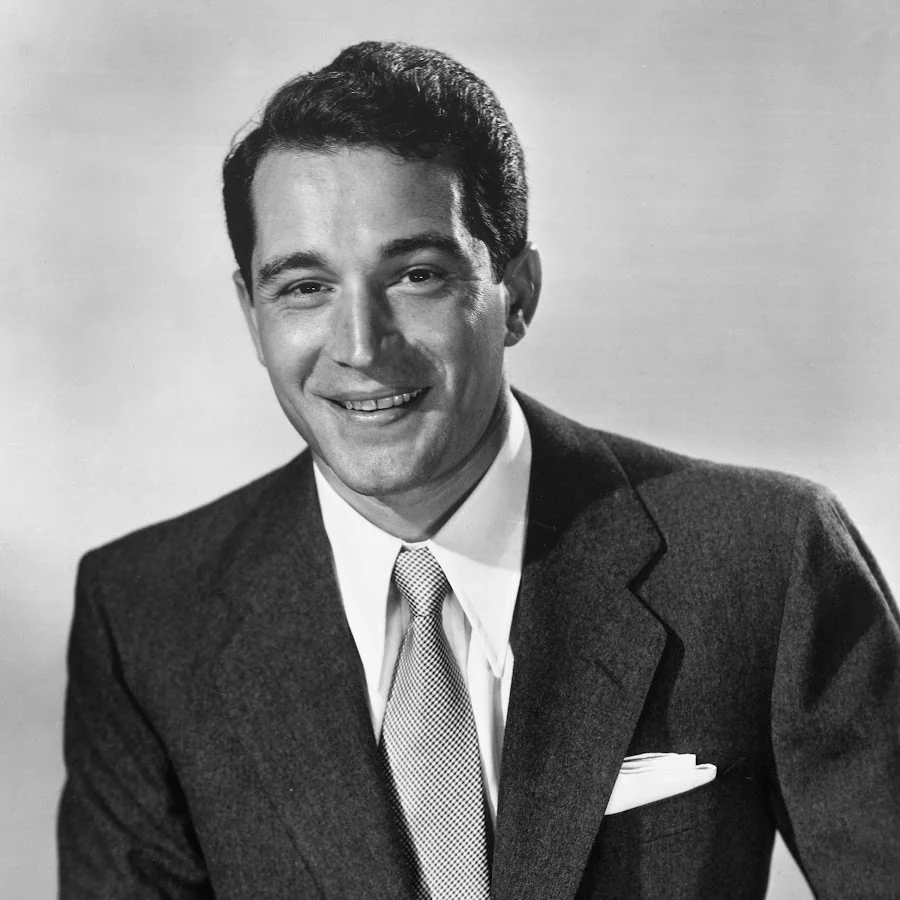
The first gold record the recording industry ever certified did not go to Elvis Presley. It went to a 46-year-old crooner in a cardigan. On March 14, 1958, the newly standardized RIAA gold award – half a million copies sold, now made official – went to Perry Como for ‘Catch a Falling Star,' a piece of gentle stargazing written by Paul Vance and Lee Pockriss and trimmed with the harmonies of the Ray Charles Singers. Presley would not earn a gold record of his own until that summer, arriving third in line.
The song took the inaugural Best Vocal Performance, Male, and it proved to be the final number one of Como’s long run; he had thirteen of them, reaching back to the 1940s.
There is a quiet geographic comedy folded into the single. ‘Catch a Falling Star’ shared the disc with ‘Magic Moments,' another Vance and Pockriss tune, and where American buyers made a hit of the A-side, British buyers flipped the record over and pushed ‘Magic Moments’ to the top of their own chart instead. The same two men wrote both. They would go on to write ‘Itsy Bitsy Teeny Weeny Yellow Polka Dot Bikini,' which is an achievement of a wholly different sort.
Best Performance by a Vocal Group or Chorus
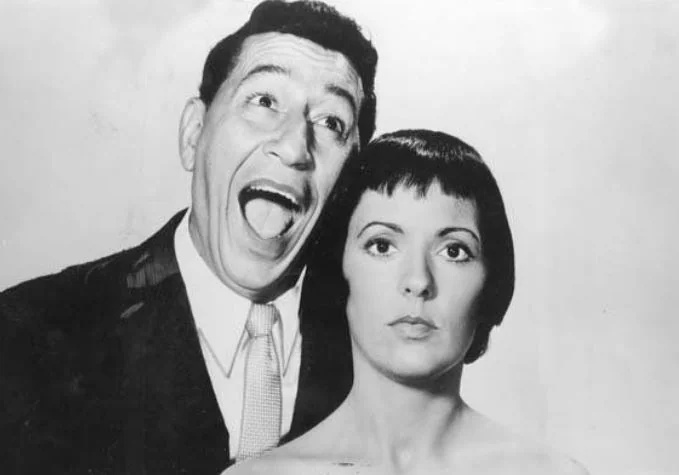
Louis Prima and Keely Smith were married, which goes a long way toward explaining the act. He was a New Orleans trumpeter who sang as if braying and never stopped moving; she stood almost still at his side, wearing the face of a woman waiting for a delayed bus, and that flat, unimpressed deadpan grew as famous as her genuinely lovely voice. Their 1958 recording of ‘That Old Black Magic,' a Harold Arlen and Johnny Mercer standard that Glenn Miller had taken to number one fifteen years earlier, won the first Grammy for Best Performance by a Vocal Group or Chorus.
The two of them had spent the decade making the Las Vegas lounge a respectable place to perform. Backed by the saxophonist Sam Butera and a band called the Witnesses, they held the Casbar Lounge of the Sahara from midnight to nearly dawn, in a show billed, fairly, as the Wildest. Prima would later lend that same voice to King Louie, the swinging orangutan of Disney’s 1967 Jungle Book.
They divorced in 1961, and the act died with the marriage. The wildest man in Las Vegas, it emerged, needed the stillest woman in Las Vegas planted beside him for any of the wildness to land.
Best Performance by a Dance Band
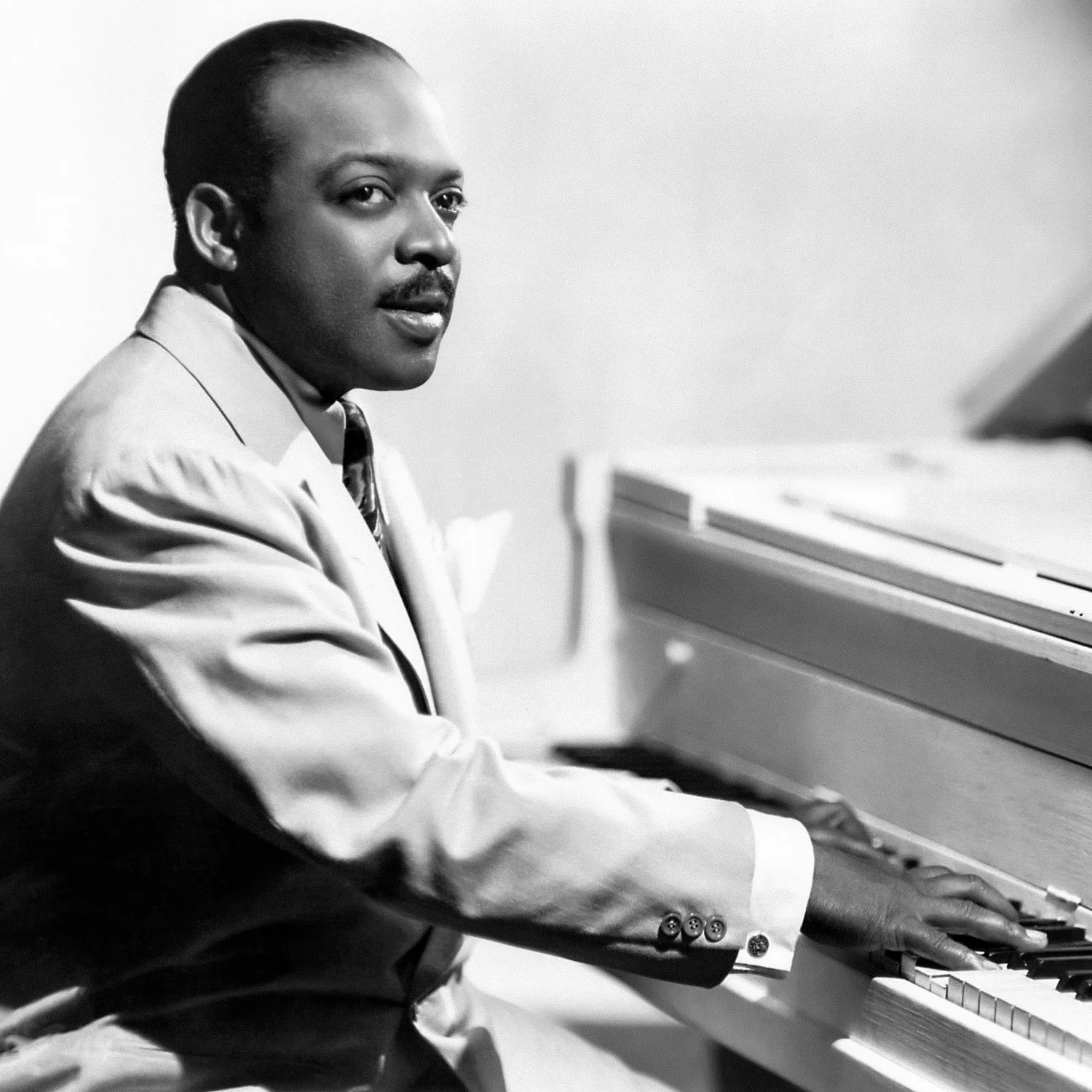
The album was called, plainly, Basie. Then people got a look at the cover – a photograph of an atomic mushroom cloud – and began calling it The Atomic Mr. Basie, which is the name that stuck. Cut in October 1957 for the young Roulette label, its eleven tracks were all written and arranged by one man, Neal Hefti, whose crisp and explosive charts handed Count Basie’s orchestra a second life at the precise moment the big bands were declared finished. The record won Best Performance by a Dance Band, and Basie, who had been leading bands since the 1930s, became the first Black man to win a Grammy.
The Basie here is the so-called New Testament band, leaner and harder-hitting than his Depression-era group, with the leader doing the thing he did better than anyone: saying an enormous amount with a handful of notes and a great deal of silence, leaving the rest to soloists like the tenor saxophonist Eddie ‘Lockjaw’ Davis.
Hefti’s own road ran somewhere no one could have guessed. Eight years after scoring an album sold on the imagery of nuclear annihilation, he wrote the theme to the 1966 Batman television series – the three-chord, horn-blasting ‘na-na-na-na’ that, fittingly, won him a Grammy of his own.
Best Performance by an Orchestra
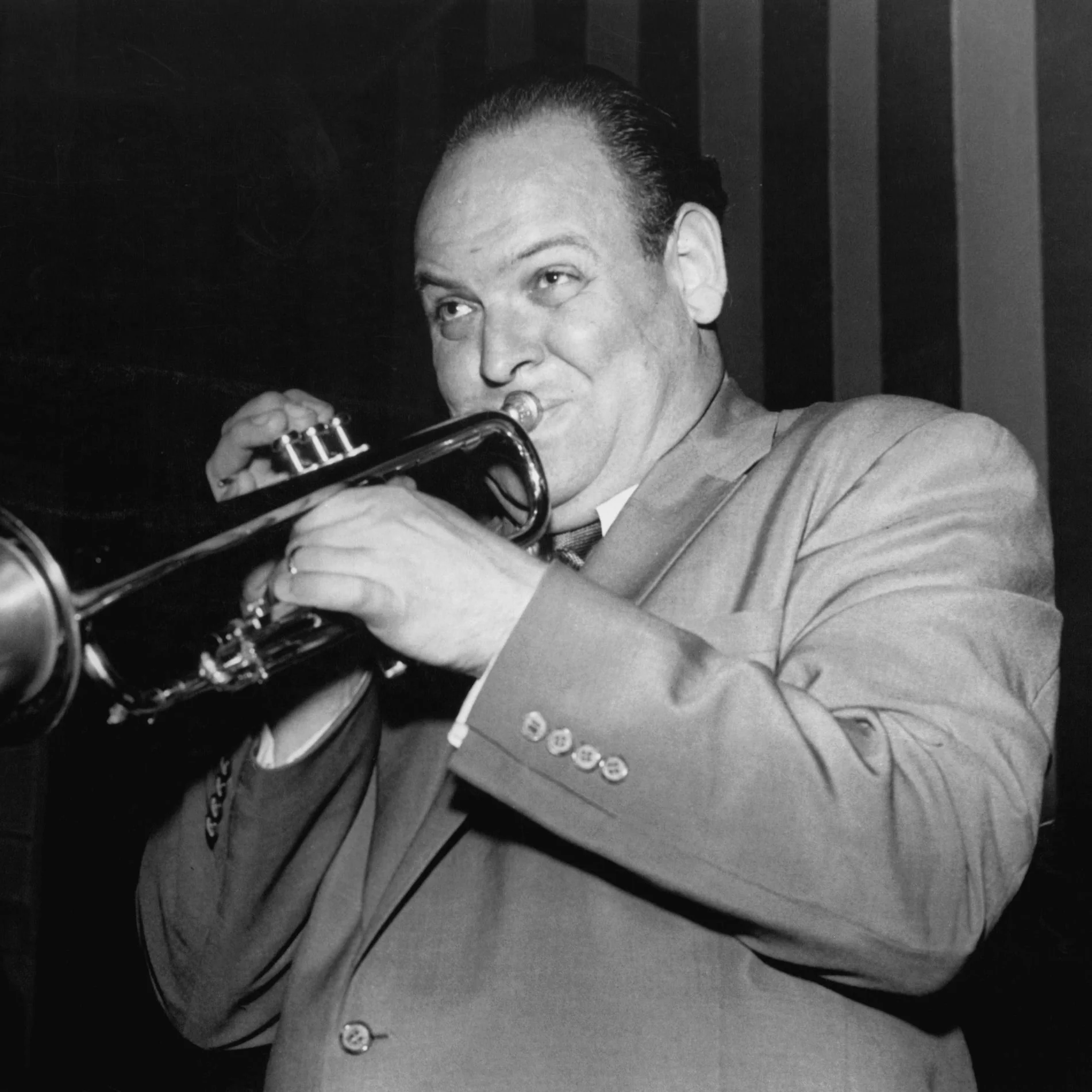
Billy May could hear a finished arrangement in his head before anyone had finished playing him the tune. Asked once by the pianist George Shearing to run through a number a second time so it would sink in, May reportedly waved him off: start after the bridge, he said, because he had already orchestrated everything up to it. He was a Pittsburgh-born trumpeter and arranger who had cut his teeth with Charlie Barnet and Glenn Miller, with a sound entirely his own – saxophones that slurred and swooped up to their notes instead of landing on them cleanly – and in 1958 his Capitol album Big Fat Brass took Best Performance by an Orchestra.
That same year, May did his most enduring work standing behind someone else. He arranged and conducted Frank Sinatra’s Come Fly with Me, the breezy travelogue of an album that had been nominated for Album of the Year and lost, as it happened, to Henry Mancini’s detective music.
Around the studios, May was as well known for his thirst as for his charts; the nickname was ‘the guzzler.' It never appeared to slow the work. The arrangements arrived on time and fully formed, precisely as he had heard them in his head all along.
Best Rhythm & Blues Performance
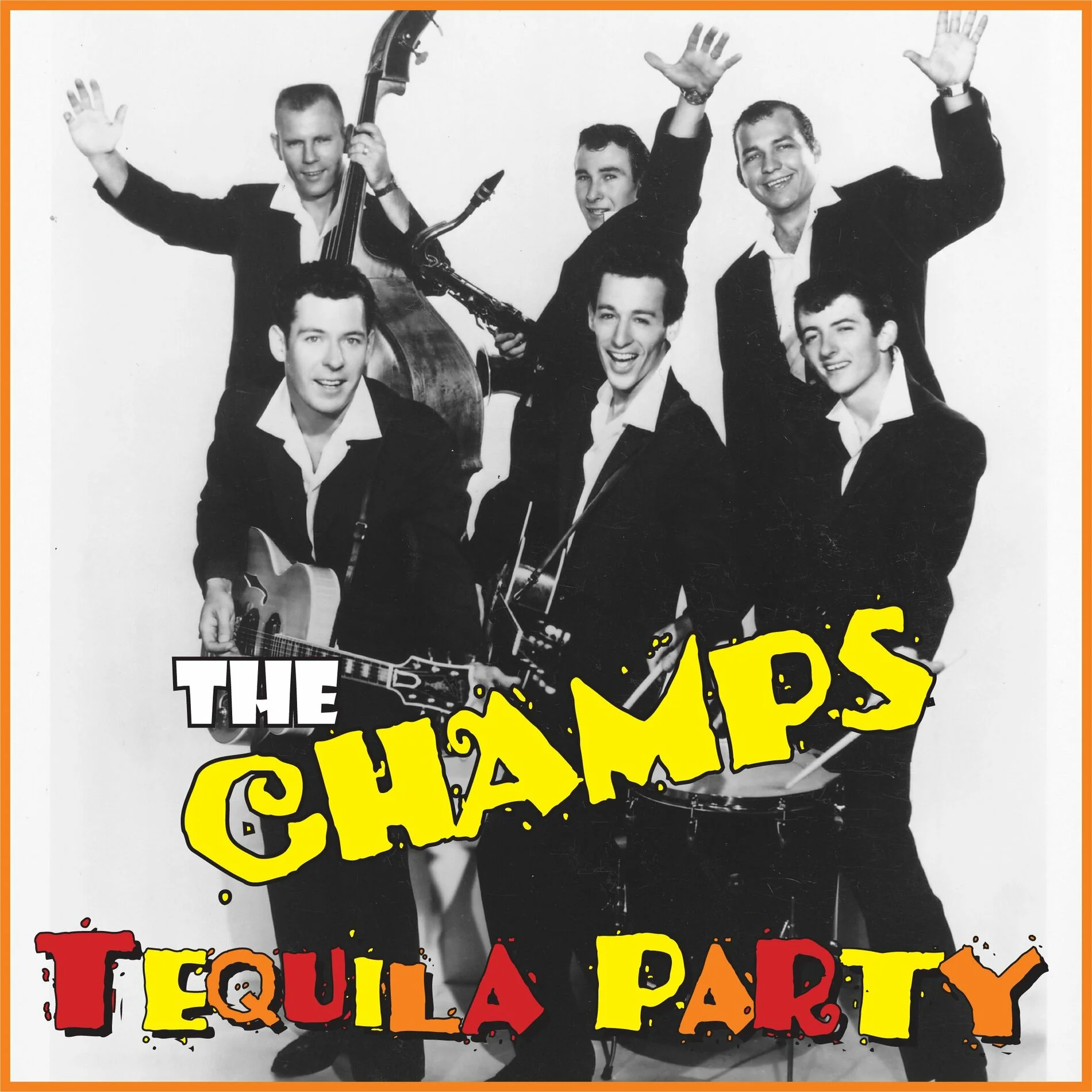
The Champs were named after a horse. Specifically, they were named after Champion, the horse belonging to the cowboy star Gene Autry, who happened to own Challenge Records, the label that threw the band together in late 1957 to knock out a B-side. The A-side, ‘Train to Nowhere,' is the one nobody remembers. On the flip sat a Latin-tinged instrumental called ‘Tequila,' built around the saxophonist Danny Flores, his deliberately dirty horn tone, and a single growled word: the title, barked at intervals and otherwise the only thing said on the record.
Flores had written it, but the label credited the song to ‘Chuck Rio’ because he was under contract to another company as a singer. Radio disc jockeys flipped the single, fell for the throwaway, and sent ‘Tequila’ to number one on both the pop and the rhythm-and-blues charts, where it sat for five weeks. At the first Grammy Awards it took Best Rhythm & Blues Performance.
Which is to say the Recording Academy’s first prize for rhythm and blues went to a surf-adjacent instrumental cut by a pickup group of mostly white session players assembled around a cowboy’s horse, on a record whose entire lyric was one word, hollered by a man performing under a fake name.
Best Country & Western Performance
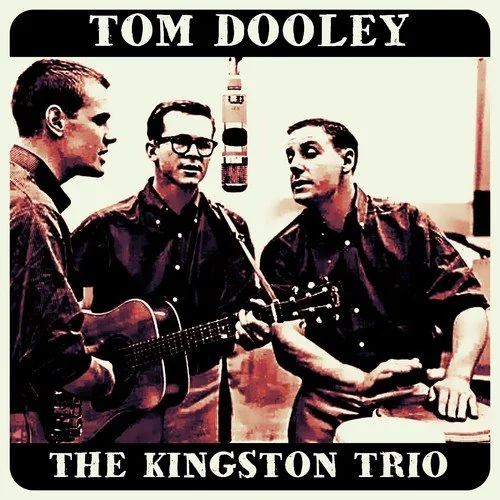
In May 1868, a Confederate veteran named Tom Dula was hanged in Statesville, North Carolina, for the stabbing death of his lover Laura Foster, a crime he may or may not have committed and for which a woman named Ann Melton was also suspected. Ninety years later, three clean-cut young men from the San Francisco club circuit – Dave Guard, Bob Shane, and Nick Reynolds – turned the old Appalachian murder ballad about him into a number one record. They called themselves the Kingston Trio, and they spelled the name the way the locals had always pronounced it: Dooley.
The record sold more than six million copies and won Best Country & Western Performance, which it did chiefly because the Grammys had not yet invented a folk category and had to file it somewhere. There was a complication. The Trio had learned the song secondhand, and the man who had preserved it, a North Carolina singer named Frank Proffitt, took them to court; they were ordered to pay him royalties.
None of which slowed the thing down. ‘Tom Dooley’ is generally credited with kicking off the folk revival, and within a few years the coffeehouses were full of earnest young people with guitars, several of whom turned out to be Bob Dylan and Joan Baez.
Best Jazz Performance, Individual
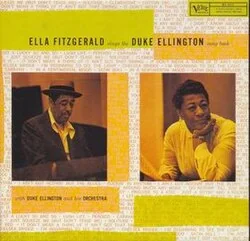
When Duke Ellington and Billy Strayhorn turned up at the studio to record an album of Ellington’s own songs with Ella Fitzgerald, they had almost nothing written. Strayhorn had brought a handful of scores; the producer had been promised four LPs’ worth. What followed was a scramble, with arrangements assembled on the fly and gaps padded with jam sessions, and yet the 1957 result became one of the glories of Fitzgerald’s catalogue and won her Best Jazz Performance, Individual.
It is the only one of her famous Song Books on which the songwriter himself plays, and the first time she and Ellington ever recorded together. It also gave her more room to scat than any other volume in the series, which is partly a function of how loosely the whole thing was thrown together. Behind her sat the cream of Ellington’s orchestra, with Johnny Hodges on alto and, dropping by for ‘Take the A Train,' the trumpeter Dizzy Gillespie.
Whatever guilt the under-preparation produced, Ellington and Strayhorn made up for it on the final side. There they placed a four-movement instrumental they had composed expressly for her, a tone portrait titled, simply, ‘Portrait of Ella Fitzgerald’ – an apology, in effect, rendered by the men who had arrived with nothing.
Best Jazz Performance, Group
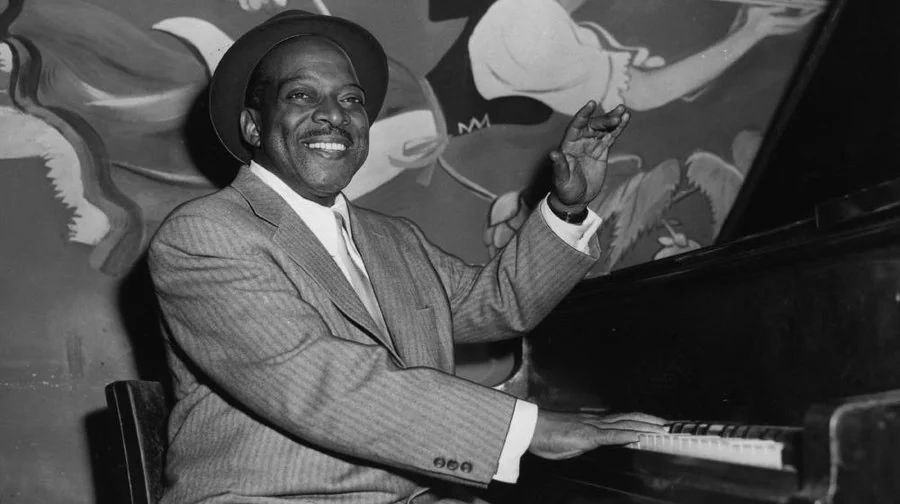
The same record won twice that first night, in two categories the Academy seems to have regarded as separate worlds. The album billed as Basie – the one with the mushroom cloud – had already taken Best Performance by a Dance Band; it now took Best Jazz Performance, Group, as though a big band swinging on a dance floor and a big band swinging in a jazz club were different species rather than the identical sixteen men.
What made Count Basie’s orchestra move was not its soloists so much as its engine room, the rhythm section, and the quietest man in it was the guitarist Freddie Green. Green did not solo. He did not plug in. He sat at the back strumming four even beats to the bar, muting most of the strings, supplying a pulse you feel more than hear, and he did this for the Basie band for nearly fifty years.
His arrival was unceremonious and his loyalty absurd. When Basie cut the orchestra down to a small group in 1950 and left him off the roster, Green simply turned up at a gig, sat down on the bandstand uninvited, and stayed – through the leader’s own death in 1984 – until his own in 1987.
Best Musical Composition First Recorded and Released in 1958 (over 5 Minutes)
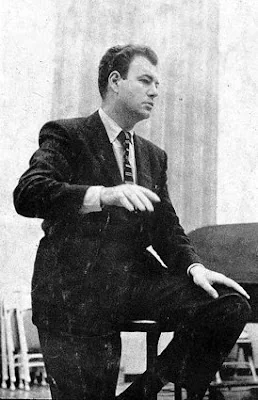
Buddy DeFranco, a bebop clarinetist, wanted something substantial to play at a clinic for the Le Blanc clarinet company, so he asked Nelson Riddle to write him a piece. Riddle obliged with the Cross Country Suite, eleven movements that amount to a musical drive across America, from tall timber and smoky mountains to the Mississippi and the open plains, in the panoramic, picture-postcard tradition of Ferde Grofe’s Grand Canyon Suite. It won the inaugural award in the category with the most cumbersome name the Grammys would ever devise: Best Musical Composition First Recorded and Released in 1958 (over five minutes’ duration).
The win is quietly remarkable for who collected it. Riddle was the most sought-after arranger in America, the man who dressed Frank Sinatra and Nat King Cole in their finest orchestral suits, and he was so busy doing it that he farmed the Cross Country orchestrations out to a ghostwriter named Bill Jones, one of three he kept on call to meet his deadlines.
For one night, the great accompanist stood in the spotlight himself: the arranger who spent his career framing other men’s songs had, for once, written one entirely his own – a sweeping portrait of the country, and one of the projects he treasured most.
Best Arrangement
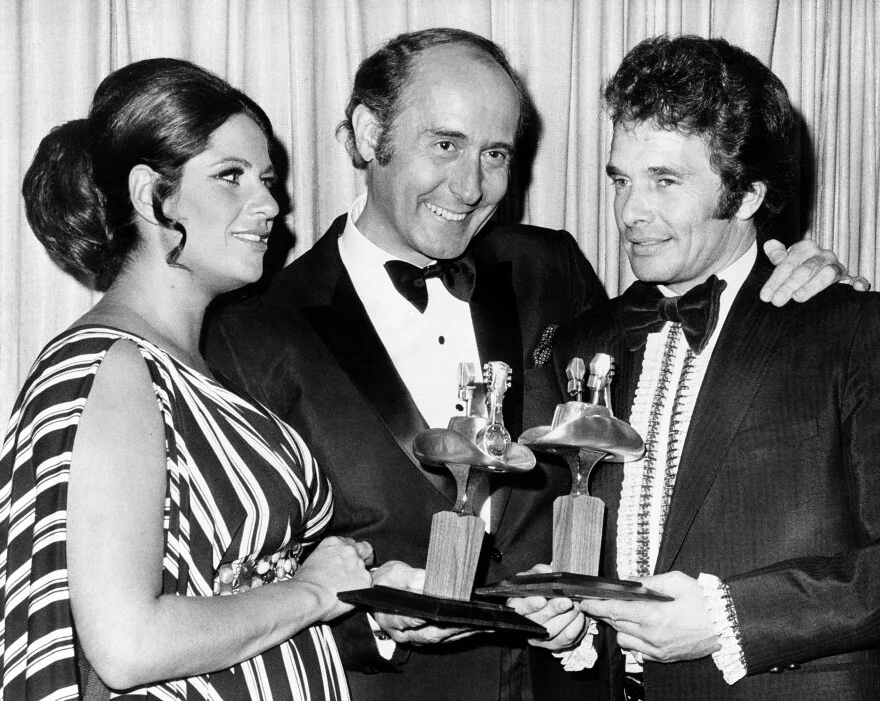
An arrangement is the part of a record you are not supposed to notice – the decision about which instruments play what, and when, that turns a tune on a page into a sound in a room. Henry Mancini’s arrangements for The Music from Peter Gunn were noticed enough to win him Best Arrangement at the first Grammy Awards, which meant the album walked off with two of the night’s trophies, having also been named Album of the Year.
The clearest evidence of the craft is a ballad called ‘Dreamsville.' For it, Mancini set four French horns against four trombones, a lush, hovering voicing he had never tried before and would lean on for the rest of his career. The detective theme grabbed the attention, but it was the quieter writing underneath the series – the cool, after-hours textures heard in the show’s nightclub scenes – that marked him as something more than a hit-maker.
There is a tidy symmetry to it. The same record that won the biggest prize of the night also won the one reserved for the man whose work is meant to disappear into the background, and they were the same man, which is a neat way of saying the evening belonged, twice over, to a composer most listeners could not have named.
Best Recording for Children
Ross Bagdasarian was down to his last two hundred dollars when he spent the lot on a tape recorder that could vary its playback speed. He had been an actor – he turns up as the neighbor across the courtyard in Hitchcock’s Rear Window – but the money had run out, and the machine was a gamble. The gamble paid: by recording his voice slowly and playing it back fast, he produced a squeaky, helium-pitched sound that became a 1958 novelty hit called ‘Witch Doctor,' and then the foundation of a small empire.
That autumn he applied the trick to three singing chipmunks and a long-suffering human father, and ‘The Chipmunk Song (Christmas Don’t Be Late)' sold four and a half million copies in seven weeks. It rescued his label, Liberty Records, from the edge of bankruptcy. As an inside joke, he named the chipmunks after three Liberty executives: Alvin, Simon, and Theodore – the idea of chipmunks at all having come from one that darted across the road in front of him in Sequoia National Park.
The record reached number one over the holidays and won Best Recording for Children. It would also do something no other Christmas song managed for the next six decades: top the American charts. Nothing else did until Mariah Carey, in 2019.
Best Comedy Performance
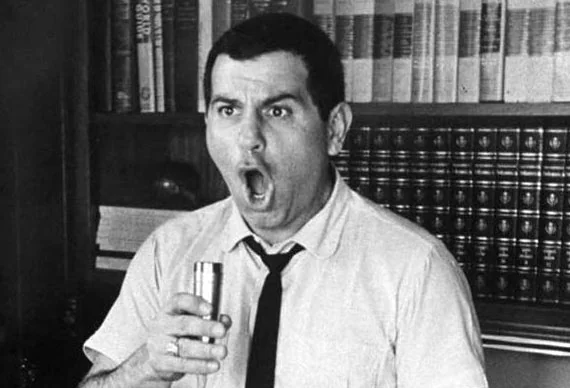
The Academy named the same record both the year’s best children’s recording and its best comedy performance, which tells you a fair amount about how loosely the comedy category was drawn in 1958. ‘The Chipmunk Song’ was, after all, a Christmas tune sung by three fictional rodents; the comedy, such as it was, lived in the squeaky bickering between the chipmunks and their exasperated minder, Dave, who keeps yelling ‘Alvin!' when the smallest one misses his cue.
The taste-makers were not impressed at first. On American Bandstand’s Rate-a-Record segment, where teenagers scored new singles, ‘The Chipmunk Song’ drew the lowest mark the show allowed, a flat 35, shortly before it sailed to number one and stayed there for a month. The teenagers, it turned out, were outvoted by everyone else.
The most astonishing part is the man behind it. Bagdasarian wrote the song, produced it, engineered the speed trickery, and sang every part himself, chipmunks and father alike. According to a 1959 profile in Life, he pulled all of this off despite being unable to read or write music, or to play any instrument in the ordinary sense of the word. He simply imagined the entire record, voices and all, and assembled it one sped-up layer at a time.
Best Performance, Documentary or Spoken Word
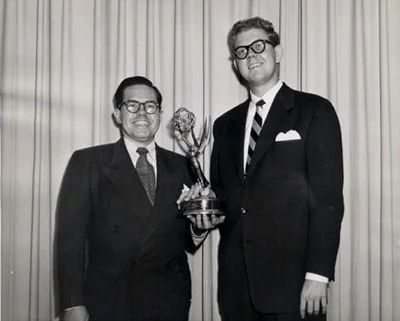
Two cigarette companies offered to sponsor Stan Freberg’s radio show, and he turned them both down. This was not a sound business decision. The Stan Freberg Show, a sketch-comedy program he ran on CBS for fifteen episodes in the summer and autumn of 1957, had no other takers – partly because Freberg spent so much of its airtime mocking the advertising industry, hawking invented products like ‘Puffed Grass’ and a foodstuff called, simply, ‘Food.' Without a sponsor, CBS cancelled it. By most accounts it was the last comedy show on American network radio.
A compilation of its best bits, released as The Best of the Stan Freberg Shows, won the inaugural award for Best Performance, Documentary or Spoken Word. The musical direction, as it happened, was by Billy May, who turns up elsewhere on this same list. Freberg was a satirist by temperament, a voice actor who had skewered Dragnet and Johnnie Ray on record before CBS gave him a show of his own.
There is an irony Freberg would have appreciated. The man whose show died for want of advertisers went on to become one of the most celebrated ad men of his era, building campaigns under a banner that promised ‘More Honesty Than the Client Had in Mind.'
Best Original Cast Album (Broadway or TV)
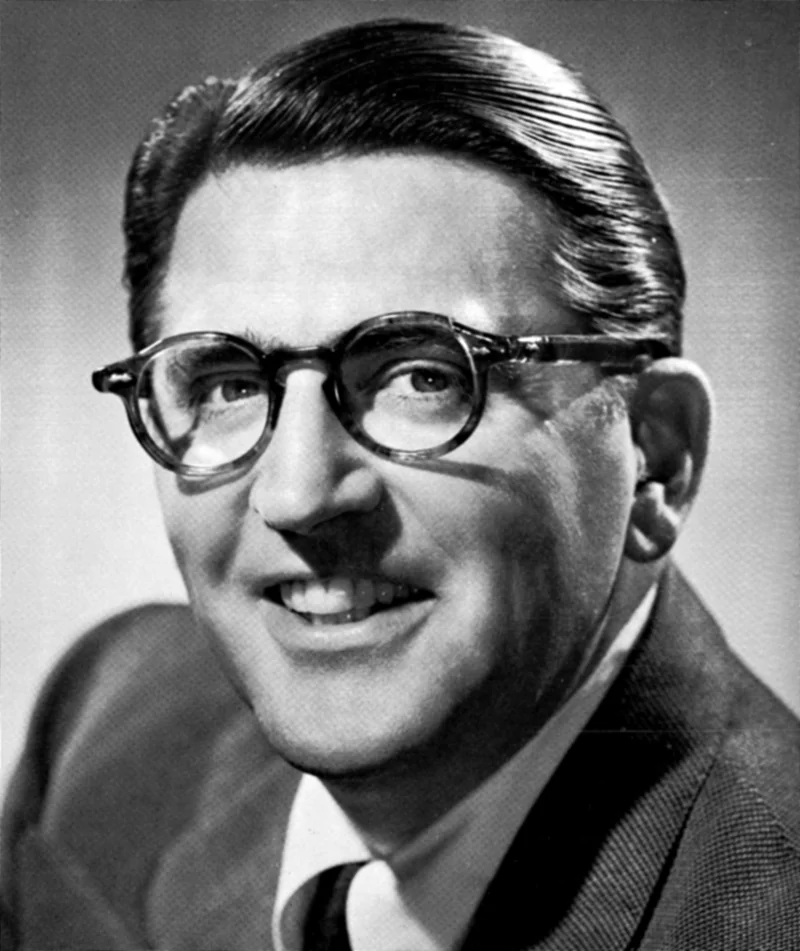
The hero of The Music Man is a con man who sells band instruments and uniforms to gullible Iowa townsfolk, then plans to skip out before anyone discovers he cannot read a note of music. The man who wrote him knew the territory in reverse. Meredith Willson had played flute for Sousa’s band and the New York Philharmonic under Toscanini, and The Music Man, which arrived on Broadway in December 1957, was his first attempt at a musical, and he had written the whole of it – book and score alike – at the age of fifty-five.
For the lead, Robert Preston was cast only after Gene Kelly, Danny Kaye, and others passed; a movie actor not known for singing, he made Harold Hill the role of a lifetime. The original cast album, on Capitol, spent twelve weeks at number one and won the first Best Original Cast Album Grammy. At that spring’s Tony Awards, the show beat West Side Story for Best Musical, to the lasting irritation of a certain stripe of New York sophisticate.
One tune outlived all of it. ‘Till There Was You’ became the only Broadway song the Beatles ever recorded, and Willson’s widow later said his estate earned more from their version than from the entire original production.
Best Sound Track Album, Dramatic Picture Score or Original Cast
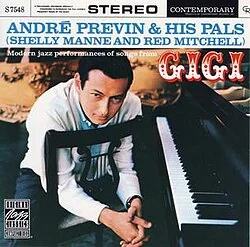
Gigi won every Academy Award it was nominated for, all nine of them, including Best Picture and Best Director, which was a clean sweep no film had managed before. The 1958 MGM musical, directed by Vincente Minnelli and adapted from a Colette novella about a Parisian girl groomed for the courtesan trade, was built on songs by Alan Jay Lerner and Frederick Loewe, the team behind My Fair Lady. The score was adapted and conducted by Andre Previn, and it was the soundtrack album, on MGM Records, that took Best Sound Track Album at the first Grammy Awards.
It was Previn’s first Grammy, with ten more to follow over a career that ran from film scoring through jazz and on to the conducting of major symphony orchestras. He had come to America as a boy, a refugee from Nazi Germany, and landed in Hollywood as one of MGM’s youngest music directors.
The timing is poignant in hindsight. Gigi, with its gloved elegance and Maurice Chevalier singing ‘Thank Heaven for Little Girls,' was a last flourish of the old MGM musical, a form the studio had perfected and was about to watch slip away as audiences and the studio system changed around it.
Best Engineered Record, Non-Classical
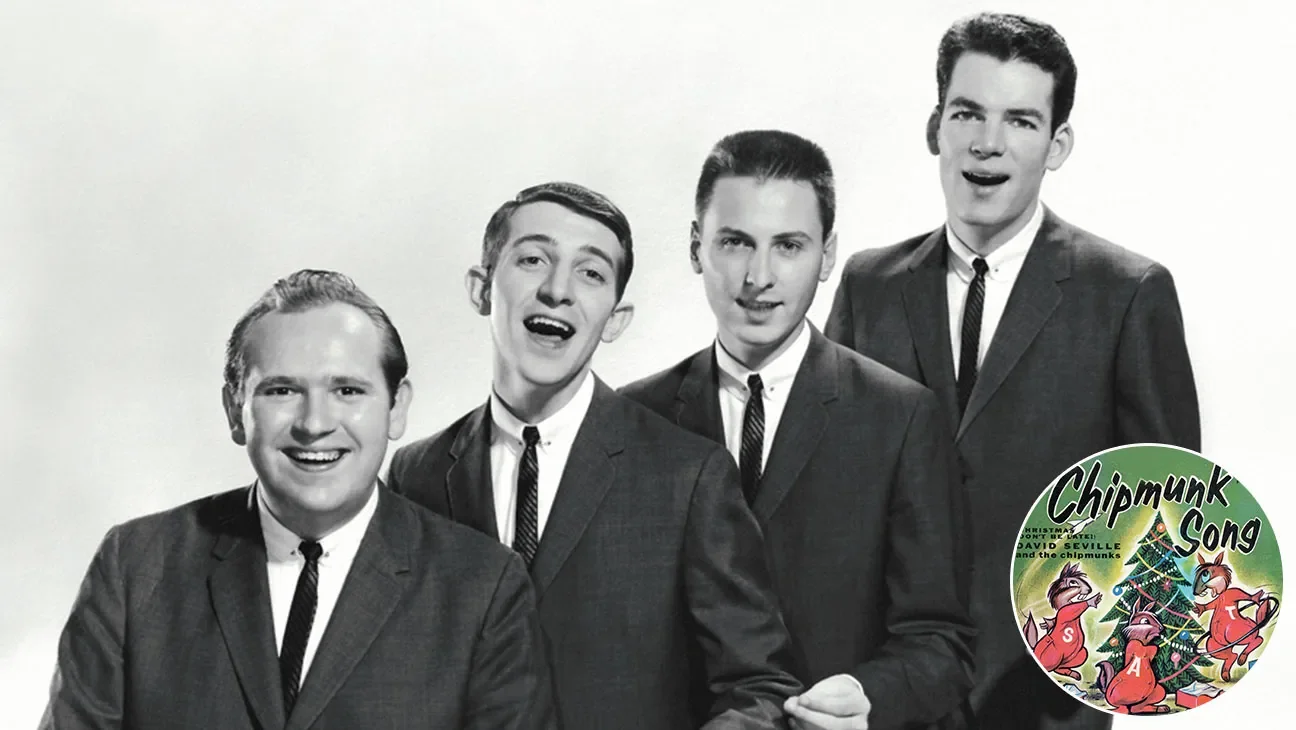
Of the three Liberty Records executives the chipmunks were named after, the third, Theodore, was named for the label’s chief engineer, Ted Keep. And it was Ted Keep who took home a Grammy of his own that night, for Best Engineered Record, Non-Classical, for the very same ‘Chipmunk Song.'
The engineering award was no courtesy. To build the record, Ross Bagdasarian had to record the music and the chipmunk voices at different tape speeds and then marry them so that everything lined up in pitch and tempo when played back at normal speed. Get the speeds even slightly wrong and the voices would sag flat or shriek sharp against the band. Keep was the man at the console making the arithmetic come out right, take after take.
So the trophy for the year’s best-engineered non-classical record went to a song about three singing rodents, on a children’s Christmas novelty that the same ceremony had already crowned twice over. There is a pleasing circularity to it, even by 1958’s standards. The chipmunk christened Theodore, after the engineer Ted Keep, helped earn the engineer Ted Keep a Grammy – which is roughly as close as a fictional rodent has ever come to paying a man back.
Best Engineered Record, Classical
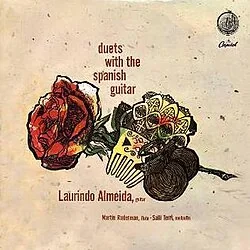
The other engineering award that night went somewhere utterly different. Duets with the Spanish Guitar is a hushed, intimate record on which the Brazilian guitarist Laurindo Almeida recast classical and folk pieces, from Villa-Lobos to Chopin, through Latin musical forms, joined by the mezzo-soprano Salli Terri and the flautist Martin Ruderman. Capitol released it in 1958, and it is often called the first classical crossover album, a phrase that did not yet exist to describe it.
The Grammy for Best Engineered Record, Classical, went to the man who captured all that delicacy on tape, Sherwood Hall III. Recording a nylon-strung guitar against a flute and a single voice, so that each breathes in its own space without one swallowing the others, is a quiet sort of feat, the kind hi-fi enthusiasts of the late 1950s prized, and Hall managed it beautifully.
The performance was no slouch either. Heitor Villa-Lobos, hearing Salli Terri sing his own ‘Bachianas Brasileiras No. 5’ on the record, is reported to have called it the finest version of the piece ever set down. Praise does not come much higher than a composer surrendering his own work to someone else’s reading of it, on a guitar record, no less.
Best Album Cover

Frank Sinatra arrived at the first Grammy Awards as the most-nominated performer in the room and left with a single trophy, for a painting. He had been nominated for Record of the Year, and twice over for Album of the Year – for Come Fly with Me and for Frank Sinatra Sings for Only the Lonely – but the second vote split his own support between the two records, and Mancini’s Peter Gunn slipped past to win.
What Sinatra did win was Best Album Cover, credited to him as the album’s art director. The cover of Only the Lonely is a portrait of Sinatra as a sad, Pagliacci-style clown, a single painted tear and all, made by a portrait painter named Nicholas Volpe. It suited the record, a desolate set of torch songs cut in the summer of 1958 as his marriage to Ava Gardner came apart.
Sinatra accepted the award and then, with a candour that was not always his habit, said it should have gone to Volpe, who had actually painted the thing. So the saddest album of his life earned him exactly one Grammy, for its picture of him weeping in greasepaint, and he promptly tried to give it away.
Best Classical Performance, Orchestra
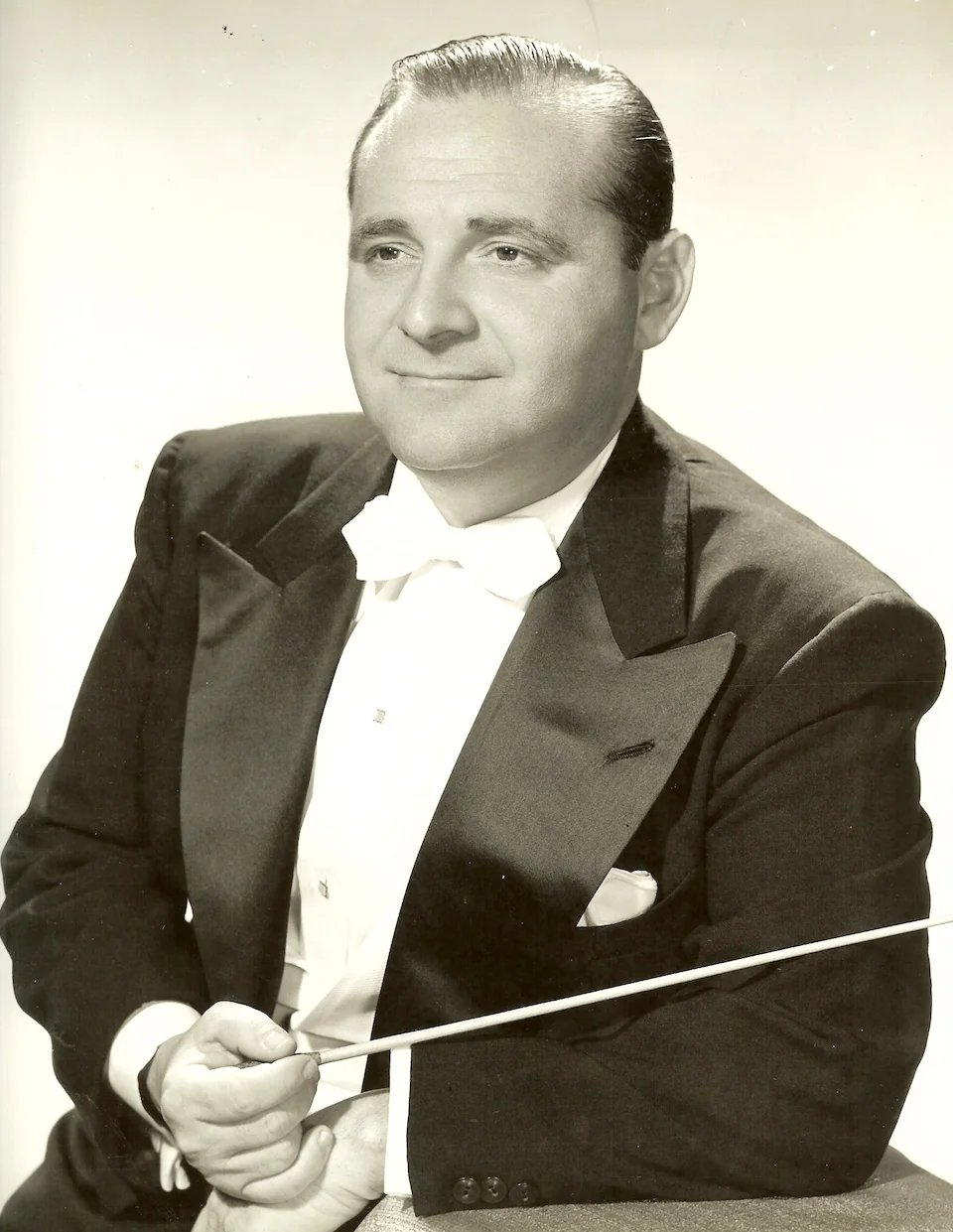
Gaite Parisienne is a romp, a confection of cancans and waltzes that the conductor Manuel Rosenthal stitched together in the 1930s from the operetta tunes of Jacques Offenbach. It is gorgeous, frivolous music, the sound of a Paris nightspot at full tilt, and it is not at all what most people picture when they hear the phrase classical performance.
The recording that won Best Classical Performance, Orchestra, was made for Capitol by Felix Slatkin and the Hollywood Bowl Symphony Orchestra. Slatkin was a Hollywood man through and through, the longtime concertmaster of the 20th Century-Fox studio orchestra, where he played on the soundtracks of hundreds of films, and a conductor of glossy light music on the side. He had been the Bowl orchestra’s concertmaster too, before he stepped up to the podium.
There is something fitting about the match. A studio musician who spent his career making Hollywood sound lush and expensive turned that same instinct on Offenbach and produced a Gaite that positively glitters. The Academy, handing him its prize for orchestral classical music, gave its first such honour not to a symphony or a requiem but to an hour of Parisian cancans played by the house band of the movies.
Best Classical Performance, Chamber Music
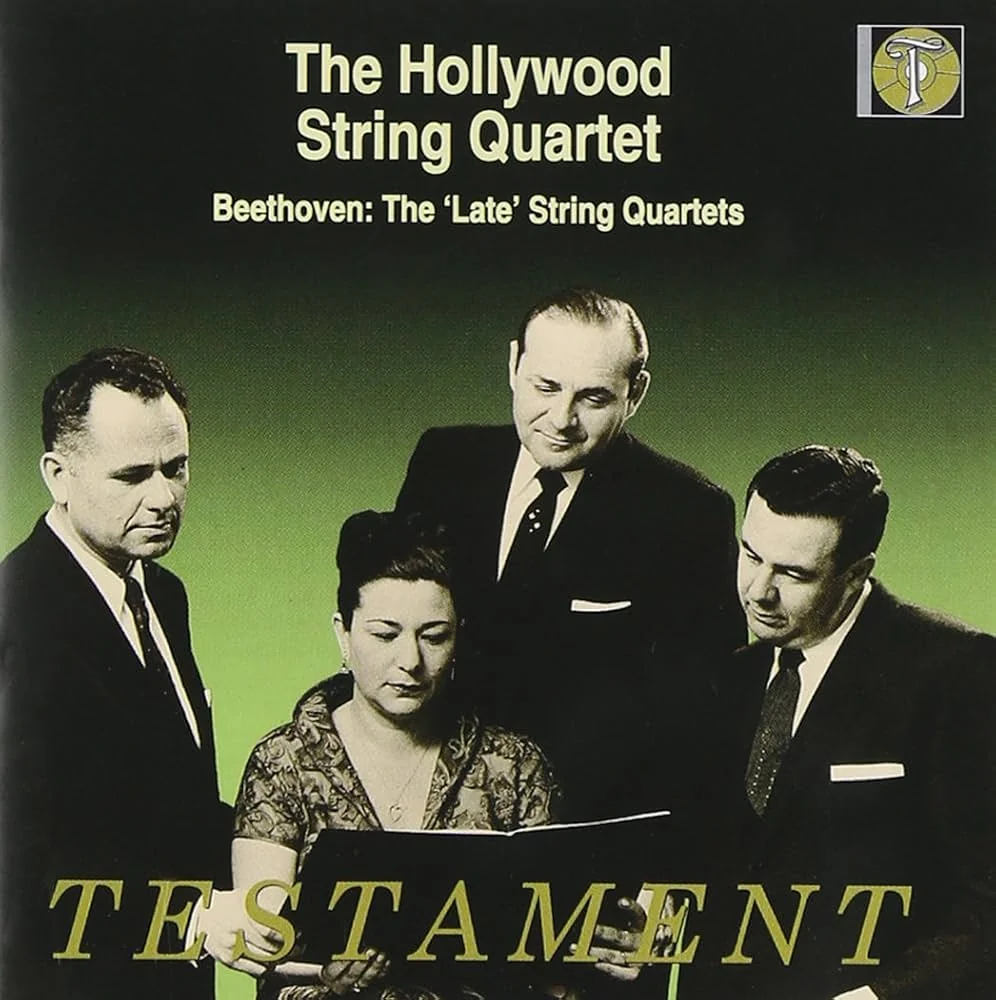
The same Felix Slatkin had a second musical life, one he cared about more than any of the film work. With his wife, the cellist Eleanor Aller, he had founded a string quartet in 1939, the year they married, and named it, with no false modesty about its address, the Hollywood String Quartet.
Its four members were all top studio players – Slatkin and the second violinist Paul Shure from the Fox orchestra, Aller from Warner Bros., the violist Alvin Dinkin from Fox as well – and they played the great quartet repertoire in their off-hours, for love rather than money. They became the first American-born and American-trained quartet to win serious international standing, and they did it almost entirely through their recordings.
Their Beethoven won Best Classical Performance, Chamber Music: the String Quartet No. 13 in B flat, Op. 130, one of the knottiest, most searching things Beethoven ever wrote, late work from a deaf and dying man, music so strange that audiences of his own day recoiled from it. That a group of Hollywood session musicians, fresh from scoring some cowboy picture, could sit down after hours and play it this well is among the small wonders of the period.
Best Classical Performance, Instrumental (with Concerto-Scale Accompaniment)
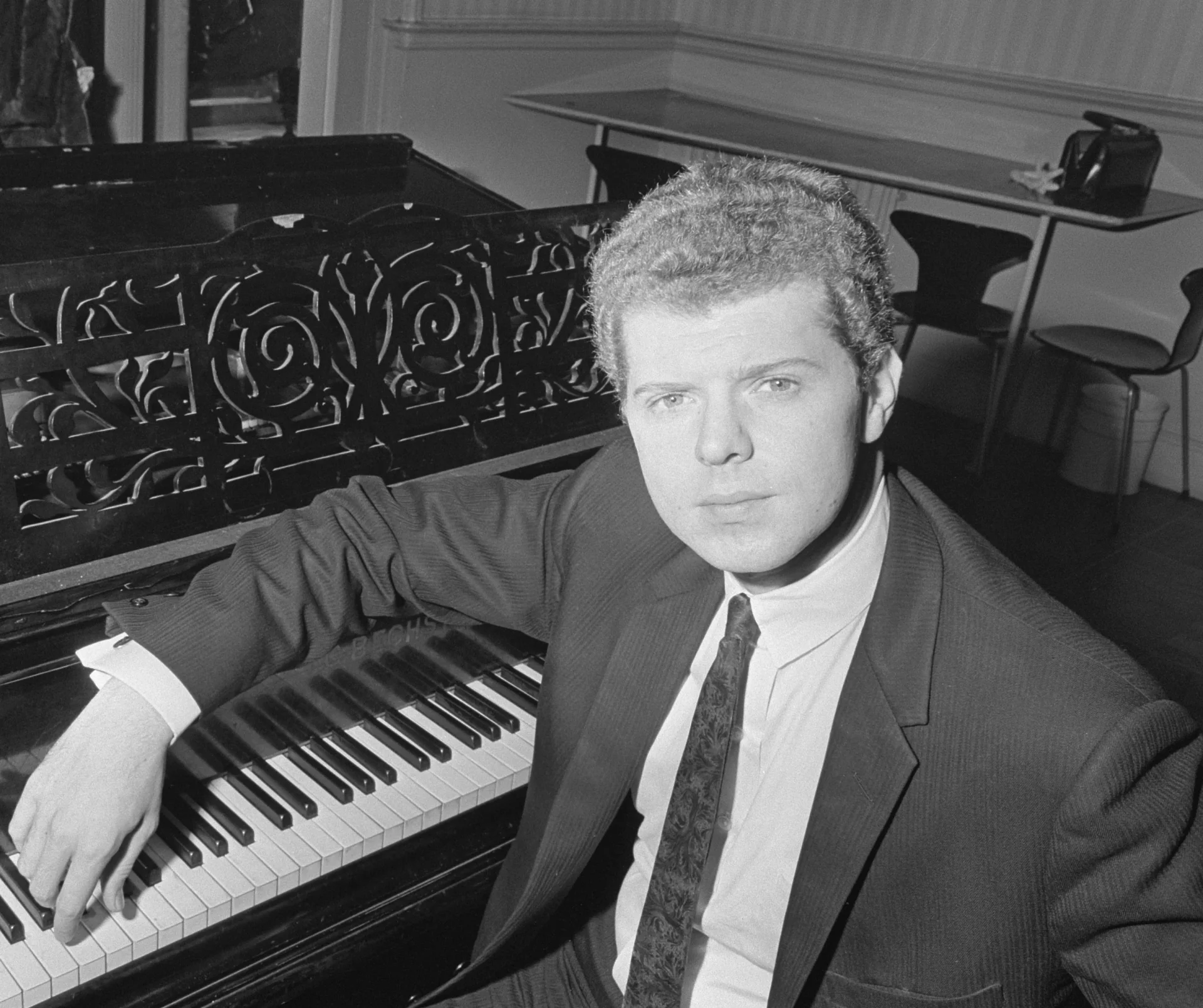
The first International Tchaikovsky Competition, held in Moscow in 1958, was built to prove that the Soviet Union produced the finest pianists alive. The country had just stunned the world by launching Sputnik, and a Russian victory at a Russian piano contest, judged by Russians, was meant to be the cultural sequel.
Then a gangly 23-year-old Texan named Van Cliburn sat down and played Tchaikovsky’s Piano Concerto No. 1 so beautifully that the audience gave him an eight-minute ovation and some listeners wept. The judges, wanting to award him first prize but wary of the politics, reportedly asked Nikita Khrushchev for permission. Khrushchev’s reply: was he the best? Then give him the prize. Cliburn came home to a ticker-tape parade up Broadway, the only musician ever given one.
He recorded the concerto for RCA that year, with the Russian conductor Kirill Kondrashin, and the album went on to sell more than a million copies, the first classical record ever to do so. Time put him on its cover, calling him the young American who had conquered Russia. A Texan had walked into the Soviets’ own showcase and beaten their pianists at their own composer, then outsold every one of them at the record shop.
Best Classical Performance, Instrumental (Other Than Concerto Scale)
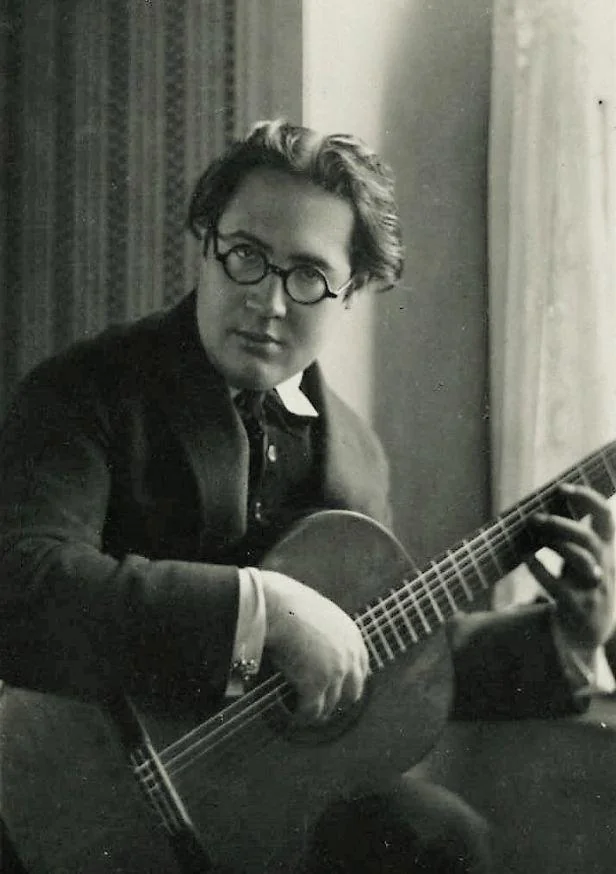
When Andres Segovia was starting out in Spain, the classical guitar was barely regarded as a concert instrument. It was something for parlours and cafes, not the recital hall, and there was almost no serious repertoire written for it. So Segovia more or less built one himself, coaxing composers – Manuel Ponce, Mario Castelnuovo-Tedesco, Joaquin Rodrigo, even Villa-Lobos – into writing for the guitar, and transcribing Bach himself when nobody else would.
By 1958 he had been at it for half a century, and Decca marked the anniversary with a lavish boxed set, Segovia Golden Jubilee: three LPs, a booklet, and a fiftieth-birthday tribute to his career as a public performer. By then his recordings had shaped every serious guitarist who followed, from Julian Bream to John Williams. It won the Grammy for the solo, non-concerto classical performance, the partner award to Van Cliburn’s, and it was Segovia’s first.
The jubilee counted fifty years from his debut as a teenager in Granada in 1909 – a debut his own family had not wanted him to give, having hoped he would settle down and become a lawyer. The boxed set was, among other things, a handsome monument to half a century of his having declined that advice.
Best Classical Performance, Operatic or Choral
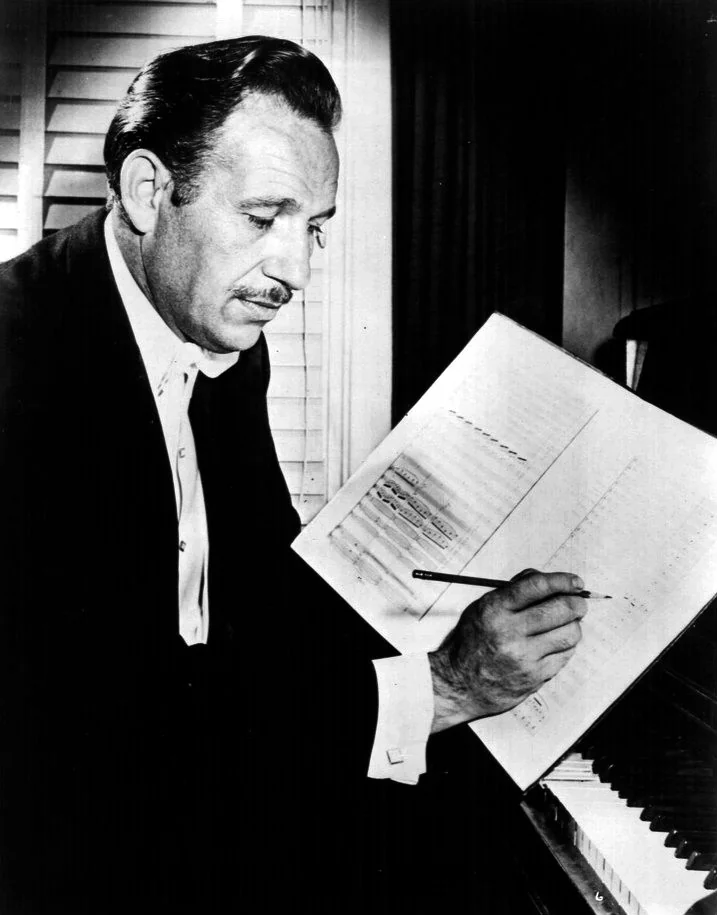
The category folded opera and choral music together – there was no separate opera award yet – and it went to a Los Angeles choir whose day job was the movies. The Roger Wagner Chorale, founded in 1946 by the conductor Roger Wagner out of a twelve-voice madrigal group, was a Hollywood fixture. It sang on film soundtracks, turned up on radio and television, and even recorded the theme to the sitcom I Married Joan.
The record that won, Virtuoso, was exactly what its title promised: a showcase of choral fireworks, from the Hallelujah Chorus to a feverish ‘Dance of the Polovetsian Maidens,' sung with the polish of musicians who did this for a living. The Chorale had been on Capitol’s roster since 1949 and would record more than eighty albums.
Over the years the Chorale’s ranks included some remarkable voices, among them the young Marilyn Horne and Marni Nixon. Nixon is the more startling name, because hers is a voice millions have heard without ever knowing it: she was the ghost singer dubbed in over Hollywood’s leading ladies, supplying the high notes for Audrey Hepburn and Natalie Wood while the cameras pointed at someone else’s face, and the credits named someone else entirely.
Best Classical Performance, Vocal Soloist
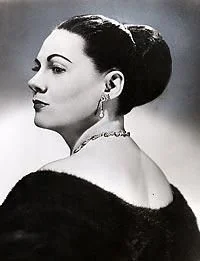
In 1946, when La Scala reopened after wartime bombs had torn through its roof, the conductor Arturo Toscanini chose, to help mark the occasion, a 24-year-old soprano named Renata Tebaldi. After hearing her, the old conductor is said to have called her voice la voce d’angelo, the voice of an angel, and the name stuck to her for life. At La Scala and later at the Met, where audiences adored her, she became known as La Superba.
Tebaldi belonged to the lush, full-throated Italian tradition, and the public spent the 1950s pitting her against the fierier Maria Callas, dividing opera houses into rival camps the way a city divides over two football clubs. Much of the feud was a press invention; Tebaldi said she never thought of Callas as a rival at all. Her Decca album Operatic Recital won Best Classical Performance, Vocal Soloist, at the first Grammy Awards.
And so this catalogue of 1958, which opened with a Neapolitan novelty that beat Frank Sinatra and ran on through chipmunks and cancans, a clown in greasepaint and a Texan loose in Moscow, comes to rest where the Academy clearly felt the heights were: in the opera house, with a soprano whose voice a great conductor could only describe as angelic.
Frequently Asked Questions
What won Album of the Year at the first Grammy Awards?
Henry Mancini’s The Music from Peter Gunn won the first Album of the Year, jazz he wrote for a new NBC detective series. The soundtrack topped the Billboard chart and edged out Frank Sinatra’s Come Fly with Me, among others.
Who was the first Black woman to win a Grammy?
Ella Fitzgerald was the first Black woman to win a Grammy, collecting two on that opening night for her Irving Berlin and Duke Ellington songbook albums. She won again and again over her career, ending with 13 competitive Grammys and a 1967 Lifetime Achievement Award.
Who was the first Black man to win a Grammy?
The bandleader Count Basie became the first Black man to win a Grammy, taking Best Performance by a Dance Band and Best Jazz Performance, Group for one album, Basie – the record whose mushroom-cloud cover earned it the nickname The Atomic Mr. Basie. He won nine Grammys before dying in 1984.
Why did Frank Sinatra win only one Grammy in 1959?
Frank Sinatra led all the night’s nominees yet won a single Grammy, and not for singing. He took Best Album Cover as art director of Frank Sinatra Sings for Only the Lonely, then told the room the prize belonged to Nicholas Volpe, who actually painted the weeping-clown portrait.
What did “The Chipmunk Song” win at the first Grammy Awards?
“The Chipmunk Song (Christmas Don’t Be Late)” won Best Comedy Performance and Best Recording for Children at once. Its engineer, Ted Keep, added a third trophy for the same single, Best Engineered Record, Non-Classical – and Ross Bagdasarian had named a chipmunk, Theodore, in his honor.
Why did “Tom Dooley” win in the Country & Western category?
The Kingston Trio’s “Tom Dooley” won Best Country & Western Performance, largely because the Grammys had no folk category yet and the old Appalachian murder ballad had to be filed somewhere. The number one hit is generally credited with launching the folk revival that followed.