Every EGOT Winner in History, in the Order They Won

In 1984, a Miami Vice actor named Philip Michael Thomas began wearing a gold medallion stamped with four letters: EGOT. He told a reporter he expected to win all four awards it stood for – an Emmy, a Grammy, an Oscar, and a Tony – within five years. Thomas was never nominated for a single one. The acronym he coined, though, stuck, latched onto a real and very short list of people, and eventually became a running gag on 30 Rock.
The odd part is that the achievement is older than its name. People were quietly winning all four long before Thomas struck his medallion, and two of them – the composers Richard Rodgers and Marvin Hamlisch – went further still, each adding a Pulitzer Prize to make a five-trophy set that admirers like to call the PEGOT.
What follows is every one of them, in the order they finished the set – opening with a Broadway composer and closing on a film director. Six decades, four awards, and rather more puppets and audiobooks than the phrase ‘pinnacle of show business’ might lead you to expect.
Twenty-two people have completed the EGOT – a competitive Emmy, Grammy, Oscar, and Tony – across twenty-one entries, since the songwriters Benj Pasek and Justin Paul share one. The roster reaches back more than six decades, beginning long before the award even had a name.
Richard Rodgers
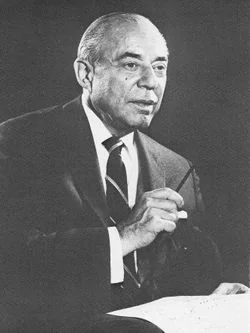
In May 1962, a composer collected an Emmy for scoring a television documentary about Winston Churchill and, in doing so, became the first human being to hold an Emmy, a Grammy, an Oscar, and a Tony at once. There was no name for what he had done. There would not be one for another twenty-two years.
Richard Rodgers wrote the music for more than forty Broadway shows and some nine hundred published songs across six decades, first with the lyricist Lorenz Hart and then, after Hart drank himself to an early grave in 1943, with Oscar Hammerstein II. The second partnership produced Oklahoma!, Carousel, The King and I, and South Pacific, which won the 1950 Pulitzer Prize for Drama. His Oscar had come even earlier, in 1946, for ‘It Might as Well Be Spring’ from State Fair, the only musical Rodgers and Hammerstein wrote directly for the screen.
His Tony tally reached thirteen. The Grammys came for cast albums. The Emmy, last and least expected, sealed a sweep that nobody yet thought to call a sweep. Rodgers died in December 1979, five years before a Miami Vice actor handed his achievement a catchy name. He never knew he had founded the category.
Helen Hayes
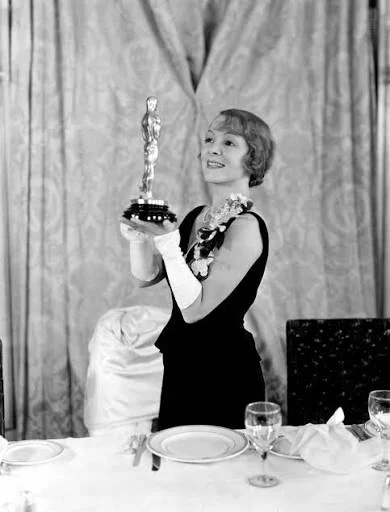
Her first Academy Award arrived in 1932, for playing a woman in The Sin of Madelon Claudet who slides into prostitution to fund her illegitimate son’s medical career, the kind of unembarrassed melodrama the early Academy adored. Her last EGOT award arrived forty-five years later.
Helen Hayes was already ‘the First Lady of the American Theatre’ before most of these categories existed. She had won a Tony in 1947 for Happy Birthday and an Emmy in 1953 for an episode of Schlitz Playhouse of Stars, back when the Emmys were small enough to hand out a single best-actress trophy for the entire medium. The set finally closed in 1977 with a Grammy for best spoken word recording, a reading of Great American Documents she shared with Henry Fonda, James Earl Jones, and Orson Welles.
Those forty-five years are the widest gap between a first award and a finished EGOT on this whole list. Hayes also collected a second Oscar along the way, a 1971 supporting win for playing a stowaway in the disaster movie Airport. She is one of only three EGOT winners who also hold the Triple Crown of Acting – a competitive Oscar, Emmy, and Tony in singular acting roles – and the first of the three to get there. Hayes did the harder thing first, and waited the longest to be done.
Rita Moreno

She had not written a speech, because she was certain the Oscar would go to Judy Garland. When Rock Hudson read her name instead – best supporting actress, 1962, for playing Anita in West Side Story – she reached the microphone, said ‘I can’t believe it! Good Lord. I leave you with that,' and walked off. It remains one of the shortest acceptance speeches in Academy history, clocking in around fifteen seconds.
Rita Moreno was born in Puerto Rico and was the first Latina to win an Oscar, then the first Latino performer to complete an EGOT. The win did her fewer favors than it should have. For seven years afterward she was offered almost nothing but what she later called ‘dusty maiden’ and ‘Spanish spitfire’ parts, and did not make another film until 1968. The other three awards came from elsewhere: a Grammy for a children’s record tied to The Electric Company, a 1975 Tony for The Ritz, and the 1977 Emmy that finished the set, won for a guest turn on The Muppet Show.
Like Helen Hayes, Moreno also holds the Triple Crown of Acting, one of just three people on this list to manage it. She completed her EGOT on a show built around felt puppets. She has never seemed to mind.
John Gielgud
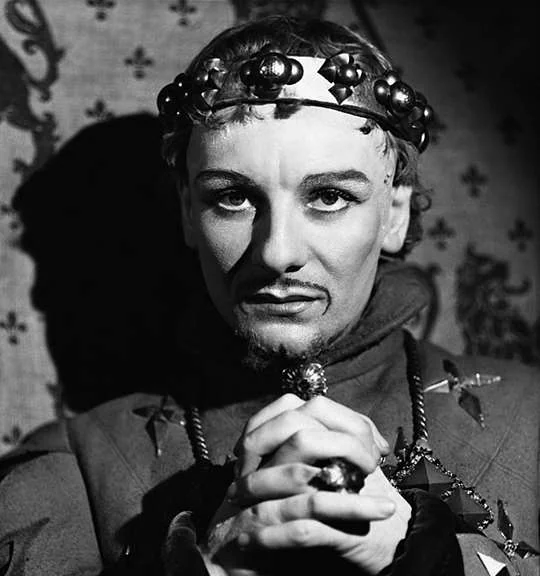
A knighted titan of the British stage, famous for half a century of Hamlets and Prosperos, finally won his Academy Award for playing a sardonic valet to a perpetually drunk millionaire. The film was Arthur, the 1981 Dudley Moore comedy, and Gielgud’s butler Hobson – who insults his employer with impeccable diction and unmistakable love – stole every scene he stood in.
The Oscar, in 1982, was the third leg of his EGOT. He had won a Tony back in 1961 for directing the play Big Fish, Little Fish, and a Grammy in 1980 for a recording of Shakespeare readings, which was rather more his natural register than Arthur. The Emmy that closed the set came in 1991, for the British miniseries Summer’s Lease, when Gielgud was eighty-seven years and four months old.
That makes him the oldest person ever to complete an EGOT, by a comfortable margin. He was also the first winner born outside the United States and the first gay one. There is a small irony, shared with Alec Guinness and his Obi-Wan, in a classical actor of that stature being ushered into history by a broad comedy. Gielgud, who had excellent taste and knew it, seems to have found the whole thing delightful.
Audrey Hepburn
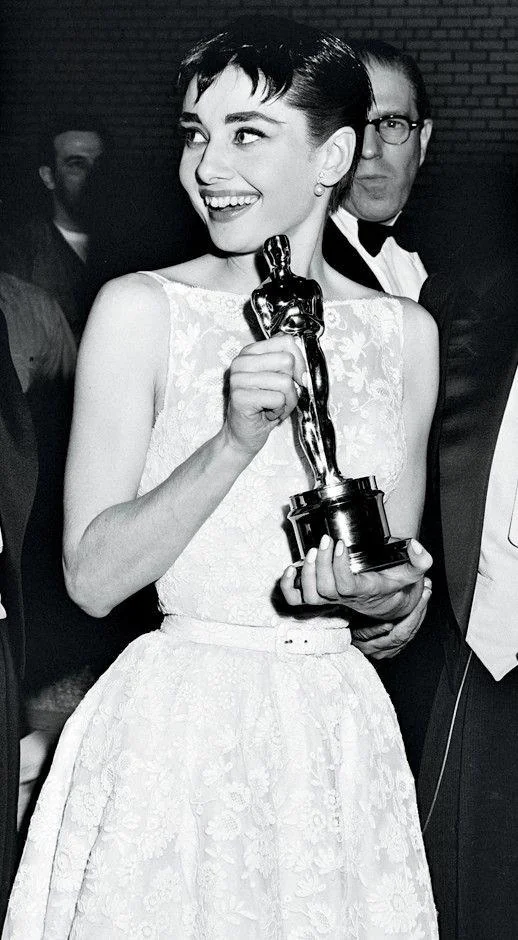
She had been dead for more than a year when the Grammy that completed her EGOT was announced. Audrey Hepburn died of cancer in January 1993, at sixty-three, in a Swiss village called Tolochenaz. The award came in 1994, for narrating a children’s album called Audrey Hepburn’s Enchanted Tales – a fitting last credit for an actress whose own singing voice had been dubbed out of My Fair Lady because the studio thought it too thin.
She had begun the journey four decades earlier, and quickly. In 1954 she won the best actress Oscar for Roman Holiday, in which she plays a princess slipping her handlers for a day in Rome. Three days later she won a Tony for the title role in the stage fantasy Ondine. The Emmy followed posthumously in 1993, for a gentle PBS travelogue, Gardens of the World with Audrey Hepburn, which had premiered the day after she died.
Hepburn is the only EGOT winner who won exactly one of each award, no more – the cleanest possible version of the feat, and the only one she did not live to see finished. She had spent her final years not acting but working for UNICEF in Somalia and Ethiopia. The awards, characteristically, arrived while she was busy doing something else.
Marvin Hamlisch
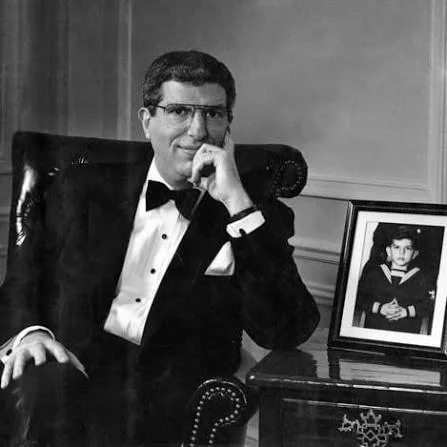
Three Oscars went home with him in a single night in April 1974: two for The Way We Were, the title song and the score, and one for adapting Scott Joplin’s rags into the soundtrack of The Sting, which turned a long-dead ragtime composer into a 1974 chart act. He was twenty-nine, and it was, by some distance, the strongest start anyone on this list ever made.
Marvin Hamlisch was a child prodigy who entered Juilliard’s pre-college division a few months before he turned seven. The early Oscar haul was followed by four Grammys in 1975, best new artist among them, and then a 1976 Tony and a Pulitzer Prize for Drama, both for the same show – the backstage musical A Chorus Line, which he scored. That Pulitzer put him alongside Richard Rodgers as one of only two people to hold all four EGOT awards plus the Pulitzer.
The set finally closed in 1995, with a pair of Emmys for the television special Barbra: The Concert. The Streisand connection was no accident. Hamlisch had been the rehearsal pianist on Funny Girl decades earlier, and three of his four EGOT awards trace back, one way or another, to working with her. Some collaborations simply pay out for forty years.
Jonathan Tunick

The Tony Award for Best Orchestrations did not exist before 1997. The American Theatre Wing created it that year, and the first one ever handed out went to the man who had spent three decades making other people’s musicals sound the way they sound in your memory. With it, he completed an EGOT almost nobody saw coming, least of all the orchestrators who had gone fifty years without a category of their own.
Jonathan Tunick was Stephen Sondheim’s orchestrator of choice from Company in 1970 until the composer’s death in 2021, the hidden hand behind the lush, knowing sound of Follies and Sweeney Todd. His Oscar came in 1977 for adapting A Little Night Music to film, his Emmy in 1982 for the variety special Night of 100 Stars, and his Grammy in 1988 for arranging ‘No One Is Alone.' The Tony, last of the four, was for Titanic.
Not James Cameron’s iceberg epic, which opened in theaters that same year, but a Broadway musical about the identical disaster, whose lobby was decorated with the ship’s full passenger list, survivors marked. Two unrelated Titanics, one Atlantic, one 1997. Tunick’s won every Tony category it was nominated for, and made an invisible craftsman, at last, a category-founding one.
Mel Brooks

The Producers won twelve Tony Awards in 2001, which remains the most any show has ever won, and which sounds less impressive only until you learn it won every category it was nominated in. Mel Brooks personally took three of the twelve home himself, and with them completed his EGOT, the eighth person ever to do so.
He had started thirty-four years earlier. His first Emmy came in 1967, for writing a Sid Caesar variety special, and three more arrived in the late 1990s for guest spots on Mad About You. His Oscar, in 1969, was for the original screenplay of the film version of The Producers, the same property he would remake as a Broadway musical three decades later and ride to a sweep. The Grammys were comedy and cast recordings, including the 2000 Year Old Man routine he and Carl Reiner had been performing since the early sixties.
Brooks accepted his Tonys by announcing he would have to do the hardest thing of his life and act humble. He failed, agreeably. His wife, Anne Bancroft, and their son, Max, have both won Emmys too, which makes the family trophy shelf an unusually crowded corner of show business. Max, for the record, wrote World War Z.
Mike Nichols
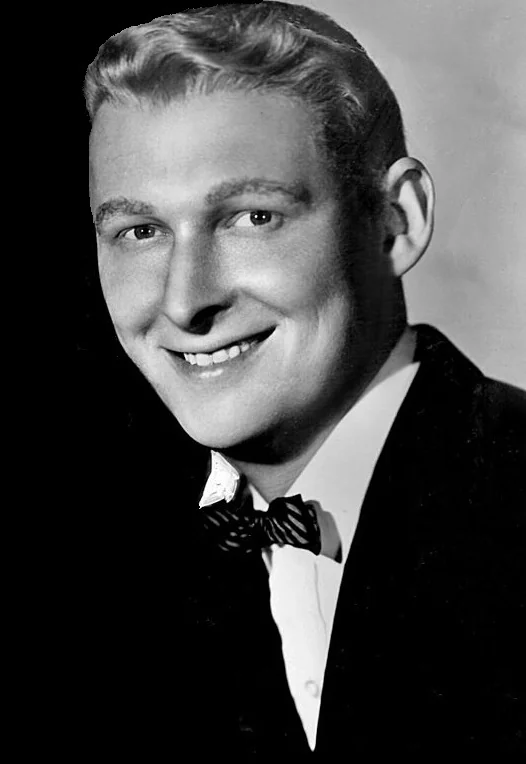
He won his Grammy as a comedian and the other three awards as a director, which is not a usual career shape. In 1962 the improv duo Nichols and May took the Grammy for best comedy album, a recording of their Broadway two-hander built entirely from sketches the pair made up onstage. A year earlier they had broken up the act. Mike Nichols turned to directing and almost never stopped winning.
His Broadway directing career began with a Tony in 1964 for Barefoot in the Park and was still going in 2012, when he won again for Death of a Salesman. In between came an Oscar, in 1968, for The Graduate – only his second film, after the Elizabeth Taylor scorcher Who’s Afraid of Virginia Woolf? The EGOT closed in 2001 with a pair of Emmys for the HBO film Wit, Emma Thompson’s harrowing chamber piece about a professor dying of ovarian cancer.
Nichols married the ABC news anchor Diane Sawyer in 1988 and directed more than twenty-five Broadway productions across fifty years. One of them was a one-woman show by a then-unknown comic named Whoopi Goldberg, the recording of which won her a Grammy and started her own march to the EGOT. He had a habit of being present at other people’s beginnings.
Whoopi Goldberg

For fifty-one years, exactly one Black woman had won an Academy Award: Hattie McDaniel, for playing Mammy in Gone with the Wind in 1940. The second was Whoopi Goldberg, in 1991, for playing a con-artist medium in Ghost, the supporting role that put her three-quarters of the way to an EGOT.
The Grammy had come first, in the mid-1980s, and made her the first Black woman ever to win for best comedy recording. The Oscar followed in 1991. What finished the set was a producing career: by 2002 she had collected the final two pieces within a fortnight, a Daytime Emmy and, two weeks later, a Tony for co-producing the best musical winner Thoroughly Modern Millie. The Tony, on June 2, made her the first Black performer to complete an EGOT.
There is a tidy circularity to how she got there. The Emmy that helped finish the set was not for acting or hosting but for producing and narrating a documentary, Beyond Tara: The Extraordinary Life of Hattie McDaniel – a film about the very woman whose fifty-one-year shadow Goldberg had stepped out of in 1991. The first Black EGOT winner sealed the achievement by telling the story of the first Black Oscar winner. Some symmetries you could not script.
Scott Rudin
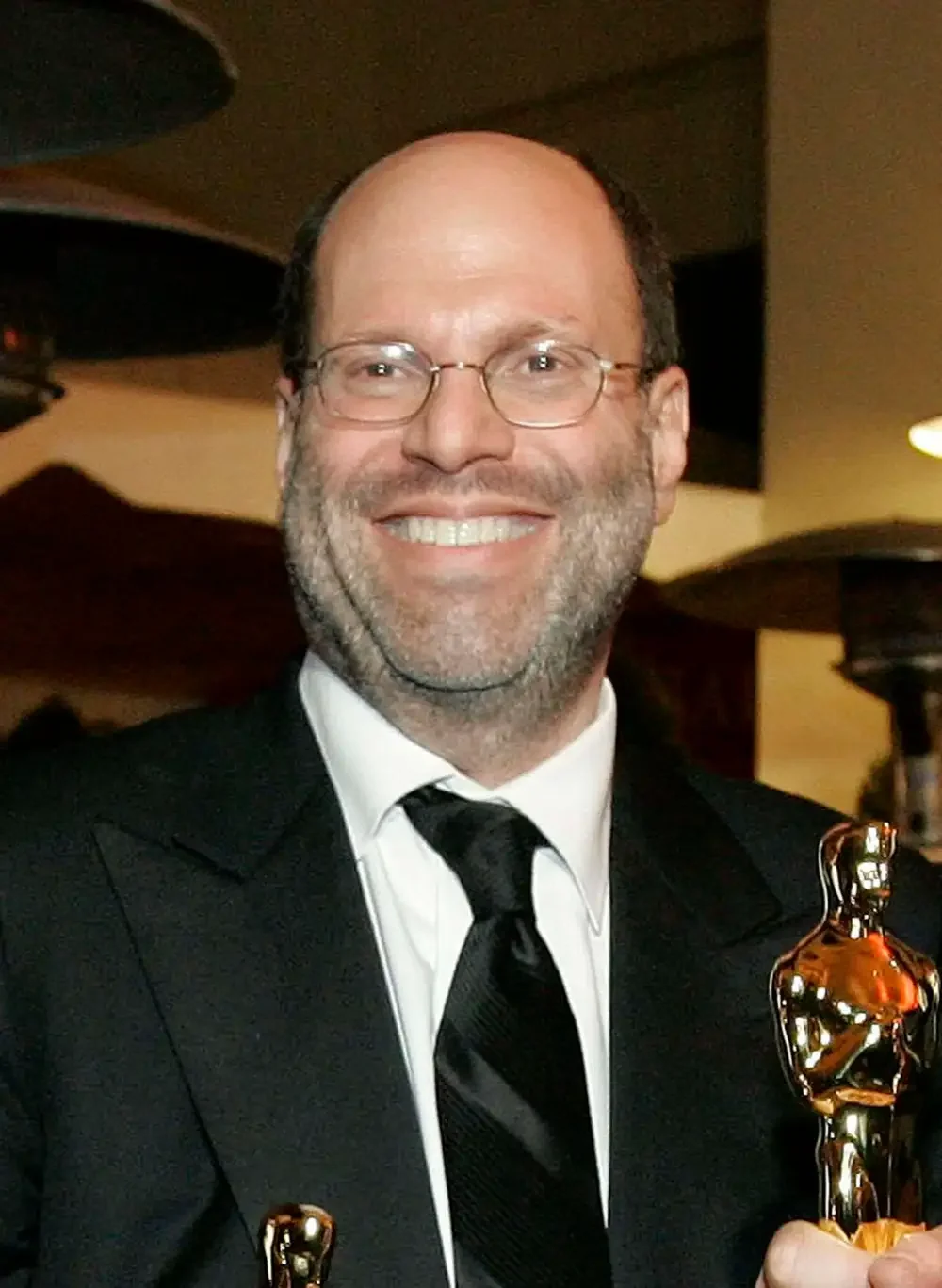
Almost everyone else on this list stepped in front of an audience or put their name to a script or a song. Scott Rudin did neither. He produced – assembled the money and the talent that turn a project into a thing that exists – and in 2012 became the first person known chiefly as a producer to complete an EGOT.
His four awards span the full range of the job. The Emmy came back in 1984, for a children’s documentary, He Makes Me Feel Like Dancin’, about the ballet dancer Jacques d’Amboise teaching kids to dance. The Oscar arrived in 2008, shared with the Coen brothers, when No Country for Old Men won best picture. The Tonys piled up by the dozen, starting with a 1994 win for Stephen Sondheim’s Passion. The Grammy that finished the set, in February 2012, was for the original cast recording of The Book of Mormon.
He was, for two decades, among the most powerful producers in New York and Hollywood, with a reputation for results and for a temper. In 2021, after extensive reporting on accounts of abusive treatment of his employees, Rudin stepped back from active producing. The trophies remain; the productions, for now, have stopped.
Robert Lopez
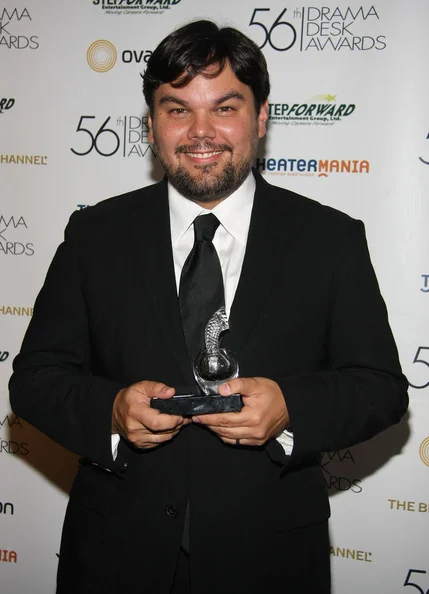
At the 2004 Tony Awards, a scrappy musical performed by foam puppets beat the season’s lavish favorite, Wicked, for best musical. The puppet show was Avenue Q, a profane riff on Sesame Street about broke twenty-somethings in outer-borough New York, and one of its two composers was a twenty-nine-year-old named Robert Lopez. Ten years later he would be an EGOT.
He completed it in March 2014, when ‘Let It Go,' the runaway anthem he wrote with his wife Kristen Anderson-Lopez for Frozen, won the Oscar for best original song. At thirty-nine, he was the youngest person ever to manage the feat, and he had managed it largely through children’s material: two Daytime Emmys for the Nickelodeon cartoon Wonder Pets, Grammys and Tonys for The Book of Mormon and Avenue Q.
Most people would stop there. Lopez did not. In 2018 he won a second Oscar, for ‘Remember Me’ from Pixar’s Coco, and in doing so became the only person in history to win all four awards twice – the lone double EGOT. He got there writing songs for puppets and a singing snowman, which suggests the surest route to the highest honor in entertainment may run straight through a children’s matinee.
John Legend

Three people completed their EGOTs on the same night, September 9, 2018. Only one of them had also starred in the show that did it. That show was Jesus Christ Superstar Live in Concert, NBC’s Easter broadcast of the old rock opera, staged in a Brooklyn armory with John Legend in the title role. When it won the Emmy for best live variety special, Legend, a producer as well as the lead, completed his set.
His path to the other three ran mostly through music. Ten Grammys had come first, beginning in 2006, the year he won best new artist and best R&B album for Get Lifted. The Oscar followed in 2015, shared with the rapper Common, for ‘Glory,' the anthem that closes Ava DuVernay’s Selma, her drama about the Alabama voting-rights marches. The Tony arrived in 2017, for co-producing a revival of August Wilson’s Jitney.
At thirty-nine, Legend became the first Black man to complete an EGOT – a milestone that had taken the award fifty-six years to reach, and that says less about the people who managed it than about how narrow the doors had been. Four years later, Jennifer Hudson followed him through. He had a way of leaving them open behind him.
Andrew Lloyd Webber
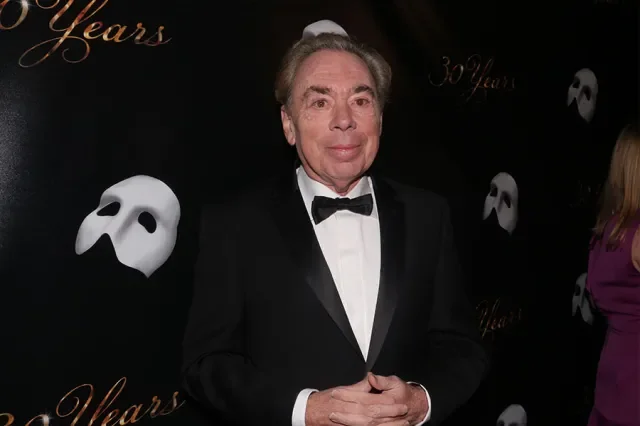
The production that completed his EGOT was one he had written himself, as a young man, forty-eight years before it aired. Andrew Lloyd Webber and his early partner Tim Rice wrote Jesus Christ Superstar around 1970, when both were in their twenties and the idea of a rock opera about the Passion struck a lot of people as borderline blasphemous. The BBC was reluctant to play the single. The album then sold by the truckload in America, and the rest of the career followed.
By 2018 he had long since become the most commercially dominant force in musical theater, with seven Tony Awards and an Oscar, the latter won in 1997 for ‘You Must Love Me,' a song added to the film of Evita and sung by Madonna. His Grammys were for cast albums of shows that ran for decades, Evita and Cats among them. The Emmy was the one missing piece.
It came, fittingly, from the rock opera he and Rice had dreamed up before either had a career to speak of. The composer once accused of sacrilege completed his sweep with a televised Easter pageant, watched by millions, on a major American network. Time has a way of rehabilitating a hit.
Tim Rice

In the spring of 1965, a publisher told a teenage aspiring pop lyricist that he should go and meet an even younger man, just out of school, who wanted to write for the theater and needed someone to supply the words. The lyricist was Tim Rice. The young man was Andrew Lloyd Webber, and the two of them would go on to write Jesus Christ Superstar and Evita together before they were thirty.
What sets Rice apart in this group is not one partnership but the spread of them. He is the only EGOT winner to have won his Oscars – he has three – with three different composers. ‘A Whole New World,' from Aladdin, he wrote with Alan Menken. ‘Can You Feel the Love Tonight,' from The Lion King, he wrote with Elton John. ‘You Must Love Me,' from Evita, he wrote with Lloyd Webber.
His Tonys came for Evita and Aida, his Grammys for those plus Aladdin, and the Emmy, in 2018, for the live Superstar that he and Lloyd Webber had set in motion as boys. Rice has spent a career being the indispensable second name on the poster, and by all accounts seems to prefer it that way.
Alan Menken

He had won more Academy Awards than any other living songwriter and still, after thirty years, could not get an Emmy. By 2020 Alan Menken held eight Oscars, all of them earned between 1990 and 1996, all for Disney animated films: two each for The Little Mermaid, Beauty and the Beast, Aladdin, and Pocahontas. That is a run of eight Oscars in seven years, which nobody else has matched.
His main collaborator for the first two was the lyricist Howard Ashman, who shaped the modern Disney musical and then died of AIDS in 1991, before Aladdin was finished. Menken carried on with new lyricists, among them Stephen Schwartz, and added eleven Grammys and, in 2012, a Tony for the stage version of Newsies, a movie that had flopped two decades earlier.
The one award that eluded him was the Emmy, until July 2020, when he won a Daytime Emmy for a song called ‘Waiting in the Wings,' written for the Disney Channel cartoon Rapunzel’s Tangled Adventure. So the most Oscar-laden songwriter alive completed his EGOT not with a film, or a Broadway show, but with a tune for an animated series aimed at children. The grandest career on this page closed on the smallest screen.
Jennifer Hudson
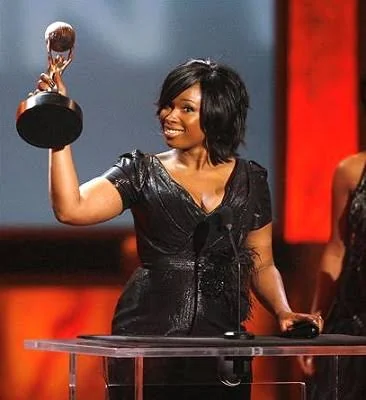
Three years after she was voted off a televised singing contest in seventh place, she won an Academy Award. The contest was the third season of American Idol, in 2004, and the elimination is still remembered as one of the show’s biggest upsets. The Oscar was for Dreamgirls, in 2007, her first feature film, playing a singer cut loose from her own group – a role she had, in a sense, already lived.
The other awards followed at a steady clip. A Grammy for best R&B album in 2009, a second in 2017 for the cast recording of a Color Purple revival, and a Daytime Emmy in 2021 for Baba Yaga, a virtual-reality animated short she produced and voiced. The set closed on June 12, 2022, when A Strange Loop, the Pulitzer-winning musical she co-produced, won best musical at the Tonys.
At forty, Hudson became the youngest woman ever to complete an EGOT; only John Legend and Robert Lopez, both thirty-nine, finished younger. She had seen it coming, in her way. Years earlier she had named one dog Oscar and another Grammy, won both of those awards, and announced that she intended to get two more dogs and call them Emmy and Tony. The plan, eventually, worked.
Viola Davis

You can win a Grammy for reading a book aloud, and in 2023 she won one for reading hers. The award that completed Viola Davis’s EGOT was for the audiobook of Finding Me, her own memoir, which she narrated; it was also, remarkably, her first Grammy nomination. She beat a field that included Mel Brooks, a fellow EGOT winner, and shouted ‘I just EGOT!' from the stage, fighting tears.
She had assembled the rest the hard way, in acting categories. The Oscar came in 2017 for Fences, the August Wilson drama, playing a wife worn down by a proud, failing husband. The Emmy came in 2015 for How to Get Away with Murder, making her the first Black woman to win lead actress in a drama series. Two Tonys bracket the early career: King Hedley II in 2001 and the Fences revival in 2010.
Those three wins – Oscar, Emmy, Tony, all for performances – make Davis the first Black performer to take the Triple Crown of Acting, and one of only three EGOT winners to hold it, alongside Helen Hayes and Rita Moreno. She got there by acting, and finished, fittingly, by reading her own life story aloud into a microphone.
Elton John
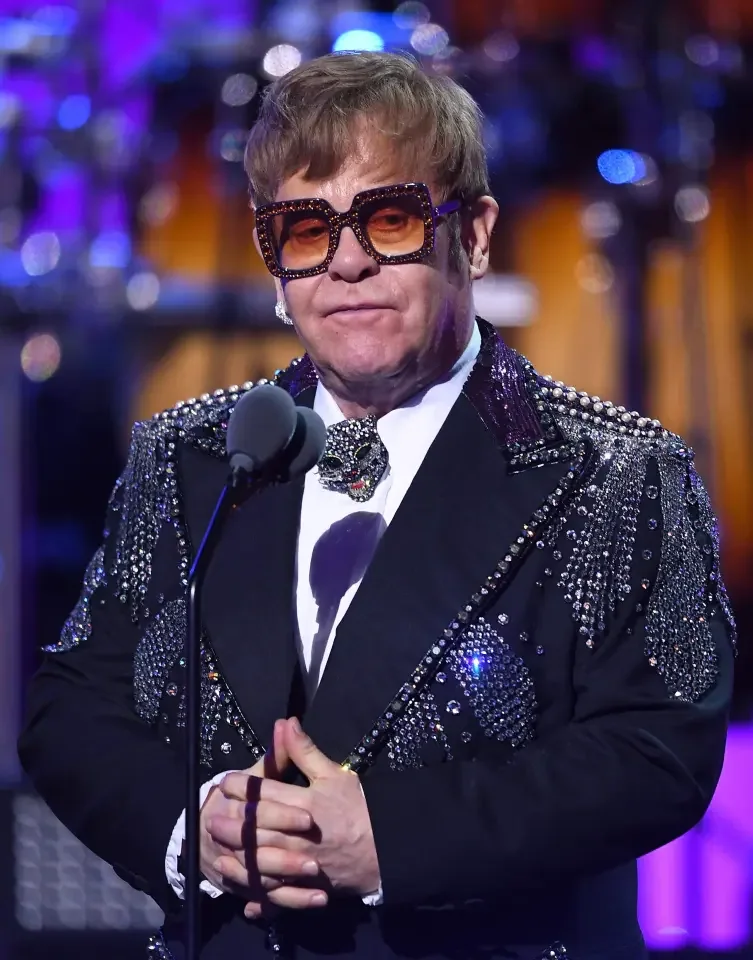
On January 15, 2024, a man who had been famous since the Nixon administration won his first Emmy, and with it, at seventy-six, an EGOT. Elton John was not in the room; he was recovering from knee surgery, and a producer accepted on his behalf. The award was for ‘Elton John Live: Farewell from Dodger Stadium,' a Disney+ film of the final North American concert of his retirement tour, staged at the same ballpark where he had played his career-making shows back in 1975.
The other three had been in hand for years. His first Oscar, in 1995, was for ‘Can You Feel the Love Tonight’ from The Lion King; a second arrived in 2020 for ‘I’m Gonna Love Me Again,' from the biopic Rocketman. The Tony came in 2000, for the score of Aida. His Grammys stretch back to the 1980s.
There is a small joke buried in how he finished. In its Emmy category, the Dodger Stadium special beat, among others, the broadcast of the Oscars and the broadcast of the Tony Awards. To complete his collection of the four big prizes, in other words, Elton John had to defeat two of the ceremonies that give them out.
Benj Pasek and Justin Paul
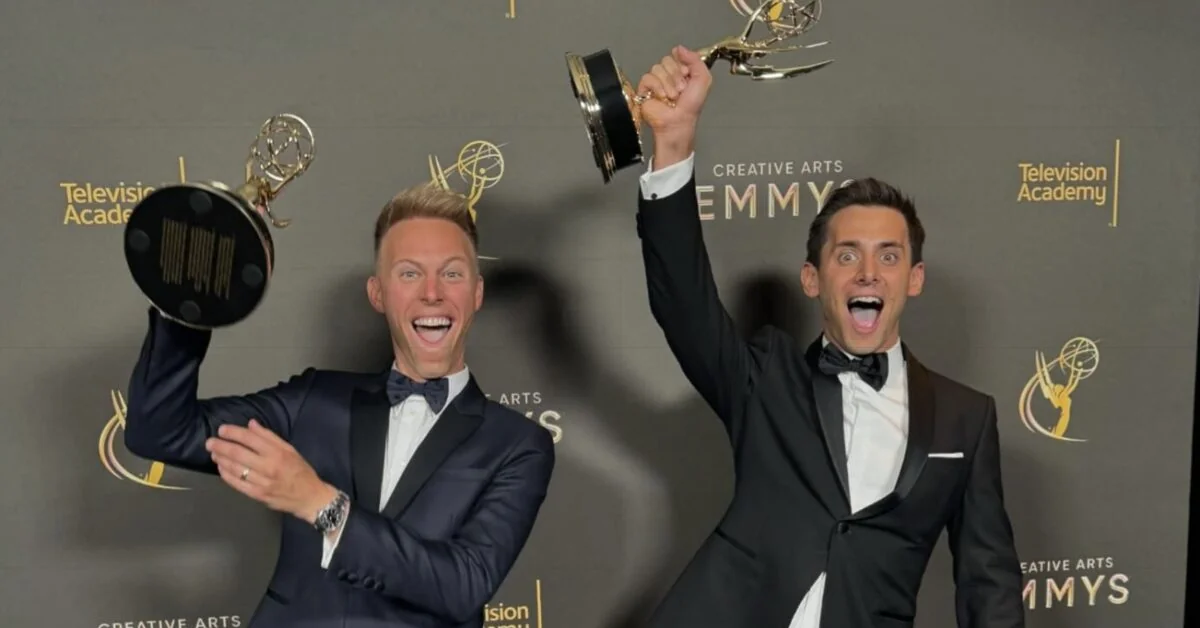
Nobody has ever gone from a first major award to a complete EGOT faster than these two. Benj Pasek and Justin Paul, songwriting partners who met as students at the University of Michigan, took seven years and seven months to win all four, shaving the record off the previous holder, Robert Lopez. Because they win together, for the same work, they are also only the second pair to EGOT as a team, after Andrew Lloyd Webber and Tim Rice.
The run began with an Oscar in 2017, for ‘City of Stars’ from La La Land, and a Tony that June for the score of Dear Evan Hansen. A Grammy for that show’s cast album followed in 2018, and another in 2019 for The Greatest Showman, which was the best-selling album in the world that year.
The piece that finished it, in September 2024, was a deliberately ridiculous tongue-twister called ‘Which of the Pickwick Triplets Did It?,' written for an episode of Only Murders in the Building and performed, at speed, by Steve Martin. Both were still in their thirties. The fastest anyone has ever completed the four awards, it turns out, ran the last stretch through a streaming murder mystery, on a song built to be almost impossible to sing.
Steven Spielberg
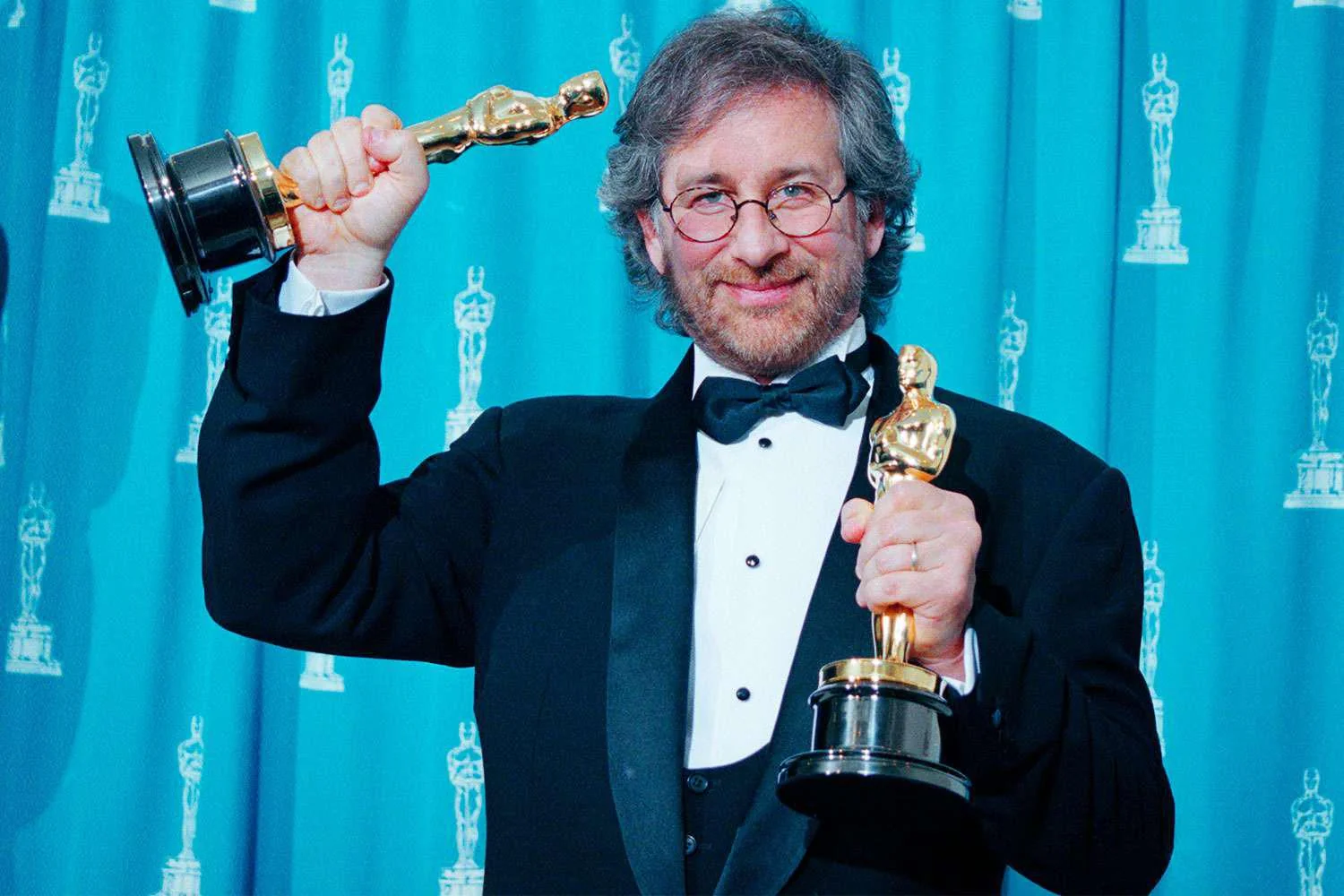
The most successful filmmaker who ever lived did not win a Grammy until he was seventy-nine. For decades Steven Spielberg held three Oscars – two for directing, plus a producing share of Schindler’s List – and four Emmys, one of them, improbably, for an animated Pinky and the Brain Christmas special. He had a Tony, too, though almost nobody knew it: he was one of more than forty credited producers of the 2022 best musical winner A Strange Loop, buried so deep in the list that the official record files him simply under ‘et al.'
The only missing piece was the Grammy, and it arrived on February 1, 2026, for producing ‘Music by John Williams,' a documentary about the composer who has scored his films since his 1974 debut, more than fifty years ago. Williams won Academy Awards for the music to Jaws, E.T., and Schindler’s List, all of them Spielberg pictures.
So the last and most recent EGOT, the twenty-second person to complete it, finished the way the first one did – a giant of one medium picking up the prize for another, decades late, almost as an afterthought. Spielberg got his by celebrating the man who gave his movies their sound.
Frequently Asked Questions
Who was the first EGOT winner?
Richard Rodgers completed the first EGOT in May 1962, when an Emmy for a Winston Churchill documentary joined the Oscar, Grammy, and Tony he already held. The feat had no name yet – the term EGOT would not be coined for another twenty-two years, and Rodgers died in 1979 never having heard it.
Who is the youngest person to win an EGOT?
Robert Lopez is the youngest EGOT winner, completing the set in 2014 at age 39. The songwriter behind Avenue Q, The Book of Mormon, and the Frozen songs is also the only person ever to win all four awards twice, finishing his second EGOT by 2018.
Who is the oldest person to win an EGOT?
John Gielgud is the oldest person to complete an EGOT, sealing it at 87 with an Emmy win in 1991. The English actor and director had built the other three legs over a stage and screen career that began in London in the 1920s.
Who came up with the term EGOT?
Philip Michael Thomas dreamed it up in 1984 while starring in Miami Vice, stamping the four letters on a medallion and predicting he would take them all within five years. He never won any of the four. The acronym outlived the boast.
What is a PEGOT?
A PEGOT is an EGOT plus a competitive Pulitzer Prize. Only two people hold it: Richard Rodgers, who won the 1950 Pulitzer for Drama for South Pacific, and Marvin Hamlisch, who shared the 1976 Drama Pulitzer for A Chorus Line. Both were composers.
What is the difference between the EGOT and the Triple Crown of Acting?
The Triple Crown of Acting is a competitive Oscar, Emmy, and Tony won specifically for acting. The EGOT adds a Grammy and counts wins in any category, not just performance. Three people hold both: Helen Hayes, Rita Moreno, and Viola Davis.
Do honorary or non-competitive awards count toward an EGOT?
No. Only competitive wins count, which is why honorary Oscars, special Emmys, and lifetime-achievement Grammys are set aside. A few people often listed as winners on looser, all-inclusive tallies do not qualify under the strict definition this list uses.
Who is the most recent EGOT winner?
Steven Spielberg became the most recent EGOT winner in 2026, when he finally won a Grammy. The director had held an Emmy, an Oscar, and a Tony for years; the Grammy was his long-missing fourth, closing a set more than three decades in the making.