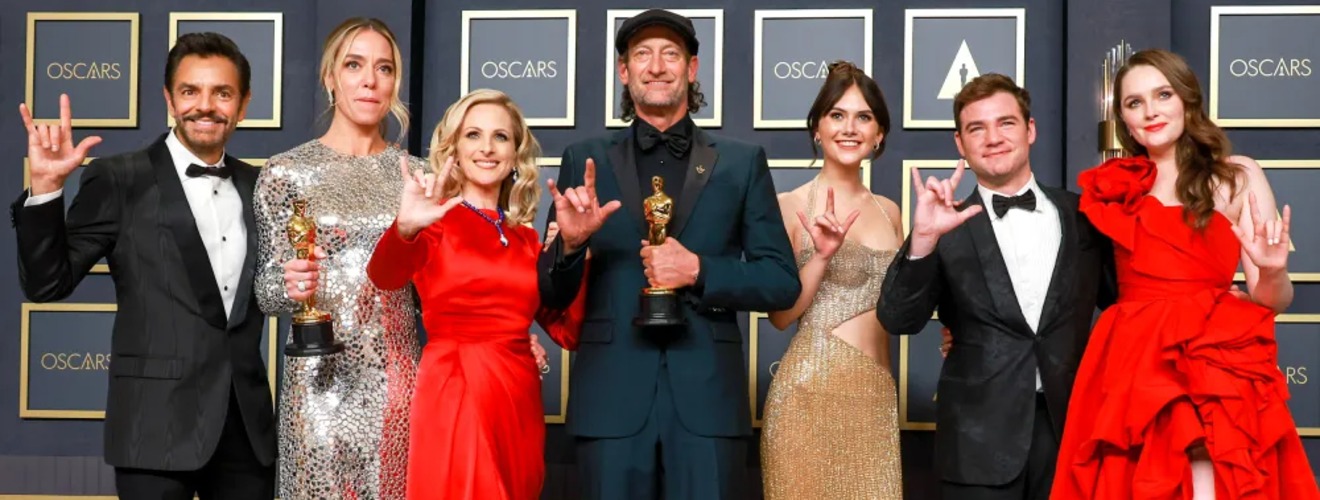
Every Triple Crown of Acting Winner

There is no Triple Crown of Acting. No academy hands it out, no committee meets to confer it, no statuette exists for the shelf. The phrase was lifted from horse racing – where a single thoroughbred must win the Kentucky Derby, the Preakness, and the Belmont in one season – and pinned on the rare performer who wins an Oscar, an Emmy, and a Tony, each one for acting. The first to manage it was Helen Hayes, in 1953, when television’s Emmy was barely old enough to make the third leg possible. Nobody gave her a Triple Crown. Someone simply noticed she now had all three, and the name stuck.
This is not the EGOT, though the two are confused constantly. An EGOT can be assembled out of almost anything – a producing Emmy, a songwriting Grammy, an Oscar for a film you directed. The Triple Crown is narrower and, in its way, harder: it drops the Grammy entirely and counts only prizes won for acting, and for a single performance that is yours alone. That one demand is what keeps the club so small. Glenn Close has Emmys and Tonys and has come home from the Academy Awards empty-handed eight times. Denzel Washington has the Oscar and the Tony but has never won the Emmy. Both, by the only standard that matters here, remain locked out.
The ones who did finish make a stranger group than the prestige suggests: studio-era icons and television character men, a future Member of Parliament, an actor who turned down a knighthood three times, a star who completed the set while a United States senator was trying to have her barred from the country. What follows is all of them, in the order they finished. For an honor with no trophy and no ceremony, it has turned out to be guarded more jealously than most that have both.
Twenty-four performers have won the Triple Crown of Acting, meaning a competitive Oscar, Emmy, and Tony, each earned for an individual acting performance rather than for an ensemble or a non-acting achievement. Glenda Jackson, whose Tony arrived in 2018, is the most recent to complete the set.
Helen Hayes
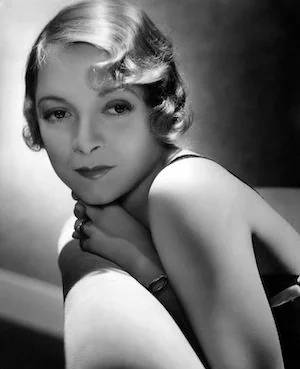
Helen Hayes won her first Academy Award for her sound-film debut, a 1931 melodrama called The Sin of Madelon Claudet, written by her own husband, the playwright Charles MacArthur. She was not especially grateful. Hayes thought screen acting a lesser thing than the stage, where the performance, as she put it, was never really yours – the director and the cutter would always have the last word.
On the stage she was untouchable. Known for half a century as the First Lady of the American Theatre, she won a Tony at the very first Tony Awards in 1947, took a second Oscar in 1971 for Airport – the first performer to win both a lead and a supporting Academy Award – and collected the Emmy in 1953 that made her the first person to hold all three acting prizes at once. In 1977 she added a Grammy for a spoken-word recording and completed the EGOT, the second person and the first woman to do it.
Every name that follows is on this list because of what Helen Hayes did in 1953. There is a quiet joke buried in that, because the first of the achievement’s three legs came from the one medium she never learned to love.
Thomas Mitchell
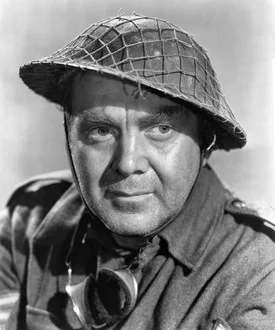
Five of the films now regarded as classics of 1939 – Hollywood’s most fabled year – carry the same character actor somewhere in the cast. Thomas Mitchell appeared that year in Stagecoach, Mr. Smith Goes to Washington, Only Angels Have Wings, The Hunchback of Notre Dame, and Gone with the Wind, three of them among the ten Best Picture nominees. He won the Oscar for the first, as the drunken frontier doctor Doc Boone in Stagecoach – the picture that made John Wayne a star.
Both of Mitchell’s Oscar nominations, as it happened, were for playing drunken doctors in John Ford films. He vanished so thoroughly into men unlike one another that audiences rarely registered the same actor twice: Scarlett O’Hara’s doomed father in one picture, kindly Uncle Billy in It’s a Wonderful Life a few years on. His 1953 Emmy came for a television series in which he played, of all things, a doctor.
The leg that completed his Triple Crown, two months behind Helen Hayes, was the unlikeliest of the three – a 1953 Tony for the musical comedy Hazel Flagg, in which the gravel-voiced character man sang and danced. He was the first man to do it. Mitchell died of cancer in 1962, having spent two decades being mistaken, happily, for other people.
Ingrid Bergman
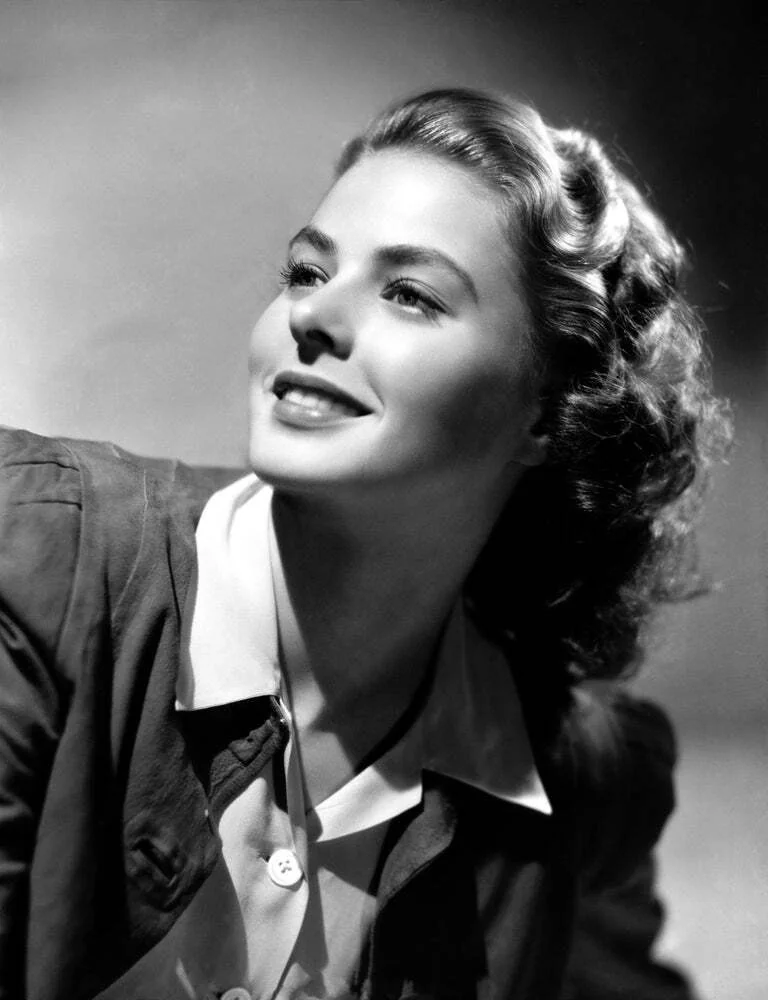
A United States senator once stood up on the floor of the Senate and denounced Ingrid Bergman as a powerful influence for evil. The year was 1950, the senator was Edwin Johnson of Colorado, and the offense was that Bergman – married, and Hollywood’s reigning star after Casablanca and an Oscar for Gaslight – had begun an affair with the Italian director Roberto Rossellini and borne his child. Johnson proposed a federal scheme to license actors and bar the immoral ones from the screen. It failed. The damage did not.
Bergman left the country and did not work in America again for nearly a decade. When she came back, it was to a second Oscar, for Anastasia in 1957; a third would follow for Murder on the Orient Express. In 1972, twenty-two years after the speech, a different senator read a formal apology into the Congressional Record.
Her Tony had come in 1947, for Joan of Lorraine. The Emmy that completed the set arrived in 1960, which means Ingrid Bergman finished acting’s Triple Crown while she was still, in the official view of the United States Congress, a powerful influence for evil. She did not set foot in the country again until 1967. The record caught up with her well before her reputation did.
Shirley Booth
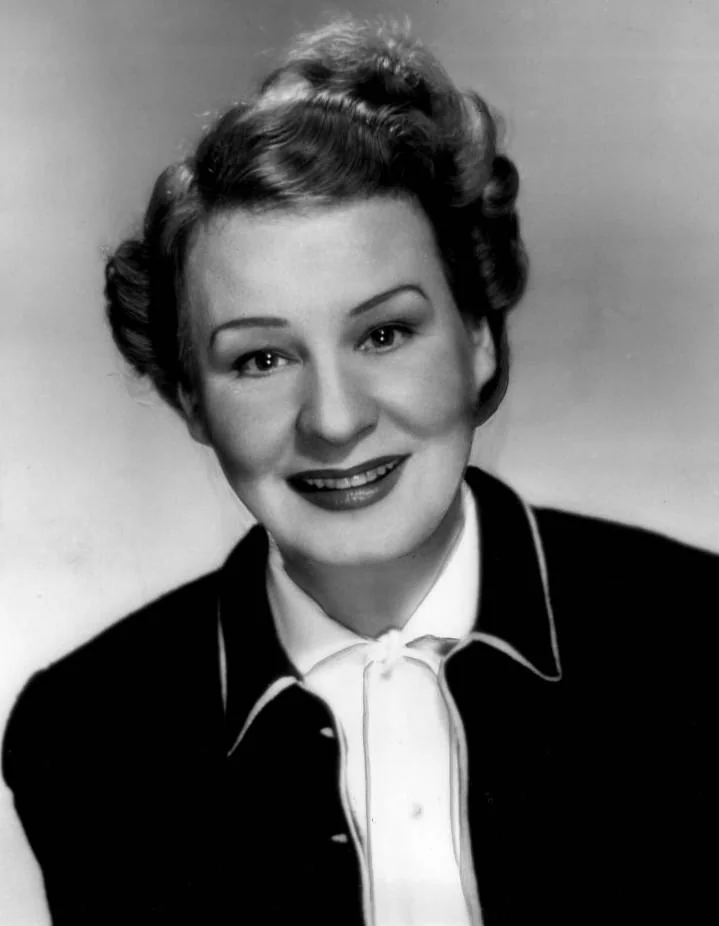
The first film Shirley Booth ever made won her an Oscar, and she very nearly stopped there. Come Back, Little Sheba was her screen debut in 1952; as the grieving housewife Lola Delaney, she won Best Actress at the Academy Awards, the Golden Globes, and the New York Film Critics Circle, and took the acting prize at Cannes besides. She had already won a Tony for the same role on Broadway. She would make only four more pictures in her life.
What she did instead was become a television maid. From 1961 to 1966, Booth played the title role in the sitcom Hazel and won two Primetime Emmys for it, the first of which, in 1962, completed her Triple Crown. A serious dramatic actress with three Tonys to her name is remembered by most of America as a wisecracking housekeeper, a fate she appears to have minded not at all.
By the early 1950s she had won so much that, the story goes, a panelist on the game show What’s My Line? once cracked that she had won everything but the Kentucky Derby. He was nearer the truth than he knew. The prize she was quietly assembling, years before anyone bothered to name it, was the one borrowed straight from the Derby.
Melvyn Douglas
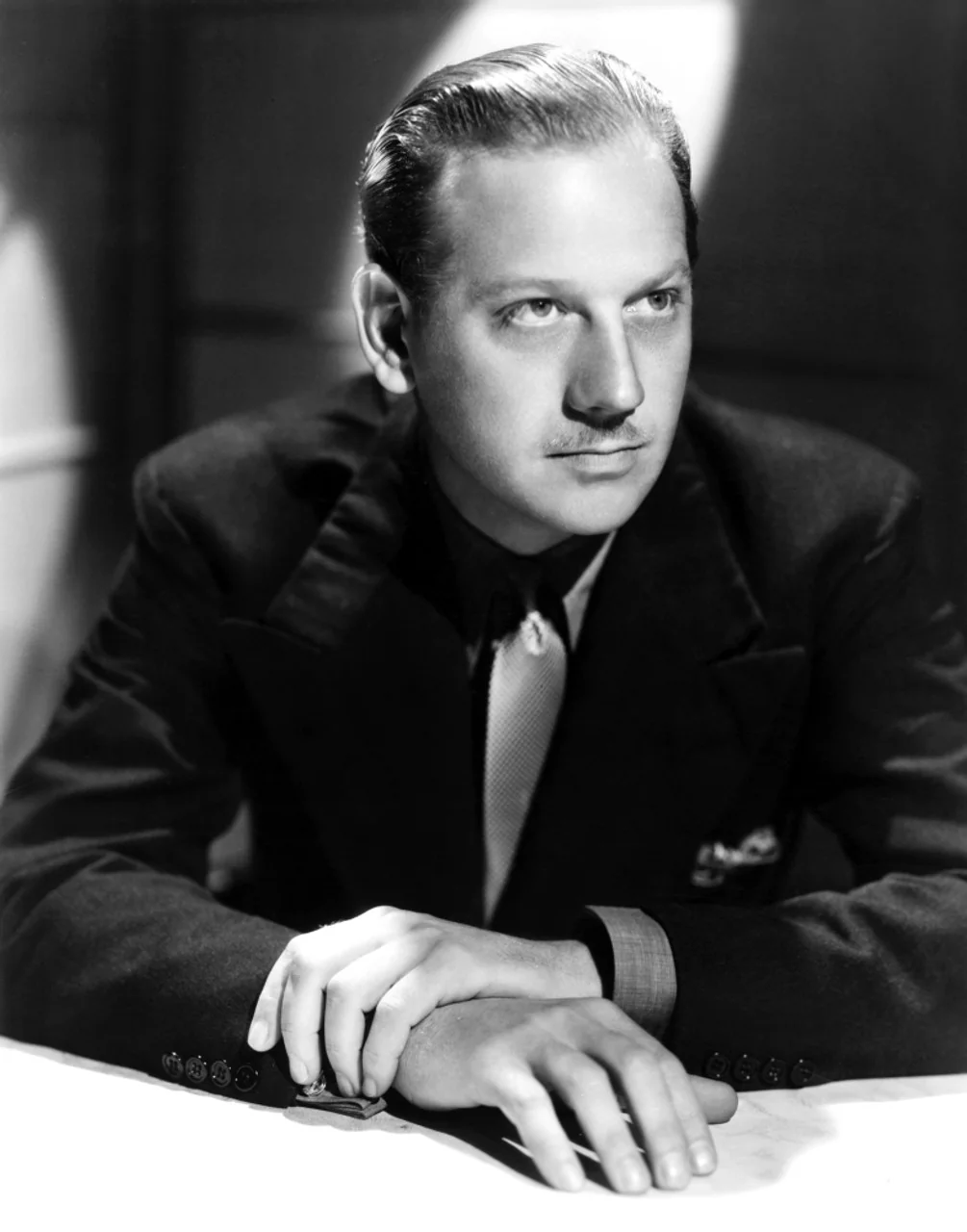
The woman who saddled Richard Nixon with the nickname Tricky Dick was married to a Triple Crown winner. Helen Gahagan Douglas ran against Nixon for a California Senate seat in 1950; he dubbed her the Pink Lady for her liberal views, and she bested him with the moniker that would stick to him for the rest of his career: Tricky Dick. She lost the race. Her husband, the actor Melvyn Douglas, lost considerably more.
Douglas had built his fame in the 1930s as a debonair leading man – he is the one who finally made Greta Garbo laugh, in Ninotchka – but his own liberal politics got him graylisted in 1951, and the film offers dried up. So he won the other two legs of his crown in the wilderness. The Tony came in 1960, for Gore Vidal’s political drama The Best Man; the Emmy followed in 1968. By the time the movies wanted him back, he had aged into an altogether different actor.
That late renaissance brought two Academy Awards for playing old men – opposite Paul Newman in Hud, and as the dying tycoon in Being There – decades after he had charmed Garbo. He had never much liked most of the seventy-odd movies he made; he would take almost any night on the stage instead. He died in 1981, a year after Helen, who lost to Nixon but stuck him with a name that outlived them both.
Paul Scofield
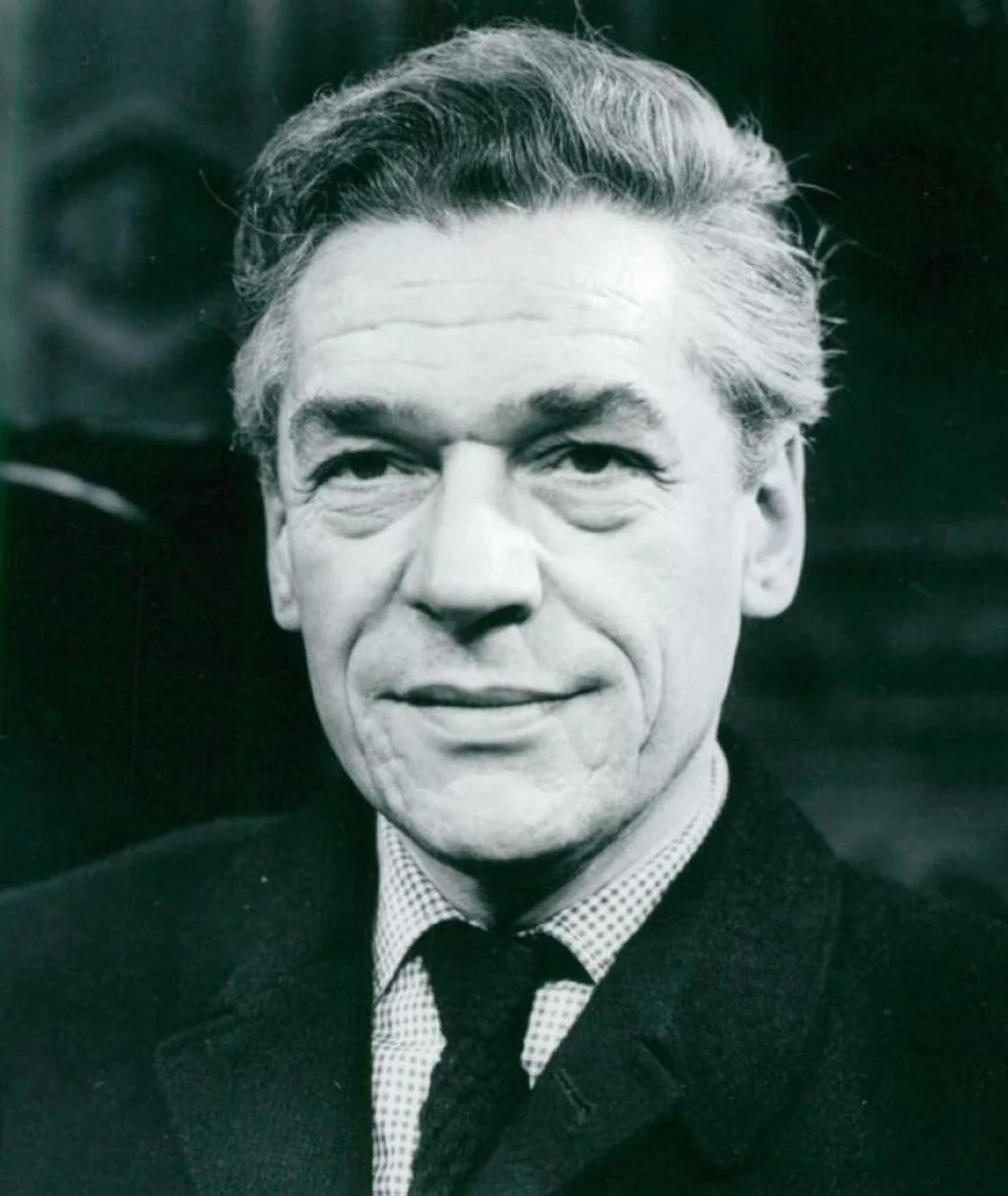
No one has ever completed the Triple Crown faster than Paul Scofield, and no one has ever seemed to want it less. He took all three in seven years, between 1962 and 1969, which is still the record. He declined a knighthood, sat for almost no interviews, never once went on a television chat show, and commuted to his West End performances by train from the countryside, where he much preferred to be.
His Tony and his Oscar were both won for the same man: Sir Thomas More, the lord chancellor beheaded for refusing to bless Henry VIII’s break with Rome. Scofield played him on Broadway in A Man for All Seasons in 1962, then reprised the role in the 1966 film, making him one of a handful of actors to win both awards for the same role. The film took Best Picture as well. The Emmy, for the 1969 television film Male of the Species, finished the set.
Richard Burton, no slouch himself, once reckoned that of the ten greatest moments in the theater, eight belonged to Scofield. Scofield, true to form, appears to have found the whole conversation faintly embarrassing. He died of leukemia in 2008, at eighty-six – a Companion of Honour who had three times declined to become a knight.
Jack Albertson
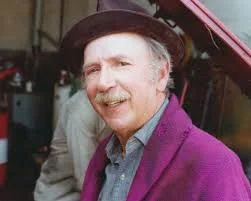
Before any of the awards, Jack Albertson worked in burlesque as a hoofer and a straight man to Phil Silvers, and hustled pool to get by. Born into poverty in Malden, Massachusetts, he came up through the dying trades – vaudeville, then burlesque – and spent decades as a reliable character man before anyone handed him a major award.
The role that finally did it was John Cleary, the bitter Irish father in the Pulitzer-winning play The Subject Was Roses. Albertson won the Tony for it on Broadway in 1965, then the Academy Award when he played Cleary again in the 1968 film. By one account, he was so sure a fellow nominee – the young Jack Wild, of Oliver! – deserved the Oscar that he apologized to Wild for winning it. His third prize, the one that sealed the crown, was an Emmy in 1975 – won, of all places, on the Cher variety show.
To most people who have ever seen his face, though, none of that registers. He is Grandpa Joe, the bedridden grandfather who springs out of bed to tour the chocolate factory in Willy Wonka. A man with a Tony, an Oscar, and an Emmy is remembered chiefly for leaping out of bed in a children’s film, which is a fate Albertson would probably have found funny. He died in 1981, at seventy-four.
Rita Moreno
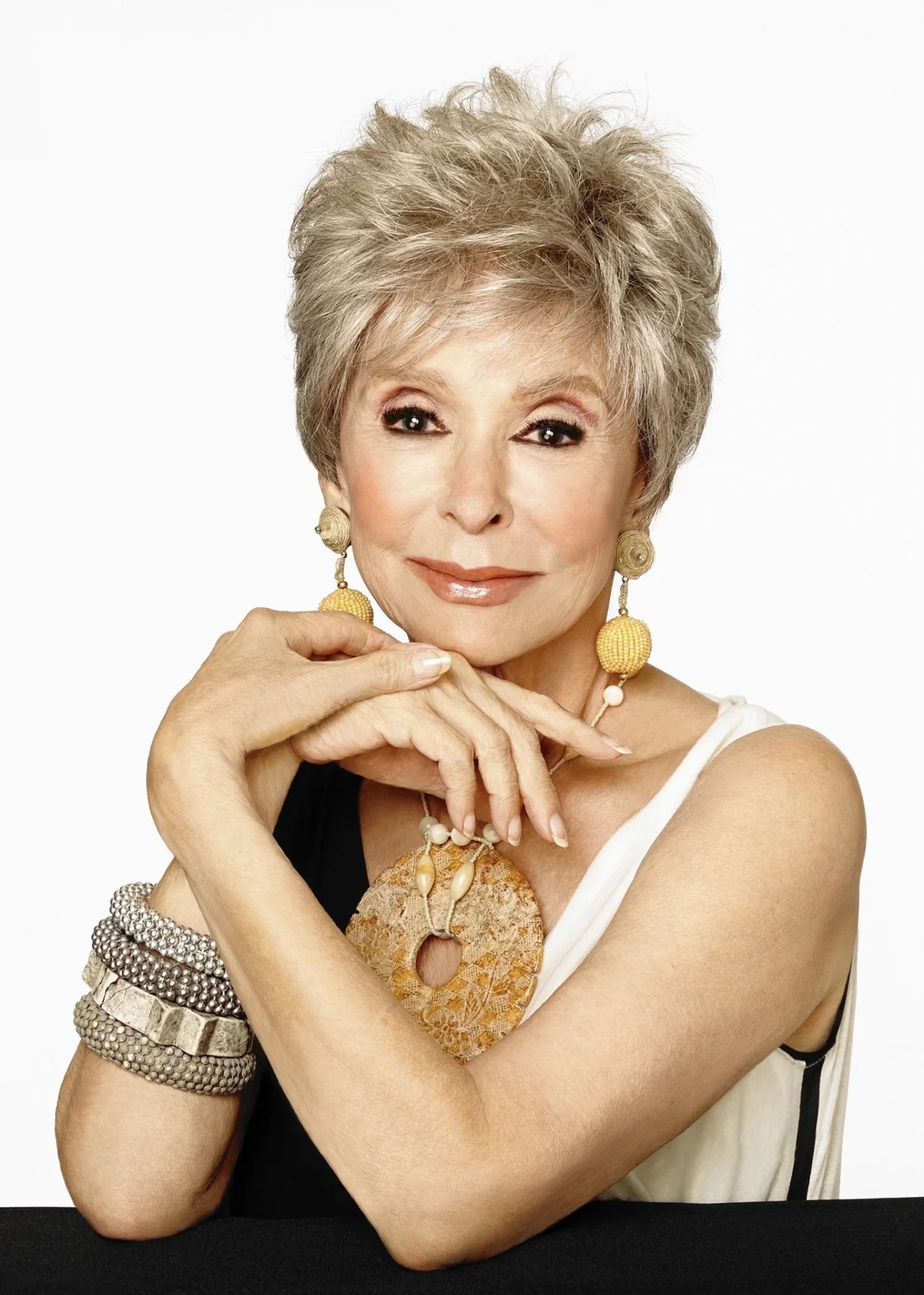
Winning an Academy Award did not get Rita Moreno better parts. It got her, for seven years, almost none at all. In 1962 she became the first Hispanic woman to win an Oscar, for playing Anita in West Side Story – the role in which she sang and danced “America” – and then turned down the same stereotyped spitfires and exotic dancers Hollywood kept offering, which is why she did not make another film for seven years.
So she built the rest of her career somewhere unexpected. Through the early 1970s she was a fixture on the children’s series The Electric Company, and won a Grammy in 1972 for the show’s album. A Tony came in 1975, for the Terrence McNally comedy The Ritz. And the Emmy that completed her Triple Crown arrived in 1977, for a guest appearance on The Muppet Show – the same award that completed her EGOT.
That made Moreno the third person ever to reach the EGOT, the same year Helen Hayes became the second, and the first Hispanic performer to take acting’s Triple Crown. She is in her nineties now and still working. The most exclusive feat in her profession she sealed, in the end, by trading lines with a Muppet – which she would tell you is no stranger than anything else that happened to her.
Maureen Stapleton
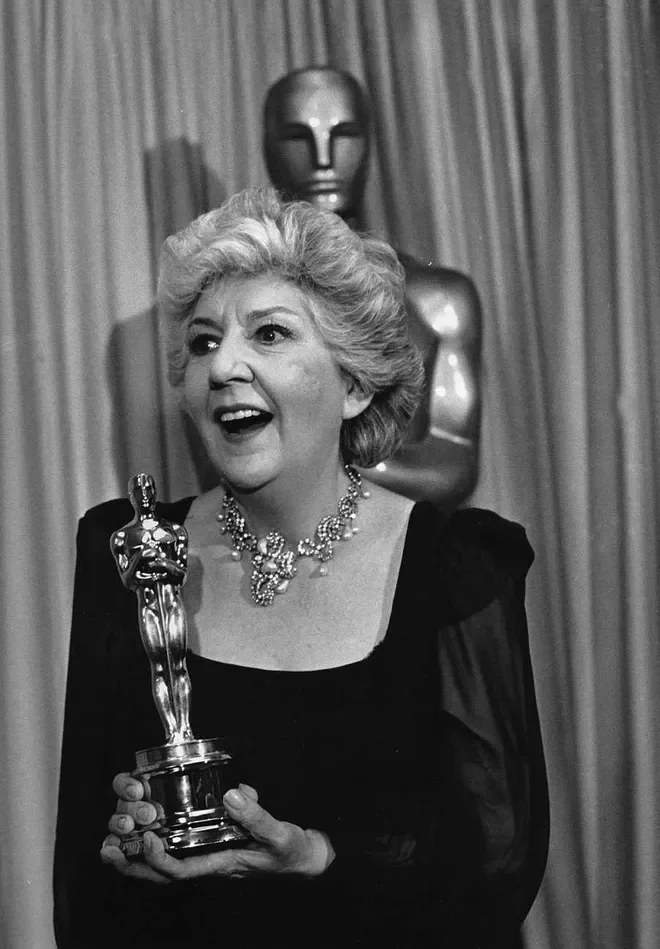
Maureen Stapleton would not fly. She would not ride in elevators either, and by one account she played her stage roles in real fear of being shot where she stood. Neil Simon, who wrote a Broadway comedy expressly for her, reckoned she would have made far more films if she could only have brought herself to board a plane. This was the actress Hollywood handed the role of Emma Goldman, the firebrand anarchist who feared nothing on earth, in Warren Beatty’s Reds.
She won the Academy Award for it in 1982, and it was the leg that finally finished her set. She already had the other two: a Tony from 1951, for The Rose Tattoo, a part Tennessee Williams had written for Anna Magnani, who refused Broadway and then won the film Oscar for it anyway; and an Emmy from 1968. The Oscar had been the holdout. She had been nominated three times across twenty-four years – for Lonelyhearts, for Airport, for Interiors – and lost on each before Goldman did the trick.
Her acceptance speech is the one most people still quote. Stapleton reached the microphone, announced that she was thrilled, happy, delighted, and sober, and then thanked, more or less, everyone she had ever met in her entire life. A lifelong heavy smoker, she died of a lung disease in 2006, at eighty – a woman who had spent her career playing the fearless while privately dreading the elevator.
Jason Robards
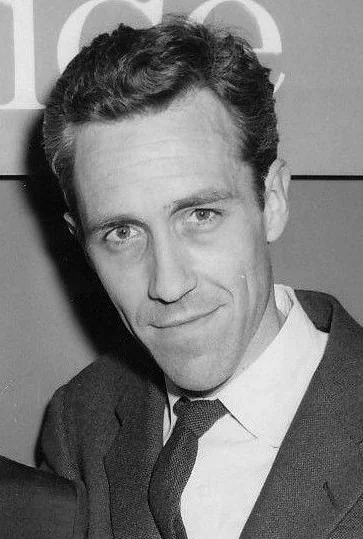
Twice in a row, in 1976 and 1977, the Academy handed Jason Robards its award for Best Supporting Actor – first for the Washington Post editor Ben Bradlee in All the President’s Men, then the novelist Dashiell Hammett in Julia. Back-to-back Oscars are rare enough that only a handful of actors have ever done it. On a film set, strangely, was the one place Robards was accused of overacting; his directors spent years reining in his appetite for scenery.
The stage was where he belonged, and there he had no rival as an interpreter of Eugene O’Neill. His 1956 revival of The Iceman Cometh is credited with hauling O’Neill’s reputation back from the dead, and it so moved the playwright’s widow that she lifted the ban on Long Day’s Journey into Night, which O’Neill had forbidden anyone to stage while he lived. Robards led its delayed Broadway premiere as the ruined elder son.
His Tony, by contrast, came for something else entirely – Budd Schulberg’s The Disenchanted, in 1959, in which he played a washed-up novelist patterned on F. Scott Fitzgerald. The last leg, an Emmy for Inherit the Wind, arrived in 1988, twelve years before his death from lung cancer. But the Tony was the one that mattered, for a reason that had little to do with the writing. It was the only time Jason Robards ever shared a stage with his father, a silent-film actor of the same name, who came back to Broadway for it after thirty-seven years away.
Jessica Tandy
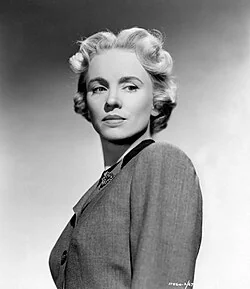
When A Streetcar Named Desire was filmed, the part of Blanche DuBois went to Vivien Leigh, who won an Academy Award for it. Jessica Tandy, who had created Blanche on Broadway and taken the very first Tony awarded for the role, was not even asked to test. So she did what she would keep doing for the next four decades: she returned to the stage, where the work was hers and no studio could give her part to a bigger name.
The screen made it up to her in the end, spectacularly late. In 1990 she won the Best Actress Oscar for Driving Miss Daisy, as a flinty Southern widow, and at eighty became the oldest woman ever to win it – forty-two years after that first Tony for Blanche. Two more Tonys had come in between, in 1978 and 1983, both for plays she did beside her husband, Hume Cronyn.
Cronyn was her partner on stage and screen for half a century, and he missed this same list by a single trophy: an Emmy and two Tonys, but never a competitive Oscar, so the Triple Crown stayed just out of his reach. Tandy beat him to it, and only just. Diagnosed with ovarian cancer the year she won, she worked on regardless and died in 1994, two completed films still waiting to open. The woman who built Blanche DuBois and watched Hollywood hand her away had, at the last possible moment, become a movie star at eighty.
Jeremy Irons
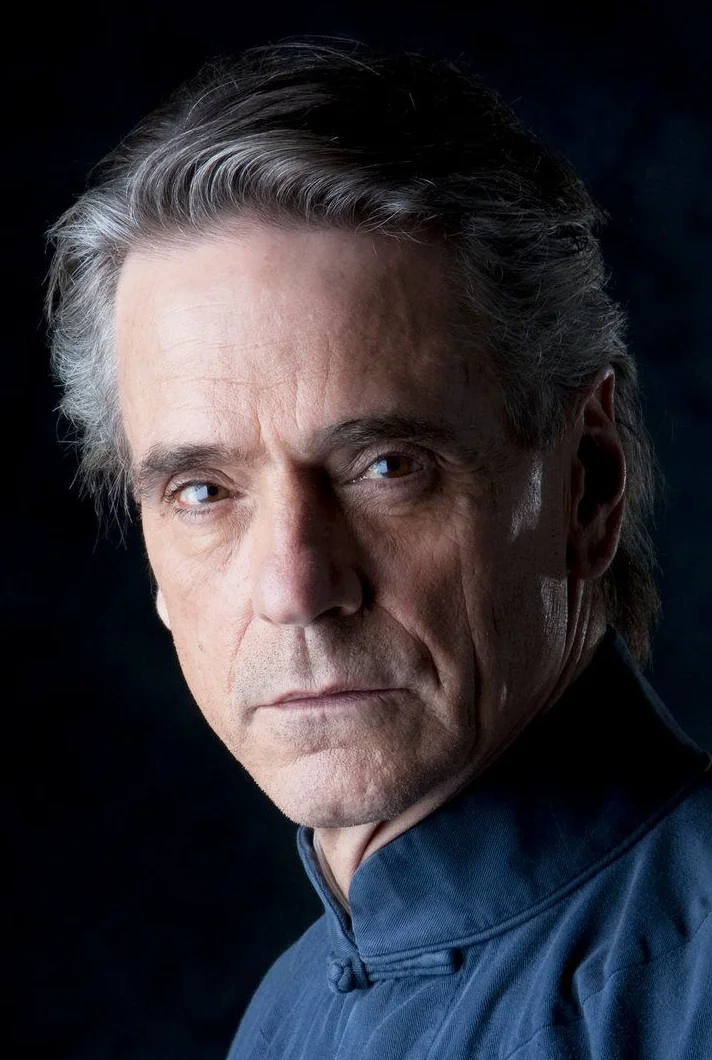
The award that finally completed Jeremy Irons’s Triple Crown was not for a role anyone could see. It was an Emmy, won in 1997, for Outstanding Voice-Over Performance – narration, in other words, laid over a documentary about the First World War. Acting’s most exclusive hat-trick, the one Marlon Brando never came within two awards of, Irons sealed by reading text over old footage in that unmistakable voice.
The voice was always the point. He had already lent it to Scar, the velvet-throated villain of The Lion King, unsettling a generation of children with a few silken syllables. His Oscar had come in 1990, for Reversal of Fortune, in which he played Claus von Bulow, the socialite acquitted of trying to murder his wife with insulin, as a man so composed that no one could tell whether the composure hid innocence or something far worse. He reportedly turned down Hannibal Lecter right afterward, not wanting another monster – and Anthony Hopkins won the Oscar for it instead.
The first leg, a Tony, had come in 1984, for his Broadway debut opposite Glenn Close in Tom Stoppard’s The Real Thing. So the accountant’s son from the Isle of Wight, who busked outside cinemas before he could afford to act, ended up holding the same three prizes as Helen Hayes – the last of them earned, fittingly, by a man nobody needed to look at.
Anne Bancroft
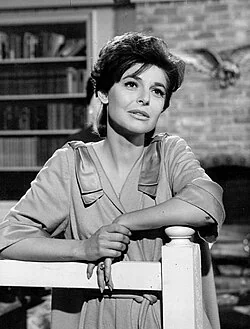
Ten years before she became Mrs. Robinson, Anne Bancroft won a Tony and then an Oscar for the very same role: Annie Sullivan, the teacher who hammers language into the deaf and blind Helen Keller in The Miracle Worker. She did it on Broadway in 1960 and on film in 1962, opposite Patty Duke both times. She was off starring in another play when the Oscar was announced, so Joan Crawford accepted it for her and made rather a production of doing so.
None of which is what she is remembered for. The role that fixed Bancroft in the public mind for good was Mrs. Robinson, the bored, predatory older woman who seduces a drifting Dustin Hoffman in The Graduate – a part she was only nominated for, and one for which she was almost comically miscast by age. She was thirty-six: six years older than Hoffman, and eight older than the actress playing her own daughter. She found her immortality in it faintly bewildering.
It took her until 1999 to round out the Triple Crown, with an Emmy for the television film Deep in My Heart. By then she had been married to Mel Brooks for thirty-five years, a match between the grave dramatic actress and the loudest comedian in America that baffled everyone but the two of them. When she died in 2005, Paul Simon sang “Mrs. Robinson” at her memorial – which was either perfect or cruel, depending entirely on how you look at it.
Vanessa Redgrave
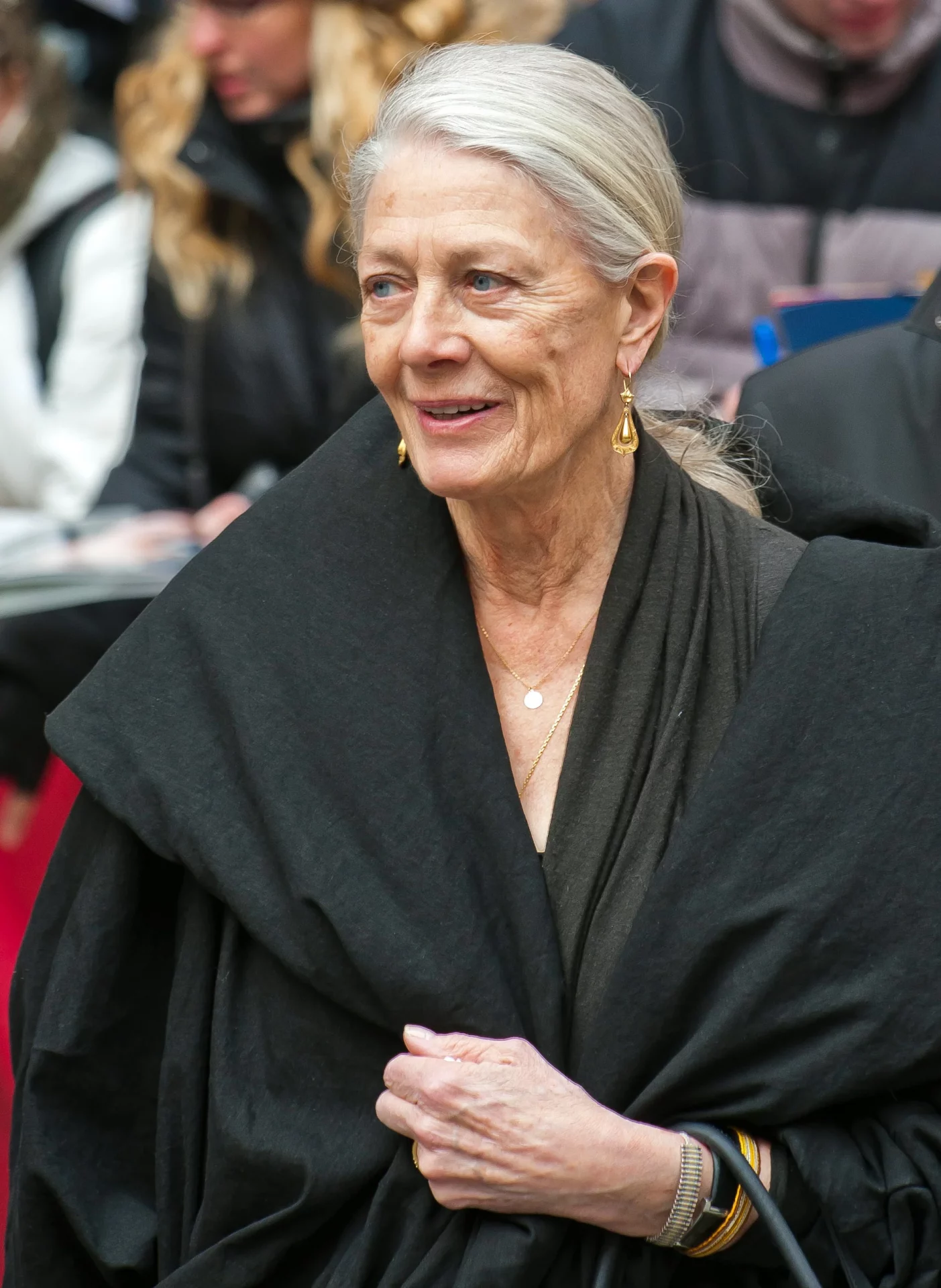
Outside the 1978 Academy Awards, demonstrators set fire to an effigy of Vanessa Redgrave labeled with the word murderer. Inside, she won. She had funded and narrated a documentary sympathetic to the Palestine Liberation Organization, and the Jewish Defense League had picketed her nomination, burned that effigy, and, by several accounts, placed a bounty on her head. The Academy gave her the Best Supporting Actress Oscar for Julia regardless.
Then she walked to the microphone and made it worse. Redgrave thanked the membership for refusing to be intimidated by what she called a small bunch of Zionist hoodlums, drawing gasps and boos from the floor; later in the same ceremony the screenwriter Paddy Chayefsky took the stage specifically to rebuke her. It is still cited as the most nakedly political night in Oscar history, and it cost her screen work for years. She has never taken a word of it back.
She comes from a theatrical dynasty – daughter of Michael Redgrave, mother of Natasha Richardson – and she gathered every major acting honor across a very long career. But the Triple Crown itself had to wait until 2003, when she won the Tony for playing Mary Tyrone in Long Day’s Journey into Night. The most coveted prize in her profession went, in the end, to the performer the industry had once worked hardest to drive out.
Maggie Smith

Maggie Smith won more of these three awards than anyone else who ever completed the Triple Crown – seven in total: two Oscars, four Emmys, and a Tony. The first Oscar came in 1969, for the title role in The Prime of Miss Jean Brodie; the second, in 1978, for California Suite, in which, with a perfectly straight face, she played an actress losing an Oscar. The Tony followed in 1990, for Lettice and Lovage, a comedy Peter Shaffer built to fit her exactly.
She took the final leg in 2003 with an Emmy, for the HBO film My House in Umbria, and might reasonably have considered herself done. Instead came the strangest chapter of all. In her mid-seventies she was cast as the Dowager Countess of Downton Abbey, a tart-tongued aristocrat she played for five years and three further Emmys, and who turned a respected stage actress of fifty years’ standing into a worldwide celebrity.
She was unmoved by the fame and unimpressed by its source. Smith cheerfully admitted she had never once watched Downton Abbey, even after it finished, explaining that there came a point when it was simply too late to catch up. She had led, by her own account, a perfectly normal life until the show turned up. When she died in 2024, at eighty-nine, a king and a prime minister reached, separately, for the same two words: national treasure.
Al Pacino
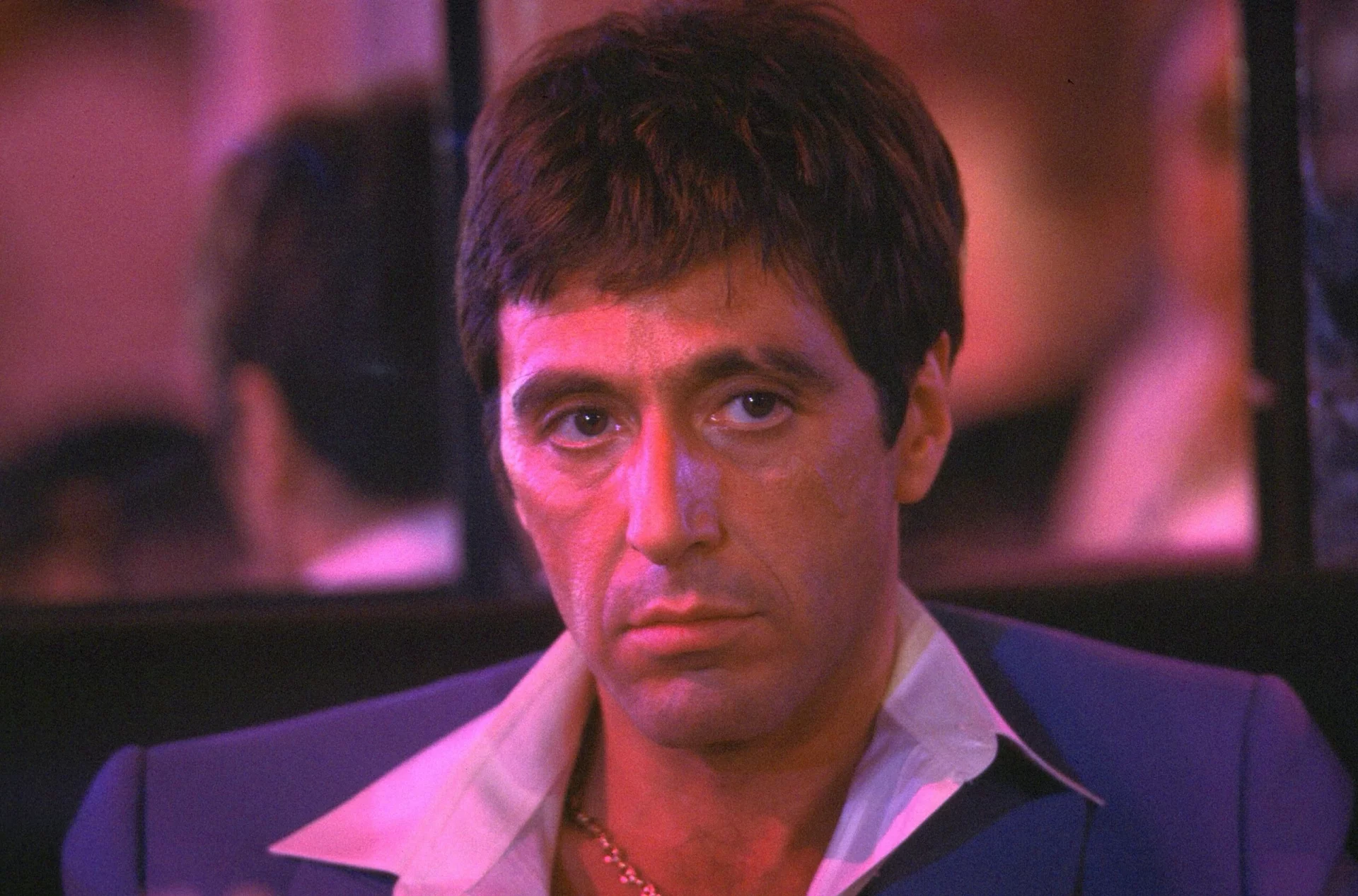
Eight times the Academy nominated Al Pacino for an Oscar, and the first six times it sent him home with nothing – twice as Michael Corleone, once as Serpico, once as the cornered bank robber of Dog Day Afternoon, and twice more besides. It did not relent until 1992, for Scent of a Woman, in which he played a blind, barking retired colonel and danced a tango – a win many read as the Academy quietly settling a long-overdue debt. On the very night he took it, he lost yet again, an eighth nomination, for Glengarry Glen Ross.
What few of the moviegoers groaning at his losses realized was that the stage had crowned him long before. Pacino won his first Tony in 1969, for a Broadway play with the title Does a Tiger Wear a Necktie?, three years before The Godfather made his face famous. A second Tony arrived in 1977. The third leg, though, would not come until 2004.
It was an Emmy, for playing Roy Cohn – Joseph McCarthy’s bloodless attack dog – in the television production of Angels in America. So the rarest set of trophies in acting belongs to a man who began on the stage as an unknown, spent two decades as the most decorated loser at the Oscars, and finished the whole thing on television, inhabiting one of the most loathsome figures the American century produced.
Geoffrey Rush
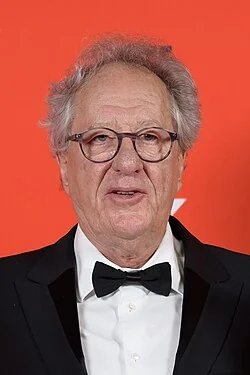
The only Australian ever to win acting’s Triple Crown did not appear in a film of any consequence until he was forty-five. Geoffrey Rush had spent more than two decades on Australian stages, studying physical theater in Paris and playing what he cheerfully called the drunks, the rogues, the ratbags, and the wise fools, when Shine arrived in 1996. He played David Helfgott, the pianist whose mind came apart and slowly reassembled, doing nearly all the playing himself, and won the Academy Award for Best Actor.
His Emmy was a neat piece of casting. In 2004 he played Peter Sellers, the great chameleon who could vanish into anyone, in the HBO film The Life and Death of Peter Sellers – one disappearing act impersonating another – and won. To most audiences he is neither of these men but Captain Barbossa, the rotting pirate of the Pirates of the Caribbean films, which is its own kind of disappearing.
The leg that finished the set was a Tony, in 2009, for his Broadway debut in Exit the King, a comedy by Eugene Ionesco about a monarch who refuses to accept that he is dying. Rush remains the only one of these winners his own country has produced. Given how many Australian stars have since come close – Blanchett, Crowe, Kidman, none of them with the stage leg – he may hold that distinction a while yet.
Ellen Burstyn
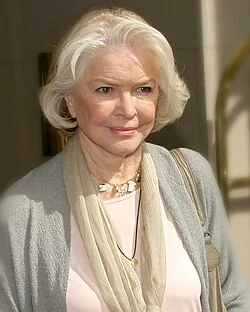
In 2006, the Television Academy nominated Ellen Burstyn for an Emmy on the strength of fourteen seconds of screen time. Her entire performance in the HBO film Mrs. Harris ran to fourteen seconds and thirty-eight words, two short lines in a single flashback, which struck a great many people as proof that Emmy voters were ticking off famous names rather than watching the work. Burstyn thought it was wonderful. Her next ambition, she told reporters, was a nomination for seven seconds, and after that a picture in which she did not appear at all.
The joke landed because the Emmy was the one award she had gone decades without. Burstyn won the Academy Award for Alice Doesn’t Live Here Anymore and the Tony for Same Time, Next Year in the same year, 1975, and then watched television withhold the third leg for thirty-four years. The academy answered the Mrs. Harris uproar by writing what the trades dubbed the Burstyn Rule, which requires a nominee to have appeared in at least five percent of whatever earned the nomination.
The Emmy that completed her Triple Crown arrived in 2009, for a single guest episode of Law and Order: Special Victims Unit, in which she played Detective Stabler’s troubled mother. One episode, a whole performance this time, and the rarest set of trophies in acting belonged to her at seventy-six. She is ninety-three now, and still working.
Christopher Plummer
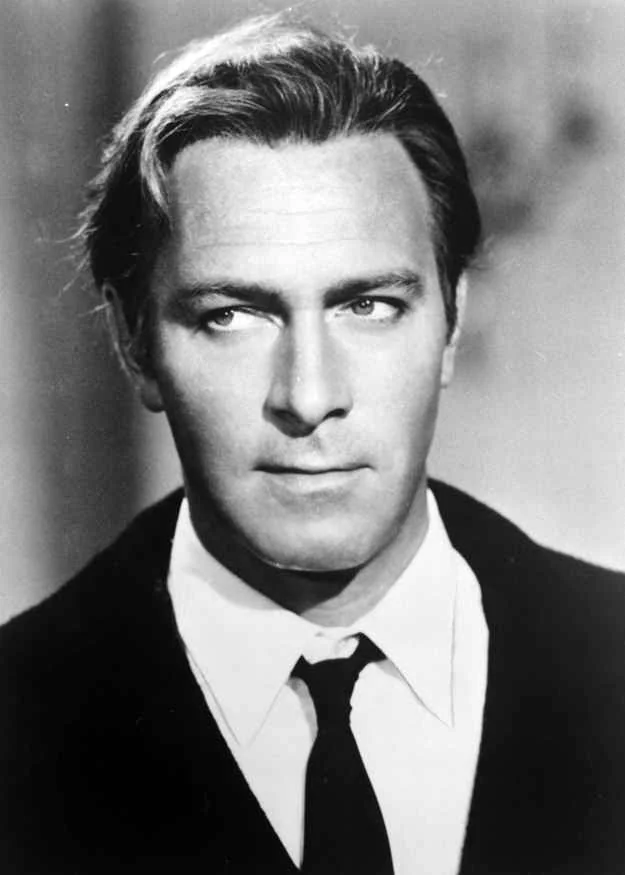
There was no film Christopher Plummer enjoyed insulting more than the one that made him famous. He played Captain von Trapp in The Sound of Music in 1965, called the part gooey and sentimental, and spent the next half century referring to the picture as “The Sound of Mucus.” It made him a household face in a hundred countries. He found that faintly mortifying and said so, often.
The stage was where his regard sat, and it rewarded him early: a Tony in 1974 for the musical Cyrano, a second in 1997 for playing the actor John Barrymore, and two Primetime Emmys along the way. The Oscar was the holdout, and a strange one. Plummer, a major figure on the stage for fifty years, was not even nominated for an Academy Award until he was eighty, for The Last Station in 2010. He lost.
Two years later he won it, for playing a man who comes out as gay in his seventies in Beginners. At eighty-two he became the oldest performer ever to win a competitive acting Oscar, a record he held until Anthony Hopkins broke it in 2021, and that win completed his Triple Crown. He died in 2021, at ninety-one, handed at the very end, and for a small independent film, the one award a long and celebrated career had otherwise denied him.
Helen Mirren
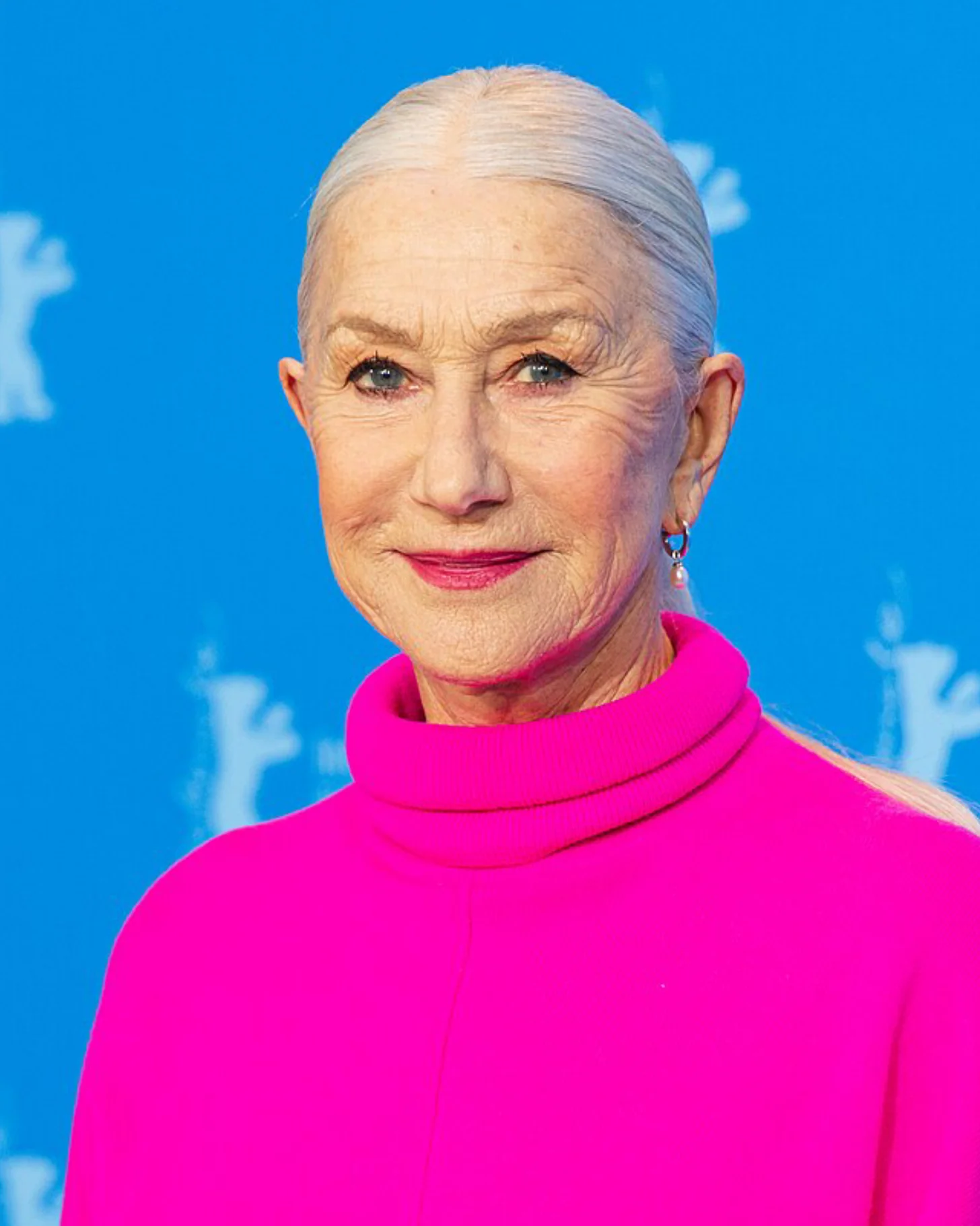
Playing the reigning Queen of England is not a part that comes up often, and Helen Mirren has done it for two of them. She is the only performer to have portrayed both Elizabeth I and Elizabeth II on screen, the first in a 2005 television miniseries and the second in the 2006 film The Queen, which won her the Academy Award. One actress, two queens, more than three centuries apart.
The Tony that completed her American Triple Crown was the second Elizabeth again, on a stage. In 2015 she won Best Actress in a Play for The Audience, Peter Morgan’s drama imagining the Queen’s private weekly meetings with a succession of her prime ministers, a role she had originated in London two years earlier. So Mirren won an Oscar for playing Elizabeth II at the movies and a Tony for playing her in the theater, which is a tidy way to assemble two-thirds of a Triple Crown.
There is a further distinction, and it belongs to her alone. Mirren also holds the British Triple Crown, the BAFTA Film, BAFTA Television, and Olivier Award treble, which makes her the only person ever to complete the feat on both sides of the Atlantic. Two countries, two complete sets, and several of those wins earned for playing a woman who spent her own life handing out honors.
Frances McDormand
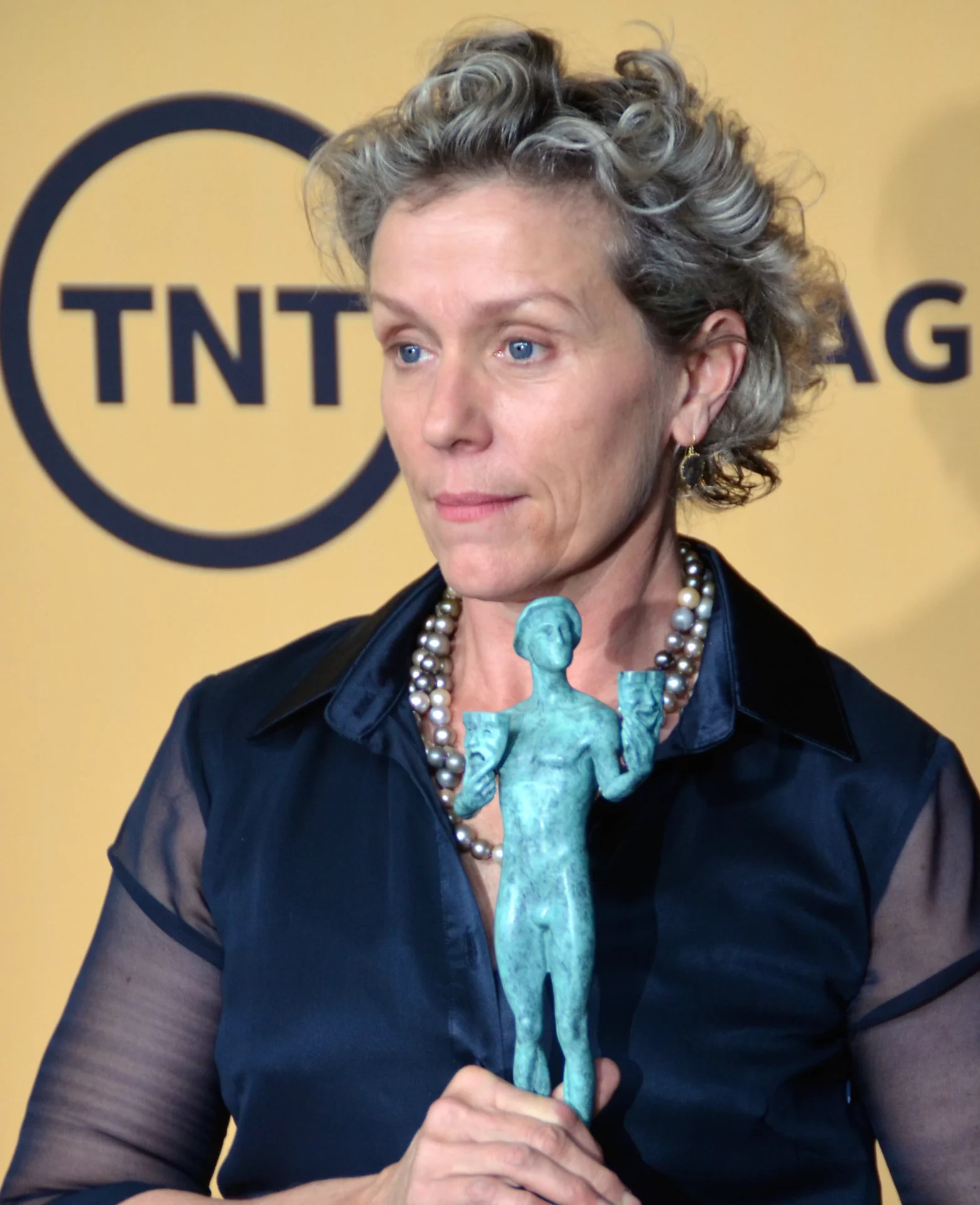
Hollywood has given Frances McDormand three Academy Awards for Best Actress, a tally only Katharine Hepburn has ever beaten, and she has spent the whole time making clear she would rather it left her alone. She won for the pregnant Minnesota police chief in Fargo, for the furious grieving mother of Three Billboards Outside Ebbing, Missouri, and for the van-dwelling widow of Nomadland, three roles built around women with no interest in being looked at, played by an actress who feels much the same.
The first of the Oscars came for Fargo in 1996. Her Tony followed in 2011, for Good People, as a broke single mother in South Boston, and the Emmy that completed the set arrived in 2015, for the title role in HBO’s Olive Kitteridge.
McDormand has accepted these honors with conspicuous reluctance. At the 2018 Oscars she ended her speech with two words, “inclusion rider,” a contract clause to force diversity in hiring, then sat down and let the room work out what she meant. She lives mostly out of the spotlight, married to the director Joel Coen, turning up for the kind of small, unglamorous films nobody expects to sweep anything. She has more Best Actress Oscars than every woman in history but one, and gives every impression of wishing the subject would not come up.
Jessica Lange

Few careers that end in two Academy Awards and acting’s Triple Crown begin with the actor screaming in the paw of a forty-foot mechanical ape and being mocked for it. Jessica Lange’s did. Her first film was Dino De Laurentiis’s 1976 remake of King Kong, a box-office hit in which she played the woman the ape carries up a skyscraper, and the reviews treated her, a former model, as decoration. She did not work in film again for nearly three years.
She spent the gap waiting tables at a Greenwich Village tavern and studying at the Actors Studio, until Bob Fosse handed her a small part in All That Jazz and the industry remembered she existed. The reappraisal, when it came, was total: a Best Supporting Actress Oscar for Tootsie in 1982, a Best Actress Oscar for Blue Sky in 1994, and three Primetime Emmys, two of them for the gleeful horrors of American Horror Story.
The leg that completed the set was a Tony, in 2016, for playing Mary Tyrone, the morphine-clouded mother in Eugene O’Neill’s Long Day’s Journey into Night. It is the same role, in the same wrenching play, that had finished Vanessa Redgrave’s Triple Crown thirteen years before. Of the twenty-four people who have done this, two got there on the strength of the same shattered woman.
Viola Davis
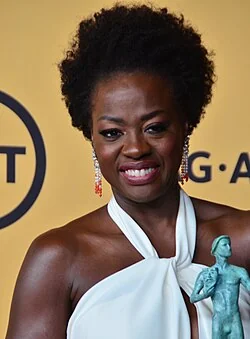
The only thing separating her from everyone who had won before, Viola Davis told the Emmy audience in 2015, was opportunity. She had just become the first Black woman to win the Emmy for lead actress in a drama series, in the award’s sixty-seven-year history, for How to Get Away with Murder. She opened the speech quoting Harriet Tubman and ended it by noting that you cannot win for roles that were never written.
She had the stage leg twice over already, both for August Wilson plays: a 2001 Tony for King Hedley II and a 2010 Tony for Fences, opposite Denzel Washington. When she reprised her Fences role, Rose Maxson, for the 2016 film, she won the Academy Award for it, which made her the first Black performer ever to complete acting’s Triple Crown.
Six years later she went further. The audiobook of her memoir, Finding Me, won a Grammy in 2023 and completed her EGOT, leaving her one of only three people, with Helen Hayes and Rita Moreno, to hold both that and the Triple Crown. She got there from a former plantation in South Carolina, by way of Juilliard and a long stretch of being paid almost nothing. The woman who stood up to say the roles were not there has since won just about every award the business hands out for playing them.
Glenda Jackson
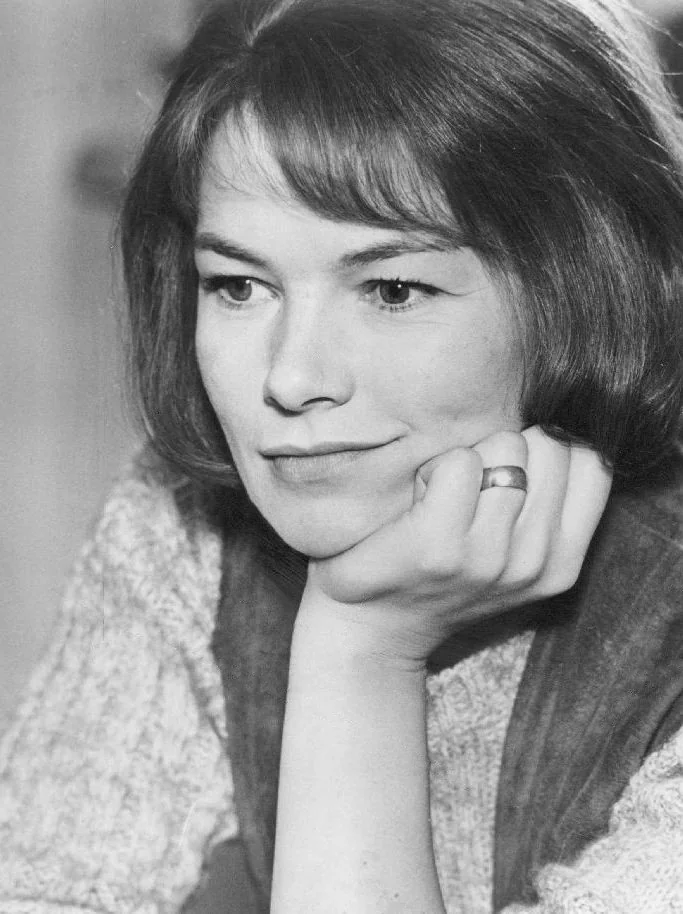
A general election in 1992 did something to Glenda Jackson’s acting career that no script ever had: it stopped it cold for twenty-three years. She had two Academy Awards by then, for Women in Love and the comedy A Touch of Class, and two Primetime Emmys for playing Elizabeth I in the BBC series Elizabeth R. She gave it all up to run for Parliament as a Labour candidate, won a north London seat, and spent the next two decades as a working MP, including a stint as a junior transport minister.
She left the Commons in 2015, at seventy-nine, and went back to the only other thing she knew how to do. Within a year she was playing King Lear on the London stage, a part she took on at eighty after a quarter-century away from acting, and the reviews were astonished.
Then, in 2018, she won the one award that had always eluded her. The Tony came for the Broadway premiere of Edward Albee’s Three Tall Women, on her fifth nomination, forty-seven years after her first Oscar. No one has ever taken longer to complete the Triple Crown, and no one is likely to, because the missing leg was claimed by a woman who had spent half the intervening time not acting at all, but governing. She died in 2023, at eighty-seven, having just finished one last film.
Frequently Asked Questions
Who is the youngest person to win the Triple Crown of Acting?
Ingrid Bergman, who finished in 1960, is the youngest. She won an Oscar for Gaslight in 1945 and a Tony for Joan of Lorraine in 1947, then waited thirteen years for the last leg: an Emmy for the television film The Turn of the Screw.
Who completed the Triple Crown of Acting the fastest?
Paul Scofield holds the speed record, taking all three in seven years. He won a Tony in 1962 for A Man for All Seasons, an Oscar in 1967 for the film version of the same role, Sir Thomas More, and an Emmy in 1969 for Male of the Species.
Who is the oldest person to complete the Triple Crown of Acting?
Christopher Plummer, at eighty-two. His Oscar for Beginners in 2012 was the final leg, and it arrived remarkably late: he had a Tony as far back as 1974 and two Emmys, but was not even nominated for an Academy Award until he was eighty.
Which Triple Crown winner has won the most of these three awards?
Maggie Smith, with seven, more than anyone else who completed it. She won four Emmys, two Oscars, and a single Tony across five decades, and three of those Emmys came very late in her life, for playing the Dowager Countess on Downton Abbey.
Who was the first man to win the Triple Crown of Acting?
Thomas Mitchell, who completed it in March 1953, only weeks behind Helen Hayes. The prize that completed his set was a Tony for the musical Hazel Flagg, which put the gruff character actor on stage to sing and dance – unlikely work for a man known for grave dramatic roles.
Do honorary or non-acting awards count toward the Triple Crown of Acting?
No. Every leg must be a competitive win in an acting category, which is why James Earl Jones is not counted: he held competitive Emmys and Tonys but only an honorary Oscar, given in 2011 for his career overall rather than one role.
How many Triple Crown winners have also completed the EGOT?
Three: Helen Hayes, Rita Moreno, and Viola Davis, each of whom later added a Grammy to hold both this and the EGOT. Hayes got there first, with a 1977 spoken-word Grammy, and Davis most recently, taking a 2023 audiobook Grammy for reading her memoir Finding Me.
- Television Academy – official Emmy winner records
- NPR – the Ellen Burstyn 14-second Emmy nomination and the rule it prompted
- Gold Derby – the oldest acting Oscar winners, Plummer and Hopkins
- Variety – Viola Davis completes the EGOT
- Entertainment Tonight – Glenda Jackson and the longest Triple Crown on record