Every U.S. President Who Died in Office (And How)
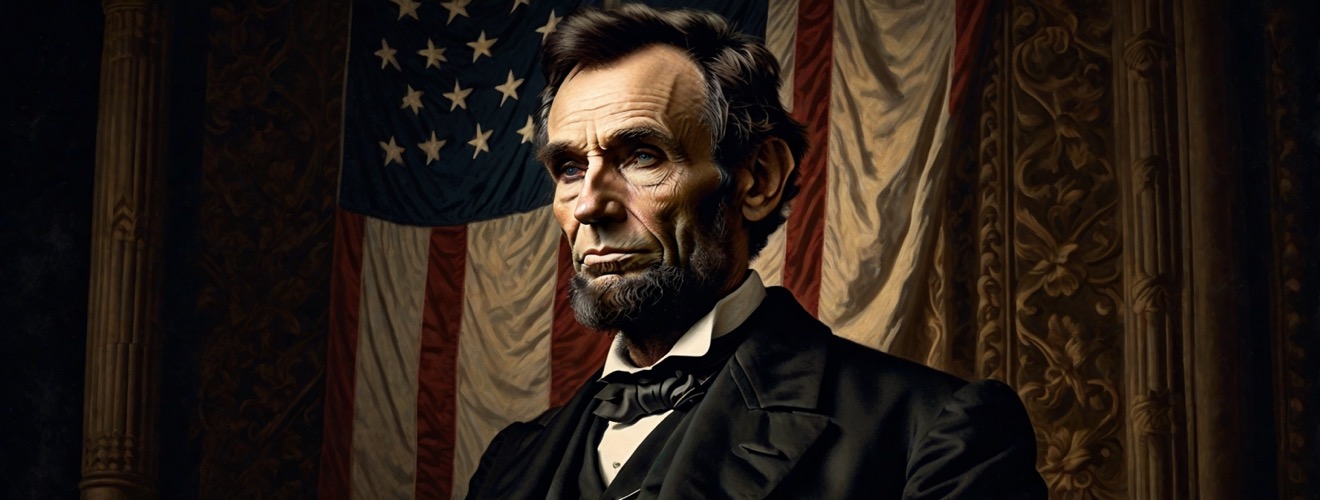
At 12:30 in the morning on April 4, 1841 – ‘thirty minutes before 1 o’clock,’ as the Cabinet’s announcement put it – William Henry Harrison became the first American president to die in office, and Washington discovered that nobody quite knew what was supposed to happen next. On April 6, Vice President John Tyler arrived in the capital and swore a new presidential oath; within a week he had moved into the White House and claimed the full office rather than some acting version of it. Not everyone was persuaded. John Quincy Adams complained that Tyler ‘styles himself President of the United States, and not Vice-President acting as President, which would be the correct style,’ and critics settled on a nickname: His Accidency.
The gamble held, and it hardened into what historians call the Tyler Precedent: when a president dies, the vice president simply becomes president. It stayed an unwritten rule from 1841 until the 25th Amendment finally wrote it into the Constitution in 1967, and in between it was used eight times. The vice presidents who inherited the presidency across those eight successions all took power on the strength of a precedent one man simply asserted; every death on this list happened before the written rule existed.
The deaths are also a study in the medicine of their eras, which more than once did the dying man no favors. The full roster of every U.S. president runs to 45 distinct individuals, and eight of them died in the job. What follows is each of the eight, in order – what killed them, and the strange specifics the official record keeps better than the textbooks do.
Eight U.S. presidents have died in office. Four died of natural causes – William Henry Harrison, Zachary Taylor, Warren G. Harding, and Franklin D. Roosevelt – and four were assassinated – Abraham Lincoln, James A. Garfield, William McKinley, and John F. Kennedy. The deaths run from April 1841 to November 1963.
William Henry Harrison
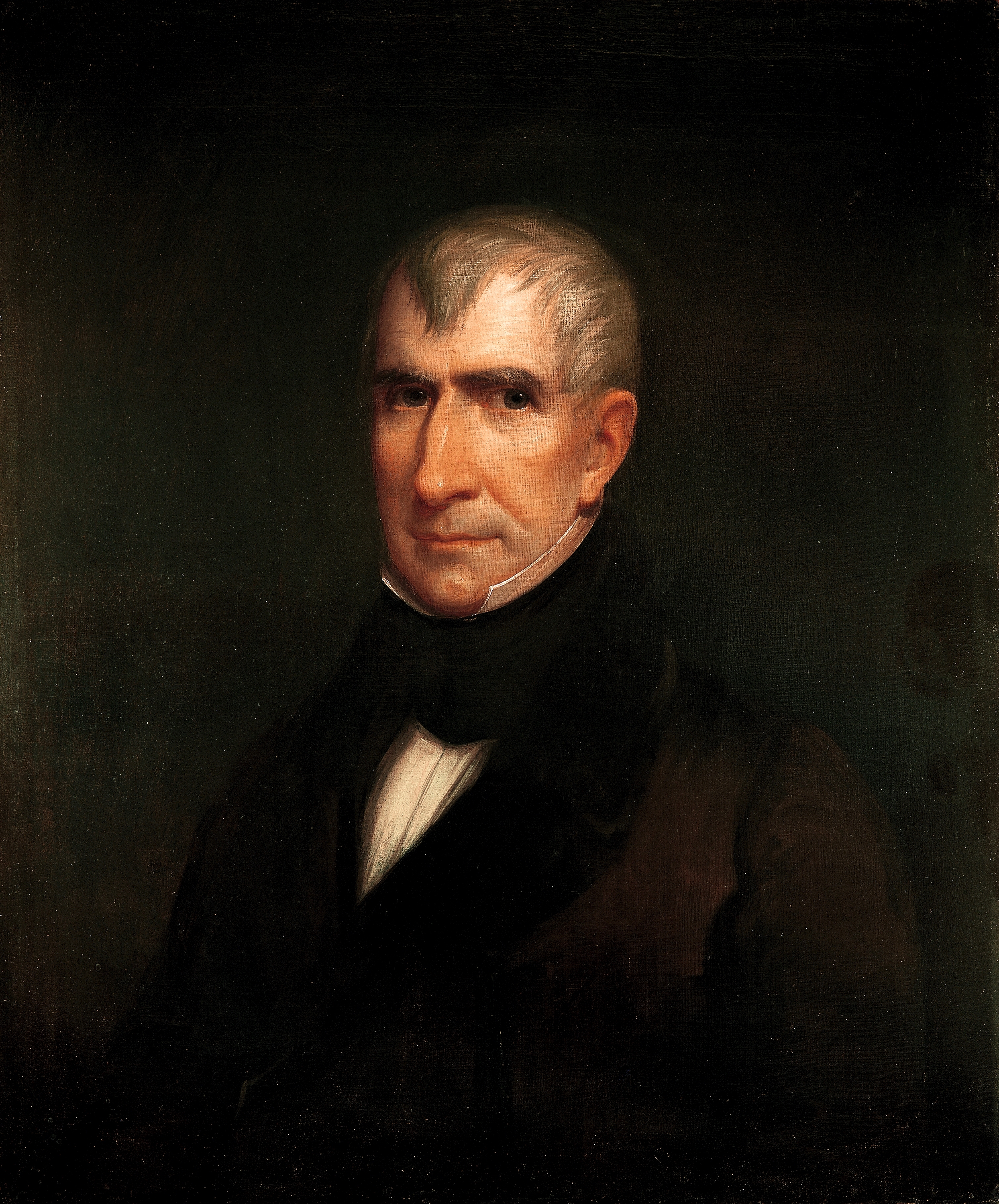
The most repeated fact about William Henry Harrison’s death – that a marathon inaugural address in miserable weather killed him – now comes with an asterisk. The speech itself is not in dispute. On March 4, 1841, Harrison spoke for nearly two hours in cold, wet weather without a coat or hat, greeted well-wishers at a round of receptions still in his damp clothes, and came away with a bad chill. Within days the chill had turned to pneumonia, which remains the official cause of death in the Miller Center’s account of his presidency.
His doctors then did what 1841 medicine demanded, which is to say they made everything worse. Harrison was bled, cupped with heated suction, and finally subjected to Native American remedies, one of which involved live snakes. He died on April 4, 1841, one month to the day after taking office, the Cabinet’s announcement recording that his last words expressed ‘a fervent desire for the perpetuity of the Constitution and the preservation of its true principles.’
The asterisk arrived in 2014, when Jane McHugh and Philip A. Mackowiak reexamined his physician’s case notes in Clinical Infectious Diseases and argued that what actually killed Harrison was enteric fever – typhoid, in effect. The White House drew its drinking water from a source ‘just seven blocks downstream of a depository for night soil, hauled there each day at government expense.’ If they are right, the speech was innocent all along. The water was not.
Zachary Taylor
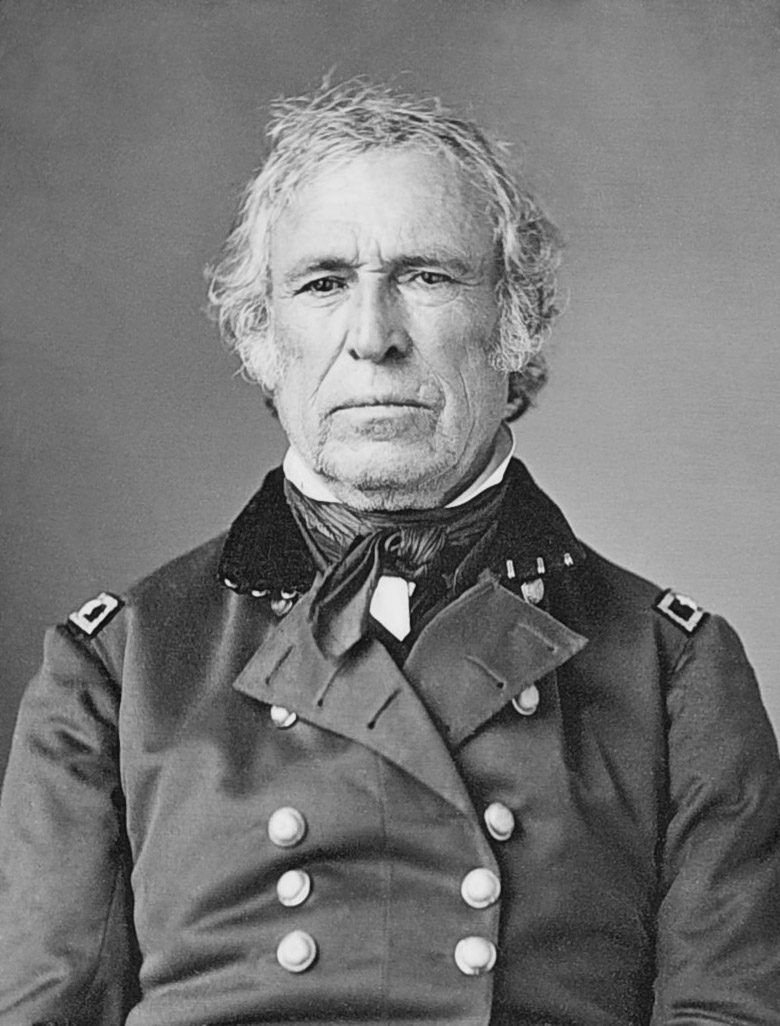
Zachary Taylor spent July 4, 1850 at Independence Day ceremonies in Washington, came back to the White House overheated, and cooled off with iced water and a large quantity of cherries and other fruit. That, anyway, is the official record’s version. The famous jug of iced milk turns up only in later secondary accounts, where the whole meal hardens into the ‘cherries and milk’ of legend.
Whatever he consumed, he was soon in severe abdominal distress. His physicians diagnosed cholera morbus, a nineteenth-century catch-all for violent gastric illness rather than the epidemic disease, and worked through the era’s pharmacy: calomel, a mercury-based purgative, then quinine, then opium. Nothing helped. Taylor declined for five days, reduced near the end to slivers of ice because he could hold nothing else down, and died on July 9. That morning he had called his wife to him: ‘I have always done my duty, I am ready to die.’
He had the resume for the line. A soldier since his 1808 commission – forty years of service, by the American Battlefield Trust’s count – Taylor capped his career at Buena Vista, where his outnumbered army beat a Mexican force the Miller Center puts at some 20,000 men. The victory carried the veteran general into the White House, and onto the roster of U.S. presidents who were also generals. He served about sixteen months. His funeral drew roughly 100,000 spectators, a hearse drawn by eight white horses, and his warhorse Old Whitey, led riderless behind.
Abraham Lincoln
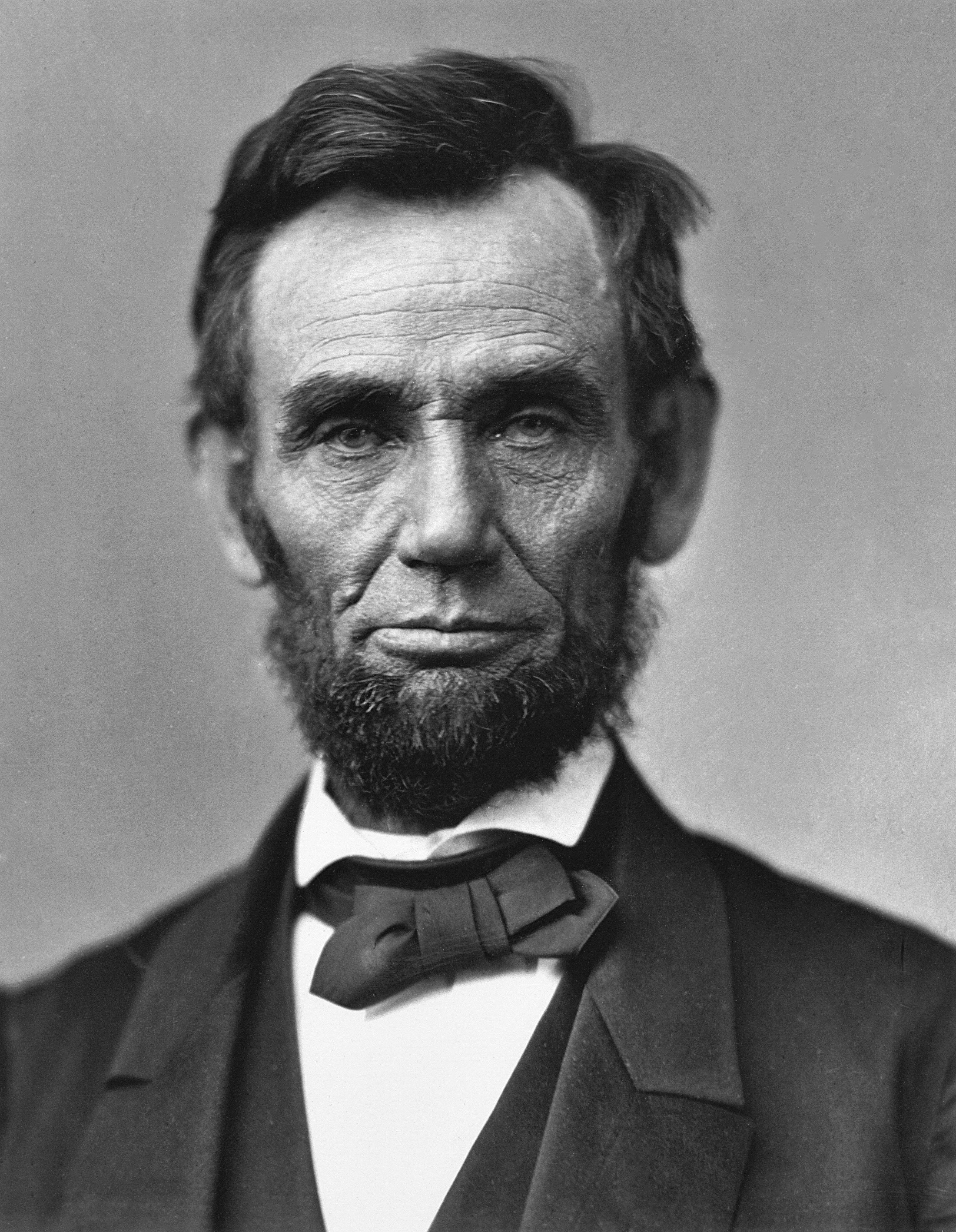
At about 10:15 on the night of April 14, 1865, John Wilkes Booth shot Abraham Lincoln in the back of the head at Ford’s Theatre, during a performance of ‘Our American Cousin.’ Booth, an actor, had reportedly hardened from kidnapping to murder after hearing Lincoln argue for Black suffrage on April 11 – and that is as much space as he gets here. Charles Leale, an Army assistant surgeon, reached the box first, and as the president was carried into the street a boarder named Henry Safford shouted ‘bring him in here!’ from the doorway of Petersen House. Lincoln, six feet four inches tall, did not fit the bed and was laid across it diagonally.
No surgery could touch the wound. The night’s care was comfort: clothes removed, windows opened for air, blankets to keep him warm, while Cabinet members kept vigil. He died at 7:22 the next morning, roughly nine hours after the shot, without regaining consciousness. ‘Now he belongs to the ages,’ Secretary of War Edwin Stanton is reported to have said. Andrew Johnson took the presidential oath that same morning.
From April 19 to 21, Lincoln became the first president, though not the first person, to lie in state in the Capitol Rotunda – Senator Henry Clay had the honor first, in 1852. Some 40,000 mourners filed past at about 3,500 an hour, and the catafalque carpenters built for his coffin has been used for most such honors since, Kennedy’s included.
James A. Garfield
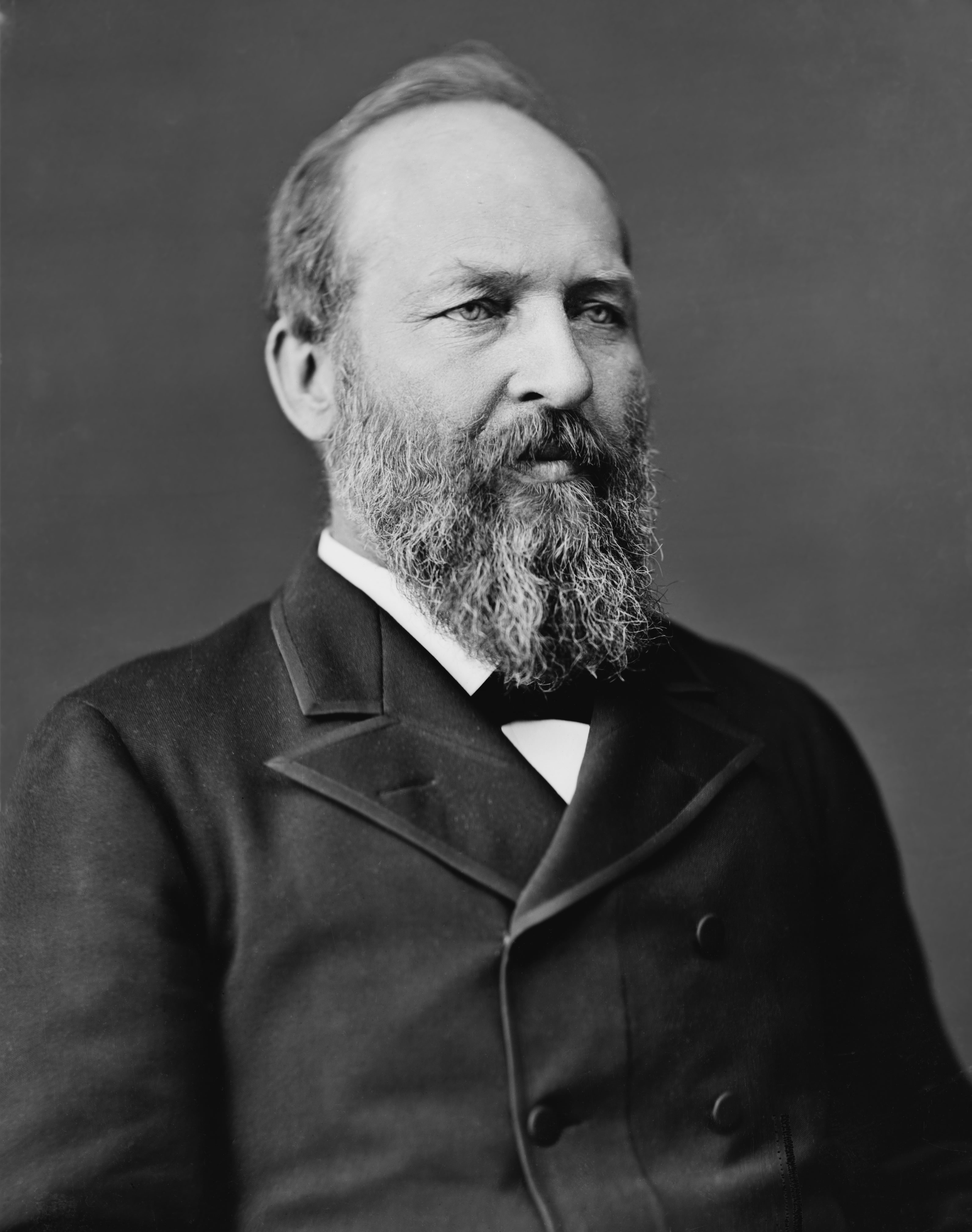
D. Willard Bliss, the physician who took charge of James Garfield’s case the day he was shot, kept it to the end, a grip history has argued over since. Charles Guiteau, an office-seeker refused a government appointment, shot him at 9:20 a.m. on July 2, 1881, at Washington’s Baltimore and Potomac station. What exactly killed Garfield is still argued; what happened next is not. For weeks, Bliss and his colleagues probed the wound with unwashed, unsterile fingers and instruments, hunting a bullet they never found in life.
The hunt produced one of the strangest medical scenes of the century. Alexander Graham Bell arrived with an induction-balance metal detector that had already found bullets hidden in cotton, beef, and wounded Civil War veterans, and swept it over the president on July 26 and August 1, getting only faint, garbled signals. For the second exam Bell later traced the fault: the detector had been reading the coil springs of Garfield’s mattress. The autopsy located the bullet far from anywhere doctors or machine had searched.
Garfield died on September 19, 1881, at Elberon, New Jersey, 79 days after the shooting – the longest dying on this list. A Library of Congress account holds that the mishandling ‘likely contributed to the President’s death from infection rather than the bullet wound itself’; a 2018 paper in The American Surgeon counters that ‘his surgeons followed the standards of care of the time.’ Guiteau, at trial, was blunter: ‘The doctors killed him; I did not kill him.’
William McKinley
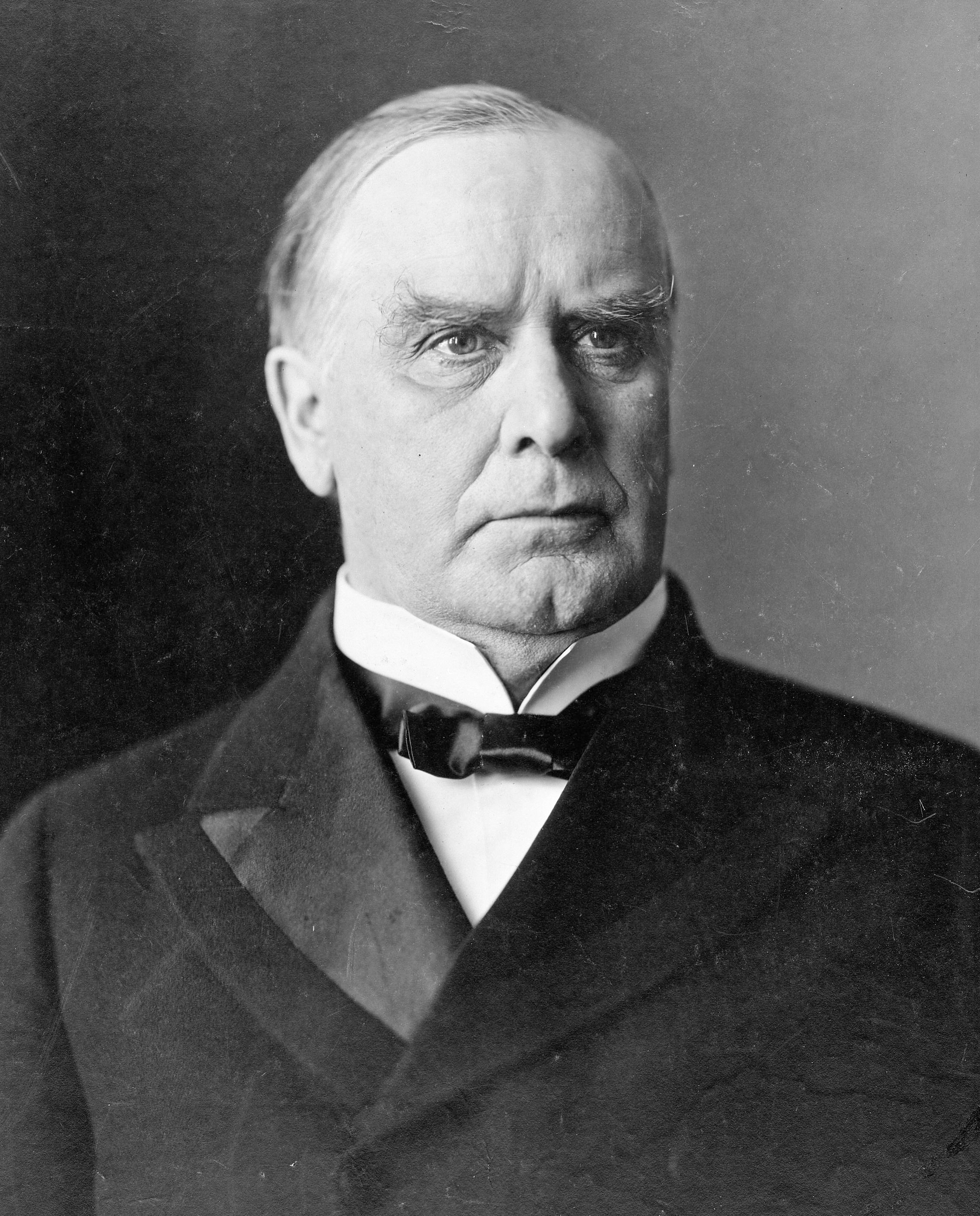
For days after the shooting, William McKinley appeared to be recovering. Leon Czolgosz, a 28-year-old mill worker with anarchist convictions, had shot him with a .32 caliber Iver Johnson revolver at 4:07 p.m. on September 6, 1901, in the Temple of Music at Buffalo’s Pan-American Exposition. Wounded, McKinley told his guards not to hurt his assailant, then turned to his private secretary: ‘My wife, be careful, Cortelyou, how you tell her – oh, be careful.’ He was carried to the fairground’s makeshift operating room, where Dr. Matthew D. Mann and three assistants worked as the light failed, one doctor tilting a hand mirror to throw the setting sun onto the wound.
An X-ray machine was available nearby. It was never used on the president – accounts differ on whether it was rushed to Buffalo or offered from the exhibits and declined – and the bullet was never located. The doctors’ optimism held for most of a week; then gangrene set in, and McKinley died at 2:15 a.m. on September 14, 1901, eight days after he was shot. Czolgosz went to the electric chair at Auburn Prison on October 29.
The third assassination of a sitting president finally moved Congress. Presidential protection was requested of the Secret Service that same year; in 1902 the agency took up the job full time, Theodore Roosevelt becoming the first president guarded around the clock, though permanent statutory authorization waited until 1913. Lincoln and Garfield, apparently, had not been argument enough.
Warren G. Harding
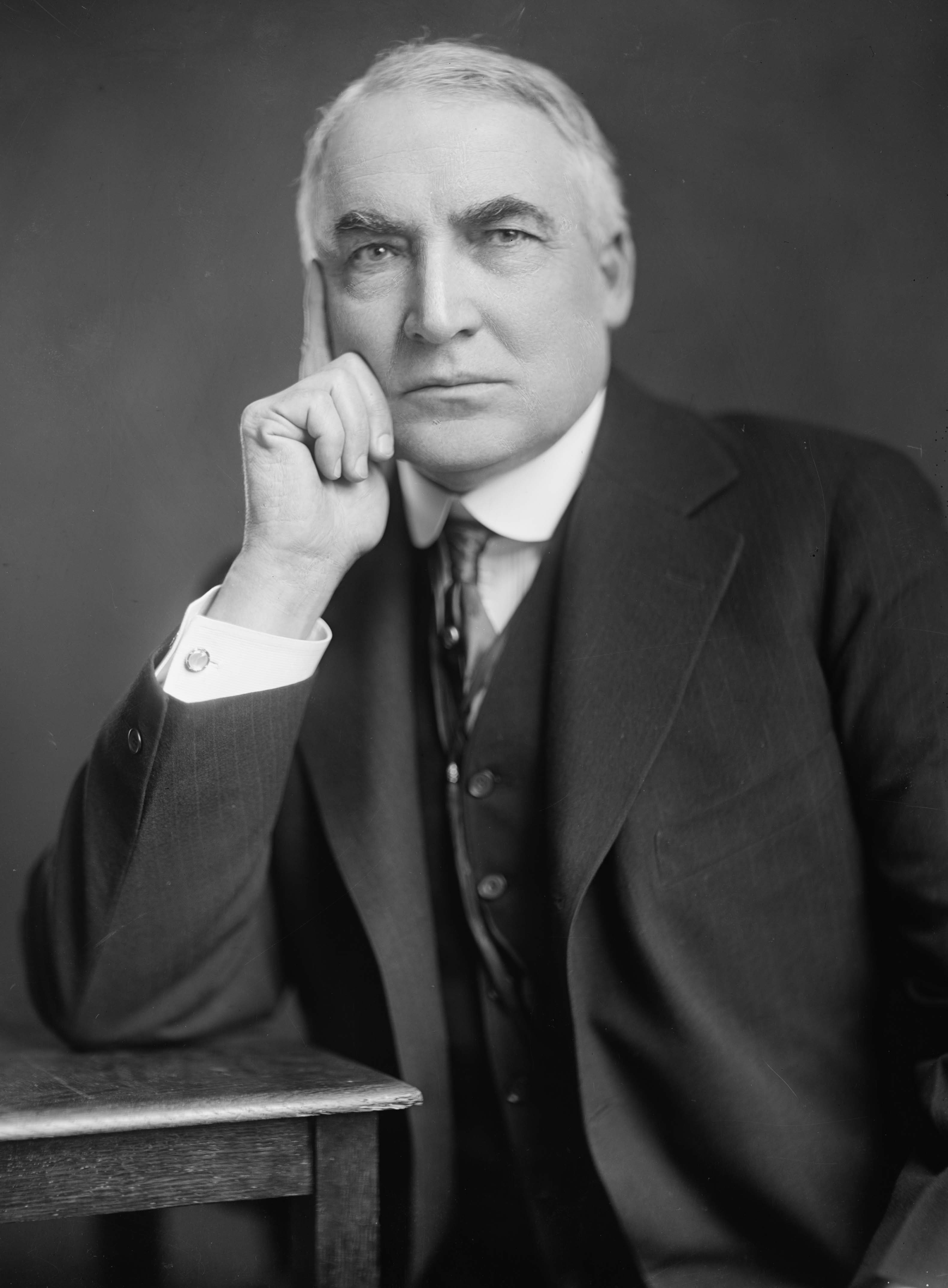
On the evening of August 2, 1923, in San Francisco, Florence Harding sat reading to her husband when he died – suddenly, mid-recovery, with his doctors’ reassurance still fresh. Warren Harding had left Washington on June 20 for a journey billed as the ‘Voyage of Understanding,’ a speaking tour across the West that pushed on to Alaska; by the time the party reached San Francisco on July 29 he was running a fever of 102 and visibly failing. Then he seemed to rally. On August 2 his doctors issued an optimistic bulletin. He was dead just nine hours later.
The attending physicians attributed death to ‘apoplexy or a rupture of a blood vessel in the axis of the brain near the respiratory center.’ The modern judgment is blunter – ‘It is now clear that Harding died of a heart attack,’ as the historian Robert H. Ferrell put it – but it is a judgment made forever at a distance, because Florence refused to allow an autopsy. That refusal fed something stranger.
In 1930, a former federal investigator named Gaston Means published The Strange Death of President Harding, claiming Florence had poisoned her husband. The book’s own co-author, May Dixon Thacker, denounced it as a hoax in October 1931, and J. Edgar Hoover called Means ‘the greatest faker of all time.’ The poisoning story survives anyway, in the way stories do when a president dies suddenly, far from Washington, with no autopsy and an optimistic bulletin nine hours old.
Franklin D. Roosevelt
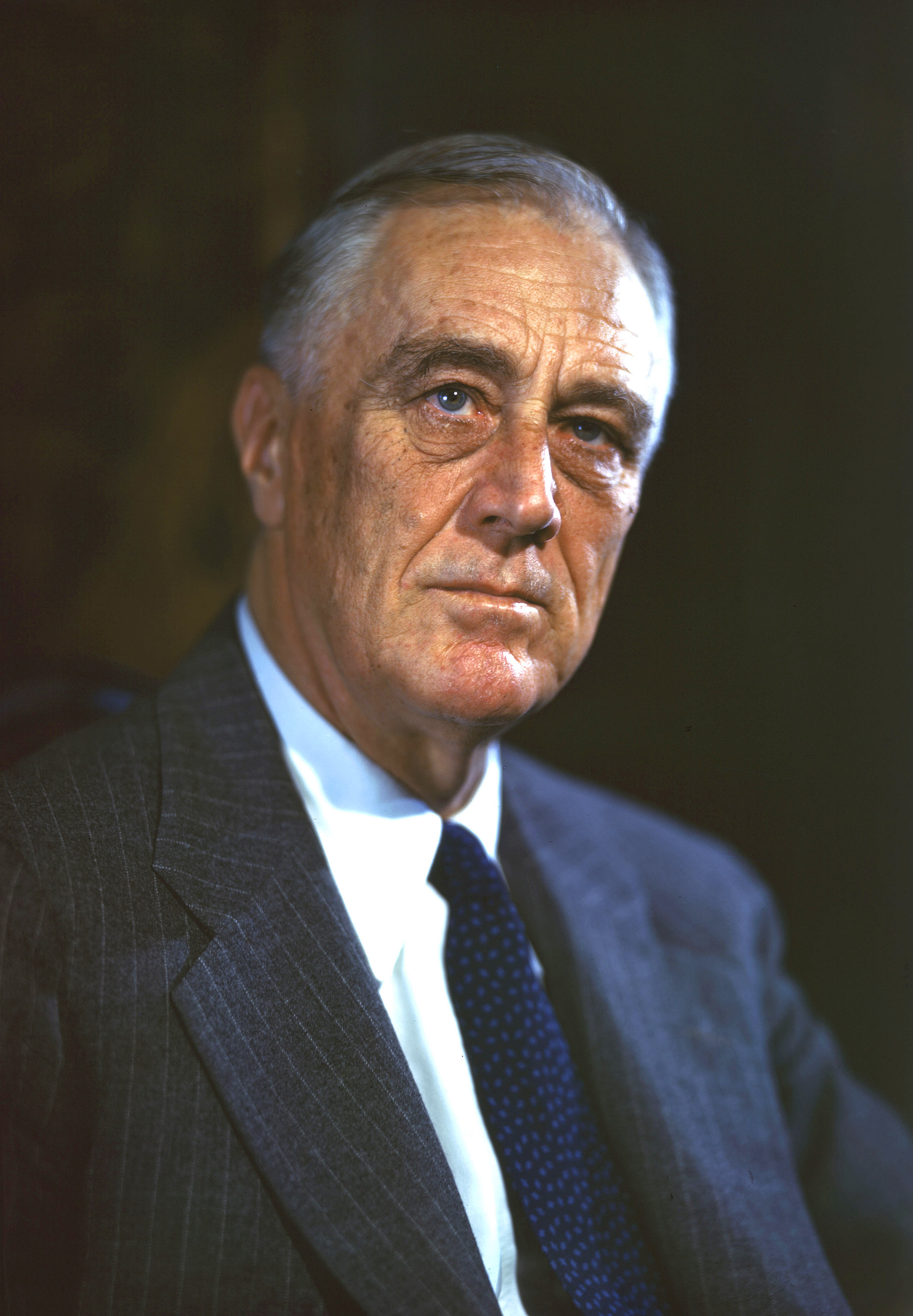
Eighty-two days into his fourth term, Franklin Roosevelt sat for a portrait at Warm Springs, Georgia – the Little White House, the retreat he had first visited for polio treatment in 1924 – while the painter Elizabeth Shoumatoff worked at her easel. Around 1:00 in the afternoon of April 12, 1945, his head slumped forward and he told his cousin Daisy Suckley, softly, ‘I have a terrific pain in the back of my head.’ A doctor diagnosed a massive cerebral hemorrhage and injected adrenaline directly into his heart; Roosevelt was declared dead at 3:35 p.m.
The suddenness was real only to the public. In March 1944, the cardiologist Howard Bruenn had examined him and found hypertension, acute bronchitis, reduced lung capacity, and congestive heart failure; in July 1944, Dr. Frank Lahey warned that Roosevelt would likely suffer heart failure again within another term and be unable to complete it. None of it was disclosed. He campaigned through the fall, won a fourth term, and was inaugurated on January 20, 1945. Bruenn’s clinical notes stayed unpublished until 1970, when he finally laid them out in the Annals of Internal Medicine.
Harry Truman took the oath the same day Roosevelt died. Shoumatoff’s portrait was never completed; known ever since as the Unfinished Portrait, it hangs on a wall of the Little White House to this day.
John F. Kennedy
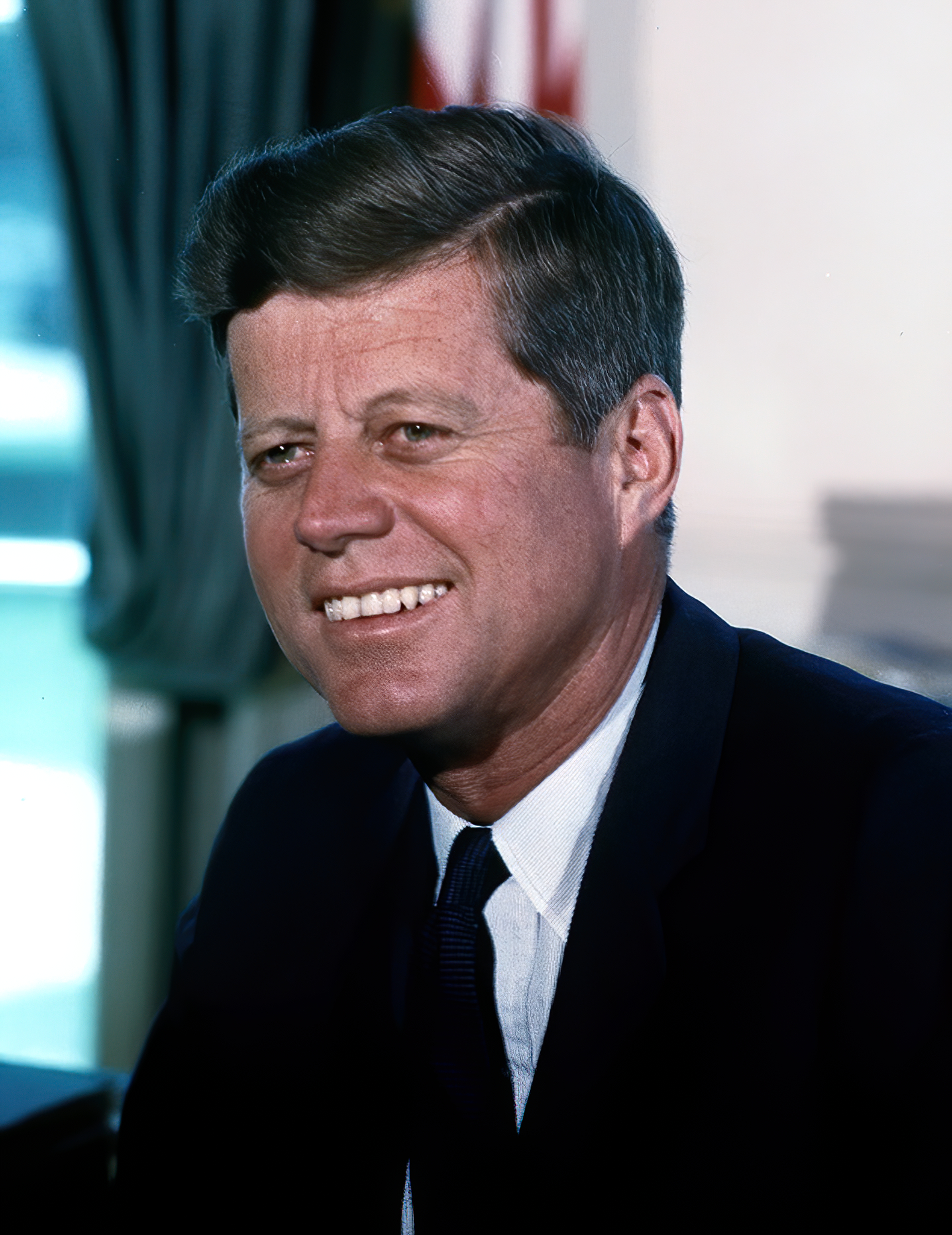
To the Secret Service detail that guarded him, John F. Kennedy was Lancer – one of the Secret Service code names given to presidents, part of a family set that also made Jacqueline Kennedy ‘Lace.’ The agency that named him could not save him. On November 22, 1963, riding through Dealey Plaza in a Dallas motorcade with the First Lady beside him, Kennedy was shot. He was rushed to Parkland Memorial Hospital and died shortly afterward. Lyndon Johnson was sworn in aboard Air Force One that same afternoon.
The official record stands where the Warren Commission left it: Lee Harvey Oswald acted alone. Oswald himself never reached trial – two days after his arrest he was shot dead by the Dallas nightclub owner Jack Ruby during a jail transfer – and that is all the space the assassination machinery gets on a list about the deaths themselves.
The mourning is what got the numbers. Kennedy’s state funeral was held on November 25, 1963, at Arlington National Cemetery, with representatives of 92 nations in attendance, and an estimated one million people lined the streets of Washington to watch the procession pass. Kennedy is the most recent president to die in office; the list has not grown since 1963.
Frequently Asked Questions
Which president served the shortest time in office?
William Henry Harrison, at 32 days by the Miller Center’s inclusive count. You will also see 31 days – the figure the Cabinet’s own 1841 death announcement used – and the gap is simply whether the first and last days are both counted. Either way, it is the shortest presidency any of the 45 distinct presidents served.
Which vice presidents became president when a president died?
Eight: John Tyler (1841), Millard Fillmore (1850), Andrew Johnson (1865), Chester A. Arthur (1881), Theodore Roosevelt (1901), Calvin Coolidge (1923), Harry Truman (1945), and Lyndon B. Johnson (1963). Coolidge’s swearing-in is the one worth retelling: the news arrived in the middle of the night, and the oath came from his own father, a justice of the peace.
Was Zachary Taylor poisoned?
Almost certainly not. His remains were exhumed on June 17, 1991, and forensic testing led by Kentucky’s chief medical examiner, Dr. George Nichols, found arsenic only at levels far below poisoning – to show arsenic poisoning, Nichols said, ‘the levels would have to be 200 if not thousands of times greater’ than what was found.
Did the Constitution always say the vice president becomes president?
No – not until the 25th Amendment, ratified February 10, 1967, was that written down. The original text left it unclear whether a vice president became president or merely acted as one; from 1841 the answer rested on the unwritten Tyler Precedent, while statutes of 1792, 1886, and 1947 set the line beyond the vice president.
- Miller Center of Public Affairs, University of Virginia – Death of the President essay series
- National Archives – Warren Commission Report, Appendix 7
- United States Senate – The Presidential Succession Acts
- Constitution Annotated – Twenty-Fifth Amendment, Historical Background
- The American Presidency Project, UC Santa Barbara – Public Announcement of the Death of President Harrison (1841)
- National Library of Medicine – Abraham Lincoln’s Last Hours
- National Park Service – The Tragedy and Triumph of President Garfield and Alexander Graham Bell
- Smithsonian Magazine – Why Warren Harding’s Sudden Death Sparked Rumors of Murder and Suicide