Every MLB Perfect Game in History
On June 2, 2010, in Detroit, Armando Galarraga retired the first 26 Cleveland Indians he faced. The 27th, Jason Donald, grounded to the right side, Miguel Cabrera fielded the ball and threw to Galarraga covering first, and Galarraga’s foot reached the bag before Donald’s did. First-base umpire Jim Joyce called Donald safe. Galarraga got the next man; the record book lists a one-hitter. Joyce, in SABR’s rendering of what he said in the umpires’ room afterward: “It was the biggest call of my career, and I kicked the (stuff) out of it.”
That is the trouble with a perfect game. It forgives nothing: not a hit, not a walk, not an error, not a pitch that grazes a sleeve. MLB.com places the successful ones “among the hundreds of thousands of AL or NL games played since Rutherford B. Hayes was in the White House.” They are not quite the rarest thing in sports. The unassisted triple play has happened less often, and horse racing has produced fewer Triple Crown winners.
The games below are the ones MLB itself recognizes, in the order they were pitched. They take in a World Series game, a future senator, a 40-year-old and a journeyman whose perfect game was his only complete game. Galarraga is not among them. The next day Joyce worked home plate, and the Tigers sent Galarraga out to hand him the lineup card. The two men shook hands, about as close to a happy ending as the rulebook allowed.
Twenty-four perfect games have been thrown in the American and National Leagues as of October 2026, from Lee Richmond’s on June 12, 1880 to Domingo German’s on June 28, 2023. Each game on MLB’s list, postseason included, lasted at least nine innings, and no opposing batter reached base in any of them by any means.
Lee Richmond
The first perfect game in major league history was thrown by a man who had not been to bed. The night before, Lee Richmond was in Providence for Brown University’s graduation festivities: a class supper, a session that ran all night and, at about 4:50 on Saturday morning, the class ball game. He went to bed around 6:30, caught the 11:30 train to Worcester, then beat Cleveland 1-0 without letting a single batter reach first base. He was still a student; the degree came on June 16, 1880, four days later.
It was not an elegant win. The only run scored in the fifth inning when Cleveland’s second baseman, Fred Dunlap, made two errors on the same play, and a rain delay of about five minutes in the eighth left Richmond drying the ball with sawdust before every pitch. The game took 1 hour 26 minutes. Contemporary newspaper reports called it “The most wonderful game on record,” and in 1880 nobody had grounds to argue.
Richmond, a 23-year-old left-hander, pitched the entire three-year history of the Worcester club and only two more full seasons after this one. Then he studied medicine, turned to teaching, and from 1890 taught Greek, history, physics, chemistry and mathematics at Toledo High School while coaching the baseball team and conducting the orchestra. In 1921 he became Dean of Men at the University of the City of Toledo, a post that presumably involved discouraging exactly the kind of night that had made him famous.
John Montgomery Ward
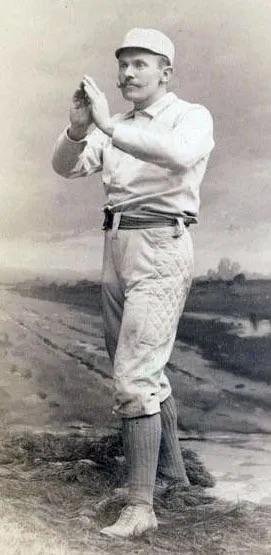
Five days later it happened again, about 40 miles down the road. On Thursday, June 17, 1880, John Montgomery Ward of the Providence Grays retired all 27 Buffalo batters in a 5-0 win at Messer Street Park, in a game whose start, according to SABR, had been moved up to 11 a.m. so it would not clash with that afternoon’s boat races. SABR’s reconstruction of the week says it plainly: “Two perfect games within a week defies all odds.”
Ward was 20 years and 106 days old, which makes him the youngest pitcher on this list; the next youngest, Catfish Hunter, was 22. He was hardly a novice. At 19 he had won 47 games, and he would finish 1880 with 39 wins and a 1.74 ERA in 595 innings. The man he beat that morning, Buffalo’s Pud Galvin, would join him in the Hall of Fame, the only two future members on the field.
The arm did not last. A slide on the basepaths injured it in 1884, and Ward reinvented himself as a shortstop and second baseman for the next 10 years, finishing with 2,107 hits. Along the way he earned a law degree from Columbia, helped found the Brotherhood of Professional Baseball Players and drove the 1890 Players’ League, which SABR calls “almost entirely the product of Ward’s energies.” The Hall of Fame elected him in 1964. The perfect game was the least radical thing he ever did in baseball.
Cy Young
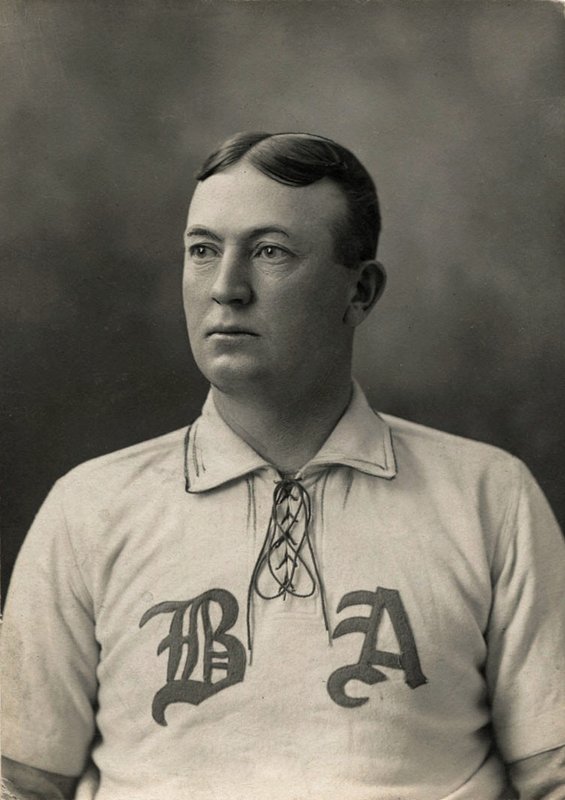
Rube Waddell made the mistake of gloating. The Philadelphia left-hander had beaten Cy Young 2-0 on April 25, 1904, and, by SABR’s account, “taunted the old pitcher, promising to beat him again.” On May 5 they met again at Boston’s Huntington Avenue Grounds, and Young, 37 and not ordinarily given to shouting at people, retired all 27 Athletics in a 3-0 win. Waddell was the last of them, flying out to center. Young then yelled at him, in SABR’s version, “How did you like that one, you hayseed?”
Nobody had thrown one in the American League before, or from the modern pitching distance of 60 feet 6 inches, and this one sat in the middle of something stranger: a run of 24 consecutive hitless innings across four appearances, a major league record. The catcher that day was Lou Criger, who doubled and scored, and who later turned up among the players on the first Hall of Fame ballot who never got in, with 7 votes in 1936.
Young himself got in easily. He won 511 games, a total the Hall of Fame describes as almost 100 more than any other pitcher, and he considered May 5, 1904 the greatest day he ever had in baseball. From a man with 7,356 innings to choose from, that is quite a recommendation.
Addie Joss
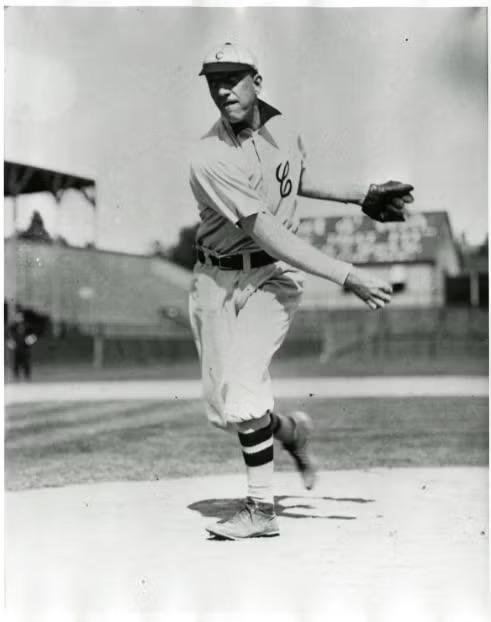
Ed Walsh struck out 15 Cleveland batters on October 2, 1908, allowed four hits and one unearned run, and lost. That is how good Addie Joss was that afternoon at League Park. With Cleveland a half-game behind Detroit and only a handful of games left in the season, Joss retired all 27 White Sox in a 1-0 win that took 1 hour 40 minutes, and he needed just three strikeouts to do it.
The run itself was a small comedy. Joe Birmingham singled in the third, got to third base on an error by first baseman Frank Isbell, and scored when a third strike got away from catcher Ossee Schrecongost: a wild pitch in the official scoring, a passed ball in SABR’s biography of Joss. In the ninth Chicago sent up three pinch hitters, and the last, John Anderson, hit a drive that landed just foul before grounding to third. Joss then declined to be carried off the field. “Suppose they had let me drop,” he said. “The season is not over yet.”
Cleveland finished a half-game short. Joss died of tubercular meningitis on April 14, 1911, two days after his 31st birthday, and that July an all-star team of American Leaguers played a benefit game for his widow. His career WHIP of 0.968 is the lowest in major league history among pitchers with at least 1,000 innings. The Hall of Fame sidestepped its ten-season rule to elect him in 1978. He had pitched nine.
Charlie Robertson
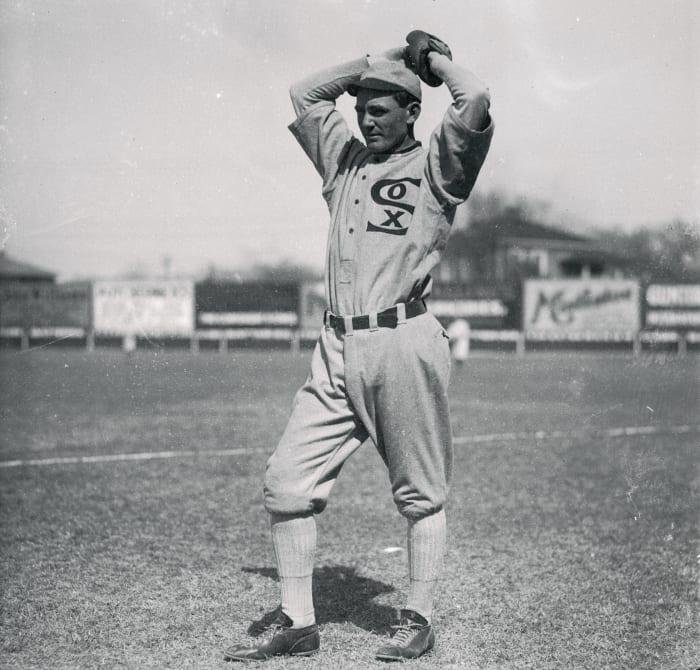
The 1922 Detroit Tigers hit .306 as a team, with Ty Cobb at .401 and Harry Heilmann at .356, and on April 30 a 26-year-old making his fourth career start retired all 27 of them. Charlie Robertson of the White Sox won 2-0 at Navin Field, his runs coming in the second inning on Earl Sheely’s single, and Detroit’s reaction was to assume he was cheating.
In the fifth inning Heilmann asked umpire Dick Nallin to inspect the ball, complaining, in SABR’s account, that Robertson was “either discoloring the ball or using some foreign substance.” In the sixth Cobb, who was also the Tigers’ manager, walked out to the mound and went over Robertson’s uniform himself. In the eighth he had the umpires check the glove of the first baseman, Sheely. Nothing turned up. No visiting pitcher had thrown a perfect game before, and the crowd of 25,000, spilling over the ballpark’s capacity behind ropes in the outfield, ended up carrying Robertson off the field on their shoulders.
He never came close again. Robertson finished 49-80, the lowest winning percentage of any pitcher on this list, and nobody threw another perfect game for 34 years. When a reporter tracked him down in 1956, he was a pecan broker in Texas, and he was modest about it: “My game didn’t make much of a lasting impression on me.” It had made a considerable one on Ty Cobb.
Don Larsen
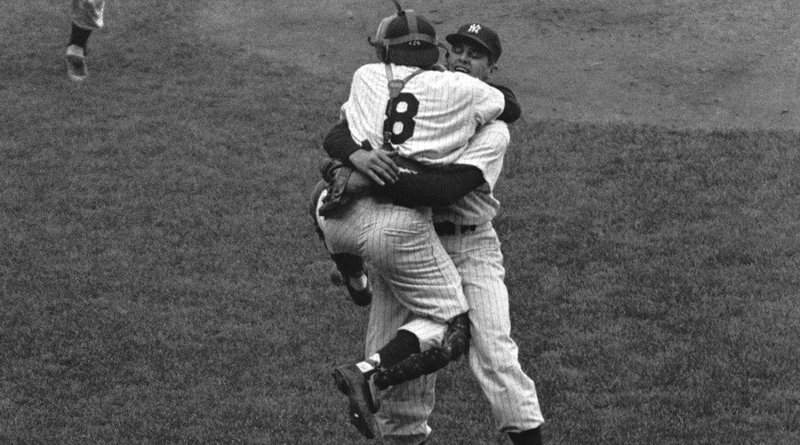
Three days before the only perfect game in World Series history, Don Larsen could not get out of the second inning. In Game 2 at Ebbets Field the Yankees handed him a 6-0 lead, and he walked four Dodgers, got five outs and was gone, in a game Brooklyn won 13-8. The Yankees gave him the ball again for Game 5 anyway.
This time he pitched without a windup, a delivery he had used only since September 3 and which, he joked, had been inspired by a comic book. He was ahead in the count on 21 of the 27 batters. Brooklyn’s Sal Maglie was nearly as good, perfect through three innings until Mickey Mantle homered in the fourth, and Mantle then ran down a deep Gil Hodges drive in left-center to keep the afternoon intact. By Baseball-Reference’s count Larsen threw 97 pitches before 64,519 people at Yankee Stadium.
The last out was pinch hitter Dale Mitchell, called out on strikes by umpire Babe Pinelli; it was Mitchell’s only strikeout in 29 World Series at-bats. Yogi Berra leaped into Larsen’s arms. Pinelli never worked home plate again and saw no reason to: “I won’t see a better pitched game.” Larsen had gone 3-21 for Baltimore two years earlier and would finish his career at 81-91, which makes October 8, 1956 the best argument ever made for giving a pitcher a second chance.
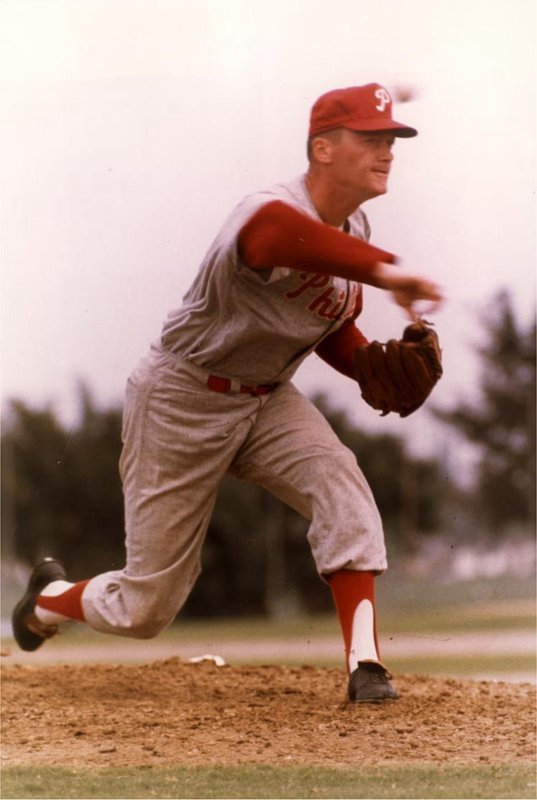
Jim Bunning
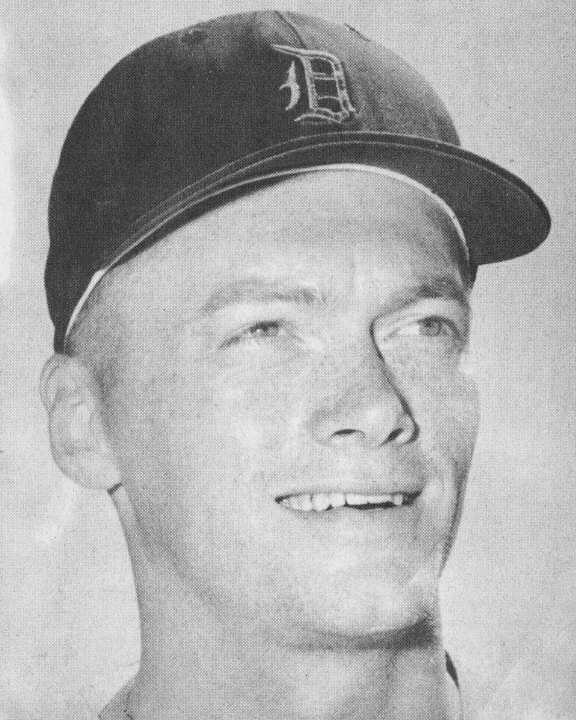
Baseball superstition holds that nobody mentions a no-hitter while it is happening. Jim Bunning mentioned his constantly. From the fifth inning on at Shea Stadium on June 21, 1964, which was Father’s Day, he came into the Phillies dugout, in manager Gene Mauch’s words, “yelling at the guys, and counting down the outs.” Johnny Callison remembered that “Everybody tried to get away from him.”
Bunning’s own explanation was practical rather than defiant: “I told them it was time to start diving at balls.” In the ninth he called catcher Gus Triandos to the mound and asked for a joke. Triandos later said, “I couldn’t think of anything. All I could do was laugh.” Bunning then struck out two pinch hitters, the last of them John Stephenson on a curveball, to finish a 6-0 win in which he had also doubled home two runs. The National League had not seen a perfect game since John Montgomery Ward’s, 84 years earlier.
He had already thrown a no-hitter for Detroit in 1958, so this one made him, by MLB.com’s reckoning, the first 20th-century pitcher with one in each league. After baseball he served 12 years in the House of Representatives and 12 in the Senate for Kentucky, and MLB.com calls him the only member of the Hall of Fame ever elected to Congress, where talking through the big moments is generally considered part of the job.
Sandy Koufax
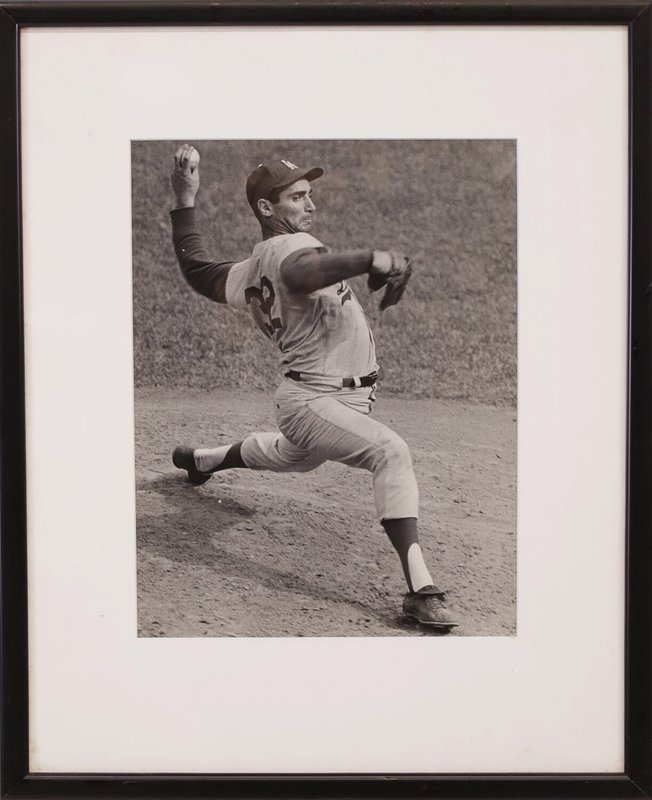
The only run in Sandy Koufax’s perfect game scored without a hit, and the only hit drove in nothing. On September 9, 1965, at Dodger Stadium, Lou Johnson walked in the fifth inning, was bunted to second, stole third and scored when the Cubs’ catcher, Chris Krug, threw the ball away. Two innings later Johnson hit a double that barely reached the outfield grass, the one hit of the night. Chicago’s Bob Hendley allowed exactly that and lost 1-0.
Koufax allowed nothing at all. He struck out 14, a perfect-game record that Matt Cain would tie in 2012, including the last six batters in a row, and struck out at least one Cub in every inning. It was his fourth no-hitter in four seasons, and nobody before him had thrown four. Vin Scully, who had asked his producers to record the ninth inning, read out the time and the date on the air for posterity, then called the final pitch: “swung on and missed, a perfect game!”
Five days later the two starters met again at Wrigley Field, and Hendley won 2-1. Koufax went 26-8 that season, retired after the next one at 30 with an arthritic elbow, and in 1972 became the youngest player ever inducted into the Hall of Fame. Hendley, for his part, said he had been beaten by class.
Catfish Hunter
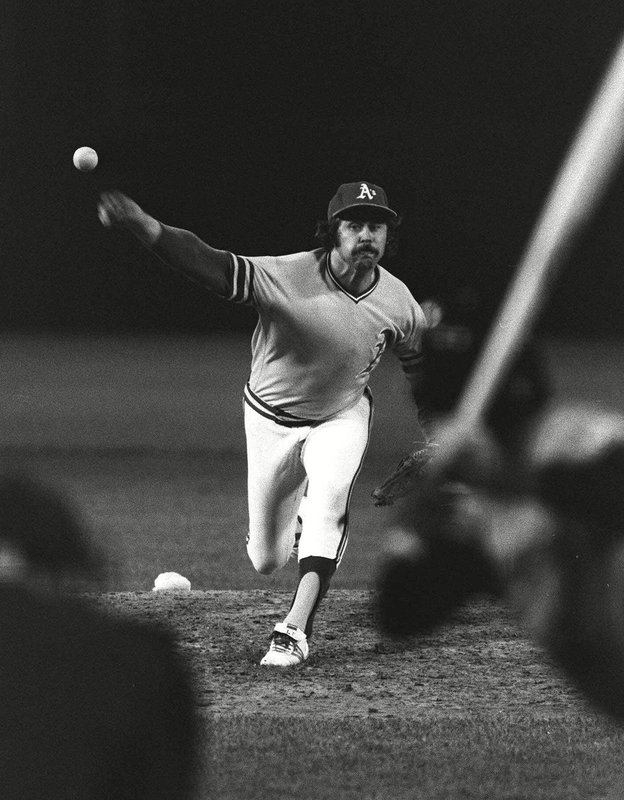
Charlie Finley heard the end of it on a transistor radio in La Porte, Indiana, by picking up a Twins broadcast from a station in Des Moines. The Athletics’ owner then telephoned the clubhouse at the Oakland Coliseum and, as Hunter told reporters, said: “I just lost $5,000. Do you know who won it?” Three days later he handed Jim Hunter the check on the field. Finley had also, a few years earlier, invented the name Catfish.
Hunter had done most of the work on May 8, 1968 by himself. In the Athletics’ first season in Oakland, in front of 6,298 people, the smallest crowd at any perfect game from 1904 on, he struck out 11 batters from a Minnesota lineup that held three future Hall of Famers. He also went 3-for-4 with three runs batted in, including a seventh-inning bunt single that drove in the game’s first run. No other pitcher in a perfect game has had more than one hit. Reliever Jack Aker found the one flaw: “He flied to center field once.”
It was the American League’s first regular-season perfect game in 46 years. Hunter went on to win 224 games and five World Series rings, became the game’s first free agent to cash in for big money when the Yankees signed him on New Year’s Eve 1974, and died of Lou Gehrig’s disease in 1999, at 53. In Oakland he wore number 27, which on one night in May was exactly the right number.
Len Barker
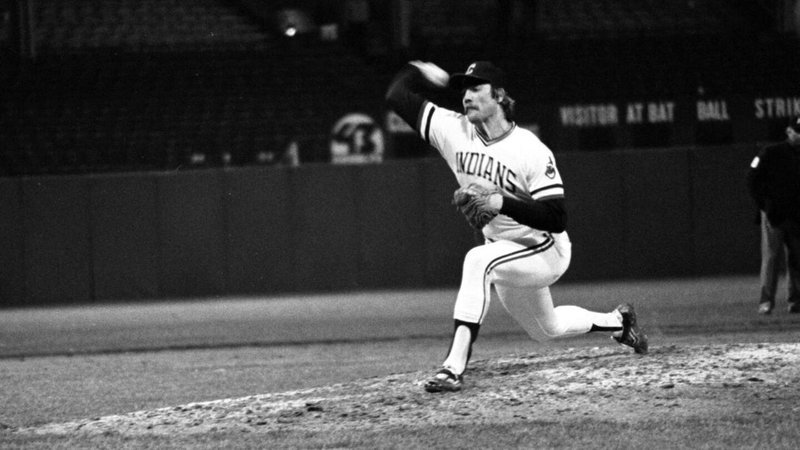
In the ninth inning the scoreboard at Cleveland Stadium flashed a trivia question that had been picked that morning: which two teams had never been involved in a no-hitter? The answer was the Toronto Blue Jays and the Seattle Mariners. Toronto, at that moment, was three outs from losing the distinction, and on May 15, 1981, Len Barker duly finished the job.
It was 49 degrees, wet and drizzling, and 7,290 people turned up. By SABR’s tally Barker never ran a count to three balls, and all 11 of his strikeouts came swinging, though the first of them did not arrive until the fourth inning. Cleveland’s runs were mostly gifts: two unearned in the first after an error by Toronto’s first baseman, then a Jorge Orta home run in the eighth. Batting eighth and playing third base for the Blue Jays that night was Danny Ainge, who went 0-for-2 with a strikeout before being lifted for a pinch hitter. He played his last major league game that September and went on to win two NBA championships instead.
Barker’s catcher, Ron Hassey, also caught Dennis Martinez’s perfect game in 1991, the only catcher to handle two among the games from 1904 on. Barker finished his career 74-76. The Blue Jays had their revenge on September 2, 1990, when Dave Stieb no-hit Cleveland in the same ballpark.
Mike Witt
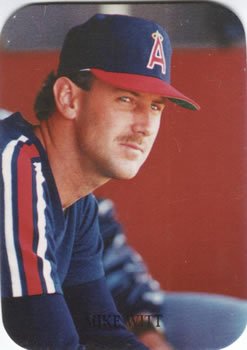
The Angels and the Rangers had nothing left to play for on September 30, 1984, the last day of the season, except that California, at 80-81, could still finish at .500. Kansas City had already won the division. Mike Witt, 24, spent the Sunday afternoon at Arlington Stadium retiring all 27 Rangers in 1 hour 49 minutes in front of 8,375 people.
The only run arrived more or less by accident. In the seventh a knuckleball from Texas starter Charlie Hough got past catcher Donnie Scott for a passed ball, and Reggie Jackson’s fielder’s choice brought Doug DeCinces home, unearned. Hough pitched a complete game and lost. Witt, by Baseball-Reference’s count, needed 94 pitches and struck out 10, and he said later that the idea of a perfect game “never occurred until I had two outs in the ninth.”
The Rangers were not gracious. Pete O’Brien claimed the umpire had widened the strike zone late, and Mickey Rivers said “everyone had their bags packed and were in a rush to get out.” The win lifted the Angels to 81-81. On April 11, 1990, Witt came out of the bullpen to retire the last six Seattle Mariners and complete a combined no-hitter with Mark Langston, making him half of one no-hitter after having been the whole of a perfect one.
Tom Browning
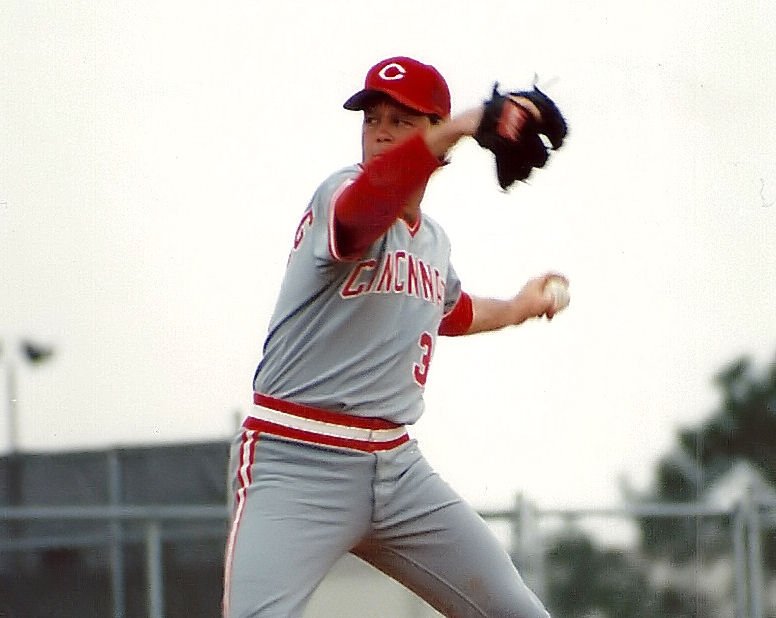
At about 9:30 p.m. on September 16, 1988, Tom Browning started changing back into his street clothes. Rain had held up the Reds and Dodgers at Riverfront Stadium for so long that the night looked finished, and he was halfway there when the groundskeeper signaled that the game would go on. First pitch came at 10:02, after a delay of 2 hours 27 minutes, and Browning retired all 27 Dodgers a few minutes before midnight.
It took him 1 hour 51 minutes and 101 pitches, and the statsapi pitch-by-pitch data shows no Dodger ever reached a three-ball count. The only run was unearned. Kirk Gibson, who would be the National League’s MVP that season, was ejected in the seventh for arguing a called third strike. Barely more than a month later the Dodgers won the World Series, which makes Browning, in MLB.com’s words, “the only pitcher to be perfect against that year’s champion.”
He nearly did it twice. On July 4, 1989, in Philadelphia, he was perfect through eight innings before Dickie Thon led off the ninth with a double. Browning’s other famous inning came on July 7, 1993, at Wrigley Field, when he left the Reds dugout in uniform during a game, crossed Sheffield Avenue and watched from a rooftop. Manager Davey Johnson fined him for it. MLB.com notes that reports vary on whether the fine was $500 or $1,000.
Dennis Martinez
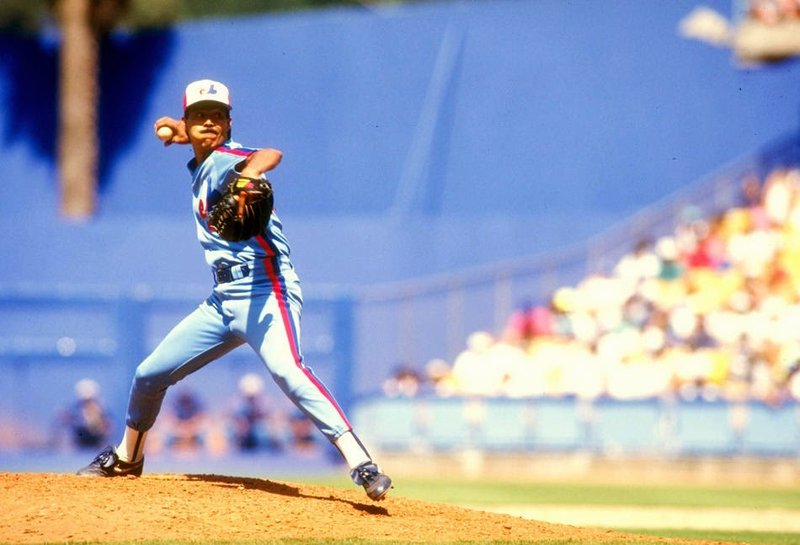
“El Presidente! El Perfecto!” was the line Expos broadcaster Dave Van Horne came up with, by his own account, about 10 seconds before the bottom of the ninth on July 28, 1991, borrowing the rhythm from the El Producto cigar ads of his boyhood. When the last out came, he said it, and then he and his partner Ken Singleton said nothing at all for about a minute.
Two days earlier, in the same ballpark against the same Dodgers, Martinez’s teammate Mark Gardner had thrown nine no-hit innings and lost 1-0 in the 10th. Martinez had better luck. Los Angeles starter Mike Morgan was perfect himself through five innings, and both Montreal runs came in the seventh on two errors by Dodgers shortstop Alfredo Griffin. Griffin had also started at shortstop against Len Barker and Tom Browning, which left him on the losing side of three perfect games, without a hit in any of them. Martinez needed 96 pitches and went to three balls on only three hitters.
No pitcher born outside the United States had done it before him. In 1983 his alcohol problem had come to a head and he got help; he went on to win 245 games, the most by a Latin American pitcher until Bartolo Colon passed him in 2018. In 1998 Nicaragua renamed its national stadium for him.
Kenny Rogers
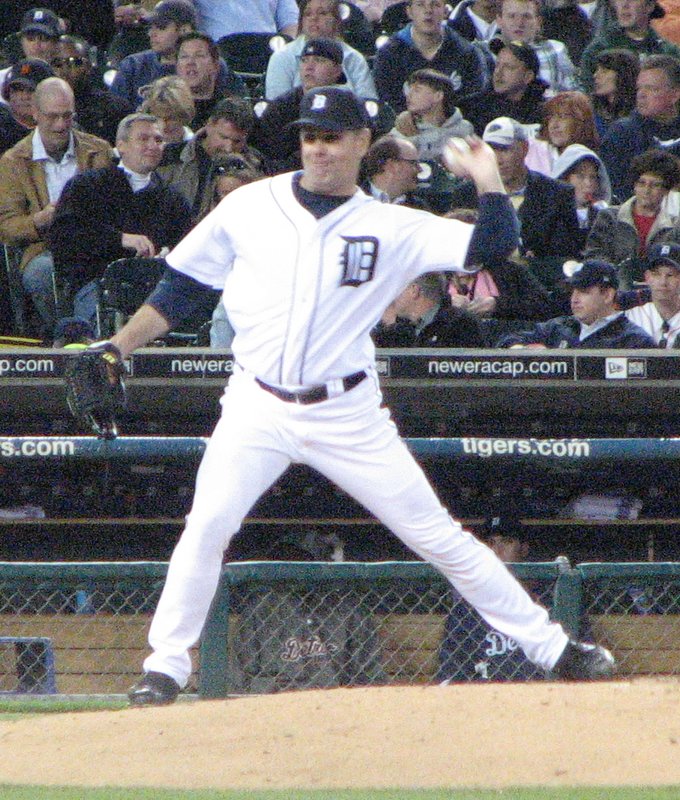
With an 0-2 count leading off the ninth, the Angels’ Rex Hudler hit what SABR describes as a low sinking liner to right-center, and Rusty Greer, a rookie playing center field, came charging in, dove, and backhanded it about a foot from being a base hit. Greer then caught the final out as well. “I was going to give it my best effort whether I caught it or not,” he said, which is easier to say once you have caught it.
It was July 28, 1994, in the first season of The Ballpark in Arlington, and Kenny Rogers had just become the first left-hander to throw a perfect game in the American League. The game came with a neat reversal attached. In 1984 Mike Witt’s Angels had thrown a perfect game at the Rangers; now the Rangers had thrown one back, the only such pair on this list. Jose Canseco homered twice, Bo Jackson struck out three times in what turned out to be his final season, and 46,581 people watched.
Rogers had been a 39th-round draft pick in 1982 and spent four seasons largely in the Texas bullpen before getting a regular turn in the rotation. He would win 219 games. Fifteen days after the perfect game the players went on strike, and the season never resumed.
David Wells
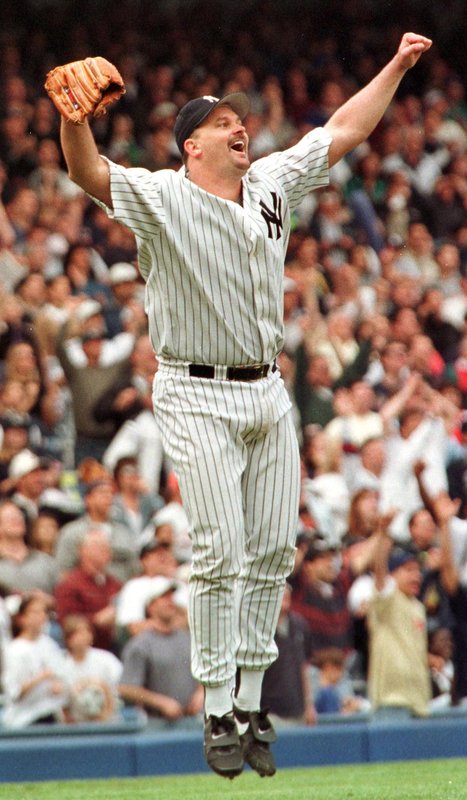
Two pitchers from the same San Diego high school, Point Loma, threw perfect games at the old Yankee Stadium. Don Larsen did it in the 1956 World Series. David Wells did the next one there on May 17, 1998, against the Minnesota Twins, on Beanie Baby Day, in front of 49,820 people, a crowd Sports Illustrated described as full of children.
By his own account in his 2003 autobiography, Perfect, I’m Not, as Sports Illustrated quoted it, Wells pitched “half-drunk, with bloodshot eyes, monster breath, and a raging, skull-rattling hangover,” having had about an hour of sleep. He later said he was misquoted. Either way, he threw 120 pitches and struck out 11, and as the innings piled up his teammates did their best to avoid him on the bench. Darryl Strawberry got up and walked away when Wells sat down. Only David Cone sidled up, to observe: “I think it’s time to break out the knuckleball.”
Bernie Williams went 3-for-3 and scored three of the four runs. The 1998 Yankees won 114 games and the World Series, Wells went 18-4 and was the ALCS MVP, and the man who had offered him the knuckleball threw the next perfect game, in the same ballpark, the following July.
David Cone
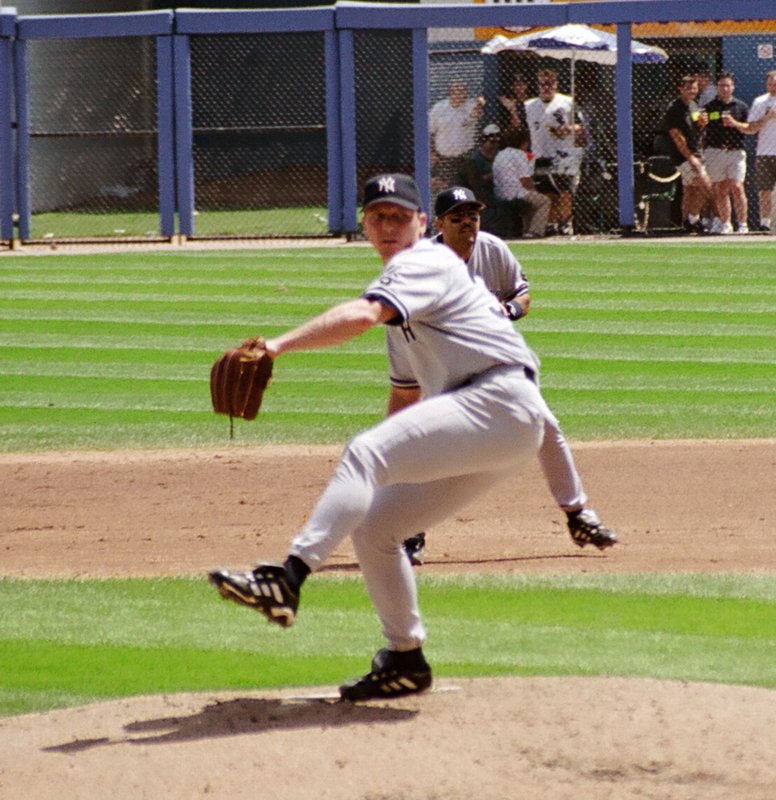
It was Yogi Berra Day at Yankee Stadium on July 18, 1999, and before the game Don Larsen threw the ceremonial first pitch to the catcher of his own perfect game. David Cone, by SABR’s account, had asked Larsen to run and jump into Yogi’s arms, and Larsen put him straight: “You got it wrong, kid. He jumped into my arms.” Cone then went out and retired all 27 Montreal Expos.
He needed 88 pitches, the fewest officially recorded in a perfect game, and never went to a three-ball count. A rain delay of 33 minutes in the third, by SABR’s count, did not bother him; he came back and threw a seven-pitch fourth. Together with Wells’s game the year before, it gave the Yankees the only back-to-back perfect games by one team. In right field, as he had been for Wells and, as a Red, for Tom Browning, was Paul O’Neill, the only player on the winning side of three perfect games. He made a diving catch in the first inning to keep this one going.
Cone was 36 and made 71 more starts in the majors over parts of four seasons. He did not finish any of them. The last complete game of his career was a perfect one.
Randy Johnson
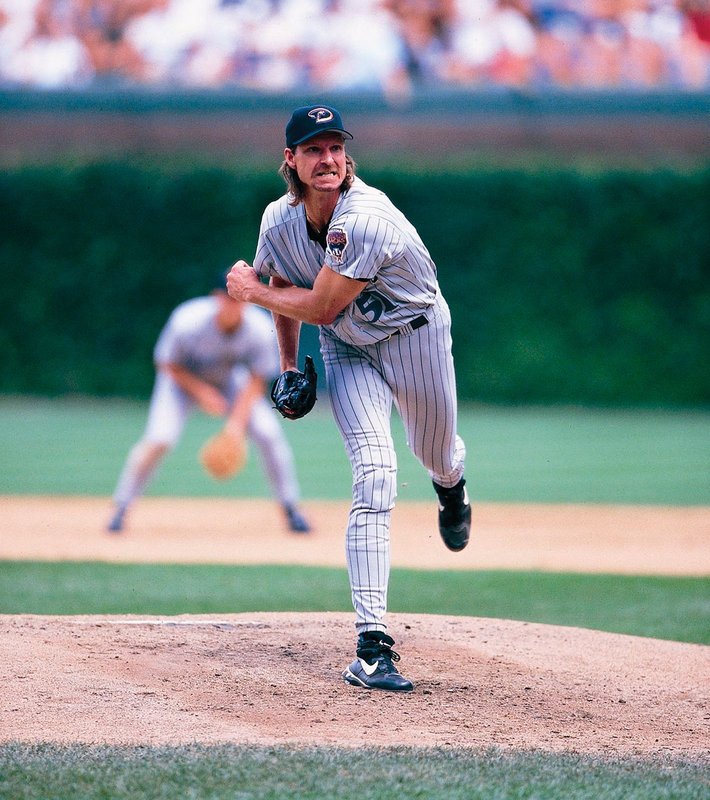
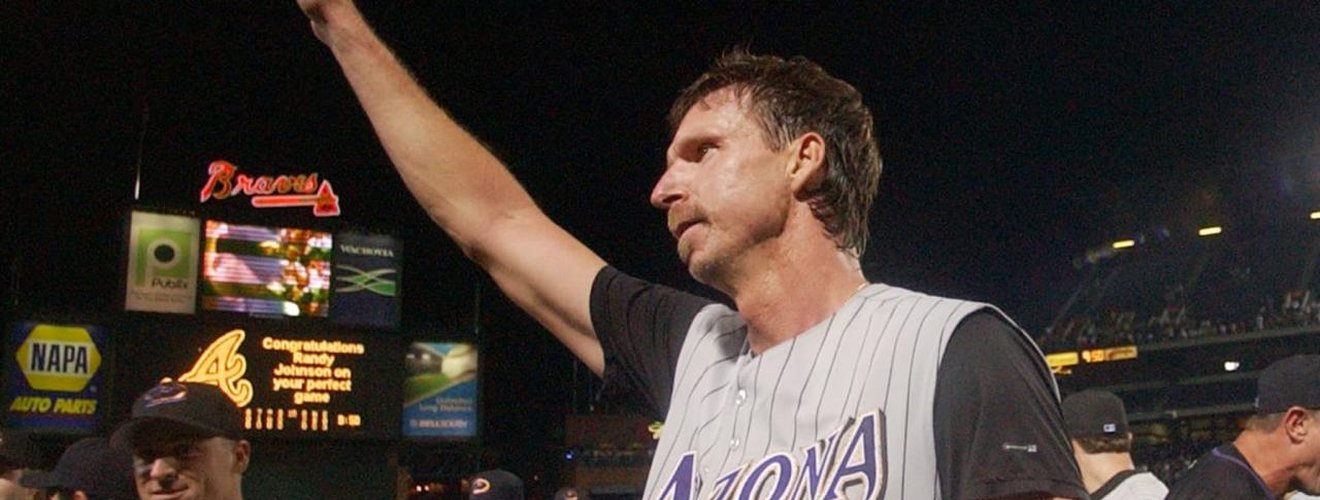
At 40 years and 251 days old, Randy Johnson is the oldest pitcher to throw a perfect game, by a margin of more than three years. He did it on May 18, 2004, at Turner Field, against the Atlanta Braves, who had drafted him out of high school in 1982 and failed to sign him. The last of his 117 pitches, a strikeout of pinch hitter Eddie Perez, was clocked at 98 mph.
At 6 feet 10 inches he was also the tallest man on this list, and on that Tuesday night the Braves could do almost nothing with him. He struck out 13 and ran the count to three balls on just one hitter. Chipper Jones, batting third, struck out all three times he came up, which earns him a prominent place among the Hall of Famers Johnson struck out; Andruw Jones, elected to the Hall in 2026, went 0-for-3. Arizona, a team that would lose 111 games that season, won 2-0.
Johnson won 303 games and struck out 4,875 batters, second only to Nolan Ryan, and was elected to the Hall of Fame in 2015 with 97.3 percent of the vote. He had no-hit Detroit for Seattle in 1990, and the perfect game made him the fifth pitcher with no-hitters in both leagues. His own verdict on the night was brisk: “Not bad for being 40 years old.”
Mark Buehrle
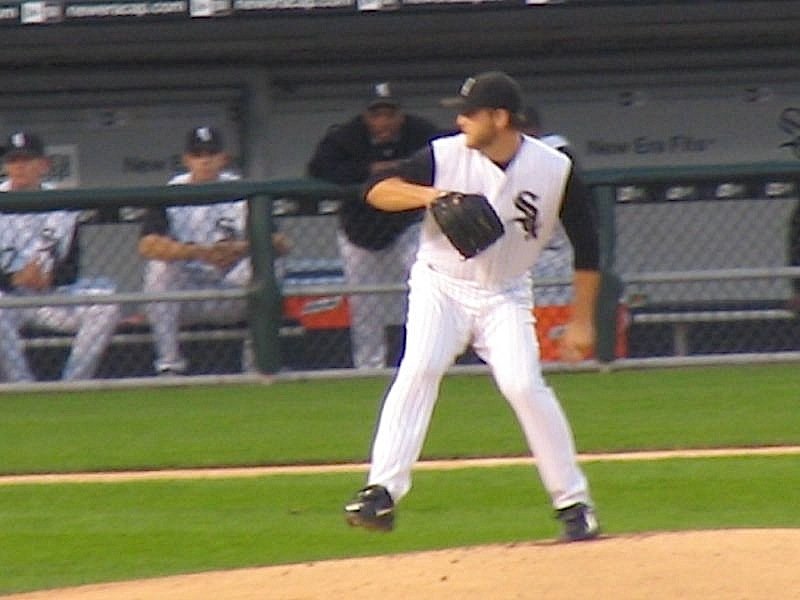
Dewayne Wise had been in the game for no batters at all. The White Sox sent him to center field for defense to start the ninth inning on July 23, 2009, and the first batter, Tampa Bay’s Gabe Kapler, drove a ball to the wall in left-center. Wise leaped, took the home run back, felt the ball pop out of his glove as he came down, and grabbed it again with his bare hand.
That saved Mark Buehrle’s perfect game, a 5-0 win at U.S. Cellular Field built on a second-inning grand slam by Josh Fields, the only grand slam in any of the perfect games with a box score. Buehrle’s catcher, Ramon Castro, had never caught him before in any capacity; A.J. Pierzynski had the day off. Counting the last out of his previous start and the first 17 of his next, Buehrle retired 45 batters in a row, a major league record until Yusmeiro Petit retired 46 in 2014. President Barack Obama, a White Sox fan, phoned during the postgame press conference.
Buehrle pitched 200 or more innings in 14 straight seasons and won a World Series in 2005, all without, by his own description, the equipment for this sort of thing: “I’m not a guy who should be throwing perfect games, with not striking guys out, not hard throwing.”
Dallas Braden
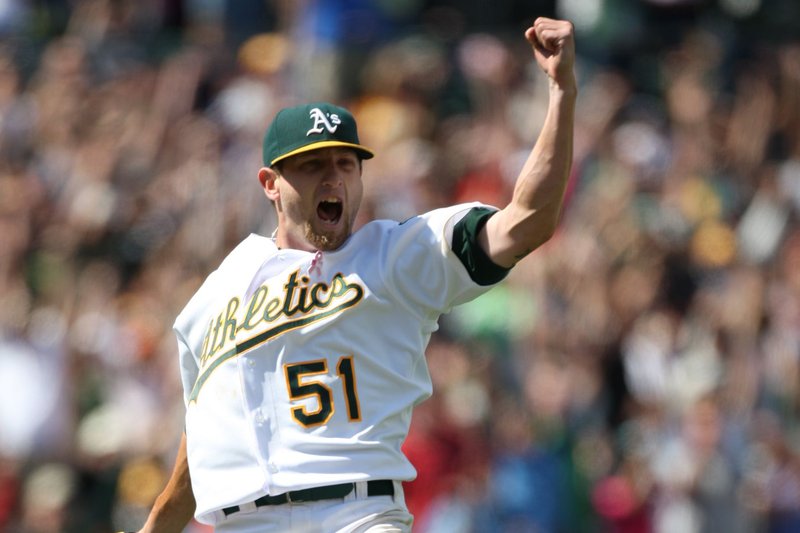
On April 22, 2010, Alex Rodriguez of the Yankees, heading back to first base after a foul ball, jogged across the pitcher’s mound in Oakland, and Dallas Braden took it personally, reportedly telling him, “This is my mound, my rubber.” Rodriguez said he was surprised, “especially from a guy with a handful of wins in his career.”
On Mother’s Day, May 9, Braden retired all 27 Tampa Bay Rays, who had the best record in the majors at 22-8. His mother had died of melanoma when he was 17, and his grandmother Peggy Lindsey, who raised him, was there; by SABR’s account she climbed on top of the dugout to watch the final out, then met him on the field. Afterward, chuckling, she had a message for Rodriguez: “Let’s forget it, uh huh – and stick it, A-Rod.”
It was Braden’s 53rd career start and his first complete game. The final out was a grounder by Gabe Kapler, the same Ray whose home run Dewayne Wise had stolen in Mark Buehrle’s perfect game the previous July. Braden finished his career 26-36. Invited onto David Letterman’s show to deliver a Top 10 list of what had gone through his mind, he offered as No. 3: “Even I’ve never heard of me.”
Roy Halladay
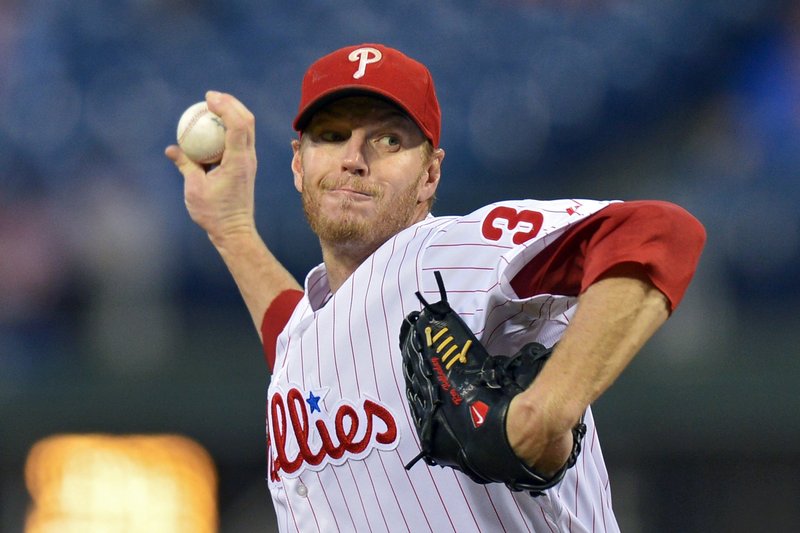
The worst start of Roy Halladay’s 2010 season was a seven-run mess against Boston, after which he told his manager, “I’m better than that.” His next one came on May 29 in Miami. With a mechanical fix suggested by pitching coach Rich Dubee and Jamie Moyer, he struck out four of the first five Marlins and retired all 27, 20 days after Dallas Braden had done it in Oakland.
The only run was unearned, scoring when center fielder Cameron Maybin misplayed a Chase Utley drive. Seven plate appearances went to three balls, the most among the perfect games with complete pitch data, and two backup infielders filling in for injured starters, Wilson Valdez and Juan Castro, made the important plays; Castro made the last one. Counting Mark Buehrle’s the previous July, it was the third perfect game in 310 days. Afterward the Marlins dug up the pitching rubber and gave it to him, and Vice President Joe Biden phoned.
Halladay won the National League Cy Young Award that season. Three months after the game he gave about 60 teammates and staff engraved watches inscribed: “We did it together. Thanks, Roy Halladay.” He died on November 7, 2017, at 40, when the plane he was piloting crashed into the Gulf of Mexico, and in 2019 he entered the Hall of Fame with no team’s logo on his cap.
Philip Humber
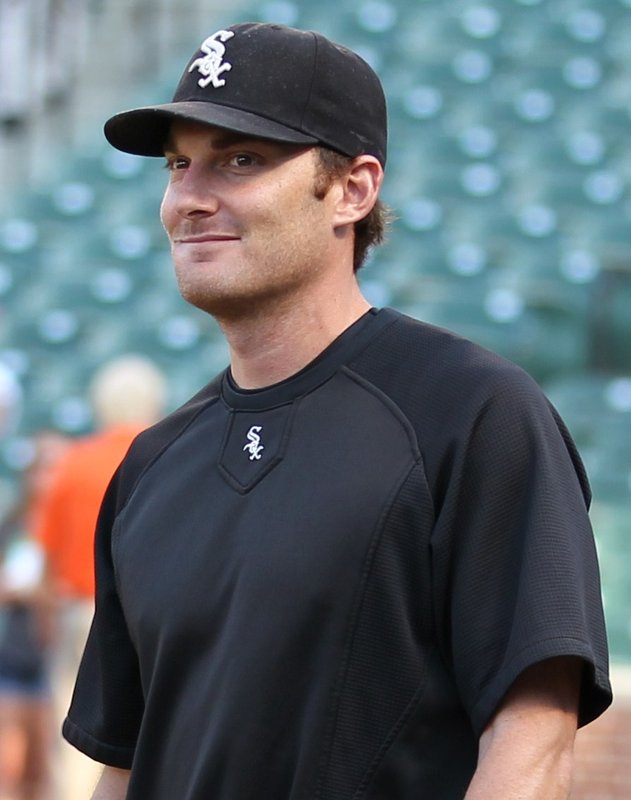
Philip Humber threw one complete game in his major league career, and it was perfect. On April 21, 2012, at Safeco Field in Seattle, the White Sox’s 29-year-old journeyman, once the third overall pick in the 2004 draft and now with his fourth organization, retired all 27 Mariners on 96 pitches. Through eight innings he did not go to three balls on anybody.
The ninth was harder. With two out, pinch hitter Brendan Ryan ran the count full and then went after a slider that, by the tracking data, missed the plate by a good margin. Ryan checked his swing, home-plate umpire Brian Runge ruled that he had gone around, and the ball got away from catcher A.J. Pierzynski, who picked it up and threw to Paul Konerko at first. Asked later whether the pitch would have been ball four, Ryan began, “It was, it was,” and then declined to finish the sentence.
Humber gave up 20 runs in his next three starts, went 0-8 for Houston the following year, and threw his last major league pitch on September 22, 2013. In 2016, at 33 and trying to get back, he told MLB.com, “This is an exclusive club,” adding, “This is where everybody wants to be. But it’s not accepting members all the time.” He had at least made it into the smaller one.
Matt Cain
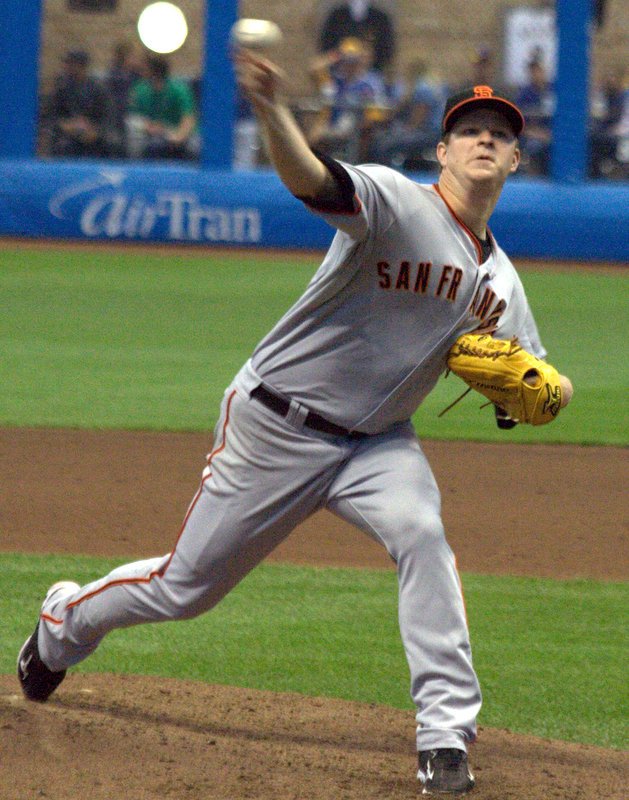
Before the game on June 13, 2012, Matt Cain took part in a promotion with the golfer Dustin Johnson, and from a tee at home plate drove a ball over the right-field wall into McCovey Cove. Then he went out and pitched the first perfect game in the Giants’ 130-year history.
Cain struck out 14 Houston Astros, tying Sandy Koufax’s perfect-game record, and threw 125 pitches, the most in any perfect game with complete pitch data. He needed help. In the sixth Melky Cabrera caught Chris Snyder’s drive a step in front of the left-field wall, and to lead off the seventh Gregor Blanco ran down Jordan Schafer’s ball in right-center and slid on his belly across the warning track holding it. Cain also scored a run himself, singling and coming home on a Blanco home run, which SABR says no other pitcher has done in his own perfect game.
For years Cain had been baseball’s byword for poor run support. As the San Francisco Chronicle’s Henry Schulman put it, to be “Cained” was to throw lights-out but lose 1-0 or 2-1. This time the Giants scored 10. The home-plate umpire, Ted Barrett, had also worked the plate for David Cone’s perfect game in 1999, the only umpire to call two of them.
Felix Hernandez
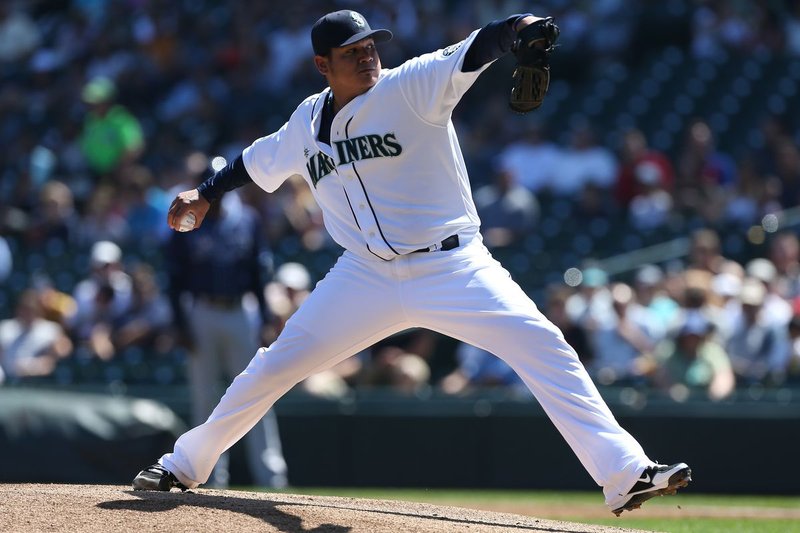
Brendan Ryan ended one perfect game at Safeco Field in 2012 and made another one possible. In April he was the last out of Philip Humber’s, against his own Mariners. On August 15 he singled in the third inning, stole second, took third on a wild pitch and scored on Jesus Montero’s two-out single, the only run Felix Hernandez needed in a 1-0 win over the Tampa Bay Rays.
Humber’s and Matt Cain’s had come earlier that season, which makes 2012 the only calendar year to produce three. It was also the third the Rays had lost in a little over three years, after Mark Buehrle’s in 2009 and Dallas Braden’s in 2010, and four Rays, Ben Zobrist, B.J. Upton, Evan Longoria and Carlos Pena, were in the lineup for all three. Hernandez struck out 12, the last of them Sean Rodriguez looking, and by his pitching coach’s count shook off his catcher only three times in 113 pitches.
It was the Mariners’ first perfect game in 36 seasons, watched from the left-field corner by the King’s Court, the yellow-shirted cheering section the club had started for him in 2011. For his next home start the Mariners gave “King of Perfection” T-shirts to the first 34,000 fans, the number chosen in honor of the one on his back.
Domingo German
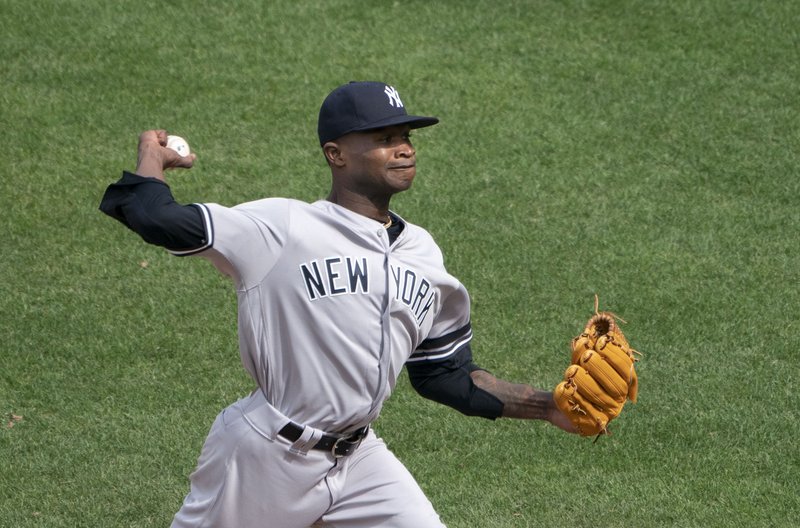
Dallas Braden was working the A’s television booth on the night of June 28, 2023, when Domingo German of the Yankees threw a perfect game at the Oakland Coliseum, the same mound where Braden had thrown his own in 2010. MLB.com describes Braden as the first person to pitch a perfect game and then call one. It was the Coliseum’s third, which ties it with the old Yankee Stadium for the most at any ballpark.
Nothing in German’s recent form suggested it. Six days earlier he had given up 10 runs to Seattle in 3 1/3 innings, and in the start before that 7 runs in two innings at Boston; no perfect game had ever followed a start of 10 or more runs. Against Oakland he needed 99 pitches and reached a three-ball count against just two batters, and the closest call, a sharp Seth Brown grounder, became an out thanks to a diving stop by Anthony Rizzo. The A’s had gone 5,010 games without being no-hit.
The Yankees’ 11 runs are a record for a perfect game, and German became the first Dominican-born pitcher to manage one. The last man to pitch a perfect game against the Athletics before him was Cy Young, in 1904, when they still played in Philadelphia.
Frequently Asked Questions
Has any pitcher thrown two perfect games?
No. Every game on MLB’s list belongs to a different pitcher. Roy Halladay came close: he threw one in the regular season on May 29, 2010, and then a no-hitter against Cincinnati in Game 1 of the 2010 National League Division Series on October 6, spoiled only by a fifth-inning walk to Jay Bruce.
Why don’t Harvey Haddix’s 12 perfect innings count as a perfect game?
Because the 13th undid it. Pitching for Pittsburgh at Milwaukee on May 26, 1959, Haddix was perfect for 12 innings, but in the 13th an error by Don Hoak put Felix Mantilla on base, Hank Aaron was walked intentionally, and Joe Adcock’s drive over the fence ended it. Adcock passed Aaron on the bases, so the final was 1-0.
When did MLB define what counts as a no-hitter?
In 1991. A Committee for Statistical Accuracy chaired by Commissioner Fay Vincent ruled that an official no-hitter must last at least nine innings and end without a hit. The change removed 50 games from the record books, among them contests cut short by rain or darkness and others broken up in extra innings.
Do shortened games with no baserunners count as perfect games?
No. An official no-hitter, perfect or not, needs nine innings. Rube Vickers of the Athletics in 1907, Dean Chance of the Twins in 1967 and David Palmer of the Expos in 1984 each retired every batter in a five-inning game, and Ed Karger of the Cardinals did it over seven innings in 1907. None of them counts.
Did Pedro Martinez ever throw a perfect game?
No, though he was perfect for nine innings. On June 3, 1995, at San Diego, Martinez retired every Padre he faced through nine with the game tied 0-0. Montreal scored in the top of the 10th, Bip Roberts led off the bottom of the inning with a double, and Mel Rojas came in to finish a 1-0 Expos win.
Can a pitcher face only 27 batters and still miss a perfect game?
Yes. On May 5, 2021, at Seattle, Baltimore’s John Means faced exactly 27 batters with no walk, hit batsman or error, and it was still only a no-hitter. In the third inning Sam Haggerty struck out but reached first when the third strike became a wild pitch, and was then caught stealing second.
How many perfect-game pitchers are in the Hall of Fame?
Eight, as of the 2026 election: John Montgomery Ward, Cy Young, Addie Joss, Jim Bunning, Sandy Koufax, Catfish Hunter, Randy Johnson and Roy Halladay. On the 2026 BBWAA ballot Felix Hernandez received 46.1 percent of the vote and Mark Buehrle 20.0 percent, both short of the 75 percent required for election.
- MLB.com – A look at every perfect game in AL/NL history
- Baseball-Reference – No-Hitters and Perfect Games
- MLB Stats API – Reds vs. Dodgers box score, September 16, 1988
- Retrosheet – 1956 World Series Game 5 box score and play-by-play
- National Baseball Hall of Fame – Perfect Sportsmen
- SABR Games Project – Blown call costs Armando Galarraga a perfect game
- Sports Illustrated – David Wells looks back on his perfect game
- SABR Games Project – Matt Cain pitches first perfect game in Giants history