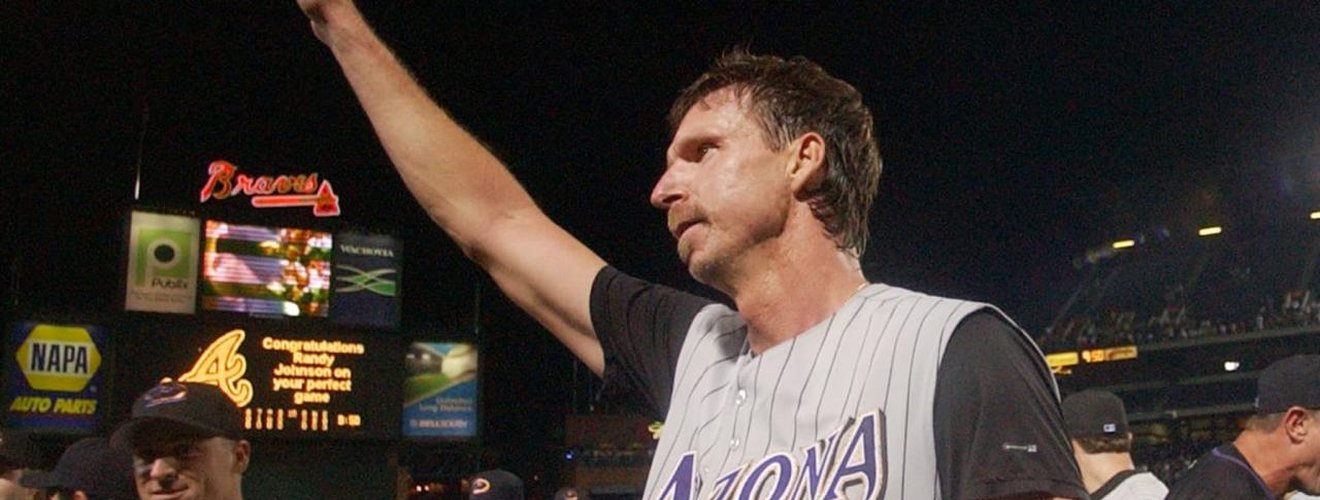
Every Player on the 1980 Miracle on Ice U.S. Olympic Hockey Roster
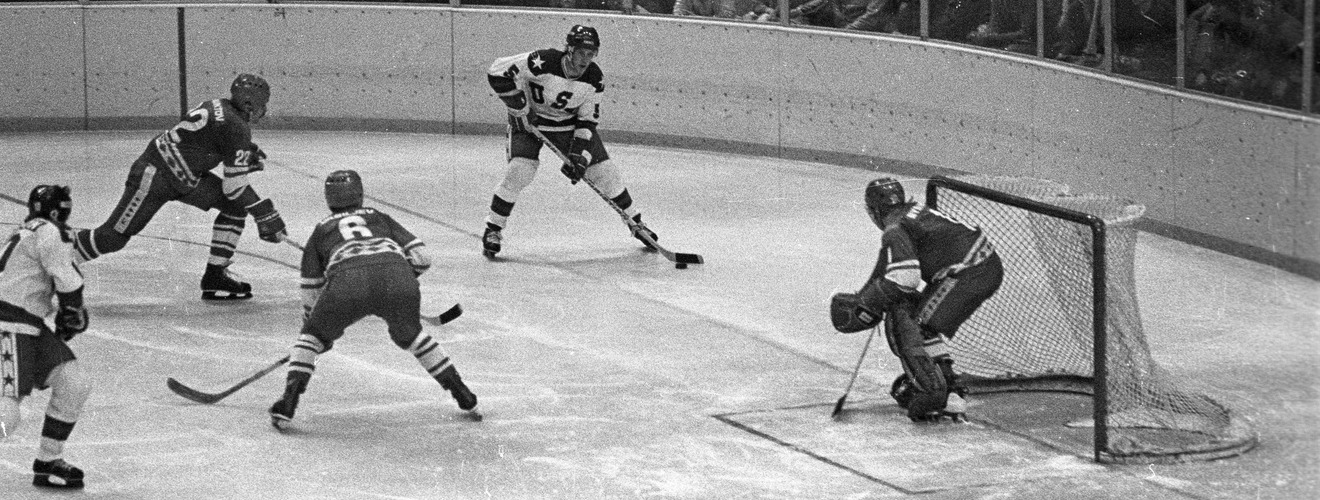
The United States did not win the 1980 Olympic hockey tournament by beating the Soviet Union. It won it two days later, against Finland, having trailed going into the third period. The Soviet game was the semifinal in everything but name, and it is the one that got remembered, and the consequence is that a great many people can name the score of a game that did not decide anything and cannot name the one that did.
The men who played were students, mostly. The oldest was twenty-five. Nine of them came from Minnesota, four from Boston University, and the average age of twenty-two was the lowest of the twelve teams in the tournament. Twelve years later the United States would answer the amateur question in the other direction, sending the 1992 American Olympic basketball roster that first included NBA players to Barcelona. This team finished 6-0-1, and the tie in that record is not a blemish but the reason the rest of it counted, because points from the opening round travelled with the teams that advanced, and one of them settled the standings.
Forty-six years later, on the anniversary of the Soviet game rather than the gold, the Americans beat Canada in overtime in Milan and won the thing again, and the 25 players on the 2026 American Olympic roster finally gave this team some company. Below are the twenty who did it first, in the order they are listed on the official roster.
Twenty players made up the United States Olympic ice hockey roster at Lake Placid in 1980. The team went 6-0-1, beat the Soviet Union 4-3 in the medal round on February 22 and Finland 4-2 for the gold medal on February 24, and did it with the youngest squad in the tournament.
Jim Craig
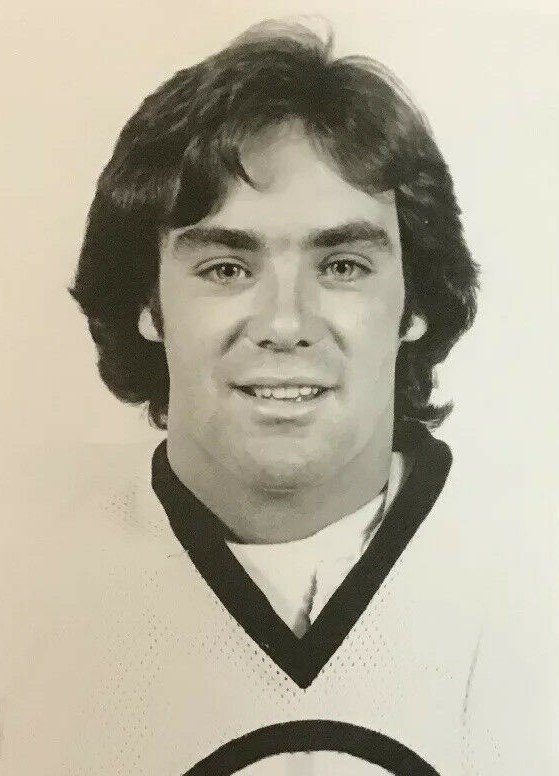
The most reproduced photograph in American hockey shows Jim Craig wrapped in a flag, looking into the crowd. What he was doing was searching for his father. His mother had died of cancer before the Games, and by his own account what went through his head on that lap was his father thinking about her, and wishing she could have been there.
He played every minute of all seven games bar twenty-four seconds, the stretch at the end of the Sweden opener when he was pulled for an extra skater. No other goaltender took the ice for the United States at those Games.
The career that followed was brief and unhappy. Atlanta had drafted him seventy-second in 1977, and he beat Colorado in his NHL debut on March 1, 1980, but exhaustion and an ulcer held him to four games there. A broken finger and a broken ankle wrecked his season in Boston, which released him two days before the next one opened. He finished with thirty NHL games and a 3.78 goals-against average.
At a Lelands auction in June 2016 the bidding on his gold medal passed $611,000 and never met the reserve, so it did not sell. His mask went for $137,849.16 the same day. He has spent thirty years running a Boston motivational-speaking firm called Gold Medal Strategies, which is an on-the-nose name for a second act, and a durable one.
Steve Janaszak
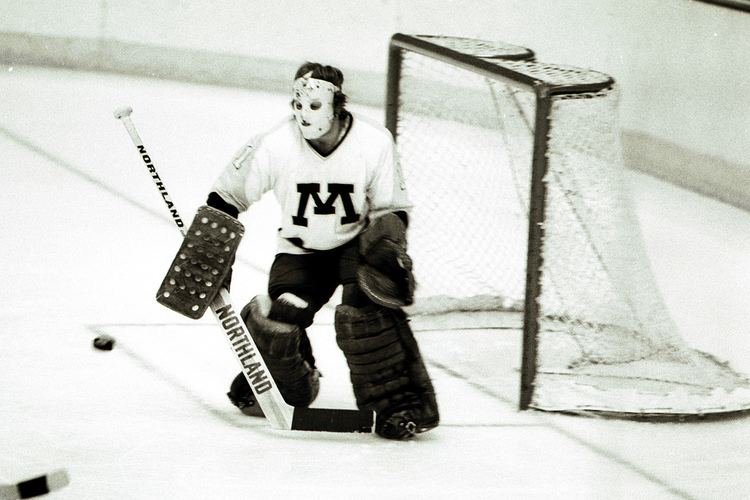
Olympedia’s participation record for Steve Janaszak reads, in full, “Non-starter” and “DNS”. He is the only man on the roster with no game appearance, having backed up Craig for seven straight games without taking the ice, and he has been making the same joke about it for four decades. He had the best seat in the house, he says, timing the shifts for Herb.
This was not a case of a spare body being brought along. Twelve months before Lake Placid he had been the winning goaltender in the NCAA final, making thirty-four saves as Minnesota beat North Dakota 4-3, and he was named the tournament’s most outstanding player.
His professional career was nearly as brief as his Olympic one: three NHL games split between Minnesota and Colorado, an 0-1-1 record, and a goals-against average of 5.63.
He majored in chemical engineering, which is an unusual thing to be doing while backing up a goaltender at an Olympics. He met his wife at Lake Placid during the Games and married her a year later, and now works as an investment manager on Long Island. At the White House in December 2025, when the Congressional Gold Medal Act was signed for the team, he described himself as the luckiest guy on it.
Bill Baker
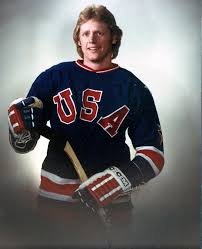
Twenty-seven seconds were left, the Americans were losing to Sweden, and Craig was on the bench for an extra skater when Bill Baker scored from the point. The clock read 59:33. Because the medal round carried preliminary results forward between advancing teams rather than replaying them, that single point went straight into the final standings, where the United States finished on five to the Soviet Union’s four. The whole thing turns on it.
He was on a predental track at Minnesota and had already been accepted to dental school when he deferred to play the Olympics. He went back afterwards and became an oral and maxillofacial surgeon, which is a more complete answer to the question of what happens next than most of his teammates could give.
Montreal had taken him fifty-fourth overall in 1976. He played four NHL seasons across four clubs for 143 games and thirty-two points, and in 1982 found himself with the Rangers under Herb Brooks again.
The jersey he wore against Sweden sits in the Smithsonian, beside a stick signed by the whole team. At the Washington ceremony in December 2025, introducing himself as a Minnesotan in a room full of politics, he said he knew that did not ring very well just then.
Dave Christian
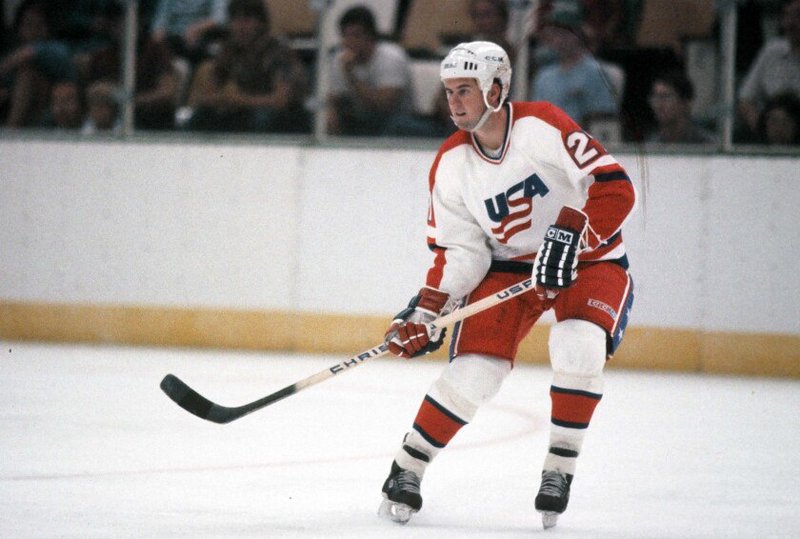
Dave Christian is the middle of three generations. His father Bill and his uncle Roger won gold in 1960; another uncle, Gordon, took silver in 1956; and in February 2026 his nephew Brock Nelson won gold in Milan while Christian watched from the stands. Beforehand he had called the prospect a dream scenario. Afterwards he managed “Absolutely incredible.”
He spent the 1980 tournament playing defence, under a coach who had decided that was where he was needed, despite being a right wing for all fifteen years of his NHL career. He led the American team with eight assists.
A week after Lake Placid he scored seven seconds into his first NHL shift for Winnipeg, seven seconds into his first shift, a week after Lake Placid rather than during it, which is how the story is usually told.
His father and uncle had founded a hockey stick company in Warroad in 1964. After the gold medal, sales climbed about forty percent, from roughly 350,000 sticks a year to half a million by the mid-eighties, and it kept making them until 2009.
He played 1,009 NHL games and scored 340 goals, was named Winnipeg’s captain at twenty-two, and at twenty he was among the three youngest men on the roster.
Ken Morrow
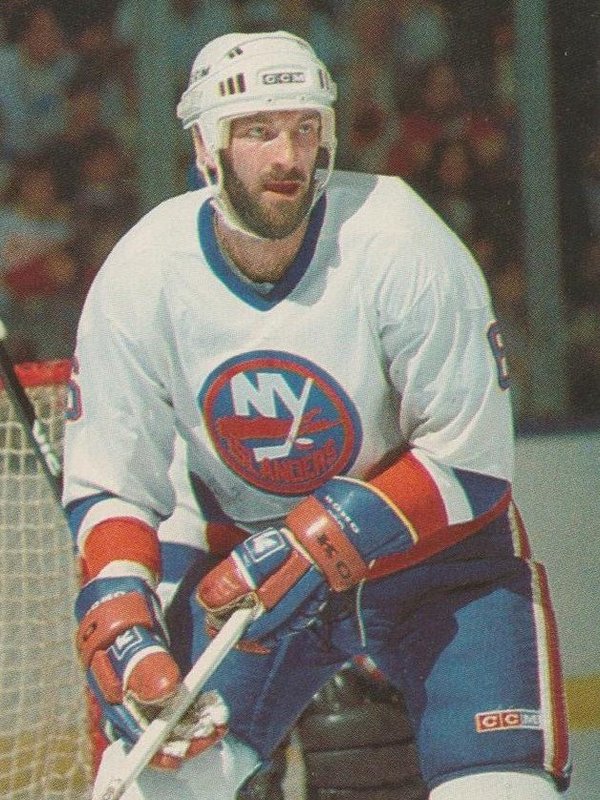
Gold on February 24, the Stanley Cup on May 24. Ken Morrow won an Olympic tournament and a Cup exactly three months apart in 1980, the Cup arriving when Bob Nystrom scored 7:11 into overtime of the sixth game against Philadelphia, and no American had done both in one year before. Nobody did it again for forty-six years, until Jaccob Slavin managed it in June 2026. Morrow used to joke that he was a trivia question.
He then won three more Cups, in 1981, 1982 and 1983, which is four in a row, and played all 550 of his NHL games for the one franchise.
Herb Brooks made the whole team shave. Morrow, who had arrived with a beard already, was allowed to keep it, and spent the tournament as the only bearded man in the American end. At six foot four they called him Wolfman.
Bowling Green had produced its first hockey All-American in him, and the Islanders had drafted him back in 1976 and simply waited. Knee trouble finished him in 1989.
He is now the Islanders’ director of pro scouting. He watched the 2026 final at a six in the morning gathering and texted his old teammates throughout the tournament.
Mike Ramsey
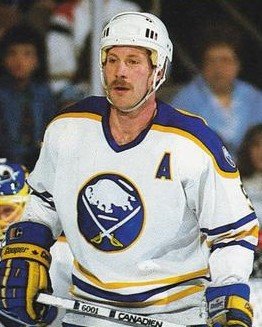
At nineteen Mike Ramsey was the youngest man on the roster, and he had been drafted eleventh overall by Buffalo the previous August, which made him the highest pick anybody on that team could claim. He played all seven games and recorded two assists.
Before hockey settled the matter he had been a serious junior tennis player, third in the Minnesota state championships and seventh in a Midwest sixteen-and-under tournament. A scholarship to the University of Minnesota ended that line of enquiry.
What followed was one of the two longest NHL careers to come out of that dressing room: 1,070 games over seventeen seasons with Buffalo, Pittsburgh and Detroit, 345 points, four All-Star selections, and a franchise record of 911 games by a Sabres defenceman. He captained Buffalo for two seasons and retired with a plus-minus of plus 203, having finished on the wrong side of it exactly once.
He reached the 1995 Cup final with Detroit and was swept by a New Jersey side containing Neal Broten, which is a specific way for a teammate to end your season.
His daughter Rachel won three national titles at Minnesota; his son Jack was drafted by Chicago. On February 6, 2026 he dropped the ceremonial puck at Buffalo’s Olympic send-off game.
Jack O’Callahan
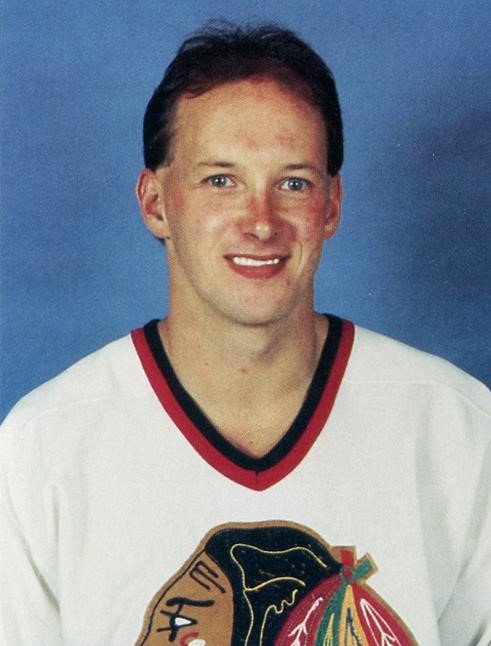
Three days before the Games opened, Jack O’Callahan tore knee ligaments in the exhibition against the Soviet Union at Madison Square Garden, the one the Americans lost 10-3. The team orthopedist gave him about thirty-six hours to prove he could play. Brooks kept him regardless, and told him he wanted him on the team because he needed his leadership, which is either a genuine assessment or the single most effective thing a coach said all year.
He missed the Sweden opener and played the other six, including the Soviet game, on a knee that had no business being out there.
He had won an NCAA title at Boston University in 1978 alongside Jim Craig and Dave Silk, and graduated in 1979 intending to go to law school, a plan the Olympics and then a professional career quietly deferred by about a decade.
Afterwards he went into finance in Chicago and stayed there.
He was twenty-two, born in Charlestown in the July of 1957, and he came back for the game everyone remembers. Chicago drafted him and he played seven NHL seasons with the Blackhawks and New Jersey, which for a man who had torn a knee three days before the biggest fortnight of his life is a reasonable return.
Bob Suter
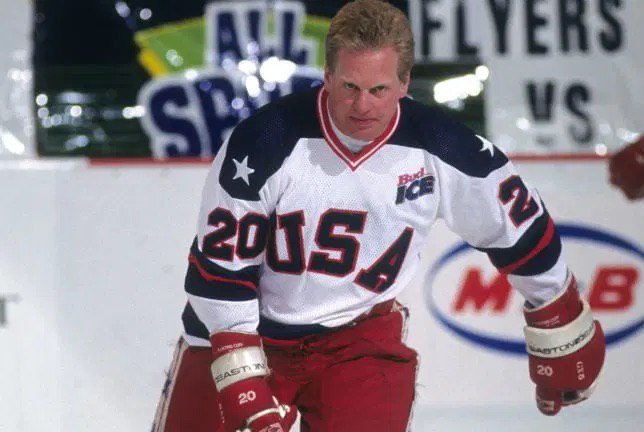
Bob Suter played all seven games and did not record a point. He had come out of Wisconsin, where he won an NCAA title in 1977 and set several of the programme’s penalty-minute records, and he left school in 1979 to join the Olympic team.
Los Angeles had drafted him 120th overall and offered him a contract after the Games. He turned it down, sat out a season entirely, played one year of minor-league hockey and retired in 1982 without ever appearing in an NHL game. He went home to Madison, opened a sporting goods shop called Gold Medal Sports and coached children, which is precisely what Mike Ramsey did in Minnesota, down to the name over the door.
The family did rather better at the professional game. His younger brother Gary played seventeen NHL seasons, won a Calder Trophy and a Stanley Cup and went to two Olympics. His son Ryan played twenty seasons and reached 1,500 games in February 2025.
Suter died of a heart attack on September 9, 2014, at fifty-seven, at the Middleton rink where he coached. It was renamed for him the following July. Ryan was in Milan in February 2026, watching the Americans win again.
Mike Eruzione
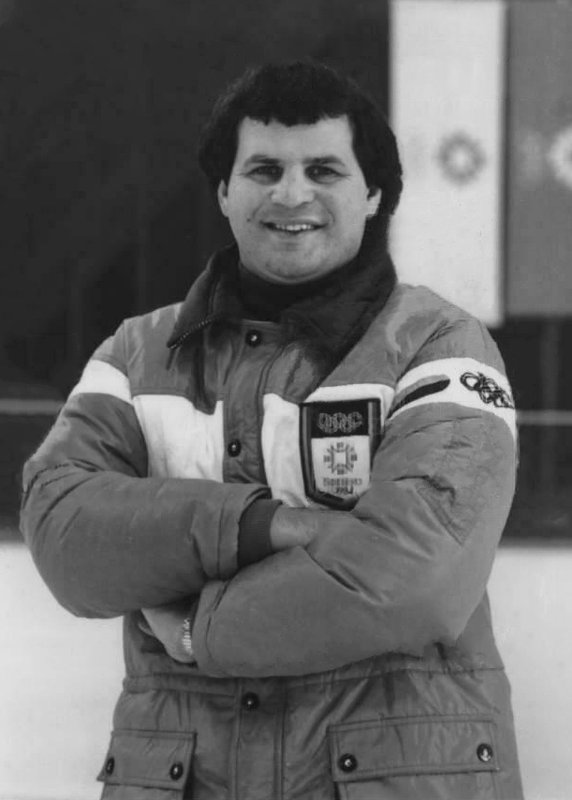
The captain scored the goal, the kind of thing that only happens in films and happened here at 50:00 of the third period, eighty-one seconds after Mark Johnson had tied the game at three. Mike Eruzione beat the Soviet goaltender from the top of the circle and the Americans held on 4-3. He finished the tournament with three goals and two assists.
Then he stopped. He turned down a contract from the Rangers and never played in the NHL, having already spent two seasons with the Toledo Goaldiggers of the International Hockey League, where he was rookie of the year in 1978. No NHL club ever drafted him. He became a broadcaster and covered five Olympics, coached at Boston University, and now works in its athletic department. What he did not do was try to follow it. He was also, contrary to a claim that has attached itself to him, not the oldest man on the team.
His jersey sold for $657,250 in 2013 and the stick that scored the goal for $262,900, on the same February afternoon at the same auction house. His memoir, published in 2020, reached the top ten of the Wall Street Journal bestseller list in its first week.
Mark Johnson
Two of the four goals against the Soviet Union were Mark Johnson’s, and the first of them arrived with one second left in the first period, which so unsettled the Soviet bench that Vladislav Tretiak, the best goaltender in the world, did not come out for the second. Johnson led the tournament’s Americans with eleven points, three clear of anyone else.
His father was Bob Johnson, who coached Wisconsin for sixteen years, then Calgary, then won a Stanley Cup with Pittsburgh in his only season there before dying of brain cancer a few months later.
Mark has coached the Wisconsin women’s team since 2002 and won its ninth national title on March 22, 2026, beating Ohio State by a goal with his goaltender making thirty-four saves. Six of the 23 women who won gold in Milan came through that programme, four of them still enrolled there when the Games began. He also coached the American women to silver in 2010, thirty years after his own gold.
He played 669 NHL games and scored 508 points for five clubs. Wisconsin retired his number in 2019, the first of its hockey players to be honoured that way, and in 2026 he became the first coach in NCAA women’s hockey to reach 700 wins. He did not finish his own degree there until seventeen years after he arrived as a freshman.
Rob McClanahan
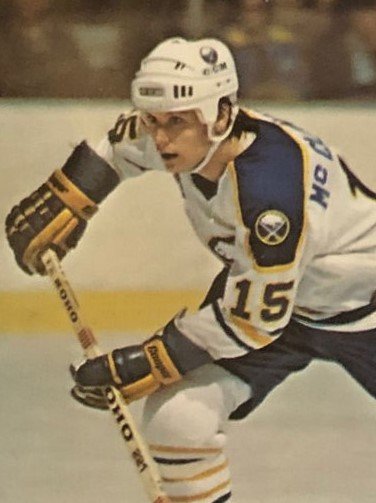
The goal that actually won the gold medal came six minutes into the third period on February 24, from Rob McClanahan, off a backhand feed from behind the net by Mark Johnson, through the goaltender’s five-hole. The Soviet game is the one everybody remembers. This is the one that finished the job.
He scored five times across the tournament and added three assists, tying Buzz Schneider as the second-highest scoring forward on the team behind Johnson. Two of those goals came in the same game against West Germany, when the Americans came back from two down to win 4-2.
He signed with Buffalo straight after the Olympics, spent parts of two seasons there, was claimed on waivers by Hartford and traded to the Rangers in 1982, where he found Herb Brooks waiting for him again. Afterwards he went into investment management around Minneapolis.
Netflix released a documentary about the team on January 30, 2026, three weeks before the Americans won again, and it took McClanahan back to Lake Placid with fourteen teammates. His summary of what made 1980 work was blunt: he did not score a goal, they scored, and that attitude is hard to repeat now because society does not allow it.
Neal Broten
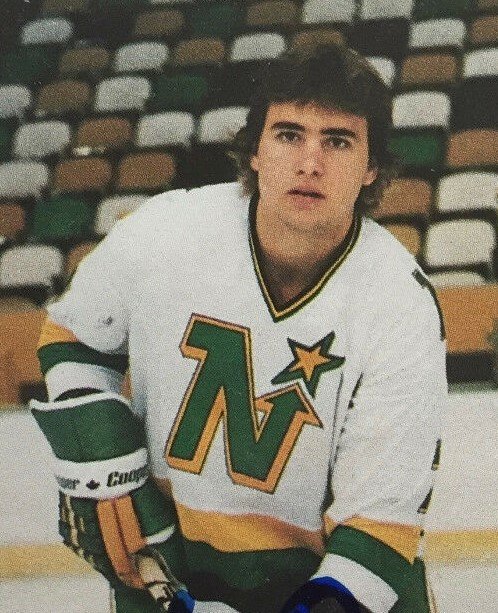
Neal Broten was twenty at Lake Placid and had a stranger career ahead of him than anyone else in the room. The following season he became the first winner of the Hobey Baker Award. In 1981-82 he scored ninety-eight points as an NHL rookie. In 1985-86 he reached a hundred points in a season, which no American-born player had done. In 1995 he scored the goal that clinched the Stanley Cup for New Jersey, the first American to score a Cup-winning goal, with Viacheslav Fetisov, whom he had beaten in 1980, on the ice for Detroit as he did it.
That combination of a Hobey Baker, an Olympic gold and a Stanley Cup has been managed by exactly two people. Jack Eichel became the second in 2026.
For years the line about Broten was that he and Ken Morrow were the only two Americans holding both a gold medal and a Cup. That stopped being true in February 2026, when Eichel, Jake Guentzel and Matthew Tkachuk added golds to Cups they already had.
He came out of retirement in 1999 to help the American team hold its place in the top division of the world championship. In February 2026 he went to the airport to meet the returning women’s team.
Mark Pavelich
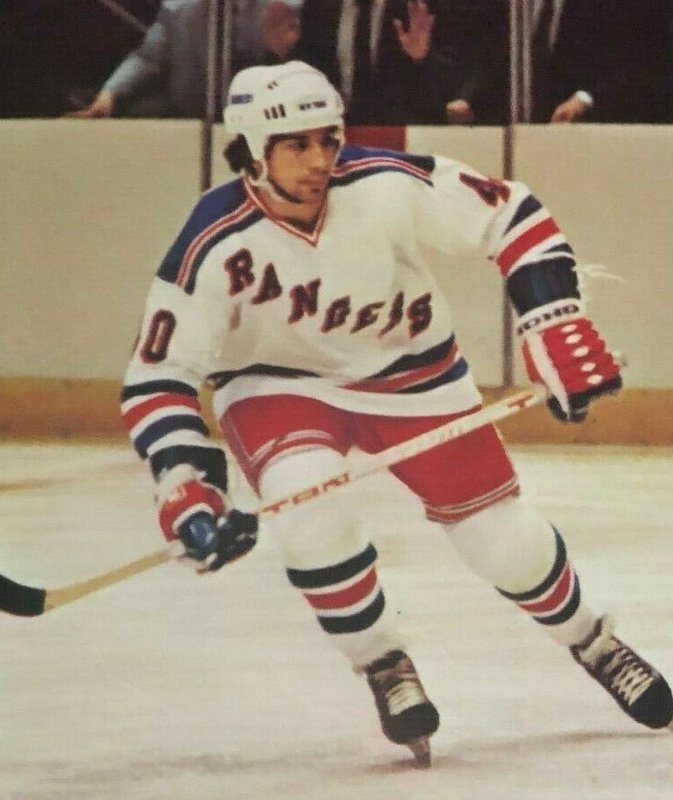
Three of the tournament’s most quoted goals were set up by Mark Pavelich, and he scored only one himself. He took the primary assist on Eruzione’s winner against the Soviets, the assist on Schneider’s equaliser in the same game, and one of the two on Baker’s last-minute goal against Sweden. He finished with a goal and six assists.
In 1983 he put five goals past Hartford at Madison Square Garden, the first American-born player to manage that in an NHL game. Only one American has matched it since, and he was on the 2026 Olympic roster.
The last years were terrible. He was arrested in 2019 after assaulting a neighbour he believed had drugged him, was found incompetent to stand trial on four felony counts, and was committed to a state facility. His sister said afterwards that she suspected chronic traumatic encephalopathy had been a factor. That has never been confirmed by any institution, and the record shows only a diagnosis, made while he was alive, of a mild neurocognitive disorder arising from a traumatic brain injury.
He died on March 4, 2021, at sixty-three, at a treatment centre in Sauk Centre, Minnesota. Five years on, his sister has spoken about how his story helps other people say something earlier.
Buzz Schneider
The first American goal against the Soviet Union was Buzz Schneider’s, at 14:03 of the first period, from a Pavelich feed, past Vladislav Tretiak. It tied the game at one and started everything that followed.
Schneider alone among the twenty had been to an Olympics before, having finished fifth at Innsbruck in 1976, and at twenty-five he was the oldest player there, six weeks older than his captain. He scored five goals in all, four of them in the wins over Czechoslovakia and Romania.
Pittsburgh had drafted him ninety-eighth overall in 1974 and he never played a regular-season NHL game. His entire major-professional career amounts to four appearances in the rival WHA. For a man who scored in the most replayed hockey game in American history, that is a startlingly short line.
The nickname is said to have come from a Croatian grandmother who called him the word for brother when he was a baby, and it sounded like Buzz. He scored twice against Czechoslovakia and twice against Romania besides.
He described the team in the Netflix documentary as the longest off-season he has ever been on. Weeks later he was at the Minneapolis airport with Broten and Ramsey, waiting for the 2026 team to land.
Dave Silk
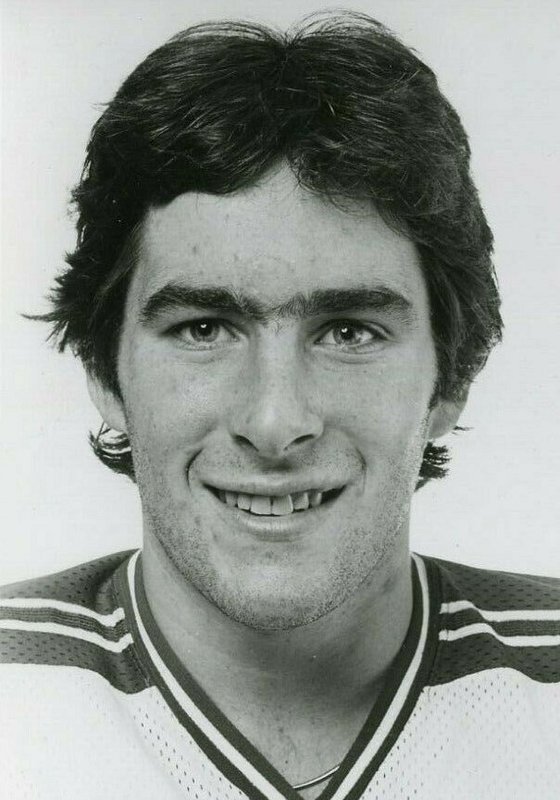
Both of Mark Johnson’s goals against the Soviet Union came from Dave Silk, which means half the American scoring in the most famous hockey game of the century ran through a man almost nobody names when they list who did what. He also scored the first equaliser of the tournament, beating Pelle Lindbergh nineteen minutes into the second period against Sweden, twenty minutes before Baker rescued the point.
He finished with two goals and three assists in seven games, and had come out of Boston University alongside Jim Craig and Jack O’Callahan, winning a national title in 1978 after a freshman year in which he set the school’s freshman scoring records.
He signed with the Rangers within days of the gold medal game and played parts of seven NHL seasons, then went to Germany, where in 1991 his own 1980 teammate Neal Broten spent a season filling in for him at a Berlin club while he was on leave in the United States, an arrangement that seems to have surprised nobody.
He came back to Boston University to coach and take a business degree, moved into investment work, and by 2013 was turning up in Ironman triathlons in his mid-fifties, which is a peculiar way to spend the decades after peaking at twenty-two.
Steve Christoff
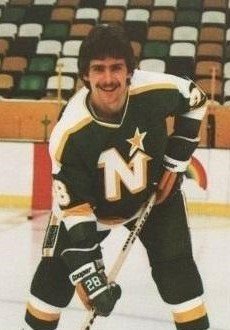
The Hobey Baker Award trophy is a sculpture of Steve Christoff. Its maker went through more than fifty photographs of skaters before settling on one of Christoff in a stopping position, stick and skates forming a three-point base, and cast that. He has been standing on college hockey’s mantelpiece ever since.
In the gold medal game he scored the first American goal, tying it at one after Finland had gone ahead in the first period, and then assisted Johnson’s insurance goal in the third. Jim Craig later called it his best game of the tournament. His line was two goals and an assist.
Minnesota drafted him twenty-fourth overall in 1978, the highest American taken that year, and he played five NHL seasons across Minnesota, Calgary and Los Angeles for 141 points in 248 games.
Afterwards he went back to finish a geography degree and became an airline pilot, flying for a Northwest regional carrier that later became Endeavor Air, from which he has since retired.
He no longer owns his gold medal or his jersey. Consigned by a later owner, they failed to meet a $250,000 reserve at auction in 2017 and went to an online sale that closed on February 22, 2020, forty years to the day after the Soviet game.
John Harrington
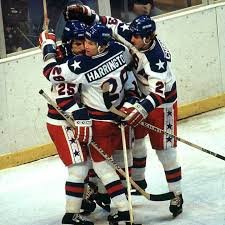
John Harrington walked on at Minnesota Duluth, having been urged to try out by an assistant coach, lettered four seasons and was voted the school’s outstanding student-athlete. He arrived at the Olympic team the least heralded man on it and left with the secondary assist on the most famous goal in American hockey.
He scored nothing at all across the seven games, finishing with five assists, which is worth stating plainly because he is regularly credited with a goal against Czechoslovakia that the box score does not show. He had two assists in that game instead.
Then he went to Switzerland for a season, played three more world championships, went to the Sarajevo Olympics in 1984 and stopped.
What he did afterwards lasted far longer. He coached Saint John’s University in Minnesota for fifteen seasons and won 241 games, still more than anyone in the school’s history, took brief turns with a Swiss club and the Slovenian national team, and then spent nine seasons with the women’s programme at Minnesota State Mankato before retiring in June 2024. Across thirty-three years he coached in four countries, a considerable second act for a walk-on from the Iron Range. His nickname, Bah, comes from an older brother who could not manage the word baby.
Eric Strobel
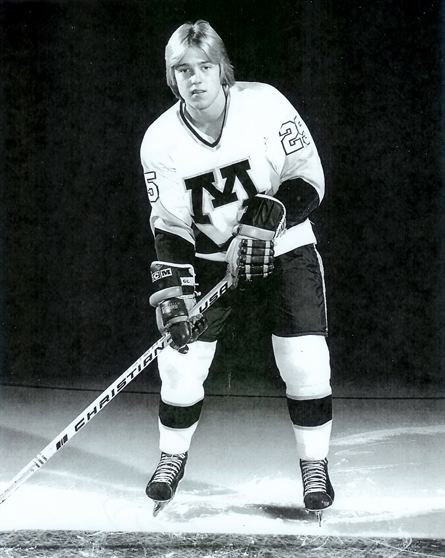
Eric Strobel was twenty-one, the son of a former New York Ranger, and among the quickest skaters on a team selected substantially for its legs. An NCAA title with Minnesota had come his way in 1979, and at Lake Placid he scored once and assisted twice, including the second assist on Mark Wells’s goal against Norway.
Buffalo had drafted him 133rd overall in 1978. He never played an NHL game. His professional career amounts to thirteen appearances for the Rochester Americans of the AHL before a broken ankle ended it, and sources cannot agree whether that took half a season or a month.
So he went back to Minnesota, finished his degree, became a telephone sales executive in Apple Valley and coached a Peewee A team for the local athletic association. He had a minor stroke in October 2006 and recovered through physical therapy.
Thirteen professional games is fewer than most of his teammates managed in a single NHL season, and only six more than the seven Olympic games that made him famous. He was twenty-one, he beat the Soviet Union, and then he went home to Minnesota and got on with something else, which on the evidence of the rest of this list is the more common ending.
Phil Verchota
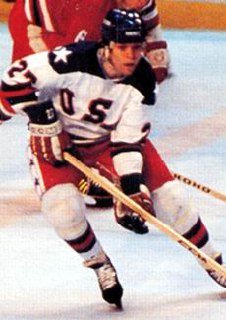
Phil Verchota scored the goal that tied the gold medal game against Finland, and four years later he captained the United States at Sarajevo, where the same programme finished seventh. Very few athletes get to experience both halves of that so cleanly.
He scored three goals and added two assists in 1980, including one against Czechoslovakia in the first win of the tournament, and set up Ken Morrow against Norway.
Minnesota drafted him seventy-fifth overall in 1976 and he turned the contract down, choosing a season with Jokerit in Finland instead. The NHL never saw him at all. He went into banking, became a senior vice president in Willmar, Minnesota, and is now president and northern market manager of a bank in Bemidji.
When the team collected its Congressional Gold Medal in Washington in December 2025 and he was asked to say something, he began by pointing out that nobody had warned him he would have to talk, and then said the award was beyond what he could imagine. It had taken forty-five years to arrive. His skates from the tournament are held by the Smithsonian, which is a strange fate for a pair of boots that also went to Sarajevo.
Mark Wells
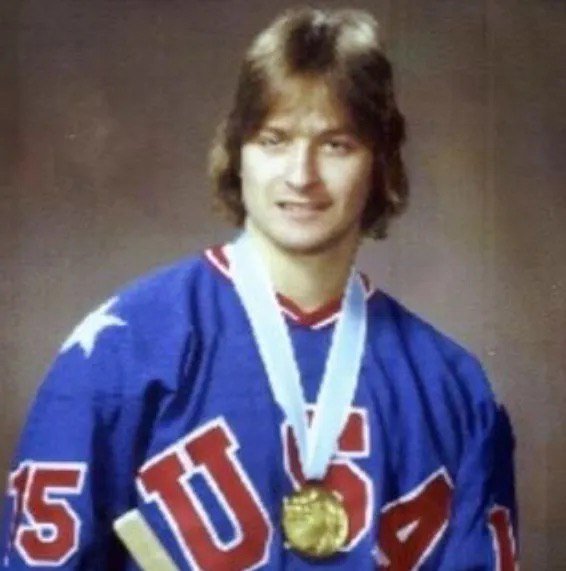
Mark Wells sold his gold medal in 2010, privately, to a collector, for a reported $40,000. That collector consigned it to Heritage Auctions, where it sold on November 5 the same year for $310,700, the first medal from the 1980 team ever to reach public auction. He had kept it on his nightstand for the better part of thirty years. Selling it, he told the New York Daily News, killed him, but his life was crumbling, he was going to lose his home, and he needed the surgery.
The surgeries came from a fractured vertebra he suffered unloading crates as a restaurant manager in Michigan. Eleven hours on the table uncovered a rare degenerative disease of the spinal disks, and more operations followed.
At Lake Placid he played centre between Phil Verchota and Eric Strobel and finished on two goals and one assist, scoring in the third period against Norway. Montreal had drafted him 176th overall in 1977; he refused a trade assignment to Detroit, signed with the Rangers and never played an NHL game.
He died on a Tuesday in May 2024, at sixty-six, in Escanaba, Michigan, having spent the last fourteen years of his life without the thing that made him famous.
Frequently Asked Questions
Did Herb Brooks receive an Olympic gold medal in 1980?
No. Coaches were not awarded medals at the time, a rule Olympedia states plainly on his own record. Brooks chose the team, drove it, and went home without one. He later coached the New York Rangers, and was killed on a Minnesota road three years into the new century.
Who were the coaches and staff of the 1980 Miracle on Ice team?
Seven men, per the U.S. Hockey Hall of Fame: head coach Herb Brooks, assistant Craig Patrick, manager Ralph Jasinski, goaltending coach Warren Strelow, physician George Nagobads, trainer Gary Smith and equipment manager Bud Kessel. None of them appears on the playing roster.
Who was the last player cut from the 1980 Olympic team?
Ralph Cox, on an ankle injury, by Brooks’s own account. A Harvard defenceman named Jack Hughes went in the same final trim, though no source gives a date for either. He is no relation to the Jack Hughes who scored the overtime winner for the Americans in 2026.
What was the 1980 U.S. Olympic hockey team’s record?
Six wins and a draw across seven games. USA Hockey’s own recap page prints it as 5-0-1, contradicting the game log directly below it. The draw was the opening 2-2 with Sweden, and it turned out to be worth the gold medal.
Which members of the 1980 Miracle on Ice team have died?
Three of the twenty players have died: Bob Suter of a heart attack in 2014, Mark Pavelich in 2021 and Mark Wells in 2024. Their coach Herb Brooks was killed in a single-car accident in 2003, and two members of his staff, the goaltending coach and the team physician, have died since.
Did the 1980 team ever receive a Congressional Gold Medal?
Yes, forty-five years afterwards. Congress passed the Miracle on Ice Congressional Gold Medal Act and the surviving players collected it at a White House ceremony on December 12, 2025. Mark Wells, who had died the previous year, was represented by his brother John.
How many of the 1980 team played in the NHL?
Most did, but not all. Mike Eruzione turned down a Rangers contract and retired at twenty-five, and Buzz Schneider, Bob Suter, John Harrington, Eric Strobel, Phil Verchota and Mark Wells never appeared in a regular-season NHL game. Ken Morrow spent his whole career with one club.
- Olympedia: Ice Hockey, Men – 1980 Winter Olympics (Full Results, Standings and Team Rosters)
- Olympedia: Ice Hockey at the 1980 Winter Olympics (Tournament Overview)
- USA Hockey: Road to 1980 Gold – U.S. Comes Back Against Finland to Win Gold
- U.S. Hockey Hall of Fame: The 1980 U.S. Olympic Team
- U.S. Olympic & Paralympic Museum: 1980 Men’s Ice Hockey Team
- NHL.com: Morrow, Christian and Suter records and 2026 coverage
- Hockey Reference: 1980 player career statistics
- Heritage Auctions: 1980 Olympic memorabilia sale records