Every Major City That Has Served as the U.S. Capital
Deciding what counts as a capital of the United States turns out to be the hard part. The test this list runs on is the one the Congressional Research Service uses: a city qualifies when Congress actually sat there – the Continental Congress, the Confederation Congress, or the Congress that arrived with the Constitution. Apply that test strictly and the map gets strange. Our derivation examined 22 candidate cities and historical claims against it; 13 failed.
The question is livelier than it sounds. On July 4, 2026, with America’s 250th anniversary underway, the mayor of New York called his city “our nation’s first capital,” and PolitiFact spent the next several days refereeing. One historian ruled for Philadelphia, dating the country to 1776 and the Second Continental Congress; another for New York, on the grounds that the true founding is the Constitution’s, in 1789, not the Declaration’s in 1776 or the Articles’ in 1781. Three candidate dates, two serious first capitals.
This list sidesteps the argument by refusing to pick a single first and instead giving you all of them, in the order Congress first sat in each – from Carpenters’ Hall in Philadelphia to the one city that has managed to keep the job since 1800. Along the way Congress convened in a rented brick house, three courthouses, a tavern’s long room, and a college hall its own artillery had fired on – and adjourned, more than once, at speed.
Nine cities have served as the capital of the United States: Philadelphia, Baltimore, Lancaster, York, Princeton, Annapolis, Trenton, New York City, and Washington, D.C. Each was the seat of Congress – Continental, Confederation, or under the Constitution – and Congress has sat in Washington since November 17, 1800.
Philadelphia, Pennsylvania
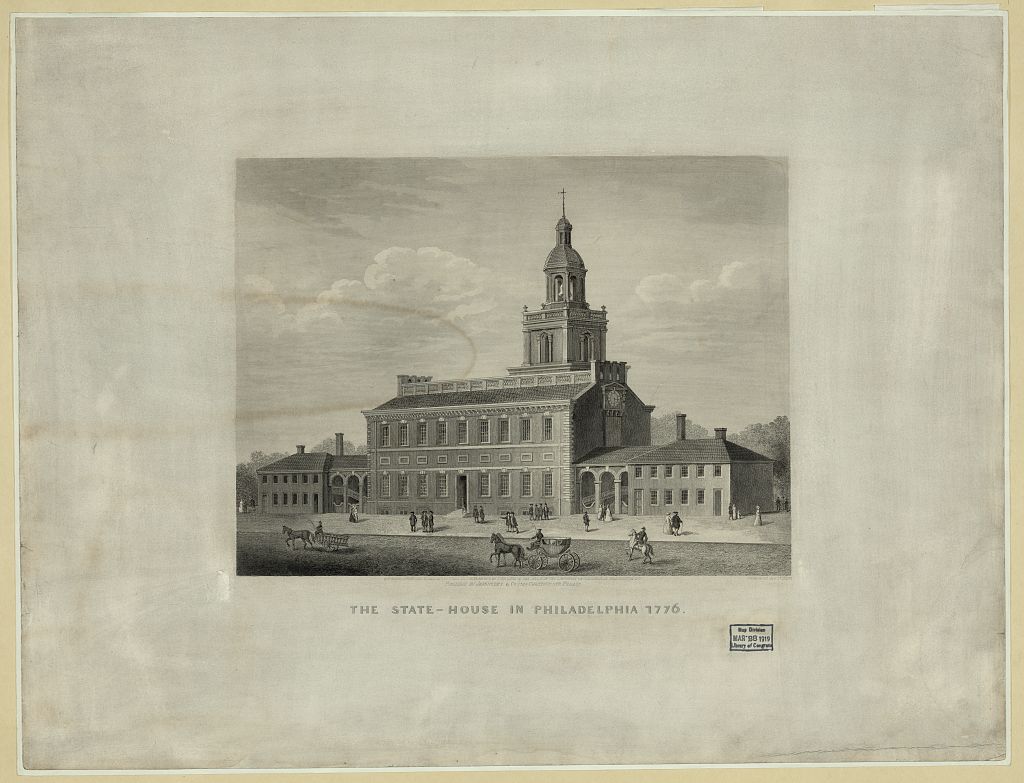
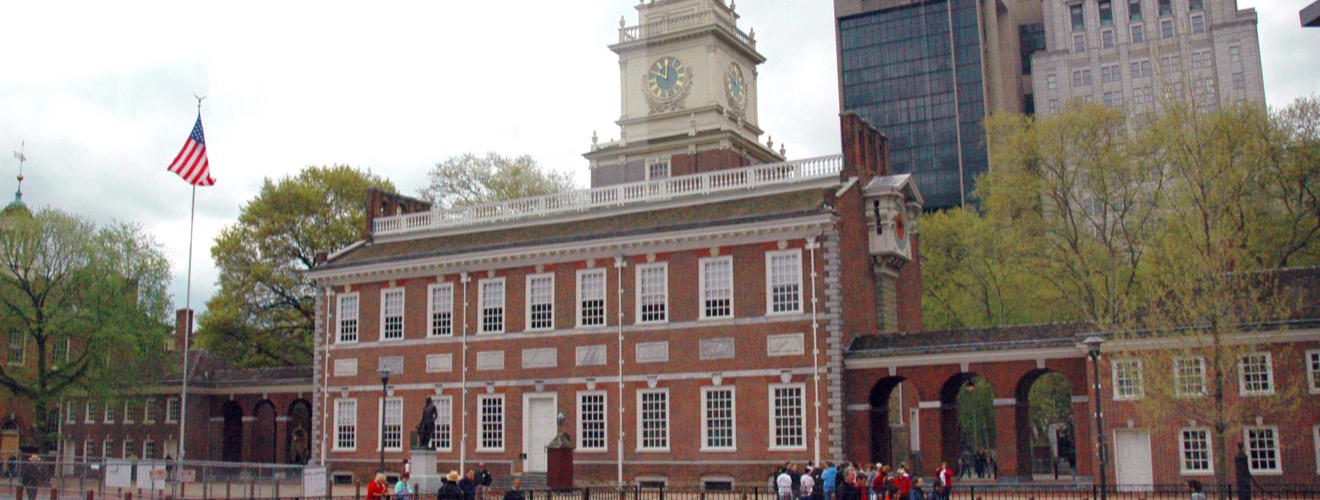
Philadelphia held the job six separate times, which is less a record of devotion than of everyone else’s bad luck. Congress first convened at Carpenters’ Hall on September 5, 1774, moved into the Pennsylvania State House the following May, and kept returning – once after fleeing the British, once after fleeing its own unpaid soldiers, a story told properly further down this list. In that State House it approved the Declaration of Independence on July 4, 1776, and began signing the engrossed parchment in the Assembly Room on August 2, one name at a time from every signer of the Declaration of Independence.
The last stint, from December 1790 to May 1800, was the grand one. The former county courthouse next door became Congress Hall, and when the 1790 census increased the number of House members from 65 to 105, the chamber needed a 26-foot extension to fit them – the federal government then being something you could enlarge with a modest quantity of brick.
Congress held its final Philadelphia session on May 14, 1800. The government went south for good. After six stints, the closest thing the founding had to a home address never got the permanent job: the republic treated Philadelphia the way some people treat a favorite restaurant, returning at every opportunity and declining, on principle, to move in.
Baltimore, Maryland
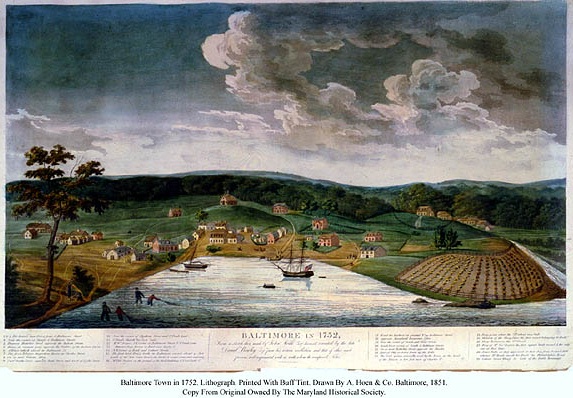
In December 1776, with the British bearing down on Philadelphia, Congress did the sensible thing and left town. It reconvened on December 20 in the Baltimore house of Henry Fite, who rented his three-story brick building to the delegates for three months at sixty pounds – one of history’s better landlord stories, since his tenants used the place to run a war.
They ran it briskly. A week after arriving, on December 27, Congress voted General Washington “full, ample, and complete powers” to raise sixteen battalions of infantry, among much else. Three days before that it had named a committee of five – Samuel Adams, Richard Henry Lee, Elbridge Gerry, John Witherspoon, and Abraham Clark – to draft a plan for obtaining foreign assistance. For a legislature camped in a rented house, it was a productive winter.
Congress went home at the end of February 1777, after a stay of a little over two months. The Fite house is long gone, but a bronze tablet on West Baltimore Street still marks the site of what it calls Old Congress Hall, where the delegates “Conferred Upon Gen. Washington Extraordinary Powers For The Conduct Of The Revolutionary War.” What the bronze commemorates is the winter Congress handed one man the war.
Lancaster, Pennsylvania
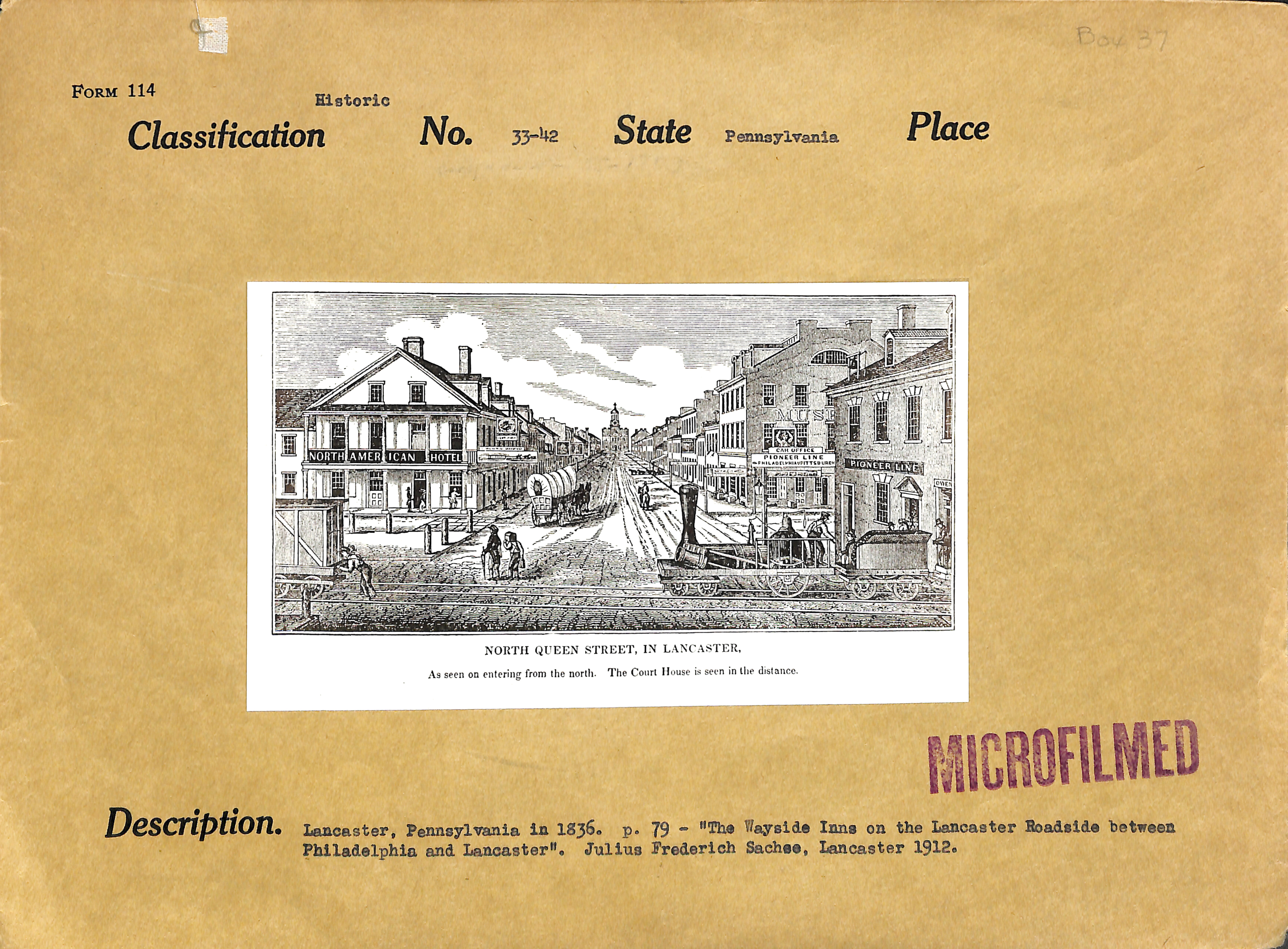
Lancaster’s entire career as the national capital lasted one day. Congress had planned ahead, resolving on September 14, 1777 that if forced out of Philadelphia, “Lancaster shall be the place at which they shall meet.” The order to actually go came in an urgent letter from Colonel Hamilton, one of General Washington’s aides, which “intimated the necessity of Congress removing immediately from Philadelphia.” The members did exactly that.
They trickled into Lancaster on September 26 and met the next day, September 27, in the Court House. The 1739 building had room to spare: a visitor named William Marshe described it in 1744 as “capable to contain above 800 persons without incommoding each other.” Lancaster had been, by 1760, the largest inland town in America, so as emergency capitals go it was a respectable choice. Congress transacted a day’s business and looked at the map.
The Journals for September 27 end with a line of magnificent calm: “Adjourned to York-town, there to meet on Tuesday next, at 10 o’Clock.” One session, one adjournment. The capital was somewhere else by Tuesday. Lancaster did get a consolation prize – it spent 1799 to 1812 as the capital of Pennsylvania, earning its place among the state capitals that have been moved – and it still throws itself an annual Capital Day every September, which for a single day’s work in 1777 is a perfectly reasonable return.
York, Pennsylvania
The Journals of the Continental Congress record York’s debut as a capital with characteristic drama: “Met and adjourned to 10 o’Clock to Morrow.” That was September 30, 1777, and Congress stayed 271 days, until June 27, 1778.
The paperwork alone justified the stay. On November 15, 1777, Congress adopted the Articles of Confederation, the document the National Archives calls the United States’ first constitution. News from the outside arrived on its own schedule: word of the victory at Saratoga came with Colonel James Wilkinson, who left General Gates’s camp on October 18, covered the roughly 350 miles to York, and delivered the dispatches on October 31 – a pace no one has ever described as urgent. The same winter, the whispering campaign to replace Washington with Gates, remembered as the Conway Cabal, fell apart by January 19, 1778, when Gates and Conway refused to hand Congress the disputed letter. And at the start of May 1778 came the news of the French alliance – the courier arriving May 2 by one account, the town bell-ringing dated May 4 by York’s own historians.
The courthouse where all this happened is not quite the one you can visit: today’s Colonial Court House is a reconstruction, built in 1976 for the nation’s 200th anniversary. York gave the country its founding paperwork. The Bicentennial gave York back its courthouse.
Princeton, New Jersey
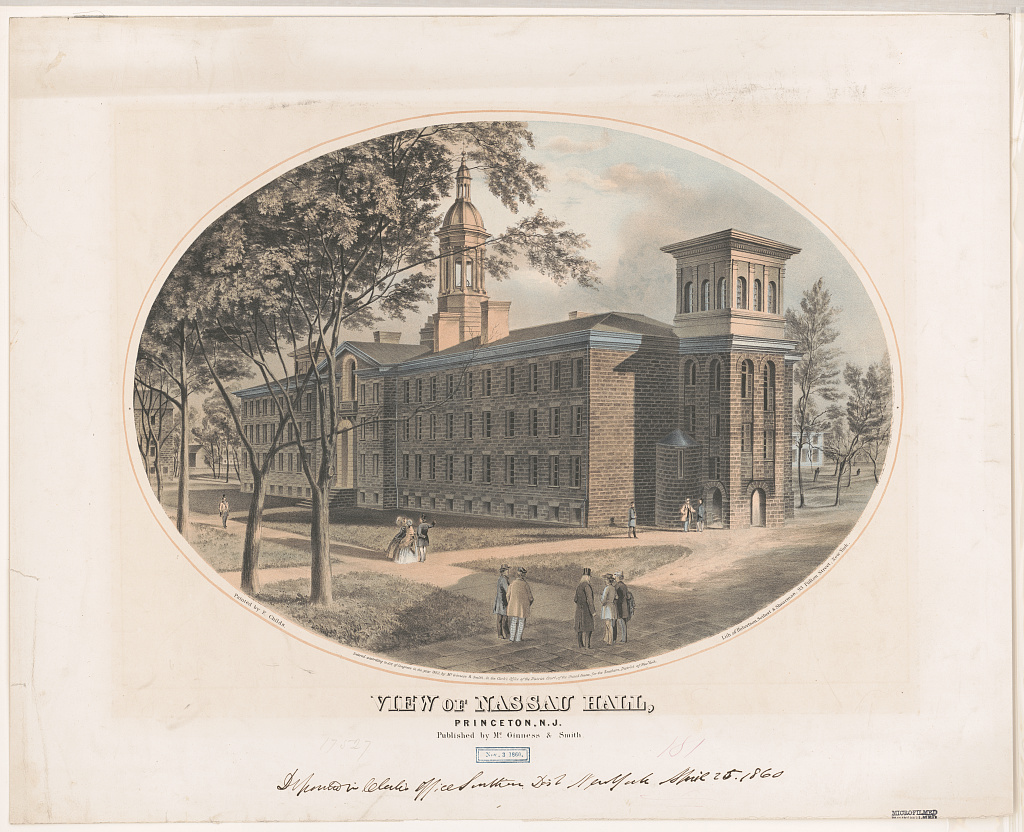
On June 20, 1783, about 80 mutinous Pennsylvania soldiers marched on Philadelphia over unpaid wages; by morning as many as 400 armed men ringed the State House. At an evening quorum in President Elias Boudinot’s own house, Congress protested that it had been “grossly insulted by the disorderly and menacing appearance of a body of armed soldiers” and demanded protection. Pennsylvania’s John Dickinson twice declined to call out the militia. On June 24 Boudinot adjourned Congress and ordered it to Princeton.
Boudinot was a Princeton native and a college trustee, and the town sat roughly midway between Philadelphia and New York. Congress convened on June 30 in Nassau Hall – at its 1756 completion “the largest academic building in the colonies” – and stayed until November 4; Burnett’s history records that for “much of the time no more than six states” were represented. On October 31, shortly after word arrived that the definitive Treaty of Paris had been signed on September 3, Congress received Peter John van Berckel, the first Dutch minister to the United States. Washington waited nearby at Rockingham, writing his Farewell Orders to the Armies of the United States.
Nassau Hall already knew the war: during the 1777 Battle of Princeton, American artillery fire tore away a portrait of King George II, and the trustees later replaced it with a Charles Willson Peale portrait of Washington. Congress deliberated into the autumn in a building its own artillery had shot at, hiding from its own soldiers.
Annapolis, Maryland
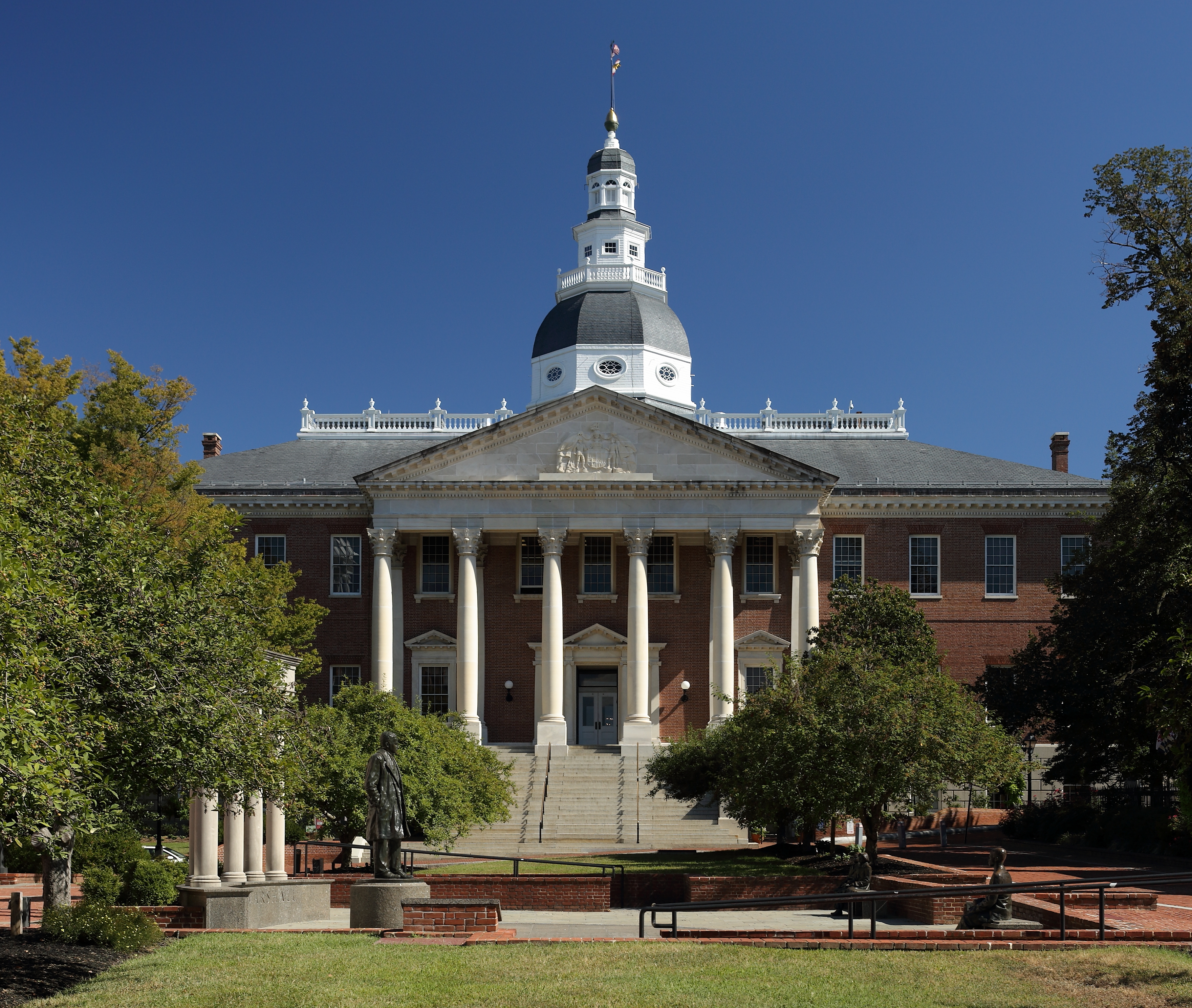
The most important thing Congress did in Annapolis very nearly failed for want of attendance. The Treaty of Paris needed ratification by nine states, and in mid-December 1783 only seven were represented at the Maryland State House. Jefferson, watching the empty chairs, saw “no immediate prospect of making up nine states, so careless are either the states or their delegates to their particular interests.” President Thomas Mifflin – one of the fourteen men who served as president before George Washington – presided over the wait, in the same building where Washington had resigned his commission on December 23.
When Richard Beresford of South Carolina arrived in mid-January and supplied the ninth state, Congress moved quickly: on January 14, 1784, 23 members from nine states unanimously ratified the treaty in the Senate chamber, and the Revolution was formally over. Attendance never really improved. On January 18 Jefferson totted up the house for Edmund Pendleton: seven of the nine states present had sent just two delegates each, so “there are 14. gentlemen then, any one of whom differing from the rest, can stop any vote.” Maryland’s governor, William Paca, had at least made the emptiness comfortable, lending his own house to Congress’s president.
Congress last sat in Annapolis on June 3, 1784, and moved on. The building never did. Maryland’s archives describe it as “America’s first peacetime capitol and the oldest state house still in legislative use” – a room that has never really gone off the clock.
Trenton, New Jersey
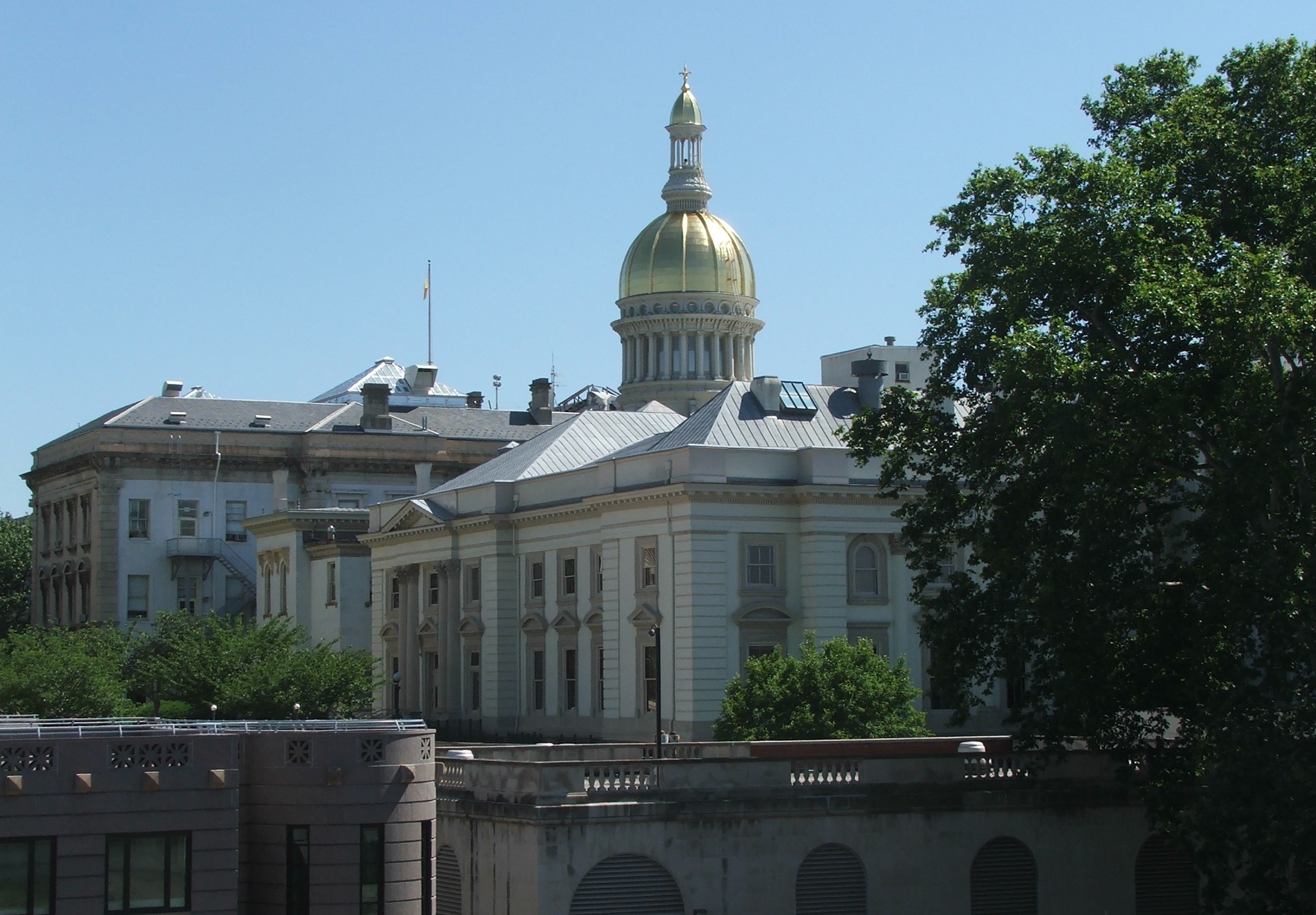
Trenton got Congress for 54 days at the end of 1784, and it took the assignment seriously. The New Jersey Legislature leased a tavern called the French Arms and had its Long Room – two ground-floor rooms knocked into a single hall, 20 by 43 feet – refurnished for the delegates, with a freshly whitewashed ceiling and new carpet. The building had started life in the early 1730s as a private residence, and under tavern-keeper Jacob G. Bergen it had traded as the Thirteen Stars before taking the French Arms name.
Congress used the borrowed room to make a large decision: it voted to build a single permanent federal town on the banks of the Delaware near Trenton, putting roughly $100,000 toward the project. You will notice, from the rest of this list, how that turned out. In the same short sitting, John Jay finally entered on his duties as Secretary for Foreign Affairs on December 21, having been appointed back in May.
On December 24, Congress “adjourned to meet at the city of New York, on the eleventh Day of January following,” and Trenton’s turn was over. The building went back to being a tavern, trading as the Blazing Star and later the City Tavern, until the Mechanics and Manufacturers Bank bought the property in 1836. In 1837 the bank did what banks do, and razed the room where Congress had planned the nation’s capital.
New York City, New York
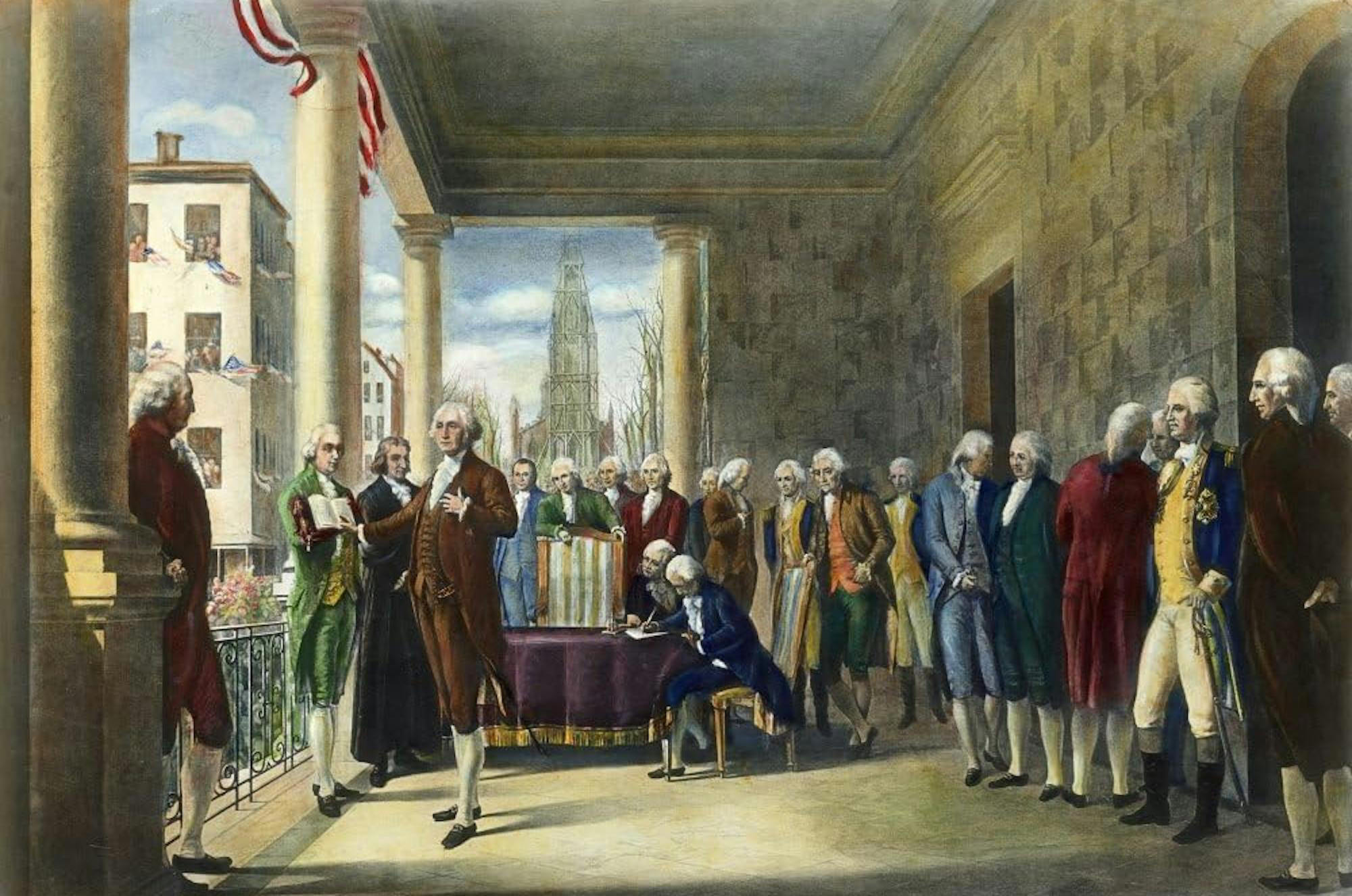
The government of the Constitution was scheduled to open at Federal Hall on March 4, 1789. It opened to empty chairs: neither chamber could raise a quorum, with about 8 of the 12 senators needed and 13 of the necessary 30 representatives on hand. The House reached quorum on April 1 and elected Frederick A.C. Muhlenberg of Pennsylvania the first Speaker of its 65 seats; the Senate followed by April 6 and counted the electoral votes: 69 of them, every elector who actually voted, for George Washington.
New York had held the capital since January 11, 1785, when the Confederation Congress arrived; it passed the Northwest Ordinance there on July 13, 1787, and its delegates were last present on March 2, 1789. Pierre L’Enfant remodeled the old City Hall into Federal Hall for the occasion, and on April 30, around one o’clock, Washington took the oath on its balcony – the ceremony that opens the roster of every U.S. president. Fisher Ames recalled Washington “actually shaking, his voice deep . . . and so low as to call for close attention.” On June 8, Madison introduced in the House the amendments that became the Bill of Rights.
Congress last sat in New York on August 12, 1790. Federal Hall itself was torn down in 1812, and the building tourists photograph on the site today went up in 1842 as a Customs House. The room where the presidency began is not merely gone. It has an impostor.
Washington, D.C.
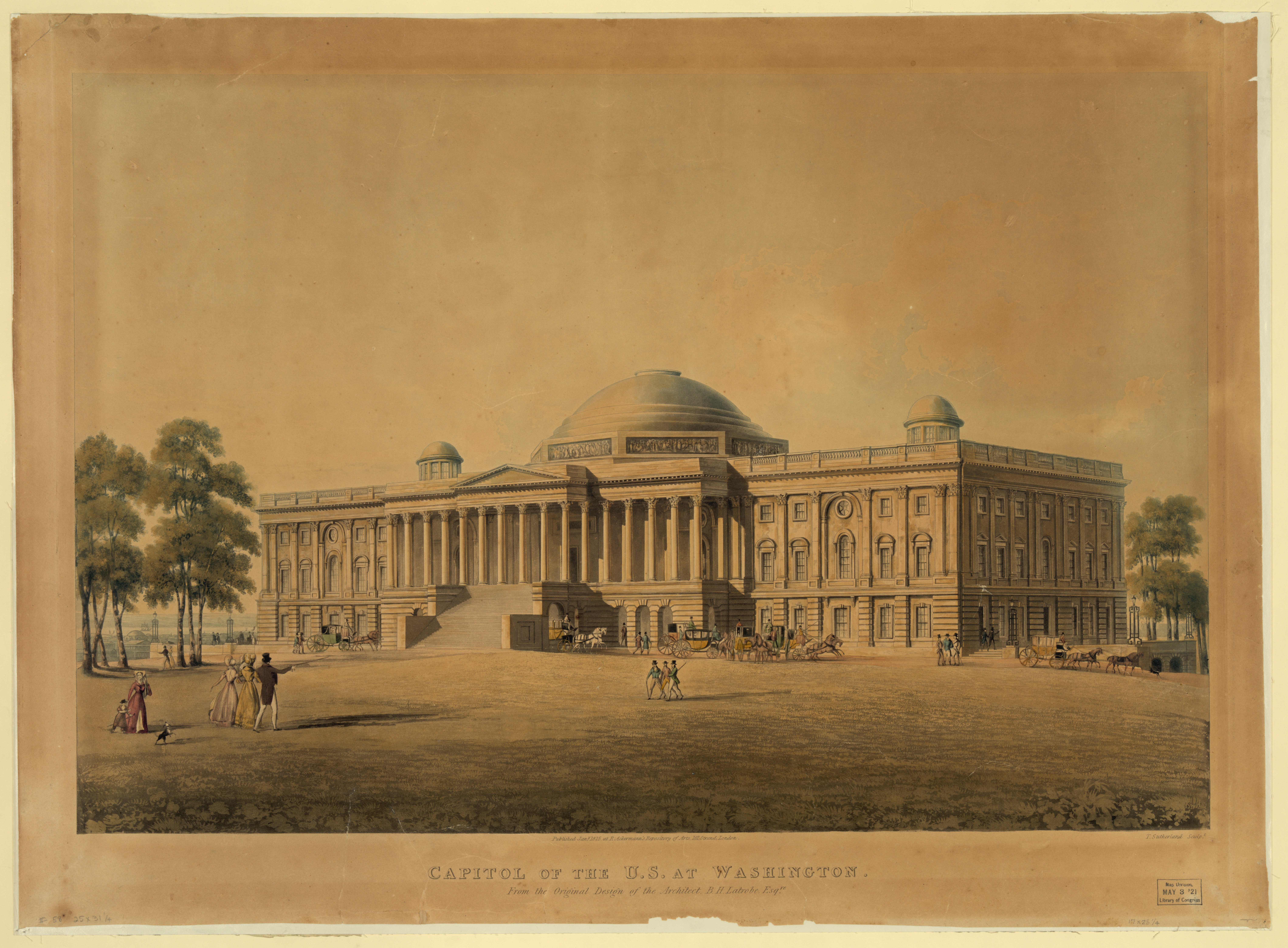
By Thomas Jefferson’s own account, the permanent capital was settled over dinner. In June 1790 he brokered a Hamilton-Madison dinner, trading Madison’s acquiescence on assuming state debts for a capital on the Potomac. The National Archives’ history blog notes historians doubt how much the dinner decided – the story is Jefferson’s telling – but the Residence Act of July 16, 1790 fixed the permanent seat on the Potomac regardless.
Washington laid the Capitol’s cornerstone on September 18, 1793. Construction never caught the calendar. Twenty tons of plaster came over from Paris in 1799 alone, boiled in vats and troweled across 10,000 square yards of wall and ceiling, bound to 240,000 feet of lath with 1,000 bushels of hair. Congress moved into the unfinished north wing on November 17, 1800; only 15 of the 17 senators needed for a quorum appeared. Adams was there first – on his second night in the President’s House, November 2, he wrote to Abigail, “May none but honest and wise Men ever rule under this roof.” On November 22 he rode to address Congress along Pennsylvania Avenue, “the only paved road in Washington at the time.”
The building keeps the national ledger, down to every person to lie in state or honor in the Capitol Rotunda. Congress has met outside Washington only twice since: commemorative joint meetings at Independence Hall in 1987 and Federal Hall in 2002. Every other city on this list held the job and lost it. Washington never gave it back.
Frequently Asked Questions
What was the first capital of the United States?
Philadelphia is the usual answer: it hosted Congress from 1774 and was the seat when independence was declared there in 1776. New York City came first under the Constitution, in 1789. The answer turns entirely on which founding you count from – 1776, 1781, or 1789 – and the argument is permanent.
Which city served as U.S. capital the longest before Washington, D.C.?
Philadelphia, and it is not close. Counted from the session tables, its six stints total about 6,096 days, against New York City’s 2,039. York follows at 271 days, then Annapolis at 191, Princeton at 128, Baltimore at roughly two months, Trenton at 54 days, and Lancaster at one.
Did any other city almost become the U.S. capital?
Columbia, Pennsylvania came within a single Senate vote. A House bill of September 7, 1789 named the Susquehanna site as the permanent capital; in the Senate, an amendment substituting Philadelphia-area land deadlocked 9-9, and Vice President John Adams broke the tie in the amendment’s favor. Pennsylvania’s own senators split: William Maclay voted for Columbia, Robert Morris for Philadelphia.
Was Brookeville, Maryland ever the capital of the United States?
Not really, though the nickname endures. When the British burned Washington in August 1814, President James Madison took refuge at the Brookeville house of Caleb Bentley on August 26, and the town has been called the “capital for a day” ever since. Congress never met there, which is what actually confers the title.
- Congressional Research Service, The Capitals of the United States (In Focus IF12533)
- U.S. House Office of the Historian, Meeting Places of the Continental Congress
- National Archives, The Declaration of Independence: A History
- National Archives, Articles of Confederation (1777)
- U.S. Senate, Congress Hall, Philadelphia
- U.S. Senate, The Senate Moves to Washington
- National Park Service, Federal Hall National Memorial History
- National Park Service, Independence Hall Assembly Room