All U.S. Presidents Who Owned Slaves While in Office
On January 24, 1801, weeks from the end of his presidency, John Adams wrote to a Quaker correspondent named George Churchman and set down a sentence almost none of the men around him could have written: “never in my Life did I own a Slave.” Adams was the exception, and the exception was narrow. Ten of the first twelve men to hold the office enslaved people at some point in their lives; only Adams and his son did not.
Counting them is harder than it sounds. The White House Historical Association, which has spent years in the archives on this, states that at least thirteen presidents were slave owners at some point during their lives. The Miller Center puts it at 12 of the first 18. Both are careful institutions reading the same documents, and they differ over exactly one man. The Association also keeps a second, separate list, of at least nine presidents who brought or hired enslaved workers into the White House, and that one includes a president who never owned anybody and leaves out George Washington, who never lived in the building.
Of the 45 men who have held the presidency, only the first seventeen served any part of a term while slavery was still legal, and the Thirteenth Amendment closed the question in December 1865. What follows is the narrower list: the presidents who held legal title to another human being on the days they were signing bills and receiving ambassadors. It runs from Washington’s first term to Zachary Taylor, who also appears among the presidents who have died in office.
Eight U.S. presidents personally owned enslaved people while serving in office: George Washington, Thomas Jefferson, James Madison, James Monroe, Andrew Jackson, John Tyler, James K. Polk and Zachary Taylor. The span runs from 1789 to Taylor’s death in 1850. Several others enslaved people before their terms, but never while serving.
George Washington
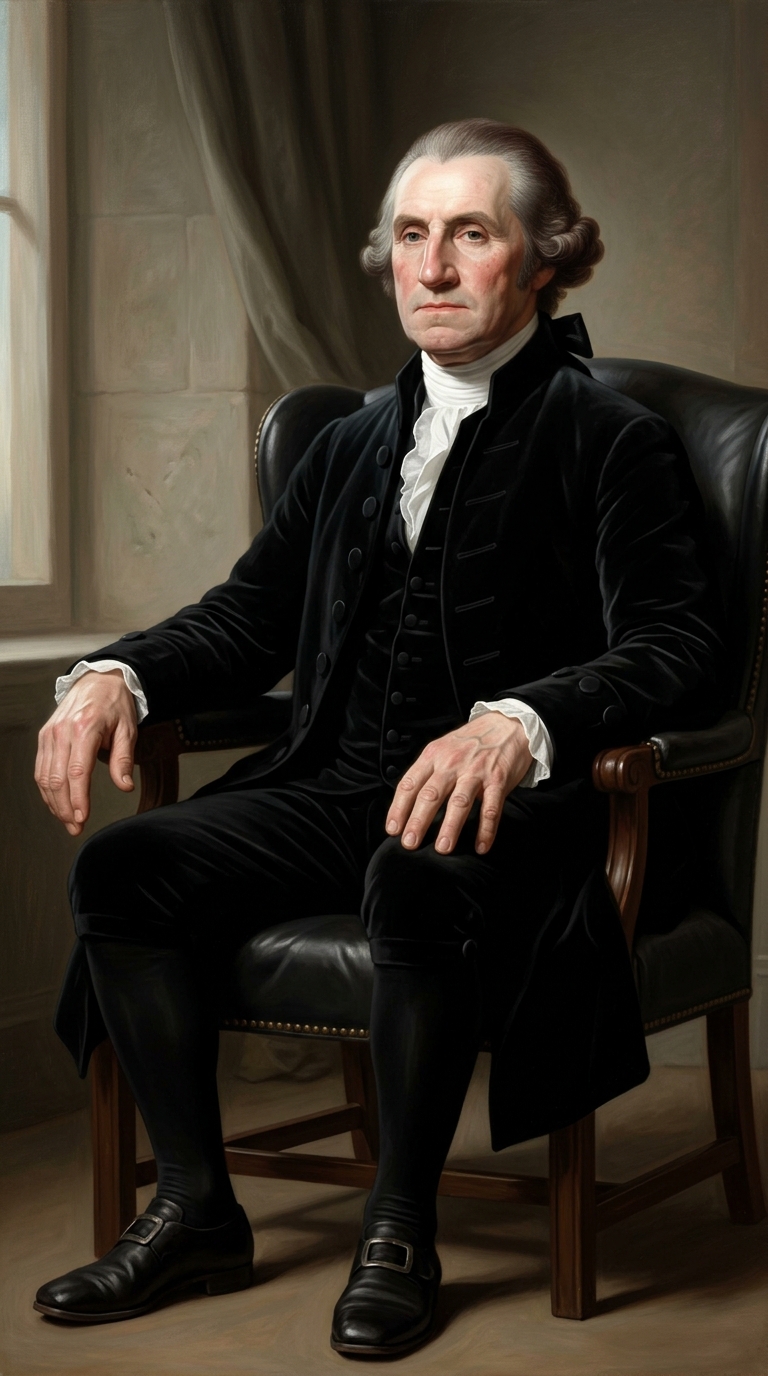
Philadelphia was the seat of government for most of Washington’s presidency, and Pennsylvania had a law. Under the Gradual Abolition Act of 1780, an enslaved person who lived in the state six consecutive months became free. Washington read it and built a rota around it. On April 12, 1791 he wrote to his secretary Tobias Lear about cycling the enslaved members of the presidential household back to Virginia before the clock ran out, asking that it be done “under the pretext that may deceive both them and the Public.”
The nearest census to his inauguration, taken in February 1786, counted 216 enslaved people at Mount Vernon, 113 of them Custis family property rather than his own. Nine are documented at the Philadelphia President’s House across both terms: Oney Judge, Hercules, Christopher Sheels, Moll, Austin, Richmond, Giles, Paris, and a footman named Joe.
Two beat the rota. Judge walked out on May 21, 1796 while the Washingtons were at dinner and lived out her life in New Hampshire, refusing every offer to return. Asked in 1845 whether she regretted escaping, she said: “No, I am free, and have, I trust, been made a child of God by the means.” Hercules, the cook, absconded on February 22, 1797, Washington’s birthday, two days after being set to laying bricks. When the future King of the French asked his six-year-old daughter Eve whether she was sorry her father had gone, she said: “No sir. I’m very glad for he is free now.”
Thomas Jefferson
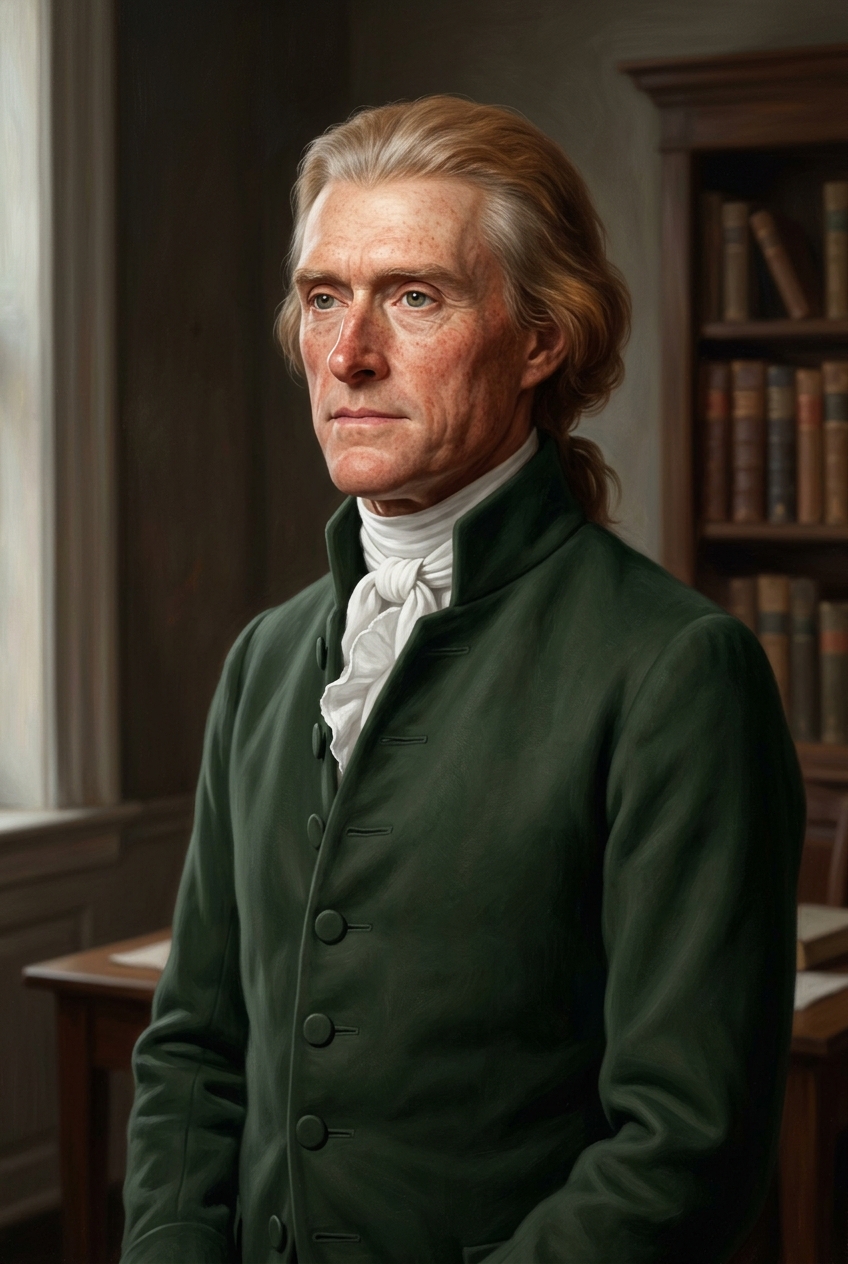
More than 610 people were enslaved by Thomas Jefferson across his life, around 130 of them at Monticello at any given time. He freed ten. Two during his lifetime, five in his will, and the others let go without pursuit or given their freedom informally, and every one of them belonged to a single family, the Hemingses.
Writing to his son-in-law John Wayles Eppes on June 30, 1820, Jefferson set out the economics without embarrassment: “I consider a woman who brings a child every two years as more profitable than the best man of the farm. What she produces is an addition to the capital, while his labors disappear in mere consumption.” This is the man who wrote that all men are created equal, and whose name sits among the men who signed the Declaration of Independence.
The Hemings relationship became public in September 1802, during his second year in office, when the journalist James T. Callender printed it in the Richmond Recorder: Jefferson “keeps, and for many years has kept, as his concubine, one of his slaves. Her name is SALLY.” He never freed her.
He died in 1826 owing $107,000, and nearly everything at Monticello was sold to cover it, 126 people among the assets in 1827 alone. Peter Fossett, sold away as a boy, remembered the day: “we were scattered all over the country, never to meet each other again until we meet in another world.”
James Madison
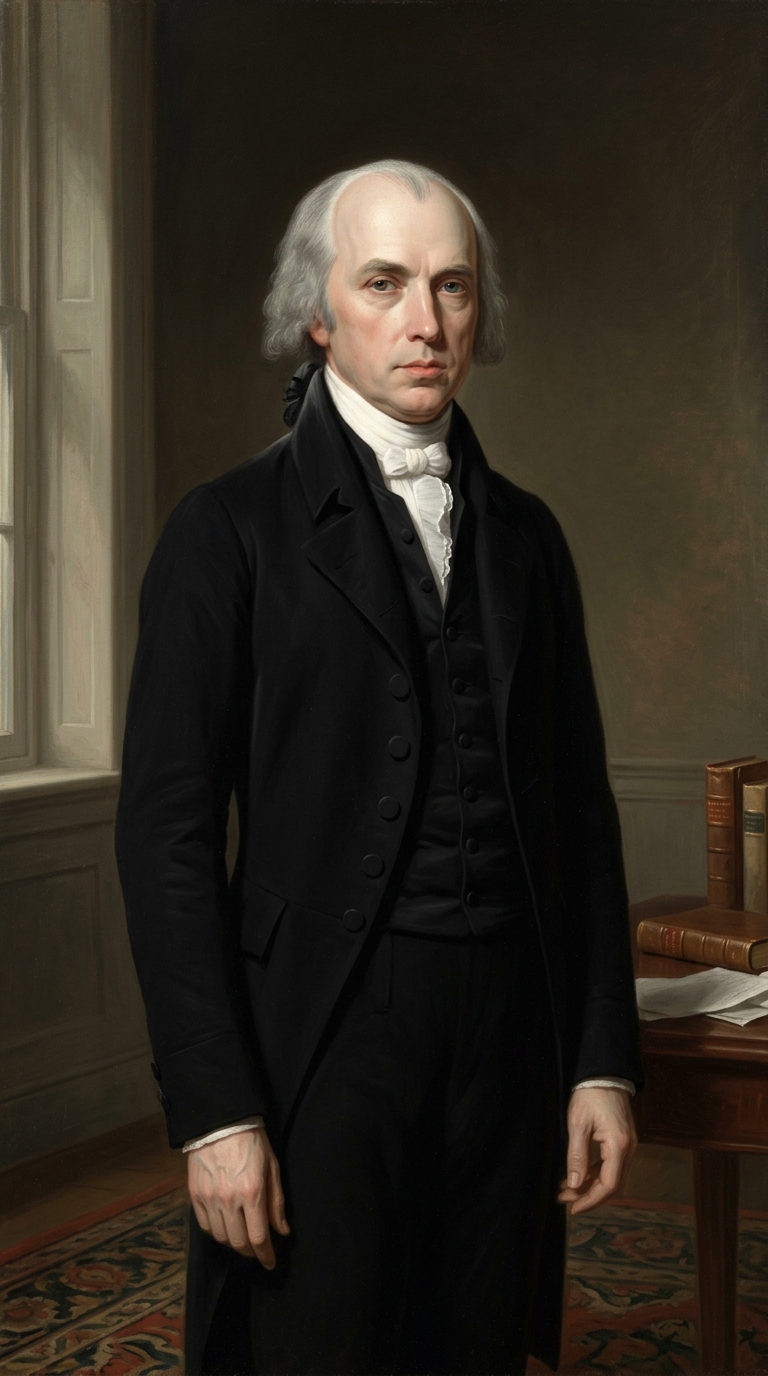
Paul Jennings was born at Montpelier in 1799 and was ten years old when Madison brought him to the White House as a footman. He stayed the rest of Madison’s life, shaved him every other day for sixteen years, and was in the room on June 28, 1836 when the old man stopped swallowing his breakfast. Asked what was wrong, he said, “Nothing more than a change of mind, my dear.” Jennings wrote that he “ceased breathing as quietly as the snuff of a candle goes out.”
Madison had inherited Montpelier and more than 100 enslaved people on February 27, 1801, eight years before his presidency. He freed none of them. Edward Coles, his former secretary, put it flatly: Madison “died without having freed one -- no not even Paul.”
Jennings got out the hard way. Dolley Madison sold him to an insurance agent named Pollard Webb for $200; Webb sold him on to Daniel Webster for $120. Webster’s note of March 19, 1847 records the terms: “I have paid $120 for the freedom of Paul Jennings--He agrees to work out the sum, at 8 dollars a month.”
In 1865 he published A Colored Man’s Reminiscences of James Madison, nineteen pages, considered the first memoir of White House life by anyone who lived there. He used part of it to correct the record. The story that Dolley Madison cut down the Washington portrait as the British came on was, he wrote, “totally false. She had no time for doing it.”
James Monroe
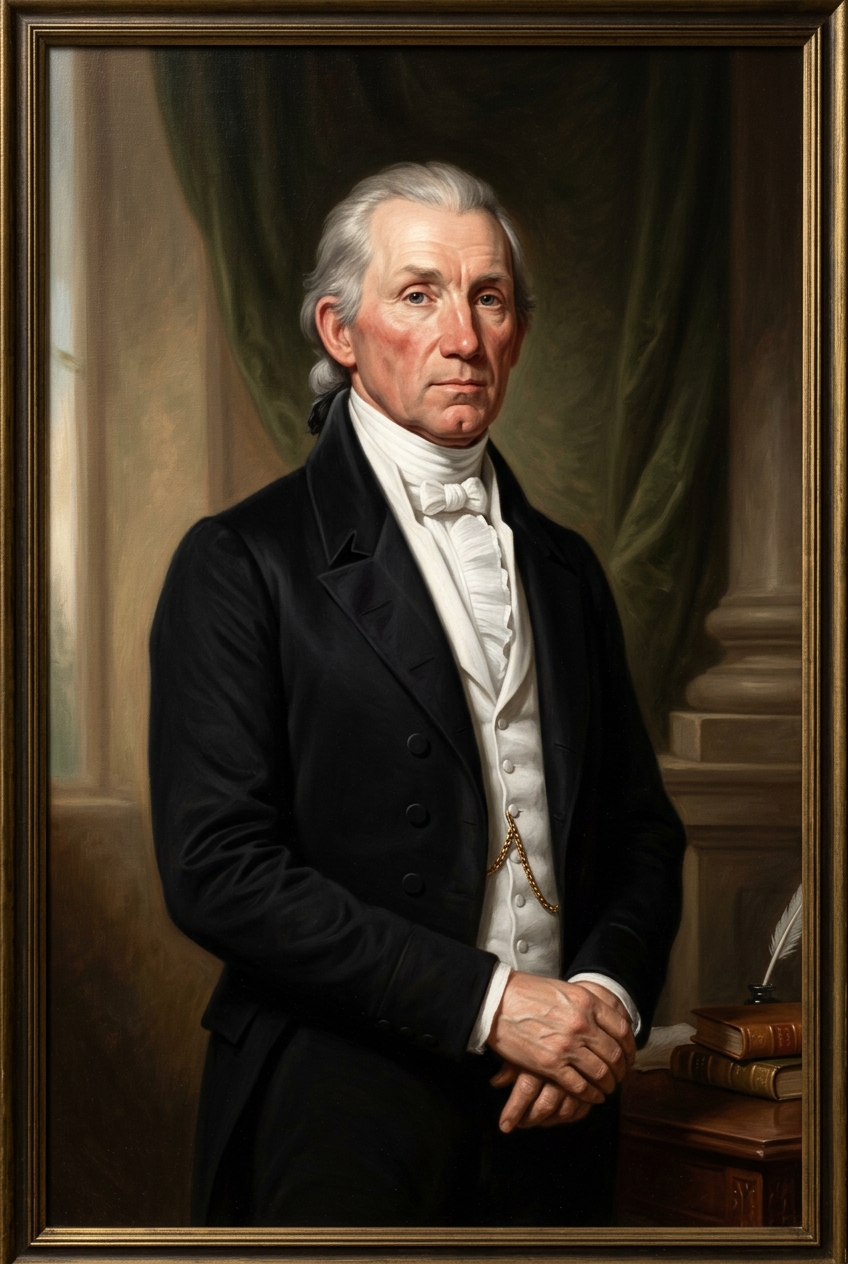
The man whose name is on the capital of Liberia freed one person in his life. Monroe was, in the White House Historical Association’s phrase, “an ardent supporter” of the American Colonization Society, and Monrovia is named for him. The 1810 census recorded 49 enslaved people at Highland. In 1823, midway through his second term, he estimated in his own hand that he held “about 60. or 70. young & old, male & female” across his Virginia properties, and Highland’s researchers have since documented 178 people he enslaved at one time or another.
Before the presidency, as governor of Virginia, he handled Gabriel’s Rebellion. Seventy-two men were prosecuted and twenty-six were hanged, Gabriel himself on October 10, 1800. Partway through, Monroe wrote to Jefferson for advice, and Jefferson wrote back on September 20 that “there is a strong sentiment that there has been hanging enough.”
The one man Monroe freed was his manservant Peter Marks, and even that arrived by accident of paperwork: a dying request found among his papers after his death on July 4, 1831, rather than anything set down in the will. A letter written a month later recommends Marks as “an excellent dining room servant, and a good coachman.” His wife Eugenia was not included in the request. She was sold in 1833.
Andrew Jackson
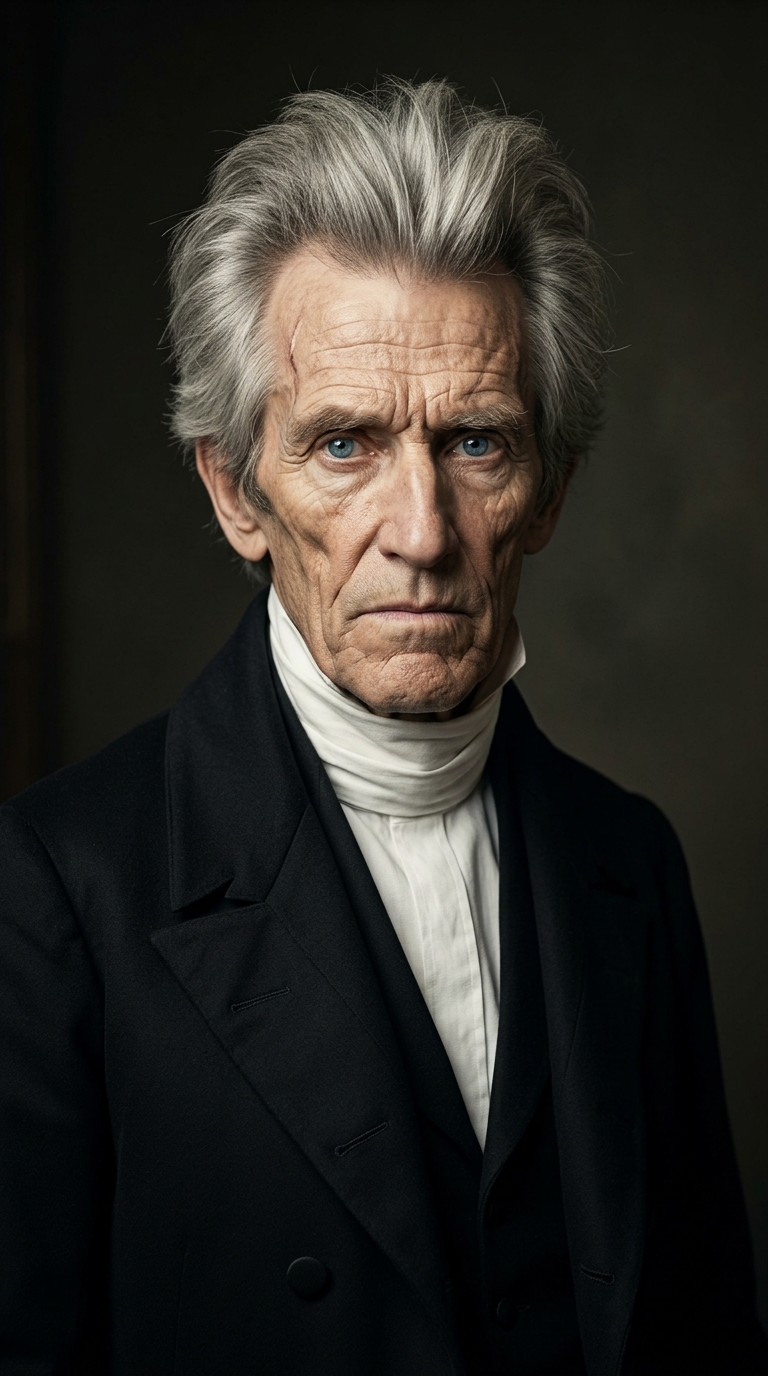
The advertisement Jackson placed in the Tennessee Gazette in October 1804 never gave the man’s name. It described him instead: “a Mulatto Man Slave, about thirty years old, six feet and an inch high, stout made and active, talks sensible, stoops in his walk, and has a remarkable large foot, broad across the root of the toes.” It offered fifty dollars for his return. Then it added a second clause: “ten dollars extra, for every hundred lashes any person will give him, to the amount of three hundred.”
Jackson had been buying people since 1788, starting with a woman named Nancy. His own inventory, taken in January 1829 as he prepared to leave for Washington, recorded ninety-five enslaved people at the Hermitage. The 1830 federal census counted fourteen enslaved people inside the White House itself, eight women and six men.
He kept buying once he got there. In late 1831 he purchased a boy named Adam from a Virginia colonel. Early in 1832 an eight-year-old girl named Emeline arrived, bought by his nephew Major Andrew Jackson Donelson acting, in the Association’s own words, “on the president’s behalf,” with Jackson settling up afterwards. Emeline probably never lived with her family again.
About one hundred fifty people were enslaved at the Hermitage when he died in 1845.
John Tyler
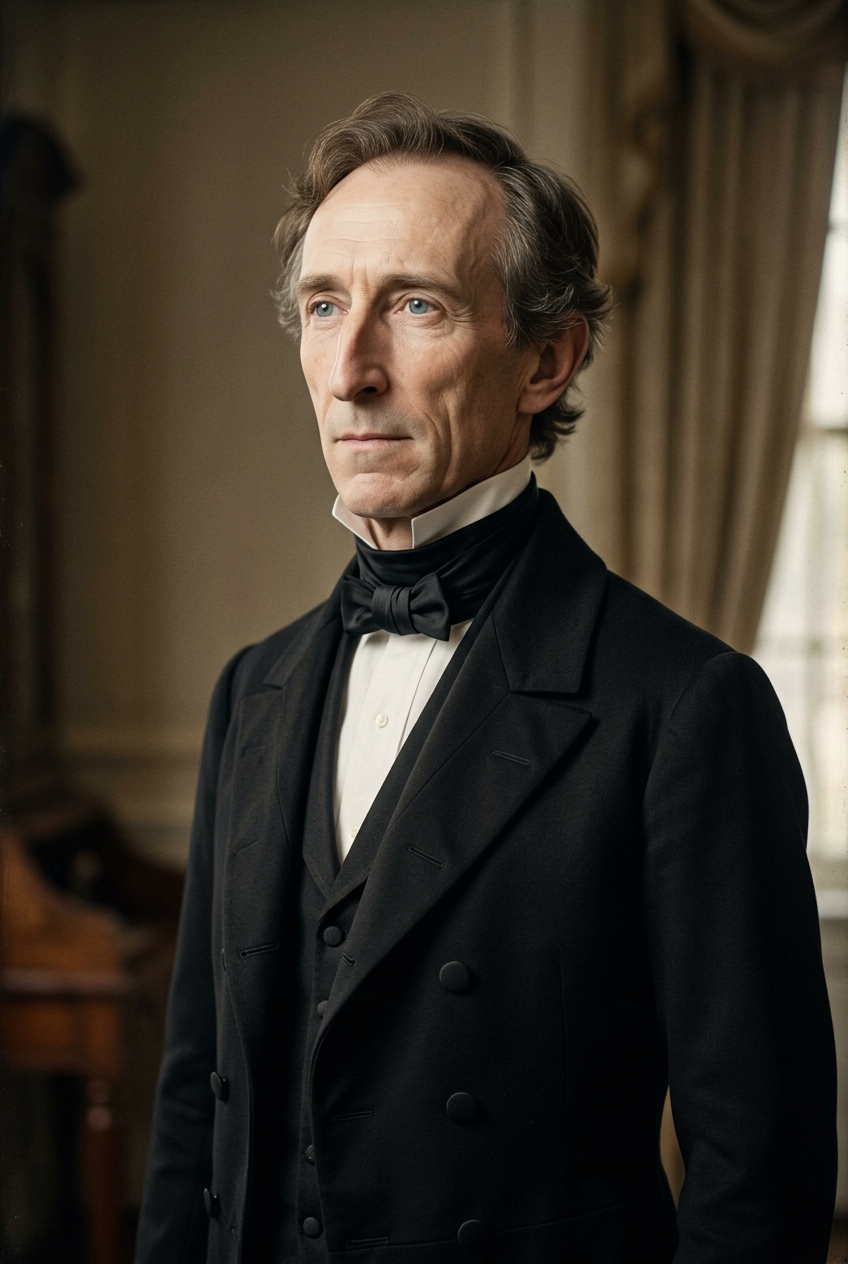
On February 28, 1844 the USS Princeton came down the Potomac with the president aboard and fired its enormous gun, the Peacemaker, for a crowd of dignitaries. On the last firing the gun burst. Six people were killed: Secretary of State Abel P. Upshur, Secretary of the Navy Thomas W. Gilmer, Captain Beverley Kennon, Virgil Maxcy, David Gardiner, and Tyler’s enslaved valet, who had no say about being on the ship at all. The five white men are named in the official accounts. The sixth is not reliably named anywhere. Two period newspapers call him Armistead, one calls him Henry, one gives no name, and the Association’s researchers, who have been through the papers, suggest the two may be halves of one name and leave it unresolved.
Tyler had reached the office as the first of the vice presidents who inherited the presidency, and he brought enslaved people to it. The Colored American reported on November 20, 1841 that “President Tyler has in all 18 colored persons hired – he has but two of his slaves with him, as servants.” At Sherwood Forest, his Virginia plantation, Julia Gardiner Tyler reported in 1844 that there were “between sixty and seventy slaves” there.
He married her on June 26, 1844, four months after the explosion that killed both her father and his valet. In 1861 he sat in the Confederate Provisional Congress. He was elected to the permanent one and died in Richmond on January 18, 1862, before it ever assembled.
James K. Polk
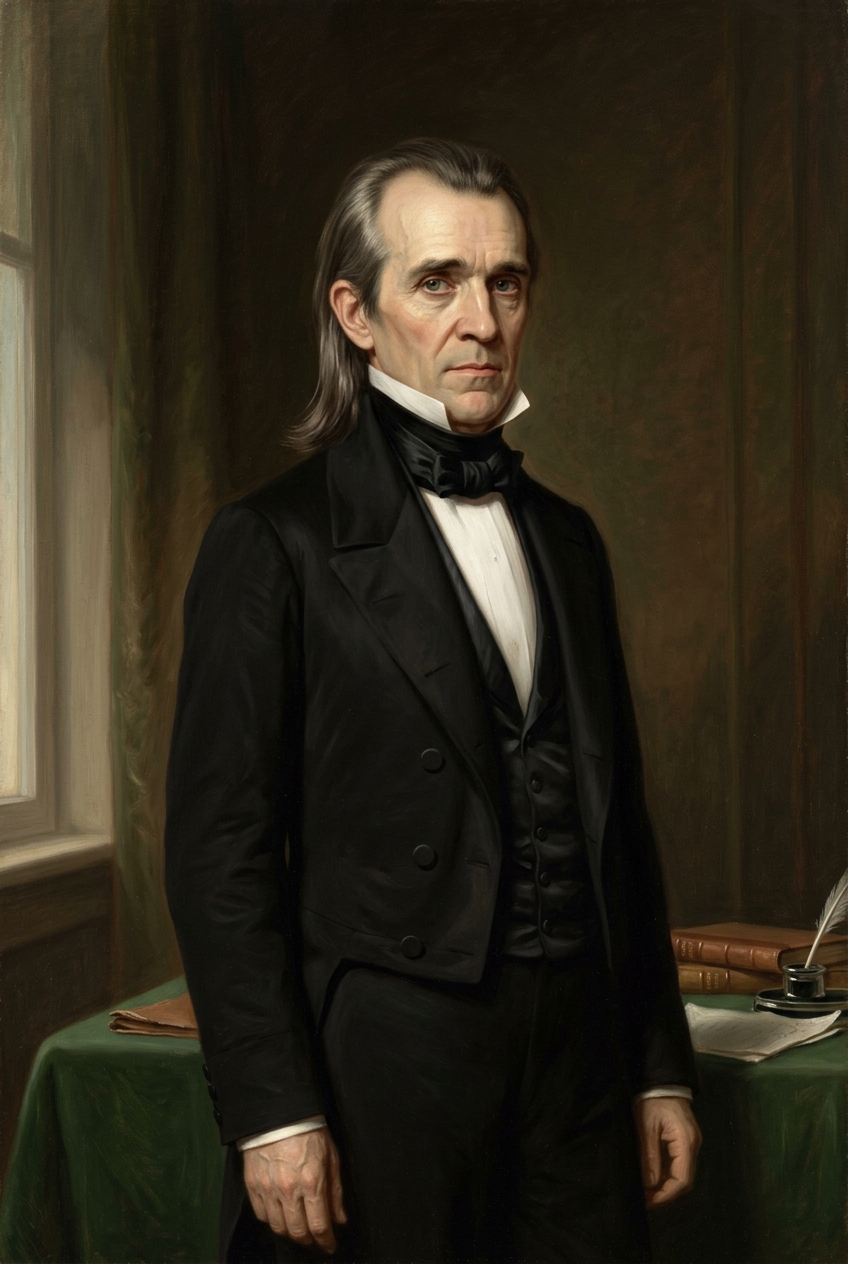
Polk bought nineteen people while he was president. He did it through his agent Robert Campbell, for the Mississippi plantation he ran by post from the White House, and at least thirteen of the nineteen were children. The youngest was a ten-year-old boy named Jerry, bought in Polk’s final weeks in office.
He knew how it would look. In August 1846, days after the House adopted the Wilmot Proviso, he told Campbell that his own hand in the purchases was not to be generally known, and added that “the public have no interest in knowing it, and in my situation it is better they should not.”
No clean figure survives for the day he took office. The 1840 census recorded 34 people on the plantation, and 56 were there when he died in June 1849. What is documented is the traffic in between, including a fourteen-year-old boy named Jim, traded back out in the autumn of 1846 for a girl of twelve or thirteen named Jane.
Polk’s will left everyone he enslaved to his wife Sarah, to go free on her death. Sarah Polk lived until 1891. It never came to that. On August 19, 1863 Union troops reached the Mississippi plantation and at least ten people freed themselves, seven of whom went into the Union Army.
Zachary Taylor
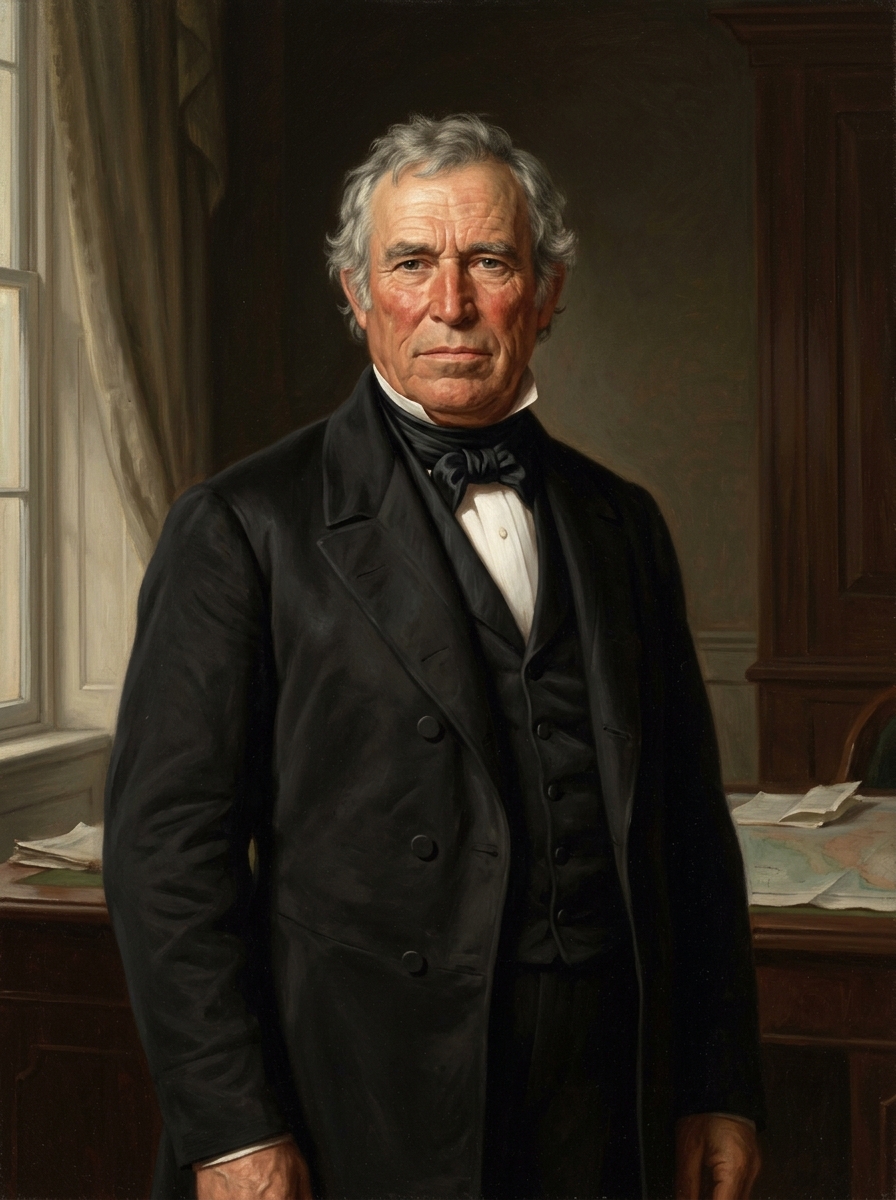
The names of eighty-one people Taylor enslaved survive because abolitionists published them to embarrass him. When he bought Cypress Grove plantation in Mississippi in 1842, the deed of sale itemised every man, woman and child included in the purchase, and during his campaign for the presidency abolitionists reprinted the list in American newspapers as evidence against him. The Association republishes every name today.
Taylor was a soldier before he was anything else, and among the presidents who were also generals he is one of the few who had never held elected office of any kind. He brought enslaved people to the White House, among them his body servant Charles Porter, who had gone with him through the war with Mexico and died suddenly one Sunday morning at the Executive Mansion in 1849. He opposed the spread of slavery into the new western territories while, as the Association puts it, owning hundreds of enslaved men, women and children.
The end arrived on July 9, 1850, after a Fourth of July ceremony at the Washington Monument, a walk along the Potomac, and a quantity of cherries and iced water. His physicians called it cholera morbus.
He is the last sitting president to have personally held enslaved people. Andrew Johnson and Grant both enslaved people earlier in their lives, and by one institution’s count so did Buchanan, but all three had stopped before they took office.
Frequently Asked Questions
Which presidents enslaved people but never while they were in office?
Van Buren’s one enslaved man, Tom, was freed by New York law in 1827. Andrew Johnson emancipated the people he enslaved in 1863, and Grant manumitted William Jones in 1859. Buchanan’s disputed arrangement of 1835 came twenty-two years before he took office. William Henry Harrison is harder, below.
Why is William Henry Harrison not on this list?
Harrison enslaved people, and as governor of Indiana Territory he signed an 1805 act that made slavery workable there. But the White House Historical Association dates that ownership to before he ran, and no surviving record puts anyone in his hands during his month in office. That whole month is thinly documented; an 1858 fire took the family paperwork.
Why do some sources say twelve presidents owned enslaved people and others say thirteen?
James Buchanan. The White House Historical Association counts him among thirteen; the Miller Center’s figure leaves him out. In 1835 he took Daphne Cook, aged 22, and her daughter Ann into his Pennsylvania household under an indenture rather than a sale, because that state had abolished new chattel slavery in 1780.
Did any of these presidents free the people they enslaved?
Barely. Washington’s will freed 123 people, but only upon Martha’s death; she did it herself in 1801. His valet William Lee was the single exception, freed at once. Jefferson freed ten of more than 610 across his life. Monroe freed exactly one. Madison freed nobody at all.
Did every president who used enslaved labor in the White House own the people involved?
No. One name on the Association’s White House list belongs to a man who never owned a human being in his life. Two enslaved people worked in John Quincy Adams’s household, Holzey and Rachel Clark, and both belonged in law to his wife’s ward niece and nephew rather than to the president.
When did slavery at the White House end?
Probably with Zachary Taylor, who the White House Historical Association believes was the last president to bring enslaved men and women there to live and work, and who died in July 1850. Slavery itself stayed legal in the District of Columbia until April 16, 1862, and nationally until the Thirteenth Amendment in December 1865.
- White House Historical Association – Slavery in the President’s Neighborhood FAQ
- Miller Center – U.S. Presidents and Slavery
- National Park Service – Slavery at Andrew Johnson National Historic Site
- National Park Service – Slavery at White Haven
- National Archives – The 13th Amendment
- National Archives – The District of Columbia Emancipation Act
- Naval History and Heritage Command – USS Princeton (1843)
- U.S. Senate – The District of Columbia Compensated Emancipation Act of 1862